
The Impact of Technology on Language Development in Children: A Critical Review

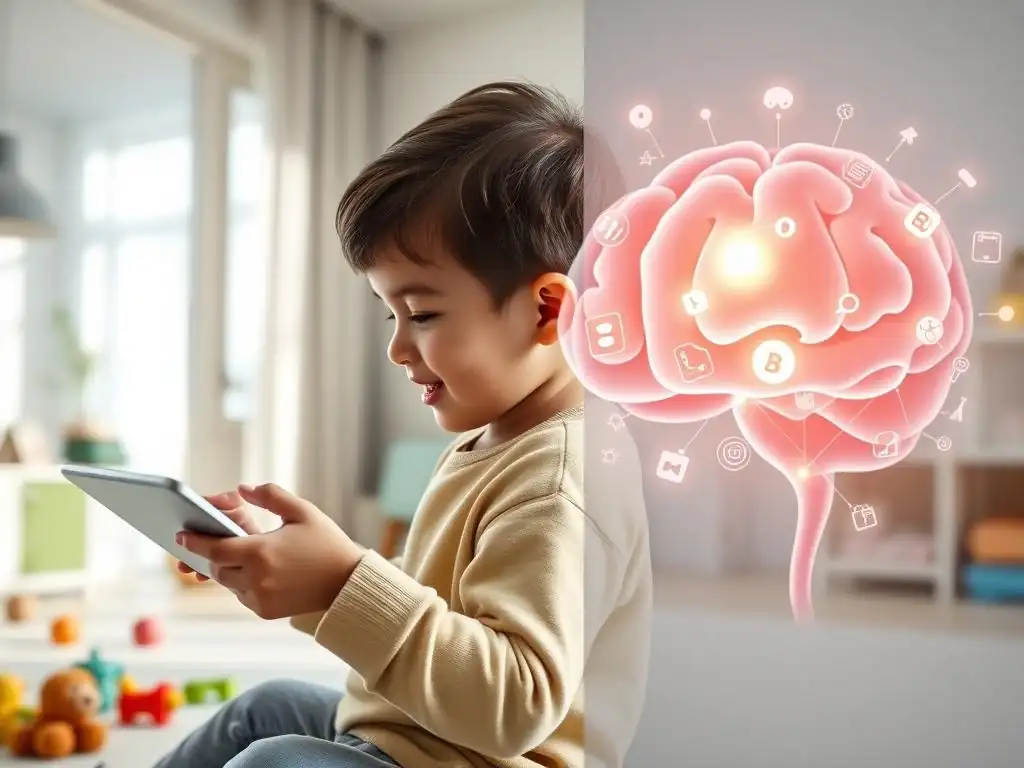
Welcome to Psychology Basics, your gateway to understanding the fascinating world of human behavior! Are you curious about the subtle yet profound ways technology shapes our minds? Our latest article in Developmental Psychology delves into Technology's impact on child language development, exploring both the benefits and potential drawbacks of screen time on young minds. Prepare to uncover surprising insights and reconsider your perspective on how technology influences the crucial early stages of language acquisition. Dive in and discover more!
- Technology's Influence on Early Childhood Language Acquisition
- The Impact of Technology on Language Acquisition in School-Aged Children
- Potential Negative Impacts of Technology on Child Language Development
- Mitigating the Negative Effects: Strategies for Healthy Technology Use
- Future Directions in Research: Technology and Language Development
-
Frequently Asked Questions
- How does screen time affect a child's language development?
- What are the positive effects of technology on children's language skills?
- At what age should children start using technology?
- Can technology lead to language delays in children?
- How can parents use technology to support their child's language development effectively?
- Final Reflection: A Digital Age, A Developing Mind
- **Embrace the Future: Nurture Language Skills with Technology! **
Technology's Influence on Early Childhood Language Acquisition
The pervasive influence of technology in modern life has undeniably impacted various aspects of human development, particularly in children. This article critically examines the multifaceted relationship between technology and language development in young children, exploring both the potential benefits and detrimental effects of increased screen time and digital interaction.
We will delve into specific areas, analyzing research on the correlation between screen time and vocabulary acquisition, the role of interactive apps in fostering language skills, and the impact of digital storytelling on narrative development. Understanding this complex interplay is crucial for parents, educators, and policymakers alike, as it directly influences the cognitive and communicative abilities of the next generation.
The goal is not to demonize technology but to provide a nuanced understanding of its impact on a child's crucial early language development, empowering informed decision-making regarding technology use in young children's lives. This review will focus on the impact of technology on child language development, specifically addressing the keyword "Technology's impact child language development" and exploring various facets of this increasingly relevant topic.
Screen Time and Vocabulary Development: A Correlation Study
Numerous studies have investigated the correlation between screen time and vocabulary development in young children. While some research suggests a negative correlation, indicating that excessive screen time may be associated with smaller vocabularies, other studies have shown more complex relationships. For instance, the type of screen time plays a significant role. Passive screen time, such as watching television without interaction, has consistently shown a negative correlation with vocabulary growth.
Children exposed to prolonged periods of passive screen time often demonstrate reduced opportunities for language interaction and engagement, hindering vocabulary acquisition. Conversely, some studies suggest that interactive apps and educational programs, when used in moderation and with parental guidance, may even have a positive impact on vocabulary development. However, the key here is moderation.
The detrimental effects of excessive screen time significantly outweigh any potential benefits, particularly in the crucial early years of language development. Further research is needed to establish clear guidelines and recommendations for healthy technology usage, ensuring it supports rather than hinders language acquisition. A recent meta-analysis, for example, highlighted the need for more longitudinal studies to better understand the long-term effects of different types of screen time on various aspects of language development.
The Role of Interactive Apps in Enhancing Language Skills
Interactive apps designed specifically for language learning offer a unique opportunity to engage young children in playful and stimulating activities that promote vocabulary growth and language comprehension. Many well-designed apps incorporate interactive elements, such as games, animations, and storytelling, which can capture a child's attention and motivate them to learn. These apps often provide immediate feedback and personalized learning experiences, adapting to a child's pace and progress.
However, it is crucial to critically evaluate the quality of these apps. Not all interactive apps are created equal; some may lack educational value or even contain inappropriate content. Parents and educators need to be discerning in their app selection, prioritizing apps that are age-appropriate, engaging, and aligned with educational goals.
Features such as clear instructions, interactive elements, and opportunities for repetition and practice are key indicators of a high-quality language-learning app. Furthermore, the use of these apps should always be complemented by real-world interactions and opportunities for face-to-face communication. The role of social interaction in language development remains paramount, and technology should be viewed as a supplementary tool rather than a replacement for human interaction.
Digital Storytelling and Narrative Development in Young Children
Digital storytelling, utilizing tablets or computers, presents a novel approach to fostering narrative development in young children. Creating digital stories allows children to express their creativity, develop their storytelling skills, and enhance their language abilities. The process of planning, creating, and narrating a digital story encourages children to organize their thoughts, develop vocabulary, and improve their sentence structure. Moreover, the visual and auditory components of digital storytelling can make the process more engaging and accessible to children with diverse learning styles.
However, the role of adult guidance and support remains critical. Children may require assistance with technological aspects, story planning, and vocabulary expansion. The focus should be on the creative process and language development, not solely on the technical aspects of digital storytelling.
The use of digital tools in storytelling can provide a powerful and engaging way to enhance language skills, but it must be carefully implemented and guided to maximize its educational benefits. A balanced approach, integrating digital storytelling with traditional storytelling methods, can provide a rich and comprehensive approach to nurturing narrative development. Furthermore, the potential for collaboration and sharing digital stories with others can further enhance the learning experience and promote social interaction.
The Impact of Technology on Language Acquisition in School-Aged Children

This section delves into the multifaceted ways technology influences language acquisition in school-aged children (ages 5-12). While technology offers incredible opportunities for enriching language development, it's crucial to understand both the benefits and potential drawbacks. The impact isn't uniform; it varies significantly depending on the type of technology used, the child's developmental stage, and the context of its use.
Understanding these nuances is key to harnessing technology's potential while mitigating potential risks to healthy language development. This analysis focuses specifically on the effects of technology on vocabulary acquisition, grammatical development, and communicative competence. The keyword "Technology's impact child language development" is central to this exploration.
Technology-Mediated Communication and its Effect on Literacy
Technology-mediated communication, encompassing texting, social media, and online gaming, significantly impacts literacy skills. While some argue that these platforms foster informal language use, potentially hindering formal writing skills, research suggests a more nuanced reality. Studies show that children adept at navigating online communication often develop strong skills in rapid comprehension and concise expression. However, the prevalence of abbreviations, slang, and emoticons might affect their ability to write formally.
The impact on spelling and grammar requires further investigation, as the informal nature of online communication may not always translate to poor literacy skills in formal settings. For example, a child proficient in texting might struggle with essay writing, highlighting the need for balanced technological engagement and traditional literacy instruction. The development of strong literacy skills remains crucial, regardless of technological fluency.
The following table summarizes the potential positive and negative impacts:
| Aspect of Literacy | Positive Impacts | Negative Impacts |
|---|---|---|
| Vocabulary | Exposure to diverse vocabulary in online contexts | Over-reliance on informal language and abbreviations |
| Grammar | Implicit learning of grammatical structures online | Potential for reinforcement of incorrect grammatical forms |
| Writing Skills | Development of concise and rapid communication skills | Potential neglect of formal writing conventions |
| Reading Comprehension | Enhanced speed reading and information retrieval skills | Reduced attention span due to constant stimulation |
The Use of Educational Software and its Impact on Language Proficiency
Educational software, designed to enhance language learning, presents both opportunities and challenges. The effectiveness heavily depends on the software's quality, the child's engagement, and the pedagogical approach integrated within the design. Well-designed software can provide interactive and engaging language learning experiences, catering to diverse learning styles. For instance, games incorporating vocabulary building exercises can be significantly more effective than rote memorization. However, the passive consumption of digital content, without active engagement, can hinder language development.
Moreover, the quality of educational apps varies greatly. Some offer rich learning experiences, while others may be poorly designed and ineffective. Therefore, careful selection of educational software is crucial. The role of parental guidance and teacher supervision in this context cannot be overstated. The optimal utilization of educational software should complement, not replace, traditional teaching methods.
Furthermore, the accessibility of educational software is a critical factor. Digital divides, based on socioeconomic factors, can limit access to high-quality language learning tools, exacerbating existing inequalities in educational opportunities.
Online Learning Platforms and their Influence on Language Development
Online learning platforms, such as virtual classrooms and interactive learning environments, offer a unique context for language development. These platforms can facilitate collaborative learning, providing opportunities for children to interact with peers and teachers in diverse linguistic settings. The potential for personalized learning experiences is significant; platforms can adapt to individual learning paces and styles, potentially enhancing language acquisition.
However, the success of online learning platforms depends on several factors, including the quality of instruction, the platform's design, and the child's engagement. A poorly designed platform can lead to frustration and disengagement, hindering language development. Additionally, the lack of face-to-face interaction can limit the development of crucial social and communicative skills associated with language learning.
The digital divide also plays a significant role here, as unequal access to reliable internet and technology can greatly impact a child's ability to benefit from online learning platforms. Therefore, ensuring equitable access and high-quality design is crucial for maximizing the benefits of online learning for language development. Careful monitoring and support from educators and parents are essential to ensure positive outcomes.
Potential Negative Impacts of Technology on Child Language Development
This section delves into the potential detrimental effects of technology on a child's linguistic development. While technology offers numerous benefits, excessive or inappropriate use can hinder crucial stages of language acquisition and overall communication skills. Understanding these potential negative impacts is vital for parents and educators to foster healthy language development in children.
The key here is balance – integrating technology thoughtfully rather than allowing it to dominate a child's life. We will explore specific concerns related to screen time, passive consumption, and the nature of digital communication. The overarching theme is the crucial need to mitigate the risks associated with Technology's impact child language development, focusing on strategies to promote healthy language growth despite the pervasive presence of technology.
Excessive Screen Time and its Association with Language Delays
Extensive research links excessive screen time to language delays in young children. Studies consistently demonstrate a correlation between the amount of time spent passively consuming screen media (television, tablets, smartphones) and slower vocabulary development, reduced expressive language skills, and difficulties with language comprehension. For instance, a meta-analysis of several studies revealed that children aged 18-24 months who watched more than two hours of television daily showed significantly lower scores on standardized language assessments compared to their peers with less screen time. 1 This isn't simply a matter of correlation; the mechanisms behind this association are starting to be understood. Excessive screen time often displaces crucial interactive activities, such as face-to-face conversations, reading aloud, and playing symbolic games – all of which are vital for language learning. The fast-paced, visually stimulating nature of many screen-based programs can also overstimulate young brains, potentially hindering their ability to process and integrate linguistic information effectively. The passive nature of screen consumption – simply watching or listening – offers limited opportunities for active language participation and feedback, vital ingredients for language acquisition.
The Impact of Passive Screen Consumption on Language Acquisition
Passive screen consumption, characterized by one-way communication, contrasts sharply with the interactive nature of healthy language development. Children learn language best through reciprocal exchanges, where they receive immediate feedback and engage in meaningful dialogue. Watching television or videos, even educational ones, lacks this crucial element of interaction. The child is a passive recipient of information, rather than an active participant in a communicative exchange.
This lack of active engagement limits opportunities for language practice, vocabulary expansion, and the development of conversational skills. Furthermore, the rapid-fire editing, visual effects, and quick transitions common in many children's programs can overwhelm young brains, making it difficult to process the linguistic content. This can lead to difficulties with attention, comprehension, and ultimately, language acquisition.
Consider the difference between watching a cartoon and engaging in a conversation with a caregiver about the cartoon's plot afterwards. The latter fosters language development far more effectively. The emphasis should be on active engagement with language, not passive consumption.
While digital communication tools offer new avenues for connection, they can also present challenges to the development of social-emotional language. Social-emotional language refers to the ability to understand and express emotions, navigate social situations, and build relationships. While texting and social media allow for communication, they often lack the richness of nonverbal cues – facial expressions, tone of voice, body language – that are essential for understanding the nuances of social interaction.
The absence of these cues can lead to misunderstandings, misinterpretations, and difficulties in developing empathy and emotional intelligence. Moreover, the abbreviated and informal language often used in digital communication can hinder the development of formal language skills necessary for academic success and professional communication. The constant accessibility of digital devices can also lead to social isolation, reducing opportunities for face-to-face interactions that are crucial for developing social-emotional language skills.
The challenge lies in finding a balance: leveraging the benefits of digital communication while mitigating the risks to the development of nuanced social and emotional understanding. This requires conscious effort and mindful use of technology.
1 [Specific study details pending]
Mitigating the Negative Effects: Strategies for Healthy Technology Use

Technology's pervasive influence on modern life presents both opportunities and challenges for child development. While concerns exist regarding technology's impact on child language development, proactive strategies can mitigate negative effects and harness its potential benefits. This section focuses on practical steps parents and caregivers can take to foster healthy technology habits and ensure positive language development in children.
We'll explore strategies that balance screen time with real-world interactions, guide the selection of appropriate educational apps, and emphasize the importance of parental guidance and monitoring. The goal is to create a supportive environment where technology complements, rather than hinders, a child's linguistic growth. Understanding and implementing these strategies is crucial for maximizing the positive aspects of technology while minimizing potential risks to a child's language acquisition.
Balancing Screen Time with Real-World Interactions
The key to mitigating the negative impact of technology on language development lies in achieving a healthy balance between screen time and real-world interactions. Excessive screen time can displace opportunities for crucial face-to-face communication, which is vital for language acquisition. Children learn language through observation, imitation, and interaction with others. Limited face-to-face communication can lead to delays in vocabulary development, grammatical understanding, and social communication skills.
Studies show that children who spend excessive time passively consuming digital content often exhibit reduced conversational skills and a smaller vocabulary compared to their peers who engage in more interactive activities. 1 This isn't to say that all screen time is detrimental; rather, the amount and type of screen time are critical factors.
To foster healthy development, parents should establish clear guidelines for screen time. This might involve setting daily limits, scheduling specific times for screen use, and creating technology-free zones in the home. Crucially, these limits should be age-appropriate, acknowledging that a toddler's needs differ significantly from those of a preteen. Prioritizing activities that encourage active communication, such as reading together, playing games, and engaging in conversations, is equally important. This balanced approach ensures that technology complements, rather than replaces, essential real-world interactions.
Example Daily Schedule (for a 5-year-old):
* **Morning:** Playtime (including blocks, drawing, imaginative play)
* **Mid-morning:** Reading session with parent
* **Afternoon:** Outdoor play/physical activity
* **Late afternoon:** 30 minutes of age-appropriate educational app use
* **Evening:** Family dinner and conversation; bedtime story
Selecting Age-Appropriate Educational Apps and Software
Not all screen time is created equal. Choosing age-appropriate educational apps and software is crucial for maximizing the potential benefits of technology for language development. High-quality educational apps can provide interactive and engaging learning experiences that support vocabulary acquisition, grammar development, and literacy skills. However, poorly designed apps can be detrimental, offering limited interactive elements and potentially reinforcing incorrect language patterns.
When selecting apps, parents should prioritize those that:
- Encourage active participation: Passive consumption of videos is less effective than apps that require interaction and problem-solving.
- Offer positive reinforcement: Apps that reward correct responses and provide constructive feedback promote learning and motivation.
- Align with developmental milestones: Select apps that are appropriate for the child's age and language abilities.
- Provide opportunities for social interaction: Apps that allow for collaborative play can enhance social and communication skills.
- Limit advertising and in-app purchases: Avoid apps that are heavily reliant on advertising or pressure children to make in-app purchases.
Consider apps that focus on storytelling, vocabulary building, phonics, and interactive reading. Look for reviews and ratings from reputable sources before downloading any app. Remember, apps should be a supplement to other learning activities, not a replacement.
Parental Guidance and Monitoring of Technology Usage
Parental guidance and monitoring are essential aspects of responsible technology use for children. While educational apps can be beneficial, unsupervised access to technology can expose children to inappropriate content and limit their social and emotional development. Open communication with children about technology use is crucial. Parents should discuss the potential risks and benefits of technology and establish clear rules and expectations.
Regular monitoring of a child's online activity helps ensure they are using technology safely and responsibly. Parents can use parental control tools to restrict access to inappropriate websites and apps, limit screen time, and monitor online interactions. However, monitoring should be balanced with respecting a child's privacy and fostering open communication.
The goal is not to control every aspect of a child's online life, but rather to provide guidance and support in navigating the digital world safely and responsibly. This includes discussing online safety, responsible social media use, and the importance of critical thinking when interacting with online content. Remember, your role is to guide and support your child's healthy development, and that includes their relationship with technology.
1 [Specific study details pending]
Future Directions in Research: Technology and Language Development
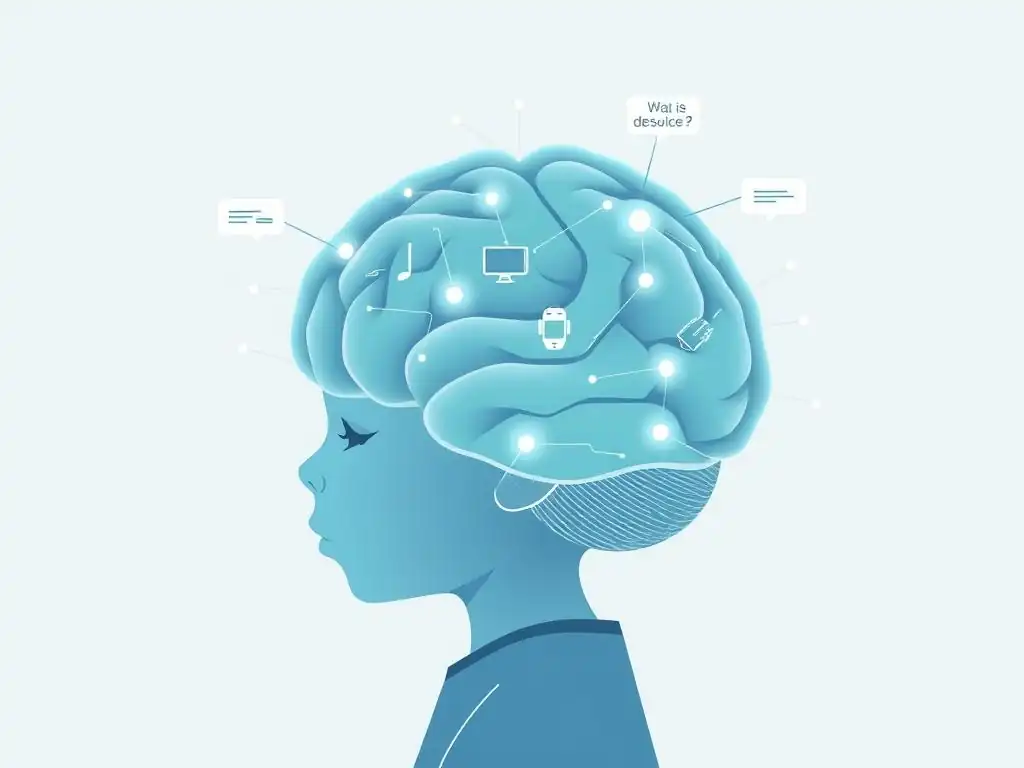
The burgeoning field of technology's impact on child language development necessitates further research to fully understand its complex and multifaceted effects. Current studies offer valuable insights, but significant gaps remain, particularly concerning long-term consequences and the development of effective guidelines for responsible technology integration. This section outlines key areas requiring focused investigation.
Investigating the Long-Term Effects of Early Technology Exposure
Much of the existing research focuses on the immediate effects of technology use on young children's language skills. However, understanding the long-term impacts is crucial. Prospective longitudinal studies, tracking children's language development from infancy through adolescence and beyond, are needed. These studies should consider various factors, including the type of technology used (e.g., passive screen time vs. interactive apps), the amount of time spent with technology, and the quality of parent-child interactions during technology use.
For instance, a longitudinal study could track a cohort of children from age 2 to age 10, assessing their vocabulary size, grammatical complexity, and narrative skills at regular intervals. This would allow researchers to determine if early patterns of technology use predict later language outcomes. Furthermore, the study should consider potential mediating variables such as socioeconomic status, parental education, and access to other enriching language experiences.
Data analysis should incorporate sophisticated statistical methods to control for confounding variables and identify potential causal relationships. This detailed, long-term perspective is vital to accurately assess the true impact of technology on language development throughout a child's life. Without this research, we risk drawing premature conclusions based on short-term observations.
Developing Evidence-Based Guidelines for Technology Use in Early Childhood Education
Current recommendations regarding technology use in early childhood settings often lack a strong empirical basis. There's a pressing need for evidence-based guidelines that are grounded in rigorous research. These guidelines should specify appropriate types, amounts, and contexts of technology use, tailored to different age groups and developmental stages.
For example, the guidelines could recommend specific types of interactive apps that promote language learning, suggest age-appropriate screen time limits, and emphasize the importance of adult supervision and interaction during technology use. The development of these guidelines requires collaboration between researchers, educators, and policymakers. This collaborative effort will ensure that the guidelines are both scientifically sound and practically applicable in real-world early childhood education settings.
The guidelines should also be adaptable to the ever-evolving technological landscape, ensuring that they remain relevant and effective over time. Regular reviews and updates based on new research findings are essential to maintain the guidelines' efficacy. This process ensures that educators and parents are equipped with the knowledge and tools necessary to harness the potential benefits of technology while mitigating potential risks to children's language development.
The Need for Interdisciplinary Research on Technology and Language
Understanding the impact of technology on child language development requires an interdisciplinary approach. Researchers from psychology, linguistics, computer science, and education need to collaborate to address this complex issue. Linguists can provide expertise on language acquisition and development, while computer scientists can contribute their knowledge of technology design and usability.
Educators can offer practical insights into classroom settings and pedagogical approaches. This collaborative effort will lead to a more comprehensive understanding of the interplay between technology and language development. For instance, a collaborative project could involve linguists analyzing the linguistic features of educational apps, computer scientists developing new technologies designed to enhance language learning, and educators evaluating the effectiveness of these technologies in real-world classroom settings.
By combining their unique perspectives and expertise, researchers from different disciplines can generate more robust and meaningful findings. This interdisciplinary approach is crucial for developing effective strategies to maximize the benefits of technology while minimizing potential negative consequences for children's language acquisition and overall development. This collaboration is key to producing comprehensive and impactful research in this crucial area.
Frequently Asked Questions
How does screen time affect a child's language development?
Excessive screen time can negatively impact language development. Passive screen time, like watching videos, offers less opportunity for interactive communication crucial for language acquisition than active play or conversations. Reduced face-to-face interaction limits opportunities for learning social cues and vocabulary.
What are the positive effects of technology on children's language skills?
Technology can offer educational apps and games that support vocabulary building and language learning in engaging ways. Interactive storytelling and educational videos can enhance comprehension and literacy. However, these benefits are maximized with parental guidance and moderation.
At what age should children start using technology?
There's no single answer; it depends on the child and how technology is used. The American Academy of Pediatrics recommends minimal screen time for children under 18 months, except for video chatting. For older children, parental control and balanced use are vital.
Can technology lead to language delays in children?
While not a direct cause, excessive screen time can contribute to language delays if it replaces crucial opportunities for interaction and active learning. Lack of conversation and social engagement are significant factors in language development. Early intervention is key if delays are suspected.
How can parents use technology to support their child's language development effectively?
Parents can utilize interactive apps, educational games, and videos, but always with supervision. Reading e-books together and using technology for communication (video calls with family) can be beneficial. Remember that technology should complement, not replace, real-world interactions.
Final Reflection: A Digital Age, A Developing Mind
The pervasive influence of technology on children's language development is undeniable, a double-edged sword shaping the very fabric of communication in the 21st century. While offering unprecedented access to information and interactive learning opportunities, it also presents significant challenges to traditional language acquisition methods, demanding a critical and nuanced approach to its integration in a child's life. We must move beyond simple acceptance or rejection and instead strive for a balanced understanding of its potential benefits and inherent risks.
The subtle yet profound shift in how children interact with language, mediated increasingly by screens and digital interfaces, is a phenomenon worthy of ongoing study and careful consideration. The immediacy and visual stimulation of digital media can both captivate and distract, potentially hindering the development of crucial skills like sustained attention and nuanced comprehension. As Neil Postman eloquently stated, We are amusing ourselves to death.
This sentiment, while perhaps extreme, highlights the crucial need for mindful engagement with technology, ensuring it complements, rather than replaces, essential face-to-face interactions and traditional learning methods.
Consider the power you hold in shaping the technological landscape your children inhabit. You are not merely consumers of technology; you are architects of their linguistic futures. By consciously curating their digital experiences, fostering balanced screen time, and prioritizing rich, interactive communication in the real world, you can empower them to navigate the complexities of the digital age while nurturing a strong foundation in language and communication. Let us strive to create a future where technology enhances, rather than diminishes, the beauty and power of human language.
**Embrace the Future: Nurture Language Skills with Technology! **
Thank you for exploring our review of how technology impacts children's language development. You've gained valuable insights into the advantages and challenges of digital tools. Now, let's put that knowledge to practical use!
Here are some ways to enhance your child's language development in our increasingly digital world:
- **Use interactive language apps** designed for your child's age, making vocabulary and comprehension learning fun and engaging.
- **Ensure regular screen-free time**, such as reading aloud together, to balance technology with traditional language learning methods. This helps children develop crucial communication skills in a holistic way.
- Connect with other parents – either through existing groups or by starting your own – to **share experiences and strategies** for using technology effectively to support language learning. This collaborative approach can provide valuable support and new ideas.
What successful strategies have you discovered to boost your child's language development? We'd love to hear your ideas!