
ShortTerm Memory: The Mind's Temporary Workspace Explained


Welcome to Psychology Basics, your gateway to understanding the fascinating world of the human mind. Are you curious about the intricate workings of your own cognitive processes? Then you've come to the right place! We'll demystify complex psychological concepts, starting with a crucial element of your mental landscape: short-term memory. Discover how this temporary workspace shapes your thoughts, actions, and experiences—and learn how to optimize its use in our insightful article, "Short Term Memory Explained Simply". Dive in and unlock the secrets of your mind!
- Understanding Short-Term Memory Explained Simply
- Encoding and Storage in Short Term Memory
- Retrieval from Short-Term Memory
- Short-Term Memory vs. Working Memory: Key Differences
- Improving Your Short-Term Memory
- Short-Term Memory and Everyday Life
- Short-Term Memory Problems and Disorders
- Frequently Asked Questions
- Final Reflection: Holding the Present, Shaping the Future
- Unlock Your Mind's Potential Today!
Understanding Short-Term Memory Explained Simply
Short-term memory (STM), often referred to as working memory, is a crucial cognitive process that acts as the mind's temporary workspace. It's the mental scratchpad where we hold information consciously for a brief period, allowing us to manipulate and utilize it for immediate tasks. Understanding short-term memory is essential because it underpins many higher-level cognitive functions, from simple arithmetic calculations to complex problem-solving and language comprehension.
This article will explore the fundamental aspects of short-term memory, explaining its mechanics, limitations, and significance in everyday life. We'll delve into its capacity, duration, and how it differs from other memory systems, ultimately providing a simple yet comprehensive understanding of this vital cognitive function.
This explanation is designed to be accessible to students and anyone interested in learning more about the fascinating world of human memory. Think of it as your simple guide to understanding how your brain handles information in the here and now.
What is Short-Term Memory and How Does it Work?
Short-term memory is the system that actively processes a limited amount of information for a short time. Unlike long-term memory, which stores information relatively permanently, STM is a temporary holding area. Imagine it as a mental notepad where you jot down a phone number just long enough to dial it. Once you've dialed, the information is often discarded unless it's actively transferred to long-term memory through rehearsal or other encoding strategies.
The process involves several key components. First, sensory information from the environment is briefly held in sensory memory (iconic and echoic memory). Then, selective attention filters this information, choosing what's relevant and transferring it to STM. Within STM, information is actively maintained through processes like rehearsal (repeating the information) and manipulation (mentally working with the information).
Failure to maintain this active processing leads to information decay and its subsequent loss. This active processing is what differentiates STM from a simple passive storage system. It's a dynamic process, constantly shifting and updating based on current cognitive demands. Think of juggling – you're constantly actively manipulating the balls to keep them in the air, just as STM actively maintains information.
The Capacity of Short-Term Memory: The Magical Number 7 +/- 2
A landmark study by George Miller introduced the concept of "the magical number seven, plus or minus two." This suggests that the capacity of STM is limited to holding approximately 5 to 9 items at a time. However, this capacity can be increased through chunking – grouping individual units of information into larger, more meaningful chunks. For instance, remembering a phone number (e.g., 555-123-4567) is easier by chunking it into three smaller units rather than trying to remember eleven digits individually. This illustrates how the effective capacity of STM is not solely determined by the number of individual items but also by our ability to organize and process that information. The "magical number" is a helpful guideline, but individual differences and the nature of the information itself significantly influence actual capacity. Further research has refined this concept, highlighting the role of individual differences and task complexity in determining STM capacity.
Duration of Short-Term Memory: How Long Does Information Last?
Without active rehearsal or encoding, information in STM fades quickly. Studies suggest that the duration of STM is approximately 15 to 20 seconds. After this time, the information is typically lost unless it's actively maintained or transferred to long-term memory. This rapid decay highlights the temporary nature of STM. However, the duration can be extended through various strategies.
Rehearsal, as previously mentioned, plays a crucial role in prolonging the availability of information in STM. Furthermore, the nature of the information itself can influence its duration. For example, meaningful or personally relevant information may be retained longer than meaningless or irrelevant information. Understanding this limited duration emphasizes the importance of active processing and encoding strategies for successful information retention and transfer to long-term memory. The fleeting nature of short-term memory makes it a fascinating and critical component of our cognitive architecture.
Encoding and Storage in Short Term Memory

Short-term memory (STM), sometimes called working memory, isn't just a passive holding area for information; it's an active workspace where we manipulate and process data. Understanding how information gets encoded and stored within this temporary system is crucial to grasping its limitations and capabilities. This section delves into the different ways we process sensory input before it either fades or gets transferred to long-term memory. We'll explore the key encoding processes involved in short term memory explained simply, focusing on acoustic, visual, and semantic encoding. Efficient encoding is paramount for successful short term memory function.
Acoustic Encoding: The Sound of Memory
Acoustic encoding is the process of transforming auditory information into a memorable code. Think about remembering a phone number—you often repeat it silently or aloud to yourself. This repetition is a form of acoustic encoding, reinforcing the sound patterns of the numbers. Research consistently shows that acoustic similarity significantly impacts STM.
For example, it's harder to remember a list of words that sound alike (e.g., "cat," "hat," "mat") than a list of words with dissimilar sounds. This is because similar-sounding items interfere with each other during the encoding and retrieval processes. The phonological loop, a component of Baddeley's model of working memory, is primarily responsible for this acoustic processing. The capacity of the phonological loop is limited, typically around 7 ± 2 items, further highlighting the importance of efficient acoustic encoding strategies.
Furthermore, the "word-length effect" demonstrates the influence of acoustic encoding. Studies show that it's easier to remember shorter words than longer words in STM because shorter words take less time to pronounce and rehearse within the limited capacity of the phonological loop. This directly impacts the efficiency of short term memory explained simply; the shorter the word, the less cognitive load is required for encoding.
Visual Encoding: Seeing is Remembering
Visual encoding involves transforming visual information into a memorable code. Imagine trying to remember the layout of a room. You might mentally picture the arrangement of furniture, the color of the walls, and the position of windows. This mental imagery is an example of visual encoding. The visuo-spatial sketchpad, another component of Baddeley's model of working memory, plays a crucial role in this process. Unlike acoustic encoding, visual encoding relies on the processing and manipulation of visual spatial information.
However, visual encoding in STM is often less robust than acoustic encoding. While we can retain visual images for a short time, they tend to decay more quickly than auditory information unless actively maintained through rehearsal or elaborative strategies. Think about trying to remember a complex diagram: the details fade rapidly unless you actively recreate the image in your mind. The limitations of visual encoding in short term memory explained simply highlight the need for effective strategies to prevent decay. For instance, creating meaningful connections between visual elements or actively sketching the image can significantly improve retention.
Semantic Encoding: Meaning Makes a Difference
Semantic encoding focuses on the meaning of information. Instead of simply remembering the sound or appearance of words, semantic encoding involves understanding their conceptual relationships. For example, remembering a list of grocery items is easier if you group them by category (e.g., fruits, vegetables, dairy). This grouping leverages semantic relationships to improve encoding and recall. This type of encoding is more effective for long-term memory, but it certainly plays a role in STM as well, especially when we're actively processing and manipulating information.
The effectiveness of semantic encoding in STM is closely tied to our pre-existing knowledge and schemas. If the information presented aligns with our existing understanding of the world, it's easier to encode and integrate it into our mental representations. Conversely, novel or unfamiliar information requires more effortful processing and is more susceptible to interference. Therefore, understanding how semantic networks are organized and utilized can improve the efficiency of short term memory explained simply, showing the crucial role of meaning in memory processing. The more meaningful the information, the stronger the encoding and the higher the likelihood of successful retrieval.
Retrieval from Short-Term Memory
Short-term memory (STM), that fleeting mental workspace where we juggle information momentarily, isn't just a storage bin; it's a dynamic system constantly processing and retrieving data. Understanding how we access this stored information is crucial to grasping the complexities of human cognition. Efficient retrieval from STM is essential for tasks ranging from simple conversations to complex problem-solving. Let's delve into the mechanisms that allow us to tap into this temporary memory store. This section will explain, simply, the processes involved in accessing information held within short-term memory.
Recall: Accessing Stored Information
Recall, the process of bringing information to mind without any external cues, is a fundamental aspect of STM retrieval. Think about trying to remember a phone number you just looked up – that's recall in action. The efficiency of recall depends on several factors, including the encoding process (how the information was initially processed) and the presence of interfering information.
Studies show that recall accuracy diminishes rapidly as the time interval between encoding and retrieval increases. For example, participants asked to recall a list of words immediately after presentation perform significantly better than those given a short delay. This rapid decay underscores the transient nature of STM.
Furthermore, the type of information also plays a significant role. Remembering a sequence of digits (like a phone number) often proves easier than recalling a random string of letters because digits are typically processed in a more structured way. The organization and chunking of information during encoding significantly impacts recall. Chunking, the grouping of individual items into larger, meaningful units, effectively increases the capacity of STM. For instance, remembering a 10-digit phone number is easier when broken down into area code, prefix, and line number.
Recognition: Identifying Familiar Information
Recognition, in contrast to recall, involves identifying previously encountered information when it's presented again. Think of a multiple-choice test – you're recognizing the correct answer among several options. Recognition is generally easier than recall because the stimulus (the answer choices) provides cues to help retrieve the information. This explains why recognition tasks often yield higher accuracy rates than recall tasks.
The ease of recognition also depends on the context. If the environment or situation during retrieval is similar to the environment during encoding, recognition is typically enhanced. This phenomenon is known as context-dependent memory. For example, you might remember something more easily if you're in the same room where you initially learned it. This underscores the importance of environmental cues in retrieving information from STM. Neurologically, recognition likely involves the reactivation of specific neural pathways associated with the encoded information, facilitated by the presented cues.
Interference and Decay: Factors Affecting Retrieval
The retrieval of information from STM isn't always perfect. Two primary factors can hinder successful access: interference and decay. Interference occurs when new information disrupts the retrieval of older information already stored in STM. This can manifest as proactive interference (older information interfering with new information) or retroactive interference (new information interfering with older information). Imagine trying to remember a new password while your old password keeps popping into your head – that's proactive interference.
Decay, on the other hand, refers to the gradual fading of information from STM over time, even in the absence of interference. This is especially evident if rehearsal (the mental repetition of information) is not employed. The speed of decay varies depending on factors such as the nature of the information and individual differences in cognitive abilities.
The interplay between interference and decay significantly impacts the accuracy and efficiency of STM retrieval. Minimizing interference through strategies like spaced repetition and maximizing rehearsal can help mitigate the effects of both decay and interference, ensuring better access to the information stored in our short-term memory. Understanding these factors is key to optimizing our use of this crucial cognitive resource. Effectively managing interference and decay leads to improved cognitive performance in daily life.
Short-Term Memory vs. Working Memory: Key Differences

While often used interchangeably, short-term memory (STM) and working memory (WM) are distinct concepts. Understanding the difference is crucial for grasping how our minds process information. Many people initially confuse the two, believing them to be synonymous, but a closer look reveals important distinctions. Think of short-term memory as a temporary storage space, holding information briefly before it's either forgotten or transferred to long-term memory. Working memory, on the other hand, is a more active system, manipulating and processing information held in that temporary storage. This active manipulation is the key differentiator.
Working Memory: The Active Workspace
Working memory isn't just about passively holding information; it's about actively using it. Imagine trying to solve a complex math problem in your head. You need to hold the numbers in mind, perform calculations, and keep track of intermediate results. This entire process is managed by your working memory.
It's a dynamic system, constantly juggling information, making decisions, and performing mental operations. This active processing is what sets it apart from the more static short-term memory. The Baddeley model of working memory, for example, describes several components, including the phonological loop (for auditory information), the visuospatial sketchpad (for visual and spatial information), and the central executive, which controls and coordinates the other components. This model highlights the active nature of working memory, emphasizing its role in cognitive tasks rather than simply temporary storage.
Short-Term Memory as a Component of Working Memory
Many current models of cognition view short-term memory as a component of working memory. Think of working memory as a larger, more complex system, with short-term memory acting as one of its storage units. Working memory encompasses the processes involved in actively maintaining and manipulating information, while short-term memory is the temporary storage space within that system. This is analogous to a computer: working memory is the entire operating system, while short-term memory is the RAM.
The RAM holds data temporarily, but the operating system actively uses and manipulates that data to perform tasks. The capacity of short-term memory—often cited as around 7 ± 2 items—is a significant factor influencing the overall capacity and efficiency of working memory. If the short-term storage is overloaded, the working memory system struggles to perform its functions effectively.
The Role of Attention in Working Memory
Attention plays a pivotal role in both short-term and working memory. Without focused attention, information quickly fades from short-term storage. Similarly, the central executive component of working memory relies heavily on attentional resources to allocate processing power to the various tasks at hand. Consider multitasking: attempting to simultaneously perform multiple demanding cognitive tasks stretches the limits of attentional resources, impacting both the efficiency and accuracy of working memory.
Studies using neuroimaging techniques have shown a strong correlation between brain activity in attention-related regions and working memory performance. This highlights the crucial interplay between attention and the active processing capabilities of working memory. The more attention you can dedicate to a specific piece of information, the better your chances of retaining and manipulating it effectively within the working memory system. Distraction, therefore, is a significant impediment to working memory performance, as it diminishes the available attentional resources.
Improving Your Short-Term Memory
Short-term memory, that fleeting workspace of the mind, can be surprisingly malleable. While its capacity is limited, we can significantly improve its efficiency using various techniques. Understanding these strategies can dramatically impact learning, remembering names, and performing daily tasks.
This section explores practical methods to enhance your short-term memory capabilities, moving beyond simply understanding its limitations to actively improving its performance. Remember, even small improvements can lead to noticeable changes in your cognitive abilities. This section focuses on strategies to enhance your short-term memory capacity and retention, effectively addressing the common query, "short term memory explained simply," with actionable advice.
Chunking Information: Boosting Memory Capacity
The capacity of short-term memory is often cited as approximately 7 ± 2 items. However, this doesn't mean we're limited to remembering only seven things. The key is chunking. Chunking involves grouping individual pieces of information into larger, more meaningful units. Instead of trying to remember a phone number as ten individual digits (e.g., 555-123-4567), we chunk it into three smaller groups: 555, 123, and 4567. This significantly reduces the cognitive load on our short-term memory.
This principle extends far beyond phone numbers. When learning a list of vocabulary words, group words with similar meanings or etymological roots. When studying historical dates, associate them with significant events or personal milestones. The more meaningful the chunk, the easier it is to recall. Consider this example: remembering a series of letters like "FBICIAFBNBC" is difficult.
However, chunking them into "FBI CIA FBN NBC" makes it much easier, as we recognize familiar abbreviations. This simple technique dramatically increases the effective capacity of your short-term memory. Effective chunking relies on recognizing patterns and establishing connections between pieces of information. The more connections you create, the stronger the memory trace becomes.
Rehearsal Techniques: Keeping Information Active
Rehearsal is the process of repeatedly attending to information to maintain it in short-term memory. There are two main types: maintenance rehearsal and elaborative rehearsal. Maintenance rehearsal involves simply repeating the information over and over again. While effective for short-term retention, it's less effective for long-term storage. Think of repeating a phone number to yourself until you dial it.
Elaborative rehearsal, on the other hand, involves actively processing the information, connecting it to existing knowledge, and creating meaningful associations. This deeper level of processing significantly enhances the chances of transferring information from short-term to long-term memory. For example, instead of merely repeating a definition, try relating it to a personal experience or using it in a sentence. This active engagement strengthens the memory trace and makes it more resistant to decay.
This is crucial for converting temporary memories into long-lasting ones. The more you actively engage with the information, the better your chances of remembering it later. The difference between maintenance and elaborative rehearsal is the key to effective learning and memory consolidation.
Mnemonics: Memory Aids and Strategies
Mnemonics are memory techniques that use imagery, rhymes, acronyms, or other strategies to improve encoding and retrieval. They provide a framework for organizing and remembering information, essentially building bridges between new information and existing knowledge structures. This is particularly helpful for remembering lists, sequences, or complex concepts.
Some common mnemonic techniques include:
- Acronyms: Using the first letter of each word in a list to form a pronounceable word (e.g., ROY G. BIV for the colors of the rainbow).
- Acrostics: Forming a sentence where the first letter of each word corresponds to the first letter of each item in a list.
- Method of Loci (Memory Palace): Associating items to be remembered with specific locations along a familiar route.
- Keyword Method: Associating a new word with a similar-sounding word and creating a vivid image linking the two.
These techniques are powerful tools for enhancing short-term memory and transferring information to long-term storage. The effectiveness of mnemonics lies in their ability to transform abstract information into concrete, memorable images and associations. By tapping into our visual and associative memory systems, mnemonics bypass the limitations of simple rote learning and significantly improve recall. Experiment with different mnemonic techniques to find what works best for you. The more creative and engaging your mnemonic, the more effective it will be. Remember, the goal is to make the information memorable and easily retrievable.
Short-Term Memory and Everyday Life
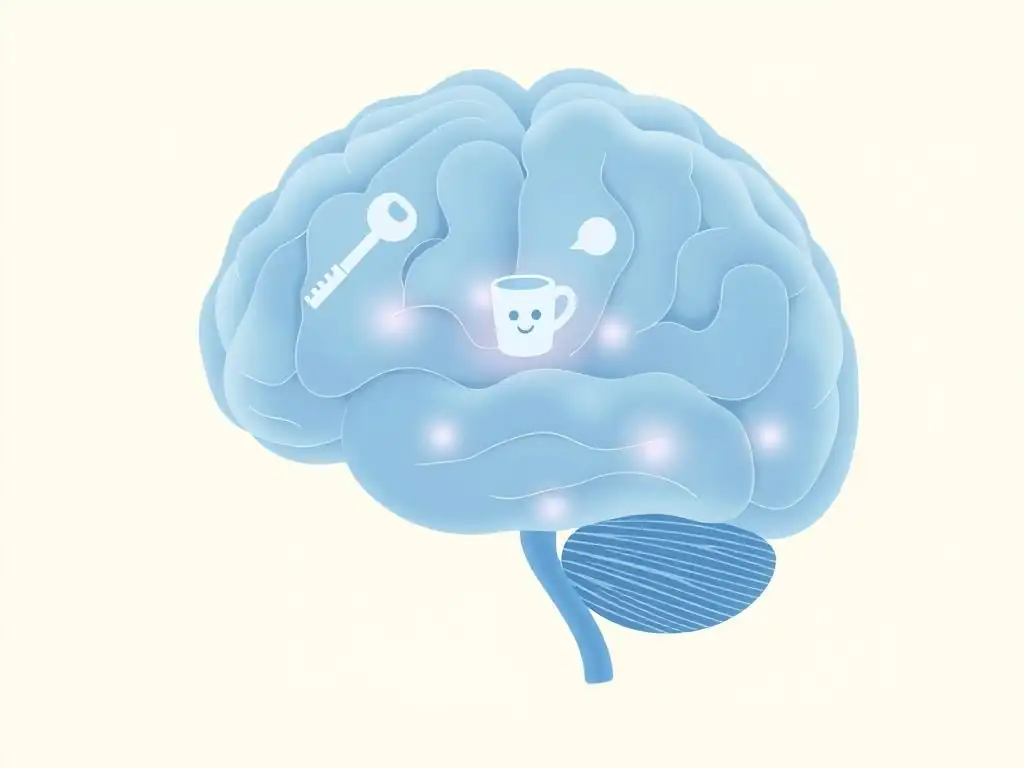
This section explores how short-term memory (STM), that fleeting workspace of our minds, impacts our daily routines. Understanding its limitations and capabilities is crucial to optimizing our cognitive performance and improving our daily lives. We'll examine its role in learning, communication, and how external factors influence its effectiveness. Think of short term memory explained simply as the mental notepad we all use constantly. It’s essential for everything from following a recipe to holding a conversation.
Short-Term Memory in Learning and Academic Performance
Effective learning heavily relies on a robust short-term memory system. Consider the process of reading: We don't process each word individually and then forget it; instead, STM holds a few words or phrases, allowing us to grasp the sentence's meaning before moving on. This "chunking" of information is a key strategy for maximizing STM capacity. Students struggling with note-taking might find that their STM is overwhelmed by trying to process too much information at once. They might benefit from techniques like summarizing main points or using visual aids to condense information into more manageable chunks.
For example, a student trying to memorize a list of ten vocabulary words might find it easier to group them into related themes (e.g., synonyms, antonyms) rather than trying to remember each word in isolation. This strategy leverages STM's capacity for meaningful processing, improving recall significantly. Furthermore, active recall techniques, such as self-testing, help consolidate information from STM into long-term memory, further enhancing learning.
Studies consistently show a positive correlation between efficient STM and academic success, particularly in subjects requiring rapid information processing, like mathematics and language acquisition. The ability to hold and manipulate information in STM is a critical skill for problem-solving and critical thinking.
Short-Term Memory's Role in Communication and Conversations
Our ability to engage in fluid conversations relies heavily on STM. Think about the last conversation you had – you didn't just listen to each word individually; you processed the speaker's message, forming a coherent understanding by keeping track of the topic, the context, and the speaker's preceding statements. This requires holding several pieces of information simultaneously in STM. Difficulties in maintaining a conversation, such as frequently interrupting or struggling to follow the flow of dialogue, might indicate limitations in STM capacity or processing speed.
Consider this scenario: someone tells you a phone number. You need to hold that number in your STM long enough to dial it. If you are distracted or stressed, the number might slip away before you can complete the action. This everyday experience highlights STM's vulnerability to interference and the importance of focusing attention to maintain information.
Similarly, in group discussions, individuals with strong STM can better track multiple conversations simultaneously, contributing more effectively to the exchange of ideas. Conversely, impairments in STM can lead to communication breakdowns and misunderstandings. The seamless flow of conversation is intricately linked to the efficient functioning of our short-term memory.
The Impact of Stress and Distraction on Short-Term Memory
Stress and distractions significantly impair STM function. When we're stressed, our brains release cortisol, a hormone that can interfere with the neural processes involved in memory consolidation and retrieval. This means that under pressure, we might struggle to remember even simple things. The effect is not merely a minor inconvenience; it can have serious consequences, from missing important deadlines to making crucial errors in judgment. Similarly, distractions, whether visual, auditory, or cognitive, compete for our limited attentional resources, leading to a reduced capacity for holding information in STM.
For instance, trying to read a book in a noisy environment is considerably harder than reading in a quiet space. The extraneous noise acts as a distraction, interfering with the encoding of information into STM and hindering comprehension. Multitasking, often touted as a productivity enhancer, actually diminishes STM performance because the brain struggles to efficiently allocate resources between multiple tasks.
Research indicates that individuals who frequently multitask tend to have lower STM capacity than those who focus on single tasks. The impact of stress and distraction on STM underscores the importance of creating a conducive environment for learning and cognitive tasks, minimizing distractions, and managing stress effectively to optimize cognitive performance. Effectively managing stress and minimizing distractions are key strategies to protect and enhance short-term memory function.
Short-Term Memory Problems and Disorders
Short-term memory (STM), that crucial mental scratchpad where we hold information briefly, isn't always perfect. Difficulties with STM can significantly impact daily life, affecting everything from following conversations to completing complex tasks. Understanding the potential problems and disorders associated with STM is vital for early intervention and effective management. This section explores the symptoms, causes, and pathways to seeking help for STM impairments. This information is intended for educational purposes and should not be considered a substitute for professional medical advice.
Symptoms of Short-Term Memory Impairment
Recognizing STM impairment can be challenging, as symptoms often overlap with other cognitive issues. However, some key indicators include:
- Difficulty retaining information for short periods: Forgetting what someone just said a few seconds ago, losing your train of thought frequently, or repeatedly asking the same questions are common signs.
- Challenges with multi-tasking: Juggling multiple tasks simultaneously becomes significantly harder. This includes simple tasks like remembering a phone number while dialing it.
- Problems with following instructions: Struggling to follow a sequence of instructions, even simple ones, points towards potential STM deficits.
- Increased reliance on external memory aids: Constantly writing things down, using reminders, or relying heavily on calendars and notes suggests difficulty in maintaining information internally.
- Difficulty recalling recent events: Forgetting appointments, conversations, or what you had for lunch are indicative of problems with encoding and retrieving short-term memories.
The severity of these symptoms can vary greatly depending on the underlying cause. Some individuals may experience mild difficulties, while others face severe impairments that significantly impact their daily functioning. It's crucial to remember that experiencing one or two of these symptoms doesn't automatically indicate a disorder; however, a persistent pattern warrants further investigation.
Potential Causes of Short-Term Memory Deficits
Short-term memory deficits can stem from a variety of factors, ranging from temporary conditions to more serious neurological issues. Understanding these potential causes is crucial for determining the appropriate course of action.
| Potential Cause | Description | Example |
|---|---|---|
| Stress and Anxiety | Elevated stress hormones can impair cognitive functions, including STM. | Exam stress leading to temporary memory lapses. |
| Sleep Deprivation | Lack of sleep significantly impacts memory consolidation and retrieval. | Difficulty concentrating and remembering things after a sleepless night. |
| Medication Side Effects | Certain medications can list impaired memory as a side effect. | Some antidepressants or antihistamines. |
| Head Injury | Traumatic brain injuries can damage brain regions crucial for STM. | Concussion resulting in temporary or permanent memory problems. |
| Neurological Conditions | Conditions like Alzheimer's disease, dementia, and stroke can severely impair STM. | Progressive memory loss associated with Alzheimer's. |
| Substance Abuse | Excessive alcohol or drug use can negatively impact brain function and memory. | Alcohol-induced blackouts. |
| Age-Related Cognitive Decline | As we age, some decline in cognitive abilities, including STM, is expected, but significant impairment warrants attention. | Difficulty remembering names or recent conversations in older adults. |
It's important to note that this is not an exhaustive list, and the specific cause of STM deficits often requires a thorough medical evaluation.
Seeking Professional Help for Memory Concerns
If you are experiencing persistent difficulties with your short-term memory, it is crucial to seek professional help. A healthcare provider can conduct a comprehensive assessment to determine the underlying cause and recommend appropriate interventions. Don't hesitate to reach out if you're worried about your memory; early intervention can significantly improve outcomes.
This might involve:
- A visit to your primary care physician: They can conduct an initial evaluation and refer you to specialists if needed.
- Neuropsychological testing: This specialized testing assesses various cognitive functions, including STM.
- Consultation with a neurologist or psychiatrist: These specialists can diagnose and treat neurological or psychiatric conditions that may be contributing to memory problems.
Remember, addressing memory concerns promptly is essential for maintaining overall well-being and quality of life. Seeking professional help isn't a sign of weakness; it's a proactive step towards improving your cognitive health. Early diagnosis and intervention are key to managing STM problems effectively and improving your cognitive function. Don't delay—take charge of your cognitive health today!
Frequently Asked Questions
What is short-term memory (STM)?
Short-term memory is your brain's temporary storage system. It holds a limited amount of information for a short period, typically around 20-30 seconds, unless it's actively rehearsed. Think of it as your mind's scratchpad.
How much information can short-term memory hold?
STM's capacity is famously limited. The classic "magic number" is seven plus or minus two items, though this can vary depending on the type of information. Chunking information can increase capacity.
How does short-term memory differ from long-term memory?
Long-term memory is for permanent storage, while STM is temporary. Information from STM can be transferred to LTM through encoding and consolidation processes like rehearsal and meaningful association.
What happens to information in short-term memory if it's not processed?
If information in STM isn't actively processed or rehearsed, it's typically lost within seconds due to decay or interference from new incoming information. It simply fades away.
Can I improve my short-term memory?
Yes! Techniques like chunking, rehearsal, and mnemonic devices can significantly improve your STM capacity and efficiency. Focusing your attention and minimizing distractions also helps.
Final Reflection: Holding the Present, Shaping the Future
Understanding short-term memory is not just an academic exercise; it's the key to unlocking our cognitive potential and navigating the complexities of daily life. Our ability to hold information momentarily, to manipulate it, and to transfer it to long-term storage profoundly impacts everything we do, from simple conversations to complex problem-solving. This seemingly small aspect of our minds is, in reality, a powerful engine driving our experiences.
The ongoing exploration of short-term memory reveals a fascinating interplay between neurological processes and human experience. It underscores the delicate balance between our capacity to focus and the constant influx of information bombarding our senses. This delicate dance shapes our perceptions, influences our decisions, and ultimately, defines our individual realities. As the great psychologist William James once noted, The stream of thought flows on; but most of its segments are submerged beneath the surface.
Understanding the mechanics of this "submerged" short-term memory allows us to better appreciate the conscious and unconscious processes that shape our understanding of the world.
Now, consider your own experiences. Think about a time when your short-term memory failed you – a missed appointment, a forgotten name, a lost train of thought. But also, reflect on moments where your short-term memory served you brilliantly – a quick calculation, a witty retort, a successful navigation of a complex task.
This understanding empowers you. By recognizing the limitations and strengths of your short-term memory, you can develop strategies to improve focus, enhance recall, and ultimately, live a more fulfilling and productive life. Take a moment today to appreciate this remarkable, temporary workspace within your mind – it's the foundation upon which your present and future are built.
Unlock Your Mind's Potential Today!
Thank you for exploring the complexities of short-term memory. Understanding how our minds work is crucial for improving cognitive function. Let's put that knowledge to practical use!
- Keep a memory journal: Record your daily activities, thoughts, and experiences. This helps improve memory and boosts self-awareness.
- Practice memory exercises: Use apps or simple games, such as matching pairs or recalling number sequences, to keep your mind agile.
- Share your knowledge: Discuss your learning with friends and family. Teaching others reinforces understanding.
How will you use your improved short-term memory starting today?