
InGroup Bias: Why We Favor Our Own Group Over Others


Welcome to Psychology Basics, your gateway to understanding the fascinating world of the human mind. Are you curious about why we often favor those similar to us? This question lies at the heart of ingroup bias, a powerful cognitive phenomenon explored in our main article, "Ingroup Bias: Why We Favor Our Own Group Over Others". Discover the surprising ways this bias shapes our perceptions and behaviors – and learn how to navigate its influence in your own life. Let's delve into the intricacies of cognitive psychology together!
- Ingroup Bias Explained Simply: Understanding the Basics
- The Power of "Us" vs. "Them": Social Identity Theory and Ingroup Bias
- Consequences of Ingroup Bias: From Subtle Preferences to Prejudice
- Mitigating Ingroup Bias: Strategies for Promoting Inclusivity
- Overcoming Ingroup Bias: Practical Steps for Individuals and Groups
- Ingroup Bias Research: Key Studies and Findings
- Frequently Asked Questions
- Final Reflection: Unpacking Ingroup Bias: A Path Towards Understanding and Empathy
- Unleash Your Understanding: Combat In-Group Bias!
Ingroup Bias Explained Simply: Understanding the Basics
Ingroup bias, a fundamental concept in social psychology, refers to our tendency to favor individuals who belong to our own group, known as the "ingroup," over those who belong to other groups, the "outgroups." This preference isn't necessarily based on conscious prejudice; rather, it's a deeply ingrained cognitive process that influences our perceptions, judgments, and behaviors. Understanding ingroup bias is crucial for navigating social interactions, fostering inclusivity, and mitigating conflict.
This article will explore the cognitive mechanisms underlying this bias, examine how it manifests in everyday life, and discuss its implications for various aspects of human interaction. We'll unpack the concept in a straightforward manner, providing clear examples to help you grasp this important psychological phenomenon and its impact on our world. Learning about ingroup bias is a significant step towards understanding how our minds work and how to foster better relationships with those from diverse backgrounds.
Defining Ingroup Bias: A Simple Explanation
Ingroup bias is essentially a form of cognitive bias where we unconsciously (and sometimes consciously) show preferential treatment towards members of our own group. This can manifest in various ways, from subtle biases in perception to overt discriminatory actions. The "group" itself can be defined by a multitude of factors, including nationality, ethnicity, religion, political affiliation, social class, even favorite sports teams! The key is the perceived sense of belonging and shared identity.
Think about it: you're more likely to trust someone who shares your background, values, or interests. This isn't inherently negative; a certain level of in-group preference is natural. However, when this preference becomes excessive or unfair, it can lead to negative consequences for outgroup members and society as a whole. It's important to differentiate between natural group cohesion and harmful discrimination fueled by ingroup bias.
The Cognitive Roots of Ingroup Favoritism
The roots of ingroup bias lie in several interconnected cognitive processes. One key factor is our inherent need for social categorization. Our brains naturally sort individuals into groups to simplify the complex social world. This categorization process, while efficient, can inadvertently lead to the exaggeration of similarities within the ingroup and differences between the ingroup and outgroups.
This "us vs. them" mentality is further reinforced by processes such as confirmation bias (we seek out information that confirms our existing beliefs) and the availability heuristic (we overestimate the likelihood of events that are easily recalled). For instance, we might readily recall negative actions by members of an outgroup while overlooking similar negative actions by members of our ingroup, thus reinforcing our biased perceptions. This cognitive shortcut, while seemingly harmless, significantly contributes to the persistence of ingroup bias.
Furthermore, the desire for self-esteem plays a vital role. By associating ourselves with a successful or admired group, we bolster our self-image. This subtly motivates us to favor our ingroup, even unconsciously.
How Ingroup Bias Manifests in Everyday Life
Ingroup bias subtly, and sometimes overtly, shapes our daily interactions. Consider these examples: In hiring processes, unconscious bias might lead to favoring candidates who share similar backgrounds with the interviewers. In sports, fans might exhibit excessive loyalty to their team, even resorting to hostile behavior towards opposing fans.
Political polarization is another potent example, where individuals strongly identify with their political group, often exhibiting animosity towards those holding opposing views. Even seemingly trivial decisions, like choosing a brand of product based on the perceived identity of its users, reflect ingroup bias at play. These examples illustrate how this bias, operating at both conscious and unconscious levels, permeates various aspects of our lives, influencing our choices, attitudes, and behaviors.
Recognizing these manifestations is the first step towards mitigating the negative effects of ingroup bias and fostering a more equitable and inclusive society. The impact of ingroup bias is far-reaching, demanding a careful examination of its various forms and consequences.

This section delves into the fascinating interplay between our social identities and the biases we develop towards others. Understanding ingroup bias requires acknowledging the fundamental role of social categorization in shaping our perceptions and behaviors. We'll explore how Social Identity Theory illuminates this phenomenon and its pervasive influence on our daily lives. We'll also discuss how the concept of "ingroup bias explained simply" helps demystify this complex cognitive bias.
Social Identity Theory posits that a significant part of our self-concept stems from our membership in various social groups. These groups can be based on nationality, ethnicity, religion, profession, sports teams – practically any shared characteristic that defines a collective "us." This sense of belonging is crucial to our self-esteem and provides a framework for understanding the world. The theory suggests that we strive to maintain a positive social identity, viewing our ingroups favorably and often contrasting them positively with outgroups.
This positive bias towards our own group is a core component of ingroup bias. For example, a supporter of a particular football team might consistently overestimate their team's abilities and downplay the skills of opposing teams, demonstrating a clear ingroup bias. This bias isn't necessarily conscious; it's a subtle cognitive process that significantly shapes our judgments and actions.
The implications are far-reaching, influencing everything from interpersonal relationships to international relations. Understanding this mechanism is key to mitigating its negative consequences. Further research is needed to fully understand the nuances of [specific information pending] in different cultural contexts.
The Role of Group Membership in Self-Esteem
Our self-esteem is intricately linked to the perceived status and success of our ingroups. When our ingroup achieves something positive—a sports team wins, a nation celebrates a scientific breakthrough—we experience a boost in self-esteem, a phenomenon known as basking in reflected glory. Conversely, when our ingroup faces setbacks, our self-esteem might suffer.
This dynamic highlights the powerful emotional connection between our individual self-worth and our group affiliations. This connection fuels ingroup bias, as we unconsciously strive to enhance our self-esteem by promoting the positive image of our ingroups. Studies have consistently demonstrated a correlation between strong group identification and heightened ingroup bias.
For instance, research has shown that individuals with a strong national identity tend to exhibit more pronounced biases against other nationalities. This underscores the importance of recognizing the interplay between self-esteem regulation and prejudice. The impact of [specific data on the correlation between group identification and bias strength pending] would further strengthen this understanding.
Ingroup Bias and the Minimal Group Paradigm
The Minimal Group Paradigm (MGP) provides compelling evidence for the pervasiveness of ingroup bias. In MGP experiments, researchers create arbitrary groups—for example, by assigning participants to groups based on a seemingly insignificant preference (e.g., coin flip). Even with such minimal group distinctions, participants consistently demonstrate a preference for their own arbitrarily assigned group, allocating more resources or rewards to ingroup members.
This reveals that ingroup bias isn't necessarily driven by deep-seated animosity or prejudice, but rather by a fundamental human tendency to favor those perceived as "like us." The MGP experiments powerfully illustrate how easily ingroup bias can be triggered, even in the absence of any meaningful group differences. The simplicity of the MGP design makes it a powerful tool for understanding the basic psychological mechanisms underlying ingroup bias.
Understanding this fundamental human tendency is crucial for effectively addressing the negative consequences of ingroup bias, which range from everyday discrimination to large-scale conflicts. Further research on [the long-term effects of minimal group paradigms on behavior pending] would provide valuable insights.
Consequences of Ingroup Bias: From Subtle Preferences to Prejudice

Ingroup bias, the tendency to favor one's own group, isn't always a blatant act of prejudice. Its consequences manifest in a spectrum of behaviors, ranging from seemingly innocuous preferences to outright discrimination. Understanding this spectrum is crucial to grasping the pervasiveness and potential harm of this cognitive bias. The seemingly small biases can accumulate, leading to significant societal issues. This section explores some of these consequences in detail.
The Negative Impact of Ingroup Bias on Decision-Making
Ingroup bias significantly distorts decision-making processes, particularly in group settings. Imagine a hiring committee composed predominantly of individuals from a similar socioeconomic background. Unconsciously, they might favor candidates who share their background, overlooking equally or even more qualified candidates from different backgrounds.
This isn't necessarily due to malicious intent; rather, it's a consequence of the automatic preference for those perceived as "similar." Studies have shown that even seemingly objective criteria can be subtly manipulated to favor the ingroup. For example, a slightly higher rating on a vaguely defined "teamwork" skill might unconsciously tip the scales in favor of an ingroup candidate.
This subtle bias can have profound consequences, hindering fairness and potentially leading to less diverse and less effective teams. The resulting decisions, while appearing rational on the surface, are tainted by underlying biases, ultimately harming the organization's potential and fostering inequality. The impact extends beyond hiring; it affects resource allocation, promotion decisions, and even seemingly trivial choices within a group.
Ingroup Bias and Discrimination: Understanding the Link
The connection between ingroup bias and discrimination is undeniable. While ingroup bias itself isn't inherently discriminatory, it lays the groundwork for discriminatory behavior. The preferential treatment of the ingroup often translates to the unfair treatment of outgroups. This can manifest in various forms, from subtle exclusion to overt hostility.
For instance, a company culture that prioritizes socializing during after-work events at exclusive locations effectively excludes individuals who cannot or do not wish to participate, thus reinforcing existing inequalities. This subtle discrimination can be just as damaging as more overt forms. The cumulative effect of these seemingly minor instances of favoritism can create a hostile environment for outgroup members, leading to feelings of isolation, marginalization, and resentment.
Furthermore, research indicates a strong correlation between the strength of ingroup bias and the level of prejudice and discrimination directed towards outgroups. The stronger the loyalty to one's group, the more likely it is that negative attitudes and discriminatory actions will be directed towards those outside the group. This highlights the importance of addressing ingroup bias as a crucial step towards reducing prejudice and discrimination.
Ingroup Bias and Intergroup Conflict: Case Studies
Historical and contemporary examples vividly illustrate the destructive potential of ingroup bias in fueling intergroup conflict. The Rwandan genocide, for instance, tragically demonstrates how deeply ingrained ingroup bias, combined with other factors, can escalate into mass violence. The arbitrary distinction between Hutu and Tutsi, fueled by existing societal biases, led to horrific levels of violence against the perceived "outgroup."
Similarly, numerous historical conflicts, from religious wars to ethnic cleansings, have been exacerbated by the powerful force of ingroup bias. Even seemingly minor conflicts, such as rivalries between sports teams or political factions, can become highly charged due to the intensification of ingroup loyalty and the demonization of the opposing "outgroup." Analyzing these case studies reveals a consistent pattern: the stronger the ingroup bias, the greater the likelihood of conflict and the more intense the hostility.
Understanding these dynamics is crucial for conflict resolution and peacebuilding efforts. By recognizing the role of ingroup bias, we can develop strategies to mitigate its negative consequences and promote intergroup harmony. Further research into the specific contextual factors that amplify ingroup bias in conflict situations is needed to develop more effective interventions.
Mitigating Ingroup Bias: Strategies for Promoting Inclusivity
Ingroup bias, while a deeply ingrained human tendency, isn't insurmountable. Understanding its mechanisms is the first step; actively working to mitigate its effects is the next crucial stage. This involves a multifaceted approach, focusing on individual behavior change and broader societal shifts. Successfully combating ingroup bias requires conscious effort and a commitment to fostering inclusivity. Let's explore some effective strategies.
Promoting Intergroup Contact and Understanding
Positive intergroup contact is a powerful tool for reducing prejudice and ingroup bias. This doesn't simply mean casual interaction; it requires structured contact that fosters cooperation, shared goals, and equal status among groups. Studies consistently show that when individuals from different groups work together towards a common objective, prejudices and biases tend to diminish. 1 For example, collaborative projects in schools or workplaces, where individuals from diverse backgrounds must rely on each other to succeed, can significantly reduce ingroup favoritism. The key is to create situations where individuals can directly challenge their stereotypes and develop positive relationships with outgroup members. This type of meaningful interaction fosters empathy and understanding, breaking down the barriers that sustain ingroup bias. The effectiveness of this strategy is enhanced when institutional support is present, ensuring equal opportunities and a positive environment for all participants.
Encouraging Perspective-Taking and Empathy
Encouraging perspective-taking—the ability to understand and share the feelings of another person—is crucial in mitigating ingroup bias. By actively trying to see the world from another person's perspective, particularly someone from a different group, individuals can begin to appreciate their experiences and challenges. This process fosters empathy, which can effectively counter the negative feelings and judgments associated with ingroup bias. Techniques such as role-playing exercises, storytelling, and engaging with diverse media can all help cultivate perspective-taking.
For instance, reading literature or watching films that portray the lives and experiences of people from different cultural backgrounds can significantly broaden one's understanding and empathy. Furthermore, actively seeking out opportunities to listen to and learn from individuals with different viewpoints is key to developing a more nuanced and inclusive understanding of the world. The goal is to move beyond simple awareness to genuine understanding and compassion.
The Importance of Education and Awareness in Combating Ingroup Bias
Education plays a vital role in combating ingroup bias. By raising awareness of the existence, nature, and consequences of ingroup bias, individuals can become more conscious of their own biases and actively work to counteract them. This includes understanding the cognitive processes underlying ingroup bias, as well as the societal structures that perpetuate it.
Educational initiatives should focus on developing critical thinking skills, enabling individuals to identify and challenge biased information and stereotypes. Furthermore, highlighting the positive aspects of diversity and the benefits of inclusivity can foster a more accepting and welcoming environment. This approach requires a multifaceted strategy, utilizing diverse educational tools and resources, from classroom curricula to public awareness campaigns.
The ultimate aim is to cultivate a society where diversity is celebrated and ingroup bias is actively challenged and overcome. This requires a long-term commitment to education and ongoing dialogue, fostering a culture of understanding and respect for all.
1 Further research is needed to specify the exact parameters for effective intergroup contact. More detailed studies on the impact of structured vs. unstructured contact are needed to provide more precise guidelines.
Overcoming Ingroup Bias: Practical Steps for Individuals and Groups
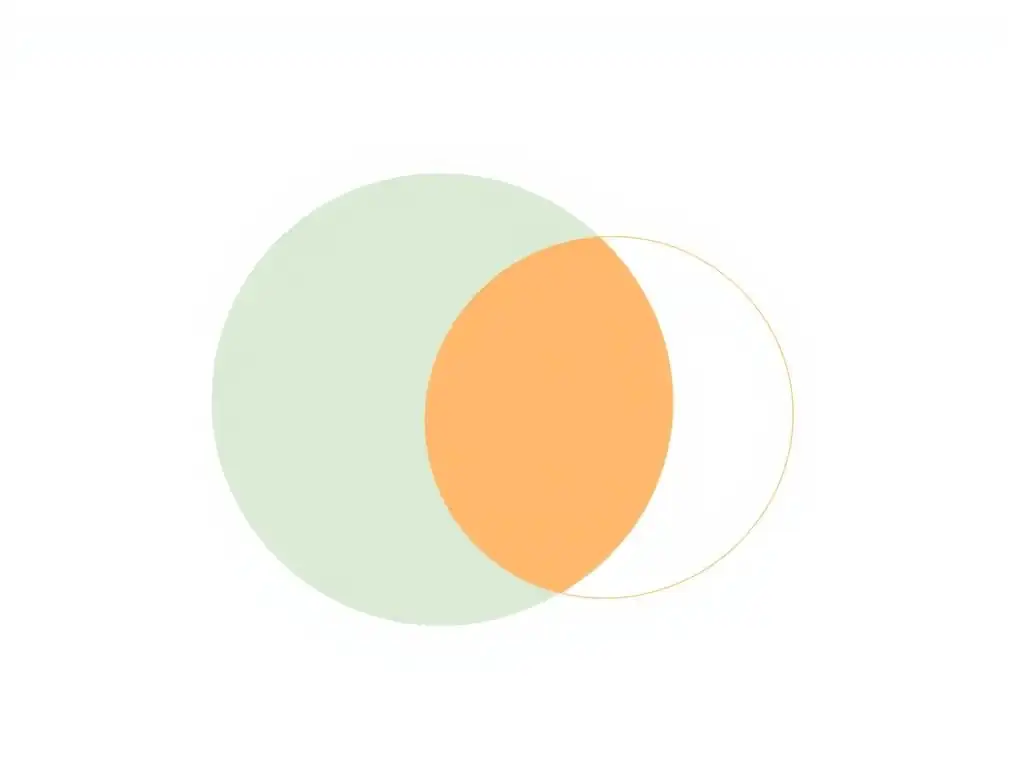
Ingroup bias, that pervasive tendency to favor one's own group, isn't insurmountable. While deeply rooted in our cognitive processes, conscious effort and strategic interventions can significantly mitigate its effects. Understanding the mechanisms behind ingroup bias is the first step; actively working to counteract it is the next crucial stage. This section outlines practical steps individuals and groups can take to reduce the influence of ingroup bias and foster more inclusive environments. This process requires self-awareness, critical thinking, and a commitment to fairness. Let's delve into the specifics.
Self-Reflection and Identifying Personal Biases
The journey towards overcoming ingroup bias begins with honest self-reflection. We all hold unconscious biases, and acknowledging their existence is the first step towards dismantling them. This isn't about self-blame; it's about recognizing ingrained patterns of thought that may subtly influence our decisions and interactions.
Several techniques can facilitate this self-reflection:
- Journaling: Regularly writing about your interactions with people from different groups can help you identify recurring patterns of thought or behavior. Ask yourself: Do I treat members of my ingroup differently than outgroup members? Are my judgments influenced by group affiliation? What assumptions do I make about individuals based on their group membership?
- Mindfulness exercises: Practicing mindfulness can increase your awareness of your immediate thoughts and feelings, enabling you to notice biases as they arise. This heightened awareness allows you to interrupt biased thinking patterns before they manifest in actions.
- Seeking feedback: Asking trusted friends, family, or colleagues for honest feedback on your interactions with individuals from different groups can provide valuable external perspectives. Their observations might highlight biases you're unaware of.
Consider this example: A hiring manager consistently prioritizes candidates from their alma mater, even if other candidates possess superior qualifications. Through self-reflection, the manager might realize this preference stems from an unconscious ingroup bias favoring graduates of their own institution. This realization is the first step towards actively seeking a more diverse and equitable pool of applicants. This requires actively challenging the assumption that candidates from their alma mater are inherently superior.
Challenging Assumptions and Stereotypes
Ingroup bias often manifests through the perpetuation of stereotypes and assumptions about outgroups. Actively challenging these preconceived notions is crucial for dismantling this bias. This involves:
- Questioning generalizations: When you find yourself making generalizations about a group, consciously challenge those generalizations. Ask yourself: Where did this belief come from? Is it based on factual evidence or anecdotal observations? Are there exceptions to this rule? Recognizing the oversimplification inherent in stereotypes is essential.
- Seeking diverse perspectives: Actively seek out and engage with information and perspectives from individuals belonging to different groups. This exposure can challenge existing assumptions and broaden your understanding.
- Empathy and perspective-taking: Try to understand situations and experiences from the perspective of individuals from outgroups. This exercise can foster empathy and reduce the tendency to view outgroup members as fundamentally different or inferior.
For instance, a person holding a negative stereotype about a particular ethnic group might actively seek out information and engage in conversations with individuals from that group. This conscious effort to gather diverse perspectives can challenge and potentially dismantle the existing stereotype. The key is consistent engagement and a willingness to revise preconceived notions based on new information and experiences.
Promoting Fairness and Equality in Decision-Making Processes
Overcoming ingroup bias requires conscious effort in decision-making processes, particularly those with significant implications. To mitigate the influence of ingroup bias, consider these steps:
- Blind review processes: In situations like hiring or admissions, implementing blind review processes can reduce the impact of implicit biases. Removing identifying information related to group membership allows for a more objective evaluation of candidates based on merit alone.
- Structured interviews: Using standardized interview questions and scoring rubrics ensures fairness and reduces the opportunity for biases to influence the evaluation process. This provides a more consistent and objective evaluation of candidates, minimizing the impact of personal preferences.
- Diverse decision-making teams: Including individuals from diverse backgrounds in decision-making teams can provide a broader range of perspectives and reduce the likelihood of groupthink. A diverse team is more likely to challenge potential biases and promote more inclusive outcomes.
The fight against ingroup bias is an ongoing process, requiring consistent self-awareness, critical thinking, and a commitment to fairness and equality. By actively implementing these strategies, individuals and groups can mitigate the negative effects of ingroup bias and create more just and inclusive environments. 🤝
Ingroup Bias Research: Key Studies and Findings
Ingroup bias, the tendency to favor one's own group over outgroups, has been a central theme in social psychology research for decades. Numerous studies have explored its origins, manifestations, and consequences, providing a rich understanding of this pervasive cognitive bias. Understanding these studies is crucial to grasping the nuances of ingroup bias explained simply. Let's delve into some key research findings.
Specific Study 1: Brief description and key findings
One seminal study illustrating ingroup bias is Tajfel's minimal group paradigm (MGP). Tajfel and colleagues (1971) demonstrated that even arbitrary group assignments—based on seemingly meaningless criteria like preference for a particular artist—can lead to ingroup favoritism. Participants, assigned to groups based on these trivial distinctions, consistently allocated more resources to members of their own group, even when it meant sacrificing overall group gain.
This research powerfully showed that the mere perception of group membership is sufficient to trigger ingroup bias. The key finding highlighted the surprisingly potent effect of categorization on intergroup behavior, demonstrating that ingroup bias isn't necessarily rooted in deep-seated prejudices but can emerge from minimal group distinctions.
The MGP has been replicated numerous times across diverse cultures and contexts, solidifying its place as a cornerstone in understanding ingroup bias. Further analyses revealed that this bias was not simply a matter of maximizing profit for the ingroup, but also involved actively disadvantaging the outgroup, a phenomenon often referred to as "competitive ingroup bias."
Specific Study 2: Brief description and key findings
Another important area of research explores the role of social identity theory in ingroup bias. This theory posits that individuals derive part of their self-esteem from their group memberships. Consequently, enhancing the status and prestige of one's ingroup boosts self-esteem.
Studies have shown a strong correlation between ingroup bias and self-esteem. Individuals with lower self-esteem tend to exhibit stronger ingroup bias, potentially using group affiliation to compensate for feelings of inadequacy. For example, research by Hogg and Abrams (1988) demonstrated that individuals experiencing a threat to their self-esteem were more likely to display ingroup bias and discriminate against outgroups.
This highlights the motivational aspect of ingroup bias, suggesting that it's not just a cognitive shortcut but also a strategy for self-enhancement. The interplay between social identity and self-esteem provides a compelling explanation for the persistence and pervasiveness of ingroup bias. This motivational aspect further complicates the simple explanation of ingroup bias, adding a layer of self-preservation and self-regard to the cognitive processes involved.
Future Directions in Ingroup Bias Research
While substantial progress has been made in understanding ingroup bias, several avenues warrant further investigation. Future research should focus on:
- Developing more effective interventions: Current strategies for reducing ingroup bias have shown limited success. Innovative approaches that address both the cognitive and motivational components of bias are needed. This includes exploring interventions that promote perspective-taking, empathy, and intergroup contact in more meaningful ways.
- Investigating the neural mechanisms: Neuroimaging techniques can reveal the brain regions and processes involved in ingroup bias. This research can inform the development of targeted interventions that modify neural pathways associated with biased processing.
- Exploring the role of technology: The increasing use of social media and online platforms necessitates research on how these technologies influence ingroup bias and the development of strategies to mitigate its negative consequences in the digital age. This includes studying the spread of misinformation and echo chambers online and their influence on intergroup relations.
- Cross-cultural comparisons: While the MGP has been replicated across cultures, further research is needed to understand the specific cultural factors that modulate the expression and intensity of ingroup bias. This comparative approach will enhance our understanding of the universality and cultural specificity of this phenomenon.
Understanding the complexities of ingroup bias is crucial for fostering positive intergroup relations and building a more inclusive society. Ongoing research in these areas promises to provide valuable insights into reducing prejudice and promoting harmony.
Frequently Asked Questions
What is ingroup bias?
Ingroup bias is the tendency to favor one's own group over other groups. This preference can manifest in various ways, from subtle biases in judgment to overt discrimination. It's a fundamental aspect of social psychology.
Why does ingroup bias occur?
Ingroup bias stems from our innate need to belong and identify with others. It enhances our self-esteem and provides a sense of security and belonging within a social group.
What are some examples of ingroup bias?
Examples include favoring colleagues from your own department, preferring people of your own race or nationality, or showing more empathy towards members of your sports team. These biases are often unconscious.
How does ingroup bias affect our behavior?
Ingroup bias can lead to discrimination, prejudice, and conflict between groups. It can influence our decisions, judgments, and interactions with people outside our ingroup.
Can ingroup bias be overcome?
While ingroup bias is a powerful force, it's not insurmountable. Increased intergroup contact, promoting empathy, and education about bias can help reduce its negative effects.
Final Reflection: Unpacking Ingroup Bias: A Path Towards Understanding and Empathy
The pervasive nature of ingroup bias continues to shape our world, influencing everything from political polarization to workplace dynamics. Understanding its insidious workings is not merely an academic exercise; it's a crucial step towards building a more just and equitable society. Ignoring this inherent human tendency allows prejudice and discrimination to flourish, hindering progress and perpetuating harmful inequalities.
The exploration of ingroup bias has profoundly impacted my understanding of human behavior, revealing the complex interplay between our innate need for belonging and our capacity for empathy. It's a constant reminder that even seemingly rational individuals can fall prey to this bias, often unconsciously. The human mind is a powerful tool, but it can also be easily manipulated by our own biases.
This quote highlights the need for constant self-reflection and awareness to mitigate the negative impacts of ingroup bias.
Now, consider your own life. Reflect on instances where you may have unconsciously favored your own group, whether it be your family, your workplace, or your nation. Challenge yourself to actively seek out diverse perspectives and engage in meaningful dialogue with those outside your immediate circle. By understanding and acknowledging the power of ingroup bias, we can begin to dismantle its influence and cultivate a world where empathy and understanding prevail over prejudice and division. Let's choose to build bridges, not walls.
Unleash Your Understanding: Combat In-Group Bias!
Thank you for exploring the fascinating topic of in-group bias! Your commitment to understanding this psychological phenomenon is crucial for creating a more inclusive environment, both personally and within your community. Let's translate this understanding into action.
Here are some powerful steps you can take:
- Reflect on your own biases: Take some time to journal about your experiences with group dynamics and how they might influence your interactions with others. Consider specific examples of situations where you felt a sense of belonging to a particular group, and how that influenced your judgments or behaviors towards those outside the group.
- Engage with diverse communities: Attend events, join clubs, or participate in online groups that expose you to perspectives beyond your usual circle. Sharing your thoughts and experiences on social media can spark valuable discussions and help others reflect on their own biases.
- Start conversations: Talk to friends and family about in-group bias, raising awareness of its impact on relationships and society. Encourage your friends and family to embrace diversity and promote mutual understanding.
Are you ready to break down barriers and build stronger connections with others? What have you learned about your own biases, and how will you use this knowledge to foster greater inclusivity?