
Spatial Attention: Focusing on Locations in Space


Welcome to Psychology Basics, your gateway to understanding the fascinating world of the human mind! Are you curious about how we navigate and interact with our surroundings? Then dive into our exploration of Spatial Attention psychology beginners, a crucial aspect of cognitive psychology that reveals how our brains selectively focus on specific locations in space. Uncover the mysteries behind this fundamental cognitive process and discover how it shapes our perception and experience of the world. Let's unlock the secrets of spatial attention together!
- Understanding Spatial Attention for Psychology Beginners
- The Neural Basis of Spatial Attention: Key Brain Regions
- Models of Spatial Attention: Exploring Theoretical Frameworks
- Measuring Spatial Attention: Methods and Techniques
- Applications of Spatial Attention Research
- Spatial Attention Psychology Beginners: Future Directions and Research
- Frequently Asked Questions
- Final Reflection: The Enduring Power of Spatial Attention
- **Elevate Your Focus: Take Control of Your Spatial Attention! **
Understanding Spatial Attention for Psychology Beginners
Spatial attention, a fundamental concept in cognitive psychology, refers to our ability to selectively focus on specific locations in space. It's the cognitive process that allows us to prioritize information from particular areas of our visual field, auditory environment, or even our sense of touch, effectively filtering out distractions and enhancing our perception of relevant stimuli.
This introductory article will explore the core principles of spatial attention, explaining its mechanics and its crucial role in our daily lives. We'll delve into how spatial attention differs from other attentional processes, providing a solid foundation for beginners interested in understanding this fascinating aspect of human cognition.
Understanding spatial attention is key to grasping how we navigate and interact with the world around us, making it a vital topic for anyone interested in the workings of the human mind. This article will help you understand the basics of spatial attention psychology, providing a clear and concise explanation for beginners.
What is Spatial Attention? A Simple Explanation
Spatial attention is essentially the spotlight of our consciousness. Imagine a bright spotlight illuminating a specific area; that's analogous to how spatial attention works. It allows us to selectively process information from a particular location, enhancing our perception of objects and events within that area while suppressing information from other locations.
This "spotlight" isn't fixed; it can shift its focus rapidly and flexibly, allowing us to track moving objects, scan scenes, and respond to unexpected events. Think about driving a car: your spatial attention constantly shifts between the road ahead, the car's mirrors, and the dashboard, allowing you to safely navigate traffic. This ability is not static; it can be improved through practice and is affected by factors such as fatigue, stress, and neurological conditions.
Understanding this basic mechanism is crucial to appreciating the complexity of spatial attention. The efficiency of this "spotlight" mechanism is what determines how effectively we process information. For example, studies have shown that individuals with ADHD often exhibit deficits in their spatial attention, leading to difficulties with tasks requiring sustained focus.
The Role of Spatial Attention in Everyday Life
Spatial attention is not merely an abstract cognitive process; it's integral to almost every aspect of our daily lives. From navigating busy streets to reading a book, spatial attention underpins our ability to interact effectively with our environment. Consider these examples:
- Driving: As mentioned earlier, safe driving relies heavily on efficiently shifting spatial attention between the road, mirrors, and dashboard.
- Reading: Our eyes move across the page in saccades, with each fixation point representing a focused area of spatial attention.
- Sports: Athletes need precise spatial attention to track the ball, anticipate opponents' movements, and make quick decisions.
- Conversations: Even in conversations, spatial attention helps us focus on the speaker, filter out background noise, and interpret non-verbal cues.
The seamless integration of spatial attention into our daily routines often goes unnoticed, highlighting its fundamental importance in our cognitive architecture. Difficulties with spatial attention can significantly impact daily functioning, leading to challenges in various tasks and activities. Therefore, understanding its mechanisms and limitations is key to appreciating its pervasive influence on our lives.
Spatial Attention vs. Other Types of Attention (Selective, Divided)
While spatial attention is a crucial aspect of attention, it's distinct from other types, particularly selective and divided attention. Let's examine the differences:
| Type of Attention | Description | Example |
|---|---|---|
| Spatial Attention | Focusing on a specific location in space. | Focusing on a specific object in a cluttered visual field. |
| Selective Attention | Focusing on a specific stimulus while ignoring others. | Listening to a conversation in a noisy room. |
| Divided Attention | Attending to multiple stimuli or tasks simultaneously. | Driving while talking on the phone (although this is generally unsafe). |
Although these types of attention are distinct, they frequently interact and overlap. For example, effectively attending to a conversation (selective attention) often requires focusing on the speaker's location (spatial attention). Similarly, multitasking (divided attention) often requires the flexible allocation of spatial attention across different locations or objects. The interplay between these attentional processes is complex and still an active area of research in cognitive psychology. Further research is needed to fully elucidate the intricate relationships between these different forms of attention.
The Neural Basis of Spatial Attention: Key Brain Regions
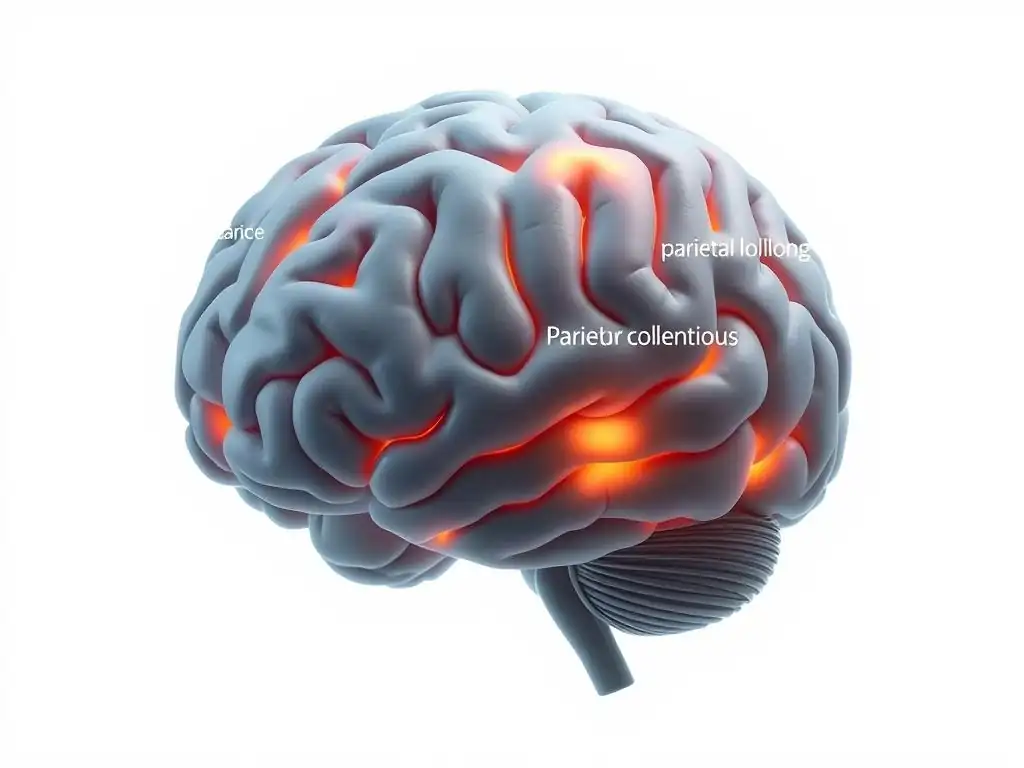
Spatial attention, the ability to selectively focus on specific locations in space, isn't a singular process localized to one brain area. Instead, it's a complex interplay of multiple brain regions working in concert. Understanding the neural underpinnings of spatial attention is crucial for grasping its intricacies and clinical implications. This section will delve into the roles of key brain regions in mediating spatial attention, focusing on the parietal lobe, frontal eye fields, and superior colliculus. This information is vital for anyone interested in spatial attention psychology beginners can easily grasp.
The Parietal Lobe and Spatial Processing
The parietal lobe plays a pivotal role in spatial awareness and attention. Damage to the parietal lobe, particularly the right parietal lobe, often results in neglect syndrome, where individuals fail to acknowledge stimuli in the contralesional (opposite) visual field. This dramatically illustrates the parietal lobe's crucial contribution to spatial attention.
For example, a patient with right parietal damage might only shave one side of their face or eat food from only one side of their plate, completely ignoring the left side. This isn't due to a visual deficit; they can see the neglected stimuli, but they fail to attend to them.
Further research using neuroimaging techniques like fMRI (functional magnetic resonance imaging) has revealed increased activity in the parietal lobe during tasks requiring spatial attention. Studies involving visual search tasks show heightened parietal activation when participants must locate a target amongst distractors, particularly when the target's location is unpredictable. This highlights the parietal lobe's involvement in both endogenous (top-down, voluntary) and exogenous (bottom-up, reflexive) attentional control.
The parietal lobe isn't simply a passive receiver of sensory information; it actively processes and prioritizes spatial information relevant to the current task demands. This active role in spatial processing contributes significantly to our ability to efficiently navigate and interact with our environment.
The Frontal Eye Fields and Voluntary Attention
The frontal eye fields (FEF), located in the frontal lobe, are crucial for voluntary, goal-directed eye movements and attentional control. They are involved in directing attention to specific locations in space, even without overt eye movements. This is known as covert attention, where attention is shifted without any visible change in gaze. Neurophysiological studies using single-cell recordings in monkeys have demonstrated that FEF neurons exhibit enhanced activity when attention is directed to the receptive field of the neuron, regardless of whether the eyes are fixated on that location.
The FEF's role in voluntary spatial attention is further evidenced by studies showing that FEF lesions can impair the ability to voluntarily shift attention, leading to difficulties in tasks requiring focused attention on specific locations. These impairments are often more pronounced in tasks demanding sustained attention over longer periods.
Moreover, the FEF interacts extensively with the parietal lobe, forming a crucial network for the control of spatial attention. The FEF can be thought of as the "executive" component, initiating and directing attentional shifts, while the parietal lobe plays a more integrative role, processing spatial information and guiding the FEF's actions.
The Superior Colliculus and Reflexive Attention
The superior colliculus (SC), a midbrain structure, plays a critical role in reflexive, or bottom-up, spatial attention. Unlike the FEF, which is involved in voluntary attentional control, the SC is primarily involved in orienting attention to salient stimuli that capture attention automatically. For instance, a sudden flash of light or a loud noise will reflexively draw your attention, and the SC is heavily implicated in this process.
Lesions to the SC can impair reflexive orienting responses, making it difficult to quickly shift attention to unexpected stimuli. Electrophysiological studies have shown that SC neurons respond strongly to sudden, unexpected visual stimuli, even when these stimuli are outside the focus of attention. This rapid response suggests that the SC plays a key role in the initial detection and prioritization of salient stimuli, triggering a rapid shift of attention towards them.
The SC's role is often described as an initial, rapid orienting response, which can then be further modulated by higher-level cortical areas like the parietal and frontal lobes. The SC acts as a crucial interface between sensory input and attentional control, mediating the reflexive capture of attention by salient events in the environment. This makes it a key player in understanding how we quickly respond to important changes in our surroundings.
Models of Spatial Attention: Exploring Theoretical Frameworks
This section delves into the major theoretical models attempting to explain how spatial attention operates. Understanding these models is crucial for grasping the complexities of how we selectively focus on specific locations within our visual field. These models, while differing in their specifics, all attempt to explain the mechanisms behind our ability to prioritize certain spatial locations over others, a fundamental aspect of spatial attention psychology beginners should understand.
Spotlight Model of Attention: A Focused Beam
The spotlight model proposes that attention acts like a spotlight, illuminating a specific region of the visual field. This illuminated area receives enhanced processing, while areas outside the spotlight receive less attention. Think of it like a flashlight beam in a dark room; the area directly illuminated is clear, while the surrounding areas remain dimly lit. The spotlight's size and location are flexible, allowing us to adjust our focus depending on the task.
For example, searching for a specific object in a cluttered scene involves shifting the "spotlight" of attention across the scene until the target object is found. This model successfully explains the phenomenon of attentional capture, where salient stimuli automatically draw our attention, essentially "switching on" the spotlight. However, it has limitations. It struggles to explain how we can attend to multiple, non-adjacent locations simultaneously, a capability that contradicts the single-spotlight metaphor. Further research is needed to fully understand the dynamic nature of this "spotlight" and how it interacts with other cognitive processes.
Zoom Lens Model: Adjustable Focus and Precision
The zoom lens model expands upon the spotlight model by suggesting that the "spotlight" can vary in size. Instead of a fixed beam, attention can be likened to a zoom lens on a camera. It can be narrowly focused, providing high-resolution processing of a small area, or widened to encompass a larger area, albeit with reduced resolution. This model effectively explains situations where we need to attend to either a specific detail or a broader scene.
Consider the task of reading a book. When focusing on individual words, the "zoom lens" is narrow. However, when scanning the page for a specific heading or section, the "zoom lens" expands to cover a larger area. This flexibility in attentional focus, from a precise zoom to a wide-angle view, is a key feature of this model. However, like the spotlight model, the zoom lens model also faces challenges in explaining the simultaneous attention to multiple, non-adjacent locations, suggesting a need for more nuanced models to encompass all aspects of spatial attention.
Feature Integration Theory: Binding Features to Locations
Anne Treisman's feature integration theory offers a different perspective on spatial attention. It suggests that we initially process basic visual features (color, shape, orientation) in a pre-attentive stage, in parallel across the entire visual field. However, to combine these features and perceive a coherent object, we need focused attention to "bind" these features together at a specific location. Without focused attention, these features can be incorrectly combined, leading to illusory conjunctions.
For instance, imagine briefly viewing a display with a red circle and a green square. Without sufficient attention, you might mistakenly report seeing a green circle or a red square. This highlights the crucial role of spatial attention in integrating features to form a unified percept.
The theory elegantly explains how our attentional mechanisms are vital for resolving ambiguities and building a coherent representation of the visual world. This model helps explain how we perceive objects, not just as locations, but as objects with specific features located in space. This is a crucial aspect of spatial attention psychology beginners will need to understand to fully grasp the complex interplay between attention and perception.
Measuring Spatial Attention: Methods and Techniques

Understanding spatial attention requires more than just theoretical frameworks; it demands rigorous empirical investigation. Researchers employ a variety of sophisticated methods to measure and analyze how individuals allocate their attentional resources across space. These methods offer valuable insights into the mechanisms underlying spatial attention and its role in various cognitive processes. The following sections delve into some of the most commonly used techniques in spatial attention psychology beginners can understand.
Posner Cueing Task: A Classic Paradigm
The Posner cueing task is a cornerstone of spatial attention research. This simple yet powerful paradigm elegantly demonstrates the effects of endogenous (internally driven) and exogenous (externally driven) cues on reaction time. Participants are presented with a fixation point on a screen, followed by a brief cue (e.g., an arrow pointing left or right) indicating the likely location of a subsequent target stimulus (e.g., a square). The target appears either at the cued location (valid trial) or at the uncued location (invalid trial).
Reaction times are significantly faster on valid trials compared to invalid trials, illustrating the attentional benefit of directing attention to the cued location. This difference highlights the efficiency of spatial attention in prioritizing processing of stimuli at attended locations. Furthermore, variations in cue validity and cue type (e.g., central vs. peripheral cues) allow researchers to dissect the contributions of different attentional mechanisms. For instance, central cues elicit endogenous attention shifts, while peripheral cues trigger exogenous attention shifts.
The Posner cueing task provides a quantifiable measure of attentional orienting and its flexibility in response to different cues, making it a crucial tool in spatial attention research. Analysis of reaction time data, often involving statistical techniques like ANOVA, allows for precise quantification of the attentional effects. Studies using this paradigm have consistently demonstrated the speed and efficiency gains associated with valid cues.
Visual Search Tasks: Finding Targets in Clutter
Visual search tasks provide another effective approach to studying spatial attention. In these tasks, participants search for a specific target among a number of distractors. The efficiency of the search process depends on various factors, including the target's features, the similarity between the target and the distractors, and the overall density of items in the display. For instance, finding a red circle among green squares (a feature search) is typically much faster than finding a red circle among red squares and green circles (a conjunction search).
The difference in search efficiency between these two types of searches provides evidence for different attentional mechanisms. Feature searches, which are typically efficient, are thought to involve parallel processing of multiple items simultaneously. In contrast, conjunction searches, which tend to be slower and more demanding, often involve serial processing, where attention is focused on one item at a time. Analyzing search slopes – the relationship between the number of items and reaction time – provides crucial insights into the nature of the search process.
Steeper slopes suggest serial search, while flatter slopes indicate parallel search. Visual search tasks are widely applicable, allowing for investigation of various aspects of spatial attention, including attentional capacity and the influence of distractors. The manipulation of target and distractor features allows for detailed analysis of how different visual properties influence attentional selection.
Electroencephalography (EEG) and the resulting event-related potentials (ERPs) offer a powerful neurophysiological approach to studying spatial attention. ERPs are voltage fluctuations in the brain's electrical activity that are time-locked to specific events, such as the presentation of a visual stimulus. Several ERP components have been linked to spatial attention, including the N2pc and the Ppc. The N2pc, a negative-going deflection typically observed around 200-300 milliseconds after stimulus onset, is associated with the allocation of attention to a specific spatial location. Its amplitude is often larger over the visual cortex contralateral to the attended location.
The Ppc, a positive-going deflection occurring slightly later, is thought to reflect the sustained attentional focus on a particular location. By analyzing the amplitude and latency of these ERP components in response to different spatial cues and target locations, researchers can gain insights into the temporal dynamics of attentional deployment. This method allows for a direct measure of brain activity associated with spatial attention, offering a valuable complement to behavioral measures like reaction time.
Furthermore, ERP studies can reveal subtle attentional effects that might be missed by behavioral measures alone. The precise timing of ERP components provides invaluable information on the neural processes underlying spatial attention, offering a window into the brain's mechanisms for selecting and processing information in space. Advanced signal processing techniques are crucial for extracting meaningful information from the complex EEG data and isolating the relevant ERP components.
Applications of Spatial Attention Research
Spatial attention, the ability to selectively focus on specific locations in space, isn't just a fascinating cognitive process; it has significant real-world applications. Understanding how spatial attention works allows us to develop interventions and strategies to improve performance in various domains and address deficits associated with neurological conditions. This section explores some key applications of spatial attention research, highlighting its practical impact.
Improving Driving Safety through Attention Training
Driving requires constant vigilance and the ability to rapidly shift spatial attention between the road, other vehicles, pedestrians, and traffic signals. Poor spatial attention contributes significantly to accidents. Research suggests that targeted attention training programs can improve driving safety. These programs often involve exercises designed to enhance:
- Selective attention: Focusing on relevant stimuli while ignoring distractions (e.g., identifying potential hazards amidst complex traffic scenarios).
- Divided attention: Effectively managing multiple attentional demands simultaneously (e.g., monitoring speed, steering, and observing surroundings).
- Visual search efficiency: Quickly locating and identifying important information within the visual field (e.g., spotting a pedestrian crossing unexpectedly).
For example, studies have shown that simulator-based training incorporating tasks that challenge spatial attention significantly reduces the incidence of simulated accidents. These improvements are often sustained even after the training period concludes, suggesting long-term benefits for driver safety. Further research is exploring the use of virtual reality (VR) technology to create more immersive and engaging training experiences, potentially leading to even greater improvements in spatial attention and driving performance. The development of personalized attention training programs, tailored to individual driver needs and weaknesses, represents a promising future direction in this field.
Enhancing Performance in Sports and Athletics
Spatial attention is crucial for success in many sports and athletic activities. Consider the demands placed on a basketball player: they must constantly monitor the location of teammates and opponents, anticipate their movements, and quickly adjust their own actions accordingly. Similarly, a tennis player needs to track the trajectory of the ball, anticipate their opponent's return, and position themselves strategically to make a successful shot.
Studies have explored the link between spatial attention abilities and athletic performance. Elite athletes often demonstrate superior spatial attention skills, enabling them to process visual information more efficiently and make faster, more accurate decisions under pressure. Training programs focused on enhancing spatial attention, incorporating techniques such as visual search drills and reaction time exercises, have shown promise in improving performance in various sports.
For instance, research suggests that baseball players who undergo spatial attention training exhibit improved batting performance, demonstrated by an increased hit rate and reduced reaction time to pitched balls. This highlights the potential for using spatial attention training to enhance athletic capabilities and potentially improve overall performance. The impact of this training is often measured by quantifiable metrics such as reaction time, accuracy, and overall performance in specific tasks.
Spatial Attention Deficits and Neurological Conditions (e.g., Neglect Syndrome)
Deficits in spatial attention are often associated with neurological conditions, most notably unilateral spatial neglect (USN). USN is a common consequence of stroke or other brain damage affecting the right parietal lobe. Individuals with USN fail to attend to stimuli in the contralesional (opposite) hemispace, often neglecting the left side of their visual field. This can manifest in various ways, such as bumping into objects on their left, ignoring food on the left side of their plate, or failing to dress the left side of their body.
Understanding the neural mechanisms underlying spatial attention is crucial for developing effective rehabilitation strategies for USN. These strategies often involve:
- Visual scanning training: Encouraging patients to actively scan their visual field to compensate for their attentional bias.
- Prism adaptation: Using prisms to shift the visual field, forcing patients to attend to the neglected side.
- Virtual reality therapy: Employing immersive VR environments to provide engaging and challenging spatial attention tasks.
The effectiveness of these interventions varies depending on the severity of the neglect and the individual's cognitive abilities. Ongoing research is exploring novel approaches to rehabilitation, including the use of brain stimulation techniques and pharmacological interventions, aiming to improve the recovery of spatial attention and enhance the quality of life for individuals affected by USN and other neurological conditions impacting spatial attention. The severity of these deficits can range from mild to severe, significantly impacting daily functioning and requiring tailored rehabilitation strategies. Further research on the neurobiological underpinnings of these deficits is essential for developing more effective treatments.
Spatial Attention Psychology Beginners: Future Directions and Research
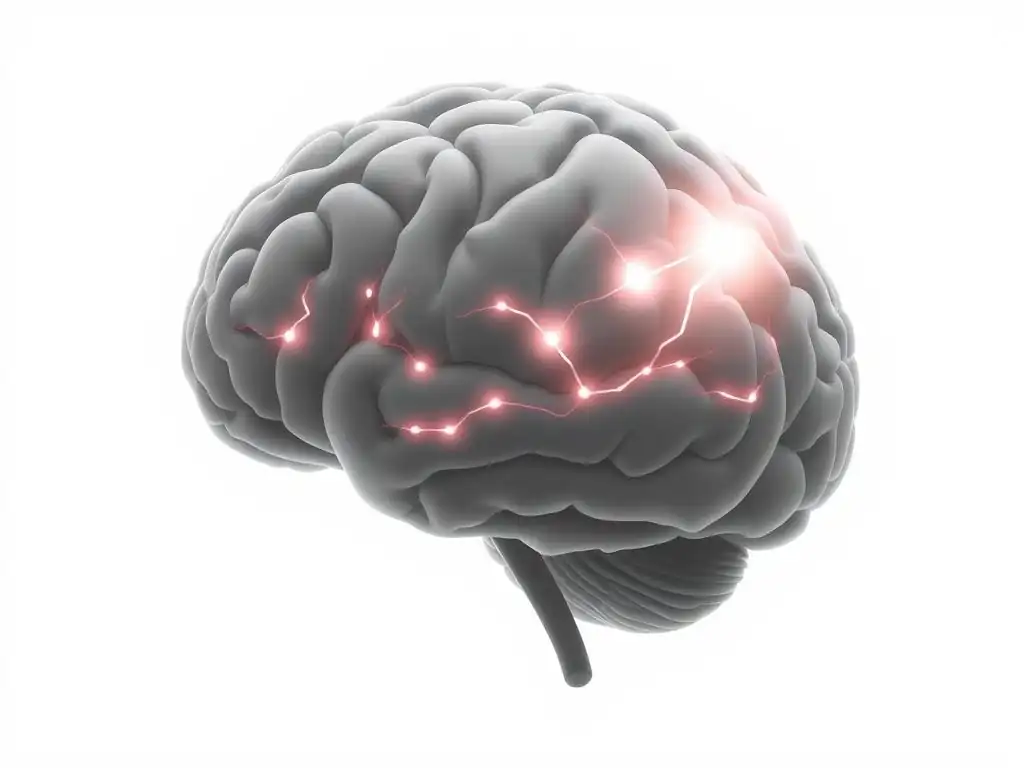
Spatial attention, the ability to focus on specific locations in space, is a fascinating area of cognitive psychology with significant implications for understanding perception, action, and cognition. While much progress has been made, several avenues of research remain ripe for exploration. This section will delve into some promising future directions in spatial attention research, focusing on the influence of technology, individual differences, and the complex interplay with object-based attention. Understanding these aspects is crucial for a comprehensive grasp of spatial attention psychology for beginners.
The Impact of Technology on Spatial Attention
The digital age presents both challenges and opportunities for studying spatial attention. The constant bombardment of information from multiple screens, notifications, and apps significantly alters our attentional landscape. Research is needed to understand how different technological interfaces affect spatial attentional deployment. For example, studies could investigate how prolonged use of smartphones impacts the ability to selectively attend to locations in a visual scene, potentially leading to reduced sustained attention and increased distractibility.
Further research could explore the development of effective training programs to mitigate negative effects, perhaps incorporating mindfulness exercises or attention-training apps designed to improve selective attention and spatial awareness. This is a burgeoning area with implications for understanding the cognitive consequences of our increasingly digital world. Preliminary data suggests a correlation between excessive screen time and reduced performance on spatial attention tasks, but more rigorous longitudinal studies are needed to establish causality.
Furthermore, the development of virtual reality (VR) and augmented reality (AR) technologies offers unique opportunities to manipulate and control the spatial environment, allowing researchers to study spatial attention under precisely defined conditions and with unprecedented precision. Understanding how these technologies impact spatial attention is paramount to designing user interfaces that are both engaging and cognitively efficient. This is particularly relevant in fields like aviation, surgery, and driving, where spatial awareness is critical for safe and effective performance.
Individual Differences in Spatial Attention Abilities
Spatial attention, like other cognitive abilities, exhibits substantial individual differences. Some individuals naturally possess superior spatial attention skills, while others struggle with tasks requiring precise spatial focusing. These differences are likely influenced by a complex interplay of genetic, developmental, and environmental factors. Research is needed to identify the specific cognitive mechanisms underlying these individual differences.
For instance, differences in the efficiency of neural pathways involved in spatial processing could contribute to variations in spatial attention performance. Furthermore, investigations into the role of working memory capacity are warranted, as efficient working memory is often linked to better spatial attentional control. Identifying specific biomarkers or cognitive profiles associated with superior spatial attention abilities could have significant implications for educational interventions and talent identification. This could lead to the development of personalized learning strategies tailored to individual needs and strengths, optimizing learning outcomes and improving overall cognitive performance.
Consider, for example, the potential for targeted training programs designed to enhance spatial attention skills in individuals with learning disabilities or those who struggle with spatial reasoning. Such interventions could significantly improve academic performance and overall quality of life. This area of research also requires a deep dive into how these individual differences interact with the demands of specific tasks, environments, and technological interfaces.
The Interplay of Spatial and Object-Based Attention
While spatial attention focuses on locations, object-based attention prioritizes specific objects regardless of their location. A crucial area for future research lies in understanding the intricate interplay between these two attentional systems. How do they interact when an object of interest moves through space? Do they operate independently, or is there a hierarchical relationship, with one system influencing the other?
For example, initial attention might be drawn to a moving object (object-based attention), which then triggers a shift in spatial attention to track its trajectory. However, scenarios where spatial attention is prioritized, for instance, searching for a specific location in a cluttered environment, could subsequently influence the selection and processing of objects within that location. Investigating these dynamics with advanced experimental paradigms and neuroimaging techniques could illuminate the neural mechanisms underlying the coordination and integration of spatial and object-based attention.
This research could provide a more nuanced understanding of how we effectively navigate and interact with complex visual scenes, revealing the critical interplay between spatial location and object properties in shaping our attentional focus. Further research should also explore how individual differences in spatial and object-based attention interact, and how these interactions might vary across different tasks and contexts. This holistic approach is crucial for building a complete model of attentional processes.
Frequently Asked Questions
What is spatial attention?
Spatial attention refers to our ability to selectively focus on a particular location in space. It's how we prioritize certain areas of our visual field, allowing us to efficiently process information. This is crucial for tasks requiring visual search and object recognition.
How does spatial attention differ from other types of attention?
Unlike other forms of attention, like auditory or selective attention, spatial attention is specifically concerned with location in space. It involves directing our focus to a particular point or region, regardless of the specific object or stimulus present.
What are some real-world examples of spatial attention?
Think about driving a car: you constantly shift your spatial attention between the road ahead, your mirrors, and other vehicles. Similarly, searching for a lost item in a cluttered room relies heavily on efficiently scanning and focusing your spatial attention.
Damage to certain brain areas can lead to spatial neglect, where individuals fail to acknowledge stimuli on one side of their visual field. Other conditions can affect the speed and accuracy of spatial attention shifts, impacting daily tasks.
Where can beginners learn more about spatial attention in psychology?
The website Psychology Basics offers introductory materials on spatial attention. You can also explore textbooks and online resources focusing on cognitive psychology and attentional processes for a deeper understanding.
Final Reflection: The Enduring Power of Spatial Attention
Understanding spatial attention is not merely an academic pursuit; it's the very foundation of how we navigate and interact with the world around us. Our ability to selectively focus on specific locations in space directly impacts our daily lives, from driving safely to engaging in meaningful conversations. Ignoring this fundamental cognitive process would be akin to ignoring gravity – a force constantly shaping our experiences.
The impact of spatial attention extends far beyond the laboratory setting; it profoundly influences our social interactions, our learning capabilities, and even our artistic expressions. The way we perceive and prioritize visual information shapes our understanding of the world, influencing everything from our personal relationships to our professional achievements. Attention is the taking possession by the mind, in clear and vivid form, of one out of what seem several simultaneously possible objects or trains of thought. Focalization, concentration, of consciousness are of its essence.
– William James. This quote highlights the active and selective nature of spatial attention, a process that continuously shapes our reality.
Consider the implications of this knowledge. How can you improve your own spatial attention? Are there areas in your life where a sharper focus could lead to greater success or fulfillment? Perhaps it's about minimizing distractions in your workspace, practicing mindfulness to enhance concentration, or simply taking a moment to consciously observe your surroundings. You have the power to cultivate your spatial attention, unlocking a deeper understanding of yourself and the world around you. Embrace this power, and watch your perception transform.
**Elevate Your Focus: Take Control of Your Spatial Attention! **
Thank you for exploring the fascinating world of spatial attention! Understanding how we focus on locations in space is key to enhancing daily life and productivity. Let's put this knowledge into practice:
- **Understand your focus patterns:** Pay attention to how you direct your attention throughout the day. Keep a journal for a week, noting times when your focus feels sharp or begins to drift.
- **Practice mindfulness:** Try a simple meditation focusing on your awareness of your surroundings. Sit quietly, and systematically visualize different parts of your environment, noticing what you see and feel.
- **Share your experiences:** Discuss your discoveries about spatial attention and its impact on your life with friends or in online communities. Sharing knowledge helps everyone grow.
How will you integrate these insights into your daily routine to better harness the power of spatial attention?