Online Courses for Relationship Improvement: A Psychology-Based Path to Stronger Bonds
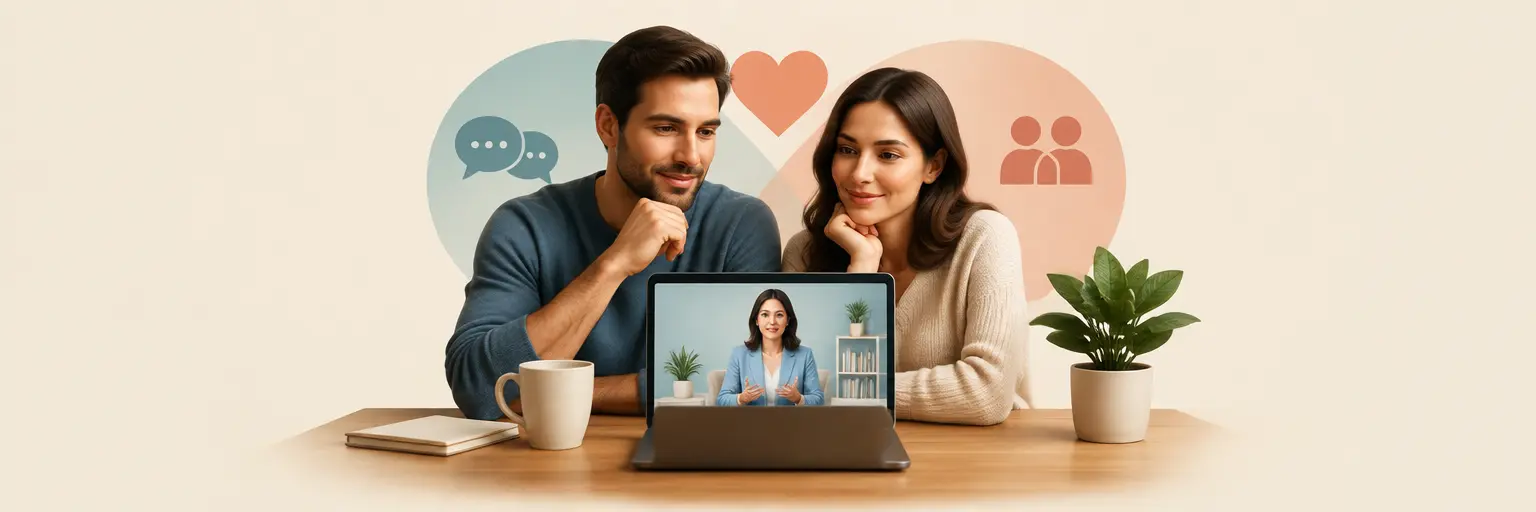
If you’re looking to deepen your connection with a partner, improve communication with family members, or simply understand the science behind healthy relationships, online courses for relationship improvement offer a flexible, evidence-based starting point. Rooted in psychology, these programs translate complex theories—like attachment styles, emotional intelligence, and conflict resolution—into practical skills you can apply immediately. Whether you’re a student exploring human behavior or a general reader seeking personal growth, these courses provide structured learning at your own pace, often with expert instructors and interactive exercises. Below, we break down the most valuable facets of this subcategory to help you choose the right fit for your goals.
🔍 Core Psychological Frameworks Taught in These Courses
Most high-quality online courses for relationship improvement begin by grounding you in foundational psychological models. You’ll learn about attachment theory—how early bonds shape adult patterns—and John Gottman’s research on the “four horsemen” that predict relationship failure. Expect modules on emotional regulation, empathy, and active listening, all drawn from cognitive-behavioral and humanistic approaches. These frameworks aren’t just theoretical; they help you identify your own triggers and reactive habits. By understanding why you respond the way you do, you gain actionable insight into changing destructive patterns. Look for courses that include self-assessment quizzes or journaling prompts to personalize the learning process.
🛠️ Practical Communication Skills You’ll Master
A standout feature of the best relationship improvement courses is their emphasis on applied communication techniques. You’ll practice “I-statements,” nonviolent communication (NVC), and structured check-ins that reduce defensiveness. Many programs include video demonstrations of both poor and healthy exchanges, plus role-play simulations (often via peer feedback or AI tools). The goal is to move from knowing to doing—so expect weekly challenges like “spend 10 minutes of uninterrupted listening” or “write a gratitude letter.” These exercises are designed to rewire your default responses, making you more approachable and solution-focused. For beginners, this hands-on component is what separates a passive lecture from a true behavioral change.
🧠 Navigating Conflict and Repair After Rupture
Conflict is inevitable, but how you handle it determines relationship longevity. Online courses dedicated to this subcategory often dedicate entire sections to repair attempts and de-escalation strategies. You’ll learn the difference between criticism and complaint, how to take breaks without stonewalling, and the importance of post-conflict repair rituals. Psychological research shows that successful couples make “repair attempts” even when angry—these courses teach you to spot and respond to them. Expect guided meditations for managing physiological arousal (like a racing heart) during arguments, plus scripts for apologizing effectively. By mastering these skills, you reduce the emotional cost of disagreements and build resilience that lasts.
💞 Building Emotional Intimacy and Trust Safely
Beyond conflict, these courses dive into the positive side of relationships: deepening emotional intimacy. You’ll explore vulnerability as a strength, using exercises inspired by Brené Brown’s shame research. Topics include expressing needs without guilt, creating rituals of connection (like weekly date nights), and rebuilding trust after betrayal. Psychology-based courses often incorporate mindfulness to help you stay present with your partner rather than ruminating on past hurts. You’ll also learn about love languages and how to adapt them to your partner’s evolving needs. For those in long-distance relationships or non-traditional partnerships, many programs offer supplementary materials on maintaining closeness across distance or time zones.
💻 Choosing the Right Platform and Certification
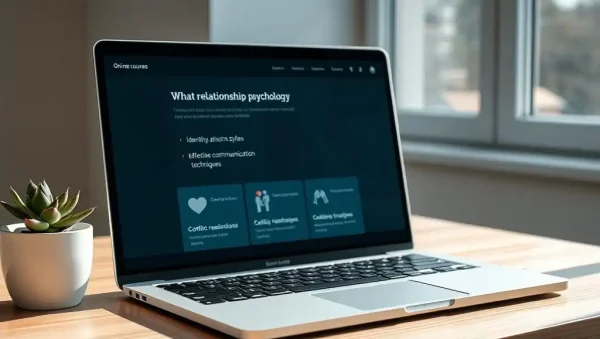
With hundreds of options, selecting the right course requires attention to academic credibility and format. Look for platforms like Coursera, Udemy, or The Gottman Institute, where licensed psychologists or educators lead the content. Check if the course offers a certificate of completion—useful for students building a portfolio in psychology or counseling. Also consider the delivery style: some use video lectures with quizzes, while others rely on live webinars or community forums. A course with 4+ hours of content and downloadable resources is ideal for deep learning. Read reviews for “practical applicability” rather than just entertainment value. Finally, ensure the course has a money-back guarantee if you’re unsure, but remember that real change requires consistent practice beyond the screen.
Frequently Asked Questions
Do I need prior psychology knowledge to take these courses?
No, most online courses for relationship improvement are designed for beginners. They explain psychological concepts in plain language, using real-life examples. However, having basic familiarity with terms like “attachment” or “emotional intelligence” can help. The best courses start with a glossary and introductory module.
How long does it typically take to complete a course?
It varies. Some self-paced courses take 3–5 hours and can be finished in a weekend. Others span 6–8 weeks with weekly modules, requiring 1–2 hours per week. Practical exercises and reflection often add time, but this is where the real learning happens.
Can these courses help if my partner refuses to participate?
Yes, many strategies work one-sided. You can learn to regulate your own emotions, improve your listening, and set healthy boundaries. Individual change often shifts the dynamic, encouraging a reluctant partner to engage over time. Just don’t force it—focus on your own growth.
Are online courses as effective as in-person therapy?
They are complementary, not a replacement. Courses excel at teaching skills and knowledge, but they lack personalized feedback. For deep trauma or persistent patterns, individual or couples therapy is better. Still, many use courses as a first step or supplement—highly effective for prevention and maintenance.
Will I get a certificate that’s recognized professionally?
Some platforms issue certificates with HRCI or APA CE credits, but these are rare. Most certificates are proof of completion, not licensure. If you’re a student, confirm with your institution if they accept such credentials as enrichment. For personal growth, the certificate’s value is secondary to the skills you gain.