
Decode Relationship Signals: Online Courses for Understanding Your Partner

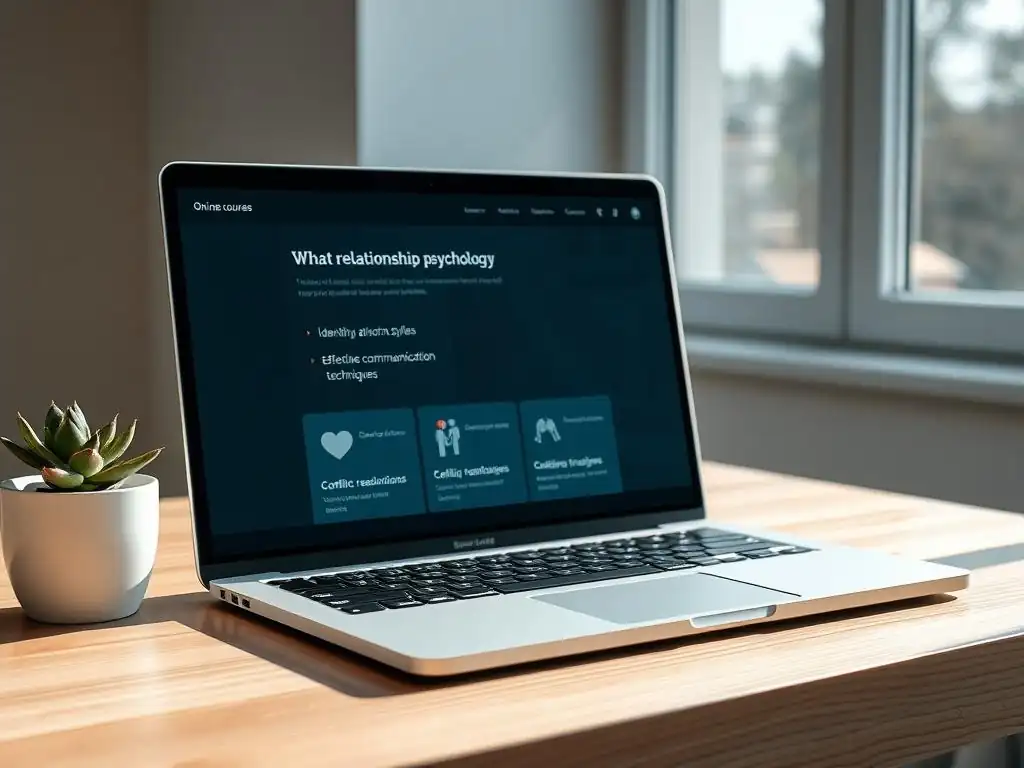
Ever wondered what makes relationships tick? Unravel the mysteries of human connection with Psychology Basics. We're your gateway to understanding the complexities of relationships, and our insightful exploration of online psychology courses relationships will empower you to build stronger, more fulfilling bonds. Dive in and discover how to decode those crucial relationship signals – you might be surprised by what you learn.
- Decode Relationship Signals: Online Psychology Courses for Relationships
- Choosing the Right Online Psychology Courses for Relationships
- Comparing Popular Online Relationship Psychology Courses
- Maximizing the Benefits of Your Online Psychology Relationship Course
-
Frequently Asked Questions
- What kind of relationship issues are covered in these online psychology courses?
- Are these courses suitable for beginners with no prior knowledge of psychology?
- How do these online courses help me understand my partner better?
- What is the format of these online psychology courses on relationships?
- Can I expect to resolve all my relationship problems just by taking these online courses?
- Final Reflection: Decoding Connection: The Future of Understanding Relationships
- Unlock the Secrets of Heartfelt Communication!
Decode Relationship Signals: Online Psychology Courses for Relationships
Understanding your partner's behavior and navigating the complexities of relationships can be challenging. This introductory article explores the benefits of online psychology courses designed to improve relationship understanding and communication. We'll delve into how these courses can help you decode relationship signals, fostering stronger, healthier connections.
The increasing availability of high-quality online learning platforms makes it easier than ever to access expert knowledge on relationship dynamics, offering accessible and convenient tools for personal growth and improved relationships. Understanding the nuances of communication styles, conflict resolution, and emotional intelligence are crucial for building lasting relationships, and online courses provide a structured and supportive environment to learn and apply these essential skills. This guide will help you understand the value and benefits of investing time and resources in these valuable learning opportunities, specifically focusing on how online psychology courses related to relationships can directly impact your personal life.
Understanding Relationship Dynamics Through Online Learning
Online psychology courses offer a structured approach to understanding relationship dynamics. Instead of relying on anecdotal evidence or limited personal experience, these courses provide evidence-based information on communication styles, attachment theory, conflict resolution strategies, and emotional intelligence. They often incorporate interactive exercises, case studies, and real-world examples to enhance understanding and application of the concepts.
For example, a course might explore the different attachment styles – secure, anxious-preoccupied, dismissive-avoidant, and fearful-avoidant – and how these styles influence communication patterns and conflict resolution within a relationship. Learning about these dynamics allows individuals to identify their own attachment style and that of their partner, paving the way for more empathetic and effective communication.
Furthermore, many courses incorporate practical tools and techniques, such as active listening exercises and strategies for managing conflict constructively. This structured learning environment, coupled with the convenience of online access, makes it a powerful tool for personal growth in the context of relationships.
Why Invest in Online Courses for Relationship Improvement?
Investing in online courses for relationship improvement is an investment in your personal well-being and the health of your relationships. Many individuals seek professional help for relationship issues, but the cost and accessibility of traditional therapy can be prohibitive. Online courses provide a more affordable and accessible alternative, offering valuable insights and practical skills without the financial burden or scheduling constraints of in-person therapy.
Moreover, the self-paced nature of online learning allows individuals to learn at their own speed, revisiting materials as needed and focusing on areas of personal interest or challenge. The anonymity offered by online platforms can also be beneficial for those who feel uncomfortable discussing personal relationship issues in a face-to-face setting.
Finally, the structured curriculum of these courses offers a framework for personal growth, providing a clear path towards improving communication skills, conflict resolution strategies, and overall relationship satisfaction. The return on investment in this context is not simply monetary; it's the enrichment of your personal relationships and improved emotional well-being.
Key Benefits of Relationship Focused Psychology Courses
The benefits of taking online psychology courses focused on relationships are numerous and impactful. These courses can lead to improved communication skills, enabling partners to express their needs and concerns more effectively. They provide tools for conflict resolution, teaching couples how to navigate disagreements constructively and avoid destructive patterns.
Furthermore, these courses often enhance emotional intelligence, helping individuals understand and manage their own emotions and those of their partner. This increased self-awareness and emotional regulation can significantly improve relationship satisfaction and stability. Another key benefit is the development of empathy and understanding, allowing partners to see things from each other's perspective and build stronger emotional connections.
Ultimately, these courses equip individuals with the knowledge and skills to build healthier, more fulfilling relationships. They provide a proactive approach to relationship maintenance, fostering stronger bonds and preventing potential conflicts before they escalate. 📈 The positive impact on personal well-being is undeniable, contributing to greater self-confidence and a sense of personal empowerment in navigating relationship challenges.
Choosing the Right Online Psychology Courses for Relationships

Finding the perfect online course to improve your understanding of relationships can feel overwhelming. The sheer number of options available, coupled with varying levels of quality and focus, makes careful selection crucial. This section will guide you through the key factors to consider when navigating the landscape of online psychology courses focused on relationships. We'll equip you to make an informed decision that aligns with your specific needs and learning style. Effective learning about relationship dynamics requires a strategic approach to course selection, ensuring you're investing your time and resources wisely.
Factors to Consider When Selecting a Course
Choosing the right online psychology course for relationships requires careful consideration of several key factors. Ignoring these aspects might lead to a less effective learning experience or even a waste of valuable time and money. Let's delve into the critical elements:
- Course Content and Curriculum: Does the course syllabus clearly outline the topics covered? Look for a comprehensive curriculum that addresses various aspects of relationships, including communication styles, conflict resolution, attachment theory, and emotional intelligence. A well-structured course will progressively build upon foundational concepts, leading to a deeper understanding of relationship dynamics. Avoid courses that seem overly simplistic or lack a clear learning progression.
- Instructor Expertise and Credentials: Verify the instructor's qualifications and experience. Look for instructors with advanced degrees in psychology, counseling, or a related field, and ideally, with a proven track record in teaching and working with couples or individuals facing relationship challenges. A credible instructor brings a level of authority and expertise that significantly enhances the learning experience. Their experience translates into practical advice and effective strategies.
- Learning Style and Format: Online courses are available in various formats, including video lectures, interactive exercises, quizzes, and downloadable materials. Consider your preferred learning style when selecting a course. Some learners thrive in a structured environment with clear guidelines, while others prefer more flexible, self-paced learning. The ideal course should complement your learning preferences for optimal knowledge retention and application.
- Course Reviews and Testimonials: Before enrolling, thoroughly research the course's reputation. Read reviews and testimonials from previous students to gauge their experiences. Pay close attention to comments regarding the course's content, teaching style, and overall value. Positive feedback and high ratings are strong indicators of a quality course that delivers on its promises.
- Cost and Value: Compare the price of different courses and assess their value proposition. Consider the course's length, content, and features in relation to its cost. While a higher price doesn't always guarantee better quality, a well-structured, comprehensive course is generally worth the investment, providing long-term benefits in improving your understanding of relationships.
Comparing Popular Online Relationship Psychology Courses
Choosing from the multitude of online relationship psychology courses requires a systematic comparison. While specific course names and details are [specific information pending], we can outline a framework for effective comparison to guide your decision-making process. The key is to focus on the core elements that truly matter for a valuable learning experience.
Comparing Popular Online Relationship Psychology Courses
To effectively compare courses, you should create a table like the one below. Fill it in with information gathered from course websites and reviews. This structured approach allows for a clear side-by-side comparison, enabling you to identify the best fit for your needs. Remember to prioritize factors like instructor credentials, curriculum comprehensiveness, and student reviews when making your final decision.
| Course Name | Instructor Credentials | Key Topics Covered | Learning Format | Price Range | Average Student Rating |
|---|---|---|---|---|---|
| [Course Name 1] | [Credentials] | [List Key Topics] | [Format, e.g., Video] | [Price Range] | [Rating, e.g., 4.5/5] |
| [Course Name 2] | [Credentials] | [List Key Topics] | [Format, e.g., Text-based] | [Price Range] | [Rating, e.g., 4.0/5] |
| [Course Name 3] | [Credentials] | [List Key Topics] | [Format, e.g., Hybrid] | [Price Range] | [Rating, e.g., 4.8/5] |
| … | … | … | … | … | … |
Remember, the best online psychology course for relationships is the one that best suits your individual needs and learning style. By carefully considering the factors discussed above and using a comparative approach like the table provided, you can confidently choose a course that will empower you to build stronger, healthier relationships. Investing time in this process ensures you maximize the potential for personal growth and improved relationship dynamics.
Maximizing the Benefits of Your Online Psychology Relationship Course
How to Get the Most Out of Your Learning Experience
Taking an online psychology course focused on relationships can be incredibly beneficial, but maximizing its impact requires a proactive approach. Think of it as an investment – the more you put in, the greater the return. Here's how to optimize your learning experience and truly transform your understanding of relationships:
First, active participation is key. Don't just passively consume the material. Take notes, highlight key concepts, and actively engage with the exercises and assignments. Many online courses incorporate quizzes and discussions; these aren't just for grades – they're designed to solidify your understanding and help you apply the concepts. Think of it like this: the more you actively engage your brain, the better you'll retain the information. This is crucial for applying what you learn to real-world relationship scenarios.
Second, create a dedicated learning space. Find a quiet, comfortable environment where you can focus without distractions. This helps improve concentration and reduces the likelihood of information overload. Consider scheduling specific times for studying to ensure consistency. Consistency is vital – sporadic learning is less effective than regular, shorter study sessions. This helps build a routine and reinforces the information more effectively.
Third, connect with other learners. If the course offers discussion forums or group projects, actively participate. Sharing experiences and perspectives with others can enrich your learning and provide valuable insights you might not otherwise gain. The collaborative aspect of online learning can be incredibly powerful, fostering a sense of community and support as you navigate the complexities of relationship dynamics. This peer-to-peer learning can often provide solutions and perspectives you wouldn't encounter otherwise.
Finally, apply what you learn. This is perhaps the most crucial step. The ultimate goal of an online psychology course on relationships is to improve your relationships. Actively try to implement the concepts and techniques you learn in your own life. This could involve practicing active listening, improving communication skills, or addressing conflict resolution strategies. Regular self-reflection on your progress is also essential. Consider journaling your experiences and noting areas where you've seen improvement or where you could benefit from further practice. Consistent application is the key to long-term success.
Transforming Your Relationships with Psychological Insights
Online psychology courses focused on relationships offer a wealth of practical tools and insights that can significantly improve your romantic partnerships. Understanding core psychological principles—such as attachment styles, communication patterns, and conflict resolution techniques—provides a framework for navigating the complexities of relationships with greater awareness and empathy.
For example, learning about different attachment styles can help you understand your own attachment patterns and those of your partner. This self-awareness can lead to more compassionate and understanding interactions, fostering stronger connections. Similarly, mastering effective communication techniques, like active listening and assertive communication, can prevent misunderstandings and foster healthier dialogue. Learning about conflict resolution strategies can transform how you approach disagreements, moving away from destructive arguments towards constructive problem-solving.
Many courses delve into the psychology of love and attraction, exploring the biological and psychological factors that contribute to relationship satisfaction. Understanding these factors can help you cultivate a more fulfilling and meaningful connection with your partner. Furthermore, some courses may address specific relationship challenges, such as infidelity, jealousy, or communication breakdowns, providing practical strategies for overcoming these obstacles. This targeted approach can provide valuable tools for addressing specific issues that may be impacting your relationship.
Conclusion: Investing in Your Relationship's Future Through Online Learning
Investing in an online psychology course focused on relationships is an investment in your personal growth and the future of your relationships. By actively engaging with the material, applying the concepts learned, and reflecting on your progress, you can equip yourself with the knowledge and skills necessary to build stronger, healthier, and more fulfilling connections. Remember, the journey towards relationship improvement is ongoing; online courses offer a valuable starting point and a continued resource for personal and relational growth.
The benefits extend beyond the course itself, providing a lasting impact on your ability to navigate the complexities of love and connection. This investment in yourself and your relationship pays dividends in improved communication, stronger bonds, and increased overall well-being. It's a proactive step towards a more fulfilling and harmonious relationship.
Frequently Asked Questions
What kind of relationship issues are covered in these online psychology courses?
These online psychology courses cover a wide range of relationship issues, from communication problems and conflict resolution to attachment styles and intimacy concerns. They also address topics like healthy relationship dynamics and improving communication skills.
Are these courses suitable for beginners with no prior knowledge of psychology?
Yes, absolutely! The courses are designed to be accessible to beginners with no prior experience in psychology. They explain complex concepts in a clear and easy-to-understand manner.
How do these online courses help me understand my partner better?
The courses provide tools and frameworks to decode relationship signals, understand different communication styles, and identify potential underlying issues affecting your relationship. You'll learn to improve empathy and communication.
What is the format of these online psychology courses on relationships?
The format varies depending on the specific course, but many offer a mix of video lectures, readings, quizzes, and interactive exercises. Some may include downloadable worksheets or additional resources.
Can I expect to resolve all my relationship problems just by taking these online courses?
While these courses offer valuable tools and insights, they are not a replacement for professional therapy. They can significantly improve your understanding and equip you with skills, but professional help may be necessary for complex issues.
Final Reflection: Decoding Connection: The Future of Understanding Relationships
The rise of online learning has democratized access to crucial relationship skills, making tools for healthy communication and conflict resolution readily available to everyone. This accessibility is vital in a world increasingly reliant on digital interaction, where nuanced communication can easily be lost in translation. Understanding your partner, and yourself, is no longer a luxury, but a necessity for navigating the complexities of modern relationships.
The impact of readily available relationship education is profound. We are witnessing a shift in societal understanding, moving away from the stigma surrounding seeking help for relationship issues. The most important thing in communication is hearing what isn't said.
- Peter Drucker. This quote highlights the subtle, often unspoken dynamics at play in relationships, and the importance of developing the skills to decipher these unspoken signals. My own journey in researching this topic has underscored the need for continuous learning and self-reflection in fostering strong, healthy connections.
You, the reader, now hold the key to unlocking deeper understanding within your own relationships. Consider the insights gained from this article – not as a passive observation, but as a springboard for personal growth. Take the time to explore the online resources mentioned, engage in self-reflection, and actively cultivate open communication with your partner. Embrace the opportunity to build stronger, more fulfilling connections, one insightful lesson at a time. The journey towards understanding is ongoing, and the rewards are immeasurable.
Unlock the Secrets of Heartfelt Communication!
Thank you for exploring the intricacies of relationship communication with us! We hope you gained valuable insights to enhance your connections and deepen your understanding of your partner. Now, let's put that knowledge into practice!
Here are some ways to apply what you've learned:
- Invest in your communication skills by taking a relationship communication course. Focus on topics that particularly interest you.
- Share your experiences with others in the comments below. Your insights can inspire and help others!
- Seek personalized guidance through a consultation or workshop to build even stronger relationships.
How will you use this new understanding to create more meaningful and open communication with your partner?