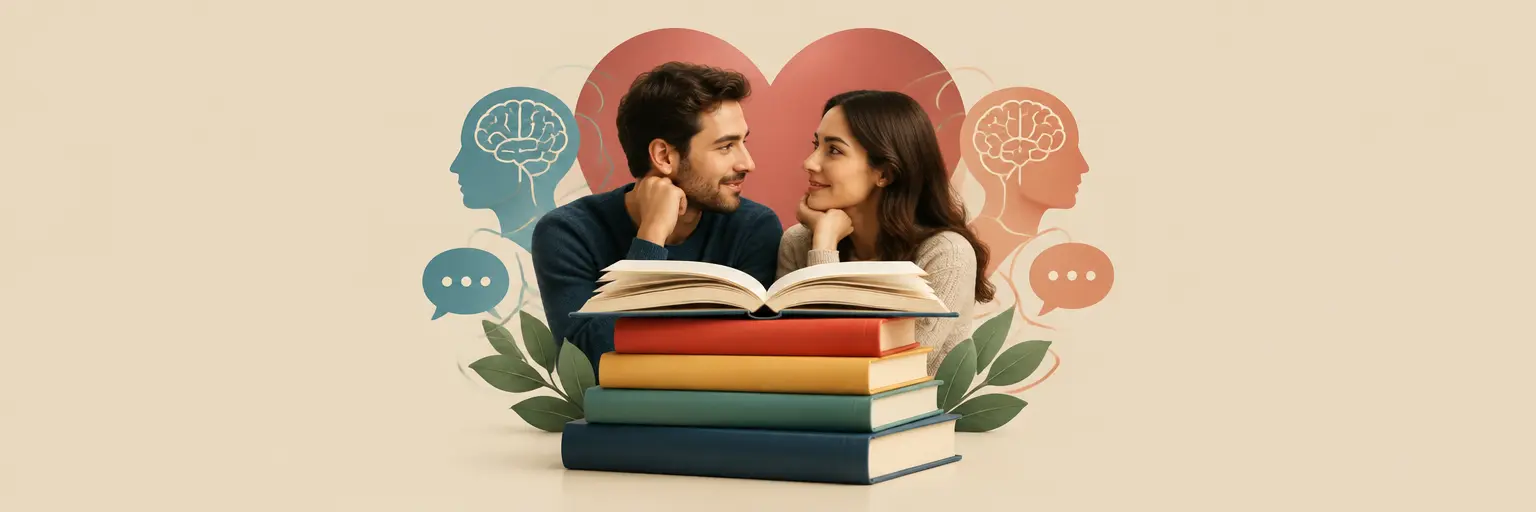
Explore the Best Books on Relationship Psychology
Understanding the psychology behind human connections is essential for building healthy, lasting bonds. This subcategory of Relationships & Communication at Psychology Basics curates the most insightful and evidence-based books on relationship psychology. Whether you are a student, a counselor, or simply someone seeking deeper intimacy, these titles cover attachment theory, conflict resolution, emotional intelligence, and relational neuroscience. Each recommendation is selected for its clarity, practical application, and scientific foundation, helping you translate complex psychological concepts into everyday actions.
🔍 Core Theories of Attachment and Bonding
Dive into the foundational frameworks that explain why we love, fear, and connect the way we do. This section highlights books like Attached by Amir Levine and Rachel Heller, which demystifies anxious, avoidant, and secure attachment styles. You will also explore Hold Me Tight by Dr. Sue Johnson, a pioneer of emotionally focused therapy. These texts use real-life case studies and accessible language to show how early attachment patterns shape adult relationships. Expect to leave with a clear map of your own relational style and actionable strategies to move toward secure bonding.
Beyond theory, these books integrate neuroscience and developmental psychology to explain why certain behaviors trigger emotional responses. For example, you will learn how the brain’s reward system reinforces proximity-seeking and why emotional availability is more critical than perfect communication. Practical exercises, such as identifying your “protest behaviors” or creating a “secure base” dialogue, are woven into each chapter. This makes the reading experience both educational and transformative, ideal for beginners and advanced learners alike.
💬 Mastering Communication and Conflict Resolution
Effective communication is the bedrock of any thriving relationship, and this subcategory features seminal works like The Seven Principles for Making Marriage Work by John Gottman and Crucial Conversations by Patterson, Grenny, and McMillan. These books break down the psychology of active listening, non-defensive expression, and repair attempts. You will understand how couples can escalate or de-escalate conflicts based on verbal and non-verbal cues, and how to replace criticism with gentle start-ups. The goal is to equip you with a toolkit for turning disagreements into opportunities for deeper intimacy.
Furthermore, these texts present research-backed methods like the “Four Horsemen of the Apocalypse” and the “Meta-Emotion” framework, which help you recognize destructive patterns before they spiral. Exercises include practicing “I” statements, mapping your conflict history, and scheduling weekly “state of the union” talks. By internalizing these principles, you will not only improve your romantic life but also your ability to navigate friendships, family dynamics, and professional collaborations. Each chapter ends with reflective prompts that encourage self-assessment and gradual behavioral change.
🧠 The Neuroscience of Love and Intimacy
For those curious about the biological underpinnings of romance, this section covers bestselling works like Wired for Love by Stan Tatkin and The Neuroscience of Human Relationships by Louis Cozolino. These books explain how the brain’s mirror neurons, oxytocin release, and limbic regulation influence our capacity for empathy and attunement. You will discover why “gaze coupling” and “mutual regulation” are vital for feeling safe, and how trauma history can hijack present-moment interactions. This scientific lens demystifies common relationship struggles and offers hope for rewiring neural pathways through mindful practice.
Practical takeaways include “love maps” for partners, breathing exercises to calm the nervous system during arguments, and strategies to create a “couple bubble” that buffers external stress. The authors also address digital age challenges, such as “phubbing” and social media jealousy, using neurobiological evidence. By the end, you will appreciate that love is not just a feeling but a set of learnable physiological and psychological skills. These books are perfect for readers who enjoy evidence-based explanations but still crave emotional relevance.
❤️ Healing from Toxic Patterns and Breakups
Not all relationships thrive, and this subcategory respectfully addresses recovery with books like Getting Past Your Breakup by Susan Elliott and Why Does He Do That? by Lundy Bancroft. These guides use psychological principles to help you identify red flags, understand narcissistic behavior, and rebuild self-worth after dissolution. You will learn about cognitive dissonance, trauma bonding, and the stages of grief, all explained with compassion and clarity. The focus is on empowerment through knowledge, not blame, so that you can make informed decisions about staying or leaving.
Beyond recognizing toxic patterns, these books offer structured recovery plans that include journaling prompts, boundary-setting scripts, and support group recommendations. You will explore how attachment styles influence post-breakup behavior and why some people cycle between partners. Evidence-based methods like “no contact” rules and “radical acceptance” are contextualized with psychological theory. The end goal is personal growth and healthier future connections. Each narrative includes survivor testimonials that normalize the messy, nonlinear process of healing.
💑 Building Lasting Passion and Sustained Commitment
Long-term relationships require ongoing effort, and this section highlights classics like Mating in Captivity by Esther Perel and The High-Conflict Couple by Alan Fruzzetti. These books tackle the paradox of wanting security yet craving novelty, and offer psychological insights into desire, differentiation, and emotional regulation. You will learn why routines can kill passion and how to reintroduce playfulness and mystery without losing trust. The authors blend existential psychology, behavioral therapy, and practical anecdotes to address common pitfalls like, “We’re roommates now, not lovers.”
Expect to find concrete rituals for date nights, “erotic Intelligence” exercises, and mindfulness practices that foster presence and appreciation. Additionally, the books emphasize the importance of self-expansion—growing individually while staying connected—as a proven predictor of marital satisfaction. You will also explore how to manage external stressors (parenting, career, health) without compromising intimacy. By integrating these strategies, you can transform a comfortable but dull partnership into a dynamic and fulfilling one. Every chapter concludes with reflection questions designed to spark meaningful conversations with your partner.
Frequently Asked Questions
What is the best first book for a beginner in relationship psychology?
Start with Attached by Levine and Heller. It is accessible, research-based, and quickly shows how attachment styles influence daily interactions. You will take a self-assessment quiz and learn practical tips for moving toward secure attachment, making it a perfect entry point before deeper texts.
Can these books replace professional couples therapy?
No, they are excellent supplements, not substitutes. While they offer frameworks and exercises, trained therapists provide personalized guidance, especially for trauma or severe conflict. Use these books to prepare for sessions or reinforce skills learned in therapy.
Are these books useful for non-romantic relationships like friendships or family?
Absolutely. Many principles, such as active listening, boundary setting, and conflict resolution, apply universally. Books like Crucial Conversations and Hold Me Tight include examples from workplace and friend dynamics, making them versatile for all interpersonal contexts.
How do I know which attachment style I have?
Most recommended books include self-report quizzes, but for accuracy, observe your patterns across multiple relationships. Notice how you react to distance, conflict, or criticism. You can also consult a licensed psychologist for a structured assessment.
Do these books address modern issues like social media and online dating?
Yes, recent editions and newer titles, such as Wired for Love and Mating in Captivity, explicitly discuss digital communication, “ghosting,” and social media jealousy. They integrate research on technology’s impact on neural reward systems and attachment behaviors.