
Key Figures in Psychology
Explore the fascinating minds that shaped modern psychology, from the foundational theories of Sigmund Freud and Carl Jung to the behavioral breakthroughs of B.F. Skinner. Our “Key Figures in Psychology” section offers an accessible gateway for students and curious readers alike, diving deep into the lives, ideas, and lasting impacts of the discipline’s most influential thinkers. Discover how Contemporary Influential Psychologists are expanding our understanding of the human mind, and don’t miss the vital Contributions of Women in Psychology, whose groundbreaking work often goes underrecognized. Whether you’re tracing the roots of psychoanalysis or exploring diverse modern perspectives, this curated hub provides clear, engaging overviews that connect theory to real-world application. Perfect for building a solid foundation in psychology basics, each profile breaks down complex concepts into digestible insights, helping you grasp the evolution of thought from past pioneers to today’s trailblazers. Uncover the personal stories, pivotal experiments, and philosophical debates that continue to influence therapy, education, and our daily understanding of behavior and mental processes.
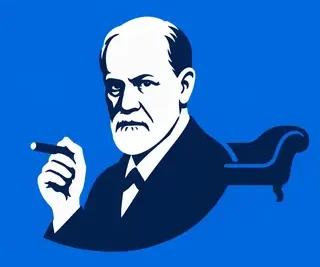 Sigmund Freud
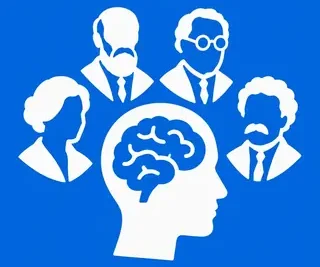 Other Influential Psychologists
 Contributions of Women in Psychology
 Contemporary Influential Psychologists
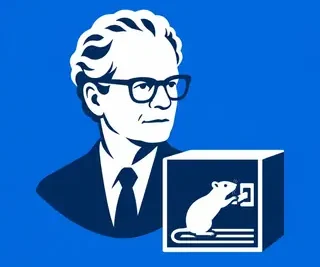 B.F. Skinner
 Carl Jung
Key Figures in Psychology
Explore the foundational minds that shaped modern psychology. This category introduces you to the pioneers—from Freud’s unconscious drive to Skinner’s behaviorism—and highlights contemporary thinkers and women whose work revolutionized therapy, learning, and human understanding. Whether you are a student or a curious reader, you’ll discover practical summaries, core theories, and lasting legacies that connect past ideas to current practice.
🧠 Carl Jung
Carl Jung, once Freud’s heir apparent, broke away to create analytical psychology. His ideas on the collective unconscious, archetypes (like the Shadow and Anima), and introversion/extroversion remain central to personality theory and modern therapy. Expect to learn how dreams, symbols, and personal growth intertwine—a crucial lens for understanding psychological depth beyond symptom reduction.
🐁 B.F. Skinner
B.F. Skinner championed radical behaviorism, arguing that psychology must study observable actions, not hidden thoughts. His work on operant conditioning—reinforcement and punishment—explains how habits form and change. Readers will grasp why rewards shape behavior in classrooms, workplaces, and even digital apps. This subcategory demystifies learning mechanisms with real-world examples from animal experiments to human habit loops.
🌍 Contemporary Influential Psychologists
From Martin Seligman’s positive psychology to Daniel Kahneman’s cognitive biases, modern figures apply science to everyday challenges. This section highlights researchers who redefined therapy (e.g., Aaron Beck’s CBT) and expanded our view of resilience, memory, and decision-making. You’ll see how today’s psychology integrates neuroscience, culture, and technology, making it more practical for mental health and personal development.
♀️ Contributions of Women in Psychology
Women like Mary Whiton Calkins (first female APA president), Karen Horney (feminist psychoanalysis), and Mamie Phipps Clark (doll studies on racial identity) often faced barriers yet transformed the field. This subcategory uncovers their theories on self, social development, and bias. Expect to learn how their work laid foundations for developmental psychology, personality theory, and social justice in clinical practice.
🌟 Other Influential Psychologists
This catch-all introduces essential thinkers beyond the giants—names like Erik Erikson (psychosocial stages), Jean Piaget (cognitive development), and Carl Rogers (person-centered therapy). You’ll get concise bios and core contributions, making it easier to connect disparate theories. Perfect for building a broad mental map of psychology’s historical and theoretical landscape before diving deeper into any single school.
🛋️ Sigmund Freud
Freud remains the most famous—and controversial—figure in psychology. His theory of the id, ego, and superego, defense mechanisms, and psychosexual stages still influence therapy and culture. This section explains his key concepts in plain language, separating enduring insights from outdated claims. You’ll learn how “talking cure” evolved and why his ideas, despite criticism, continue to shape discussions on desire, memory, and identity.
Frequently Asked Questions
Who is considered the father of psychology?
Wilhelm Wundt is widely called the father of psychology because he founded the first experimental psychology lab in 1879 in Leipzig, Germany. He focused on introspection and structuralism—breaking down consciousness into basic elements. However, Sigmund Freud (psychoanalysis) and William James (functionalism) also shaped distinct branches, so “father” depends on the tradition you emphasize.
Why is Carl Jung important to modern psychology?
Jung introduced the collective unconscious and archetypes, showing that human experiences share universal symbols across cultures. His concepts of introversion/extroversion formed the basis of the Myers-Briggs Type Indicator and modern personality research. Jung also emphasized individuation—integrating conscious and unconscious aspects—paving the way for humanistic and transpersonal therapies that go beyond symptom relief.
How did B.F. Skinner’s behaviorism differ from Freud’s psychoanalysis?
Skinner rejected inner mental states as unscientific, focusing only on observable behaviors and their environmental consequences. He believed learning occurs via reinforcement and punishment, not hidden desires or childhood conflicts. Freud, conversely, prioritized unconscious drives, dreams, and early experiences. Skinner’s approach led to practical applications in education and therapy (e.g., token economies), while Freud’s influenced talk therapy and personality theory.
What are the biggest contributions of women in psychology?
Women overcame exclusion to pioneer critical areas. Mary Whiton Calkins studied memory and self-psychology; Karen Horney challenged male-centric psychoanalysis, introducing concepts like womb envy and cultural influences. Mamie Phipps Clark demonstrated how segregation harmed Black children’s self-esteem, used in the Supreme Court’s Brown v. Board decision. Their work advanced developmental, clinical, and social psychology while opening doors for future generations.
Does Freud’s theory still hold any scientific value today?
While specific claims like psychosexual stages lack empirical support, Freud’s broader insights endure. His emphasis on the unconscious influences modern cognitive psychology (e.g., implicit memory). Defense mechanisms like repression are seen in related forms (e.g., cognitive avoidance). Therapy’s legacy—the therapeutic alliance and free association—remains foundational. However, modern psychology discards his sexist and unverifiable parts, replacing them with evidence-based models.