
The Psychology of Environmental Risk Perception: How We Assess Danger

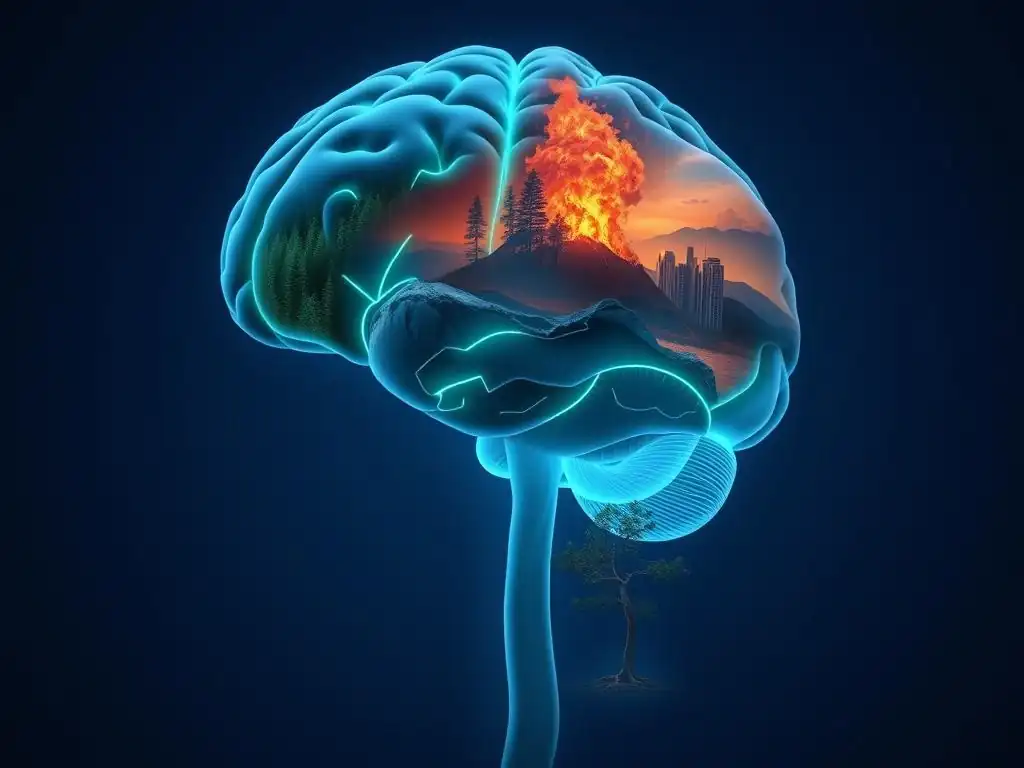
Welcome to Psychology Basics, your gateway to understanding the fascinating world of human behavior. Are you curious about how we perceive and react to environmental threats? Our exploration of Environmental risk perception psychology unveils the intricate mental processes behind our assessments of danger, revealing surprising insights into how we make crucial decisions in the face of uncertainty. Dive in and discover the psychological factors shaping our response to the world around us – you might be surprised by what you learn!
- Understanding Environmental Risk Perception Psychology
- Assessing Environmental Hazards: Cognitive Processes at Play
- The Influence of Social and Cultural Context on Environmental Risk Perception
- Managing and Mitigating Environmental Risks: Practical Applications
-
Frequently Asked Questions
- What is environmental risk perception?
- How do emotions influence our perception of environmental risks?
- What are some cognitive biases that affect environmental risk perception?
- How does social influence impact our perception of environmental risks?
- How can understanding environmental risk perception psychology help in environmental policy?
- Final Reflection: Reframing Our Relationship with Risk
- Embrace Change: Take Action for a Safer Planet!
Understanding Environmental Risk Perception Psychology
Environmental risk perception psychology explores how individuals perceive and evaluate the dangers posed by environmental hazards. This field delves into the complex interplay between cognitive processes, emotional responses, and societal influences that shape our understanding of risks like climate change, pollution, and natural disasters. Understanding these psychological mechanisms is crucial for effective communication of environmental risks, promoting pro-environmental behavior, and developing successful risk management strategies.
This article will examine the core components of environmental risk perception, focusing on the psychological factors that influence how we assess and respond to environmental dangers. We will explore how cognitive biases, emotional responses, and social influences contribute to the often-discrepant ways individuals perceive the same environmental threat, ultimately shaping their behaviors and policy preferences. By understanding these psychological underpinnings, we can work towards bridging the gap between scientific understanding of environmental risks and public perception, leading to more effective solutions.
Defining Environmental Risk Perception: A Psychological Perspective
Environmental risk perception is not simply a rational assessment of probability and severity. It's a complex psychological process shaped by a multitude of factors beyond the objective characteristics of the risk itself. It involves how individuals interpret information about environmental hazards, evaluate the likelihood and consequences of those hazards, and form judgments about the acceptability of the associated risks.
This subjective assessment is influenced by individual differences in knowledge, beliefs, values, and experiences, as well as by broader social and cultural contexts. For example, someone living in a flood-prone area might have a heightened perception of flood risk compared to someone living in a geographically stable region, even if the statistical probability of flooding is similar in both locations.
Furthermore, the way information about environmental risks is framed – emphasizing potential benefits versus potential losses – significantly impacts perception and subsequent behavioral responses. The field of environmental risk perception psychology seeks to uncover these underlying processes and their implications for environmental protection and public health.
Factors Influencing Environmental Risk Perception: Cognitive Biases
Several cognitive biases systematically distort our perception of environmental risks. These biases, rooted in our inherent cognitive limitations and heuristics, can lead to inaccurate risk assessments. For instance, the availability heuristic causes us to overestimate risks that are easily recalled, often due to vivid imagery or recent media coverage.
A dramatic news report about a chemical spill, for example, might inflate perceptions of the risk associated with that chemical, even if the actual probability of such an event is low. Conversely, the optimism bias leads individuals to believe they are less likely to experience negative environmental consequences than others. This bias can lead to complacency and a failure to adopt preventative measures.
Another significant bias is affect heuristic, where our emotional responses, rather than objective information, heavily influence our risk judgments. Fear, dread, and anger associated with a particular environmental hazard can disproportionately increase perceived risk, even if the actual danger is relatively low. Understanding these cognitive biases is crucial for developing effective risk communication strategies that counteract these distortions and promote more accurate risk assessments.
The Role of Emotion in Environmental Risk Assessment
Emotion plays a pivotal role in shaping environmental risk perception. While cognitive processes inform our understanding of risk, emotional responses influence how we feel about those risks and, consequently, how we behave. Fear, anger, and sadness can heighten perceived risk, motivating action to mitigate the threat.
Conversely, apathy or denial can lead to inaction, even in the face of substantial risk. The intensity and type of emotion elicited by a specific environmental hazard vary across individuals, depending on personal experiences, values, and cultural background. For example, the emotional response to climate change might range from anxious concern to dismissive skepticism, depending on an individual's worldview and prior experiences with environmental issues.
Furthermore, the framing of environmental risks can manipulate emotional responses, thereby influencing perceived risk. Effective communication strategies must acknowledge the crucial role of emotion in risk perception and employ strategies that foster a balanced response, avoiding both excessive fear-mongering and apathetic dismissal. Further research is needed to fully understand the complex interplay between cognition and emotion in environmental risk assessment, particularly in the context of communicating complex and uncertain risks like climate change.
Individual Differences in Environmental Risk Perception: Personality and Demographics
Understanding environmental risk perception requires acknowledging that not everyone perceives threats in the same way. Individual differences play a significant role, shaped by a complex interplay of personality traits and demographic factors. For instance, research suggests a correlation between personality traits and the assessment of environmental hazards. Individuals high in neuroticism, characterized by a tendency towards anxiety and worry, often exhibit higher levels of perceived risk from environmental threats compared to those lower in neuroticism.
This heightened sensitivity might stem from a predisposition to perceive ambiguous situations as potentially dangerous. Conversely, individuals scoring high on measures of openness to experience, often associated with curiosity and intellectual exploration, may demonstrate a more nuanced and informed understanding of environmental risks, potentially leading to a more accurate risk perception. However, this is not always the case, and further research is needed to fully understand this complex relationship.
Furthermore, demographic factors significantly influence risk perception. Age, for example, is a crucial variable. Older individuals may possess a longer history of exposure to environmental hazards and thus, may have a more developed and perhaps, more realistic, perception of risks. Younger generations, on the other hand, might exhibit a different risk profile, potentially influenced by their limited life experiences and exposure to specific environmental problems.
Similarly, education levels are linked to risk perception. Higher levels of education are often associated with a better understanding of scientific concepts related to environmental hazards, potentially leading to more informed risk assessments. However, education alone doesn't guarantee accurate risk perception; cognitive biases can still influence judgment, regardless of educational background.
Socioeconomic status also plays a considerable role. Individuals from lower socioeconomic backgrounds may face a disproportionate exposure to environmental hazards due to factors such as proximity to polluting industries or limited access to resources that mitigate risk. This increased exposure can, understandably, lead to a heightened perception of environmental risk.
Conversely, those from higher socioeconomic backgrounds may have more resources to mitigate risks and access information that minimizes their perceived threat. However, this does not mean they are necessarily less vulnerable to environmental hazards; it simply reflects a different level of perceived and actual risk. This highlights the importance of considering social inequalities when analyzing environmental risk perception.
Further research is needed to fully quantify the impact of these socioeconomic factors, considering the complexities of access to information, resources, and the varying levels of exposure to environmental hazards. The intersection of these factors – personality, age, education, and socioeconomic status – creates a complex and multifaceted understanding of individual differences in environmental risk perception, emphasizing the need for tailored communication strategies to effectively address environmental concerns across diverse populations.
Assessing Environmental Hazards: Cognitive Processes at Play
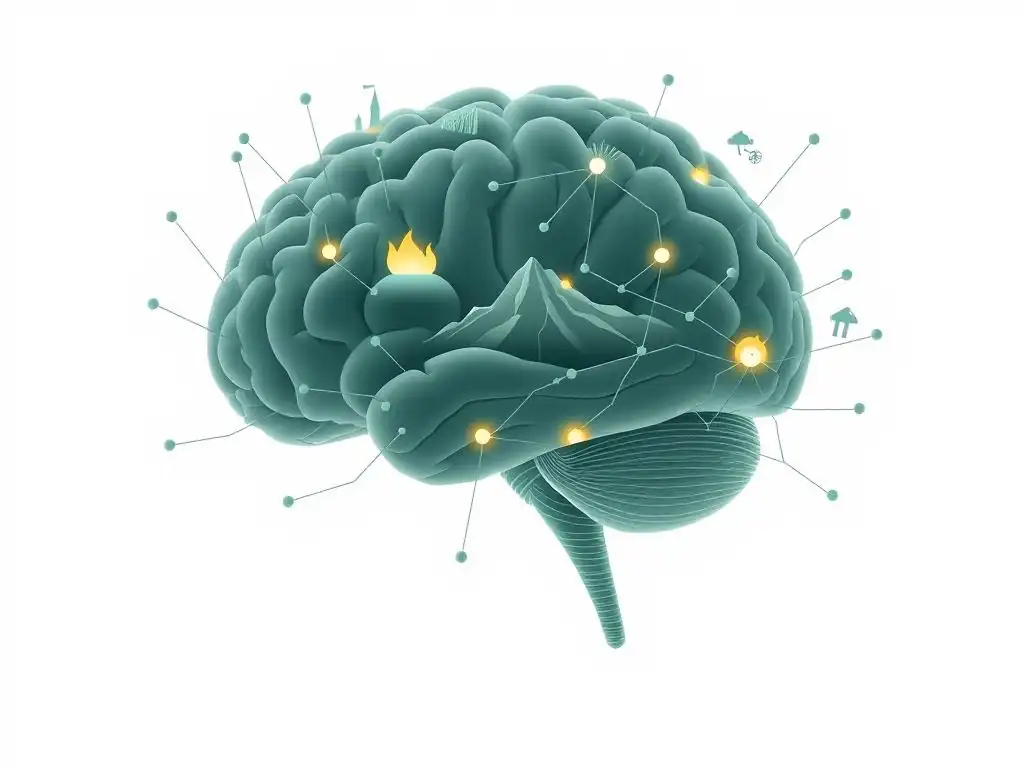
This section delves into the fascinating cognitive mechanisms underlying our perception of environmental risks. Understanding how we assess danger is crucial for effective risk communication and environmental policy. We don't simply calculate probabilities; our brains employ shortcuts and mental rules of thumb, often leading to systematic biases in judgment. This section will explore some key cognitive processes involved in environmental risk perception, focusing on how these processes can sometimes lead to inaccurate or incomplete assessments of environmental hazards. The field of environmental risk perception psychology is crucial in bridging the gap between scientific understanding of risks and public perception.
Heuristics and Biases in Environmental Risk Judgment
Our brains are remarkably efficient, but this efficiency often comes at the cost of accuracy. We rely heavily on heuristics, mental shortcuts that simplify complex decisions. While heuristics are usually helpful in navigating everyday life, they can lead to predictable biases when assessing environmental risks. These biases can significantly distort our perception of the likelihood and severity of threats, influencing our behaviors and choices.
For example, the perceived risk of a specific environmental hazard might be amplified or downplayed depending on factors unrelated to the objective risk itself. This can have significant consequences, leading to underestimation of serious threats or overreaction to minor ones. Understanding these biases is key to improving risk communication and fostering more informed decision-making.
The Availability Heuristic and Environmental Risks
The availability heuristic describes our tendency to overestimate the likelihood of events that are easily recalled. Events that are vivid, recent, or emotionally charged are more readily available in memory, leading us to perceive them as more probable than they actually are. In the context of environmental risk, this means that highly publicized environmental disasters, such as oil spills or major forest fires, might inflate our perception of the risk associated with similar events, even if the statistical probability remains low.
Conversely, risks that are less salient or less frequently reported might be underestimated, even if they pose a significant threat. For instance, the slow and insidious effects of climate change, unlike a dramatic hurricane, might be perceived as less urgent because it lacks the readily available imagery that fuels the availability heuristic.
Consider this example: A community might overestimate the risk of shark attacks after a highly publicized incident, even if statistically, the risk of a shark attack is extremely low compared to other risks, such as car accidents. This illustrates the power of the availability heuristic in shaping our perception of environmental risks. Effective risk communication strategies need to account for this bias, presenting information in a clear, memorable, and emotionally resonant way to counteract the disproportionate influence of easily recalled events.
The Affect Heuristic and Environmental Decision-Making
The affect heuristic suggests that our feelings and emotions significantly influence our judgments and decisions, even when objective information is available. We tend to associate environmental hazards with positive or negative feelings, and these feelings strongly impact our risk perception. A beautiful, pristine natural area might be perceived as less risky, even if it faces significant environmental threats. Conversely, a polluted or damaged environment might be perceived as inherently more dangerous, regardless of the objective risk level. This emotional response can override rational analysis, leading to biased judgments and potentially suboptimal decisions.
For example, the decision to support or oppose a new dam project might be influenced more by feelings of awe inspired by the natural landscape than by a detailed analysis of the project's environmental impact assessment. Similarly, the fear associated with nuclear power might outweigh a rational assessment of its safety record and contribution to reducing carbon emissions. Understanding the role of affect in environmental risk perception is critical for developing effective communication strategies that address both cognitive and emotional aspects of risk assessment.
This requires presenting information in a way that acknowledges and addresses the emotional responses associated with environmental risks. Ignoring the affect heuristic in risk communication can lead to ineffective or even counterproductive strategies.
Risk Communication and its Impact on Perception
Effective risk communication is crucial in shaping environmental risk perception. The way information about environmental hazards is presented significantly influences how individuals perceive the severity and likelihood of those risks. For instance, using vivid language and emotionally charged imagery can heighten perceived risk, even if the objective risk is relatively low. Conversely, downplaying the severity or using technical jargon can lead to underestimation of the threat.
This is exemplified by the varied public responses to climate change information. Some individuals, exposed to alarming visuals and reports of extreme weather events, develop a heightened sense of urgency and concern. Others, presented with more cautious or nuanced reports, might downplay the risks or dismiss the evidence altogether.
The framing of risk information also plays a critical role. Presenting a risk as controllable versus uncontrollable, or focusing on potential benefits versus potential harms, can dramatically alter perception. For example, highlighting individual actions that can mitigate climate change (e.g., reducing carbon footprint) might foster a sense of agency and encourage pro-environmental behavior. In contrast, emphasizing the scale and seemingly insurmountable nature of the problem could lead to feelings of helplessness and apathy.
Furthermore, the source of the risk communication matters. Trust in the communicator (e.g., government agencies, scientists, community leaders) significantly influences the acceptance and internalization of the information. A lack of trust can lead to skepticism and rejection of even credible scientific evidence.
Therefore, building trust and credibility is paramount for effective environmental risk communication. Studies have shown that transparent communication, acknowledging uncertainties, and engaging with diverse perspectives can enhance trust and improve the effectiveness of risk communication efforts. Understanding these nuances is vital for crafting effective communication strategies that accurately reflect the risks and empower individuals to make informed decisions.
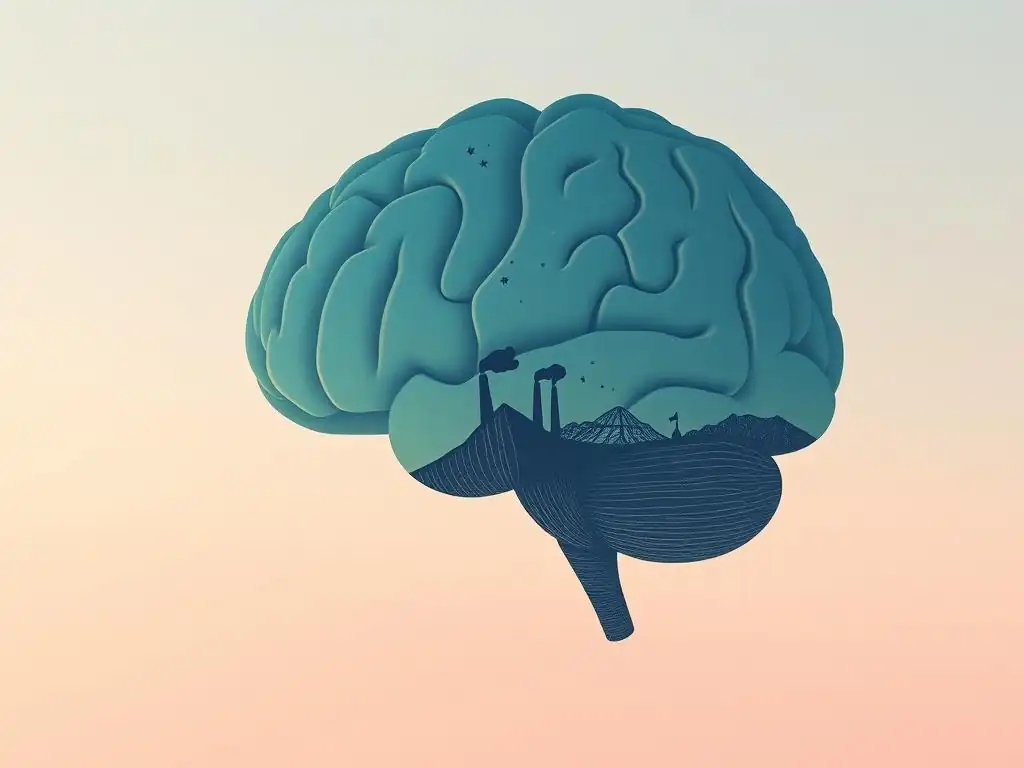
The perception of environmental risks isn't solely determined by objective hazard levels; it's profoundly shaped by the social and cultural contexts in which individuals live. Understanding these influences is crucial for effective risk communication and environmental policy-making. This section delves into the key social and cultural factors that significantly impact how people assess and respond to environmental dangers, exploring how these factors can lead to discrepancies between perceived and actual risk.
This nuanced understanding is vital for developing targeted interventions and effective strategies for mitigating environmental hazards. The field of environmental risk perception psychology highlights the complex interplay between individual psychology and the broader social and cultural landscape.
Social norms, the unwritten rules governing behavior within a group, exert a powerful influence on environmental risk perception. Individuals often adjust their behavior and beliefs to align with the perceived norms of their social circles. For example, if a community generally accepts a certain level of air pollution as "normal," residents may be less likely to perceive it as a significant risk, even if the pollution levels exceed safety guidelines. This phenomenon, often referred to as "social normalization," can lead to a dangerous underestimation of risk.
Studies have shown a strong correlation between social norms and behaviors related to environmental protection. Communities where recycling is widely practiced and promoted tend to have higher recycling rates, reflecting a shared social norm that values environmental sustainability. Conversely, in communities where environmentally unfriendly practices are prevalent, individuals may be less inclined to adopt eco-friendly behaviors, even if they personally recognize the environmental benefits.
The impact of social norms is particularly evident in situations involving collective action. When individuals believe that others are not taking action to mitigate a particular environmental risk, they are less likely to engage in protective behaviors themselves, even if they perceive the risk to be significant. This highlights the importance of fostering a social climate that supports and encourages pro-environmental actions. Understanding and leveraging these social norms are key to effective environmental risk communication and behavior change strategies.
Cultural Values and Environmental Risk Tolerance
Cultural values significantly shape how societies perceive and respond to environmental hazards. Cultures that prioritize economic growth may be more tolerant of environmental risks associated with industrial development, while cultures that emphasize environmental stewardship may exhibit greater concern about even minor environmental threats. This cultural variation in risk tolerance is a key factor in explaining differences in environmental policies and public responses to environmental issues across various nations and regions.
For instance, a collectivist culture might prioritize the needs of the community over individual preferences, leading to greater acceptance of environmental regulations that might impose individual sacrifices for the collective good. In contrast, an individualistic culture might prioritize individual liberties, potentially leading to resistance against environmental regulations perceived as infringing upon personal freedoms.
Furthermore, differing cultural beliefs about nature's resilience or human's dominance over nature can profoundly influence environmental risk perception. Cultures that view nature as a fragile entity requiring careful protection will likely display higher levels of concern about environmental threats, compared to cultures that view nature as robust and capable of withstanding human impact. This highlights the importance of culturally sensitive risk communication strategies that resonate with the specific values and beliefs of the target audience. Ignoring these cultural nuances can severely hamper efforts to promote environmental protection and mitigate environmental risks.
Media Influence and Public Perception of Environmental Hazards
The media plays a crucial role in shaping public perception of environmental risks. The way environmental hazards are portrayed in news reports, documentaries, and other media outlets can significantly influence public opinion and behavior. Sensationalized reporting can amplify public fear and anxiety, potentially leading to disproportionate responses to relatively low-risk events, while downplaying or ignoring critical issues can lead to complacency and inaction.
Furthermore, the framing of environmental issues in the media can significantly impact public understanding and response. Framing an environmental issue in terms of its economic consequences might resonate more with some audiences, while framing it in terms of its health implications might be more effective for others. The strategic use of media framing can be a powerful tool in shaping public perception and motivating pro-environmental behaviors.
The proliferation of misinformation and disinformation on social media and other online platforms further complicates the picture. The rapid spread of inaccurate or misleading information about environmental risks can create confusion and distrust, undermining public confidence in scientific findings and expert advice. Combating misinformation and promoting accurate, evidence-based information is crucial for effective environmental risk communication. This requires a multi-pronged approach involving media literacy education, fact-checking initiatives, and collaboration between scientists, journalists, and policymakers. The careful and responsible reporting of environmental hazards is paramount in fostering informed public discourse and effective environmental management.
The Role of Trust in Environmental Risk Assessment
Trust plays a crucial role in how individuals perceive and respond to environmental risks. Our assessment of risk isn't solely based on scientific data; it's heavily influenced by whom we trust to provide that information. Do we trust the government agencies responsible for environmental regulation? Do we believe the claims made by corporations about the safety of their products or processes? The answer to these questions significantly shapes our perception of environmental hazards.
For example, a community might readily accept the assurances of a long-established local environmental agency with a proven track record of accurate reporting and effective action. However, the same community might be far more skeptical of information coming from a newly formed, less transparent organization, even if the scientific data presented is identical. This highlights the critical role of institutional trust in shaping environmental risk perception.
A lack of trust can lead to increased perceived risk, even when the objective danger is low, potentially resulting in heightened anxiety and opposition to proposed solutions. Conversely, high trust can lead to a more accepting attitude towards potentially risky projects, even if some level of risk is objectively present.
Furthermore, trust extends beyond institutions to encompass interpersonal relationships. The opinions and experiences shared by trusted family members, friends, and community leaders can powerfully influence individual risk perceptions. For instance, if a respected elder within a community expresses deep concern about a particular environmental hazard, others are more likely to share that concern, regardless of the scientific evidence available. This social transmission of risk perception underscores the interconnectedness of individual beliefs and community dynamics in shaping our responses to environmental challenges.
Understanding this dynamic is crucial for effective risk communication and environmental policy-making. Strategies aimed at building trust, transparency, and open communication are essential for fostering informed and responsible environmental decision-making. The cultivation of trust is, therefore, not just a social matter; it's a critical component of effective environmental risk management.
Managing and Mitigating Environmental Risks: Practical Applications
Understanding the psychology behind environmental risk perception is crucial for developing effective strategies to manage and mitigate environmental risks. This involves moving beyond simply informing people about risks and actively engaging with their cognitive biases and emotional responses. Ignoring these psychological factors often leads to ineffective policies and a failure to achieve desired behavioral changes. Successful risk management requires a multi-pronged approach, tailored to the specific risks and the populations affected.
Communicating Environmental Risks Effectively
Effective communication is paramount in managing environmental risks. Simply presenting data on pollution levels or climate change projections often fails to resonate with the public. People process information through a lens of personal experience, trust, and emotional responses. For instance, a community facing immediate flooding risks will likely perceive the threat differently than a community that only reads about future projections of sea-level rise.
To improve communication, consider these strategies:
- Framing: Instead of emphasizing potential losses ("You could lose your home due to flooding"), focus on potential gains ("Investing in flood defenses will protect your community and its future"). Positive framing can be more persuasive and motivate action.
- Accessibility and Clarity: Use simple, understandable language, avoiding technical jargon. Visual aids like graphs and maps can significantly improve comprehension and engagement. The use of relatable narratives and storytelling can make abstract concepts more concrete and emotionally impactful.
- Building Trust: Credibility is key. Information from trusted sources, such as local authorities or respected scientists, is more likely to be accepted and acted upon. Transparency about uncertainties and limitations of data is also important to foster trust.
- Tailoring Messages: Different populations will respond differently to the same message. Consider age, cultural background, and pre-existing beliefs when crafting communication strategies. For example, messages targeted at older adults might emphasize the potential health impacts of air pollution, while messages for younger audiences could highlight the long-term consequences of environmental degradation.
The effectiveness of communication strategies should be regularly evaluated and refined. Feedback from target audiences provides valuable insights into what resonates and what needs improvement. This iterative process is essential for ensuring that communication efforts are truly impactful.
Promoting Pro-Environmental Behaviors
Understanding how people perceive and respond to environmental risks is key to designing effective interventions that encourage pro-environmental behaviors. These behaviors range from simple actions like recycling to more significant lifestyle changes, such as adopting a plant-based diet or reducing energy consumption.
Many interventions focus on increasing awareness, but this alone is often insufficient. Effective strategies need to address the psychological barriers that hinder pro-environmental actions. These barriers include:
- Perceived Effort: People are more likely to engage in behaviors that they perceive as easy and convenient. Making pro-environmental choices simpler and more accessible is crucial. For example, providing convenient recycling facilities or offering energy-efficient appliances at affordable prices.
- Social Norms: People are influenced by the behaviors of others. Highlighting the prevalence of pro-environmental behaviors within their social circles can encourage participation. This can be achieved through social marketing campaigns or community-based initiatives.
- Personal Responsibility: Framing environmental issues as shared responsibilities, rather than individual burdens, can increase engagement. Collective action and community involvement can create a sense of shared purpose and increase motivation.
- Incentives and Rewards: Financial incentives, such as tax breaks for energy-efficient homes, or non-financial rewards, like public recognition for environmental achievements, can significantly influence behavior.
Effective strategies often combine multiple approaches, targeting different psychological mechanisms to maximize their impact. For instance, a campaign might combine information about the benefits of cycling with incentives like dedicated bike lanes and community cycling events.
Policy Implications of Environmental Risk Perception
Environmental risk perception psychology has significant implications for policy-making. Policies designed to address environmental risks need to consider how people perceive and respond to these risks. Ignoring psychological factors can lead to ineffective or even counterproductive policies.
For example, policies that rely solely on providing information about environmental risks may fail to achieve desired outcomes if they do not address the cognitive biases and emotional responses that influence people's behavior. Similarly, policies that impose strict regulations without considering the public's perception of fairness and legitimacy may encounter resistance and lack public support.
Effective environmental policies should:
- Incorporate psychological insights: Policies should be designed to account for cognitive biases, emotional responses, and social influences that affect risk perception and behavior.
- Promote participation and engagement: Involving the public in the policy-making process can increase trust and support for environmental regulations.
- Consider equity and fairness: Policies should be designed to address environmental injustices and ensure equitable distribution of environmental benefits and burdens.
- Focus on long-term sustainability: Policies should promote long-term environmental sustainability, even if this requires short-term sacrifices.
By integrating psychological insights into policy-making, governments can create more effective and sustainable environmental policies that enjoy greater public support and achieve their intended goals. This requires a collaborative effort between psychologists, policymakers, and the public. Understanding the nuances of environmental risk perception psychology is no longer optional; it's a necessity for building a more sustainable and resilient future.
Future Directions in Environmental Risk Perception Research
Research into environmental risk perception is a dynamic field, constantly evolving to address new challenges and incorporate advancements in related disciplines. Several key areas warrant further investigation to enhance our understanding and improve risk management strategies. One crucial direction involves exploring the intersection of environmental risk perception with emerging technologies. The proliferation of social media, for example, significantly influences how information about environmental hazards is disseminated and perceived.
Understanding how algorithms, filter bubbles, and the spread of misinformation impact risk perception is vital for developing effective communication strategies. Further research should focus on designing interventions that leverage technology to promote accurate and accessible information about environmental risks, while simultaneously mitigating the spread of harmful disinformation. This includes investigating the effectiveness of fact-checking initiatives and developing innovative methods for communicating complex scientific information to diverse audiences.
Another important avenue for future research lies in examining the role of cultural values and beliefs in shaping environmental risk perceptions. While existing research acknowledges cultural influences, more nuanced investigations are needed to understand how specific cultural contexts modulate risk assessment. This requires moving beyond broad generalizations and focusing on the unique perspectives and practices within different cultural groups.
For instance, indigenous knowledge systems often possess valuable insights into environmental risks and their management, and integrating these perspectives into risk assessment frameworks is crucial for creating more inclusive and effective strategies. The research should also delve into the impact of cultural narratives and storytelling on shaping perceptions of environmental threats and opportunities.
Furthermore, longitudinal studies are essential to track changes in environmental risk perception over time. Understanding how perceptions evolve in response to long-term environmental changes, such as climate change or biodiversity loss, is critical for developing adaptive risk management strategies. This necessitates the development of robust methodologies for tracking perceptions across generations and within specific communities.
Such studies could reveal valuable insights into the factors that influence the persistence or change of perceptions over time, providing a more comprehensive understanding of the dynamics of environmental risk assessment. The results of these longitudinal studies could inform the design of interventions that promote long-term behavioral changes related to environmental sustainability.
Finally, interdisciplinary collaboration is paramount for advancing research in this area. Effective risk management demands integrating insights from psychology, sociology, economics, environmental science, and policy-making. Future research should prioritize collaborative projects that bring together experts from diverse fields to address complex environmental challenges. This interdisciplinary approach will not only enhance our understanding of environmental risk perception but will also lead to the development of more comprehensive and effective risk management strategies. The integration of diverse perspectives can lead to innovative solutions that address the multifaceted nature of environmental risks and promote sustainable practices.
Frequently Asked Questions
What is environmental risk perception?
Environmental risk perception refers to how individuals perceive and evaluate the dangers posed by environmental hazards. This involves cognitive processes, emotional responses, and social influences. It's not always rational or accurate.
How do emotions influence our perception of environmental risks?
Emotions play a significant role. Fear and anxiety can exaggerate perceived risks, while feelings of optimism or denial can minimize them. This explains why some people overreact while others downplay threats.
What are some cognitive biases that affect environmental risk perception?
Several biases distort our judgment. The availability heuristic (easily recalled examples feel more likely) and the affect heuristic (emotions influence judgments) are common examples leading to inaccurate assessments.
Social norms and the opinions of trusted sources (family, friends, experts) heavily influence our risk perceptions. People tend to conform to the beliefs of their social groups, even if those beliefs are inaccurate.
How can understanding environmental risk perception psychology help in environmental policy?
Understanding these psychological factors is crucial for effective communication and the design of successful environmental policies. By considering these biases, policymakers can develop more persuasive and impactful messaging.
Final Reflection: Reframing Our Relationship with Risk
Understanding the psychology of environmental risk perception is not merely an academic exercise; it's a crucial tool for navigating the urgent challenges of our time. The climate crisis, pollution, and resource depletion are not abstract threats; they are realities shaped by our individual and collective perceptions of risk, influencing our actions (or inaction) with profound consequences. This understanding is paramount as we grapple with increasingly complex environmental issues.
The way we process environmental risks profoundly impacts our societal responses, from policy decisions to individual lifestyle choices. Our biases, heuristics, and emotional responses often overshadow objective data, leading to delayed or inadequate action. As the late environmentalist Rachel Carson eloquently stated, The more clearly we can focus our attention on the wonders and realities of the universe about us, the less taste we shall have for destruction.
Her words resonate deeply, highlighting the urgent need to cultivate a more informed and emotionally intelligent approach to environmental risk. This requires not only scientific literacy but also a deeper understanding of the psychological barriers that prevent us from fully engaging with the realities of environmental degradation.
You now possess a deeper understanding of the psychological mechanisms that shape our perception of environmental risks. Consider how these insights might inform your own choices – from reducing your carbon footprint to advocating for stronger environmental policies. Challenge your own biases, seek out reliable information, and engage in constructive dialogue. By fostering a more nuanced understanding of how we perceive and respond to environmental threats, we can collectively pave the way for a more sustainable and resilient future. The journey towards a healthier planet begins with a deeper understanding of ourselves and our relationship with the environment.
Embrace Change: Take Action for a Safer Planet!
Thank you for exploring the psychology of how we perceive environmental risks. Understanding this is the first step towards making informed decisions for a healthier planet. Now, let's turn that understanding into action!
- Start a conversation: Host a community gathering or use social media to raise awareness about environmental threats.
- Deepen your knowledge: Read books and articles on environmental issues to better understand the challenges and inspire others to act.
- Support environmental action: Join or support local organizations working to protect the environment; your involvement can make a real difference.
How will you use your knowledge to inspire others and build a more environmentally aware community?