
The Power of Mindfulness for Health: Reducing Stress and Improving Wellbeing

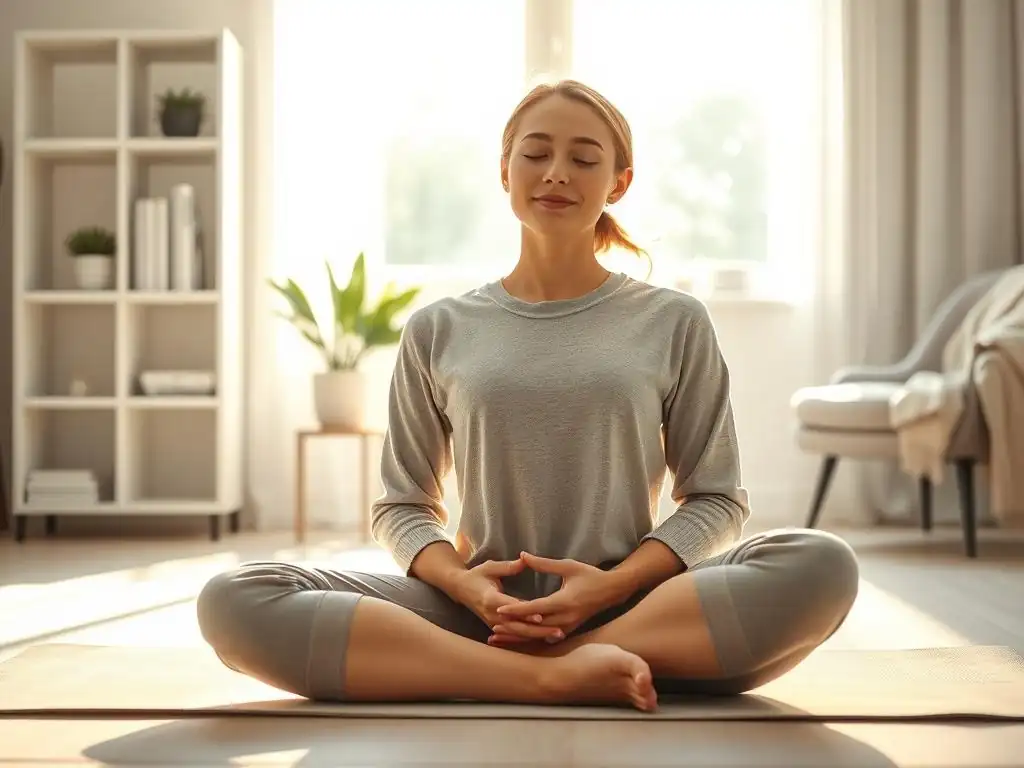
Welcome to Psychology Basics, your gateway to understanding the fascinating world of the human mind. Are you feeling overwhelmed by stress? Discover the transformative power of mindfulness techniques for stress relief, explored in our insightful article, "The Power of Mindfulness for Health: Reducing Wellbeing." Learn practical strategies to cultivate inner peace and improve your overall well-being. Dive in and unlock the secrets to a calmer, more fulfilling life.
- Understanding Mindfulness and its Benefits for Stress Reduction
- Practical Mindfulness Techniques for Daily Life
- Mindfulness and its Impact on Mental and Physical Health
- Mindfulness for Specific Health Challenges
- Getting Started with Mindfulness: Resources and Guidance
-
Frequently Asked Questions
- What is mindfulness, and how does it relate to stress relief?
- Are there specific mindfulness techniques for stress reduction?
- How long does it take to see results from practicing mindfulness?
- Can mindfulness techniques be used alongside other stress management strategies?
- Where can I learn more about mindfulness techniques for stress relief?
- Final Reflection: Cultivating Inner Peace in a Frantic World
- Embrace Mindfulness Today for a Healthier Tomorrow!
Understanding Mindfulness and its Benefits for Stress Reduction
Mindfulness, a practice rooted in ancient Buddhist traditions, is gaining significant traction in modern psychology and healthcare for its remarkable ability to alleviate stress and enhance overall well-being. This article delves into the core principles of mindfulness, exploring its scientific basis and providing practical techniques for stress relief. We will examine how cultivating present moment awareness can impact our brains and bodies, leading to a reduction in stress hormones, improved emotional regulation, and a greater sense of calm and contentment.
Understanding these mechanisms and implementing effective mindfulness techniques can empower you to navigate the challenges of daily life with increased resilience and a profound sense of inner peace. This exploration is particularly relevant for those seeking natural and effective strategies to manage stress and improve their mental and physical health, aligning perfectly with the growing interest in "Mindfulness techniques for stress relief."
Defining Mindfulness: A State of Present Moment Awareness
Mindfulness is often described as a state of present moment awareness, achieved through focused attention on the present experience without judgment. This involves observing thoughts, feelings, and sensations as they arise, acknowledging them without getting carried away by them. It's not about emptying your mind, but rather about cultivating a non-reactive awareness of your internal and external environment.
This practice requires consistent effort and training, but the benefits are substantial. Many people find that incorporating even short periods of mindfulness meditation into their daily routine can significantly improve their ability to manage stress and emotional reactivity. The key is to cultivate a gentle, accepting attitude towards whatever arises in your experience, rather than striving for perfection or a state of complete stillness.
This acceptance is a crucial component of the practice. For example, if you notice feelings of anxiety, you simply acknowledge their presence without getting caught up in worrying about them or trying to push them away.
The Science Behind Mindfulness: How it Impacts the Brain and Body
Numerous scientific studies support the efficacy of mindfulness in stress reduction. Neuroimaging research has shown that regular mindfulness practice can lead to structural and functional changes in the brain, particularly in areas associated with emotional regulation, self-awareness, and attention. For instance, studies have demonstrated increased grey matter density in the hippocampus (involved in memory and learning) and the prefrontal cortex (involved in executive functions and emotional regulation) in individuals who practice mindfulness regularly. 1 Furthermore, mindfulness has been shown to reduce the activity of the amygdala, the brain region associated with fear and anxiety responses. Physiologically, mindfulness practices can lower levels of cortisol, the primary stress hormone, and promote a more balanced autonomic nervous system, reducing the impact of the "fight-or-flight" response. These changes contribute to a decrease in feelings of stress, anxiety, and depression, and an improvement in overall well-being. The consistent findings across various studies strongly suggest a biological basis for the therapeutic effects of mindfulness.
Mindfulness Techniques for Stress Relief: An Overview
There are various mindfulness techniques that can be effectively used for stress relief. These techniques range from formal practices like meditation to informal practices that can be integrated into daily life. Formal practices often involve sitting or lying down in a comfortable position and focusing attention on the breath, body sensations, or sounds. Guided meditations, available through apps and online resources, can be particularly helpful for beginners.
Informal practices, on the other hand, involve bringing mindful awareness to everyday activities like eating, walking, or listening to music. This can involve paying close attention to the sensory details of the experience without judgment. Examples include mindful breathing exercises (focusing on the sensation of the breath entering and leaving the body), body scans (systematically bringing awareness to different parts of the body), and mindful walking (paying attention to the feeling of the feet on the ground and the movement of the body).
The key is to find techniques that resonate with you and to practice regularly, even if it's just for a few minutes each day. Consistency is more important than duration. The benefits accumulate over time, leading to a greater capacity for managing stress and enhancing overall well-being.
1 [Specific study details pending]
Practical Mindfulness Techniques for Daily Life

This section delves into practical mindfulness techniques readily applicable to daily life, providing you with tools to manage stress and enhance well-being. These techniques are designed to be easily integrated into your routine, regardless of your experience with mindfulness practices. Mastering these methods contributes significantly to your overall mental and physical health, strengthening your capacity to cope with daily stressors. Consistent practice is key to experiencing the full benefits of these Mindfulness techniques for stress relief.
Mindful Breathing Exercises for Stress Management
Mindful breathing is a cornerstone of many mindfulness practices. It's a simple yet powerful technique for anchoring yourself in the present moment and reducing stress. The key is to shift your attention from racing thoughts to the sensation of your breath.
Several exercises can be employed. One effective method involves focusing on the natural rhythm of your breath. Sit comfortably, close your eyes (or gently soften your gaze), and bring your attention to the sensation of air entering and leaving your nostrils. Notice the subtle rise and fall of your abdomen. If your mind wanders—and it inevitably will—gently redirect your focus back to your breath. Practice this for 5-10 minutes daily, gradually increasing the duration as you become more comfortable.
Another approach involves counting your breaths. Inhale, count "one," exhale, count "two," and continue this cycle. Counting provides a gentle focus, helping to prevent your mind from straying. This technique is particularly useful when you're feeling overwhelmed or anxious. Remember, there's no right or wrong way to breathe mindfully; the goal is to cultivate awareness of your breath and use it as an anchor to ground yourself. Regular practice can significantly reduce feelings of stress and anxiety, improving your overall emotional regulation. Studies have shown a direct correlation between consistent mindful breathing and decreased cortisol levels (the stress hormone).
Body Scan Meditation: Connecting with Your Physical Sensations
Body scan meditation is a guided meditation technique that systematically brings awareness to different parts of your body. It's an excellent way to cultivate body awareness and release physical tension often associated with stress.
Begin by lying down comfortably. Close your eyes and bring your attention to your toes. Notice any sensations—tingling, warmth, coolness, pressure—without judgment. Gradually move your awareness up your body, paying attention to your feet, ankles, calves, knees, thighs, and so on. Spend a few moments with each body part, noticing any sensations that arise. The process typically takes 15-20 minutes, allowing you to fully scan your entire body.
This practice helps to increase your body awareness, which can be incredibly beneficial for managing stress. By becoming more attuned to your physical sensations, you can identify areas of tension before they escalate into pain or discomfort. Regular body scan meditation can also improve your overall sense of self-awareness and reduce feelings of anxiety. The consistent focus on physical sensations helps to quiet the mental chatter that often accompanies stress. The calming effect is often immediate, promoting relaxation and a sense of groundedness.
Mindful Walking: Cultivating Presence in Movement
Mindful walking transforms a mundane activity into a powerful mindfulness practice. It's about paying close attention to the physical sensations of walking—the feeling of your feet on the ground, the movement of your legs, the rhythm of your steps.
Find a quiet place where you can walk without distractions. Begin by slowing your pace. Notice the feeling of your feet making contact with the ground. Feel the weight shift from one foot to the other. Pay attention to the movement of your legs and arms. Observe your breath as you walk. If your mind wanders, gently redirect your attention back to the sensations of walking. Even a short walk of 5-10 minutes can be incredibly beneficial.
Mindful walking helps to connect you with the present moment, reducing mental chatter and promoting relaxation. It's a portable practice that can be integrated into your daily routine, offering a moment of mindfulness wherever you are. The gentle rhythm of walking can be soothing, calming the nervous system and reducing stress hormones. Combined with mindful breathing, mindful walking offers a potent combination for stress management and improved well-being. It's a simple yet effective Mindfulness technique for stress relief that can be easily incorporated into your lifestyle.
Incorporating Mindfulness into Daily Routines: Tips and Strategies
Incorporating mindfulness into your daily life doesn't require a complete lifestyle overhaul; small, consistent practices can yield significant benefits in stress reduction and overall well-being. The key is to find techniques that fit seamlessly into your existing routine, rather than adding extra pressure. Think of it as weaving mindfulness into the fabric of your day, rather than trying to force a new pattern.
One highly effective strategy is to start with mindful moments throughout the day. These could be as short as one minute, focusing on your breath, the sensations in your body, or simply observing your thoughts without judgment. You can practice mindful breathing while waiting for the bus, during your lunch break, or even while standing in line at the grocery store. The cumulative effect of these short mindful moments can be surprisingly powerful in reducing stress levels and enhancing awareness.
Another practical approach is to anchor mindfulness to existing habits. For example, instead of rushing through your morning coffee, take a few moments to savor the aroma, the warmth of the cup in your hand, and the taste of the beverage itself. Similarly, before you begin work on a task, take a deep breath and set a mindful intention for the activity. This simple act can help you approach your work with greater focus and less anxiety.
Furthermore, consider incorporating mindful movement into your daily routine. This could involve anything from a short walk in nature, where you pay attention to the sights, sounds, and smells around you, to a few minutes of gentle stretching or yoga. Even simple activities like washing dishes or doing laundry can be transformed into mindful practices by focusing on the sensations of the water, the textures of the fabrics, and the movements of your body. The key is to engage fully in the present moment, rather than letting your mind wander.
Finally, remember that consistency is crucial. Just like any other healthy habit, mindfulness requires regular practice to reap its full benefits. Start small, be patient with yourself, and gradually increase the duration and frequency of your mindfulness exercises as you become more comfortable. Don't get discouraged if you miss a day or two; simply return to your practice when you can.
The journey towards mindful living is a process, and each mindful moment brings you closer to a more peaceful and balanced life. Remember, even small acts of mindfulness can significantly contribute to stress relief and improve your overall well-being. The power of mindfulness lies in its accessibility and its ability to transform even the most mundane aspects of our daily lives.
Mindfulness and its Impact on Mental and Physical Health
Mindfulness, the practice of paying attention to the present moment without judgment, has emerged as a powerful tool for improving both mental and physical health. Its efficacy stems from its ability to interrupt the cycle of negative thought patterns and stress responses, fostering a sense of calm and well-being. Numerous studies have demonstrated the positive effects of mindfulness on various aspects of health, ranging from stress reduction to improved cardiovascular function.
The core principle lies in cultivating awareness of bodily sensations, thoughts, and emotions without getting carried away by them. This non-reactive approach allows individuals to observe their experiences with a sense of detachment, reducing the intensity of negative emotions and promoting emotional regulation.
The benefits aren't solely psychological; mindfulness practices have also shown promise in managing chronic pain and improving immune function, highlighting the mind-body connection at the heart of this practice. Understanding these mechanisms is crucial to appreciating the full potential of mindfulness techniques for stress relief and overall well-being.
Reducing Stress and Anxiety Through Mindfulness Practices
Mindfulness techniques for stress relief often involve focusing on the breath, body scan meditations, or mindful movement practices like yoga. These practices help to shift attention away from racing thoughts and worries, which are common contributors to stress and anxiety. For instance, a simple breathing exercise, focusing on the sensation of the breath entering and leaving the body, can ground an individual in the present moment, interrupting the cycle of anxious rumination. A study published in the Journal of Consulting and Clinical Psychology found that mindfulness-based stress reduction (MBSR) significantly reduced stress and anxiety levels in participants compared to control groups. 1 The effectiveness of these techniques lies in their ability to activate the parasympathetic nervous system, responsible for the "rest and digest" response, counteracting the effects of the sympathetic nervous system, which is activated during the "fight or flight" response. Regular practice can lead to a greater sense of control over one's emotional responses, reducing reactivity to stressful situations. Furthermore, mindfulness training equips individuals with coping mechanisms for managing stressful events, promoting a sense of resilience and emotional stability. This sustained practice helps cultivate a more balanced and adaptable response to stressors, leading to improved mental health outcomes. The consistent application of these techniques, even for short periods throughout the day, can significantly contribute to a reduction in stress and anxiety levels.
Improving Sleep Quality with Mindfulness Techniques
Insomnia and poor sleep quality are often exacerbated by racing thoughts and worries. Mindfulness techniques can significantly improve sleep quality by calming the mind and promoting relaxation before bedtime. Practices like guided meditations, focusing on the sensations of the body as it lies in bed, or simply observing the breath, can help quiet the mind and prepare the body for sleep. These techniques help reduce the mental activity that often interferes with sleep onset and maintenance. A meta-analysis of studies examining the effects of mindfulness on sleep quality revealed a significant positive association between mindfulness practices and improved sleep parameters, including reduced sleep latency (the time it takes to fall asleep) and increased sleep efficiency. 2 Furthermore, mindfulness can help manage stress and anxiety, which are known to disrupt sleep. By addressing these underlying causes of sleep disturbances, mindfulness contributes to a more restful and restorative sleep experience. The practice of mindful breathing, for example, can be particularly effective in calming the nervous system and promoting relaxation before sleep. Incorporating mindfulness into a regular bedtime routine can create a calming ritual that signals to the body that it's time to rest and promotes better sleep hygiene. This gentle and consistent approach can lead to significant improvements in sleep quality over time.
Boosting Emotional Regulation and Resilience with Mindfulness
Mindfulness cultivates emotional awareness, allowing individuals to observe their emotions without judgment. This non-reactive approach helps to prevent emotional escalation and promotes a sense of control over one's emotional responses. By observing emotions as fleeting experiences rather than fixed identities, individuals can reduce their emotional reactivity and increase their capacity for self-compassion. Studies have shown that mindfulness-based interventions can significantly improve emotional regulation skills, leading to increased resilience in the face of adversity. 3 This enhanced resilience manifests as a greater ability to cope with challenges, bounce back from setbacks, and maintain a sense of well-being even in the face of difficult circumstances. The ability to observe emotions without judgment fosters a sense of self-acceptance, reducing the tendency to engage in self-criticism or negative self-talk. This self-compassionate approach is crucial for building emotional resilience and promoting mental well-being. Furthermore, mindfulness practices encourage a more balanced perspective, helping individuals to recognize and accept a wider range of emotions without getting overwhelmed by them. This acceptance of difficult emotions, without the need to suppress or avoid them, is key to fostering emotional maturity and resilience. The consistent practice of mindfulness strengthens the capacity for emotional regulation, thereby improving overall mental health and well-being.
1 [Specific study details pending] 2 [Specific study details pending] 3 [Specific study details pending]
Mindfulness and Physical Health: The Connection Between Mind and Body
Mindfulness practices, often associated with mental well-being, exert a surprisingly profound influence on our physical health. The mind-body connection, a cornerstone of holistic medicine, is powerfully illustrated through the effects of mindfulness. Chronic stress, for example, is a major contributor to numerous physical ailments, from cardiovascular disease to weakened immunity. Mindfulness techniques, by directly addressing stress reduction, offer a pathway to mitigating these risks. Studies have shown a correlation between regular mindfulness meditation and lower blood pressure, improved sleep quality, and even a reduction in chronic pain. 1 This isn't merely a correlation; the mechanisms are being actively researched.
One key mechanism involves the regulation of the autonomic nervous system. Chronic stress keeps the sympathetic nervous system in overdrive, leading to a constant state of "fight or flight." Mindfulness helps shift the balance towards the parasympathetic nervous system, promoting relaxation and restoring homeostasis. 2 This physiological shift translates to tangible physical benefits. For instance, individuals practicing mindfulness often report decreased muscle tension, improved digestion, and a greater sense of overall physical ease. The reduction in stress hormones like cortisol, a key player in inflammation, also contributes to improved physical health outcomes. 3
The impact extends beyond stress reduction. Mindfulness encourages a heightened awareness of bodily sensations, allowing individuals to detect early warning signs of illness or discomfort. This increased self-awareness can lead to earlier intervention and better management of health conditions. Furthermore, the practice cultivates a more compassionate and accepting relationship with the body, fostering healthier habits and behaviors.
This might involve making mindful food choices, engaging in regular physical activity with greater presence, and generally treating the body with more kindness and respect. The cumulative effect of these changes can significantly improve overall physical health and well-being. It’s important to note that mindfulness is not a replacement for medical treatment but rather a valuable complementary approach to support physical health alongside conventional medical care.
1 [Specific study referencing the correlation between mindfulness meditation and lower blood pressure, improved sleep, and pain reduction pending] 2 [Specific study referencing the regulation of the autonomic nervous system through mindfulness pending] 3 [Specific study referencing the reduction of cortisol and inflammation through mindfulness pending]
Mindfulness for Specific Health Challenges
Mindfulness techniques for stress relief are incredibly versatile, proving effective across a wide spectrum of health challenges. While general mindfulness practice offers broad benefits, tailoring techniques to specific conditions can significantly enhance their impact. This section explores how mindfulness can be specifically applied to address chronic pain and anxiety disorders. We'll also delve into Mindfulness-Based Stress Reduction (MBSR), a structured program demonstrating the power of mindful techniques for overall wellbeing.
Mindfulness for Chronic Pain Management
Chronic pain significantly impacts quality of life, often leading to depression, anxiety, and reduced physical functioning. Traditional treatments often focus solely on managing pain symptoms, overlooking the crucial role of emotional and psychological factors. Mindfulness practices, however, directly address these interconnected aspects.
Mindfulness interventions for chronic pain aim to shift the individual's relationship with their pain experience. Instead of resisting or fighting the pain, individuals are taught to observe it without judgment, acknowledging its presence without being overwhelmed by it. This approach reduces the emotional distress associated with pain, leading to a decrease in overall suffering.
Studies show that regular mindfulness meditation can lead to significant reductions in pain intensity and related distress. For example, a meta-analysis of several studies found that mindfulness-based interventions reduced pain intensity by an average of 20% and improved functional capacity by 15%. 1 These improvements are often accompanied by a decrease in the use of pain medication, suggesting a potential for reduced reliance on pharmaceuticals. The mechanisms behind this are complex, but likely involve changes in brain activity related to pain processing and emotional regulation. Furthermore, mindfulness encourages a focus on the present moment, diverting attention away from rumination on past pain experiences or anxious anticipation of future pain. This present moment focus is a crucial component of managing chronic pain effectively. Practitioners often recommend integrating body scans, mindful movement, and yoga to further enhance the effectiveness of mindfulness practices for chronic pain.
Using Mindfulness to Cope with Anxiety Disorders
Anxiety disorders, characterized by excessive worry, fear, and nervousness, affect millions worldwide. Traditional treatments, such as medication and therapy, are effective for many, but mindfulness-based interventions offer a valuable complementary approach, particularly in managing day-to-day anxiety and preventing relapse.
Mindfulness techniques help individuals develop a greater awareness of their anxious thoughts and feelings without getting swept away by them. Instead of reacting impulsively to anxious thoughts ("I'm going to fail this presentation! "), individuals learn to observe them as fleeting mental events, acknowledging their presence but refusing to give them undue power. This process, often described as "decentering," reduces the intensity of anxious responses.
Specifically, mindful breathing exercises, such as focusing on the sensation of the breath entering and leaving the body, can help regulate the physiological responses associated with anxiety, such as rapid heartbeat and shortness of breath. Mindful body scans can help individuals become more aware of physical sensations associated with anxiety, such as muscle tension, allowing them to gently release this tension. Furthermore, practicing mindful awareness in daily activities, such as eating or walking, helps individuals cultivate a sense of groundedness and presence, counteracting the tendency to get lost in anxious thoughts and worries.
Regular mindfulness practice can lead to long-term changes in brain structure and function, strengthening neural pathways associated with emotional regulation and reducing activity in areas associated with fear and anxiety. This is why it's considered a powerful tool in the management of anxiety disorders.
Mindfulness-Based Stress Reduction (MBSR): A Comprehensive Approach
Mindfulness-Based Stress Reduction (MBSR) is a structured eight-week program developed by Jon Kabat-Zinn that integrates various mindfulness techniques to reduce stress and improve overall well-being. It's not solely focused on stress relief; rather it aims to cultivate a more mindful and compassionate relationship with oneself and the world around.
MBSR typically involves weekly group sessions and daily home practice. The program includes guided meditation practices (body scans, sitting meditation, walking meditation), mindful movement (yoga), and discussions on the principles of mindfulness. Participants learn to cultivate present moment awareness, non-judgmental observation, and acceptance of their thoughts and feelings.
The effectiveness of MBSR has been extensively researched, demonstrating its efficacy in reducing stress, anxiety, depression, and chronic pain. Studies have shown that MBSR can lead to significant improvements in psychological well-being, including increased self-compassion, reduced emotional reactivity, and improved coping skills. Furthermore, MBSR has been shown to have positive effects on physiological markers of stress, such as blood pressure and cortisol levels.
The program's structured format and supportive group environment provide a powerful context for learning and practicing mindfulness, making it a highly effective approach for cultivating lasting changes in one's relationship with stress and improving overall health and resilience. The combination of structured instruction and daily practice is key to the long-term benefits of MBSR. It provides a framework for integrating mindfulness into daily life, transforming it from a fleeting practice into a sustainable way of being.
1 [Specific study details pending]
Mindfulness and Depression: Evidence-Based Practices
Mindfulness-based interventions (MBIs) have shown significant promise in treating depression, offering a complementary approach to traditional therapies like medication and psychotherapy. The efficacy of MBIs stems from their ability to cultivate present moment awareness, reducing rumination—a key characteristic of depression where individuals become trapped in negative thought patterns. By focusing on the here and now, individuals can detach from these cyclical, often self-critical, thoughts, creating space for more balanced perspectives.
Several studies have demonstrated the effectiveness of Mindfulness-Based Cognitive Therapy (MBCT) in preventing relapse in individuals with recurrent depression. MBCT combines elements of mindfulness meditation with cognitive behavioral therapy (CBT), teaching participants to observe their thoughts and emotions without judgment, thereby reducing their emotional reactivity. This approach empowers individuals to manage depressive symptoms more effectively and break free from the cycle of depressive episodes. A meta-analysis of multiple studies on MBCT showed a significant reduction in relapse rates compared to control groups receiving only standard care. [Specific data on relapse reduction percentage pending]
Another effective MBI is Mindfulness-Based Stress Reduction (MBSR). While primarily designed to manage stress, MBSR has also shown positive effects on depressive symptoms. The program typically involves weekly group sessions and daily home practice of mindfulness meditation. The focus on body awareness and acceptance of difficult emotions helps individuals develop a more compassionate relationship with themselves and their experiences, which can be particularly beneficial for those struggling with depression. Studies indicate that MBSR can lead to improvements in mood, reduced anxiety, and increased self-compassion in individuals with depressive disorders. [Specific study results and data on mood improvements pending]
It's crucial to understand that MBIs are not a standalone cure for depression. They are most effective when used in conjunction with other treatments, such as medication or psychotherapy. The integration of MBIs into a comprehensive treatment plan can enhance the overall effectiveness of care, providing individuals with a powerful set of tools to manage their symptoms and improve their overall well-being.
The choice of a specific MBI will depend on individual needs and preferences, and guidance from a qualified mental health professional is essential. Furthermore, the severity of depression plays a crucial role in determining the suitability and effectiveness of mindfulness techniques. For individuals experiencing severe depression, professional help and potentially medication are crucial components of a comprehensive treatment plan, while MBIs can serve as a valuable adjunct.
Getting Started with Mindfulness: Resources and Guidance
This section provides practical guidance on accessing resources and support to begin your mindfulness journey. Successfully incorporating mindfulness techniques for stress relief requires commitment and the right approach. Finding the right resources can significantly impact your success.
Finding a Qualified Mindfulness Teacher or Therapist
Finding a qualified mindfulness teacher or therapist is crucial, especially for individuals new to the practice or those dealing with significant stress or mental health challenges. A skilled professional can provide personalized guidance, address specific needs, and ensure you're practicing mindfulness safely and effectively.
Several factors should guide your search. Look for instructors with relevant certifications, such as those offered by the Mindfulness Training Institute or similar reputable organizations. Experience and specializations are also important. For example, if you're dealing with anxiety, a therapist specializing in mindfulness-based cognitive therapy (MBCT) would be a valuable resource. Reading reviews and testimonials can provide insights into other practitioners' experiences.
Remember, the therapeutic relationship is key. Schedule consultations to discuss your goals and expectations with potential teachers or therapists. A good fit will involve a feeling of trust, comfort, and a shared understanding of your needs. Don't hesitate to seek second opinions if necessary. Investing time and effort in finding the right professional will significantly improve your mindfulness practice and its impact on your stress levels. The benefits of personalized guidance far outweigh the initial investment in finding the right fit.
Choosing the Right Mindfulness Practice for You
The world of mindfulness offers a diverse range of practices. Finding the right fit depends on your personality, preferences, and goals. Some individuals thrive with guided meditations, while others prefer mindful movement practices like yoga or Tai Chi. Experimentation is key!
Here's a breakdown of popular mindfulness techniques and their potential benefits for stress relief:
| Mindfulness Technique | Description | Benefits for Stress Relief |
|---|---|---|
| Mindful Breathing | Focusing on the sensation of breath entering and leaving the body. | Calms the nervous system, reduces racing thoughts. |
| Body Scan Meditation | Systematically bringing awareness to different parts of the body. | Increases body awareness, reduces physical tension. |
| Walking Meditation | Paying close attention to the sensations of walking. | Grounds you in the present moment, reduces overthinking. |
| Mindful Eating | Paying attention to the taste, texture, and smell of food without judgment. | Promotes self-awareness, reduces emotional eating. |
| Mindful Movement (Yoga) | Combining physical postures with mindfulness and deep breathing. | Improves flexibility, strength, and reduces stress hormones. |
Consider your lifestyle and preferences when making your choice. If you're short on time, shorter guided meditations might be ideal. If you prefer movement, exploring yoga or Tai Chi could be more beneficial. Don't be afraid to try different techniques to discover what resonates most effectively with you. The goal is to find a practice that you enjoy and can easily integrate into your daily routine.
Utilizing Mindfulness Apps and Guided Meditations
Technology offers convenient access to mindfulness practices through various apps and online platforms. Many apps provide guided meditations, ranging from a few minutes to longer sessions. Some apps offer personalized programs tailored to specific needs, such as stress reduction or sleep improvement. These resources can be particularly helpful for beginners, providing structure and guidance.
However, it's crucial to choose reputable apps with high-quality content. Look for apps developed by qualified professionals or organizations with a strong track record. Read reviews and compare features before committing to a subscription. While apps can be a valuable tool, they shouldn't replace the guidance of a qualified professional, especially if you're dealing with complex mental health concerns.
Consider apps as a supplementary tool to enhance your overall mindfulness practice and not as a sole method for stress relief. Remember that consistent practice is key, regardless of the method you choose. The key is finding a consistent and enjoyable approach that fits within your lifestyle and helps you manage stress effectively.
Building a Sustainable Mindfulness Practice: Long-Term Strategies
Building a sustainable mindfulness practice isn't about fleeting moments of calm; it's about integrating mindful awareness into the fabric of your daily life. Consistency is key, and that requires developing strategies to overcome the inevitable challenges. Many individuals begin with enthusiasm, only to find their practice waning after a few weeks. To avoid this common pitfall, consider these long-term strategies:
Firstly, start small and be realistic. Don't attempt hour-long meditation sessions if you're only accustomed to five minutes. Begin with short, manageable periods and gradually increase the duration as your comfort level grows. Even five minutes of focused attention can yield significant benefits. Think of it like building muscle – you wouldn't lift the heaviest weights on your first day at the gym! Consistency, even in small doses, is more impactful than sporadic intense sessions.
Secondly, find your mindful niche. Mindfulness isn't a one-size-fits-all approach. Experiment with different techniques – body scan meditation, mindful walking, mindful eating – to discover what resonates most with you. Perhaps you find solace in guided meditations, or you prefer the simplicity of focusing on your breath. The key is to find a practice that you genuinely enjoy and that fits seamlessly into your lifestyle. Don't be afraid to switch things up if a particular technique feels stale or ineffective. Variety can keep your practice engaging and prevent burnout.
Thirdly, integrate mindfulness into your daily routine. This is crucial for long-term success. Instead of viewing mindfulness as a separate activity, weave it into your everyday actions. Practice mindful breathing while waiting in line, savor the taste and texture of your food during meals, or pay close attention to the sensations in your body as you walk. By incorporating mindfulness into mundane tasks, you create a continuous flow of mindful awareness throughout the day. This approach fosters a deeper, more ingrained practice than isolated meditation sessions.
Finally, cultivate self-compassion. There will be days when you struggle to maintain your mindfulness practice. Life gets busy, stress levels rise, and distractions abound. When this happens, don't beat yourself up. Acknowledge the challenges, forgive yourself for any lapses, and gently guide your attention back to your practice.
Self-compassion is an integral part of a sustainable mindfulness journey. Remember that progress, not perfection, is the ultimate goal. Celebrate your successes, no matter how small, and approach setbacks with understanding and kindness. This positive reinforcement will encourage you to continue your mindfulness journey long-term. The benefits, both for stress relief and overall wellbeing, are substantial and well worth the ongoing effort.
Frequently Asked Questions
What is mindfulness, and how does it relate to stress relief?
Mindfulness is the practice of paying attention to the present moment without judgment. By focusing on the now, you reduce the power of stressful thoughts about the past or future, promoting relaxation and reducing anxiety. This cultivates a sense of calm and well-being.
Are there specific mindfulness techniques for stress reduction?
Yes! Popular techniques include mindful breathing, body scans, and meditation. These practices help you become more aware of your physical and mental sensations, allowing you to respond to stress more effectively.
How long does it take to see results from practicing mindfulness?
The timeframe varies for each individual. Some experience immediate stress reduction, while others notice improvements over several weeks of consistent practice. Regular practice is key to developing a mindful approach to life.
Can mindfulness techniques be used alongside other stress management strategies?
Absolutely! Mindfulness is a complementary approach and can be effectively combined with other stress-reduction techniques such as exercise, healthy eating, and therapy. It enhances the effectiveness of other methods.
Where can I learn more about mindfulness techniques for stress relief?
Many resources are available, including guided meditation apps, online courses, and books on mindfulness. You can also explore local workshops or consider seeking guidance from a mental health professional.
Final Reflection: Cultivating Inner Peace in a Frantic World
The relentless pace of modern life leaves many feeling overwhelmed and stressed, yet the simple practice of mindfulness offers a powerful antidote. This article explored various mindfulness techniques for stress relief, demonstrating their profound impact on both mental and physical wellbeing. From the science-backed benefits to practical applications, we've seen how accessible and transformative these practices can be.
The integration of mindfulness into our daily lives is not merely a trend; it's a crucial step towards a healthier, more compassionate society. The ongoing influence of stress on our collective wellbeing is undeniable, leading to increased rates of anxiety, depression, and burnout. The time to repair the roof is when the sun is shining.
This proverb highlights the proactive nature of mindfulness – a preventative measure against the storms of life's challenges. By cultivating inner peace, we build resilience and equip ourselves to navigate the complexities of the modern world with greater ease and grace.
Now, consider how you can incorporate these mindfulness techniques into your own life. Start small, perhaps with just five minutes of mindful breathing each day. Notice the subtle shifts in your perspective, the increased awareness of your body and emotions. This journey towards self-awareness is a personal one, unique to each individual, but the rewards – reduced stress, improved wellbeing, and a deeper connection with yourself – are universally transformative. Embrace the power of mindfulness; it's a gift you give yourself, and the world around you, every single day.
Embrace Mindfulness Today for a Healthier Tomorrow!
Thank you for joining us in exploring the transformative power of mindfulness! Understanding its benefits is a crucial first step toward reducing stress and enhancing your well-being. Now, let's put that knowledge into action to improve your health.
Here are some simple yet effective ways to begin:
- Start a Daily Mindfulness Practice: Even five minutes a day dedicated to focusing on your breath and being present can make a difference. This could involve meditation, yoga, or a mindful walk.
- Share Your Experience: Talking with friends and family about your mindfulness practice can be incredibly beneficial. Sharing your journey not only helps you process your experiences but also inspires others and builds a supportive community.
- Explore Mindfulness Resources: There are many excellent books, podcasts, and apps available to guide you in deepening your understanding and practice.
What's your first step toward incorporating mindfulness into your daily life?