
Overcoming Procrastination at Work: Psychological Techniques


Welcome to Psychology Basics, your gateway to understanding the fascinating world of human behavior. Are you struggling with procrastination at work? It's a common challenge, but not an insurmountable one. Discover powerful psychological techniques to conquer this productivity killer and unlock your full potential. Dive into our insightful article on "Psychology procrastination work techniques" and learn how to transform your work habits for lasting success. Let's explore the science behind procrastination and pave the way for a more productive and fulfilling you.
- Understanding Workplace Procrastination: Causes and Consequences
-
Effective Psychological Techniques to Combat Procrastination
- Time Management Strategies for Improved Productivity: The Pomodoro Technique and Time Blocking
- Goal Setting and Task Prioritization: Breaking Down Large Tasks
- Mindfulness and Stress Management Techniques: Reducing Anxiety and Overwhelm
- Self-Compassion and Positive Self-Talk: Building Self-Efficacy and Motivation
- Cognitive Behavioral Therapy (CBT) for Procrastination: Identifying and Changing Negative Thought Patterns
- Implementing Techniques and Maintaining Momentum
- Overcoming Procrastination: Long-Term Strategies for Work Success
-
Frequently Asked Questions
- What is procrastination, and why does it happen?
- What psychological techniques can help me stop procrastinating at work?
- How can I improve my self-discipline to combat procrastination?
- Are there specific work environment factors that contribute to procrastination?
- What should I do if procrastination is severely impacting my work and well-being?
- Final Reflection: Conquering Procrastination, Reclaiming Your Time
- Unleash Your Productivity: Conquer Procrastination!
Understanding Workplace Procrastination: Causes and Consequences
Procrastination, the act of delaying or postponing tasks despite knowing it will likely lead to negative consequences, is a pervasive issue impacting productivity and well-being in the workplace. This isn't simply a matter of laziness; it's a complex behavioral pattern rooted in psychological processes. Understanding the underlying psychology of procrastination is crucial for developing effective strategies to overcome it.
This article explores the psychological mechanisms driving workplace procrastination, common triggers, and the significant impact it has on both individual performance and overall organizational success. We will delve into practical, evidence-based techniques grounded in psychological principles to help you conquer procrastination and boost your professional effectiveness. By the end, you'll have a clearer understanding of why you procrastinate and actionable steps to reclaim your productivity and reduce workplace stress.
This guide is designed for students, professionals, and anyone interested in applying psychological principles to improve their work performance and overall well-being. Let's tackle this common challenge head-on, using the power of psychology to achieve a more productive and fulfilling work life.
The Psychology of Procrastination: Why We Delay Tasks
Procrastination isn't simply about avoiding unpleasant tasks; it's a complex interplay of emotional, cognitive, and motivational factors. Often, we delay tasks because of the unpleasant emotions associated with them – fear of failure, anxiety about the task's difficulty, or even a lack of confidence in our abilities. This emotional discomfort leads to avoidance, a short-term relief that ultimately exacerbates the problem. Our brains are wired to prioritize immediate gratification over long-term rewards, making it easier to choose instant pleasure (like browsing social media) over the delayed gratification of completing a challenging project.
Furthermore, cognitive biases play a significant role. We tend to underestimate the time required to complete tasks (the planning fallacy), leading to overly optimistic schedules and subsequent feelings of being overwhelmed when deadlines approach. We also engage in self-handicapping behaviors, creating obstacles (like waiting until the last minute) that justify potential failure, protecting our self-esteem from the perceived risk of failure. This intricate interplay of emotion, cognition, and motivation makes procrastination a persistent challenge. Understanding these underlying psychological mechanisms is the first step towards developing effective coping strategies.
Common Workplace Procrastination Triggers: Stress, Boredom, and Perfectionism
Several workplace factors can exacerbate procrastination tendencies. High levels of stress, often stemming from demanding workloads, tight deadlines, or interpersonal conflicts, can significantly increase procrastination. When feeling overwhelmed, individuals may resort to avoidance as a coping mechanism, leading to a cycle of procrastination and increased stress. Conversely, boredom or a lack of engagement with the task at hand can also contribute to procrastination. Monotonous or unchallenging work often leads to a lack of motivation, making it easier to delay the task indefinitely.
Perfectionism, while seemingly a positive trait, can paradoxically fuel procrastination. The fear of not meeting impossibly high standards can lead to paralysis, making it difficult to even begin a task. The pursuit of perfection becomes an excuse for inaction, as the individual avoids starting the task altogether to avoid the perceived risk of imperfection. Recognizing these common triggers – stress, boredom, and perfectionism – is vital in developing personalized strategies to address procrastination effectively. Identifying the specific triggers in your own work environment is a crucial step towards overcoming this challenge.
The Impact of Procrastination on Productivity and Well-being
The consequences of procrastination extend far beyond missed deadlines. Chronic procrastination significantly impacts productivity, leading to reduced efficiency, lower quality of work, and missed opportunities. The constant pressure of looming deadlines creates a state of chronic stress, negatively impacting both physical and mental well-being. This stress can manifest in various ways, from sleep disturbances and digestive problems to increased anxiety and depression.
Furthermore, procrastination can damage professional relationships, as missed deadlines and subpar work can strain relationships with colleagues, supervisors, and clients. The cumulative effect of these negative consequences can significantly impact job satisfaction and overall quality of life. Addressing procrastination is therefore not just about improving efficiency; it's about protecting your mental and physical health and fostering positive professional relationships.
Effective Psychological Techniques to Combat Procrastination

This section delves into practical psychological strategies to overcome procrastination in the workplace. We'll explore techniques rooted in cognitive behavioral therapy (CBT) and mindfulness, offering actionable steps to boost productivity and reduce the stress associated with looming deadlines. Understanding the psychological underpinnings of procrastination is crucial for developing effective coping mechanisms.
This isn't just about "trying harder"—it's about restructuring your thinking and behavior patterns to achieve a more productive and fulfilling work experience. The techniques discussed below are designed to help you cultivate a more proactive and efficient approach to your tasks. Successfully implementing these strategies will contribute significantly to reducing workplace stress and improving overall job satisfaction.
Time Management Strategies for Improved Productivity: The Pomodoro Technique and Time Blocking
Procrastination often stems from feeling overwhelmed by large tasks. Effective time management techniques can mitigate this feeling and promote a sense of accomplishment. Two highly effective strategies are the Pomodoro Technique and Time Blocking.
The Pomodoro Technique involves working in focused bursts of 25 minutes, followed by a 5-minute break. After four Pomodoros, take a longer break of 15-20 minutes. This structured approach combats procrastination by breaking down work into manageable chunks. The short, frequent breaks prevent mental fatigue and maintain focus. Many find this technique surprisingly effective in improving concentration and overall output.
Time Blocking, on the other hand, involves scheduling specific blocks of time for particular tasks in your day. This preemptive approach helps you allocate sufficient time for each task and prevents tasks from spilling over into other time slots. For example, you might block out 2 hours on Tuesday morning for writing a report, ensuring dedicated time for focused work. This structured approach minimizes the temptation to switch tasks or get sidetracked.
| Technique | Description | Benefits | Potential Challenges |
|---|---|---|---|
| Pomodoro | 25 minutes work, 5 minutes break; repeat four times, then longer break. | Increased focus, reduced mental fatigue, sense of accomplishment. | Requires discipline, may not suit all task types. |
| Time Blocking | Scheduling specific blocks of time for particular tasks. | Ensures dedicated time for tasks, prevents task spillover, promotes planning. | Requires careful planning, may need adjustments based on workload. |
By combining these techniques, you can create a personalized system that maximizes your productivity and minimizes procrastination. Remember to experiment and find what works best for you. Consistent application is key to seeing lasting results.
Goal Setting and Task Prioritization: Breaking Down Large Tasks
Large, complex projects can be paralyzing, fueling procrastination. The key is to break down these overwhelming tasks into smaller, more manageable steps. This process involves clear goal setting and effective task prioritization. Start by defining your overall goal clearly and specifically. Then, break it down into smaller, actionable steps. Each step should be achievable within a reasonable timeframe. This creates a sense of progress and momentum, making the overall project less daunting.
For example, instead of aiming for "complete marketing plan," break it down into: "Research target audience (1 day)," "Develop marketing strategy (2 days)," "Create content calendar (1 day)," "Design marketing materials (3 days)," etc. This detailed breakdown makes the project less overwhelming and more approachable.
Prioritization is equally crucial. Use methods like the Eisenhower Matrix (urgent/important) to determine which tasks to tackle first. Focusing on high-priority tasks early in the day prevents less important tasks from consuming your time and energy. This strategic approach ensures that you are making progress on the most critical aspects of your work.
Mindfulness and Stress Management Techniques: Reducing Anxiety and Overwhelm
Procrastination often stems from anxiety and stress related to the task at hand or the fear of failure. Mindfulness and stress management techniques are powerful tools for addressing these underlying emotional factors. Mindfulness involves paying attention to the present moment without judgment. Practicing mindfulness through techniques like meditation or deep breathing can help reduce anxiety and improve focus. Even short, regular mindfulness exercises can significantly impact your ability to concentrate and manage stress.
Stress management techniques, such as regular exercise, sufficient sleep, and healthy eating habits, play a vital role in overcoming procrastination. These contribute to overall well-being and reduce the likelihood of procrastination triggered by stress or burnout. Prioritizing self-care isn't a luxury; it's an essential component of effective time management and productivity. By actively managing your stress levels, you create a more conducive environment for focused work and significantly reduce the tendency to procrastinate. Remember, addressing the underlying emotional factors is just as important as implementing time management strategies.
Self-Compassion and Positive Self-Talk: Building Self-Efficacy and Motivation

Procrastination often stems from self-criticism and negative self-talk. Instead of berating yourself for delaying tasks, cultivate self-compassion. This involves treating yourself with the same kindness and understanding you would offer a friend struggling with a similar issue. Acknowledge that procrastination is a common human experience, and that setbacks are a natural part of the process. Avoid harsh judgments; instead, focus on self-acceptance and understanding the underlying reasons for your procrastination.
Practicing positive self-talk is crucial in building self-efficacy – your belief in your ability to succeed. Instead of focusing on your perceived failures ("I'm always late," "I can never get this done"), reframe your thoughts into positive affirmations ("I can manage my time effectively," "I can break this task into smaller, manageable steps"). This shift in perspective can significantly impact your motivation and ability to tackle procrastination head-on. For example, instead of saying "I'll never finish this report," try saying "I will work on this report for 30 minutes now, and I can take a break afterwards."
This smaller, more achievable goal fosters a sense of accomplishment, building momentum and reducing feelings of overwhelm. Regularly practicing positive self-talk, combined with self-compassionate internal dialogue, can create a powerful cycle of motivation and success. Remember, small, consistent steps are key; be patient and kind to yourself throughout the process.
Cognitive Behavioral Therapy (CBT) for Procrastination: Identifying and Changing Negative Thought Patterns
Cognitive Behavioral Therapy (CBT) provides a structured approach to understanding and modifying the thought patterns that contribute to procrastination. A core principle of CBT is that our thoughts, feelings, and behaviors are interconnected. By identifying and challenging negative or unhelpful thoughts, we can change our feelings and, ultimately, our behavior.
In the context of procrastination, CBT helps individuals identify the cognitive distortions—irrational or inaccurate thoughts—that fuel their avoidance behaviors. These distortions might include all-or-nothing thinking ("If I don't do it perfectly, it's not worth doing at all"), catastrophizing ("If I don't finish this project, I'll lose my job"), or overgeneralization ("I always procrastinate; I'm a failure").
Through CBT techniques, such as cognitive restructuring, individuals learn to recognize these distortions and replace them with more realistic and balanced thoughts. For example, if someone is catastrophizing about a missed deadline, a CBT therapist might help them reframe their thoughts by focusing on the steps they can take to mitigate the consequences and emphasizing their past successes in overcoming similar challenges.
Furthermore, CBT incorporates behavioral techniques to address procrastination directly. This might involve breaking down large tasks into smaller, more manageable steps; setting realistic goals and deadlines; using time management strategies like the Pomodoro Technique; and rewarding oneself for completing tasks. By combining cognitive restructuring with behavioral strategies, CBT offers a comprehensive approach to tackling procrastination, equipping individuals with the tools and skills to manage their time effectively and achieve their goals.
The process often involves keeping a journal to track thoughts and behaviors, allowing for a deeper understanding of the procrastination cycle and its triggers. This self-monitoring is crucial for identifying patterns and making informed changes.
Implementing Techniques and Maintaining Momentum
This section delves into the practical application of psychological techniques to combat procrastination in the workplace. Successfully overcoming procrastination isn't a one-time fix; it requires consistent effort and the development of new habits. The strategies outlined below are designed to be integrated into your daily workflow, fostering a sustainable shift in behavior. Remember, the key to conquering procrastination lies in understanding why you procrastinate and tailoring your approach accordingly. This personalized strategy is crucial for long-term success.
Creating a Personalized Procrastination Action Plan
A personalized action plan is paramount. Generic advice rarely works. To create an effective plan, consider these steps:
- Identify Your Procrastination Triggers: What situations, tasks, or emotions typically lead to procrastination? Are you avoiding difficult tasks? Feeling overwhelmed? Lacking clarity on the task's requirements? Keep a journal for a week, noting when procrastination occurs and the associated circumstances. This self-monitoring is a crucial first step towards understanding your individual patterns.
- Break Down Large Tasks: Overwhelming tasks are a major procrastination trigger. Divide large projects into smaller, more manageable steps. This makes the overall goal seem less daunting and provides a sense of accomplishment as you complete each step. For example, instead of "Write a report," break it down into "Research topic," "Create an outline," "Write introduction," etc.
- Time Blocking and Prioritization: Allocate specific time slots in your day for tackling tasks, prioritizing those that are most urgent and important. The Pomodoro Technique (working in focused 25-minute intervals with short breaks) can be highly effective. Schedule your most challenging tasks during your peak productivity hours.
- Set Realistic Goals: Avoid setting overly ambitious goals, as this can lead to discouragement and a relapse into procrastination. Start small, gradually increasing the difficulty of your goals as you gain momentum and confidence. Celebrate small wins along the way! 🎉
- Reward System: Implement a reward system to reinforce positive behavior. Reward yourself for completing tasks, no matter how small. This positive reinforcement helps to solidify new habits and maintain momentum. These rewards should be things you genuinely enjoy and look forward to.
Seeking Support and Accountability: Utilizing Colleagues or Therapists
Overcoming procrastination often requires external support. Don't underestimate the power of accountability.
- Colleague Support: Share your goals with a trusted colleague and ask them to check in on your progress. This simple act of accountability can significantly impact your motivation. You could even arrange to work on tasks together, providing mutual support and encouragement.
- Therapy or Coaching: For persistent or severe procrastination, consider seeking professional help. A therapist or coach can help you identify underlying psychological issues contributing to your procrastination and develop effective coping mechanisms. Cognitive Behavioral Therapy (CBT) is particularly effective in addressing procrastination. They can provide personalized strategies and support, guiding you through the process of overcoming these challenges. This is especially helpful if procrastination is significantly impacting your work life and overall well-being.
Tracking Progress and Celebrating Successes: Reinforcement and Maintenance
Consistent monitoring of your progress is essential for maintaining momentum. This creates a positive feedback loop and reinforces your commitment.
- Progress Tracking: Use a planner, calendar, or app to track your progress on tasks. Visualizing your accomplishments can be highly motivating. Note down completed tasks and the time spent on each. This data can help you identify areas for improvement in your time management and task prioritization.
- Celebrate Milestones: Acknowledge and celebrate your successes, no matter how small. This reinforces positive behavior and motivates you to continue your efforts. A small reward, a break, or simply acknowledging your accomplishment can make a big difference.
- Regular Review and Adjustment: Regularly review your action plan and make adjustments as needed. What's working? What's not? Be flexible and adapt your strategies based on your progress and changing circumstances. This iterative process is key to long-term success in overcoming procrastination. Remember, consistency and self-compassion are crucial for lasting change.
Overcoming Procrastination: Long-Term Strategies for Work Success
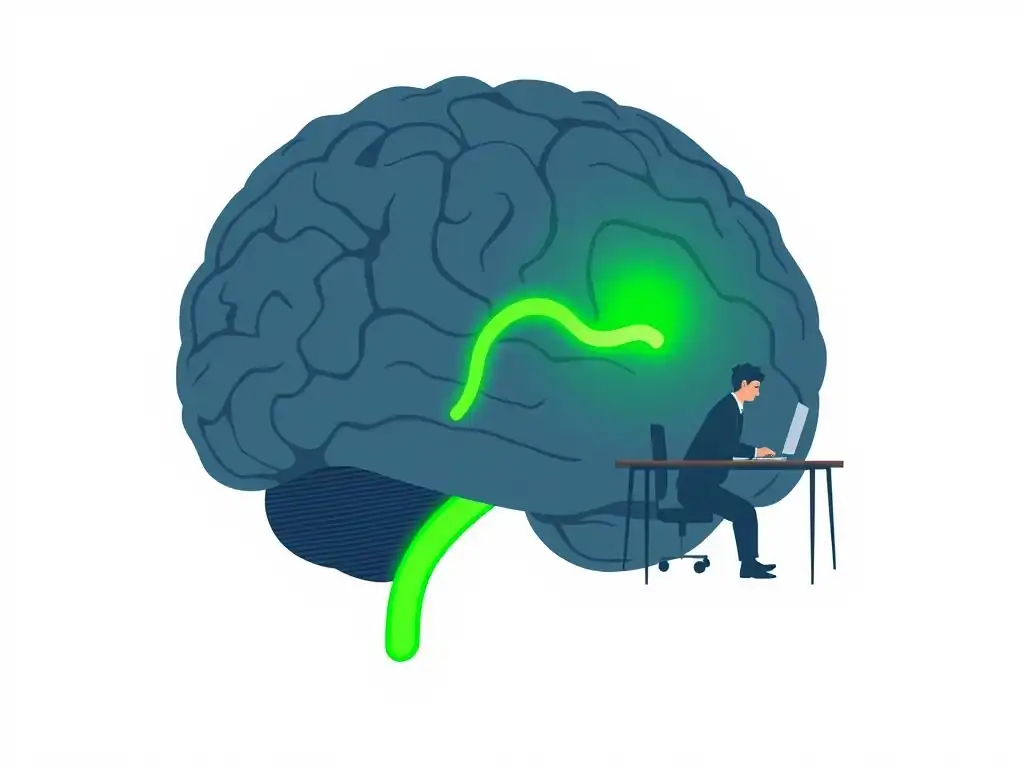
Procrastination, that familiar foe of productivity, significantly impacts workplace performance and overall well-being. While quick fixes might offer temporary relief, lasting success requires a multi-faceted approach incorporating psychological techniques that address both behavioral patterns and underlying emotional drivers. This section explores long-term strategies for conquering procrastination and cultivating a consistently productive work ethic. Understanding the psychological roots of procrastination is key to developing effective, lasting solutions; it's not simply about laziness, but often a complex interplay of factors. This section will delve into those factors and provide actionable steps to overcome them.
Cultivating a Proactive Mindset: Shifting from Reactive to Proactive Behaviors
The core of overcoming procrastination lies in shifting from a reactive to a proactive mindset. Reactive individuals tend to respond to immediate pressures and deadlines, often leading to rushed work and increased stress. Proactive individuals, on the other hand, anticipate challenges and plan accordingly, leading to greater efficiency and reduced stress. This shift requires conscious effort and the development of specific strategies.
One powerful technique is time blocking. Instead of passively letting tasks dictate your schedule, actively allocate specific time slots for particular tasks. This structured approach helps prevent task-switching and maintains focus. For example, dedicate the first two hours of your workday to focused, deep work on your most challenging project. This preemptive strategy prevents the procrastination trap of starting with easier tasks, delaying the inevitable.
Another effective strategy is the "5-minute rule." This involves committing to working on a task for just five minutes. Often, this initial momentum is enough to overcome inertia and continue working beyond the initial five-minute commitment. This technique is particularly useful for tackling daunting tasks that feel overwhelming at the outset. It breaks down large tasks into manageable chunks, making them less intimidating and more approachable.
Finally, incorporating mindfulness techniques, such as meditation or deep breathing exercises, can significantly enhance focus and reduce anxiety, common triggers for procrastination. Regular mindfulness practice helps cultivate self-awareness, allowing you to recognize and address procrastination tendencies before they escalate.
Building Healthy Work Habits: Creating Sustainable Routines
Establishing healthy work habits is crucial for long-term productivity and the prevention of procrastination. These habits should be tailored to your individual needs and preferences, but certain principles apply universally. Consistency is key; building and maintaining a routine takes time and dedication.
One effective strategy is the Pomodoro Technique. This involves working in focused bursts (typically 25 minutes) followed by short breaks (5 minutes). This structured approach helps maintain concentration and prevents burnout. The short breaks provide opportunities to rest and recharge, preventing mental fatigue that often contributes to procrastination. Experiment with different interval lengths to find what works best for your individual rhythm and concentration span.
Furthermore, creating a dedicated workspace free from distractions is essential. This might involve designating a specific area in your home or office solely for work, ensuring it's free from clutter and interruptions. A well-organized workspace promotes focus and reduces the likelihood of distractions that lead to procrastination. Consider using noise-canceling headphones to minimize auditory distractions.
Prioritization is also paramount. Employing techniques like the Eisenhower Matrix (urgent/important) helps categorize tasks, enabling you to focus on high-priority items first. This prevents the tendency to tackle less important tasks while delaying more crucial ones. This strategic approach maximizes efficiency and minimizes the likelihood of procrastination creeping in. Remember to regularly review and adjust your priorities as needed.
Recognizing and Addressing Underlying Issues: Seeking Professional Help When Needed
While behavioral strategies are vital, addressing underlying psychological issues is often necessary for lasting procrastination management. Procrastination can stem from various sources, including perfectionism, fear of failure, low self-esteem, and anxiety. Ignoring these underlying issues can hinder the effectiveness of behavioral techniques.
Perfectionism, for instance, can lead to paralysis, preventing individuals from starting tasks due to an unrealistic pursuit of flawlessness. Similarly, fear of failure can result in avoidance behaviors, delaying tasks to prevent potential negative outcomes. Recognizing these patterns and addressing the underlying emotional roots is crucial.
If self-help strategies prove insufficient, seeking professional help is a sign of strength, not weakness. A therapist or counselor can provide personalized guidance and support, helping you identify and address the root causes of your procrastination. Cognitive Behavioral Therapy (CBT) is particularly effective in treating procrastination, helping individuals identify and modify negative thought patterns and behaviors. Remember that seeking professional help is a proactive step towards achieving long-term success and well-being. It's an investment in your mental health and productivity.
Frequently Asked Questions
What is procrastination, and why does it happen?
Procrastination is the act of delaying or postponing tasks, despite knowing it will likely lead to negative consequences. It often stems from fear of failure, perfectionism, or poor time management skills. Understanding the underlying causes is key to overcoming it.
What psychological techniques can help me stop procrastinating at work?
Several techniques can help. Cognitive Behavioral Therapy (CBT) helps identify and change negative thought patterns. Time management strategies, like the Pomodoro Technique, break down tasks into manageable chunks. Mindfulness can increase self-awareness and reduce impulsive behavior.
How can I improve my self-discipline to combat procrastination?
Building self-discipline involves setting realistic goals, creating a structured schedule, and rewarding yourself for completing tasks. Gradually increasing your commitment to your schedule will improve your self-efficacy and reduce procrastination.
Are there specific work environment factors that contribute to procrastination?
Yes, a distracting or unsupportive work environment can significantly increase procrastination. Lack of clear goals, poor communication, and excessive workload are common culprits. Addressing these environmental factors is crucial.
What should I do if procrastination is severely impacting my work and well-being?
If procrastination is significantly impacting your life, seeking professional help is recommended. A therapist or counselor can provide personalized strategies and support to address the underlying causes and develop effective coping mechanisms. Consider exploring Cognitive Behavioral Therapy (CBT) or other relevant therapies.
Final Reflection: Conquering Procrastination, Reclaiming Your Time
The battle against procrastination isn't just a personal struggle; it's a widespread epidemic impacting productivity and well-being in the modern workplace. The techniques explored in this article – from understanding the underlying psychology to implementing practical strategies – are more crucial than ever in a world demanding constant output and immediate results. Ignoring this internal battle only serves to amplify its negative consequences.
The insidious nature of procrastination lies not just in missed deadlines, but in the erosion of self-confidence and the perpetuation of a cycle of stress and self-criticism. It's a constant companion, whispering doubts and delaying action until the weight of undone tasks becomes overwhelming. Procrastination is the thief of time,
as Edward Young so aptly put it, and this theft extends far beyond mere minutes; it steals our peace of mind and diminishes our potential. This article aimed to provide the tools to reclaim that stolen time and rebuild a healthier relationship with work.
Now, consider your own relationship with procrastination. What triggers your delays? What small steps can you take today to break free from the cycle? Don't wait for a monumental shift; start with a single, manageable task. Embrace the power of small wins, celebrate your progress, and remember that conquering procrastination is a journey, not a destination. The techniques outlined here are your compass and map; the path forward is yours to forge.
Unleash Your Productivity: Conquer Procrastination!
Thank you for exploring strategies to overcome procrastination at work! You've gained valuable insights into techniques that can significantly boost your productivity and help you achieve your goals. Now, let's put that knowledge into action.
Here's a plan to get you started:
- Start immediately: Identify a small task you've been avoiding and tackle it now. Break it down into smaller, manageable steps to make it less daunting.
- Create a prioritized to-do list: Select three key tasks for this week and commit to completing them. Set realistic deadlines to maintain accountability.
- Share your goals and progress: Discuss your plans with a colleague or friend. This can increase your motivation and provide valuable support.
How will you prioritize your tasks this week to effectively combat procrastination?