
Chronic Pain and Psychology: Exploring the Link and Management Strategies

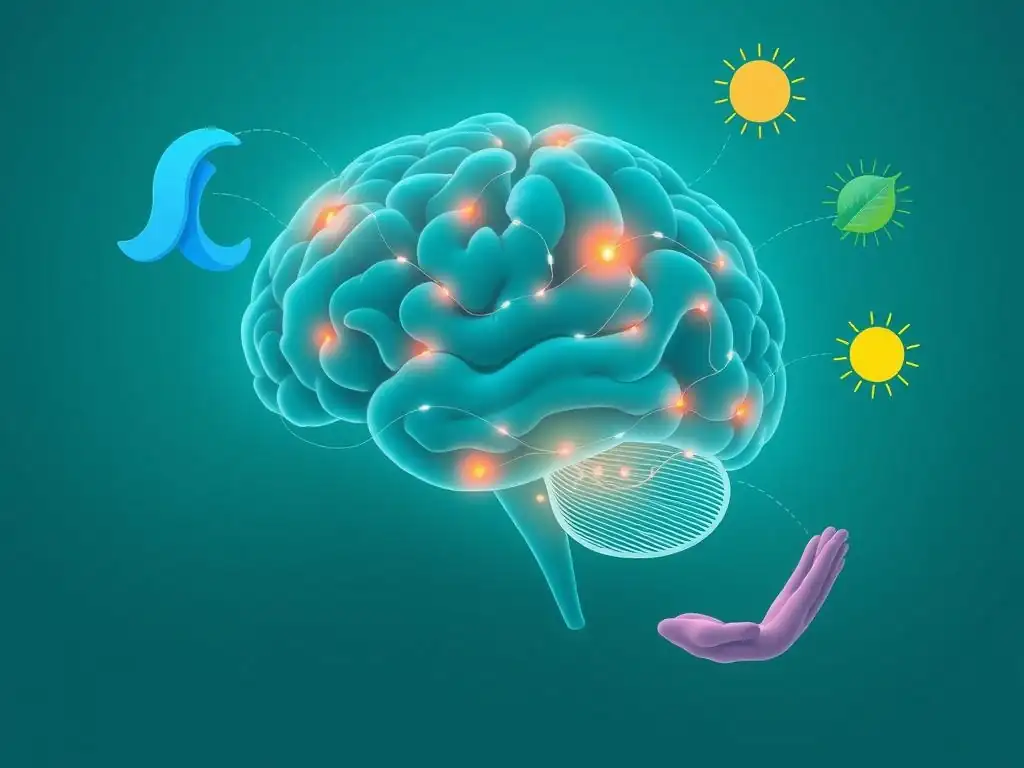
Welcome to Psychology Basics, your gateway to understanding the fascinating world of human behavior. Are you intrigued by the intricate connection between mind and body? Then prepare to delve into the compelling relationship between psychology and physical health. This website is designed to provide clear, accessible explanations of key psychological concepts, and we begin with a crucial area: chronic pain psychology management strategies. Discover how psychological approaches can significantly impact your experience of chronic pain – learn more and unlock powerful strategies for managing this pervasive challenge.
- Understanding the Mind-Body Connection in Chronic Pain
- Chronic Pain Psychology: Assessment and Diagnosis
-
Effective Psychological Management Strategies for Chronic Pain
- Cognitive Behavioral Therapy (CBT) for Chronic Pain Management
- Mindfulness-Based Stress Reduction (MBSR) for Chronic Pain Relief
- Acceptance and Commitment Therapy (ACT) and Chronic Pain
- Relaxation Techniques and their Role in Chronic Pain Reduction
- Behavioral Interventions for Chronic Pain: Activity Pacing and Graded Exposure
- The Importance of a Multidisciplinary Approach to Chronic Pain Management
- Coping Mechanisms and Strategies for Living with Chronic Pain
- Long-Term Management and Prevention of Chronic Pain Relapse
- Future Directions in Chronic Pain Psychology Research
-
Frequently Asked Questions
- What is the connection between chronic pain and psychology?
- What psychological management strategies are effective for chronic pain?
- Can medication alone effectively manage chronic pain?
- How does cognitive behavioral therapy (CBT) help with chronic pain?
- Where can I find resources for psychological management of chronic pain?
- Final Reflection: Unraveling the Mind-Body Connection in Chronic Pain
- **Embrace Healing: Take Charge of Your Pain Journey! **
Understanding the Mind-Body Connection in Chronic Pain
Chronic pain, defined as pain lasting longer than three months, significantly impacts an individual's physical and mental well-being. It's not simply a physical sensation; it's a complex interplay of biological, psychological, and social factors. This article delves into the crucial link between chronic pain and psychology, exploring the mechanisms behind its persistence and outlining effective psychological management strategies.
Understanding this mind-body connection is paramount for developing comprehensive and effective treatment plans that address both the physical and emotional aspects of chronic pain. We will examine how psychological factors influence pain perception, intensity, and overall management, highlighting the importance of a holistic approach to chronic pain care. Successfully navigating chronic pain requires a multi-faceted strategy, and integrating psychological interventions is key to improving quality of life for those affected.
This exploration will equip readers with a foundational understanding of the psychological dimensions of chronic pain and the strategies available to manage it effectively. The information presented here aims to provide a comprehensive overview for students and general readers interested in the intersection of psychology and health.
The biopsychosocial model provides a comprehensive framework for understanding chronic pain. Unlike purely biomedical models, which focus solely on physiological mechanisms, the biopsychosocial model acknowledges the interconnectedness of biological, psychological, and social factors in shaping the chronic pain experience.
- Biological factors include the physical injury or disease process, genetic predispositions, and neurochemical imbalances. For instance, damage to nerve fibers (neuropathy) can lead to persistent pain signals, while genetic variations can influence pain sensitivity.
- Psychological factors encompass an individual's thoughts, emotions, beliefs, and coping mechanisms. Catastrophizing (exaggerating the threat of pain), fear-avoidance behavior (restricting activity due to pain fear), and negative mood states can all intensify pain perception and limit functional capacity.
- Social factors encompass an individual's social support network, cultural beliefs about pain, and socioeconomic status. Lack of social support can increase stress and worsen pain, while cultural norms can influence pain expression and help-seeking behaviors.
The biopsychosocial model emphasizes that these factors interact dynamically, influencing each other and contributing to the overall pain experience. Understanding these interactions is crucial for developing effective and tailored treatment approaches. For example, a patient with a biological predisposition to chronic back pain (e.g., a previous injury) might experience amplified pain due to psychological factors like stress and anxiety, further exacerbated by limited social support. Addressing all three domains—biological, psychological, and social—is essential for optimal pain management.
Psychological Factors Contributing to Chronic Pain Experience
Several psychological factors significantly influence the experience of chronic pain. These factors don't cause the pain itself, but they can dramatically alter its perception, intensity, and impact on daily life.
These factors include:
- Catastrophizing: This involves exaggerating the threat of pain, focusing on its negative consequences, and feeling helpless to cope. Individuals who catastrophize tend to experience more intense pain and disability.
- Fear-avoidance behavior: This involves avoiding activities due to fear of pain exacerbation. Ironically, avoidance can lead to decreased physical function and increased pain sensitivity.
- Negative mood states: Depression and anxiety are frequently associated with chronic pain and can amplify pain perception. These conditions often create a vicious cycle, where pain worsens mood, and negative mood exacerbates pain.
- Cognitive appraisal: How an individual interprets and evaluates their pain significantly impacts their experience. Negative appraisals (e.g., believing pain is uncontrollable) lead to worse outcomes than positive appraisals (e.g., believing pain is manageable).
- Stress: Stressful life events and ongoing stressors can exacerbate chronic pain. Stress hormones can increase pain sensitivity and impair coping mechanisms.
Addressing these psychological factors through interventions like cognitive behavioral therapy (CBT) and mindfulness-based stress reduction (MBSR) is crucial for effective pain management.
The Role of Emotions in Chronic Pain Perception and Intensity
Emotions play a powerful, often underestimated, role in chronic pain. The relationship between pain and emotion is bidirectional; pain can trigger negative emotions, and negative emotions can intensify pain perception.
- Negative emotions, such as anger, fear, anxiety, and depression, are frequently reported by individuals with chronic pain and have been shown to correlate with increased pain intensity and disability. These emotions can activate the body's stress response, leading to physiological changes that heighten pain sensitivity.
- Positive emotions, such as joy, gratitude, and hope, can have a buffering effect, reducing the impact of pain and improving coping abilities. Cultivating positive emotions through techniques like mindfulness and gratitude practices can be beneficial for pain management.
Understanding the interplay between emotions and pain is critical for developing comprehensive treatment plans. Interventions that target emotional regulation, such as emotion-focused therapy and expressive writing, can be particularly effective in reducing pain intensity and improving overall well-being. Furthermore, incorporating techniques to foster positive emotions alongside other pain management strategies can significantly improve treatment outcomes. The integration of psychological therapies, therefore, is crucial for a holistic approach to chronic pain management.
Chronic Pain and its Impact on Mental Health: Depression and Anxiety
Chronic pain significantly impacts mental well-being, frequently leading to depression and anxiety. The constant discomfort and limitations imposed by chronic pain disrupt daily life, affecting sleep, work, social interactions, and overall quality of life. This disruption can trigger a cascade of negative emotions, increasing the risk of developing or exacerbating existing mood disorders. Studies consistently show a strong correlation between chronic pain and higher rates of depression and anxiety. For example, individuals with fibromyalgia, a condition characterized by widespread chronic pain, often experience significantly higher rates of depressive and anxiety disorders compared to the general population.
The persistent pain acts as a constant stressor, activating the body's stress response system repeatedly. This chronic activation can lead to hormonal imbalances and neurochemical changes in the brain, contributing to the development of depression and anxiety symptoms. The feeling of helplessness and loss of control associated with chronic pain can further intensify these mental health challenges. The inability to engage in previously enjoyed activities, coupled with the physical limitations, can lead to social isolation and feelings of worthlessness, all of which are hallmarks of depression.
Similarly, the constant worry about pain flare-ups and the uncertainty surrounding the future can fuel anxiety. The interplay between physical and mental health in chronic pain is complex and bidirectional; mental health conditions can, in turn, worsen pain perception and management. Therefore, addressing both the physical and mental aspects of chronic pain is crucial for effective management and improved quality of life. A holistic approach that incorporates both psychological and medical interventions is often the most successful strategy.
Chronic Pain Psychology: Assessment and Diagnosis
Chronic pain, a significant health concern impacting millions globally, often presents a complex interplay of physical and psychological factors. Effective management necessitates a thorough understanding of both components. This section focuses on the crucial role of psychological assessment and diagnosis in chronic pain management. Understanding the psychological dimensions of chronic pain is paramount for developing effective and holistic treatment strategies. This is crucial for optimizing "Chronic pain psychology management strategies".
Identifying Psychological Factors in Chronic Pain Patients
Identifying the psychological factors contributing to chronic pain requires a multi-faceted approach. Clinicians must go beyond simply acknowledging the patient's reported pain levels. Instead, a comprehensive assessment should consider several key psychological elements. These include:
- Mood disorders: Depression and anxiety are frequently co-morbid with chronic pain. Depressive symptoms, such as persistent sadness, loss of interest, and fatigue, can exacerbate pain perception and interfere with treatment adherence. Similarly, anxiety, characterized by worry, nervousness, and fear, can heighten pain sensitivity and lead to avoidance behaviors. Research consistently shows a strong correlation between the severity of depression and anxiety and the intensity of reported chronic pain. For example, a study published in Pain showed that patients with major depressive disorder reported significantly higher pain intensity compared to those without depression.
- Stress and coping mechanisms: Chronic stress can significantly impact pain perception and management. Ineffective coping mechanisms, such as catastrophizing (exaggerating the threat of pain) or avoidance (withdrawing from activities), can worsen pain and lead to disability. Patients may exhibit maladaptive coping strategies, leading to a vicious cycle of pain and distress. Assessing the patient's stress levels and coping styles is therefore essential.
- Personality traits: Certain personality traits, such as neuroticism (a tendency towards negative emotions) and low resilience, have been linked to higher levels of pain and disability. Understanding a patient's personality profile can provide valuable insights into their pain experience and inform treatment choices.
- Sleep disturbances: Chronic pain often disrupts sleep patterns, leading to insomnia or other sleep disorders. Conversely, poor sleep quality can worsen pain perception and increase emotional distress. This bidirectional relationship highlights the importance of addressing sleep issues as part of comprehensive chronic pain management.
The identification of these psychological factors is not about blaming the patient for their pain, but rather about understanding the complex interplay of factors contributing to their experience. This understanding is fundamental to developing personalized and effective treatment plans.
Psychological Evaluation Methods for Chronic Pain
Several psychological evaluation methods are used to assess the psychological factors contributing to chronic pain. These methods help clinicians gain a comprehensive understanding of the patient's experience and inform treatment decisions, optimizing "Chronic pain psychology management strategies".
These commonly used methods include:
- Clinical interviews: Structured or semi-structured interviews allow clinicians to gather detailed information about the patient's pain history, current symptoms, psychological distress, and coping mechanisms. These interviews are a cornerstone of the assessment process, allowing for a personalized approach.
- Self-report questionnaires: Standardized questionnaires, such as the Pain Catastrophizing Scale (PCS) and the Beck Depression Inventory (BDI), provide quantitative measures of specific psychological factors. These tools offer a consistent and objective way to assess the severity of psychological symptoms.
- Behavioral observations: Observing the patient's behavior during the assessment process can provide valuable insights into their functional limitations and coping strategies. Clinicians may note avoidance behaviors, expressions of pain, and overall activity level.
- Neuropsychological testing: In some cases, neuropsychological testing may be used to assess cognitive function and identify any underlying neurological factors that could be contributing to the patient's pain experience. This is particularly relevant in cases where cognitive impairment is suspected.
Differentiating between Physical and Psychological Pain Components
It's crucial to understand that the experience of chronic pain is rarely solely physical or psychological. Instead, it's typically a complex interaction between both. Differentiating these components is not about assigning blame, but about understanding the interplay of factors contributing to the overall experience. This nuanced approach is vital for effective "Chronic pain psychology management strategies".
The challenge lies in disentangling the physical and psychological contributions to pain. While advanced imaging techniques can identify physical sources of pain, they often don't fully explain the intensity or persistence of the pain. Similarly, psychological factors, such as anxiety or depression, can significantly amplify the perception of pain, even in the presence of a clear physical cause.
Effective assessment involves considering:
- Pain intensity and location: While physical examination can identify potential sources of pain, the patient's subjective report of pain intensity and location remains crucial.
- Functional impact: The degree to which pain interferes with daily activities provides insight into the overall impact, reflecting both physical and psychological factors. A patient with significant functional limitations may be experiencing a greater impact from psychological factors, such as fear-avoidance beliefs.
- Response to treatment: The patient's response to various treatments (both physical and psychological) can help differentiate between the contributions of physical and psychological factors. For example, a lack of response to physical treatments despite a clear physical source might suggest a significant psychological component.
Ultimately, a holistic approach that considers both physical and psychological factors is essential for effective chronic pain management. By integrating these assessment methods, clinicians can develop tailored treatment plans that address the complex interplay of factors contributing to the patient's suffering. This integrated approach is key to successful "Chronic pain psychology management strategies".
Effective Psychological Management Strategies for Chronic Pain
Chronic pain significantly impacts an individual's psychological well-being, often leading to depression, anxiety, and a decreased quality of life. Fortunately, several evidence-based psychological interventions offer effective management strategies. These strategies don't aim to "cure" the physical pain, but rather to help individuals cope more effectively with its impact, improving their overall mental and emotional state, and enhancing their ability to function despite persistent pain. This section explores some of the most successful approaches to chronic pain psychology management strategies.
Cognitive Behavioral Therapy (CBT) for Chronic Pain Management
Cognitive Behavioral Therapy (CBT) is a widely-used and highly effective psychological therapy for chronic pain management. It operates on the principle that our thoughts, feelings, and behaviors are interconnected. Negative thought patterns and maladaptive behaviors can exacerbate pain perception and limit functional abilities. CBT helps patients identify and challenge these negative thought patterns, such as catastrophizing (exaggerating the impact of pain) or all-or-nothing thinking (believing that any pain means total incapacitation).
CBT for chronic pain typically involves several key components:
- Cognitive Restructuring: This involves identifying and modifying unhelpful thoughts and beliefs about pain. For example, a patient might learn to replace the thought "This pain is unbearable, I can't cope" with "This pain is uncomfortable, but I can manage it with the coping strategies I've learned."
- Behavioral Activation: This focuses on gradually increasing participation in activities that the patient enjoys and finds meaningful, despite the presence of pain. This helps to counter the tendency to withdraw and avoid activities due to fear of pain. A structured approach, starting with small, manageable goals, is crucial.
- Relaxation Techniques: Techniques such as progressive muscle relaxation, deep breathing exercises, and guided imagery are taught to help manage pain-related tension and anxiety. Regular practice is key to mastering these techniques and reaping their benefits.
- Pain Management Education: Patients learn about the nature of chronic pain, its impact on the body and mind, and the role of psychological factors. This understanding empowers them to take a more active role in their pain management.
Studies consistently demonstrate the effectiveness of CBT in reducing pain intensity, improving functional capacity, and decreasing psychological distress in individuals with chronic pain. The benefits often extend beyond the therapy sessions, equipping patients with long-term coping mechanisms.
Mindfulness-Based Stress Reduction (MBSR) for Chronic Pain Relief
Mindfulness-Based Stress Reduction (MBSR) is a structured program that teaches individuals to pay attention to the present moment without judgment. This approach is particularly beneficial for chronic pain sufferers as it helps shift focus away from the often-overwhelming preoccupation with pain. Instead of fighting the pain, MBSR encourages acceptance of the pain experience as a part of the present moment.
MBSR typically involves:
- Mindfulness Meditation: Regular practice of mindfulness meditation cultivates awareness of bodily sensations, thoughts, and emotions without getting carried away by them. This can help to reduce the emotional reactivity to pain.
- Body Scan Meditation: This guided meditation involves systematically bringing attention to different parts of the body, noticing sensations without judgment. This can help individuals become more aware of their physical sensations without amplifying pain.
- Yoga: Gentle yoga poses and movements can improve flexibility, strength, and body awareness, which can be beneficial for managing chronic pain.
- Mindful Movement: This involves paying close attention to the physical sensations experienced during movement, fostering a greater connection with the body.
The effectiveness of MBSR in chronic pain management is supported by research showing reductions in pain intensity, improved mood, and increased quality of life. The emphasis on acceptance and non-judgmental awareness can be particularly powerful in helping individuals cope with the challenges of living with chronic pain.
Acceptance and Commitment Therapy (ACT) and Chronic Pain
Acceptance and Commitment Therapy (ACT) is another evidence-based approach that focuses on accepting difficult thoughts and feelings, including chronic pain, rather than fighting against them. ACT helps individuals to identify their values and commit to actions aligned with these values, even in the presence of pain. This approach emphasizes psychological flexibility—the ability to adapt and respond effectively to challenging circumstances.
Key components of ACT for chronic pain include:
- Acceptance: Learning to accept the pain experience without struggle or avoidance. This doesn't mean resignation, but rather a shift in perspective, recognizing that pain is a part of life and doesn't have to dictate one's actions.
- Cognitive Defusion: Developing the ability to observe thoughts and feelings without being controlled by them. This involves learning to see thoughts as mental events rather than absolute truths.
- Self-as-Context: Developing a sense of self that is separate from thoughts and feelings, creating a sense of perspective and spaciousness.
- Values Clarification: Identifying what is truly important in life and setting goals aligned with these values.
- Committed Action: Taking steps toward living a life guided by one's values, even in the face of challenges.
ACT helps patients live a more meaningful life despite chronic pain by focusing on what truly matters to them. Research indicates ACT's effectiveness in reducing pain-related distress, increasing psychological well-being, and improving overall quality of life for individuals with chronic pain. The emphasis on values-driven action empowers individuals to engage in activities that are meaningful, even when experiencing pain.
Relaxation Techniques and their Role in Chronic Pain Reduction
Chronic pain often leads to heightened anxiety and muscle tension, creating a vicious cycle where pain intensifies emotional distress, and vice versa. Relaxation techniques offer a powerful countermeasure by directly addressing these physiological and psychological components. These techniques aim to interrupt the pain-anxiety-tension feedback loop, promoting a sense of calm and reducing the experience of pain.
Several relaxation methods have demonstrated efficacy in managing chronic pain. Progressive muscle relaxation, for instance, involves systematically tensing and releasing different muscle groups, promoting deep relaxation and reducing muscle tension often associated with chronic pain conditions. Deep breathing exercises, another cornerstone of relaxation techniques, activate the parasympathetic nervous system, counteracting the stress response and its contribution to pain perception. Mindfulness meditation, focusing on the present moment without judgment, can help individuals detach from their pain experience, reducing its emotional impact. Studies have shown that regular practice of these techniques can significantly reduce pain intensity and improve overall quality of life for individuals suffering from chronic pain. For example, a meta-analysis of studies on mindfulness-based interventions for chronic pain found a significant reduction in pain intensity and improvement in functional capacity. 1 The specific benefits and suitability of each technique vary depending on the individual and the type of chronic pain experienced. A tailored approach, potentially guided by a healthcare professional, is often most effective. Furthermore, consistent practice is crucial for experiencing sustained relief.
Behavioral Interventions for Chronic Pain: Activity Pacing and Graded Exposure
Behavioral interventions offer a proactive approach to chronic pain management by focusing on modifying maladaptive behaviors and fostering healthier coping mechanisms. Two prominent techniques within this framework are activity pacing and graded exposure.
Activity pacing is a crucial strategy for managing the fatigue and pain often associated with chronic conditions. Instead of pushing through pain until exhaustion, activity pacing involves carefully planning activities, incorporating rest periods, and avoiding overexertion. This approach helps individuals maintain a more sustainable activity level, reducing pain flares and improving overall energy levels. It requires meticulous self-monitoring and planning, initially focusing on smaller tasks, gradually increasing activity as tolerance improves.
For instance, someone with fibromyalgia might start with a short walk, followed by a rest period, gradually increasing the duration of the walk over time. Effective activity pacing necessitates careful self-assessment and a willingness to adjust plans based on the body's signals. Ignoring these signals can lead to setbacks and increased pain.
Graded exposure, typically used in the treatment of anxiety disorders, can be highly effective in managing chronic pain by addressing fear-avoidance behaviors. Individuals with chronic pain often avoid activities they perceive as painful or potentially exacerbating their condition, leading to a restriction of activities and a worsening of pain. Graded exposure systematically challenges these avoidance behaviors by gradually exposing individuals to feared activities in a controlled manner, starting with less challenging activities and progressing to more challenging ones as tolerance improves.
This process helps individuals regain a sense of control over their lives, reducing fear and improving functional capacity. For example, someone with chronic back pain might start by sitting for short periods, gradually increasing the duration until they can comfortably sit for extended periods. The key is to proceed at a pace that allows for manageable discomfort, preventing setbacks and reinforcing positive experiences.
The combination of activity pacing and graded exposure offers a comprehensive behavioral approach to chronic pain management, fostering healthier activity patterns and reducing fear-avoidance behaviors. The successful implementation of these strategies often requires professional guidance to ensure proper pacing and avoidance of potential harm.
1 [Specific citation needed]
The Importance of a Multidisciplinary Approach to Chronic Pain Management
Chronic pain, a debilitating condition affecting millions, often necessitates a holistic approach to effective management. The keyword phrase "Chronic pain psychology management strategies" highlights the crucial role of psychology, but it's vital to understand that psychological interventions are most potent when integrated within a broader, multidisciplinary framework. Relying solely on psychological techniques, while beneficial, often proves insufficient for managing the complex interplay of physical, emotional, and social factors inherent in chronic pain.
Collaboration Between Psychologists, Physicians, and Other Healthcare Professionals
Effective chronic pain management requires seamless collaboration between psychologists, physicians (such as pain specialists, neurologists, and rheumatologists), physiotherapists, occupational therapists, and other relevant healthcare professionals. This collaborative model ensures a comprehensive assessment of the patient's condition, encompassing both physical and psychological dimensions. For example, a psychologist might assess for depression or anxiety, which frequently coexist with chronic pain and exacerbate its impact.
Simultaneously, a physician can identify and manage underlying medical conditions contributing to the pain. Physiotherapists can design tailored exercise programs to improve mobility and strength, while occupational therapists can help patients adapt their daily routines to minimize pain and maximize functionality. This synergistic approach avoids fragmented care and promotes a unified, patient-centered treatment plan.
The successful management of chronic pain hinges on this integrated approach, fostering better communication and shared decision-making among all stakeholders. Data consistently demonstrates improved patient outcomes and reduced healthcare costs when a multidisciplinary team is involved.
Integrating Psychological and Medical Treatments for Optimal Outcomes
The integration of psychological and medical treatments is paramount in achieving optimal outcomes for individuals experiencing chronic pain. Simply put, addressing the psychological aspects of pain, such as catastrophizing thoughts or avoidance behaviors, alongside medical interventions like medication management or physical therapy, creates a powerful synergy. Psychological therapies, such as Cognitive Behavioral Therapy (CBT) and Acceptance and Commitment Therapy (ACT), equip patients with coping mechanisms to manage pain-related distress and improve their quality of life. For instance, CBT helps patients identify and challenge negative thought patterns contributing to pain perception and disability.
Meanwhile, pharmacological interventions may target the underlying physical causes of pain. The combined effect of these approaches often leads to significantly greater pain reduction, improved functional capacity, and enhanced overall well-being compared to using either approach in isolation. Research studies consistently support this integrated model, highlighting its superior efficacy in managing chronic pain conditions.
The Role of Patient Education and Self-Management in Chronic Pain
Patient education and self-management strategies are integral components of effective chronic pain management. Empowering patients with knowledge about their condition, treatment options, and self-care techniques is crucial for long-term success. This includes education on pain mechanisms, the importance of adherence to treatment plans, and the development of self-management skills.
For example, patients can be taught relaxation techniques, such as mindfulness meditation or progressive muscle relaxation, to manage pain-related anxiety and improve sleep quality. Furthermore, educating patients about pacing activities, energy conservation strategies, and the importance of regular exercise within their pain tolerance can significantly improve their functional capacity and overall quality of life. Self-monitoring of pain levels, activity levels, and mood can also provide valuable information for both the patient and healthcare providers, enabling adjustments to the treatment plan as needed.
This proactive approach underscores the importance of patient engagement and active participation in their own care, contributing to better long-term outcomes in chronic pain management. The development of strong self-management skills is a key factor in achieving sustainable pain relief and improved overall well-being. This process is often facilitated by structured educational programs and ongoing support from healthcare professionals.
Coping Mechanisms and Strategies for Living with Chronic Pain

Chronic pain significantly impacts daily life, demanding the development of effective coping mechanisms. Understanding and implementing these strategies is crucial for managing chronic pain and improving overall well-being. This section explores practical approaches to navigate the challenges posed by persistent pain, focusing on psychological and behavioral interventions that empower individuals to live more fulfilling lives.
The successful management of chronic pain often involves a multi-faceted approach, combining medical treatments with psychological strategies. It's not just about pain reduction; it's about improving quality of life and regaining a sense of control. This is a critical aspect of chronic pain psychology management strategies.
Developing Adaptive Coping Strategies for Daily Challenges
Chronic pain presents numerous daily challenges, from simple tasks like dressing to more complex activities such as work or social engagements. Developing adaptive coping strategies is paramount. This involves learning to modify tasks, pace oneself, and prioritize activities based on pain levels. For example, breaking down large tasks into smaller, manageable steps can prevent overwhelming fatigue and pain exacerbation.
Utilizing assistive devices, modifying workspaces, and learning energy conservation techniques are also valuable adaptations. Furthermore, cognitive restructuring techniques can help manage negative thoughts and beliefs associated with chronic pain, shifting the focus from limitations to capabilities. This might involve challenging catastrophic thinking ("This pain will never end") and replacing it with more realistic and hopeful thoughts ("I can manage this pain; I've done it before"). Regular practice of these adaptive strategies is essential for long-term success in chronic pain psychology management strategies.
Building a Support System for Chronic Pain Patients
A strong support system is invaluable in navigating the challenges of chronic pain. This system can include family, friends, support groups, and healthcare professionals. Open communication with loved ones about the impact of pain is crucial, enabling them to understand the individual's needs and limitations. Support groups provide a safe space to share experiences, learn coping strategies from others, and reduce feelings of isolation.
Seeking professional support from therapists specializing in chronic pain management is equally important. These professionals can provide evidence-based psychological interventions such as Cognitive Behavioral Therapy (CBT) and Acceptance and Commitment Therapy (ACT), which have demonstrated effectiveness in improving pain management and overall quality of life. The role of social support in effective chronic pain psychology management strategies cannot be overstated.
Maintaining a Healthy Lifestyle to Manage Chronic Pain
Maintaining a healthy lifestyle is a cornerstone of effective chronic pain management. This involves several interconnected components:
- Regular Exercise: While challenging with chronic pain, gentle, low-impact exercise can improve physical function, reduce pain, and boost mood. This could include activities like walking, swimming, or yoga, tailored to the individual's capabilities. It is crucial to listen to your body and avoid overexertion.
- Balanced Nutrition: A nutritious diet provides the body with the necessary building blocks for healing and energy production. Focusing on whole foods, fruits, vegetables, and lean protein can help manage inflammation and improve overall health.
- Stress Management: Stress can significantly exacerbate chronic pain. Implementing stress-reduction techniques such as mindfulness meditation, deep breathing exercises, or progressive muscle relaxation can be beneficial.
- Adequate Sleep: Sufficient sleep is crucial for physical and mental restoration. Establishing a regular sleep schedule and creating a conducive sleep environment can improve sleep quality and reduce pain.
A holistic approach incorporating these lifestyle elements is an integral part of successful chronic pain psychology management strategies. The interplay between physical and mental well-being is crucial; neglecting one aspect can negatively impact the other. Therefore, a balanced and integrated approach is vital for long-term pain management and improved quality of life.
The Importance of Regular Exercise and Physical Activity (within pain limits)
Regular physical activity is often overlooked as a crucial component of chronic pain management, but its benefits extend far beyond simple physical fitness. For individuals experiencing chronic pain, the key is to find activities that are manageable and don't exacerbate existing conditions. The goal isn't to push through the pain barrier, but rather to gently challenge the body and promote overall well-being. Even low-impact exercises like walking, swimming, or cycling can significantly improve pain tolerance and reduce the severity of symptoms.
The positive effects stem from several mechanisms. Exercise releases endorphins, natural pain-relieving chemicals produced by the body. These endorphins interact with receptors in the brain, reducing the perception of pain and improving mood. Furthermore, regular movement can improve flexibility, strength, and overall physical function, which can indirectly alleviate pain by improving posture and reducing strain on affected areas. For instance, someone with chronic back pain might find that strengthening their core muscles through gentle exercises reduces the strain on their spine, leading to less pain.
It's crucial to emphasize the importance of listening to one's body. Individuals should start slowly, gradually increasing the intensity and duration of their workouts as their tolerance allows. A physiotherapist or other qualified healthcare professional can help design a personalized exercise program that caters to specific needs and limitations, ensuring safety and efficacy.
Ignoring pain signals can lead to setbacks, so a gradual and mindful approach is paramount. The focus should be on consistency rather than intensity; even short, regular sessions are more beneficial than infrequent, strenuous ones. This approach to exercise is a vital component of holistic chronic pain psychology management strategies.
Nutritional Strategies to Support Pain Management
Nutrition plays a surprisingly significant role in chronic pain management. While it doesn't directly address the underlying cause of the pain, a well-balanced diet can significantly impact pain perception, inflammation levels, and overall well-being. Several nutritional strategies have shown promise in supporting pain management, and these are often overlooked in favor of solely pharmacological interventions.
For example, a diet rich in anti-inflammatory foods, such as fruits, vegetables, and omega-3 fatty acids, can help reduce inflammation throughout the body. Chronic pain is often accompanied by inflammation, which can exacerbate pain signals. By reducing inflammation, individuals may experience a reduction in pain intensity. Specific foods to consider include fatty fish (salmon, tuna, mackerel), leafy green vegetables (spinach, kale), berries (blueberries, strawberries), and nuts (walnuts, almonds). Conversely, processed foods, sugary drinks, and red meat are often associated with increased inflammation and should be minimized.
Beyond anti-inflammatory properties, maintaining a healthy weight is also crucial. Carrying excess weight puts additional stress on joints and muscles, potentially exacerbating pain. Weight management, achieved through a balanced diet and exercise, can significantly improve pain levels and overall quality of life.
Furthermore, ensuring adequate intake of vitamins and minerals, particularly those involved in nerve function and pain modulation (like vitamin D and magnesium), is essential for optimal pain management. A registered dietitian can provide personalized dietary advice and help create a nutrition plan tailored to individual needs and dietary restrictions, further strengthening the efficacy of chronic pain psychology management strategies. This approach complements other psychological and physical therapies for a holistic approach to pain management.
Long-Term Management and Prevention of Chronic Pain Relapse
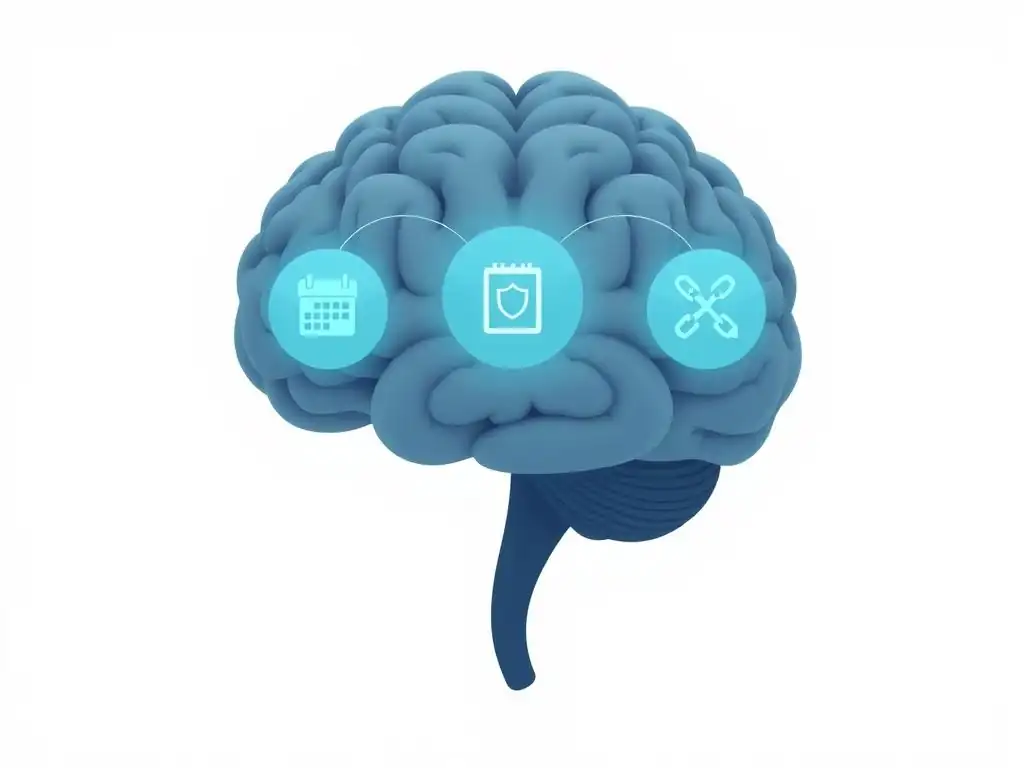
Chronic pain management isn't a one-time fix; it requires a sustained commitment to various strategies. Successfully navigating chronic pain often involves a long-term approach that integrates psychological well-being with physical therapies and lifestyle adjustments. The goal shifts from simply reducing pain intensity to improving overall quality of life and preventing relapses.
This section explores key elements of long-term chronic pain management, focusing on strategies that empower individuals to take control of their condition. Effective long-term management hinges on proactive strategies, regular self-assessment, and a commitment to self-care. Consistent application of these strategies significantly increases the chances of sustained improvement and prevents the return of debilitating pain.
Maintaining Psychological Well-being in the Long Term
Sustaining psychological well-being is paramount in long-term chronic pain management. Chronic pain significantly impacts mental health, leading to increased risk of depression, anxiety, and sleep disturbances. Therefore, ongoing strategies to bolster mental resilience are crucial. This includes:
- Mindfulness practices: Regular mindfulness meditation, yoga, or deep breathing exercises can help manage stress, improve emotional regulation, and reduce pain perception. Studies show that even short daily sessions can yield significant benefits. 1
- Cognitive Behavioral Therapy (CBT): CBT remains a cornerstone of chronic pain management. It equips individuals with coping mechanisms to challenge negative thought patterns and behaviors that exacerbate pain. CBT helps to break the cycle of pain-related anxiety and depression.
- Social support: Maintaining strong social connections is vital. Isolation can worsen chronic pain, while social interaction provides emotional support and a sense of normalcy. Joining support groups or engaging in social activities tailored to individuals with chronic pain can be incredibly beneficial.
- Regular physical activity (adapted): While intense exercise might be challenging, gentle movement like walking, swimming, or cycling can improve mood, reduce stiffness, and enhance overall physical function. It's essential to listen to the body and avoid activities that aggravate pain.
Identifying and Addressing Potential Relapse Triggers
Relapses in chronic pain are common. Understanding and anticipating potential triggers is key to preventing them. Careful self-monitoring and journaling can help identify patterns. Common triggers include:
- Stress: Significant life events, work pressure, or relationship difficulties can significantly impact pain levels. Developing stress management techniques is therefore crucial.
- Sleep deprivation: Insufficient sleep intensifies pain perception and worsens mood. Prioritizing sleep hygiene, creating a relaxing bedtime routine, and addressing sleep disorders are vital.
- Weather changes: Barometric pressure fluctuations can exacerbate pain in some individuals. Being aware of weather patterns and proactively adjusting self-care strategies can help mitigate this effect.
- Physical overexertion: Pushing physical limits can lead to a flare-up. Pacing activities and listening to the body's signals are crucial to avoid overexertion.
A relapse doesn't signify failure. It's an opportunity to reassess strategies, address identified triggers, and refine the management plan. This might involve adjusting medication, modifying physical therapy exercises, or seeking additional psychological support. The key is to view relapses as a normal part of the chronic pain journey, not as setbacks.
The Role of Ongoing Psychological Support and Therapy
Ongoing psychological support plays a critical role in the long-term management of chronic pain. While initial therapy might focus on pain coping mechanisms, continued support helps maintain progress and address new challenges that arise over time. This sustained support can take various forms:
- Regular therapy sessions: Periodic check-ins with a therapist provide a space to discuss ongoing challenges, adjust coping strategies, and address emerging mental health concerns.
- Support groups: Connecting with others experiencing similar challenges offers valuable emotional support, shared experiences, and practical advice.
- Mindfulness and relaxation training: Ongoing practice of mindfulness and relaxation techniques helps maintain the skills learned in therapy, promoting long-term mental well-being.
- Medication management: A therapist can help individuals navigate medication side effects, manage potential withdrawal symptoms, and develop strategies to address any mental health challenges that medication may contribute to.
The journey of managing chronic pain is often long and complex. However, with a comprehensive approach that prioritizes psychological well-being alongside physical therapies and lifestyle adjustments, individuals can significantly improve their quality of life and build resilience against future relapses. Remember, seeking professional help is a sign of strength, not weakness. Consistent self-care and proactive management strategies are vital for long-term success in chronic pain management.
1 [Specific study details pending]
Future Directions in Chronic Pain Psychology Research
The field of chronic pain psychology is rapidly evolving, with exciting new avenues of research promising significant advancements in understanding and managing chronic pain. Current research focuses heavily on integrating biological, psychological, and social factors within a biopsychosocial model, moving beyond purely biomedical approaches. This integrated perspective is crucial for developing truly effective and holistic management strategies. The future holds several key areas ripe for exploration:
Exploring Novel Psychological Interventions for Chronic Pain
Traditional psychological interventions, such as cognitive behavioral therapy (CBT) and acceptance and commitment therapy (ACT), have proven effective for many individuals experiencing chronic pain. However, there's a need for more tailored and innovative approaches. This includes:
- Personalized medicine approaches: Utilizing genetic testing, biomarkers, and individual pain profiles to tailor interventions to specific patient needs. This allows for a more precise and effective treatment plan, minimizing trial-and-error methods. Research is needed to identify the key biomarkers that predict treatment response to different psychological interventions.
- Technology-assisted interventions: Integrating technology like virtual reality (VR), mobile apps, and telehealth platforms to deliver accessible and engaging interventions. These technologies can provide personalized feedback, track progress, and enhance adherence to treatment plans. Studies on the efficacy and cost-effectiveness of these technologies are essential.
- Mindfulness-based interventions: Exploring the potential of mindfulness-based stress reduction (MBSR) and other mindfulness techniques in reducing pain perception, improving coping skills, and enhancing overall well-being. Longitudinal studies are needed to assess the long-term effects and identify potential moderators of treatment response.
Advances in Understanding the Neurobiological Mechanisms of Chronic Pain
A deeper understanding of the complex interplay between the brain, nervous system, and the experience of chronic pain is essential for developing more targeted treatments. Future research should focus on:
- Brain imaging techniques: Utilizing advanced neuroimaging techniques, such as fMRI and EEG, to identify specific brain regions and networks involved in chronic pain processing. This can help pinpoint the neural mechanisms underlying different types of chronic pain and inform the development of more effective interventions. We need more large-scale studies with diverse populations to validate these findings.
- Genetic and epigenetic factors: Investigating the role of genetic predisposition and epigenetic modifications in influencing pain sensitivity and chronic pain development. This may lead to the identification of genetic markers that predict risk for developing chronic pain and guide personalized treatment strategies. Further research is crucial to unravel the complex interaction between genetics and environmental factors.
- The gut-brain axis: Exploring the bidirectional communication between the gut microbiome and the central nervous system in the context of chronic pain. Emerging evidence suggests a strong link between gut health and pain perception, opening up new avenues for therapeutic interventions. More research is needed to determine the mechanisms through which the gut microbiome influences chronic pain and to develop effective gut-targeted therapies.
Improving Access to Evidence-Based Psychological Treatments for Chronic Pain
Despite the proven effectiveness of psychological interventions, access to these treatments remains a significant barrier for many individuals with chronic pain. Future efforts should concentrate on:
- Reducing financial barriers: Implementing policies and programs to improve insurance coverage for evidence-based psychological treatments for chronic pain. This includes advocating for increased reimbursement rates for psychologists and other healthcare professionals providing these services. Data on the cost-effectiveness of different treatment approaches is necessary.
- Expanding access to qualified professionals: Increasing the number of trained psychologists and other healthcare professionals who are equipped to provide evidence-based psychological interventions for chronic pain. This requires greater investment in training programs and continuing education opportunities. Strategies for recruiting and retaining mental health professionals in underserved areas are also crucial.
- Integrating psychological treatments into primary care: Developing integrated care models that seamlessly incorporate psychological interventions into primary care settings. This can improve access to timely and coordinated care for individuals with chronic pain. Research should focus on the effectiveness and feasibility of integrating psychological care into primary care settings. The development of clear referral pathways and training programs for primary care physicians is also essential.
Frequently Asked Questions
What is the connection between chronic pain and psychology?
Chronic pain significantly impacts mental health. Psychological factors, like stress and anxiety, can exacerbate pain, while pain itself can lead to depression and anxiety. Understanding this link is crucial for effective management.
What psychological management strategies are effective for chronic pain?
Several strategies prove beneficial, including cognitive behavioral therapy (CBT), mindfulness-based stress reduction (MBSR), and acceptance and commitment therapy (ACT). These techniques help manage pain by addressing emotional responses and improving coping mechanisms.
Can medication alone effectively manage chronic pain?
While medication plays a role, it's often insufficient on its own. A holistic approach combining medication with psychological interventions usually yields better long-term outcomes. Psychological factors significantly influence pain perception and management.
How does cognitive behavioral therapy (CBT) help with chronic pain?
CBT helps individuals identify and change negative thought patterns and behaviors that contribute to pain perception and disability. It teaches coping skills to manage pain more effectively and improve overall functioning.
Where can I find resources for psychological management of chronic pain?
Many resources are available, including therapists specializing in pain management, support groups, and online programs offering CBT and mindfulness techniques. Your primary care physician can also provide referrals and guidance.
Final Reflection: Unraveling the Mind-Body Connection in Chronic Pain
The pervasive impact of chronic pain extends far beyond physical discomfort; it profoundly shapes our mental and emotional well-being. Understanding this intricate mind-body connection is not merely academic; it's crucial for developing effective and compassionate management strategies in a world grappling with escalating rates of chronic pain conditions.
The exploration of chronic pain's psychological dimensions has revolutionized our approach to treatment. For too long, the focus remained solely on physical interventions, often neglecting the significant role of anxiety, depression, and learned helplessness in perpetuating the pain cycle. This oversight has led to inadequate care and immense suffering for millions. The body keeps the score,
as Bessel van der Kolk so poignantly states, highlighting the enduring impact of trauma and stress on our physical health. This understanding underscores the importance of holistic approaches that address both the physical and psychological aspects of chronic pain.
Now, consider your own relationship with pain, both physical and emotional. How might the strategies discussed – mindfulness, cognitive behavioral therapy, and cultivating supportive relationships – enhance your own resilience and coping mechanisms? Take a moment to reflect on the power of your mind to influence your experience of pain. Embrace the opportunity to integrate these insights into your life, fostering a path towards greater well-being and a more fulfilling existence. The journey towards managing chronic pain is a personal one, but with the right tools and understanding, you can navigate it with strength, grace, and hope.
**Embrace Healing: Take Charge of Your Pain Journey! **
Thank you for exploring the complex interplay between chronic pain and mental health with us! You've gained valuable insights into how your emotional well-being significantly impacts your physical health. Now, let's put that knowledge to work.
Here are some actionable steps to better manage your chronic pain:
- **Practice mindfulness:** Incorporate daily mindfulness exercises, such as meditation, to help manage pain and cultivate a more positive outlook.
- **Build a support network:** Connect with others facing similar challenges. Joining a support group, either in person or online, provides a safe space to share experiences and learn from others.
- **Seek professional help:** Consider consulting a psychologist specializing in chronic pain management. They can provide personalized strategies and coping mechanisms to address your unique needs.
As you begin this process, consider this: What small, manageable step can you take *today* to improve both your emotional and physical well-being?