
Social Learning in Childhood: Shaping Development Through Observation

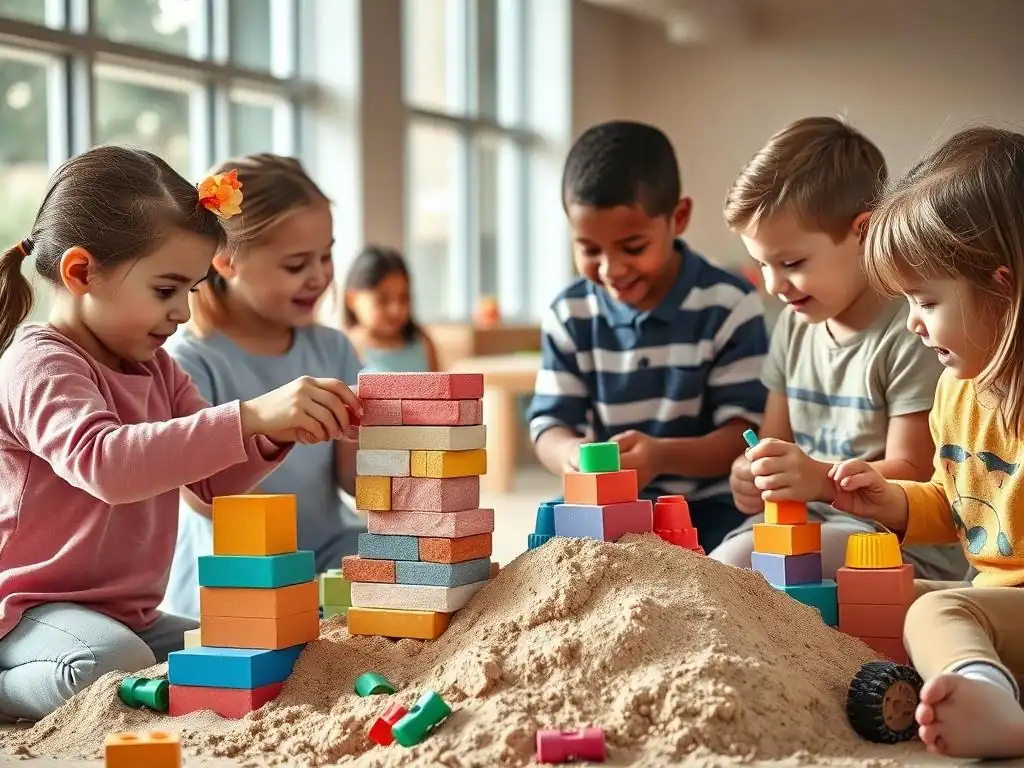
Uncover the hidden forces shaping our behavior! Psychology Basics welcomes you to a world of fascinating insights into the human mind. Dive into the compelling field of Behavioral Theories and discover how early experiences profoundly impact our lives. Our exploration of Childhood social learning effects will reveal the surprising ways we learn through observation, influencing our development in ways you may never have imagined. Ready to unlock the secrets of social learning? Let's begin!
- Understanding Childhood Social Learning Effects: The Basics
- Observational Learning in Children: Mechanisms and Impact
- Factors Affecting Social Learning Outcomes in Children
- Positive and Negative Impacts of Social Learning in Childhood Development
- Applications of Social Learning Theory in Child Education and Parenting
- Future Directions in Research on Childhood Social Learning Effects
-
Frequently Asked Questions
- What is social learning theory, and how does it relate to childhood development?
- How do children learn through observation in their social environments?
- What are some examples of childhood social learning effects?
- What is the role of the media in childhood social learning?
- How can parents and educators utilize social learning principles to promote positive development?
- Final Reflection: The Enduring Power of Observation in Childhood
- Unleash the Power of Social Learning Today!
Social learning, particularly during childhood, profoundly shapes an individual's development, influencing behaviors, attitudes, and social interactions throughout their life. This article delves into the crucial role of social learning in childhood, exploring how observational learning and modeling impact a child's cognitive and social-emotional growth. We will examine the core principles of social learning theory, highlighting the mechanisms through which children acquire new behaviors and understanding the long-term effects of these early learning experiences.
Understanding these effects is vital for parents, educators, and anyone interested in fostering healthy child development. The impact of social learning extends far beyond simple imitation; it underpins the development of complex social skills, moral reasoning, and even self-concept. This exploration of "Childhood social learning effects" will provide a foundational understanding of this critical aspect of human development.
Social learning theory, pioneered by Albert Bandura, posits that learning occurs through observation, imitation, and modeling. Unlike traditional behavioral theories that focus solely on direct reinforcement and punishment, social learning theory emphasizes the crucial role of cognitive processes in learning. Children don't simply react to stimuli; they actively process information, forming mental representations of observed behaviors and their consequences.
This cognitive aspect is particularly significant in childhood, as children are constantly observing and interacting with their environment. The relevance to child development is immense because it explains how children acquire a vast range of behaviors, from simple actions like tying shoelaces to complex social skills like empathy and conflict resolution. Early childhood experiences, especially interactions with caregivers and peers, significantly influence the development of social skills and behaviors.
For instance, a child who observes aggressive behavior from a role model may be more likely to exhibit aggressive behavior themselves, illustrating the powerful impact of observational learning. Furthermore, the theory highlights the importance of positive role models in shaping children's positive behaviors and attitudes.
Three key components underpin social learning: observation, imitation, and modeling. Observation involves actively watching the behaviors of others. Children are remarkably perceptive observers, constantly absorbing information from their environment. This observation isn't passive; children actively select and attend to specific behaviors, often those performed by significant individuals in their lives, such as parents, siblings, or peers.
Imitation is the act of copying observed behaviors. Children frequently imitate actions they've seen, even seemingly insignificant ones. This imitation is not random; it's often driven by the perceived rewards or consequences associated with the observed behavior. For example, a child might imitate a sibling's polite behavior if they see the sibling receive praise for it.
Finally, modeling involves learning by observing and replicating the behaviors and attitudes of others, particularly those perceived as role models. Children often identify with specific individuals and strive to emulate their behavior. This process is significantly influenced by factors such as the model's perceived status, competence, and attractiveness. The effectiveness of modeling is further enhanced when the observed behavior is followed by positive reinforcement.
Cognitive processes are central to social learning in children. It's not simply a matter of mimicking; children actively process information about observed behaviors and their consequences. This involves several cognitive functions: attention, focusing on relevant behaviors; retention, remembering observed behaviors; reproduction, physically enacting the behavior; and motivation, the incentive to perform the behavior. The child's ability to process these aspects significantly impacts the likelihood of learning and imitating a behavior.
For example, a child who is not paying attention to a parent demonstrating a particular task will be less likely to learn it. Furthermore, children's cognitive development directly influences their capacity for social learning. As children mature, their cognitive abilities improve, allowing them to understand more complex social situations and behaviors.
This development, coupled with increasing social interaction, leads to a more sophisticated understanding of social norms and expectations. The interplay between cognitive development and social learning is dynamic and continuous, shaping the child's social and emotional growth throughout their formative years. This intricate relationship highlights the importance of nurturing cognitive skills and providing positive social experiences during childhood.
Observational Learning in Children: Mechanisms and Impact
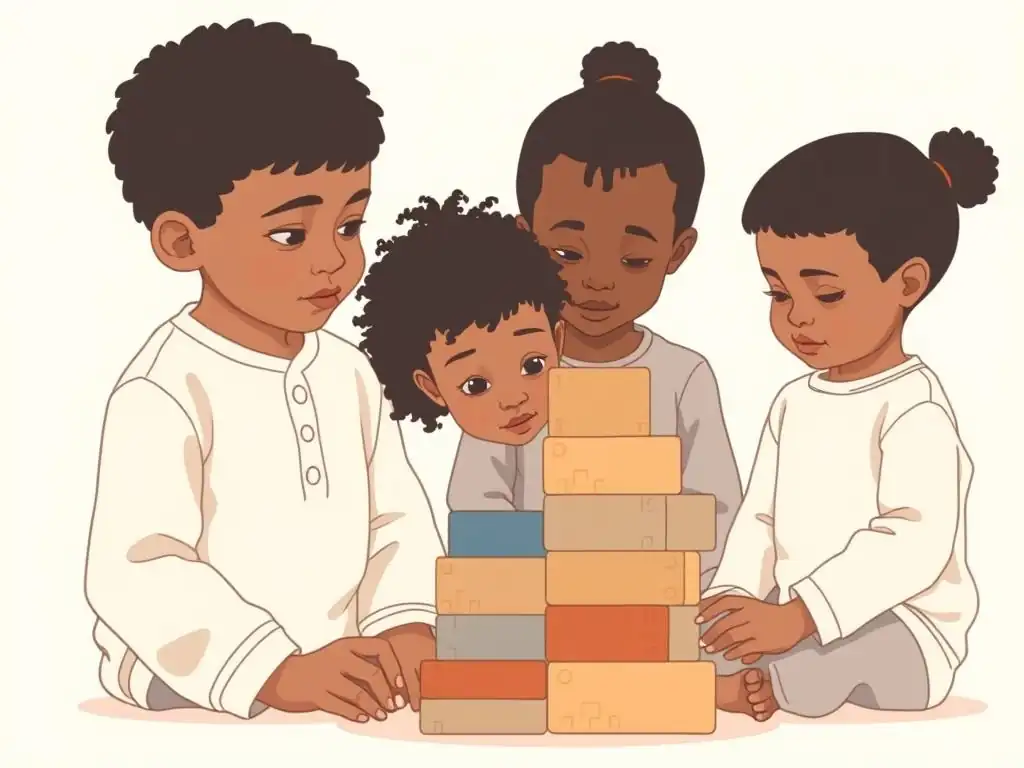
Observational learning, a cornerstone of social learning theory, significantly impacts childhood development. Children aren't just passive recipients of information; they actively observe, interpret, and imitate the behaviors of those around them. This process, often referred to as modeling, shapes their understanding of social norms, emotional responses, and problem-solving strategies. Understanding the mechanisms and impact of observational learning is crucial for comprehending the development of social skills and behaviors throughout childhood.
The effects of childhood social learning are profound and long-lasting, influencing everything from academic performance to interpersonal relationships. This section will explore the key mechanisms and the far-reaching consequences of observational learning in children. The strength of these effects is often directly correlated with the child's developmental stage and the nature of their social environment.
The Power of Modeling: How Children Learn by Watching Others
Modeling, the core process of observational learning, involves children learning by watching others. This isn't simply mimicking; it's a complex process involving attention, retention, reproduction, and motivation. Children first pay attention to a model's behavior. This attention is influenced by factors such as the model's attractiveness, status, and the perceived consequences of the behavior.
Next, they must retain the observed information, often through mental imagery or verbal descriptions. Then comes reproduction, where they attempt to recreate the observed behavior. Finally, motivation plays a crucial role; children are more likely to imitate behaviors they believe will be rewarded or lead to positive outcomes.
For instance, a child who observes a sibling being praised for sharing a toy is more likely to exhibit sharing behavior themselves. This highlights the importance of positive reinforcement in shaping social behavior through observational learning. The effects of positive reinforcement on childhood social learning are well documented and show a strong correlation between positive reinforcement and the adoption of prosocial behaviors.
The Influence of Significant Others: Parents, Siblings, and Peers
The impact of observational learning is profoundly shaped by the individuals children observe. Parents, siblings, and peers all serve as significant models, influencing different aspects of a child's development. Parents, typically the first and most influential models, shape a child's basic social skills, emotional regulation, and moral values. Observing parental interactions significantly impacts a child’s understanding of relationships and conflict resolution.
For example, children who witness frequent parental arguments may develop aggressive conflict resolution strategies. Siblings provide another crucial source of social learning, offering opportunities for negotiation, cooperation, and conflict resolution within a familiar context. The sibling dynamic, characterized by both competition and collaboration, significantly shapes social competence. Peers, particularly during later childhood, exert a strong influence on social norms, fashion, and behavior.
Conformity to peer pressure is a significant aspect of childhood social learning, often leading to both positive and negative behavioral outcomes. The dynamic interplay between these significant others greatly influences the overall trajectory of a child's social development. The relative influence of each of these groups can vary significantly depending on the individual child and their family dynamic.
In today's digital age, media and technology play a significant role in shaping children's social learning. Television, video games, and social media expose children to a vast array of models and behaviors, both positive and negative. Exposure to violence, aggression, or unrealistic social interactions in media can have detrimental effects on a child’s social development.
Conversely, exposure to prosocial media content, depicting cooperation, empathy, and problem-solving, can positively influence behavior. The effects of media exposure are complex and depend on several factors, including the amount of exposure, the content viewed, and the child's individual characteristics. Furthermore, the interactive nature of many forms of media, such as video games, provides opportunities for active participation and learning through virtual environments.
However, it's crucial to monitor children's media consumption and promote critical thinking skills to help them discern between positive and negative influences. Understanding how media and technology shape childhood social learning is essential for navigating the complexities of the digital age and fostering healthy social development. The ongoing research into these effects is critical for developing strategies to mitigate negative impacts and maximize positive learning opportunities.
Social learning, a cornerstone of childhood development, isn't a monolithic process. The extent to which children learn through observation and imitation is profoundly influenced by a complex interplay of individual characteristics and environmental factors. Understanding these influences is crucial to appreciating the full impact of "Childhood social learning effects" on a child's trajectory.
Individual Differences: Temperament and Cognitive Abilities
Children don't approach social learning situations with a blank slate. Their inherent temperament significantly shapes their learning experiences. A child with an inhibited temperament, characterized by shyness and cautiousness, might be less likely to readily imitate observed behaviors compared to an uninhibited child who is more outgoing and adventurous. This difference isn't about intelligence, but about approach and comfort levels in novel social situations.
Furthermore, cognitive abilities play a vital role. A child's capacity for attention, memory, and symbolic thinking directly impacts their ability to process observed information and translate it into action. For example, a child with advanced language skills might better understand the nuances of a social interaction they observe and thus learn more effectively from it. Conversely, a child struggling with attention deficit might miss crucial details, limiting their learning potential. Studies have shown a strong correlation between higher working memory capacity and the effectiveness of observational learning, highlighting the importance of cognitive resources in this process.
Consider this example: Two children observe an adult demonstrating conflict resolution skills. The uninhibited child might immediately attempt to replicate the observed strategy in their own interactions. The inhibited child, however, might require more time and encouragement, perhaps needing to observe the same scenario multiple times before feeling confident enough to try it. This difference underscores the significant impact of individual temperamental variations on social learning outcomes.
Environmental Influences: Family Dynamics and Cultural Context
The environment profoundly shapes a child's social learning experiences. Family dynamics, specifically parenting styles, are paramount. Children in homes with warm, responsive, and authoritative parenting tend to exhibit more prosocial behaviors, likely due to the positive models they observe and the consistent reinforcement they receive. Conversely, children exposed to aggressive or neglectful parenting may learn and model those negative behaviors.
Beyond the family unit, cultural context exerts a strong influence. Cultural norms and values shape what behaviors are considered acceptable or desirable. For instance, children growing up in collectivist cultures might prioritize group harmony and cooperation, while children in individualistic cultures might emphasize self-reliance and competition. These cultural differences are reflected in the types of social behaviors children observe and subsequently learn. The specific models available within a child’s cultural sphere, therefore, significantly impact their social learning trajectory. Research consistently demonstrates this influence, showing marked variations in social behaviors across different cultural groups.
The Role of Reinforcement and Punishment in Shaping Behavior
While observation is central, reinforcement and punishment significantly influence whether observed behaviors are adopted or avoided. Positive reinforcement, such as praise or rewards, increases the likelihood of a child repeating a behavior they've observed. Negative reinforcement, such as the removal of an unpleasant task, can also strengthen observed behaviors. Conversely, punishment, whether it's verbal reprimand or loss of privileges, can decrease the likelihood of a child repeating an observed behavior.
The effectiveness of reinforcement and punishment varies depending on factors such as consistency, timing, and the child's individual responsiveness. Inconsistency in applying consequences can confuse the child, hindering learning. Immediate reinforcement is generally more effective than delayed reinforcement. Finally, the child's temperament and personality also influence how they respond to reinforcement and punishment.
Some children are highly responsive to praise, while others are more motivated by tangible rewards. Understanding these nuances is crucial for effectively shaping children's behavior through social learning techniques. The interplay between observation, reinforcement, and punishment creates a dynamic process where learning is continuously refined and adjusted based on the consequences of actions. This highlights the active role children play in their own social development, even within the framework of observational learning.
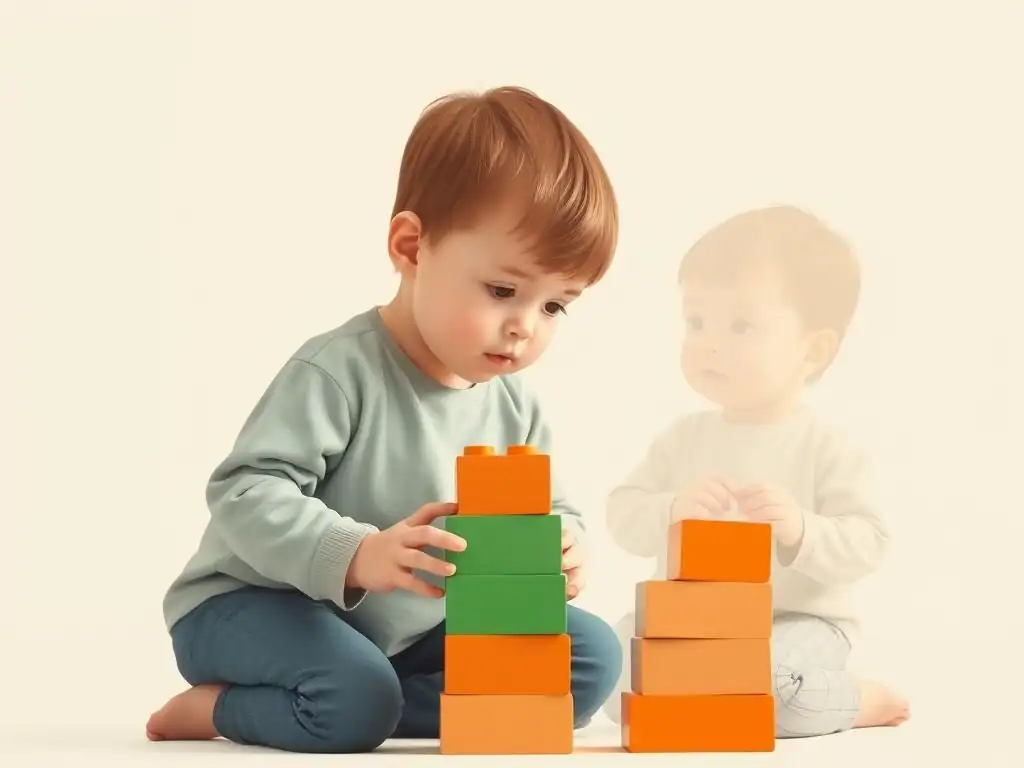
Childhood social learning effects are profound and multifaceted, shaping a child's development in both positive and negative ways. Understanding these impacts is crucial for parents, educators, and anyone working with children. This section delves into the beneficial and detrimental consequences of observational learning during this critical developmental period. The pervasive nature of social learning means that children are constantly absorbing information from their environment, influencing their behavior, attitudes, and beliefs.
Observational learning plays a vital role in acquiring prosocial behaviors – actions intended to benefit others. Children learn empathy, altruism, and cooperation by observing these behaviors modeled by significant figures in their lives, such as parents, teachers, and peers. For instance, a child who witnesses their parent volunteering at a soup kitchen may be more inclined to engage in similar acts of kindness themselves. This process isn't simply imitation; it involves understanding the underlying motivations and social context of the observed behavior.
Furthermore, social learning facilitates the acquisition of a wide range of skills. Children learn everything from basic self-care routines (like brushing teeth or tying shoelaces) to complex academic skills (like reading or problem-solving) through observation and imitation. The effectiveness of this learning is amplified when the model is perceived as competent, relatable, and rewarding. Think of a child learning to ride a bike by watching an older sibling; the success of the sibling acts as a positive reinforcement, encouraging the child to try themselves.
The impact of positive role models cannot be overstated. Studies have consistently shown a correlation between exposure to positive role models and increased prosocial behaviors and academic achievement in children. These effects are particularly pronounced when the models are perceived as warm, supportive, and authoritative figures. The influence extends beyond immediate family; community figures, mentors, and even characters in books and movies can significantly shape a child's development.
Harmful Effects: Aggression, Prejudice, and Negative Habits
Unfortunately, social learning is not exclusively beneficial. Children can also learn negative behaviors through observation. Exposure to aggression, prejudice, or undesirable habits can lead to the adoption of these behaviors. For example, a child who regularly witnesses aggressive interactions between adults may be more likely to exhibit aggressive behavior themselves. Similarly, exposure to prejudiced remarks or discriminatory actions can foster the development of prejudice in children.
The effects of media exposure are also noteworthy. Studies have linked exposure to violent media content with increased aggression in children. This is not simply a case of imitation; it involves a desensitization to violence and a normalization of aggressive behavior. The subtleties of social cues and contextual factors are often overlooked in these studies, highlighting the complexity of interpreting the influence of media.
The acquisition of negative habits, such as substance abuse or unhealthy eating patterns, can also be attributed to observational learning. Children who observe these behaviors in their family or social circles are at a higher risk of adopting them themselves. This underscores the importance of providing children with positive role models and promoting healthy lifestyles.
Mitigating Negative Effects: Parental Guidance and Educational Interventions
While the influence of social learning is powerful, it is not deterministic. Parents and educators can play a significant role in mitigating the negative effects of observational learning and promoting positive development. Providing children with positive role models, fostering critical thinking skills, and engaging in open and honest conversations about social issues are crucial strategies.
Parental guidance is particularly critical in the early years. Parents can actively shape their children's experiences by carefully selecting their exposure to media and social environments. They can also model appropriate behaviors and provide positive reinforcement for desirable actions. Open communication and emotional support are essential for helping children navigate complex social situations and develop healthy coping mechanisms.
Educational interventions, such as conflict resolution programs and anti-bias training, can also be effective in reducing aggression and prejudice in children. These programs often involve teaching children about empathy, perspective-taking, and the consequences of their actions. Early intervention is particularly important, as negative behaviors can become ingrained if left unaddressed. The long-term effects of these interventions are still being studied, but initial findings are promising. More research is needed on [specific long-term effectiveness data for various interventions].

Social learning theory, with its emphasis on observational learning and modeling, offers powerful tools for educators and parents seeking to foster positive development in children. Understanding how children learn through observation allows for targeted interventions that promote prosocial behaviors and mitigate the impact of negative influences. The principles of social learning are not merely theoretical; they translate directly into practical strategies for shaping children's behavior and building their social-emotional skills.
This section explores several key applications, focusing on practical strategies, the importance of role models, and addressing challenging behaviors. The effects of childhood social learning are profound and long-lasting, making these applications crucial for healthy development.
Effective parenting and teaching leverage the principles of social learning to cultivate desirable traits and behaviors. Instead of solely relying on punishment or reward, these strategies focus on providing positive models and creating environments conducive to learning.
- Positive Reinforcement of Prosocial Behaviors: Actively praising and rewarding children when they demonstrate kindness, empathy, cooperation, and other positive social behaviors significantly increases the likelihood of these behaviors recurring. For example, praising a child for sharing their toys with a sibling reinforces the act of sharing. This positive reinforcement is far more effective than simply punishing selfish behavior.
- Modeling Desired Behaviors: Children learn by observing adults and peers. Parents and teachers should consistently model the behaviors they wish to see in children. This includes demonstrating respectful communication, conflict resolution skills, and emotional regulation. The impact of modeling is particularly strong when the model is perceived as competent and trustworthy.
- Providing Opportunities for Observation and Practice: Creating opportunities for children to observe positive social interactions and then practice these interactions themselves is vital. This could involve role-playing scenarios, participating in group activities that encourage collaboration, or watching videos depicting positive social behaviors. The more chances a child has to practice, the more likely they are to internalize the behavior.
- Using Media Wisely: Children are significantly influenced by media. Carefully selecting age-appropriate and prosocial media content can have a considerable impact on their learning. Exposing children to shows or videos with positive role models and narratives emphasizing cooperation and empathy can indirectly reinforce those behaviors.
The Importance of Role Models and Mentorship in Child Development
Role models are central to social learning theory. Children identify with individuals they admire and strive to emulate their behaviors, attitudes, and values. The impact of role models extends beyond immediate family; teachers, coaches, extended family members, and even fictional characters can serve as powerful influences. This influence is especially strong during childhood, a period characterized by rapid cognitive and social development.
The effects of childhood social learning are particularly evident in the influence of mentors. Mentorship provides a structured and supportive environment where children receive personalized guidance and encouragement. A mentor can provide a positive role model, offer advice, and help the child navigate challenges.
Mentoring programs have been shown to improve academic performance, social skills, and self-esteem, highlighting the significant role of positive adult influence in a child's life. The selection of appropriate and positive role models is therefore a crucial aspect of fostering healthy development. The impact of a negative role model, on the other hand, can be just as significant, potentially leading to the adoption of undesirable behaviors.
Social learning theory offers valuable insights into modifying challenging behaviors. Instead of solely focusing on punishment, a more effective approach involves identifying the antecedents and consequences that maintain the behavior and then implementing strategies to change them.
- Extinction: Ignoring attention-seeking behaviors, provided they pose no safety risk, can lead to their eventual extinction. However, it’s crucial to consistently apply this strategy, as inconsistent application may inadvertently reinforce the behavior.
- Positive Reinforcement of Alternative Behaviors: Instead of simply punishing undesirable behaviors, focus on rewarding alternative, more appropriate behaviors. For instance, if a child is exhibiting aggressive behavior, reward instances of calm and cooperative interactions.
- Modeling Alternative Behaviors: Demonstrate appropriate responses to frustrating situations. If a child is prone to tantrums, model calm and assertive communication strategies. This allows the child to observe and learn alternative methods of coping.
- Cognitive Restructuring: Help children understand the consequences of their actions and develop more adaptive ways of thinking. This involves teaching them to identify their emotions, understand different perspectives, and develop problem-solving skills. This approach is particularly relevant for addressing bullying or other forms of antisocial behavior. The long-term effects of childhood social learning are significantly improved when children are taught to regulate their emotions and behaviors proactively. This emphasizes the importance of equipping children with coping mechanisms and critical thinking skills.
The effective application of social learning principles requires patience, consistency, and a deep understanding of individual differences. By carefully considering the child's unique circumstances and developmental stage, educators and parents can utilize these powerful tools to promote healthy social-emotional development and create positive lasting effects.
The field of childhood social learning effects is ripe for further investigation. While substantial progress has been made in understanding how children learn through observation and imitation, significant gaps remain. Future research should focus on refining our understanding of the nuances of this complex process, moving beyond simple cause-and-effect models to embrace more sophisticated, multifaceted approaches.
This includes exploring the mediating and moderating variables that influence the strength and direction of social learning effects. For instance, the impact of a child's temperament, cognitive abilities, and pre-existing knowledge on their susceptibility to observational learning needs further exploration. Understanding these individual differences is crucial for tailoring interventions and maximizing the positive impacts of social learning.
Currently, there is a need for longitudinal studies that follow children across several developmental stages to ascertain the long-term consequences of early social learning experiences. This type of research will allow researchers to better grasp the cumulative effects of social learning over time.
Longitudinal studies are critical to understanding the lasting effects of childhood social learning. Early childhood experiences, especially those involving social learning, can significantly shape adult behavior, attitudes, and relationships. For example, children who witness aggressive behavior at home may be more prone to exhibiting aggressive behaviors themselves in later life.
This isn't a deterministic relationship, however; other factors such as parental warmth, school environment, and peer influences play significant roles. The question of how these early experiences interact with later life circumstances to determine long-term outcomes remains a key area of investigation. Furthermore, research should investigate the potential for resilience – how some children exposed to negative social models manage to develop positive social behaviors despite these early experiences.
Identifying protective factors and resilience mechanisms is crucial for developing effective preventative and interventional strategies. Data on successful interventions targeting specific aspects of social learning, such as empathy development or conflict resolution, are needed to inform future practice. This includes tracking the long-term effectiveness of these programs and identifying which children benefit most from specific interventions.
Childhood development is a complex interplay of multiple factors, and isolating the effects of social learning requires carefully considering the influence of other developmental processes. Cognitive development, for instance, dramatically impacts a child's capacity for observational learning. Younger children may struggle with abstract concepts and may only imitate surface behaviors, while older children can grasp underlying intentions and motivations. Similarly, emotional development plays a crucial role.
A child's emotional regulation skills influence their ability to process and respond to observed behaviors. A child with poor emotional regulation might react more intensely to observed aggression, leading to increased likelihood of imitation. Furthermore, the influence of biological factors, such as genetics and temperament, should not be overlooked.
Some children may be genetically predisposed to certain behaviors, making them more or less susceptible to the influence of social models. Future research needs to employ sophisticated statistical techniques to disentangle the complex interplay of these factors, providing a more nuanced understanding of childhood social learning effects. Studies employing multivariate analyses could reveal the relative contributions of social learning alongside biological and cognitive factors.
Addressing the Challenges and Opportunities in a Digitally Driven World
The digital age presents both challenges and opportunities for research on childhood social learning effects. The proliferation of screen time exposes children to a vast array of social models through television, video games, and social media. This presents a unique challenge, as the nature of these online interactions differs significantly from face-to-face interactions. For example, the lack of nonverbal cues in online communication might influence the effectiveness of social learning.
Conversely, the digital world offers new opportunities for research. Researchers can leverage digital technologies to track children's online behavior, monitor their exposure to different social models, and assess the impact of these exposures on their development. Data mining techniques can analyze large datasets to identify patterns and trends in online social learning. However, ethical considerations related to data privacy and informed consent are paramount.
Researchers must adhere to strict ethical guidelines when collecting and analyzing data from digital sources. The potential for bias in online social models and the need for media literacy education also need to be addressed in future research on childhood social learning effects in a digitally driven world. This includes investigating the efficacy of interventions designed to promote critical thinking and media literacy skills in children.
Frequently Asked Questions
Social learning theory emphasizes the importance of observation and imitation in learning. In childhood, this means children learn behaviors, attitudes, and values by watching and interacting with others, significantly shaping their development. This observational learning is crucial for social and cognitive growth.
Children learn by observing role models, such as parents, siblings, peers, and media figures. They pay attention to the models' behavior, remember it, and then reproduce it in their own actions. Reinforcement and punishment also play a role, shaping what behaviors are repeated.
Examples include learning language, developing social skills like sharing and cooperation, adopting gender roles, and internalizing moral values. Children also learn about emotional expression and regulation through observing others.
Media, including television, video games, and social media, significantly influences children's social learning. Exposure to violent or aggressive content can lead to aggressive behavior, while positive role models can promote prosocial behavior. Media literacy is crucial for navigating these influences.
Parents and educators can use positive role modeling, providing consistent reinforcement for desirable behaviors, and minimizing exposure to negative influences. Creating a supportive and nurturing environment fosters healthy social and emotional development through observation and imitation.
Final Reflection: The Enduring Power of Observation in Childhood
The way children learn through observation profoundly shapes their development, impacting not only their social skills but also their future well-being and societal contributions. This isn't just a theoretical concept; it's a powerful force actively shaping the adults of tomorrow, influencing everything from their empathy levels to their career choices. Understanding this process is crucial for fostering healthy development and creating a more compassionate and collaborative future.
The impact of social learning in childhood is far-reaching and continues to resonate throughout a person's life. We see its effects in the way children navigate complex social situations, form relationships, and develop their sense of self. Give a child a good start and you give him a good future.
This quote perfectly encapsulates the importance of nurturing positive social learning experiences in the formative years, as these experiences lay the foundation for a lifetime of meaningful interactions and personal growth. The ripple effect of these early observations extends beyond the individual, shaping the social fabric of our communities and influencing the trajectory of entire generations.
Consider the lessons you learned through observation as a child. What behaviors did you emulate? What social cues did you internalize? Take a moment to reflect on the power of observation in your own life and how it shaped the person you are today. By understanding the profound impact of social learning, we can consciously create environments that foster positive role models, encourage empathy, and equip children with the social skills necessary to thrive in an increasingly complex world. Let's actively cultivate environments that nurture the power of observation for the betterment of future generations.
Thank you for exploring the fascinating world of social learning and its impact on childhood development. Understanding the importance of observational learning is a crucial first step in nurturing young minds.
Let's build on this understanding! Here are some practical strategies you can implement:
- Lead by Example: Children are excellent observers; model the positive behaviors and learning habits you want them to adopt. Incorporate these values into your daily life.
- Engage in Meaningful Conversations: Discuss social situations and interactions with children. Ask open-ended questions about their experiences to encourage reflection and deeper understanding.
- Create Collaborative Learning Opportunities: Organize playdates or group activities that promote teamwork and shared learning experiences. Social interaction is vital for healthy development.
What steps will you take to create a richer social learning environment for the children in your life? Share your ideas below!