
The Cultural Blind Spot: How Behavioral Theories Can Be Ethnocentric

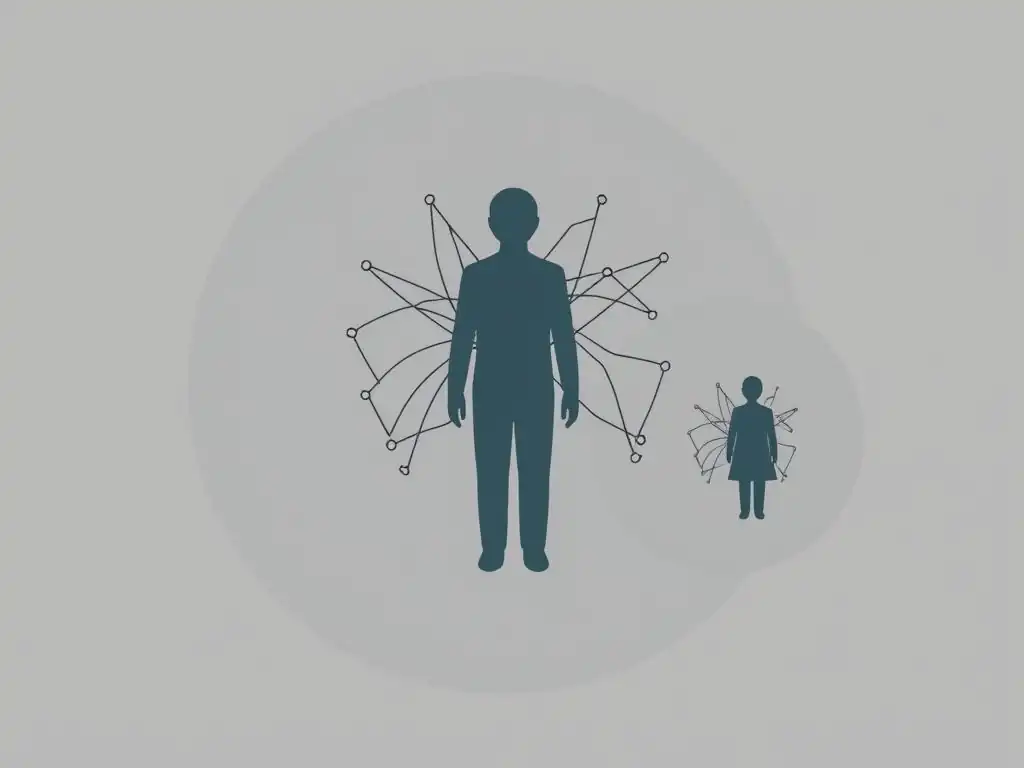
Welcome to Psychology Basics, your gateway to understanding the fascinating world of human behavior! Are you ready to explore how deeply culture shapes our perspectives? Our latest article, "The Cultural Blind Spot: How Behavioral Theories Can Be Ethnocentric," delves into the critical concept of ethnocentric bias psychology theories and how it subtly influences some of our most fundamental behavioral models. Discover the surprising ways our own cultural backgrounds can bias our interpretations of human actions—prepare to question what you think you know!
- Understanding Ethnocentric Bias in Psychological Theories
- Behavioral Theories and Their Cultural Assumptions
- Case Studies Illustrating Ethnocentric Bias in Behavioral Research
- Mitigating Ethnocentric Bias in Behavioral Research
- Moving Towards Culturally Inclusive Behavioral Theories
-
Frequently Asked Questions
- What is ethnocentric bias in psychology?
- How do behavioral theories demonstrate ethnocentric bias?
- What are some examples of ethnocentric bias in psychological research?
- How can we avoid ethnocentric bias in psychological research and practice?
- What are the implications of ethnocentric bias in psychology?
- Final Reflection: Recalibrating Psychology's Lens
- **Unveil New Perspectives: Take Action Against Ethnocentrism! **
Understanding Ethnocentric Bias in Psychological Theories
Ethnocentric bias in psychology represents a significant challenge to the universality and applicability of many established theories. This article delves into the critical issue of how behavioral theories, often lauded for their objectivity and scientific rigor, can inadvertently perpetuate ethnocentric biases, limiting their effectiveness and potentially causing harm when applied across diverse cultural contexts.
We will explore the definition of ethnocentrism, its historical influence on the development of behavioral psychology, and how this bias manifests in research methodologies, theoretical frameworks, and practical applications. Understanding this critical blind spot is crucial for developing more inclusive and culturally sensitive psychological interventions and furthering the field's commitment to equitable and just practice.
The pervasiveness of ethnocentric bias in psychology highlights the urgent need for researchers and practitioners to critically examine their assumptions and strive for greater cultural humility in their work. This will ultimately lead to more accurate, effective, and ethically sound psychological theories and practices that benefit individuals across the globe.
Defining Ethnocentrism and its Impact on Research
Ethnocentrism, at its core, is the tendency to view one's own culture as superior and to judge other cultures by the standards and values of one's own. This seemingly simple definition has profound implications for psychological research. When researchers, often unconsciously, apply their own cultural frameworks to understand and interpret behavior in other cultures, they risk misinterpreting data and drawing inaccurate conclusions.
For instance, behaviors considered normal or even desirable in one culture might be viewed as problematic or abnormal in another. This can lead to the development of theories that are not only inaccurate but also reinforce existing power imbalances and perpetuate harmful stereotypes. The impact of ethnocentric bias extends beyond simple misinterpretations; it can lead to the development of interventions and therapies that are ineffective or even detrimental when applied to individuals from different cultural backgrounds.
A crucial aspect of addressing this bias involves recognizing the inherent subjectivity in research and actively seeking diverse perspectives in the design, implementation, and interpretation of studies. The use of culturally sensitive methodologies, such as qualitative research methods that prioritize participant voices and experiences, is essential in mitigating the impact of ethnocentric biases. Furthermore, researchers must strive to recruit diverse samples that accurately reflect the populations being studied, ensuring that findings are not limited to a single cultural group.
The Historical Roots of Ethnocentric Bias in Behavioral Psychology
The historical development of behavioral psychology, heavily influenced by Western philosophical and scientific traditions, contributed significantly to the prevalence of ethnocentric bias within its frameworks. Early behavioral experiments, often conducted predominantly on Western populations, established norms and principles that were subsequently generalized to other cultures without sufficient consideration of cultural variations. This historical context, coupled with a focus on observable behaviors rather than subjective experiences, inadvertently reinforced a universalistic approach that minimized the role of cultural factors in shaping behavior.
For example, classical and operant conditioning principles, while demonstrably effective in certain contexts, have been criticized for overlooking the influence of cultural norms and values on learning and behavior. Furthermore, the emphasis on individualistic approaches in much of behavioral psychology contrasts sharply with collectivistic cultural values prevalent in many societies. This dissonance highlights the need for a more nuanced understanding of how cultural contexts shape the expression and interpretation of behavior.
The legacy of this historical bias continues to necessitate a critical reassessment of established behavioral theories and the development of culturally sensitive alternatives that account for the diversity of human experience. Moving forward, researchers must actively decolonize behavioral psychology by incorporating diverse perspectives and methodologies to create more inclusive and equitable theoretical frameworks.
Behavioral Theories and Their Cultural Assumptions

This section delves into the inherent limitations of several prominent behavioral theories when applied across diverse cultural contexts. We will examine how these theories, while offering valuable insights into human behavior, often fall short due to their inherent ethnocentric biases, failing to adequately account for the significant influence of culture on learning and behavior. Understanding these limitations is crucial for developing more inclusive and effective psychological interventions. The persistent issue of ethnocentric bias in psychology theories necessitates a critical re-evaluation of existing models and a push towards more culturally sensitive approaches.
Classical Conditioning: A Cross-Cultural Examination
Classical conditioning, famously demonstrated by Pavlov's experiments with dogs, posits that learning occurs through the association of stimuli. While the basic principles appear universal, the strength and nature of these associations can vary significantly across cultures. For example, a conditioned response to a particular food might be influenced by cultural norms surrounding food consumption and preparation. A food considered a delicacy in one culture might elicit disgust in another, impacting the effectiveness of classical conditioning techniques.
Furthermore, the generalizability of findings from studies conducted predominantly in Western settings is questionable. Many studies use stimuli and contexts that are specific to Western cultures, limiting their applicability to other populations. For instance, a study using visual cues might not be effective in cultures where auditory cues are prioritized.
This highlights the crucial need for cross-cultural research to validate the universality of classical conditioning principles and identify culturally specific nuances. The lack of sufficient cross-cultural research on classical conditioning represents a significant gap in our understanding, potentially leading to misinterpretations and ineffective applications of this fundamental learning principle. More research is needed to fully understand the impact of culture on the acquisition and expression of conditioned responses.
Operant Conditioning: Limitations of Universal Applicability
Operant conditioning, based on the principles of reinforcement and punishment, similarly faces challenges when applied across cultures. The effectiveness of different types of reinforcement and punishment varies significantly depending on cultural values and norms. What constitutes a reward in one culture might be seen as punishment in another. For instance, public praise might be highly reinforcing in individualistic cultures, but could be considered embarrassing or even shameful in collectivistic cultures.
Similarly, the types of punishments deemed acceptable also vary widely. Corporal punishment, for example, might be considered acceptable in some cultures but strictly forbidden in others. Ignoring a child's misbehavior might be effective in one culture but ineffective or even harmful in another where direct confrontation is the norm.
This necessitates a careful consideration of cultural context when designing interventions based on operant conditioning principles. Ignoring cultural nuances in operant conditioning can lead to ineffective or even counterproductive outcomes, underscoring the importance of culturally sensitive approaches to behavior modification. Failure to account for these cultural differences can lead to inaccurate interpretations of behavior and ineffective interventions.
Social learning theory emphasizes the role of observational learning and modeling in acquiring new behaviors. However, the models that individuals observe and imitate are heavily shaped by cultural context. Children learn social norms and behaviors primarily through observation and imitation of significant others within their culture, be it family members, community elders, or media representations. Therefore, the behaviors learned through observational learning are inevitably influenced by the cultural values and beliefs prevalent in their environment.
The concept of vicarious reinforcement and punishment, central to social learning theory, is also culturally mediated. The consequences observed for a model's behavior might hold different significance across cultures. For example, the consequences of aggressive behavior might be viewed differently in cultures that prioritize assertiveness compared to cultures that emphasize cooperation and harmony.
This highlights the importance of considering cultural context when analyzing the effectiveness of observational learning and the role of vicarious reinforcement and punishment. A comprehensive understanding of social learning must incorporate the profound impact of cultural transmission on the selection and adoption of behaviors. The ethnocentric bias in psychology theories needs to be addressed to ensure accurate interpretations and effective interventions.
Case Studies Illustrating Ethnocentric Bias in Behavioral Research
This section delves into specific examples of how prominent behavioral studies have exhibited ethnocentric bias, highlighting the limitations of applying Western-centric models to diverse cultural contexts. Understanding these biases is crucial for developing more inclusive and accurate psychological theories. The pervasive nature of ethnocentric bias in psychology necessitates a critical examination of existing research and a commitment to culturally sensitive methodologies.
Ignoring cultural nuances leads to misinterpretations of behavior and hinders the development of universally applicable theories. The exploration of these case studies underscores the importance of acknowledging and mitigating ethnocentric bias in psychological research to create more equitable and effective practices.
The Milgram Experiment: A Western-Centric Perspective
The famous Milgram experiment, investigating obedience to authority, is often cited as a powerful demonstration of human behavior. However, its Western-centric perspective presents a significant limitation. The experiment, conducted primarily with participants from the United States, assumed a universal understanding of authority structures and individualistic values.
This assumption ignores the significant cultural variations in how individuals perceive and respond to authority. In collectivist cultures, for instance, obedience to authority might be viewed differently, influenced by factors such as group harmony and social obligation, rather than solely individual agency. Therefore, applying the findings of the Milgram experiment, without considering these cultural nuances, risks misinterpreting obedience levels and drawing inaccurate conclusions about human behavior globally.
Replicating the Milgram experiment in diverse cultural settings reveals considerable variation in obedience rates, emphasizing the need for culturally sensitive research designs to avoid perpetuating the ethnocentric bias inherent in the original study. This highlights the importance of considering the influence of cultural context on seemingly universal aspects of human behavior like obedience.
Cultural Variations in Attachment Styles and Ainsworth's Strange Situation
Mary Ainsworth's "Strange Situation" paradigm, a cornerstone of attachment theory, has been widely influential in understanding infant-caregiver relationships. However, its ethnocentric bias stems from its development and testing primarily within Western, middle-class families. The classifications of attachment styles (secure, anxious-ambivalent, avoidant) may not accurately capture the diversity of attachment behaviors observed in different cultures.
For example, the behaviors interpreted as "avoidant" in Western contexts might reflect culturally appropriate displays of independence or self-reliance in other cultures. Similarly, behaviors interpreted as "anxious-ambivalent" might be a consequence of different parenting styles or cultural norms related to child-rearing practices. The lack of consideration for these cultural influences leads to misinterpretations of attachment patterns and limits the generalizability of Ainsworth's findings.
Further research demonstrating the significant cultural variations in attachment styles underscores the need for culturally sensitive assessments to avoid imposing a Western framework onto diverse cultural contexts. This necessitates the development of culturally appropriate methodologies for studying attachment across diverse populations.
The concept of prosocial behavior, encompassing acts of altruism and helping others, is another area where ethnocentric bias can lead to misinterpretations. Western-centric models often emphasize individualistic motivations for prosocial acts, such as empathy or personal gain. However, in many collectivist cultures, prosocial behavior is often driven by social obligations, group harmony, and maintaining social relationships.
Therefore, interpreting prosocial acts solely through an individualistic lens can lead to a skewed understanding of the underlying motivations and cultural influences. For example, acts of helping might be perceived differently depending on the social roles and relationships involved, with expectations and norms varying significantly across cultures. The tendency to interpret prosocial behaviors through a Western-centric framework often overlooks the significant role of cultural values, social structures, and group dynamics in shaping helping behaviors.
A more nuanced understanding requires acknowledging these cultural differences and moving beyond simplistic interpretations of motivations for prosocial actions. This highlights the need for cross-cultural research that takes into account the diversity of motivations and cultural contexts shaping prosocial behavior globally. Ignoring these cultural nuances leads to inaccurate generalizations and undermines the development of universally applicable theories of prosocial behavior.
Mitigating Ethnocentric Bias in Behavioral Research
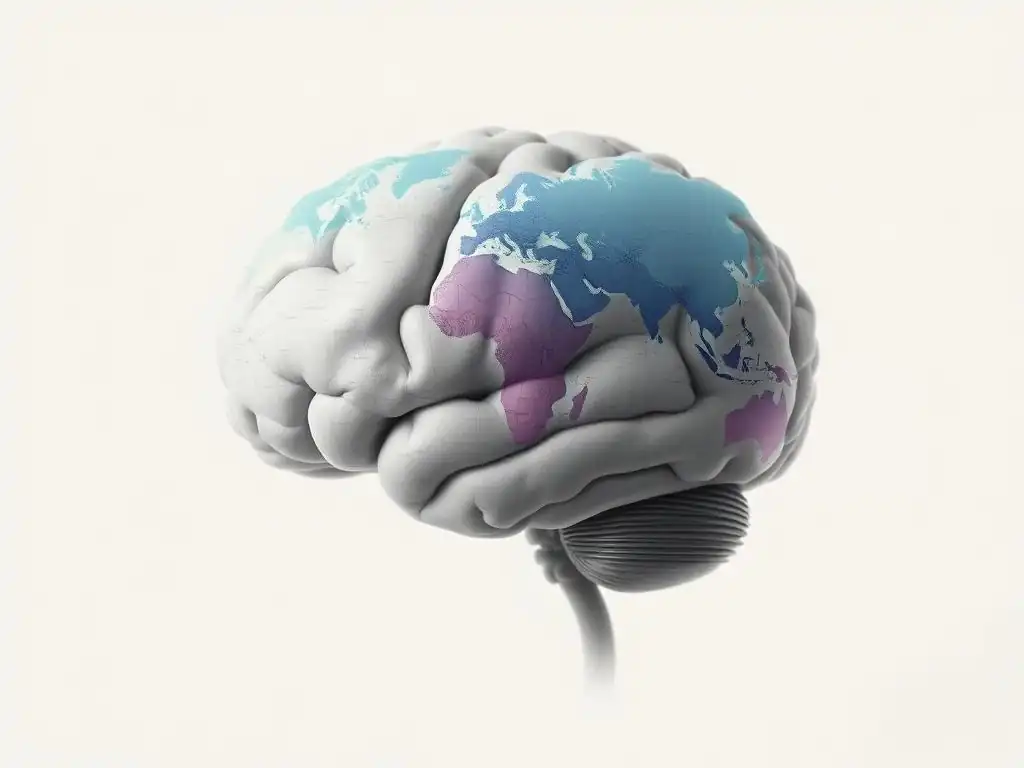
Ethnocentric bias in psychology, specifically within behavioral theories, presents a significant challenge to the validity and generalizability of research findings. Overcoming this bias requires a concerted effort across all stages of the research process. Ignoring cultural nuances can lead to misinterpretations of behavior and the development of theories that are inaccurate or even harmful when applied to diverse populations. The goal is to move beyond a solely Western-centric perspective and embrace a more inclusive and nuanced understanding of human behavior. This section explores key strategies for mitigating this bias.
The Importance of Culturally Sensitive Research Design
A culturally sensitive research design is paramount in reducing ethnocentric bias. This begins with careful consideration of the research question itself. Is the question framed in a way that assumes universal applicability, or does it acknowledge potential cultural variations? For example, a study on conformity might yield vastly different results in collectivist cultures compared to individualistic ones. Therefore, researchers must avoid imposing their own cultural frameworks onto the research design. This includes:
- Operationalizing variables carefully: Concepts like "aggression" or "intelligence" can be defined differently across cultures. Researchers must ensure that their operational definitions are culturally appropriate and avoid imposing Western interpretations.
- Selecting appropriate research methods: Some methods might be more suitable for certain cultures than others. For instance, self-report questionnaires might not be effective in cultures where direct self-disclosure is discouraged. Qualitative methods, such as ethnographic studies, can be particularly valuable in understanding cultural context.
- Considering the impact of the research setting: The physical environment of the research (e.g., a laboratory setting versus a natural setting) can significantly impact participant behavior and responses, especially across cultures with varying degrees of comfort with formal settings.
Employing Diverse Research Samples and Methodologies
Addressing ethnocentric bias requires actively seeking diverse research samples. Over-reliance on samples from a single cultural group leads to a skewed understanding of human behavior. Researchers should strive for representative samples that include individuals from a variety of cultural backgrounds, ethnicities, socioeconomic statuses, and other relevant demographic factors. This necessitates going beyond convenience sampling and actively recruiting participants from underrepresented groups.
Furthermore, employing a variety of methodologies enhances the robustness of findings and reduces the risk of bias. Triangulation, the use of multiple methods to explore the same research question, allows researchers to compare and contrast results, strengthening the validity of conclusions. For example, combining quantitative survey data with qualitative interviews can provide a more comprehensive understanding of a phenomenon.
Cross-Cultural Collaboration and Interpretation of Findings
Collaboration with researchers from diverse cultural backgrounds is crucial in mitigating ethnocentric bias. This collaborative approach ensures that research questions are framed appropriately, methods are culturally sensitive, and interpretations are nuanced. Researchers should actively seek input and expertise from individuals who understand the cultural context being studied.
Furthermore, the interpretation of findings should be mindful of cultural context. Researchers should avoid making generalizations that are not supported by the data and should acknowledge the limitations of their research in relation to cultural diversity. For instance, findings from a study conducted primarily with participants from one culture should not be automatically generalized to other cultures without further investigation.
A critical analysis of potential cultural influences on the results is essential for responsible interpretation. The ultimate goal is to develop theories that are applicable across cultures, while acknowledging the significant role of cultural context in shaping human behavior. This requires a commitment to ongoing learning and self-reflection on potential biases and the continuous refinement of research practices to achieve greater inclusivity and accuracy.
Moving Towards Culturally Inclusive Behavioral Theories
The pervasive influence of ethnocentric bias in psychology theories, particularly within behavioral frameworks, necessitates a critical reevaluation and a proactive shift towards culturally inclusive approaches. For years, dominant behavioral models, often developed within specific cultural contexts (primarily Western), have been applied universally, overlooking the significant impact of cultural factors on behavior. This oversight has led to misinterpretations, ineffective interventions, and a perpetuation of harmful stereotypes. Addressing the issue of ethnocentric bias in psychology theories requires a fundamental shift in how we conceptualize and study human behavior. This section explores strategies for developing more inclusive and effective behavioral theories.
Developing Theories that Account for Cultural Variation
Developing theories that genuinely account for cultural variation requires a multi-pronged approach. First, researchers must prioritize cultural sensitivity in their research designs. This means carefully considering the cultural context of participants and adapting methodologies accordingly. For example, using standardized questionnaires designed in one culture may not accurately capture the nuances of behavior in another.
Qualitative methods, such as ethnographic studies and interviews, can provide richer, contextually relevant data. Secondly, we need to move beyond simple comparisons between cultures and instead focus on understanding the dynamic interplay between culture and behavior. This involves examining how cultural values, beliefs, and practices shape individual experiences and influence behavioral responses. For instance, research exploring the impact of collectivist versus individualist cultures on learning styles demonstrates the significance of cultural context in understanding behavior.
Consider this example: a study on obedience to authority might yield vastly different results when conducted in a collectivist culture emphasizing social harmony compared to an individualist culture prioritizing personal autonomy. Ignoring this cultural nuance leads to a skewed understanding of obedience and its underlying mechanisms. Thirdly, the field needs a more diverse representation of researchers.
Researchers from diverse backgrounds bring unique perspectives and insights, reducing the likelihood of perpetuating ethnocentric biases in research questions, methodologies, and interpretations. This diversity is crucial for developing behavioral theories that are truly representative of the global human experience. The goal isn't just to add cultural variables to existing models but to reconstruct the models themselves, grounding them in a more comprehensive understanding of human behavior across diverse cultural contexts.
The Future of Culturally Sensitive Behavioral Psychology
The future of behavioral psychology hinges on a commitment to cultural sensitivity and inclusivity. This means actively challenging existing biases, embracing methodological pluralism, and fostering collaboration across cultures. The development of culturally sensitive behavioral interventions requires careful consideration of cultural norms and values. For example, interventions designed to promote healthy eating habits might need to be adapted to accommodate the dietary preferences and cultural beliefs of different communities.
Similarly, therapeutic approaches need to be tailored to resonate with the cultural background of the client. Ultimately, the aim is to develop behavioral theories and interventions that are both effective and equitable, promoting well-being for individuals across diverse cultural groups. This requires a sustained effort to decolonize psychology, actively challenging the dominance of Western perspectives and embracing a more global and inclusive vision of human behavior.
The benefits are multifaceted: more accurate understanding of human behavior, more effective interventions, and a more just and equitable world. Ignoring cultural nuances not only limits the validity of our research but also undermines our ability to improve the lives of people around the globe. The path forward demands a collective commitment to rigorous, culturally sensitive research and the development of truly inclusive behavioral theories.
Frequently Asked Questions
What is ethnocentric bias in psychology?
Ethnocentric bias refers to the tendency to interpret the world primarily through the lens of one's own culture, often assuming its superiority and applying its standards to other cultures. This can lead to inaccurate or biased interpretations of behavior.
How do behavioral theories demonstrate ethnocentric bias?
Many early behavioral theories, focusing on universal principles of learning, often overlooked cultural variations in behavior. For example, reinforcement and punishment might not have the same effects across different cultures. Ignoring cultural context is a major form of ethnocentric bias.
What are some examples of ethnocentric bias in psychological research?
Studies using predominantly Western samples and applying findings globally are a prime example. Similarly, interpreting behaviors outside the researcher's own cultural framework without considering alternative interpretations demonstrates ethnocentric bias. Cross-cultural research is crucial to mitigate this.
How can we avoid ethnocentric bias in psychological research and practice?
By employing culturally sensitive research methods, including diverse samples and perspectives. Researchers should also critically examine their own biases and assumptions, and consider the cultural context of behavior.
What are the implications of ethnocentric bias in psychology?
Ethnocentric bias can lead to inaccurate diagnoses, ineffective treatments, and harmful stereotypes. Understanding and addressing this bias is essential for developing culturally competent and effective psychological practices.
Final Reflection: Recalibrating Psychology's Lens
The pervasive nature of ethnocentric bias in behavioral theories is not a relic of the past; it continues to shape our understanding of human behavior and, consequently, the interventions we design. Ignoring this blind spot risks perpetuating inequalities and hindering the development of truly universal psychological frameworks. We must actively challenge these ingrained assumptions to build a more equitable and inclusive future.
The insidious influence of ethnocentric bias extends far beyond the academic realm; it impacts policy decisions, therapeutic approaches, and even our everyday interactions. It subtly shapes our perceptions, leading to misinterpretations and potentially harmful consequences. As anthropologist Margaret Mead wisely observed, The most dangerous of all human errors is to believe that one's own limitations are the limits of the world.
This quote underscores the critical need for constant self-reflection and a commitment to understanding diverse perspectives.
Consider the implications of this article's findings. What biases might be shaping your own understanding of human behavior? I urge you to actively seek out diverse voices and perspectives, critically examine the theories you encounter, and challenge assumptions that might be rooted in your own cultural background. By embracing this ongoing process of self-awareness and critical analysis, we can collectively work towards a more nuanced and accurate understanding of the human experience, one that truly reflects the richness and diversity of our global community.
**Unveil New Perspectives: Take Action Against Ethnocentrism! **
Thank you for exploring this crucial topic with us! Recognizing the limitations of ethnocentric biases in psychological theories is a significant step towards a more inclusive understanding of human behavior. Let's translate this awareness into impactful action!
- **Engage with diverse perspectives** in psychology by actively seeking out and engaging with research, podcasts, and speakers representing a wide range of cultural backgrounds. This will broaden your understanding and challenge preconceived notions.
- **Share this information** with your network to stimulate conversations about the importance of cultural sensitivity in psychological research and practice. Help make a difference.
- **Join a community** focused on cross-cultural psychology—either online or in person—to connect with others who are committed to expanding perspectives and sharing knowledge.
What personal experiences and cultural insights have shaped your understanding of psychology, and how can you share these perspectives to foster a more inclusive field?