
Building a Network of Support for Your Child’s Mental Wellbeing


Welcome to Psychology Basics, your gateway to understanding the fascinating world of the human mind. We're dedicated to providing clear and accessible information on key psychological concepts. Are you concerned about your child's mental wellbeing? Learn about the crucial role of a Child mental health support network and discover practical strategies for building a strong and supportive environment for your child's healthy development. Dive in and explore the resources available to help nurture their emotional growth.
- Building a Strong Child Mental Health Support Network: A Guide for Parents
- Identifying Key Players in Your Child’s Support System
- Building and Strengthening Your Child's Mental Health Support Network
- Navigating Challenges Within Your Child’s Support Network
- Resources and Tools for Building a Child Mental Health Support Network
- The Long-Term Benefits of Investing in Your Child's Mental Health Support Network
-
Frequently Asked Questions
- What is a child mental health support network?
- How can I identify if my child needs mental health support?
- What are some key resources for building a child mental health support network?
- How can I involve my child in building their support network?
- What if I'm struggling to find appropriate support for my child?
- Final Reflection: Weaving a Safety Net of Support for Our Children
- **Empower Your Child's Mental Wellbeing Today! **
Building a Strong Child Mental Health Support Network: A Guide for Parents
Building a supportive network for your child's mental wellbeing is crucial for their healthy development and overall happiness. This isn't just about reacting to crises; it's about proactively fostering a strong, reliable system of care and connection that helps your child navigate the inevitable challenges of childhood and adolescence.
This guide provides practical steps and insights to help parents create a robust child mental health support network, equipping them with the tools and resources to nurture their child's emotional resilience and mental health. We'll explore the importance of understanding your child's unique needs, identifying key support figures, and utilizing available community resources.
Ultimately, this comprehensive approach aims to empower parents to become active participants in their child's mental health journey, fostering a sense of security and well-being that will benefit them throughout their lives. Understanding the significance of proactive support, rather than reactive intervention, is key to building a truly effective network for your child.
Understanding the Importance of a Child's Mental Wellbeing
A child's mental wellbeing encompasses their emotional, psychological, and social development. It's not simply the absence of mental illness; it's a state of positive mental health characterized by resilience, self-esteem, emotional regulation, and the ability to form healthy relationships. Factors like genetics, environment, and life experiences significantly impact a child's mental wellbeing. For example, a child growing up in a supportive and loving home with consistent routines is more likely to develop strong coping mechanisms and emotional resilience than a child experiencing trauma or neglect.
Early identification of potential mental health concerns and proactive intervention are vital, as untreated issues can have long-term consequences affecting academic performance, social interactions, and overall life satisfaction. Recognizing the signs of distress, such as changes in behavior, sleep patterns, or academic performance, is crucial for early intervention and seeking appropriate support. Remember, prioritizing your child's mental wellbeing is an investment in their future.
The impact of a child's mental health extends far beyond their childhood years. A strong foundation in mental wellbeing during childhood can lead to better academic outcomes, stronger relationships, increased career success, and improved overall physical health in adulthood. Conversely, neglecting mental health issues in childhood can lead to a cascade of negative consequences impacting various aspects of their lives. Therefore, understanding and prioritizing your child's mental wellbeing is not simply a parental responsibility, but a crucial investment in their future success and happiness. Early intervention and a strong support system are vital components of this investment.
Why a Robust Support Network is Crucial for Your Child’s Mental Health
A robust support network acts as a buffer against stress and adversity, providing a child with a sense of belonging, security, and unconditional love. This network doesn't just consist of family; it encompasses a wider circle of individuals who provide emotional, practical, and social support. This could include teachers, school counselors, coaches, extended family members, friends, and even community organizations. Each member of this network plays a unique role in supporting the child's development and well-being.
The benefits of a strong support network are multifaceted. For instance, having trusted adults to confide in can significantly reduce feelings of isolation and loneliness, common contributors to anxiety and depression in children. A supportive network can also provide practical assistance during challenging times, such as helping with homework, transportation, or household chores, thereby reducing stress on both the child and the parents.
Furthermore, a strong support network can provide valuable perspective and guidance, helping parents navigate the complexities of raising children in today's world. This network can act as a source of information, resources, and emotional support for parents, enabling them to effectively address their child's mental health needs. Building such a network requires proactive engagement and a commitment to nurturing these relationships over time.
The investment in creating this network will yield substantial benefits for both the child and the family as a whole. Think of it as building a safety net—it's there for when things get tough, but its presence also provides a sense of security and stability in everyday life.
Identifying Key Players in Your Child’s Support System
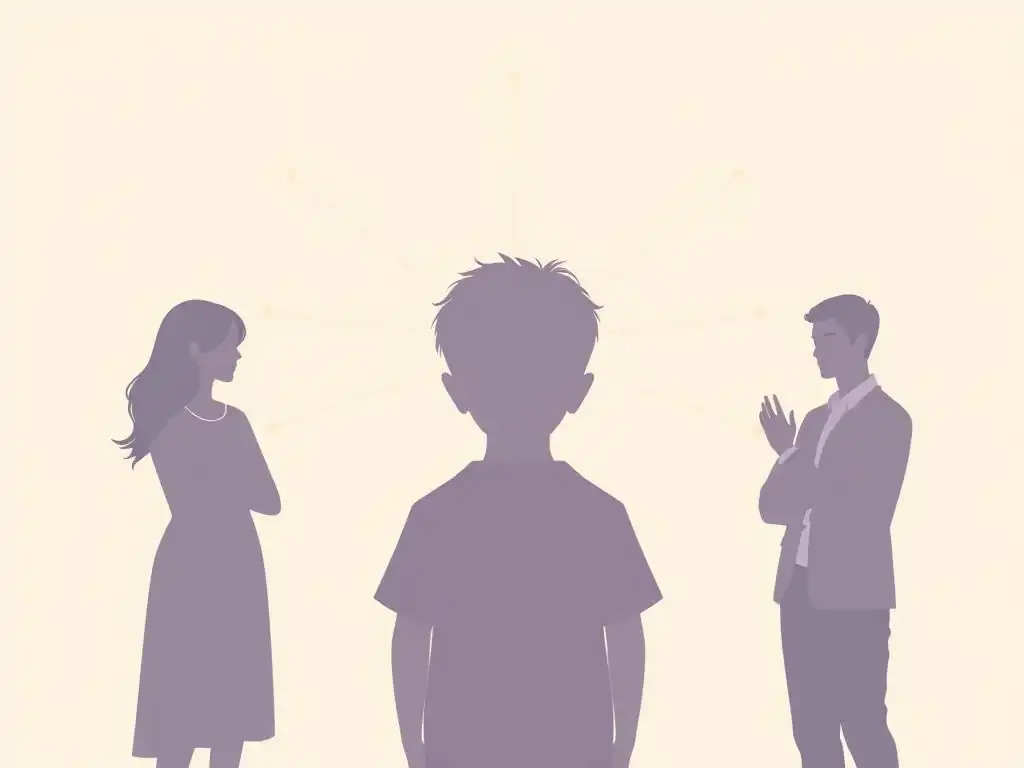
Building a robust child mental health support network is crucial for your child's wellbeing. This network doesn't magically appear; it requires proactive effort and a clear understanding of who plays a vital role. This section outlines key players and their contributions to a supportive environment. Remember, a strong network is multifaceted and tailored to your child's unique needs and developmental stage. Early identification of potential challenges and the establishment of these connections are preventative measures that can significantly impact long-term mental health.
Family as the Foundation of Child Mental Health Support
The family unit forms the cornerstone of a child's emotional and psychological development. A supportive family environment significantly contributes to a child's resilience and ability to cope with stress. Open communication, consistent affection, and a secure attachment style are crucial elements of this foundation. The family's role extends beyond simply providing basic needs; it involves actively fostering mental wellbeing.
The Role of Parents in Fostering Mental Wellbeing
Parents are the primary caregivers and play a pivotal role in shaping their child's mental health. This involves:
- Active listening: Truly hearing your child's concerns, validating their feelings, and offering empathy.
- Consistent discipline: Establishing clear boundaries and expectations while maintaining a loving and supportive approach. Inconsistent discipline can be detrimental to a child’s sense of security.
- Modeling healthy behaviors: Demonstrating effective coping mechanisms for stress and emotional regulation. Children learn by observing their parents.
- Promoting open communication: Creating a safe space where your child feels comfortable expressing their thoughts and feelings without fear of judgment.
- Seeking professional help when needed: Recognizing the signs of mental health challenges and proactively seeking support from therapists or other professionals.
Siblings and Extended Family: Creating a Supportive Environment
Siblings can be significant sources of support, providing companionship, understanding, and a sense of belonging. However, sibling relationships can also be complex and challenging. Encouraging positive interactions and conflict resolution skills is crucial. Extended family members – grandparents, aunts, uncles, and cousins – can also contribute significantly to a child's support network, offering additional emotional support, mentorship, and a sense of community. Their involvement can be especially valuable during challenging times.
The Importance of School in Your Child's Mental Health Support System
The school environment plays a crucial role in a child's overall development, including their mental health. Schools offer opportunities for socialization, learning, and the development of essential life skills. However, it is also a place where children may encounter stressors such as academic pressure, social challenges, and bullying. A supportive school environment can mitigate these risks and enhance a child's mental wellbeing.
Teachers and Educators: Recognizing Early Signs
Teachers spend considerable time with children and are often in a unique position to observe early signs of mental health challenges. Their awareness and ability to recognize subtle changes in a child's behavior – such as withdrawn behavior, changes in academic performance, or increased irritability – are critical. They can act as early warning systems, alerting parents and school counselors to potential issues. Teacher training in child mental health is essential for this early identification process. Data shows that early intervention significantly improves outcomes.
School Counselors and Psychologists: Accessing Professional Help
School counselors and psychologists provide essential mental health services within the school setting. They offer individual and group counseling, crisis intervention, and educational programs aimed at promoting mental wellbeing. They can provide assessments, develop individualized support plans, and liaise with parents and other professionals to ensure comprehensive support for the child. Their role is vital in providing readily accessible professional support within the school community. Access to these resources varies, but their presence is a significant asset for children needing support.
Friends and peer groups play a crucial role in a child's development and mental wellbeing. Positive peer relationships provide a sense of belonging, boost self-esteem, and offer opportunities for social learning and emotional growth. Children learn valuable social skills, such as empathy, cooperation, and conflict resolution, through interactions with their peers. These skills are essential for navigating the complexities of social situations and building healthy relationships throughout life. Furthermore, strong friendships provide a buffer against stress and adversity.
Knowing they have a supportive network of friends can help children cope with challenges more effectively and develop resilience. The quality of these relationships significantly impacts a child's emotional and psychological well-being. A strong support system built on positive peer interactions contributes significantly to a child's overall mental health. Children with strong friendships tend to exhibit better emotional regulation, increased self-confidence, and a greater sense of security.
Building Positive Peer Relationships
Cultivating positive peer relationships requires conscious effort from both parents and children. Encouraging participation in extracurricular activities, such as sports, clubs, or arts programs, provides opportunities for children to meet like-minded peers and develop friendships. Parents can also actively foster social skills by encouraging their children to engage in cooperative play, teaching them conflict-resolution strategies, and modeling healthy communication patterns.
Open communication is key; parents should create a safe space where children feel comfortable discussing their friendships and any challenges they may be facing. Early intervention is crucial in addressing any potential issues before they escalate. For instance, if a child is struggling to make friends, parents can work with school counselors or therapists to develop strategies for improving social skills and building confidence.
Positive reinforcement and encouragement play a significant role in building self-esteem and fostering positive relationships. Remember that building strong friendships takes time and effort, but the rewards are immense for a child's overall wellbeing.
Identifying and Addressing Negative Peer Influence
While positive peer influence is invaluable, it's equally important to be aware of and address negative peer influence. Negative peer pressure can manifest in various ways, from encouraging risky behaviors like substance abuse or bullying to promoting unhealthy competition and social exclusion. Signs of negative peer influence may include changes in behavior, such as sudden secrecy, declining grades, or a shift in values and attitudes.
Parents need to be vigilant and maintain open communication with their children to detect these warning signs. If a child is involved in a negative peer group, parents should work collaboratively with the child, school officials, and potentially mental health professionals to address the situation. Strategies might include helping the child identify and assert their own values, building their self-esteem, and finding alternative social circles.
Open conversations about the dangers of negative peer pressure are crucial, and parents should equip their children with the skills to resist peer pressure and make healthy choices. Early intervention is crucial in mitigating the harmful effects of negative peer influence and safeguarding a child's mental health.
Community Resources for Child Mental Health Support
Communities offer a wealth of resources to support children's mental wellbeing. These resources can provide crucial assistance to families navigating challenges related to child mental health. Access to these services can significantly improve the outcomes for children and families struggling with various mental health issues.
Understanding the available resources and how to access them is a vital step in ensuring children receive the support they need. The availability and accessibility of these resources vary depending on geographic location and socioeconomic factors, highlighting the need for equitable distribution of support services across communities. It's essential to actively seek out and utilize these community resources to build a comprehensive support network for your child's mental health.
Local Mental Health Organizations and Charities
Many local mental health organizations and charities provide valuable services for children and families. These services may include counseling, therapy, support groups, educational workshops, and crisis intervention. Some organizations specialize in specific mental health conditions, while others offer a broader range of services. Parents should research local organizations to find those that best meet their child's needs.
These organizations often provide information on available services, referral to specialists, and financial assistance to families who cannot afford treatment. Many charities also engage in advocacy and awareness campaigns to reduce the stigma associated with mental health and promote early intervention. Connecting with these organizations can provide families with invaluable support, resources, and a sense of community. They can serve as a crucial link to professional help and ongoing support.
Child-Focused Support Groups
Child-focused support groups offer a safe and supportive environment for children facing similar challenges. These groups can provide a sense of belonging, reduce feelings of isolation, and help children learn coping mechanisms from their peers. Support groups can address a wide range of issues, such as anxiety, depression, trauma, or specific learning disabilities. The group setting allows children to share their experiences, learn from others, and develop valuable social skills.
Support groups can be facilitated by trained professionals or led by peers, depending on the organization and the age group of the children. These groups are often complemented by parent support groups, which provide valuable resources and support for parents navigating the challenges of raising a child with mental health concerns. Participation in these groups can significantly improve a child's emotional wellbeing and provide a sense of community and shared experience.
Building and Strengthening Your Child's Mental Health Support Network
This section focuses on practical strategies for parents and caregivers to build a robust support network for their child's mental wellbeing. A strong support system acts as a crucial buffer against stress and adversity, fostering resilience and emotional growth in children. Understanding how to cultivate and maintain this network is essential for promoting healthy child mental health support network development.
Open Communication: The Cornerstone of Effective Support
Open and honest communication forms the bedrock of any effective support network. Creating a safe space where your child feels comfortable expressing their thoughts and feelings, without fear of judgment or reprimand, is paramount. This fosters trust and encourages them to seek help when needed. This isn't a one-time conversation; it's an ongoing process that requires consistent effort and patience. Remember, building a strong child mental health support network begins at home.
Encouraging Your Child to Talk About Their Feelings
Children may not always articulate their feelings clearly. It's crucial to create opportunities for open dialogue. Try incorporating casual conversations into daily routines – during car rides, while having dinner, or before bedtime. Ask open-ended questions like, "How was your day? ", "What made you happy today?
", or "Was there anything that made you feel sad or frustrated?". Avoid pressuring them; let them lead the conversation at their own pace. Use age-appropriate language and be patient with their responses. Sometimes, a simple "I'm here for you" can make all the difference. The goal is to normalize talking about feelings, making it a regular part of family life.
Active Listening Techniques for Parents
Active listening is more than just hearing your child; it's about truly understanding their perspective. This involves paying full attention, making eye contact, and reflecting back what you hear to ensure understanding. For example, if your child says, "I'm feeling really stressed about my upcoming test," you could respond with, "It sounds like you're feeling a lot of pressure about the test." This validates their feelings and shows that you're truly listening.
Avoid interrupting or offering unsolicited advice. Instead, focus on empathizing and providing a safe space for them to express themselves fully. Remember, active listening is a skill that can be improved with practice.
Collaborating with Professionals: A Team Approach
While parents play a vital role, a comprehensive child mental health support network often involves collaboration with professionals. Seeking professional help doesn't signify failure; it demonstrates proactive care and a commitment to your child's wellbeing. Early intervention can significantly improve outcomes and prevent potential problems from escalating.
How to Find the Right Therapist or Counselor for Your Child
Finding the right therapist or counselor is crucial. Consider factors such as their experience working with children, their therapeutic approach, and their personality. Ask for recommendations from your pediatrician, school counselor, or trusted friends and family. Many therapists offer free consultations, allowing you to assess whether they're a good fit for your child. Remember, a strong therapeutic relationship is key to successful treatment. Don't hesitate to explore different options until you find the right professional who understands and connects with your child. This is a crucial part of building a strong child mental health support network.
Utilizing School Resources Effectively
Schools often provide valuable resources to support students' mental health. School counselors, psychologists, and social workers can offer guidance, counseling, and referrals to outside resources. Familiarize yourself with the available resources at your child's school and don't hesitate to reach out if you have concerns. Open communication with school staff is vital; they can provide valuable insights into your child's behavior and social interactions within the school environment. Working collaboratively with school professionals strengthens the overall child mental health support network and ensures a holistic approach to your child's wellbeing. This collaborative effort is key to long-term success.
Building a strong support network for your child's mental wellbeing hinges on fostering healthy relationships. These relationships provide a crucial buffer against stress and adversity, offering a sense of belonging and security. Children with robust social connections are better equipped to navigate challenges, demonstrating increased resilience and emotional regulation. A child's ability to form and maintain positive relationships is a learned skill, developed and nurtured over time through consistent effort and positive reinforcement from caregivers.
It's important to remember that the quality of these relationships is more significant than the sheer quantity. A few close, supportive relationships often prove far more beneficial than many superficial ones. Actively encouraging your child to develop these bonds is a key component of proactive child mental health support.
This involves recognizing the individual needs of your child and tailoring your approach accordingly, respecting their personality and preferences. For some children, this might involve joining sports teams or clubs; for others, it might be enrolling them in art classes or volunteering opportunities. The goal is to identify environments where your child feels comfortable and can connect with like-minded peers.
Strategies for Building Positive Peer Interactions
Positive peer interactions are fundamental to a child's social and emotional development. Building these interactions requires a multi-pronged approach involving both direct and indirect strategies. Directly, you can facilitate opportunities for your child to interact with peers in positive settings. This might involve organizing playdates with children who share similar interests, enrolling them in team sports or group activities that promote collaboration and teamwork, or even just encouraging them to spend time with friends in a safe and supervised environment.
Indirectly, you can work on developing your child’s social skills through role-playing, practicing communication techniques, and providing constructive feedback on their interactions. Teaching your child conflict resolution skills is particularly crucial. This involves equipping them with the tools to navigate disagreements peacefully and respectfully, avoiding escalation and finding mutually acceptable solutions. It also means teaching empathy and understanding different perspectives.
Remember to model positive social behavior yourself; children learn by observing the adults in their lives. Positive reinforcement and praise for positive interactions further solidify these behaviors. It’s important to address bullying or negative peer interactions promptly and decisively, providing your child with support and strategies for dealing with such situations.
Encouraging Family Activities and Bonding
The family unit forms the cornerstone of a child's support network. Strong family bonds provide a sense of security, belonging, and unconditional love – essential for healthy emotional development. Regular family activities foster connection and create shared positive memories. These activities don't need to be elaborate or expensive; simple, consistent engagement is key.
Regular family dinners, game nights, weekend outings, or even just dedicated time for conversation can significantly strengthen family bonds. Participating in activities that encourage collaboration and shared experiences fosters a sense of teamwork and mutual support within the family. Family vacations, volunteering together, or working on a shared project (like building a birdhouse or planting a garden) are excellent examples. These activities provide opportunities for open communication, allowing family members to share their feelings and experiences in a safe and supportive environment.
Making time for individual bonding with each child is equally important. This might involve one-on-one activities tailored to each child's interests, creating a space for them to feel seen, heard, and understood. Regular family meetings can also provide a structured platform for open communication and conflict resolution, reinforcing the importance of mutual respect and understanding within the family unit. Remember that consistent, quality time is more valuable than quantity.
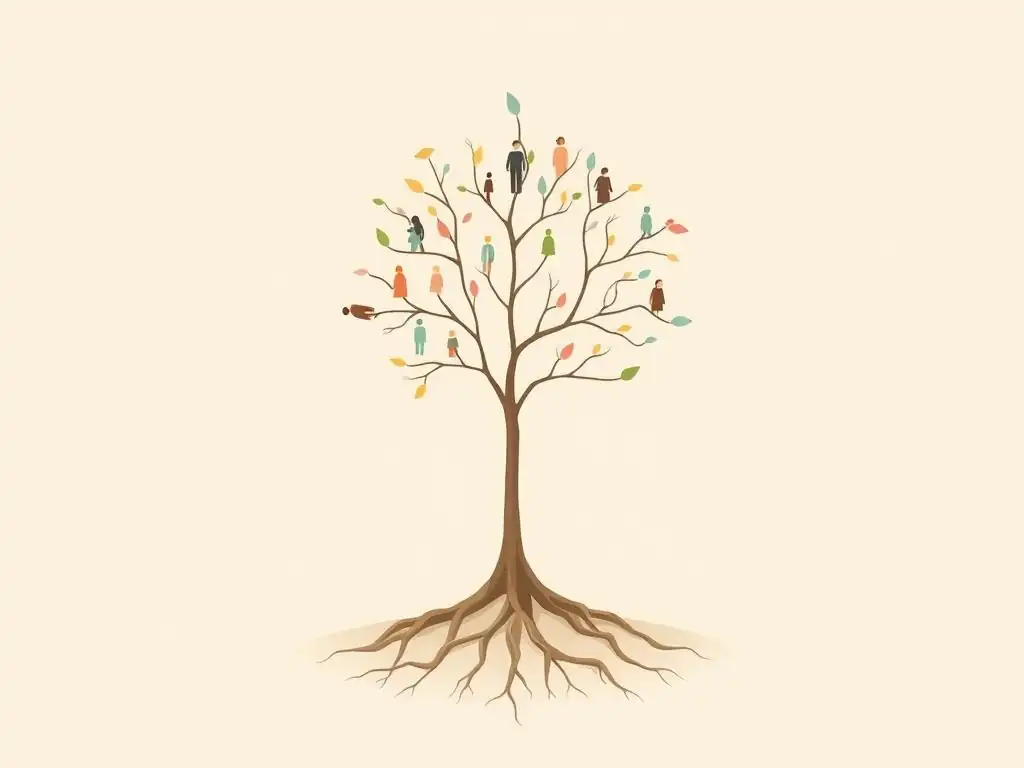
Building a strong child mental health support network is crucial, but it's not always smooth sailing. Challenges inevitably arise, requiring proactive strategies and a willingness to adapt. Understanding these potential hurdles and developing effective coping mechanisms is key to maintaining a supportive and effective network for your child's wellbeing. This section will explore common challenges and offer practical solutions for navigating them successfully.
Addressing Conflicts and Misunderstandings
Disagreements are inevitable when multiple individuals – parents, teachers, extended family, and potentially therapists – are involved in a child's care. These conflicts, if left unaddressed, can undermine the effectiveness of the support network and negatively impact your child. Open communication and a collaborative approach are essential.
Conflict Resolution Strategies for Families
Family dynamics significantly influence a child's mental health. Conflicts between parents, or between parents and extended family members, can create stress and instability for the child. Effective conflict resolution strategies are vital. This involves:
- Active Listening: Truly hearing each other's perspectives without interruption or judgment.
- Empathy: Trying to understand the other person's feelings and motivations.
- Compromise: Finding solutions that meet the needs of everyone involved, even if it means making concessions.
- Professional Mediation: If conflicts persist despite attempts at resolution, consider seeking guidance from a family therapist or counselor. They can provide a neutral space for communication and help facilitate constructive dialogue.
Remember, the goal is not to win an argument, but to create a harmonious environment where your child feels safe and supported. Prioritize your child's well-being above personal disagreements.
How to Handle Disagreements with School Personnel
Schools play a vital role in a child's life, and disagreements with teachers, counselors, or administrators can significantly impact your child's experience. Effective communication is key. This involves:
- Documenting Concerns: Keep a record of incidents, conversations, and any attempts made to resolve issues.
- Formal Communication: Utilize official channels for communication, such as emails or scheduled meetings.
- Collaborative Problem-Solving: Approach the situation with a focus on finding solutions that benefit your child. Avoid accusatory language and maintain a respectful tone.
- Escalation: If attempts at resolution fail, know your school's procedures for escalating concerns to higher authorities, such as the principal or superintendent.
Maintaining a positive relationship with school personnel is beneficial for your child. Remember to focus on your child's needs and advocate for their best interests.
Recognizing and Addressing Signs of Mental Health Struggles
Even with a strong support network, children can still experience mental health challenges. Early identification and intervention are crucial for positive outcomes. Understanding common signs and knowing when to seek professional help are essential aspects of effective support.
Common Mental Health Challenges in Children
Children can experience a wide range of mental health challenges, including:
- Anxiety: Excessive worry, fear, and nervousness. This can manifest as difficulty sleeping, stomach aches, or avoidance behaviors.
- Depression: Persistent sadness, loss of interest in activities, changes in appetite or sleep, and feelings of hopelessness.
- ADHD (Attention-Deficit/Hyperactivity Disorder): Difficulty focusing, impulsivity, and hyperactivity.
- Oppositional Defiant Disorder (ODD): A pattern of angry/irritable mood, argumentative/defiant behavior, or vindictiveness.
- Trauma: Experiencing or witnessing a distressing event that can lead to anxiety, depression, or other mental health issues.
Recognizing these signs requires careful observation and an understanding of your child's typical behavior. Changes in behavior, mood, or academic performance can be significant indicators.
When to Seek Professional Help for Your Child
If you notice persistent changes in your child's behavior or mood, or if you suspect a mental health challenge, seeking professional help is crucial. Don't hesitate to consult a pediatrician, child psychologist, or psychiatrist. Early intervention can significantly improve outcomes and prevent more serious problems. Signs that warrant immediate professional attention include:
- Suicidal thoughts or self-harm behaviors.
- Significant changes in eating or sleeping habits.
- Extreme withdrawal from social activities.
- Persistent academic difficulties despite efforts to support your child.
- Significant changes in behavior that are disruptive to family life or school.
Remember, seeking professional help is a sign of strength, not weakness. It shows that you are committed to your child's well-being and are taking proactive steps to ensure their mental health. Building a strong child mental health support network requires vigilance, proactive communication, and a willingness to seek help when needed. Prioritizing your child's mental health is an investment in their future.
Supporting Your Child Through Transitions and Difficult Times
Navigating life's transitions can be challenging for children, impacting their mental wellbeing significantly. These transitions can range from starting kindergarten to moving to a new home, or even experiencing changes within the family structure like a divorce or the birth of a sibling. The key to supporting your child during these periods is to acknowledge their feelings and validate their experiences. Avoid dismissing their concerns as "minor" or "just a phase," as this can lead to feelings of invalidation and isolation, potentially exacerbating any existing anxieties or insecurities. Instead, actively listen to their concerns, offering empathy and understanding.
Open and honest communication is crucial. Explain the changes in an age-appropriate manner, using simple language and avoiding jargon. For instance, when explaining a family move, focus on the positive aspects like a new bedroom or the chance to make new friends, while acknowledging the sadness associated with leaving behind familiar surroundings. Remember to maintain consistent routines as much as possible.
The predictability of routines offers a sense of stability and security, particularly during periods of change. This consistent structure can act as a buffer against the stress of transition, providing a sense of normalcy amid the upheaval. Finally, building in extra time for play and relaxation can help children de-stress and process their emotions. This might involve engaging in their favorite activities or simply spending quality time together as a family.
Helping Children Cope with Change
Children's reactions to change vary widely depending on their age, personality, and prior experiences. Younger children might express their distress through tantrums, clinginess, or regression to earlier behaviors like thumb-sucking. Older children may become withdrawn, irritable, or exhibit changes in academic performance or social interactions. Recognizing these signs is crucial in providing appropriate support. A helpful strategy is to involve your child in the process of change whenever possible.
For example, if moving house, let them participate in choosing paint colors for their new room or help pack their belongings. This sense of agency can empower them and reduce feelings of helplessness. Furthermore, providing opportunities for them to express their feelings through creative outlets like drawing, painting, or writing can be incredibly beneficial. These activities offer a safe space for them to process their emotions without feeling pressured to articulate them verbally. Remember to be patient and understanding.
It takes time for children to adjust to new situations, and setbacks are normal. Celebrate small victories and acknowledge their efforts in adapting to the change. Maintaining a positive and supportive environment is essential for fostering resilience and helping them navigate the challenges of change successfully. Remember to seek professional guidance if you feel overwhelmed or notice that your child's distress is persistent or significantly impacting their daily life. Early intervention can make a significant difference.
Providing Support During Bereavement or Trauma
Experiencing bereavement or trauma can profoundly impact a child's mental wellbeing, leaving lasting emotional scars. The loss of a loved one, a natural disaster, or witnessing a violent event can trigger feelings of sadness, anger, fear, and confusion. Providing support during such challenging times requires sensitivity, patience, and a deep understanding of the child's developmental stage. It's vital to use age-appropriate language when discussing the event. Avoid euphemisms or overly simplistic explanations. Instead, be honest and answer their questions openly and truthfully, adapting your language to their level of understanding.
Allow them to express their feelings without judgment. They may not understand their emotions fully, and expressing them can be a crucial part of the healing process. Encourage them to talk about their loved one, sharing positive memories and celebrating their life. This can help them process their grief in a healthy way. Maintaining routines as much as possible can provide a sense of stability and normalcy amidst the chaos. This consistency can be a source of comfort and security during a difficult time.
Seek professional help from a therapist or counselor specializing in trauma and grief. They can provide specialized support tailored to the child's specific needs and help guide the family through the healing process. Remember, healing takes time, and there's no right or wrong way to grieve. Provide unconditional love, support, and patience as your child navigates this challenging experience. The availability of a strong support network is crucial during times of bereavement or trauma, offering a sense of security and resilience.
Resources and Tools for Building a Child Mental Health Support Network

Building a strong child mental health support network requires proactive engagement with various resources. This section outlines key tools and avenues to help parents navigate this crucial aspect of their child's well-being. Accessing and utilizing these resources can significantly enhance your ability to provide effective support and foster a positive environment for your child's mental health journey. Remember, seeking help is a sign of strength, not weakness, and a robust support system is vital for both the child and the parent.
Books and Guides for Parents on Child Mental Health
Navigating the complexities of child mental health can feel overwhelming. Fortunately, numerous books and guides offer practical advice and valuable insights. These resources provide a wealth of information, helping parents understand different challenges, develop effective coping strategies, and build resilience within the family unit. Choosing the right resource can greatly enhance your understanding and improve your ability to support your child. Here are a couple of examples:
"The Explosive Child" by Ross W. Greene
This book offers a unique perspective on challenging behaviors in children, focusing on understanding the underlying reasons behind these actions rather than simply addressing the symptoms. Greene's Collaborative Problem Solving (CPS) approach emphasizes collaboration with the child to find solutions that work for everyone. The book provides practical strategies and tools for parents to effectively manage challenging behaviors and foster a more positive and collaborative relationship with their child.
It's particularly helpful for parents of children who exhibit frequent outbursts or defiance. The book emphasizes empathy and understanding, promoting a more positive and less conflictual family dynamic. This approach is particularly effective in building a supportive environment conducive to improved child mental health.
"No-Drama Discipline" by Daniel Siegel and Tina Payne Bryson
This popular guide offers a compassionate and effective approach to discipline, grounded in the principles of attachment theory and mindfulness. Siegel and Bryson emphasize connecting with your child emotionally before addressing misbehavior. The book provides practical strategies to help parents respond to challenging behaviors with empathy and understanding, fostering a secure and loving relationship.
The focus on mindful parenting empowers parents to manage their own emotional responses, creating a calm and supportive environment for their children. This approach aligns perfectly with building a strong child mental health support network by fostering healthy parent-child relationships and promoting emotional regulation within the family.
Online Platforms and Communities for Parents
The digital age offers numerous online platforms and communities dedicated to supporting parents of children with mental health challenges. These resources provide a valuable space for connection, information sharing, and mutual support. The anonymity and accessibility offered by online platforms can be particularly beneficial for parents who may feel isolated or hesitant to seek support in other settings. Remember to always prioritize your child’s privacy and safety when utilizing online resources.
Online Support Groups for Parents of Children with Mental Health Challenges
Many online forums and support groups cater specifically to parents navigating the challenges of child mental health. These groups provide a safe and supportive environment where parents can share their experiences, exchange advice, and find emotional support from others facing similar situations. Participating in these groups can help alleviate feelings of isolation and provide a sense of community, which is crucial for maintaining parental well-being and effectively supporting a child's mental health. Look for groups moderated by mental health professionals to ensure accurate and helpful information is shared.
The National Alliance on Mental Illness (NAMI) Website
NAMI is a leading national organization dedicated to improving the lives of individuals and families affected by mental illness. Their website offers a wealth of information, resources, and support for parents of children with mental health challenges. You can find evidence-based information on various mental health conditions, practical tips for supporting your child, and links to local support groups and services.
NAMI also provides advocacy and education on mental health issues, empowering parents to become informed advocates for their children. The website's comprehensive resources and readily available support make it an invaluable tool in building a strong child mental health support network. It's a great starting point for finding additional resources specific to your child's needs and your location.
Professional Services and Therapies for Children
Building a strong child mental health support network often involves seeking professional help. Many therapeutic approaches can effectively address various emotional and behavioral challenges children face. Early intervention is key, and a proactive approach can significantly improve outcomes. Don't hesitate to seek professional guidance if you notice persistent behavioral changes, emotional distress, or academic difficulties that may indicate underlying mental health concerns.
Remember, seeking help is a sign of strength, not weakness. A professional can provide a thorough assessment and recommend the most suitable treatment plan tailored to your child's specific needs. This might involve individual therapy, family therapy, or a combination of approaches.
The goal is to equip your child with coping mechanisms and strategies to navigate challenges and thrive. The earlier you address these issues, the better equipped your child will be to manage their mental health in the long run. This proactive approach can help prevent the escalation of minor issues into more significant problems later in life.
Child and Adolescent Psychiatrists
Child and adolescent psychiatrists are medical doctors specializing in the mental health of children and adolescents. They possess a unique skill set combining medical expertise with psychological understanding. Unlike psychologists or therapists, psychiatrists can prescribe medication, a crucial aspect of treatment for some mental health conditions.
For example, a child experiencing severe anxiety or depression might benefit from medication alongside therapy to manage symptoms effectively. Psychiatrists also conduct comprehensive assessments, considering biological, psychological, and social factors that contribute to a child's mental well-being. They collaborate with other professionals like therapists and school counselors to create a holistic treatment plan.
Finding a child and adolescent psychiatrist might require some research; referrals from pediatricians or family doctors are often a good starting point. It’s important to find a psychiatrist with experience working with children of your child’s age and dealing with similar challenges. Remember to inquire about their approach, experience, and treatment philosophy to ensure a good fit for your family.
Art Therapy for Children
Art therapy offers a unique and often powerful approach to helping children express themselves and process their emotions. This non-verbal therapeutic modality is particularly beneficial for children who might struggle to articulate their feelings verbally. Through drawing, painting, sculpting, or other creative activities, children can explore their inner world and communicate their experiences in a safe and supportive environment.
Art therapists are trained to interpret the symbolic meaning in a child's artwork, providing insights into their emotional state and underlying issues. For instance, a child struggling with anger might express this through aggressive brushstrokes or dark colors in their paintings. The therapist can then use this information to guide the child in exploring and understanding their emotions.
Art therapy can be particularly effective in addressing trauma, anxiety, depression, and other mental health challenges in children. It provides a creative outlet for self-expression and can help children develop coping mechanisms and improve self-esteem. The playful and engaging nature of art therapy often makes it appealing to children, creating a relaxed and trusting therapeutic relationship.
Dialectical Behavior Therapy (DBT) for Adolescents
Dialectical Behavior Therapy (DBT) is a specialized type of cognitive-behavioral therapy (CBT) particularly effective for adolescents struggling with intense emotions, self-harm, and interpersonal difficulties. DBT emphasizes the importance of acceptance and change, helping adolescents develop skills to manage their emotions, improve relationships, and tolerate distress. The core skills taught in DBT include mindfulness, distress tolerance, emotion regulation, and interpersonal effectiveness.
These skills equip adolescents with practical tools to navigate challenging situations and build healthier coping mechanisms. For example, mindfulness techniques can help adolescents become more aware of their emotions without judgment, while distress tolerance skills teach them how to cope with overwhelming emotions without resorting to self-harm. DBT is often delivered in a group setting, providing a supportive environment where adolescents can learn from each other and share their experiences.
Individual therapy sessions are also typically included to address specific challenges and personal goals. The structured and skills-focused nature of DBT makes it a powerful approach for helping adolescents develop emotional resilience and improve their overall well-being. It’s important to note that DBT requires commitment and active participation from the adolescent, but the results can be transformative.
The Long-Term Benefits of Investing in Your Child's Mental Health Support Network
Building a strong child mental health support network offers profound long-term advantages, extending far beyond immediate crisis management. Investing in this network is an investment in your child's future well-being, impacting their academic success, relationships, and overall life satisfaction. A robust support system acts as a buffer against life's inevitable stressors, equipping your child with the resilience to navigate challenges and thrive.
Studies consistently demonstrate a correlation between strong social support and improved mental health outcomes across the lifespan. Early intervention and proactive support can prevent the escalation of minor issues into more significant problems later in life, saving both emotional and financial resources in the long run.
This proactive approach fosters a sense of security and belonging, significantly contributing to a child's overall sense of self-worth and confidence. The benefits are not just seen in the child, but also positively affect the family dynamic, creating a more harmonious and supportive home environment.
Promoting Resilience and Emotional Wellbeing
A supportive network directly contributes to a child's resilience – their ability to bounce back from adversity. When children face challenges, knowing they have reliable adults and peers to turn to significantly reduces feelings of isolation and helplessness. This network provides a safe space for emotional expression, allowing children to process their feelings without judgment.
This emotional validation is crucial for healthy emotional development. For example, a child struggling with social anxiety might find comfort and support from a trusted teacher, counselor, or peer group, learning coping strategies and building confidence in social settings. This proactive approach helps children develop healthy emotional regulation skills, managing their emotions effectively and preventing emotional outbursts or withdrawal.
Furthermore, a strong support system fosters self-esteem and a positive self-image, empowering children to believe in their abilities and navigate life's complexities with confidence. The consistent presence of supportive figures provides a sense of stability and predictability, crucial for children's emotional security and overall mental wellbeing.
Fostering Healthy Coping Mechanisms
A key aspect of a child mental health support network is the facilitation of healthy coping mechanisms. Instead of resorting to unhealthy strategies like substance abuse or self-harm, children within a supportive environment learn adaptive coping strategies. This might involve teaching them mindfulness techniques to manage stress, problem-solving skills to address challenges, or creative outlets to express emotions.
The support network can provide access to resources such as therapy, mentoring programs, or extracurricular activities that promote healthy coping. For instance, a child experiencing grief might find solace in art therapy or joining a support group for grieving children. These resources provide structured environments where children can process their emotions, learn effective coping strategies, and build resilience.
The network also acts as a guide, helping parents identify early warning signs of mental health struggles and access appropriate interventions. Early intervention is crucial in preventing the development of more serious mental health conditions. This proactive approach not only supports the child's immediate needs but also equips them with lifelong skills for managing stress and adversity.
Creating a Safe and Supportive Environment for Growth
Ultimately, the goal of a child mental health support network is to create a safe and nurturing environment where children can thrive. This environment fosters open communication, allowing children to feel comfortable expressing their thoughts and feelings without fear of judgment or retribution. It’s a space where children feel valued, accepted, and understood for who they are, regardless of their challenges.
This supportive environment promotes healthy self-esteem and reduces the risk of developing mental health issues. The network should encompass a variety of relationships – parents, teachers, extended family, friends, and potentially mental health professionals – all working together to provide a holistic approach to the child's well-being. This collaborative approach ensures that the child receives consistent, comprehensive support across different aspects of their life.
The focus should always be on empowering the child, building their strengths, and fostering their growth into a well-adjusted and resilient individual. This long-term investment in their mental health pays dividends throughout their life, contributing to their overall happiness and success.
Frequently Asked Questions
What is a child mental health support network?
A child mental health support network is a group of individuals and resources that provide emotional, social, and practical support to a child and their family. This can include family, friends, teachers, therapists, and community organizations.
How can I identify if my child needs mental health support?
Look for changes in behavior, such as withdrawal, anxiety, aggression, or changes in sleep or appetite. If these changes are persistent or significantly impacting their daily life, seek professional help.
What are some key resources for building a child mental health support network?
Schools, community centers, therapists, support groups, and online resources are all valuable sources of support. Your child's pediatrician can also be a helpful starting point.
How can I involve my child in building their support network?
Depending on their age and maturity, involve your child by talking openly about their feelings, identifying trusted adults, and choosing activities that promote their well-being and social connection.
What if I'm struggling to find appropriate support for my child?
Don't hesitate to seek professional guidance. Your child's pediatrician or a mental health professional can provide referrals and resources tailored to your child's specific needs and your family's circumstances.
Final Reflection: Weaving a Safety Net of Support for Our Children
The mental wellbeing of our children is not merely a future concern; it is the bedrock of a thriving society. Ignoring the urgent need for robust support networks for young people facing mental health challenges is not an option; it's a disservice to their potential and a threat to our collective future. We must actively cultivate environments where children feel safe, understood, and empowered to seek help.
The impact of fostering strong support networks extends far beyond the individual child. It ripples outwards, influencing families, communities, and ultimately, the very fabric of our society. The strength of these networks directly correlates with a child's resilience and ability to navigate life's inevitable challenges. As the saying goes, It takes a village to raise a child,
and this village must be actively engaged in nurturing the mental health of its youngest members. This isn't just about providing resources; it's about creating a culture of empathy, understanding, and proactive care.
You, the reader, hold a crucial piece of this puzzle. Consider the children in your life – your own, your nieces and nephews, the young people in your community. What steps can you take today to strengthen their support systems? Are you equipped to recognize the signs of mental health struggles?
Do you know where to turn for help? Take the time to learn, to listen, and to offer support. By actively participating in building these vital networks, you are not only contributing to the wellbeing of individual children but also investing in a brighter, healthier future for us all.
**Empower Your Child's Mental Wellbeing Today! **
Thank you for taking the time to learn how to build a strong support system for your child's mental health. You've gained valuable insights into the importance of community, encouragement, and connection. Now, let's put that knowledge into action!
Here's how you can start making a difference in your child's life:
- **Connect with local support groups** focused on children's mental health. Attending a meeting together can foster a sense of belonging and shared understanding.
- **Engage in open and honest conversations** with your child about their feelings. Sharing your own experiences can help them feel less isolated and understood.
- Consider **organizing a community event or workshop** focused on mental health awareness. You could even partner with local schools to reach a wider audience.
What steps will you take today to create a more supportive and nurturing environment for your child's emotional well-being? Share your thoughts in the comments below!