
The Role of Routine and Structure in Shaping Positive Child Behavior

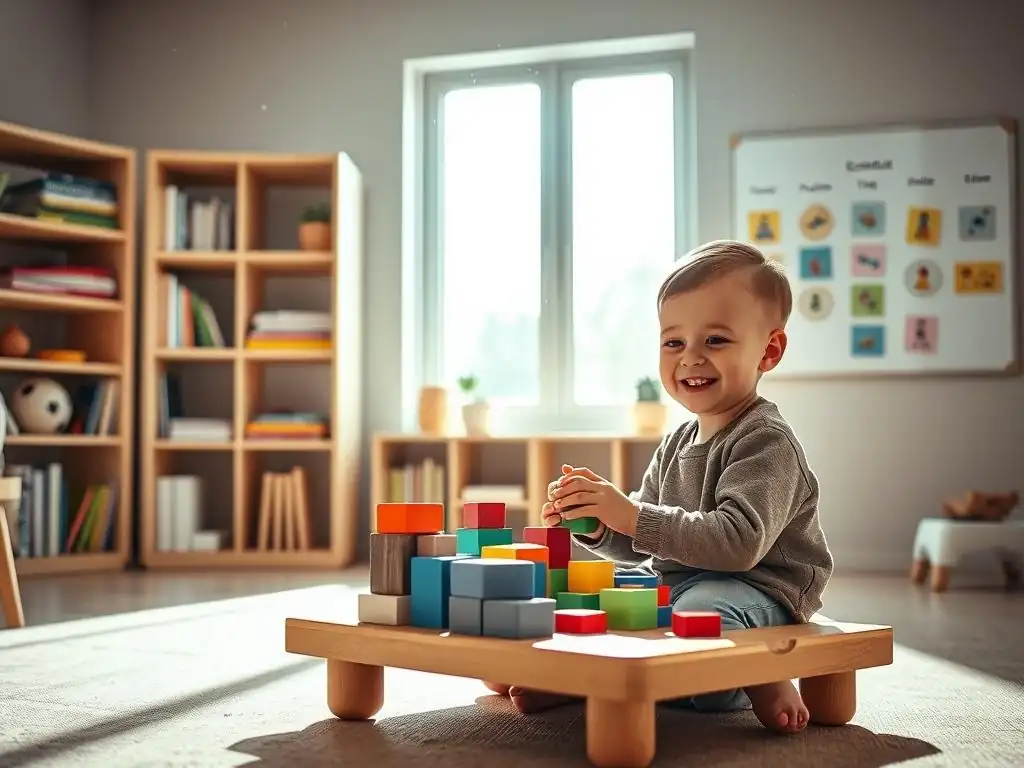
Unravel the mysteries of your child's development and unlock their full potential. Here at Psychology Basics, we delve into the fascinating world of human behavior, and this exploration begins with a critical look at Child behavior routine structure benefits. Discover how establishing consistent routines and structures can significantly impact your child's emotional well-being, academic success, and overall development. Ready to learn how simple changes can create extraordinary results? Let's dive in!
- Understanding the Impact of Routine and Structure on Child Behavior
- Common Behavioral Challenges Linked to Lack of Routine
- Building Effective Daily Routines for Positive Behavior
- Practical Strategies for Maintaining Structure in a Child's Life
- Overcoming Challenges When Implementing Routines
- The Long-Term Benefits of Routine and Structure on Child Behavior
- Leveraging Tools and Resources to Support Routine Implementation
- Conclusion: The Key to Positive Child Behavior is Consistent Routine Structure
- Frequently Asked Questions
- Final Reflection: Cultivating Flourishing Futures Through Routine
- Empower Your Child's Growth Today!
Understanding the Impact of Routine and Structure on Child Behavior
Establishing consistent routines and structure is paramount in fostering positive child behavior. This isn't about stifling creativity or spontaneity; rather, it's about providing the predictable framework within which children thrive. A structured environment offers a sense of security and control, reducing anxiety and promoting emotional regulation – crucial elements for healthy development.
This article will explore the significant benefits of incorporating routine and structure into a child's life, examining how these elements contribute to improved behavior, emotional well-being, and overall development. We will delve into the specific mechanisms through which routines and structure impact a child's brain development, emotional intelligence, and social skills. Understanding these connections empowers parents and caregivers to create supportive environments that nurture positive behavior and contribute to a child's long-term success.
The benefits extend beyond simply managing challenging behaviors; a structured approach fosters independence, self-confidence, and a strong sense of self. This article aims to provide practical insights and evidence-based strategies for parents and caregivers seeking to harness the power of routine and structure to cultivate positive child behavior and improve family dynamics. This is especially relevant for those searching for effective ways to address common childhood behavioral issues, such as tantrums, defiance, and difficulty focusing.
Why is Structure Important for Children's Behavior?
Children, particularly young children, thrive on predictability. Their brains are still developing, and a structured environment provides a sense of security and reduces anxiety. This predictability allows children to anticipate events, reducing uncertainty and the potential for emotional distress. Imagine a child who wakes up each morning unsure of what the day will hold – this uncertainty can lead to anxiety and insecurity, potentially manifesting as challenging behaviors.
Conversely, a consistent routine, such as a set bedtime, mealtimes, and playtime, offers a sense of control and order, promoting feelings of safety and calmness. This predictability allows children to focus their energy on learning and playing, rather than worrying about what might happen next. Studies have shown a strong correlation between structured environments and reduced behavioral problems in children. For example, research indicates that children with consistent bedtimes and mealtimes tend to exhibit fewer sleep disturbances and better emotional regulation.
Moreover, a structured environment helps children learn self-regulation skills, crucial for managing their emotions and behaviors effectively. This includes learning to follow rules, manage their impulses, and understand cause and effect. The benefits extend beyond immediate behavior management; a structured environment fosters independence, self-confidence, and a strong sense of self, laying a foundation for success in later life.
The Link Between Consistent Routines and Positive Child Development
Consistent routines are not merely about scheduling activities; they are about creating a predictable flow to the day that helps children understand expectations and develop a sense of security. This predictability fosters a sense of mastery and control, boosting self-esteem and reducing anxiety. For instance, a consistent bedtime routine, involving a bath, story time, and quiet time, signals to the child that it's time to wind down and prepare for sleep. This helps regulate their circadian rhythm, leading to improved sleep quality and reduced daytime sleepiness.
Furthermore, consistent routines offer opportunities for bonding and connection between parents and children. Shared activities, such as mealtimes or bedtime stories, create positive interactions and strengthen the parent-child relationship. The benefits of consistent routines extend beyond immediate behavior management; they contribute to a child's overall development, impacting their cognitive skills, social skills, and emotional well-being. For example, regular mealtimes promote healthy eating habits and reduce the likelihood of picky eating.
Consistent playtime provides opportunities for creativity, social interaction, and physical activity. The key lies in creating routines that are age-appropriate, flexible, and tailored to the individual child's needs and preferences. A well-structured routine, therefore, is not a rigid set of rules but a flexible framework that promotes positive development and well-being. It's about finding a balance between structure and spontaneity, allowing for flexibility while maintaining a predictable and supportive environment.
Common Behavioral Challenges Linked to Lack of Routine

Establishing a consistent daily routine is crucial for a child's healthy development. A lack of structure can significantly impact their behavior, leading to a range of challenges. Children thrive on predictability; it provides a sense of security and control, enabling them to understand expectations and navigate their world with confidence.
When this predictability is absent, it can manifest in various behavioral issues. The absence of routine directly correlates with increased levels of stress and anxiety in children, often leading to problematic behaviors as a coping mechanism. This section will explore some of the most common behavioral challenges directly linked to a lack of routine and structure in a child's life, highlighting the strong connection between inconsistent schedules and negative behavioral outcomes.
Understanding this relationship is the first step in implementing positive changes and fostering a more harmonious family environment. The benefits of establishing a clear routine for children are widely documented and significantly impact their overall well-being, academic performance, and social interactions. Let's delve into the specific ways a lack of routine contributes to behavioral difficulties.
Identifying Behavioral Problems Stemming from Unpredictable Schedules
Unpredictable schedules are a breeding ground for behavioral issues in children. The absence of consistent mealtimes, bedtime routines, and daily activities can lead to increased irritability, defiance, and difficulty concentrating. For example, a child who constantly faces shifting bedtime routines might struggle to fall asleep, leading to sleep deprivation and subsequent behavioral problems during the day. This lack of predictability creates a sense of insecurity and anxiety, making it challenging for the child to regulate their emotions.
Furthermore, inconsistent schedules can hinder a child's ability to learn and follow rules. Without clear expectations and a predictable structure, they may struggle to understand boundaries, leading to increased acting out and testing limits. Consider this scenario: a child accustomed to inconsistent mealtimes may exhibit increased emotional volatility due to fluctuating blood sugar levels, resulting in tantrums or aggression.
The impact on a child's emotional regulation is profound; consistent routines provide a sense of safety and control, contributing to better emotional stability. This is especially crucial during developmental stages when children are learning to manage their feelings. In short, unpredictable schedules create a chaotic environment that negatively impacts a child's behavioral development.
Understanding How Inconsistent Routines Fuel Child Anxiety and Acting Out
Inconsistent routines directly contribute to heightened anxiety levels in children. The lack of predictability and control creates a constant state of uncertainty, leaving them feeling insecure and vulnerable. This anxiety often manifests as behavioral problems. Children might act out through tantrums, aggression, or withdrawal as a way to cope with the overwhelming feelings of uncertainty. For instance, a child who experiences inconsistent bedtime routines might develop bedtime anxiety, exhibiting clinginess, fear of the dark, or difficulty separating from caregivers.
This anxiety can extend beyond bedtime, impacting their overall mood and behavior throughout the day. Furthermore, inconsistent routines can disrupt a child's sleep patterns, leading to sleep deprivation, which exacerbates existing behavioral problems. Sleep deprivation directly impacts a child’s emotional regulation, making them more prone to irritability, impulsivity, and difficulty concentrating. This creates a vicious cycle where inconsistent routines fuel anxiety, which in turn leads to more challenging behaviors, further disrupting the already unstable routine.
The benefits of a consistent, predictable routine extend far beyond simply managing behavior; it fosters a sense of security and stability, which are foundational for healthy emotional and behavioral development. Implementing a structured routine can be a powerful tool in mitigating anxiety and promoting positive behaviors in children. A well-structured day provides a sense of control and predictability, allowing the child to anticipate events and feel more secure. This, in turn, promotes emotional regulation and reduces anxiety-driven acting out.
Building Effective Daily Routines for Positive Behavior
Establishing consistent routines and structures is crucial for fostering positive child behavior. A predictable environment reduces anxiety and provides children with a sense of security, leading to improved emotional regulation and reduced behavioral problems. This section delves into practical strategies for building effective daily routines that benefit both parents and children, focusing on the key areas of bedtime, morning preparation, and mealtimes.
The benefits of implementing these routines extend beyond immediate behavioral improvements; they contribute to the development of crucial life skills like self-reliance, time management, and healthy habits. Understanding the underlying principles of routine and structure is key to effectively implementing them and reaping their considerable rewards for positive child behavior. The core principle is predictability – giving children a clear understanding of what to expect throughout the day minimizes uncertainty and reduces potential triggers for negative behaviors.
Establishing a Predictable Bedtime Routine: Soft Lighting and Calm Activities for Sleep Hygiene
A consistent bedtime routine is fundamental for promoting healthy sleep habits and, consequently, positive behavior. Children thrive on predictability, and a regular bedtime routine signals their bodies that it's time to wind down. This routine should be initiated about an hour before bedtime and should involve calming activities that minimize screen time. The goal is to create a relaxing atmosphere conducive to sleep.
Consider incorporating the following elements:
- Soft Lighting: Dimming the lights an hour before bedtime helps regulate melatonin production, a hormone crucial for sleep. Avoid bright screens during this period.
- Calm Activities: Engage in quiet activities like reading a book together, listening to calming music, or gentle massage. Avoid stimulating activities that might excite the child.
- Consistent Time: Aim for the same bedtime every night, even on weekends, to regulate the child's internal clock. Consistency is paramount.
- A Warm Bath: A warm bath can be incredibly soothing and help relax muscles before bed. Add essential oils like lavender for an added calming effect.
- Story Time: Reading a calming story together creates a positive association with bedtime and fosters a loving connection.
Implementing these strategies consistently will lead to improved sleep quality, reducing morning crankiness and improving overall behavior throughout the day. Data suggests children with consistent bedtime routines exhibit significantly fewer behavioral problems and demonstrate better cognitive function. The benefits are multifaceted, impacting not only the child’s immediate behavior but also their long-term well-being. Remember, patience and consistency are key to success.
Creating a Morning Routine Checklist: Visual Aids for Children Using a Dry-Erase Board
Morning routines can be a source of stress for both parents and children. Creating a visual checklist using a dry-erase board can significantly improve cooperation and reduce power struggles. This allows children to participate actively in their routine, fostering a sense of responsibility and independence. The visual cues provide a clear understanding of expectations, minimizing confusion and frustration.
Here’s how to create an effective morning routine checklist:
- Age-Appropriate Tasks: Include age-appropriate tasks such as brushing teeth, getting dressed, making the bed, and eating breakfast.
- Pictures or Icons: Use pictures or simple icons alongside written words to make it easily understandable for younger children.
- Checkmarks or Stickers: Let children mark off each completed task with a checkmark or a sticker as a reward. This adds a sense of accomplishment and gamifies the routine.
- Timer: Use a timer to add an element of fun and encourage timely completion. This helps teach time management skills.
- Placement: Place the board in a prominent location where the child can easily see and access it.
By using a visual aid, children can actively participate in their morning routine, leading to increased cooperation and a more positive start to the day. This method also helps develop self-reliance and organizational skills, contributing to better overall behavior. The use of visual aids is particularly beneficial for children with autism spectrum disorder or other developmental delays. Studies show that visual supports significantly improve compliance and reduce challenging behaviors in these populations.
Implementing Consistent Mealtime Routines: Designated Family Meal Times to Reduce Power Struggles
Consistent mealtime routines play a vital role in establishing healthy eating habits and reducing power struggles around food. Designated family meal times provide opportunities for connection and communication, fostering a positive family dynamic. The predictability of mealtimes reduces anxiety for children, making them more receptive to trying new foods and participating in the mealtime process.
Key aspects of effective mealtime routines include:
- Regular Meal Times: Establish consistent meal and snack times throughout the day. This helps regulate appetite and reduces impulsive eating.
- Family Meals: Prioritize family meals as often as possible. These provide opportunities for connection and modeling healthy eating behaviors.
- Structured Environment: Create a calm and structured environment at mealtimes. Minimize distractions like television or phones.
- Age-Appropriate Expectations: Set age-appropriate expectations for table manners and mealtime participation.
- Positive Reinforcement: Focus on positive reinforcement rather than punishment. Praise good behavior and cooperation.
- Healthy Food Choices: Offer a variety of healthy food choices. Involving children in meal planning and preparation can increase their willingness to try new foods.
Implementing these strategies can significantly reduce mealtime conflicts and promote healthy eating habits. Research indicates that regular family meals are associated with improved academic performance, reduced substance abuse, and better mental health outcomes in children. The benefits extend far beyond just nutrition; they foster a sense of belonging and strengthen family bonds. Consistent mealtime routines are a cornerstone of positive child behavior and overall family well-being.
Practical Strategies for Maintaining Structure in a Child's Life

This section delves into practical, evidence-based strategies parents can implement to foster positive child behavior through consistent routines and structured environments. The benefits of establishing predictable routines for children are well-documented, contributing significantly to improved emotional regulation, reduced anxiety, and increased self-esteem. Understanding how to effectively incorporate these strategies into daily life is key to reaping the rewards of a structured approach.
This is crucial for optimizing a child's development and building a strong foundation for future success. We'll explore several techniques that can be easily adapted to suit different ages and developmental stages. Remember, consistency is key – sticking to the established routines, even on weekends, will significantly enhance their effectiveness.
The Power of Visual Schedules: Picture-Based Schedules for Younger Children
Young children, particularly those under the age of seven, often struggle with abstract concepts like time and sequence. Visual schedules provide a concrete representation of their day, making it easier for them to understand what to expect and participate in the routine. These schedules utilize pictures or icons representing daily activities, arranged in chronological order. For instance, a picture of a toothbrush could represent brushing teeth, while a picture of a plate could signify mealtime.
Creating a visual schedule is a relatively simple process. Many free printable templates are available online, or you can create your own using pictures cut from magazines, drawn by your child, or downloaded from online resources. Laminating the schedule ensures its durability and allows for easy marking of completed activities with a dry-erase marker.
The benefits extend beyond simple organization. Visual schedules empower children by providing a sense of control and predictability. This reduces anxiety associated with transitions and unexpected changes, fostering a sense of security and independence. For example, a child knowing that after playtime comes dinner time can help to reduce tantrums during the transition. Regularly reviewing the schedule with your child, allowing them to participate in its creation, and celebrating their accomplishments throughout the day reinforces their understanding and engagement.
Using Timers and Visual Cues: Sand Timers to Manage Transitions
Transitions between activities can often be challenging for children. Using visual cues and timers can significantly ease this process, helping them to understand the duration of an activity and prepare for the next one. Sand timers, in particular, offer a tangible representation of time, allowing children to visually track the remaining time before a transition.
For instance, a five-minute sand timer can be used to signal the end of playtime before transitioning to dinner. This gives the child a clear understanding of the time limit and allows them to mentally prepare for the change. Similarly, a visual cue, such as a picture card indicating the next activity, provides a clear signal of what is coming next, reducing uncertainty and anxiety.
This technique is particularly effective in managing challenging behaviors related to transitions. By providing a clear expectation and visual countdown, children are less likely to resist the change, as they know exactly when the current activity will end. This proactive approach helps to prevent power struggles and meltdowns, promoting smoother transitions and a more positive overall experience for both the child and the parent. Experiment with different timer lengths to find what works best for your child and the specific transition.
Positive Reinforcement: Verbal Praise and Small Rewards to Encourage Routine Adherence
Positive reinforcement is a powerful tool for shaping behavior. Consistent praise and small rewards for following the established routine can significantly encourage adherence and solidify positive habits. This strategy focuses on rewarding desirable behaviors rather than punishing undesirable ones.
Verbal praise, such as "Great job getting ready for bed so quickly!" or "I love how you helped clean up your toys! ", is a highly effective form of positive reinforcement. It acknowledges and validates the child's efforts, strengthening the association between following the routine and receiving positive feedback. Small rewards, such as stickers, extra playtime, or a special activity, can further reinforce desired behaviors.
It's crucial to be specific and immediate with your praise. Instead of simply saying "Good job! ", try to specify the behavior you are rewarding: "I really appreciate you putting your clothes away neatly." This helps the child understand exactly what they did well and encourages them to repeat the behavior. The rewards should be age-appropriate and aligned with the child's interests.
Remember, the goal is to foster intrinsic motivation, so gradually reduce reliance on external rewards as the child internalizes the routine. Consistency in applying positive reinforcement is key to its success. This builds a positive association with the routine and encourages the child to participate actively. 🥳
Overcoming Challenges When Implementing Routines

Establishing consistent routines for children is crucial for fostering positive behavior, but it's not always smooth sailing. Parents often encounter resistance and setbacks along the way. Successfully navigating these challenges requires patience, understanding, and a flexible approach. The benefits of a consistent child behavior routine structure are undeniable, but the journey to achieving it can be bumpy. This section focuses on practical strategies to overcome common hurdles and maintain a positive, supportive environment. The key is to understand that setbacks are normal and that consistent effort, not perfection, is the ultimate goal.
Dealing with Resistance to Change: Strategies for Introducing New Routines Gradually
Introducing new routines requires a sensitive approach, especially with young children who thrive on predictability. Abrupt changes can lead to anxiety and resistance. Instead of imposing a new routine overnight, implement changes gradually. For example, if you're aiming for a consistent bedtime routine, start by introducing one new element per week. This might involve a new calming activity, like reading a book together, 15 minutes before bedtime. The following week, add a warm bath. This phased approach allows children to adjust to the changes at their own pace, minimizing stress and increasing the likelihood of acceptance.
Remember to explain the why behind the new routine. Children are more likely to cooperate if they understand the purpose. For instance, explain that a consistent bedtime routine helps them sleep better and wake up feeling refreshed and ready to learn. Positive reinforcement, such as praise and small rewards, can further encourage compliance.
Avoid power struggles. Negotiation and compromise are key; consider involving your child in creating the routine, giving them a sense of ownership and control. This builds buy-in and reduces resistance. A visual schedule, with pictures or simple words representing each step, can also be helpful, particularly for younger children.
How to Handle Setbacks and Maintain Consistency: Tips for Staying Consistent After a Missed Routine
Life happens. Even the most well-intentioned parents experience disruptions to their routines. A missed bedtime, a skipped meal, or an unexpected event can derail the best-laid plans. The crucial thing is not to let a single setback undermine the entire process. Don't beat yourself up over occasional slip-ups. Instead, acknowledge the disruption, briefly address it, and then gently redirect everyone back to the established routine.
For example, if bedtime is missed one night due to a late event, acknowledge the deviation, but don't dwell on it. The next day, resume the regular routine as closely as possible. Maintaining consistency is paramount. If a routine is consistently missed, it’s time to reassess and make adjustments. Maybe the routine is too rigid or unrealistic for your family's lifestyle.
The goal is to find a balance between structure and flexibility. Flexibility prevents the routine from becoming a source of stress and resentment. A flexible routine still offers the benefits of structure while accommodating life's unexpected events. Consistent positive reinforcement and clear communication will help maintain the overall positive effect of the routine on child behavior.
Adjusting Routines as Children Grow and Develop: Adapting to Changing Needs and Ages
As children grow, their needs and capabilities change. What worked for a toddler won't necessarily work for a school-aged child or a teenager. Routines need to evolve to accommodate these changes. For example, a preschooler’s bedtime routine might include a bath, story time, and a lullaby. However, a teenager's routine might involve less structured time, perhaps with an emphasis on independent study habits and responsible technology use.
Regularly review and adjust your child's routine to ensure it's age-appropriate and meets their current needs. Involve your child in this process to foster collaboration and ensure buy-in. Open communication is vital. Ask your child for their input on what works and what doesn't. Are there aspects of the routine they find challenging or boring?
Are there areas where they need more support or independence? Remember, the aim is to create a routine that supports their development while fostering positive behavior. This adaptive approach ensures that the benefits of routine and structure are maximized throughout a child's development. The long-term positive effects on child behavior are directly linked to this continuous adjustment and collaboration.
The Long-Term Benefits of Routine and Structure on Child Behavior
Establishing consistent routines and a structured environment for children offers a wealth of long-term benefits that extend far beyond simply managing immediate behaviors. These benefits contribute significantly to a child's overall well-being, academic success, and social-emotional development. Understanding these advantages allows parents and caregivers to appreciate the crucial role of structure in fostering healthy child development. The positive impact on "Child behavior routine structure benefits" is profound and far-reaching.
Promoting Self-Regulation and Independence Through Consistent Routines
Consistent routines empower children to develop crucial self-regulation skills. A predictable schedule helps children anticipate what comes next, reducing anxiety and promoting a sense of control. For example, a consistent bedtime routine—including brushing teeth, reading a book, and quiet time—signals the body to prepare for sleep, improving sleep quality. This predictability translates to better emotional regulation throughout the day. Children learn to manage their emotions more effectively because they have a framework to understand their day and anticipate transitions.
Furthermore, routines foster independence. When children know what to expect, they can participate more actively in their daily lives. A routine involving getting dressed, making their bed, and preparing for school independently builds self-esteem and a sense of accomplishment. This sense of agency is vital for their developing autonomy and confidence. The more they participate in their daily routines, the more they internalize responsibility and self-reliance. This is a key component of healthy development and contributes significantly to positive "Child behavior routine structure benefits".
Data from studies on early childhood development consistently highlight the correlation between consistent routines and improved self-regulation abilities. For instance, [specific data pending on correlation between routine and self-regulation scores], indicating a strong link between structured environments and enhanced emotional control. These studies underscore the importance of establishing predictable routines from a young age.
Fostering a Sense of Security and Predictability: The Impact of a Structured Environment
A structured environment provides children with a sense of security and predictability, crucial for their emotional well-being. Knowing what to expect reduces anxiety and uncertainty, creating a safe and comforting space for them to thrive. This is especially important during challenging periods of development or times of stress. Think of it as providing a stable foundation upon which they can build their confidence and explore their world.
For example, a designated time for playtime, homework, and family meals provides a sense of order and stability. This predictability reduces power struggles and fosters cooperation. Children are less likely to resist routines when they understand the structure and know what to expect. This predictable structure reduces stress hormones, allowing children to focus on learning and development rather than navigating constant uncertainty. The benefits extend to improved sleep patterns and reduced anxiety, both vital components of healthy child development. The positive impact on "Child behavior routine structure benefits" is evident in their reduced stress levels and increased emotional resilience.
Developing Positive Behavioral Patterns: The Long-Term Impact of Routine on Child Behavior
The long-term impact of routine and structure on child behavior is profound. Consistent routines help children internalize positive behavioral patterns, leading to improved self-control and responsible decision-making in the future. This is because routines create a framework for understanding expectations and consequences. When children understand the structure of their day and the expectations associated with each activity, they are better equipped to make appropriate choices.
For instance, a consistent homework routine can establish good study habits that will benefit them throughout their academic career. Similarly, a consistent bedtime routine can contribute to better sleep hygiene, which is crucial for cognitive function and emotional regulation. These positive habits built through routine and structure will serve as a strong foundation for future success.
This is not merely about managing immediate behaviors; it's about shaping long-term character and building crucial life skills. The cumulative effect of consistent routines contributes significantly to positive "Child behavior routine structure benefits", leading to well-adjusted, responsible, and successful individuals. The investment in establishing these routines yields substantial returns in the long run.
Leveraging Tools and Resources to Support Routine Implementation

Establishing and maintaining consistent routines for children requires dedication and sometimes, additional support. Fortunately, numerous resources exist to guide parents and caregivers in this process, empowering them to effectively shape positive child behavior. This section explores some key avenues for accessing helpful tools and information, focusing on readily available resources to aid in the implementation and maintenance of beneficial routines.
Understanding the benefits of a structured approach to child behavior is crucial, and these resources are designed to help parents understand and utilize those benefits effectively. The keyword "Child behavior routine structure benefits" is central to understanding the value of these resources.
Recommended Books and Resources for Parents: "The Whole-Brain Child" on child development
Many excellent books offer practical advice and evidence-based strategies for creating and implementing effective routines for children. One highly recommended resource is Dr. Daniel Siegel and Dr. Tina Payne Bryson's "The Whole-Brain Child." This book delves into the neuroscience behind child behavior, explaining how a child's brain develops and how this development impacts their actions.
It provides actionable steps for parents to understand and respond to their child's emotional and behavioral needs in a way that fosters connection and cooperation. The book emphasizes the importance of creating a secure and predictable environment, a cornerstone of effective routine implementation. It offers practical strategies for managing challenging behaviors, such as tantrums and defiance, by addressing the underlying emotional needs driving these actions.
Beyond "The Whole-Brain Child," numerous other books focusing on positive parenting, child development, and behavior management offer valuable insights and practical tools for parents seeking to improve their child's behavior through routine and structure. These resources often highlight the Child behavior routine structure benefits and provide practical techniques to utilize them.
Another valuable resource is "Peaceful Parent, Happy Siblings" by Dr. Laura Markham, which focuses on sibling relationships and conflict resolution within a structured family environment. The consistent application of routines, as emphasized in these books, directly contributes to the positive outcomes described within their pages. By understanding the neurological and developmental underpinnings of behavior, parents can better tailor routines to meet their child’s specific needs, maximizing the Child behavior routine structure benefits.
Online Courses and Workshops on Creating Effective Routines: Parenting Workshops Focused on Routine Development
Beyond books, numerous online platforms offer courses and workshops specifically designed to help parents build effective routines. These courses often provide structured learning experiences, combining theoretical knowledge with practical exercises and real-world examples. Many focus on age-appropriate routines, tailoring advice to the unique challenges and developmental stages of children at different ages.
These workshops often incorporate interactive elements, such as Q&A sessions with experts and peer support groups, fostering a sense of community and shared learning among participants. The online format offers flexibility, allowing parents to access these valuable resources at their own pace and convenience. The curricula often cover topics such as creating consistent bedtime routines, establishing effective mealtime structures, and developing strategies for managing transitions throughout the day.
Specific examples might include workshops centered around the Montessori method or other evidence-based parenting approaches. These programs can offer detailed guidance on creating visual schedules, using positive reinforcement techniques, and implementing effective discipline strategies within the context of a well-defined routine. The focus is always on maximizing the Child behavior routine structure benefits, leading to a more harmonious family dynamic and improved child behavior. The emphasis on practical application and peer support distinguishes these online resources, providing a supportive learning environment for parents navigating the complexities of child-rearing.
Seeking Professional Support: When to Consult a Child Psychologist or Therapist
While many resources are available to support parents in establishing routines, some situations may require professional guidance. If a child's behavioral challenges persist despite consistent efforts to implement routines, or if the behaviors are severe or significantly impacting the child's well-being or family dynamics, seeking professional help is crucial. A child psychologist or therapist can conduct a comprehensive assessment, identify underlying issues contributing to the child's behavior, and develop a personalized intervention plan. They can provide specialized strategies tailored to the child's unique needs and family context.
This professional support can be invaluable in addressing complex behavioral issues, such as anxiety, depression, or developmental disorders, that may be contributing to difficulties in establishing and maintaining routines. They can also teach parents advanced behavioral management techniques and coping mechanisms to navigate challenging situations more effectively. Recognizing when professional intervention is needed is a critical step in ensuring the child receives the appropriate support, maximizing the Child behavior routine structure benefits in the long term.
Early intervention can often prevent more significant problems from developing, leading to improved outcomes for both the child and the family. Don't hesitate to seek professional help if you believe it's necessary; it’s a sign of responsible and proactive parenting.
Conclusion: The Key to Positive Child Behavior is Consistent Routine Structure
This exploration of the relationship between routine, structure, and positive child behavior reveals a powerful connection. Implementing consistent routines and providing a structured environment isn't just about convenience; it's a fundamental building block for fostering healthy development and positive behavioral outcomes in children. The benefits extend far beyond simply managing challenging behaviors; they lay the groundwork for emotional regulation, self-esteem, and academic success. A predictable world allows children to feel safe, secure, and in control, reducing anxiety and promoting a sense of competence.
Understanding this crucial link empowers parents and caregivers to proactively shape their children's behavior in a positive and supportive manner. The consistent application of these principles contributes significantly to a child's overall well-being and future success. This understanding of the impact of Child behavior routine structure benefits is crucial for effective parenting.
Recap of the Benefits of Routine and Structure: Emphasizing the importance for a child's well-being
The consistent implementation of routines and structure offers a multitude of benefits for children's development. Let's recap the key advantages:
- Reduced Anxiety and Stress: Predictability minimizes uncertainty, creating a sense of security and reducing anxiety. Children thrive in environments where they know what to expect, leading to decreased stress levels and improved emotional well-being. This is particularly important during times of transition or change.
- Improved Emotional Regulation: Routines help children develop self-regulation skills. The predictability of daily activities allows them to anticipate events and manage their emotions more effectively. This leads to better coping mechanisms for frustration, anger, and other challenging emotions.
- Enhanced Self-Esteem and Confidence: Successfully navigating daily routines fosters a sense of accomplishment and independence. Children gain confidence in their ability to manage their time and responsibilities, contributing to a positive self-image.
- Increased Focus and Concentration: A structured environment minimizes distractions, allowing children to focus better on tasks and activities. This is crucial for academic success and overall cognitive development. Think of it as building a strong foundation for learning.
- Better Sleep Habits: Consistent bedtimes and wake-up times regulate the body's natural sleep-wake cycle, leading to improved sleep quality. Adequate sleep is essential for physical and mental health, impacting mood, behavior, and cognitive function.
- Stronger Family Bonds: Shared routines and family time create opportunities for connection and bonding. These shared experiences contribute to a stronger family unit and a sense of belonging.
Here's a table summarizing these benefits:
| Benefit | Description | Impact on Child Behavior |
|---|---|---|
| Reduced Anxiety & Stress | Predictable environment reduces uncertainty and promotes security. | Less irritability, tantrums, and emotional outbursts. |
| Improved Emotional Regulation | Predictability aids in developing self-regulation skills. | Better coping mechanisms for challenging emotions. |
| Enhanced Self-Esteem | Success in routines fosters independence and accomplishment. | Increased confidence and self-reliance. |
| Increased Focus & Concentration | Minimized distractions lead to improved attention and task completion. | Better academic performance and overall productivity. |
| Better Sleep Habits | Consistent sleep schedules regulate the body's natural sleep-wake cycle. | Improved mood, behavior, and cognitive function. |
| Stronger Family Bonds | Shared routines create opportunities for connection and bonding within the family. | Increased feelings of security, love, and belonging. |
Encouragement for Parents to Implement and Maintain Routines: Final recommendations to promote positive behavioral outcomes.
Implementing and maintaining effective routines requires commitment and consistency. However, the rewards – improved child behavior, reduced stress, and a stronger family bond – are well worth the effort. Remember, flexibility is key. Life happens, and unexpected events may disrupt routines. The goal isn't perfection, but consistency. Here are some tips to help parents successfully implement and maintain routines:
- Start small: Don't try to overhaul everything at once. Begin with one or two key areas, such as bedtime routines or morning schedules. Gradually add more routines as your child adapts.
- Involve your child: Let your child participate in creating the routines. This gives them a sense of ownership and increases their likelihood of cooperating.
- Use visual aids: Visual schedules or charts can be helpful, especially for younger children. Pictures or simple words can make routines easier to understand and follow.
- Be consistent: Consistency is crucial. Stick to the established routines as much as possible, even on weekends or holidays.
- Celebrate successes: Acknowledge and celebrate your child's achievements in following routines. Positive reinforcement goes a long way.
- Adjust as needed: Routines should be adaptable to your child's age and developmental stage. What works for a toddler may not work for a teenager. Regularly review and adjust your routines as needed.
Remember, creating a structured and predictable environment isn't about controlling your child; it's about empowering them to succeed. By providing a clear framework for daily life, you equip your child with the tools they need to thrive emotionally, socially, and academically. The journey may have its challenges, but the long-term benefits of prioritizing Child behavior routine structure benefits are undeniable. Embrace the process, celebrate the small victories, and enjoy the journey of raising a well-adjusted and happy child.
Frequently Asked Questions
What are the key benefits of establishing a routine for children?
Establishing a consistent daily routine provides children with a sense of security and predictability, reducing anxiety and promoting emotional regulation. This structure also helps them learn self-management skills and develop healthy habits.
How does a structured environment impact a child's behavior?
A structured environment offers clear expectations and boundaries, minimizing confusion and power struggles. This predictability allows children to focus on learning and development rather than constantly navigating uncertainty. Reduced behavioral problems are a common result.
At what age should I start implementing a routine for my child?
You can begin establishing routines from infancy, focusing on basic needs like feeding and sleeping schedules. As the child grows, the routine can become more complex, incorporating activities like playtime, homework, and bedtime rituals. Adaptability is key as the child develops.
What if my child resists the routine?
Consistency and positive reinforcement are crucial. Explain the benefits of the routine to your child and involve them in creating it whenever possible. Celebrate successes and offer encouragement during challenging times. Gradually adjust as needed.
Are there any potential downsides to a rigid routine?
Overly rigid routines can stifle creativity and spontaneity. It's important to allow for flexibility and unstructured playtime, which is essential for developing imagination and problem-solving skills. Balance is key to a healthy routine.
Final Reflection: Cultivating Flourishing Futures Through Routine
The consistent implementation of routines and structured environments is not merely a parenting technique; it's a foundational element in fostering healthy child development and shaping positive behavior. This is profoundly relevant today, in a world often characterized by overwhelming stimulation and a lack of predictable structure, impacting children's emotional regulation and overall well-being. The benefits extend far beyond simple obedience, impacting academic success, social skills, and emotional resilience.
The impact of consistent routines and structure on a child's life is immeasurable, extending far beyond the immediate effects of reduced tantrums or increased compliance. It shapes their understanding of the world, their ability to self-regulate, and their capacity for empathy and cooperation. As the renowned child psychologist, Dr. Laura Markham, eloquently states: Children thrive on predictability and routine. It gives them a sense of security and control in a world that can often feel chaotic and overwhelming.
This quote encapsulates the core message of this article – that structure isn't restrictive, but rather empowering, providing children with the scaffolding they need to flourish.
Consider the power you hold in shaping a child's future. By consciously creating a structured and predictable environment, rich with routines that foster healthy habits and emotional intelligence, you are not just managing behavior; you are actively cultivating a future filled with resilience, success, and well-being. Take a moment to reflect on your own approach to routine and structure.
What adjustments can you make to create a more supportive and nurturing environment for the children in your life? The journey towards positive child development begins with a commitment to mindful structure and the understanding that routine is not a limitation, but a powerful tool for growth.
Empower Your Child's Growth Today!
Thank you for taking the time to learn how routine and structure can positively impact your child's behavior. This understanding is crucial for creating a supportive environment that fosters healthy development. Now, let's put this knowledge into action with some practical steps you can implement immediately!
- Establish a consistent daily schedule: A simple routine with set times for waking, meals, and bedtime provides children with a sense of security and predictability, reducing anxiety and promoting better behavior.
- Engage in creative activities together: Fun, structured activities such as arts and crafts, family game nights, or even reading aloud, encourage cooperation, strengthen family bonds, and provide positive shared experiences.
- Connect with other parents: Sharing experiences and learning from others in a local parenting group or online forum focused on positive discipline can provide invaluable support and practical advice.
What specific changes will you make to your family's routine this week to encourage positive behavior?