
Imagination Unleashed: Creative Playthings for Budding Minds

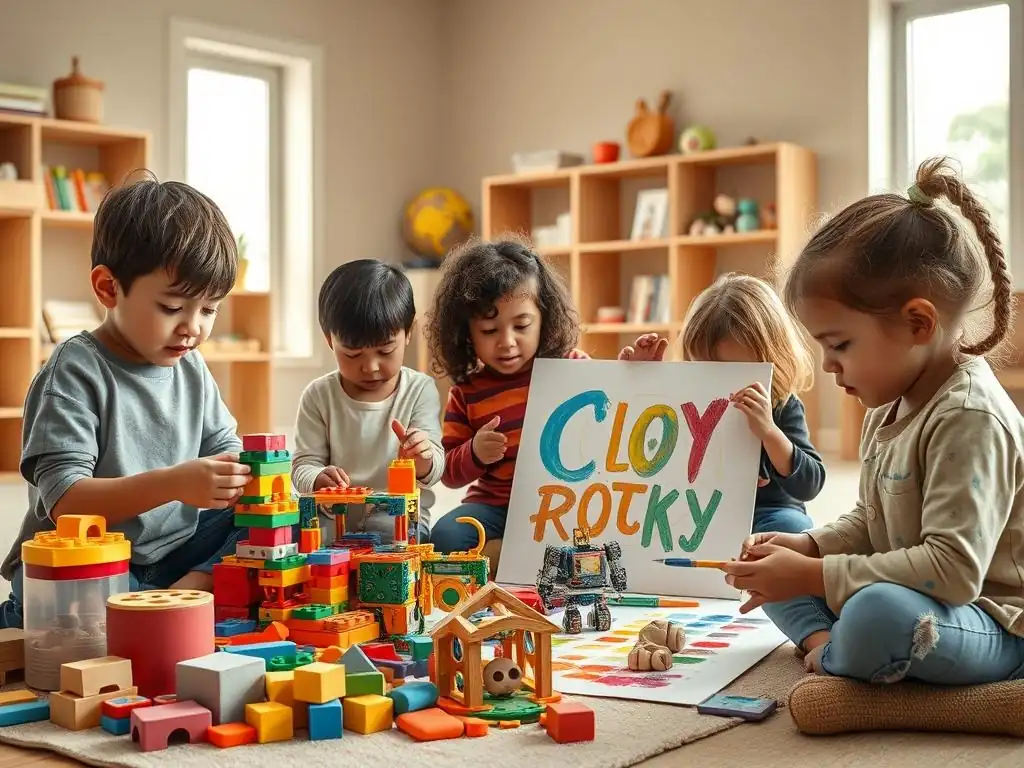
Welcome to Psychology Basics, your gateway to understanding the fascinating world of the human mind! Are you curious about how children's minds develop and how you can nurture their growth? Then delve into our latest article, “Imagination Unleashed: Creative Playthings for Budding Minds,” exploring the power of Psychology for kids activities. Discover engaging and insightful ways to stimulate young minds and unlock their full potential. Let's explore the exciting connection between play and psychological development – read on to uncover the secrets!
- Understanding the Importance of Play in Child Development: Psychology for Kids Activities
- Top Picks: Best Educational Toys for Child Development
- Integrating Psychology for Kids Activities into Playtime
- Conclusion: Investing in Creative Play for a Brighter Future
-
Frequently Asked Questions
- What age group are these activities best suited for?
- How do these activities promote psychological development?
- Are any special materials required for these activities?
- How can parents or educators incorporate these activities into a daily routine?
- What if a child struggles with a particular activity?
- Final Reflection: The Enduring Power of Play
- Ignite Creativity Today!
Understanding the Importance of Play in Child Development: Psychology for Kids Activities
Play isn't just fun; it's a cornerstone of healthy child development. For children, play is the primary means of learning and exploring the world around them. This article delves into the crucial role of imaginative play and creative toys in fostering cognitive, social-emotional, and physical growth in young children. We'll explore how engaging in playful activities directly impacts a child's intellectual abilities, emotional regulation, and social skills, all vital aspects of their overall well-being. Understanding the psychology behind play allows parents and educators to harness its power to nurture well-rounded, resilient individuals.
This guide provides practical insights and suggestions for selecting and utilizing educational toys and games to maximize their developmental benefits. We'll examine specific examples of how different types of play contribute to different aspects of a child's development, providing a comprehensive overview of "Psychology for kids activities". Let's unlock the potential of play! 🎉
Play is a powerful catalyst for cognitive development in children. Through imaginative scenarios and interactive games, children develop crucial problem-solving skills, enhance their memory, and improve their language abilities. For example, building a tower with blocks requires planning, spatial reasoning, and hand-eye coordination – all essential cognitive functions. Pretend play, where children take on different roles and create narratives, strengthens their language development and vocabulary. They learn to articulate their thoughts, negotiate with others, and express themselves creatively.
Furthermore, play significantly impacts social-emotional growth. Collaborative games teach children the importance of teamwork, cooperation, and compromise. They learn to share, take turns, and navigate social situations, developing crucial social skills. Engaging in pretend play allows children to explore different emotions and social roles, helping them understand and manage their feelings more effectively. For instance, playing doctor helps children understand empathy and caregiving, while playing house allows them to practice social interactions and conflict resolution. The emotional intelligence developed during play is a critical life skill.
The benefits extend beyond the immediate activity. Play builds resilience. When children face challenges during play, such as a collapsed tower or a disagreement with a playmate, they learn to cope with setbacks, develop persistence, and build self-efficacy. This ability to bounce back from adversity is crucial for their future success and well-being. The development of these cognitive and social-emotional skills is foundational for academic success and positive social relationships throughout life.
The Role of Creative Toys in Early Childhood Education
Creative toys are not mere entertainment; they are powerful tools for learning and development. They provide children with opportunities to express themselves, explore their creativity, and develop crucial skills. The selection of appropriate toys is vital. Toys that encourage open-ended play, allowing children to use them in various ways, are particularly beneficial. For example, building blocks can be used to construct towers, houses, or even abstract sculptures, fostering creativity and problem-solving. Art supplies, such as paints, clay, and crayons, allow children to express their emotions and ideas visually, promoting self-expression and fine motor skills development.
Furthermore, the choice of toys should consider the child's developmental stage. Simple toys with bright colors and different textures are ideal for infants, stimulating their senses and promoting motor development. As children grow older, more complex toys that challenge their cognitive abilities and encourage problem-solving are appropriate. Puzzles, construction sets, and board games are excellent examples of toys that promote cognitive development.
It's important to remember that the best toys are those that spark a child's imagination and encourage them to engage actively. This active engagement is key to maximizing the developmental benefits of play. The right toys can transform playtime into a powerful engine for learning and growth. Choosing wisely is crucial for nurturing a child's potential.
Top Picks: Best Educational Toys for Child Development

This section explores some of the best educational toys that foster cognitive, social-emotional, and physical development in children. We'll delve into specific examples, highlighting their unique contributions to a child's burgeoning mind. Remember, selecting the right toys is crucial for nurturing healthy psychological growth, aligning perfectly with the principles of psychology for kids activities.
Option 1: Building Blocks - The Foundation of Problem-Solving
Building blocks are more than just fun; they are powerful tools for developing crucial cognitive skills. From spatial reasoning and problem-solving to fine motor skills and creativity, blocks offer a multifaceted approach to learning. The act of constructing and deconstructing encourages experimentation, trial-and-error, and the development of perseverance – all vital aspects of healthy psychological development. This hands-on approach to learning makes it an ideal psychology for kids activities option.
LEGO Classic Bricks: Unleashing Spatial Reasoning Skills
LEGO Classic Bricks, with their simple yet versatile design, are a timeless classic. Children can build anything they can imagine, fostering creativity and problem-solving abilities. The process of planning a structure, assembling the pieces, and adapting the design as needed strengthens spatial reasoning skills—the ability to visualize objects in three dimensions. This translates to improved mathematical understanding and enhanced problem-solving skills in later life. The vast array of LEGO sets also caters to different age groups and interests, ensuring sustained engagement and learning.
Magna-Tiles: Exploring Geometry Through Play
Magna-Tiles offer a unique twist on traditional building blocks. Their magnetic properties allow for easy connection and detachment, facilitating intuitive exploration of geometric shapes and spatial relationships. Children can create two-dimensional and three-dimensional structures, learning about shapes, angles, and patterns in a playful manner. The vibrant colors and satisfying click of the tiles add an element of sensory engagement, making learning both fun and enriching. This activity directly supports early childhood development and fits perfectly within the scope of psychology for kids activities. Studies show that hands-on geometry activities like this improve spatial awareness and mathematical skills.
Option 2: Art Supplies - Cultivating Creative Expression
Art supplies provide an outlet for self-expression and emotional release. The process of creating art allows children to explore their feelings, develop fine motor skills, and boost their self-esteem. Choosing age-appropriate and safe materials is essential, and prioritizing washable options can minimize stress for parents. These activities are also invaluable for promoting healthy emotional development, a key aspect of psychology for kids activities.
Crayola Washable Markers: Safe and Vibrant Colors for Little Artists
Crayola Washable Markers are a staple for a reason. Their vibrant colors inspire creativity, while the "washable" feature provides peace of mind for parents. The act of coloring helps children develop fine motor control and hand-eye coordination, essential for writing and other dexterity-based tasks. The freedom to express themselves visually is also crucial for emotional development, allowing children to process their feelings and experiences.
Melissa & Doug Easel: A Space for Artistic Exploration
A Melissa & Doug easel provides a dedicated space for artistic exploration. The double-sided design allows for both chalk and paint activities, offering variety and extending the possibilities for creative expression. This dedicated space encourages focused attention and allows children to fully immerse themselves in their artistic endeavors. The easel's sturdy construction ensures durability, making it a worthwhile investment that can support a child's creative development for years. Providing children with such dedicated creative spaces enhances their self-esteem and contributes to their overall psychological well-being, reinforcing the value of these activities as important psychology for kids activities.
Pretend play is crucial for a child's social and emotional development. Through imaginative scenarios, children practice interacting with others, navigating different social situations, and understanding diverse perspectives. Play sets, particularly those focused on realistic scenarios like kitchens, doctor's offices, or shops, provide a structured environment for this crucial development.
The act of role-playing allows children to explore complex emotions like empathy, compassion, and frustration in a safe and controlled setting. They learn to negotiate, compromise, and resolve conflicts, all vital skills for navigating social interactions throughout life. Furthermore, pretend play helps children develop their communication skills, both verbal and non-verbal, as they learn to express themselves and interpret the actions and feelings of others within the context of their play.
The flexibility inherent in pretend play also allows for adaptation to the child's evolving interests and capabilities. For example, a simple kitchen set can become the scene for a restaurant, a bakery, or even a science lab depending on the child's imagination. This adaptability fosters creativity and problem-solving abilities.
KidKraft Kitchen Set: Fostering Imaginative Role-Play
The KidKraft Kitchen Set is a prime example of a toy that facilitates imaginative role-play. Its realistic design, complete with a working oven, refrigerator, and sink, encourages children to mimic everyday adult activities. Children can engage in pretend cooking, serving food, and cleaning up – all actions that promote a sense of responsibility and understanding of household routines. The set's interactive features encourage collaborative play, as children can take on different roles within the "kitchen" scenario, working together to prepare and serve meals.
This collaborative aspect is vital for developing teamwork and negotiation skills. The inclusion of various accessories, like pots, pans, and utensils, further enhances the immersive experience, stimulating creativity and allowing for a broader range of scenarios to unfold. Moreover, the durability of the KidKraft Kitchen Set ensures its longevity, providing a long-term resource for imaginative play and development.
Dress-Up Costumes: Exploring Different Identities and Perspectives
Dress-up costumes offer a unique avenue for children to explore different identities and perspectives. By embodying different characters – doctors, firefighters, princesses, or superheroes – children step outside their everyday selves and explore various roles and responsibilities. This exploration helps them understand different professions, societal expectations, and the complexities of human behavior.
Through role-playing, children develop their understanding of empathy by stepping into the shoes of others and experiencing the world from a different viewpoint. For instance, a child dressed as a doctor might demonstrate increased care and concern for their "patients," practicing empathy and compassion. The process of selecting costumes and creating their own narratives also stimulates creativity and language development.
They can narrate stories, invent dialogues, and engage in imaginative scenarios, all while enhancing their vocabulary and communication skills. Furthermore, dress-up play can be a valuable tool for self-expression and emotional regulation, allowing children to explore their feelings and anxieties in a safe and playful manner.
Option 4: Science and Discovery Kits - Sparking Curiosity and Inquiry
Science and discovery kits offer a fantastic way to nurture a child's natural curiosity and foster a love for learning. These kits provide hands-on experiences that bring scientific concepts to life, making learning engaging and fun. They encourage children to ask questions, conduct experiments, observe results, and draw conclusions – all key components of the scientific method.
Moreover, these kits often incorporate elements of problem-solving and critical thinking, as children are challenged to overcome obstacles and interpret their findings. The process of experimentation fosters resilience and perseverance, teaching children the importance of effort and persistence in the face of challenges. By actively participating in scientific exploration, children develop a deeper understanding of the world around them and cultivate a lifelong appreciation for science and its applications.
National Geographic Mega Crystal Growing Lab: An Engaging Hands-On Science Project
The National Geographic Mega Crystal Growing Lab provides a captivating introduction to the fascinating world of crystallography. Children can observe the mesmerizing process of crystal formation firsthand, fostering a sense of wonder and curiosity about scientific phenomena. The kit provides all the necessary materials and instructions for growing large, stunning crystals, guiding children through the scientific method in a clear and engaging manner.
This hands-on experience teaches children about chemical reactions, solubility, and crystallization, all in a fun and accessible format. The satisfaction of nurturing crystals from small seeds to impressive formations provides a sense of accomplishment and reinforces the importance of patience and observation in scientific pursuits. Additionally, the educational materials included with the kit often provide further insights into the science behind crystal growth, enriching the learning experience and encouraging further exploration.
Butterfly Growing Kit: A Real-Life Science Observation
A butterfly growing kit offers a unique and captivating opportunity to observe the miracle of metamorphosis firsthand. Children witness the transformation of a caterpillar into a chrysalis and finally into a beautiful butterfly, experiencing a real-life science lesson that is both awe-inspiring and educational. This process fosters patience and observation skills as children carefully monitor the development of the butterfly over several weeks. The kit provides a controlled environment for the butterfly's growth, ensuring its well-being and providing a safe and enriching learning experience.
Beyond the observation of metamorphosis, children also learn about the life cycle of butterflies, their habitats, and their role in the ecosystem. This experience promotes an appreciation for nature and the interconnectedness of living things, contributing to environmental awareness and responsibility. The release of the butterfly into its natural habitat provides a powerful and memorable conclusion, reinforcing the importance of conservation and environmental stewardship.
Integrating Psychology for Kids Activities into Playtime
This section explores how seemingly simple playtime activities can be powerful tools for fostering cognitive, emotional, and social development in children. We'll delve into strategies for parents and caregivers to leverage play as a vehicle for learning, aligning with key principles of child psychology. The goal isn't to turn playtime into a rigid lesson plan, but rather to subtly integrate educational elements that enhance a child's overall development. Think of it as enriching the play experience, not replacing it. Remember, the most effective "Psychology for kids activities" are those that are engaging and enjoyable for the child.
How to Guide Your Child's Play for Optimal Development
Guiding a child's play doesn't mean dictating every action. It's about offering gentle support and scaffolding to help them explore their potential. Here's a practical approach:
- Observe and Participate: Pay close attention to your child's play. What themes emerge? What challenges do they face? Join in the play, acting as a supportive partner rather than a director. This allows you to subtly introduce new concepts or problem-solving strategies. For example, if they're building a tower that keeps falling, you might gently suggest different building techniques or materials.
- Ask Open-Ended Questions: Instead of providing direct answers, ask questions that encourage critical thinking. "Why do you think the tower fell?" or "What could you do differently next time?" This fosters problem-solving skills and self-reflection.
- Provide a Variety of Stimuli: Offer a diverse range of toys and materials – blocks, art supplies, dolls, construction kits – to encourage creativity and exploration. This exposure to diverse stimuli helps children develop a wide range of skills and interests. Don't be afraid to introduce unconventional materials like cardboard boxes or natural elements like sticks and leaves!
- Embrace Imaginative Play: Imaginative play is crucial for developing social and emotional skills. Encourage your child to create stories, act out scenarios, and engage in role-playing. This allows them to process their emotions, explore different perspectives, and develop their communication skills.
- Focus on the Process, Not the Product: The goal isn't always to create a perfect masterpiece or win a game. The emphasis should be on the child's engagement, exploration, and enjoyment of the activity. Celebrate their effort and creativity, regardless of the outcome.
Many toys can indirectly teach crucial life skills. Consider these examples:
| Toy Type | Skill Development | Example |
|---|---|---|
| Building Blocks | Problem-solving, spatial reasoning, fine motor skills | Constructing a complex structure, following instructions |
| Dolls/Action Figures | Emotional understanding, empathy, social interaction | Role-playing scenarios, expressing emotions |
| Puzzles | Concentration, perseverance, problem-solving | Completing a challenging jigsaw puzzle |
| Board Games | Turn-taking, following rules, social interaction | Playing a cooperative board game |
For instance, playing a cooperative board game teaches children the importance of teamwork and sharing, directly impacting their social skills. Similarly, using dolls to act out different scenarios can help children understand and process complex emotions, improving their emotional regulation. This is a fantastic way to practice "Psychology for kids activities" in a fun and engaging way.
Understanding Age-Appropriate Activities for Different Developmental Stages
Age significantly impacts a child's cognitive and physical capabilities. Activities must be tailored to their developmental stage to be effective.
- Toddlers (1-3 years): Focus on simple activities that promote sensory exploration and motor skill development. Examples include stacking blocks, playing with textured toys, and engaging in simple pretend play.
- Preschoolers (3-5 years): Introduce more complex activities that encourage creativity, imagination, and social interaction. Examples include drawing, painting, playing with playdough, and engaging in group games.
- Early Elementary (5-8 years): Activities should challenge their cognitive abilities and encourage problem-solving skills. Examples include board games, puzzles, construction toys, and reading.
Choosing age-appropriate activities is vital for maximizing their impact. A challenging task can be frustrating for a younger child, while a too-easy activity might not stimulate an older child's development. Remember to adjust the complexity of the "Psychology for kids activities" to match your child's developmental stage for optimal results. This ensures that the play experience remains engaging and beneficial for their growth.
Conclusion: Investing in Creative Play for a Brighter Future
This exploration of creative playthings highlights the profound impact of imaginative activities on a child's cognitive, social-emotional, and overall development. We've seen how seemingly simple toys can unlock a world of learning opportunities, fostering crucial skills that extend far beyond the playtime itself. Investing in these experiences isn't just about providing entertainment; it's about nurturing the very foundations of a child's future success.
The benefits are multifaceted and long-lasting, shaping not only their academic potential but also their ability to navigate the complexities of social interaction and emotional regulation. By prioritizing creative play, parents and caregivers are empowering children to become confident, resilient, and adaptable individuals. Remember, psychology for kids activities isn't just about fun and games; it's about building a strong foundation for lifelong learning and well-being.
The cognitive benefits of imaginative play are undeniable. Children develop problem-solving skills as they construct narratives, build elaborate structures, and navigate imaginary scenarios. Their language skills flourish as they engage in role-playing and storytelling, expanding their vocabulary and improving communication abilities. Furthermore, creative play enhances memory and attention span, as children actively engage their minds to remember details and follow intricate plots.
The positive effects extend beyond the purely cognitive realm. Social-emotional development thrives in the context of play. Children learn to negotiate, compromise, and cooperate as they engage in group activities. They develop empathy and understanding by taking on different roles and perspectives in imaginative scenarios.
The ability to manage emotions is also honed as they encounter challenges and successes within their play. Studies show a strong correlation between early childhood play and later success in social interactions and emotional regulation, underscoring the importance of fostering these experiences from a young age. This makes psychology for kids activities a crucial aspect of holistic child development.
Choosing the Right Toys to Enhance Your Child's Learning Journey
Selecting appropriate toys is crucial to maximizing the benefits of creative play. The ideal plaything should stimulate imagination, encourage exploration, and offer opportunities for open-ended play. Avoid overly structured toys that limit creativity and provide a pre-defined outcome. Instead, opt for versatile items that can be adapted and repurposed in various ways. For example, a simple set of blocks can become a castle, a spaceship, or a towering skyscraper, depending on the child's imagination.
Similarly, art supplies such as crayons, paints, and clay provide limitless opportunities for self-expression and creative exploration. Consider the child's age and developmental stage when selecting toys. Younger children benefit from simple, manipulative toys that encourage sensory exploration, while older children can engage with more complex and challenging playthings. Remember, the best toys are those that spark joy, curiosity, and a desire to learn and explore.
Prioritizing quality over quantity is key, ensuring that each toy chosen offers a genuine opportunity for learning and growth. This careful selection process is a key aspect of effective psychology for kids activities. A well-chosen toy can be a powerful tool for nurturing creativity and fostering a lifelong love of learning. 🧸
Frequently Asked Questions
What age group are these activities best suited for?
These activities are designed for a broad range of ages, generally children aged 4-12, but can be adapted for younger or older children depending on their developmental stage and interests. Flexibility and adaptation are key.
How do these activities promote psychological development?
The activities encourage cognitive development through problem-solving and creativity, emotional development through self-expression, and social development through collaborative play (when applicable). They foster imagination and critical thinking.
Are any special materials required for these activities?
Most activities utilize readily available household items or inexpensive materials. Specific requirements vary depending on the chosen activity, but the focus is on accessible and affordable play.
How can parents or educators incorporate these activities into a daily routine?
These activities can be integrated into free playtime, incorporated into themed learning sessions, or used as rewards or incentives. Even short bursts of creative play can be beneficial.
What if a child struggles with a particular activity?
Don't force it! The goal is enjoyment and exploration. Try a different activity, offer gentle guidance, or modify the activity to better suit the child's abilities and interests. Focus on the process, not the product.
Final Reflection: The Enduring Power of Play
The imaginative worlds we build as children are not mere games; they are the foundational blocks of our cognitive, emotional, and social development. Understanding this crucial link between creative play and a child's well-being is more vital now than ever, in a world increasingly dominated by screens and structured activities. The potential for fostering healthy development through play is immense, and we are only beginning to fully grasp its profound impact.
The influence of imaginative play extends far beyond childhood, shaping our problem-solving skills, our capacity for empathy, and our ability to navigate the complexities of life. It's a cornerstone of human experience, a wellspring of innovation, and a vital tool for self-discovery. As the renowned psychologist, Lev Vygotsky, observed: Play is the highest form of research.
His words resonate deeply, highlighting the inherent exploratory nature of play and its crucial role in cognitive growth. The activities discussed in this article are not just fun; they are powerful tools for learning and development.
Consider the impact of these activities on your own child, or even on your own inner child. What sparks your imagination? What games or activities did you engage in that shaped who you are today? Embrace the power of play, not just as a pastime, but as a vital ingredient for nurturing healthy, creative, and resilient minds. Let's prioritize opportunities for unstructured, imaginative play, allowing children the freedom to explore, discover, and ultimately, to unleash the boundless potential within.
Ignite Creativity Today!
Thank you for exploring the world of creative play and imagination! You've taken the first step towards nurturing young minds. Now, let's put those insights into action.
Here are some exciting ways to get started:
- **Host a creative play day:** Organize a fun-filled afternoon with arts and crafts, storytelling, or imaginative role-playing to inspire children.
- **Share your ideas:** Start a conversation on social media or within your community about the importance of creative play. Use the hashtag **#ImaginationUnleashed** to inspire others!
- **Find new resources:** Explore local workshops, online platforms, or even parks that encourage imaginative play.
What unique activities or resources could unlock the creativity of young minds in your community? Let's discuss!