
ScreenFree Learning: Engaging Alternatives for Your Child

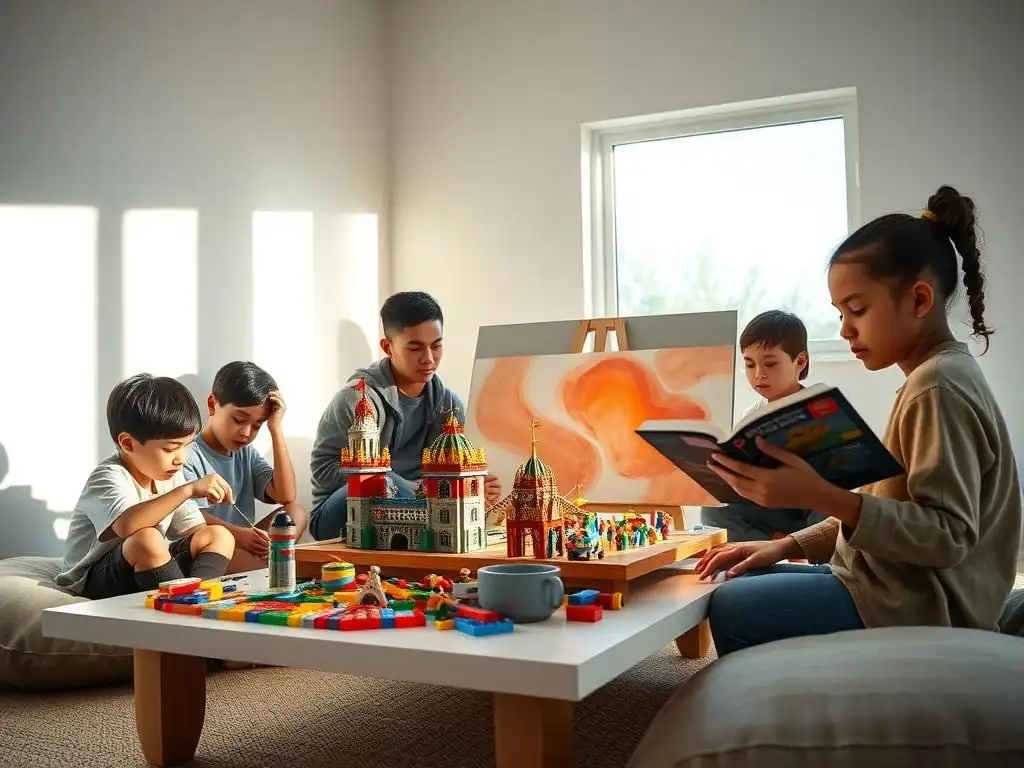
Unravel the fascinating world of child psychology! At Psychology Basics, we demystify complex concepts, making them accessible to everyone. Are you looking for engaging ways to foster your child's cognitive development without screen time? Our latest article on Psychology learning activities kids explores creative, screen-free alternatives that will captivate your little ones while boosting their learning. Discover the power of play and hands-on learning – dive in and unlock your child's potential!
In today's digital age, children are increasingly surrounded by screens. Smartphones, tablets, and televisions offer instant entertainment, but this constant exposure raises concerns about its impact on their development. This article explores the challenges of excessive screen time and offers practical, psychology-backed alternatives for parents seeking enriching screen-free learning experiences for their children.
We'll delve into the detrimental effects of over-reliance on screens, examining its influence on cognitive development, social skills, and overall well-being. Furthermore, we will present a range of engaging, screen-free activities designed to stimulate learning, creativity, and healthy development, all while promoting a balanced and enriching childhood. This guide aims to equip parents with the knowledge and tools to foster a healthy relationship with technology, prioritizing activities that nurture the holistic development of their children.
Ultimately, we aim to provide practical and effective strategies for parents interested in enriching their children's lives through psychology-informed, screen-free learning activities. This aligns with the broader goals of child psychology, focusing on creating a positive and stimulating environment for optimal growth.
The Challenge: Over-Reliance on Screens and its Impact on Child Development
The pervasive presence of screens in modern life presents a significant challenge to child development. Excessive screen time is linked to a multitude of negative consequences, impacting various aspects of a child's well-being. Studies show a correlation between increased screen time and attention deficits, sleep disturbances, and even behavioral problems. The passive nature of much screen-based entertainment can hinder the development of crucial skills like problem-solving and critical thinking.
Moreover, the constant stimulation provided by screens can lead to difficulties with self-regulation and emotional control. Children may struggle to focus on tasks requiring sustained attention, impacting academic performance and overall cognitive development. The immediate gratification offered by screens can also impact a child's ability to delay gratification and develop resilience. This lack of delayed gratification can affect their ability to manage frustration and persevere in the face of challenges.
Furthermore, excessive screen time can limit opportunities for physical activity, leading to potential health problems like obesity and a decrease in overall physical fitness. The impact on social skills is also significant; children may spend less time interacting with peers and family, hindering the development of essential social and emotional skills. The effects are far-reaching, affecting not just immediate behavior but also long-term cognitive, social, and emotional development. Understanding these challenges is the first step towards implementing effective solutions.
Understanding the Problem: Why Excessive Screen Time Affects Kids' Psychology
Excessive screen time negatively affects children's psychology in several key ways. Firstly, it can disrupt the development of crucial executive functions, such as attention, working memory, and inhibitory control. These functions are essential for learning, problem-solving, and self-regulation. Secondly, the constant exposure to fast-paced, visually stimulating content can overload the developing brain, leading to attention deficits and difficulties focusing on less stimulating tasks.
Thirdly, the lack of real-world social interaction associated with excessive screen time can hinder the development of empathy, social skills, and emotional intelligence. Children learn to navigate social situations and develop emotional regulation through face-to-face interactions, something that screens cannot fully replicate. Fourthly, the idealized and often unrealistic portrayals of life presented on screens can negatively impact a child's self-esteem and body image. Exposure to unrealistic beauty standards and social dynamics can lead to feelings of inadequacy and anxiety.
Finally, the addictive nature of some screen-based activities can lead to problematic usage patterns, impacting sleep, eating habits, and overall well-being. These psychological impacts highlight the importance of finding alternative, screen-free activities that promote healthy development. The consequences are profound and underscore the need for a balanced approach to technology use in childhood.
Solutions: Engaging Screen-Free Activities for Enhanced Child Development
Fortunately, there are numerous engaging and enriching screen-free activities that can promote healthy child development. These activities cater to different learning styles and interests, ensuring a diverse and stimulating learning experience. For example, creative activities such as drawing, painting, sculpting, and playing musical instruments foster imagination, self-expression, and fine motor skills. Outdoor play offers numerous physical and cognitive benefits. Activities like running, climbing, and playing team sports promote physical fitness, coordination, and social interaction.
Furthermore, outdoor play encourages exploration, problem-solving, and creativity. Reading remains a cornerstone of intellectual development, fostering vocabulary, comprehension, and imagination. Sharing stories and engaging in discussions about books encourages critical thinking and strengthens family bonds. Board games and puzzles offer opportunities for strategic thinking, problem-solving, and social interaction. These activities develop cognitive skills and teach children how to interact positively with others.
Finally, hands-on learning experiences such as cooking, gardening, and building projects encourage practical skills, problem-solving, and a sense of accomplishment. These varied activities provide a holistic approach to child development, promoting physical, cognitive, social, and emotional well-being. Implementing these strategies can create a positive learning environment that supports children's healthy growth and development. Remember, the goal is not to eliminate screens entirely, but to create a balance that prioritizes enriching, screen-free activities.
Sensory Play: Stimulating the Senses for Optimal Learning
Sensory play is crucial for a child's development, offering a powerful way to enhance learning and cognitive skills without screens. It involves activities that engage the five senses – sight, sound, smell, taste, and touch – fostering neurological pathways and promoting overall brain development. Think beyond simple toys; consider the richness of everyday materials. A bin filled with dried beans, rice, or pasta allows for tactile exploration and fine motor skill development.
Playing with playdough, finger paints, or even mud encourages creativity and sensory integration. The smells of spices in a sensory bottle or the sounds of different textured materials being manipulated can be incredibly stimulating. Remember safety is paramount; always supervise young children during sensory play and ensure materials are non-toxic and age-appropriate. The benefits extend beyond immediate engagement; sensory play can help children regulate their emotions, improve focus, and develop problem-solving skills.
For older children, incorporating elements of scientific observation, like exploring the properties of different liquids or solids, can seamlessly blend sensory exploration with early STEM learning. The possibilities are endless, limited only by imagination and a commitment to creating engaging, enriching experiences. Remember to document your child's sensory explorations; this can provide valuable insights into their preferences and learning styles.
Creative Arts and Crafts: Nurturing Imagination and Emotional Expression

Creative arts and crafts provide a fantastic avenue for children to express themselves, develop fine motor skills, and explore their imaginations. Activities like drawing, painting, sculpting with clay, or making collages offer a unique outlet for emotional expression, allowing children to process feelings and experiences in a non-verbal way. The act of creating something tangible boosts self-esteem and provides a sense of accomplishment. Consider the therapeutic benefits of art therapy, where the process of creation is as important as the final product.
The use of different mediums, from watercolors to crayons to recycled materials, expands creative possibilities and encourages experimentation. Storytelling through drawings or creating puppets from socks and buttons can stimulate language development and narrative skills. Remember to encourage free expression; avoid overly directing the child's artistic endeavors. Providing a variety of tools and materials allows for spontaneous exploration and self-discovery.
The focus should be on the process of creation, fostering creativity and self-expression rather than achieving a perfect outcome. This fosters a growth mindset, encouraging children to embrace experimentation and learn from mistakes. Furthermore, engaging in collaborative art projects can enhance social skills and teamwork. These activities are invaluable for holistic child development, nurturing their cognitive, emotional, and social well-being.
Active Play and Movement: Essential for Physical and Psychological Well-being
Active play is not just about physical fitness; it's profoundly linked to cognitive development and emotional well-being. Engaging in activities that require movement, coordination, and physical exertion significantly impacts a child's brain development. Games like tag, hide-and-seek, and obstacle courses promote gross motor skill development, coordination, and balance. Dancing, jumping, and other forms of free movement encourage creativity and self-expression. Outdoor play, particularly in natural settings, provides numerous benefits, exposing children to fresh air, sunlight, and opportunities for exploration.
Building forts, playing in sandboxes, or exploring a nearby park stimulates imagination and problem-solving skills. Team sports, even simple ones, teach cooperation, sportsmanship, and conflict resolution. The physical exertion releases endorphins, improving mood and reducing stress. Furthermore, active play contributes to healthy sleep patterns and reduces the risk of childhood obesity. It's important to encourage diverse forms of movement, catering to individual preferences and abilities.
Regular physical activity is vital for healthy psychological development, reducing anxiety and promoting a sense of well-being. Remember to prioritize safety and ensure age-appropriate activities are chosen. The positive impact of screen-free active play on a child's physical and mental health cannot be overstated. It's an investment in their overall development and future well-being.
Board games and puzzles offer a fantastic avenue for screen-free learning, subtly weaving in crucial developmental skills. These activities aren't just fun; they actively contribute to a child's cognitive growth and social development. For instance, games like chess or checkers demand strategic thinking, planning, and problem-solving abilities. The child learns to anticipate their opponent's moves, develop contingency plans, and adapt their strategy as the game unfolds.
This process significantly enhances their critical thinking and decision-making skills, crucial aspects of cognitive development. Furthermore, puzzles, ranging from simple jigsaw puzzles to more complex 3D puzzles, improve spatial reasoning, fine motor skills, and hand-eye coordination. A child meticulously piecing together a puzzle learns to identify patterns, visualize shapes, and persevere through challenges, building resilience and problem-solving confidence.
Beyond the individual cognitive benefits, board games and puzzles foster crucial social skills. Games often involve turn-taking, negotiation, and cooperation. Children learn to respect rules, manage their emotions during wins and losses, and interact positively with peers. This social interaction is vital for their emotional intelligence and ability to navigate social situations effectively. Consider the collaborative nature of many cooperative board games, where children must work together to achieve a common goal.
This teaches teamwork, communication, and empathy – skills that are invaluable throughout life. The choice of game should be age-appropriate, ensuring the complexity and rules are suitable for the child's developmental stage. Regular engagement with these activities can significantly contribute to a child's holistic development, making them well-rounded individuals equipped for the challenges of life. The positive social interactions and emotional regulation practiced during gameplay are key components of healthy social-emotional learning.
Storytelling and Reading: Fostering Language Development and Imagination
Storytelling and reading are fundamental to a child's cognitive and linguistic development, offering a rich, screen-free learning experience. Reading aloud to children, even from a young age, exposes them to a wide vocabulary, diverse sentence structures, and captivating narratives. This passive engagement fosters language acquisition, improving comprehension, vocabulary, and articulation.
Children begin to internalize the rhythm and flow of language, which lays a solid foundation for reading and writing skills later on. Furthermore, reading aloud provides an opportunity for interaction and discussion, allowing parents or caregivers to engage children in thoughtful conversations about the story's characters, plot, and themes. This strengthens their verbal communication skills and critical thinking abilities.
Beyond language development, storytelling and reading significantly enhance a child's imagination and creativity. Immersed in the world of the story, children develop their ability to visualize scenarios, empathize with characters, and explore different perspectives. This imaginative play is crucial for emotional development, helping children understand and process their own feelings and the feelings of others.
Engaging in creative storytelling themselves, either by making up their own stories or retelling familiar ones, strengthens their narrative skills, vocabulary, and expressive abilities. This active engagement fosters confidence and self-expression, crucial aspects of healthy emotional and social development. The benefits extend beyond the immediate experience; a love for reading cultivated in childhood can lead to a lifelong pursuit of knowledge and a richer understanding of the world around them.
Regularly incorporating storytelling and reading into a child's routine is an investment in their future success and well-being. The development of strong literacy skills is a cornerstone for success in many areas of life.
- The Challenge: Over-Reliance on Screens and its Impact on Child Development
- Understanding the Problem: Why Excessive Screen Time Affects Kids' Psychology
- Solutions: Engaging Screen-Free Activities for Enhanced Child Development
- Sensory Play: Stimulating the Senses for Optimal Learning
- Creative Arts and Crafts: Nurturing Imagination and Emotional Expression
- Active Play and Movement: Essential for Physical and Psychological Well-being
- Board Games and Puzzles: Enhancing Cognitive Skills and Social Interaction
- Storytelling and Reading: Fostering Language Development and Imagination
- What are some screen-free learning activities for kids that relate to psychology?
- How can I teach my child about emotions without using technology?
- Are there any simple psychology experiments I can do at home with my child?
- How can I make learning about the brain fun for my child?
- What are the benefits of screen-free psychology learning for kids?
Integrating Psychology Learning Activities for Kids into Daily Routines
This section focuses on seamlessly weaving psychology learning activities into a child's daily life, maximizing engagement and minimizing disruption. The key is to make learning fun and relevant, rather than a chore. We'll explore practical strategies to embed educational opportunities within existing routines. Successful integration hinges on understanding a child's developmental stage and tailoring activities accordingly. Remember, the goal is to foster a love of learning, not to create additional stress.
Creating a Balanced Approach: Combining Screen Time with Screen-Free Activities
Finding the right balance between screen time and screen-free activities is crucial for healthy child development. It's not about eliminating screens entirely, but about managing their use. Think of it as a nutritional approach: a balanced diet includes various food groups, and a balanced day includes both screen and screen-free activities. A complete avoidance of screens can sometimes be detrimental, especially considering the educational resources available online.
Instead of a complete ban, consider a structured approach:
- Designated Screen Time: Establish specific times for screen use, perhaps after completing homework or chores. This creates a sense of earned reward and helps manage expectations.
- Screen-Free Zones: Designate certain areas of the house, like the dining table or bedrooms, as screen-free zones. This encourages interaction and conversation during mealtimes and before bedtime.
- Alternative Activities: Always have a readily available alternative. If a child asks for screen time, suggest a screen-free activity first. This proactive approach avoids power struggles and promotes negotiation skills.
The following table provides a sample schedule illustrating this balanced approach:
| Time of Day | Activity | Screen Time? | Psychology Learning Activity? |
|---|---|---|---|
| 7:00 AM - 8:00 AM | Breakfast, getting ready for school | No | Conversation about the day ahead |
| 8:00 AM - 3:00 PM | School | No | Classroom learning, social interaction |
| 3:00 PM - 4:00 PM | Free play/Outdoor activity | No | Imaginative play, problem-solving |
| 4:00 PM - 5:00 PM | Homework | Limited | Focused learning, organizational skills |
| 5:00 PM - 6:00 PM | Dinner, family time | No | Sharing experiences, emotional expression |
| 6:00 PM - 7:00 PM | Designated screen time (30 minutes) | Yes | Educational apps or shows (carefully selected) |
| 7:00 PM - 8:00 PM | Reading, quiet activities | No | Language development, comprehension skills |
| 8:00 PM - 9:00 PM | Bedtime routine | No | Relaxation techniques, positive self-talk |
This is just a sample; adjust it to suit your child's age and needs. Remember flexibility is key!
Tips for Encouraging Screen-Free Play and Exploration
Encouraging screen-free activities requires creativity and a willingness to engage with your child. Here are some practical tips to foster a love for screen-free learning and exploration:
- Embrace imaginative play: Provide props like building blocks, dress-up clothes, or art supplies to stimulate creativity and storytelling. This fosters cognitive development and emotional expression.
- Outdoor adventures: Nature walks, trips to the park, or even backyard exploration offer opportunities for physical activity and sensory experiences. Observing nature encourages curiosity and scientific thinking.
- Board games and puzzles: These activities promote problem-solving skills, strategic thinking, and social interaction. They also offer opportunities for teaching turn-taking and managing frustration.
- Reading aloud: Reading together creates a bond and fosters a love of literature. Discuss the story, characters, and themes to enhance comprehension and critical thinking.
- Arts and crafts: Drawing, painting, sculpting, and other art forms encourage self-expression and fine motor skill development.
Remember to praise effort and participation, rather than focusing solely on outcomes. The process of learning is just as important as the result. Positive reinforcement fosters a growth mindset and encourages continued engagement in screen-free activities. 🎉
Long-Term Benefits of Screen-Free Learning: Fostering Healthy Child Development
Investing in screen-free learning yields significant long-term benefits for a child's development. These benefits extend beyond academic achievement and encompass crucial aspects of social, emotional, and physical well-being.
- Enhanced creativity and imagination: Screen-free activities encourage children to invent their own games, stories, and worlds, fostering creativity and problem-solving skills.
- Improved social skills: Interactive games, group activities, and collaborative projects promote social interaction, communication, and teamwork.
- Better focus and attention span: Engaging in activities that require sustained attention, like reading or building, helps develop concentration and focus.
- Increased physical activity: Screen-free activities often involve physical movement, contributing to a child's physical health and well-being.
- Stronger family bonds: Shared screen-free activities provide opportunities for family bonding and create lasting memories.
By prioritizing screen-free learning, you are investing in your child's holistic development, equipping them with the skills and resilience necessary to thrive in an increasingly complex world. The benefits are far-reaching and contribute significantly to building a well-rounded and happy individual. This approach aligns perfectly with the principles of positive psychology, focusing on building strengths and fostering a positive outlook on learning and life. 🧠
Frequently Asked Questions
What are some screen-free learning activities for kids that relate to psychology?
Many psychology learning activities can be done without screens! Try role-playing different emotions, playing memory games to boost cognitive skills, or discussing moral dilemmas to explore ethical development.
How can I teach my child about emotions without using technology?
Use emotion charts or picture books to identify and label feelings. Engage in imaginative play scenarios where children act out different emotions and discuss their experiences. Empathy-building exercises are also highly effective.
Are there any simple psychology experiments I can do at home with my child?
Yes! Conduct simple experiments on memory, like recalling a list of words. Explore perception with illusions or shape-sorting games. These activities are fun and teach basic psychological principles.
How can I make learning about the brain fun for my child?
Use hands-on activities like building a model of the brain with clay or drawing and labeling different parts. Read age-appropriate books about the brain and its functions, turning learning into a storytelling experience.
What are the benefits of screen-free psychology learning for kids?
Screen-free activities promote creative thinking, problem-solving skills, and social interaction. They also encourage active learning and reduce screen time, improving overall well-being and focus.
Final Reflection: Reclaiming Childhood in a Digital Age
The relentless march of technology has undeniably reshaped childhood, yet the fundamental need for unplugged, imaginative play remains paramount. We've explored numerous screen-free learning activities, highlighting their crucial role in fostering cognitive development, emotional intelligence, and social skills – skills often overlooked in the digital whirlwind. The benefits extend far beyond mere entertainment; they are essential for building well-rounded, resilient individuals.
The impact of screen-free learning extends beyond the individual child, shaping the very fabric of our society. By prioritizing hands-on activities and imaginative play, we cultivate a generation better equipped to navigate complex challenges and foster genuine human connection. As Neil Postman eloquently stated, Children who watch too much television are likely to be less imaginative, less creative, less able to concentrate, and less able to solve problems independently.
This observation rings truer than ever in our hyper-connected world, underscoring the urgency of reclaiming unstructured time for exploration and discovery.
Consider the power you hold in shaping your child's development. You are not merely providing activities; you are cultivating a love for learning, fostering creativity, and building a foundation for a lifetime of intellectual curiosity. Embrace the opportunity to engage in screen-free learning with your child – build forts, tell stories, explore nature, and watch as their imagination blossoms. The rewards are immeasurable, and the journey will be filled with joy and shared discovery.
Embrace Screen-Free Fun and Boost Your Child’s Learning Today!
Thank you for exploring screen-free learning alternatives for your child! You've discovered valuable insights that can transform their education and foster creativity and critical thinking. Let's put this knowledge into action:
- Start a weekly family game night. Choose engaging board games or puzzles that spark conversation and learning. For example, a game like Settlers of Catan encourages strategic thinking, while a collaborative puzzle builds teamwork skills.
- Embark on a nature scavenger hunt. Explore the outdoors together, fostering curiosity and a connection with the environment. Look for specific leaves, types of birds, or interesting rocks to make it more engaging.
- Join a local community group or library program. Connecting with others provides inspiration and access to enriching activities. Many libraries offer story time, craft sessions, or even book clubs suitable for children.
What creative, screen-free activities will you try to ignite your child's passion for learning? Share your thoughts and ideas below!