
The Relationship Between Moral Development and Emotional Intelligence


Dive into the fascinating world of Psychology Basics and unlock the secrets of the human mind! Are you curious about the intricate connection between moral development and emotional intelligence? This exploration into Developmental Psychology reveals surprising insights into how our capacity for empathy and ethical decision-making intertwine. Discover how understanding this relationship can profoundly impact your life – and prepare to be challenged by what you learn.
- Understanding Moral Development: A Foundation for Ethical Behavior
- Defining Emotional Intelligence: Beyond IQ
- The Interplay of Moral Development and Emotional Intelligence
- Moral Development and Emotional Intelligence in Education
- Measuring Moral Development and Emotional Intelligence
-
Future Research Directions: Exploring the Complexities of Moral Development and Emotional Intelligence
- Investigating the Longitudinal Relationship Between Moral Development and Emotional Intelligence
- Examining Cultural Influences on the Development of Moral Reasoning and Emotional Competence
- The Role of Neuroscience in Understanding the Neural Correlates of Moral Development and Emotional Intelligence
-
Frequently Asked Questions
- What is moral development?
- How does emotional intelligence relate to morality?
- Can you give an example of how emotional intelligence influences moral behavior?
- What are the stages of moral development, and how do they relate to emotional intelligence?
- How can we improve both moral development and emotional intelligence?
- Final Reflection: Weaving the Threads of Morality and Emotion
- Unlock Your Potential: Cultivate Moral Character and Emotional Intelligence
Understanding Moral Development: A Foundation for Ethical Behavior
Moral development, a cornerstone of developmental psychology, explores the evolution of an individual's ethical understanding and behavior from childhood to adulthood. It's a complex process shaped by a multitude of factors, including genetics, environment, and personal experiences. This journey isn't simply about learning right from wrong; it's about internalizing moral principles, developing a conscience, and ultimately, acting ethically in diverse situations.
Understanding moral development is crucial for fostering responsible citizens, building strong relationships, and creating a more just society. This article delves into the fascinating interplay between moral development and emotional intelligence, examining how these two crucial aspects of human development are interconnected and mutually influential. We will explore how the capacity for empathy and emotional regulation significantly impacts our moral reasoning and the subsequent actions we take, highlighting the importance of nurturing both moral development and emotional intelligence for a well-rounded and ethically responsible individual.
The relationship between these two concepts is far from superficial; it's a dynamic interplay that shapes our character and influences our behavior throughout our lives. Understanding this relationship allows us to better understand ourselves and others, paving the way for more ethical and compassionate interactions.
Kohlberg's Stages of Moral Reasoning and Their Implications
Lawrence Kohlberg's theory of moral development proposes a six-stage framework, progressing from a purely self-centered perspective to a focus on universal ethical principles. Kohlberg's stages are not merely age-related; rather, they represent a hierarchical progression in moral reasoning complexity.
Let's examine these stages:
- Level 1: Pre-conventional Morality: This level focuses on self-interest.
- Stage 1: Obedience and Punishment Orientation: Moral decisions are based on avoiding punishment. Right and wrong are defined by the consequences of actions.
- Stage 2: Individualism and Exchange: Actions are driven by self-interest and the expectation of reciprocity. "What's in it for me?" is a key motivator.
- Level 2: Conventional Morality: This level emphasizes social norms and expectations.
- Stage 3: Good Interpersonal Relationships: Moral decisions are guided by the desire to maintain social approval and avoid disapproval. Conformity is highly valued.
- Stage 4: Maintaining Social Order: Focus shifts to upholding laws and social order. Moral actions are those that contribute to societal stability.
- Level 3: Post-conventional Morality: This level transcends societal norms and emphasizes abstract ethical principles.
- Stage 5: Social Contract and Individual Rights: Moral decisions are based on upholding agreed-upon principles and protecting individual rights, even when those principles conflict with the law.
- Stage 6: Universal Ethical Principles: Moral decisions are guided by abstract, universal ethical principles such as justice, equality, and human dignity. These principles are considered to transcend societal norms.
Kohlberg's theory highlights the progressive development of moral reasoning. However, it's important to note that not everyone reaches the highest stages, and the process is often influenced by cultural and individual factors. The implications for emotional intelligence are significant; individuals at higher stages generally demonstrate greater empathy and self-awareness, crucial components of emotional intelligence.
The Role of Empathy in Moral Development
Empathy, the ability to understand and share the feelings of others, plays a pivotal role in moral development. Without empathy, it's difficult to internalize moral principles and act ethically. Children who lack empathy may struggle to understand the consequences of their actions on others, leading to difficulties in moral reasoning and behavior.
The development of empathy is a gradual process, influenced by both innate predispositions and environmental factors. Secure attachment relationships in early childhood, for example, are crucial for fostering empathy. Parents and caregivers who model empathetic behavior and provide opportunities for emotional understanding contribute significantly to a child's development of empathy.
Furthermore, the ability to regulate one's own emotions is essential for developing empathy. Individuals who struggle with emotional regulation may find it challenging to manage their emotional responses to others' distress, hindering their ability to connect with and understand others' feelings. This underscores the close relationship between emotional intelligence and moral development.
Moral Reasoning and Moral Action: Bridging the Gap
While moral reasoning is crucial, it's not sufficient for ethical behavior. The gap between moral reasoning and moral action is a significant area of research in moral psychology. A person may possess sophisticated moral reasoning abilities but still fail to act ethically in certain situations. This gap can be attributed to several factors, including:
- Cognitive biases: These are systematic errors in thinking that can influence moral judgment and behavior.
- Emotional factors: Strong emotions like anger or fear can override rational moral reasoning.
- Social pressure: Conformity to group norms can lead individuals to act against their own moral convictions.
- Situational factors: The specific circumstances of a situation can significantly influence behavior.
Bridging the gap between moral reasoning and moral action requires not only developing strong moral reasoning abilities but also cultivating emotional intelligence, particularly self-regulation and self-awareness. The ability to understand and manage one's emotions, as well as to recognize and respond to the emotions of others, is crucial for ethical decision-making and action. This highlights the importance of integrating moral education with emotional intelligence training to foster well-rounded ethical development.
Defining Emotional Intelligence: Beyond IQ

Emotional intelligence (EQ) is a multifaceted construct that goes beyond traditional measures of intelligence, such as IQ. While IQ focuses on cognitive abilities like problem-solving and logical reasoning, EQ centers on the ability to understand and manage one's own emotions, as well as the emotions of others. It's about recognizing emotional cues in oneself and others, responding appropriately, and using emotional information to guide thoughts and actions.
This capacity significantly impacts interpersonal relationships, navigating social situations, and achieving personal well-being. A high EQ isn't simply about being "nice"; it's about possessing a sophisticated understanding of the emotional landscape, both internally and externally. Think of it as the ability to navigate the complex world of human feelings with skill and sensitivity.
It's crucial to understand that EQ isn't a fixed trait; it's a skill that can be developed and refined throughout life. This malleability makes it a particularly compelling area of study, especially within the context of moral development.
Key Components of Emotional Intelligence: Self-Awareness, Self-Regulation, etc.
Several key components contribute to a person's overall emotional intelligence. These components often work in concert, influencing each other and shaping an individual's emotional landscape.
- Self-Awareness: This involves recognizing and understanding one's own emotions, strengths, weaknesses, drives, values, and how these impact others. Individuals high in self-awareness are attuned to their internal states and can accurately assess their emotional responses. For example, someone with high self-awareness might recognize they're feeling stressed before it escalates into anger.
- Self-Regulation: This is the ability to control or redirect disruptive impulses and moods. It involves managing one's emotional responses effectively, even under pressure. Someone with good self-regulation might pause before reacting to a frustrating situation, choosing a thoughtful response over an impulsive one.
- Motivation: This component refers to a passion to work for reasons that go beyond money or status; a propensity to pursue goals with energy and persistence. Highly motivated individuals often demonstrate resilience in the face of setbacks.
- Empathy: This involves understanding the emotional makeup of other people. It's about recognizing and sharing the feelings of others, showing compassion, and considering their perspectives. Empathy is a crucial component for building and maintaining positive relationships.
- Social Skills: This encompasses the ability to manage relationships, build networks, find common ground, and build rapport. Effective communication, active listening, and conflict resolution are all vital aspects of strong social skills.
The Development of Emotional Intelligence Across the Lifespan
The development of emotional intelligence is a dynamic process that unfolds throughout the lifespan. Early childhood experiences play a significant role in shaping emotional understanding and regulation. Secure attachment relationships, for instance, provide a strong foundation for developing emotional competence. As children grow, their interactions with peers and adults contribute to their understanding of social dynamics and emotional expression.
Adolescence brings about new challenges, requiring the development of more sophisticated emotional regulation strategies to navigate complex social situations and hormonal changes. Continued learning and self-reflection throughout adulthood further refine emotional intelligence, leading to greater self-awareness and improved interpersonal skills. While the foundation is laid in early years, the capacity for growth and development persists throughout life, highlighting the potential for ongoing improvement in emotional intelligence. This continuous development is inextricably linked to moral development, as emotional understanding informs ethical decision-making.
Emotional intelligence is strongly linked to the development of positive social skills. Individuals with high EQ are better equipped to navigate social interactions, build strong relationships, and resolve conflicts constructively. Their understanding of emotions allows them to empathize with others, communicate effectively, and foster collaboration.
For example, someone with high emotional intelligence would be more likely to understand the underlying emotions driving a conflict and find a solution that addresses everyone's needs. Conversely, individuals with low EQ might struggle with empathy, leading to misinterpretations and damaged relationships. The ability to manage one's own emotions is also crucial for maintaining positive relationships.
By regulating impulses and responding thoughtfully, individuals with high EQ create a more positive and supportive environment for themselves and others. This ability to build and maintain healthy relationships is a significant factor in promoting both personal well-being and prosocial behavior, demonstrating the crucial interplay between emotional intelligence and moral development. The cultivation of strong social skills, informed by a high EQ, is vital for navigating the complexities of human interaction and fostering ethical conduct.
The Interplay of Moral Development and Emotional Intelligence
This section delves into the intricate relationship between moral development and emotional intelligence (EI), exploring how these two crucial aspects of human development intertwine and influence each other. We will examine how EI acts as a catalyst for moral growth, facilitating the understanding and application of ethical principles. The research consistently demonstrates a strong correlation between higher levels of EI and more advanced stages of moral reasoning.
This isn't simply a correlation; the mechanisms by which EI supports moral development are multifaceted and deserve close examination. Understanding this dynamic is key to fostering ethical behavior and promoting positive social interactions. We'll unpack this interplay through specific examples, highlighting the pivotal role of empathy, perspective-taking, and self-regulation in shaping moral character.
Emotional Intelligence as a Facilitator of Moral Development
Emotional intelligence, encompassing self-awareness, self-regulation, social awareness, and relationship management, significantly influences moral development. Individuals with high EI are better equipped to understand their own emotions and those of others. This self-awareness is foundational to ethical decision-making. For instance, recognizing feelings of guilt or shame after an unethical action can serve as a powerful internal regulator, prompting reflection and a commitment to future ethical conduct.
Furthermore, individuals with strong self-regulation skills are better able to control impulsive behaviors that might lead to moral transgressions. They can resist the temptation to act selfishly, even when faced with immediate gratification, choosing instead to adhere to their moral compass. This ability to delay gratification and prioritize long-term ethical considerations is a hallmark of mature moral development. Studies have shown a positive correlation between self-regulation skills and prosocial behavior, demonstrating the tangible impact of EI on moral action.
Consider this scenario: Two children are playing with a toy. One child, possessing higher emotional intelligence, recognizes the other child's distress at losing the toy and chooses to share, demonstrating empathy and moral reasoning. A child with lower emotional intelligence might simply continue playing, demonstrating a lack of social awareness and empathy. This simple example illustrates the profound influence of EI on moral choices, even at a young age. Developing emotional intelligence in children through education and nurturing is therefore crucial for fostering their moral growth.
How Empathy and Perspective-Taking Enhance Moral Reasoning
Empathy, a cornerstone of emotional intelligence, plays a critical role in moral development by enabling individuals to understand and share the feelings of others. This ability to "walk in another's shoes" is essential for developing a sense of fairness, compassion, and justice. Perspective-taking, a closely related skill, allows individuals to consider situations from multiple viewpoints, fostering a more nuanced understanding of ethical dilemmas. Without empathy and perspective-taking, moral reasoning can become simplistic and self-centered, leading to decisions that prioritize personal gain over the well-being of others.
The development of empathy and perspective-taking is often linked to cognitive development, but emotional intelligence provides the crucial emotional component. Children with well-developed emotional intelligence are more likely to demonstrate empathy and perspective-taking, leading to more sophisticated moral reasoning. For example, a child who understands the feelings of sadness experienced by a friend who has lost a pet is more likely to offer comfort and support, demonstrating a higher level of moral development than a child who remains indifferent.
This highlights the interconnected nature of cognitive and emotional factors in shaping moral behavior. Furthermore, research suggests that interventions aimed at improving emotional intelligence, particularly empathy training, can lead to significant improvements in prosocial behavior and moral reasoning abilities.
The Impact of Self-Regulation on Ethical Decision-Making
Self-regulation, the ability to manage one's emotions and impulses, is another crucial component of emotional intelligence that directly impacts ethical decision-making. In challenging situations, individuals with strong self-regulation skills are less likely to succumb to emotional biases or impulsive reactions that could lead to unethical choices. They can pause, reflect on the situation, consider the potential consequences of their actions, and choose a course of action that aligns with their moral values. This ability to control one's impulses and resist immediate gratification is crucial for long-term ethical conduct.
For example, consider a situation where an individual is tempted to cheat on an exam. An individual with high self-regulation might recognize the temptation but resist it, choosing instead to study and demonstrate their knowledge honestly. Conversely, an individual with poor self-regulation might succumb to the temptation, prioritizing immediate personal gain over long-term ethical considerations.
This example demonstrates how self-regulation acts as a crucial buffer against unethical behavior, promoting integrity and moral consistency. Developing strong self-regulation skills is, therefore, essential for cultivating ethical decision-making and fostering a strong moral character. The cultivation of self-regulation is a continuous process that requires practice and self-reflection, ultimately contributing significantly to moral development and emotional intelligence.
Moral Development and Emotional Intelligence in Education
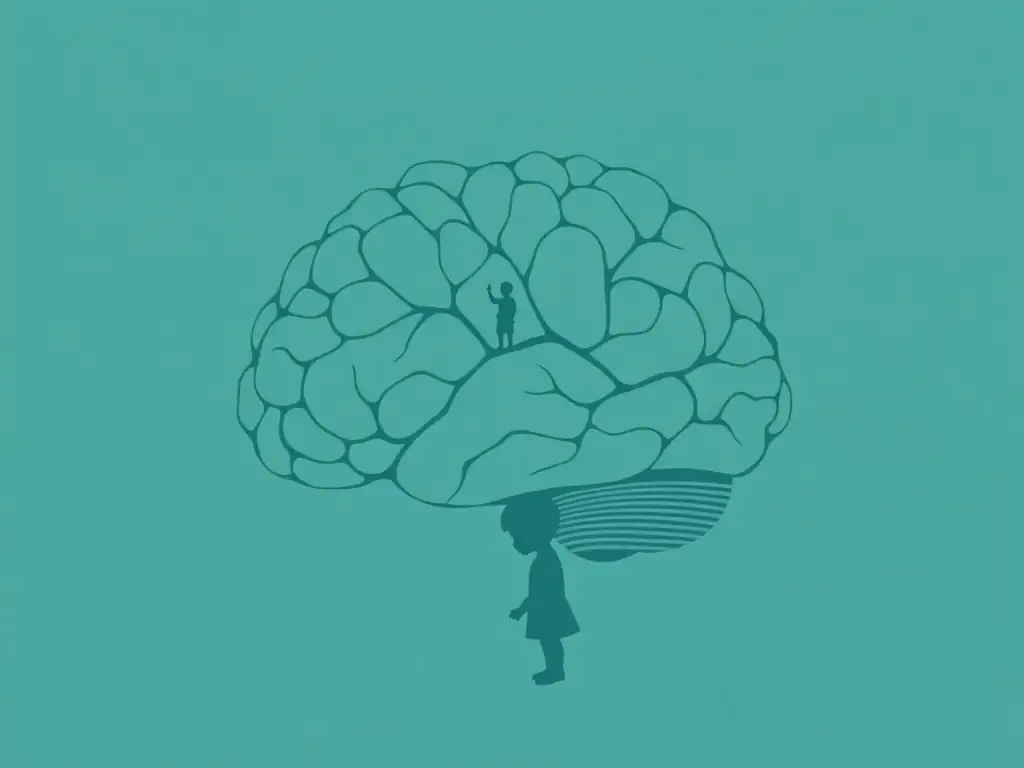
This section explores the crucial interplay between moral development and emotional intelligence within educational settings. We'll examine how fostering emotional intelligence can significantly enhance moral reasoning and ethical behavior in students, ultimately contributing to a more compassionate and responsible society. Understanding this relationship is vital for educators seeking to cultivate well-rounded individuals equipped to navigate the complexities of life. The synergistic relationship between moral development and emotional intelligence offers a powerful framework for shaping positive character development in young people. This is particularly important given the increasing demands of a globalized and interconnected world.
Cultivating Emotional Intelligence in Children and Adolescents
Cultivating emotional intelligence (EQ) in children and adolescents is paramount for their moral development. EQ encompasses self-awareness, self-regulation, social awareness, and relationship management. These skills are not innate; they require nurturing and deliberate practice. For example, teaching children to identify and label their emotions—anger, sadness, joy—is a foundational step. This self-awareness lays the groundwork for self-regulation, the ability to manage intense emotions constructively. Activities like mindfulness exercises, journaling, and role-playing scenarios can effectively support this development.
Furthermore, fostering social awareness involves teaching empathy and perspective-taking. Discussions about different viewpoints, engaging in community service, and exploring diverse literature can enhance a child's understanding of others' feelings and experiences. This understanding is crucial for developing prosocial behavior and moral decision-making.
Research consistently demonstrates a strong correlation between higher levels of emotional intelligence and increased prosocial behavior, including acts of kindness, altruism, and cooperation. A study by [specific information pending] highlighted the positive impact of EQ training on children's empathy scores. The results indicated a statistically significant increase in empathy levels among participants who underwent a structured EQ program compared to a control group.
Finally, relationship management involves effective communication, conflict resolution, and building positive relationships. Schools can facilitate this by implementing conflict resolution programs, promoting collaborative learning activities, and encouraging positive peer interactions. The development of strong social skills is closely linked to moral development, as individuals with well-developed social skills are better equipped to navigate social dilemmas and make ethical choices in interpersonal contexts. The ability to understand and manage emotions within relationships is a key component of moral maturity.
Integrating Moral Education with Emotional Intelligence Training
Integrating moral education with emotional intelligence training creates a powerful synergy, enhancing the effectiveness of both. A holistic approach, rather than treating them as separate entities, is essential. For instance, moral dilemmas can be used as learning tools to develop both moral reasoning and emotional regulation. Consider a scenario where a student witnesses a classmate cheating. Instead of simply lecturing on honesty, educators can facilitate a discussion exploring the emotional impact on both the cheater and the witness. This approach encourages students to consider the emotional consequences of their actions, deepening their understanding of ethical principles.
Moreover, incorporating activities that promote self-reflection and empathy can further strengthen this integration. Journaling prompts focusing on ethical decisions, discussions about moral exemplars, and service-learning projects all contribute to a richer and more meaningful learning experience. By connecting moral education with the emotional realm, students can develop a deeper understanding of the human experience and its ethical dimensions.
This integrated approach moves beyond rote memorization of moral rules and fosters a genuine commitment to ethical behavior. The integration of these two vital areas in education is not merely additive; it's multiplicative. The combined effect is far greater than the sum of its parts.
The Role of Educators in Fostering Ethical Behavior and Emotional Maturity
Educators play a pivotal role in fostering ethical behavior and emotional maturity in students. They are not only transmitters of knowledge but also role models, shaping the moral and emotional landscape of the classroom. Creating a supportive and emotionally safe classroom environment is crucial. This involves establishing clear expectations for behavior, promoting respectful communication, and responding empathetically to students' emotional needs. A teacher who demonstrates emotional intelligence themselves serves as a powerful role model, influencing students' own emotional development.
Furthermore, educators need to be equipped with the knowledge and skills to effectively teach both moral development and emotional intelligence. Professional development opportunities focused on these areas are essential for empowering educators to create effective learning environments. This includes training in strategies for fostering empathy, managing conflict, and promoting self-regulation.
By providing educators with the tools and resources they need, educational institutions can significantly impact the moral and emotional development of their students. Investing in teacher training in this area is an investment in the future, contributing to a more ethical and emotionally intelligent generation. The long-term benefits of this investment extend far beyond the classroom, shaping individuals who are better equipped to navigate the complexities of life and contribute positively to society.
Measuring Moral Development and Emotional Intelligence

This section delves into the practical aspects of assessing moral development and emotional intelligence, two intertwined yet distinct constructs. Accurately measuring these complex aspects of human psychology presents unique challenges, demanding sophisticated and nuanced methodologies. Understanding these assessment methods and their limitations is crucial for researchers and practitioners alike seeking to understand the relationship between moral development and emotional intelligence.
Assessment Tools for Moral Reasoning and Emotional Competence
Measuring moral development and emotional intelligence requires a multi-faceted approach, drawing upon a variety of established assessment tools. No single test perfectly captures the richness and complexity of these constructs, highlighting the importance of using a combination of methods for a comprehensive evaluation.
For moral reasoning, several prominent instruments exist. The most widely recognized is Kohlberg's Stages of Moral Development, often assessed through hypothetical moral dilemmas presented in interviews or questionnaires. Participants' responses are then categorized into various stages, reflecting the underlying reasoning behind their judgments. While influential, Kohlberg's model has faced criticism for its potential bias towards Western, male perspectives and its limited consideration of emotional factors in moral decision-making. Other approaches, such as the Defining Issues Test (DIT), attempt to refine this assessment by focusing on the relative importance individuals place on different moral principles.
Assessing emotional competence, on the other hand, often relies on self-report questionnaires, behavioral observations, and physiological measures. Self-report questionnaires, such as the Mayer-Salovey-Caruso Emotional Intelligence Test (MSCEIT), assess individuals' ability to perceive, understand, use, and manage emotions. These questionnaires typically include items related to emotional awareness, emotional regulation, and the use of emotions in problem-solving.
However, self-report measures are susceptible to response bias, and might not accurately reflect actual emotional behavior. Therefore, researchers often supplement self-report data with behavioral observations, such as coding emotional expressions during social interactions, or physiological measures, including heart rate variability or skin conductance, which can provide objective indicators of emotional arousal. The combination of these methods offers a more robust and nuanced understanding of emotional competence.
For example, observing a child's response to a peer's distress, while simultaneously measuring their physiological arousal, can provide valuable insights into their capacity for empathy and emotional regulation. The integration of multiple assessment methods is key to a more complete understanding of the complex interplay between moral judgment and emotional regulation.
Challenges in Measuring Complex Psychological Constructs
Measuring moral development and emotional intelligence is not without its challenges. These constructs are multifaceted and influenced by a range of factors, including cultural background, personal experiences, and developmental stage. This complexity makes precise quantification difficult.
One major challenge lies in the subjectivity inherent in assessing moral reasoning. What constitutes a "moral" decision can vary significantly across cultures and individuals. Furthermore, the interpretation of responses to moral dilemmas can be influenced by the researcher's own biases. This subjectivity necessitates rigorous training and standardized scoring procedures to minimize bias and improve the reliability of assessments.
Another significant challenge is the difficulty in isolating the constructs. Moral development and emotional intelligence are not independent entities; they are deeply intertwined and influence each other reciprocally. This interconnectedness makes it challenging to disentangle their respective contributions to behavior. A person's moral reasoning might significantly impact their emotional responses in a moral dilemma, and vice versa.
Consequently, disentangling these interwoven aspects requires sophisticated statistical techniques and careful consideration of the interplay between these constructs. Further research is needed to develop more refined measurement tools that account for these complexities and provide a clearer understanding of their dynamic relationship. Moreover, longitudinal studies are crucial to track the development of both constructs over time and to analyze how they influence each other across different developmental stages.
The development of more comprehensive and culturally sensitive assessment tools remains a crucial area for future research, particularly those that can accurately capture the dynamic interplay between moral reasoning and emotional competence across diverse populations and contexts. The ultimate goal is to develop a clearer, more nuanced understanding of the relationship between moral development and emotional intelligence, which will lead to more effective interventions and educational strategies.
Future Research Directions: Exploring the Complexities of Moral Development and Emotional Intelligence
The relationship between moral development and emotional intelligence, while increasingly understood, still presents numerous avenues for future research. A deeper exploration of this intricate interplay is crucial for developing effective interventions aimed at fostering both moral reasoning and emotional competence. Further investigation is needed to unravel the complexities and nuances of this dynamic relationship, moving beyond correlational studies to explore causal mechanisms. This section outlines key areas ripe for future research endeavors.
Investigating the Longitudinal Relationship Between Moral Development and Emotional Intelligence
Understanding the longitudinal trajectory of moral development and emotional intelligence is paramount. Cross-sectional studies provide valuable snapshots, but they cannot fully capture the dynamic interplay between these constructs over time. Longitudinal studies, tracking individuals from childhood to adulthood, are needed to answer crucial questions. For example: Does higher emotional intelligence in childhood predict greater moral development in adolescence and adulthood?
Conversely, does a strong moral compass early in life contribute to the development of sophisticated emotional intelligence later on? Such research could reveal critical developmental periods where interventions might be most effective. Furthermore, examining potential mediating and moderating variables – such as parenting styles, peer influence, and significant life events – will refine our understanding of this complex developmental process.
Analyzing data across different age groups will also allow researchers to identify potential developmental milestones and trajectories, informing the design of targeted interventions. The use of advanced statistical techniques, such as growth curve modeling, will be essential in analyzing the longitudinal data to effectively model the dynamic interplay between these two constructs. This detailed longitudinal analysis will provide a more nuanced understanding of the interplay between moral development and emotional intelligence across the lifespan.
Examining Cultural Influences on the Development of Moral Reasoning and Emotional Competence
Moral development and emotional intelligence are not solely shaped by individual factors; they are deeply intertwined with cultural contexts. Cultural norms, values, and practices significantly influence how individuals develop their moral reasoning and emotional skills. Future research should explore the diverse ways in which different cultures shape these constructs.
For instance, collectivist cultures may prioritize empathy and social harmony, potentially leading to different expressions of both moral reasoning and emotional intelligence compared to individualistic cultures that emphasize self-reliance and personal achievement. Comparative studies across diverse cultural groups are needed to identify both universal aspects and cultural variations in the development of moral reasoning and emotional competence.
This research should also examine how cultural factors interact with individual differences, leading to a more comprehensive understanding of the complex interplay between culture, individual personality, and the development of both moral reasoning and emotional intelligence. Qualitative methods, such as ethnographic studies and interviews, could provide rich insights into the cultural influences on these constructs, supplementing quantitative data from large-scale surveys.
The Role of Neuroscience in Understanding the Neural Correlates of Moral Development and Emotional Intelligence
Neuroscience offers a powerful lens through which to examine the biological underpinnings of moral development and emotional intelligence. Utilizing neuroimaging techniques (such as fMRI and EEG), researchers can investigate the neural correlates of moral decision-making and emotional processing. This research can identify brain regions and networks involved in these processes, providing a deeper understanding of the neural mechanisms underlying the relationship between these two constructs.
For example, studies could explore the interplay between the prefrontal cortex (associated with executive functions and moral reasoning) and the amygdala (involved in emotional processing). Furthermore, investigating the impact of factors such as genetics and early childhood experiences on brain development and its relationship to moral development and emotional intelligence could shed light on the biological bases of individual differences.
This research will not only enhance our understanding of the neurological foundations of moral development and emotional intelligence but also inform the development of targeted interventions aimed at improving these capacities, particularly in individuals with neurological differences or deficits. The integration of neuroscientific findings with psychological theories will provide a more complete and nuanced understanding of this complex relationship.
Frequently Asked Questions
What is moral development?
Moral development refers to the gradual process by which individuals learn to distinguish between right and wrong, developing their own ethical principles and values. It's influenced by factors like socialization, cognitive growth, and personal experiences.
How does emotional intelligence relate to morality?
Emotional intelligence significantly impacts moral development. Understanding and managing one's own emotions, as well as empathizing with others, are crucial for making ethical decisions and behaving morally.
Can you give an example of how emotional intelligence influences moral behavior?
Someone with high emotional intelligence might better understand the impact of their actions on others, leading them to choose a more compassionate and ethical response in a moral dilemma, even when it's difficult.
What are the stages of moral development, and how do they relate to emotional intelligence?
Several theories outline stages of moral development (e.g., Kohlberg's stages). Higher stages, characterized by abstract reasoning and universal ethical principles, often correlate with greater emotional intelligence and empathy.
How can we improve both moral development and emotional intelligence?
Improving both requires self-reflection, empathy training, and exposure to diverse perspectives. Developing emotional regulation skills and practicing ethical decision-making are key aspects of this process.
Final Reflection: Weaving the Threads of Morality and Emotion
The interwoven tapestry of moral development and emotional intelligence is not merely an academic pursuit; it's the very fabric of a thriving, compassionate society. Understanding this intricate relationship is more crucial now than ever, as we navigate an increasingly complex world demanding empathy, ethical decision-making, and responsible action. The implications of neglecting this connection are far-reaching, impacting everything from individual well-being to global stability.
The journey of exploring the link between moral reasoning and emotional understanding has been profoundly impactful, revealing the subtle yet powerful ways in which our feelings shape our values and vice versa. This exploration underscores the importance of cultivating both aspects for personal growth and societal progress. Intelligence without character is a dangerous thing,
warned Theodore Roosevelt, a sentiment that resonates deeply as we consider the ethical dilemmas facing individuals and institutions alike. The lack of emotional intelligence can hinder the application of even the most sophisticated moral frameworks, leading to unintended consequences and broken trust.
Consider the implications of this connection in your own life. How have your emotions influenced your moral choices? How has your moral compass guided your emotional responses? Take a moment to reflect on this interplay, and actively cultivate both your emotional intelligence and your moral reasoning. By nurturing these interconnected aspects of your being, you contribute not only to your personal fulfillment but also to the creation of a more just and compassionate world. The journey towards ethical excellence is a continuous process of self-awareness, learning, and growth – a journey well worth undertaking.
Unlock Your Potential: Cultivate Moral Character and Emotional Intelligence
This exploration delves into the powerful connection between moral development and emotional intelligence. Understanding this link is a crucial step towards personal growth and stronger relationships. Now, let's put that knowledge to work!
Here are some practical steps to enhance your moral compass and emotional intelligence:
- **Practice Self-Reflection:** Regularly dedicate time to reflect on your decisions and the emotions driving them. Journaling can be a powerful tool for understanding your values and emotional responses.
- **Seek Constructive Feedback:** Ask trusted friends, family, or colleagues for their perspective on how you handle situations emotionally. Their insights can illuminate areas for improvement and personal growth.
- **Engage in Meaningful Service:** Volunteering for a cause you believe in is a rewarding way to strengthen your moral character. Consider joining a local charity or initiating a community project.
As you begin this journey of self-improvement, consider this: **How can you integrate daily practices that nurture both your moral values and emotional awareness? ** Share your thoughts and experiences in the comments below!