
The Enduring Questions of Psychology: Seeking Answers to the Human Condition

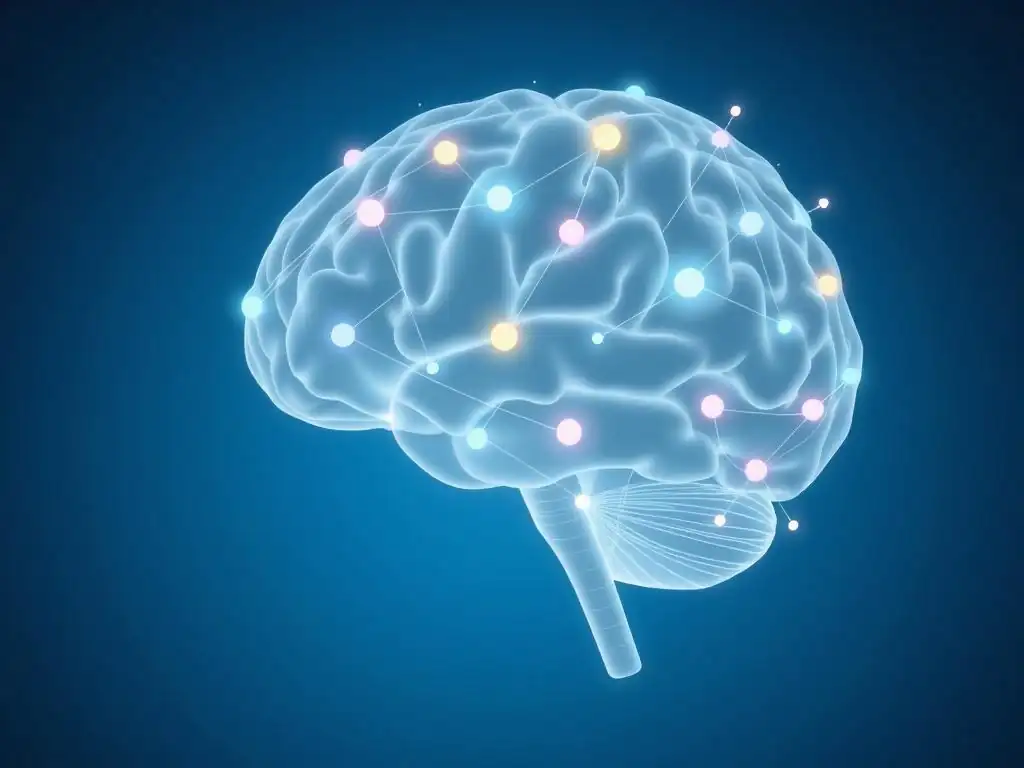
Welcome to Psychology Basics, your gateway to understanding the fascinating world of the human mind. Are you curious about the basic psychology key concepts that shape our thoughts, feelings, and behaviors? This site is designed to provide clear and engaging explanations of core psychological principles, answering enduring questions about what it means to be human. Dive in and explore the mysteries of the mind – we promise, the journey is both enlightening and surprisingly captivating.
- Understanding Basic Psychological Concepts: A Foundation
- Exploring Fundamental Questions in Psychology
- The Social Aspect of Psychology: Interactions and Influence
- Applying Psychological Principles: Practical Applications
-
Frequently Asked Questions
- What are some of the basic psychology key concepts covered in this article?
- How does the article relate to the human condition?
- Is this article suitable for beginners in psychology?
- What are some of the enduring questions addressed in the article?
- Where can I find more information on these basic psychology key concepts?
- Final Reflection: Echoes of the Mind, Whispers of the Future
- **Embrace Your Curiosity and Deepen Your Understanding! **
Understanding Basic Psychological Concepts: A Foundation
Psychology, the scientific study of the mind and behavior, delves into the fascinating complexities of the human experience. This exploration seeks to answer enduring questions about what makes us tick: Why do we think, feel, and act the way we do? How do our minds develop from infancy to adulthood? What factors contribute to mental health and illness?
This article serves as an introduction to basic psychology key concepts, providing a foundational understanding of the field's scope, core principles, and the scientific methods used to investigate the human condition. We'll unravel some of psychology's enduring questions, examining the diverse approaches and key theories that shape our understanding of the mind and behavior. Understanding these foundational elements is crucial for anyone seeking to grasp the intricacies of human psychology and its profound impact on our lives. Prepare to embark on a journey into the fascinating world of the mind!
Defining Psychology: Scope and Approaches
Psychology is far more than just common sense or armchair speculation. It's a rigorous scientific discipline employing various approaches to understand the complexities of human behavior and mental processes. The scope of psychology is incredibly broad, encompassing a wide array of topics including:
- Cognitive Psychology: The study of mental processes such as attention, memory, language, and problem-solving. This area explores how we acquire, process, and utilize information.
- Developmental Psychology: Examines the changes in human behavior and mental processes across the lifespan, from infancy to old age. It tracks the progression of cognitive, social, emotional, and physical development.
- Social Psychology: Focuses on how individuals' thoughts, feelings, and behaviors are influenced by the presence of others, real or imagined. It explores topics like conformity, prejudice, and aggression.
- Clinical Psychology: Concerned with the assessment, diagnosis, treatment, and prevention of mental disorders. This area plays a vital role in improving mental health and well-being.
- Biological Psychology: Investigates the biological bases of behavior, exploring the intricate relationship between the brain, nervous system, and behavior. This includes studying neurotransmitters and their impact on our actions and emotions.
These are just a few of the many subfields within psychology. Each utilizes different methodologies, from experiments and observations to clinical assessments and case studies, to uncover the underlying principles governing human behavior. Understanding these diverse approaches is key to appreciating the multifaceted nature of this field.
Core Principles of Psychology: Key Concepts
Several core principles underpin the study of basic psychology. These concepts provide a framework for understanding the complexities of human behavior and mental processes. Key among these are:
- Nature vs. Nurture: The ongoing debate about the relative contributions of genetics (nature) and environment (nurture) in shaping human traits and behaviors. Research consistently shows a complex interplay between both.
- Evolutionary Psychology: This perspective examines how our evolutionary history has shaped our current behavior and mental processes. It explores how natural selection has favored certain traits that enhance survival and reproduction.
- Learning: The process through which experiences modify our behaviors, thoughts, and feelings. This encompasses various learning mechanisms, including classical and operant conditioning.
- Motivation and Emotion: These powerful forces drive our behavior. Understanding the biological, cognitive, and social factors influencing motivation and emotion is crucial for understanding human action.
- Cognition: The mental processes involved in acquiring, processing, storing, and retrieving information. Cognitive psychology explores topics such as memory, attention, and decision-making.
Understanding these core principles provides a solid foundation for comprehending the more intricate aspects of human psychology. They are interconnected and often interact to influence our actions and experiences.
The Scientific Method in Psychological Research
Psychology, unlike many other fields, relies heavily on the scientific method to generate reliable and valid knowledge. This process involves:
- Formulating a Hypothesis: Developing a testable prediction based on existing theories or observations.
- Designing a Study: Choosing an appropriate research method (e.g., experiment, survey, case study) to test the hypothesis.
- Collecting Data: Gathering data through observation, measurement, or experimentation.
- Analyzing Data: Using statistical techniques to determine whether the results support the hypothesis.
- Drawing Conclusions: Interpreting the findings and drawing conclusions about the research question.
The scientific method ensures that psychological research is objective, systematic, and replicable, minimizing bias and increasing the reliability of findings. This rigorous approach is crucial for advancing our understanding of the human mind and behavior. The use of controlled experiments, statistical analysis, and peer review are all essential components of this process, ensuring the integrity and validity of psychological research. This commitment to scientific rigor distinguishes psychology as a true science, enabling the development of evidence-based knowledge about the human condition.
Exploring Fundamental Questions in Psychology
This section delves into some of the enduring and fundamental questions that have driven the field of basic psychology and its key concepts. We'll explore core debates and established principles that form the bedrock of our understanding of the human mind and behavior. Understanding these foundational questions is crucial for grasping the broader landscape of psychological study.
Nature vs. Nurture: The Gene-Environment Interaction
The age-old debate of nature versus nurture—the relative contributions of genetics and environment to human traits and behavior—is a cornerstone of basic psychology key concepts. It's not a simple either/or proposition; instead, modern psychology emphasizes the intricate interplay between these two forces. This interaction, often termed gene-environment interaction, recognizes that our genes influence how we respond to our environment, and conversely, our environment can influence gene expression.
Consider intelligence as an example. While genetic factors undoubtedly play a significant role in determining intelligence quotient (IQ), environmental factors such as nutrition, education, and social stimulation also exert considerable influence. A child with a genetic predisposition for high intelligence might not reach their full potential in a deprived environment lacking educational opportunities. Conversely, a child with a less advantageous genetic makeup might achieve higher levels of intellectual development in a stimulating and supportive environment.
Studies using twin and adoption designs have provided compelling evidence for this gene-environment interaction. Twin studies compare the similarities between identical (monozygotic) twins and fraternal (dizygotic) twins, revealing the relative contributions of shared genes versus shared environments. Adoption studies compare the traits of adopted children to their biological and adoptive parents, illuminating the influence of both genetic inheritance and upbringing.
These research methods, while complex, offer valuable insights into the complex dance between nature and nurture in shaping human characteristics. The results consistently show that both genetic and environmental factors are crucial, and their interaction is often more impactful than either alone.
Consciousness: States of Awareness and the Unconscious
Consciousness, a basic psychology key concept, refers to our subjective awareness of ourselves and our environment. It encompasses a range of states, from alert wakefulness to the altered states experienced during sleep and dreaming. Understanding consciousness involves exploring not only our waking awareness but also the unconscious processes that influence our thoughts, feelings, and behaviors.
Sigmund Freud's work significantly shaped our understanding of the unconscious mind, postulating that many of our actions are driven by unconscious desires and conflicts. While some aspects of Freud's theories have been revised or challenged, the concept of unconscious processes remains a vital area of study. Modern research utilizes techniques like brain imaging (EEG, fMRI) to investigate neural correlates of consciousness and unconscious processing. For example, studies have shown that unconscious biases can influence our judgments and decisions, even when we are unaware of their influence.
The study of altered states of consciousness, such as those induced by sleep, meditation, or psychoactive substances, also offers crucial insights into the nature of consciousness itself. Sleep, for instance, is not a passive state; rather, it is characterized by distinct stages with unique brainwave patterns and physiological changes. Dreaming, a prominent feature of REM sleep, continues to fascinate researchers, with ongoing debates about its function and significance for our mental well-being. The exploration of consciousness remains a challenging yet fundamental area within basic psychology, continually pushing the boundaries of our understanding of the human mind.
Memory and Cognition: Processes of Learning, Remembering, and Thinking
Memory and cognition are central to basic psychology key concepts. Memory is the process of encoding, storing, and retrieving information, while cognition encompasses a broader range of mental processes, including perception, attention, language, problem-solving, and decision-making. These processes are intricately interwoven, impacting every aspect of our daily lives.
Different types of memory systems exist, including sensory memory (briefly holding sensory information), short-term memory (working memory, holding information for immediate use), and long-term memory (relatively permanent storage). Long-term memory further divides into declarative (explicit) memory (facts and events) and non-declarative (implicit) memory (skills and habits). The effectiveness of memory encoding and retrieval depends on various factors, including attention, emotional state, and the context in which the information is learned.
Cognitive processes are equally vital. Problem-solving strategies, such as algorithms (step-by-step procedures) and heuristics (mental shortcuts), are employed to tackle challenges. Decision-making, often influenced by biases and heuristics, can lead to both rational and irrational choices. Language acquisition and use are fundamental aspects of cognition, shaping our thoughts and communication. The study of memory and cognition provides crucial insights into how we learn, remember, think, and make decisions, forming a significant part of the basic psychology key concepts. Understanding these processes is essential for comprehending human behavior and developing strategies for improving cognitive performance.
Emotion and Motivation: The Drivers of Human Behavior
Emotions are complex psychophysiological experiences that significantly influence our thoughts, behaviors, and overall well-being. Understanding emotions is a cornerstone of basic psychology key concepts, as they are fundamental to human experience. These internal states, ranging from joy and sadness to anger and fear, are not merely subjective feelings; they involve intricate interplay between physiological changes (like increased heart rate or hormone release), cognitive appraisals (how we interpret a situation), and behavioral expressions (facial expressions, body language). Different theories attempt to explain the origins and functions of emotions.
For example, the James-Lange theory posits that physiological responses precede and cause emotional experience, while the Schachter-Singer two-factor theory suggests that both physiological arousal and cognitive interpretation are necessary for emotional experience. Understanding these theoretical frameworks helps us grasp the complexity of emotional responses. Furthermore, the study of emotional regulation – the ability to manage and modify emotional experiences – is crucial. Effective emotional regulation strategies are associated with better mental health and improved interpersonal relationships.
This involves techniques like mindfulness, cognitive reappraisal, and behavioral strategies to manage emotional responses. The impact of emotions on decision-making and social interactions is also a significant area of research within basic psychology key concepts. Understanding how emotions bias our judgments and influence our relationships is vital for navigating the complexities of human interaction.
Motivation, closely intertwined with emotion, refers to the internal processes that initiate, direct, and sustain behavior. Motivational theories explore the driving forces behind our actions, examining factors like biological needs (hunger, thirst), psychological needs (belonging, achievement), and cognitive factors (goals, expectations). Maslow's hierarchy of needs, for instance, proposes a hierarchical structure of needs ranging from basic physiological needs to self-actualization.
While influential, this model has been subject to criticism and refinements over time. Other theories, like expectancy theory, focus on the cognitive processes underlying motivation, suggesting that individuals are motivated by their beliefs about the likelihood of success and the value of the outcome. The study of motivation is crucial to understanding a wide range of behaviors, from academic performance and career choices to health behaviors and addiction.
Exploring the interplay between motivation and emotion, particularly in the context of goal pursuit, reveals valuable insights into human behavior. For example, understanding how fear of failure can demotivate individuals or how the joy of accomplishment can fuel further efforts is key to comprehending the complexities of human motivation and its impact on our daily lives. The study of motivation and emotion, therefore, provides a crucial foundation for understanding the drivers of human behavior, a core concept in basic psychology.
Personality: Theories and Individual Differences
Personality psychology, a core area of basic psychology key concepts, explores the unique patterns of thoughts, feelings, and behaviors that distinguish individuals. These enduring characteristics, which contribute to our individuality, are influenced by a complex interplay of genetic, biological, and environmental factors. Numerous theoretical perspectives attempt to explain the structure and development of personality. For example, the psychodynamic approach, pioneered by Sigmund Freud, emphasizes the role of unconscious processes and early childhood experiences in shaping personality. While influential, Freud's theory has been subject to considerable debate and revision.
The trait approach, on the other hand, focuses on identifying and measuring stable personality traits, such as extraversion, neuroticism, and conscientiousness. Models like the Big Five personality traits (openness, conscientiousness, extraversion, agreeableness, and neuroticism) provide a widely accepted framework for understanding individual differences in personality. These traits are relatively stable over time and predict various aspects of behavior and life outcomes. The humanistic approach, in contrast, emphasizes personal growth, self-actualization, and the inherent goodness of human nature. Theories like Carl Rogers' person-centered therapy highlight the importance of unconditional positive regard and self-acceptance in fostering healthy personality development.
Furthermore, the social-cognitive perspective emphasizes the interplay between cognitive processes, social learning, and environmental factors in shaping personality. This approach highlights the role of observational learning, self-efficacy, and reciprocal determinism in understanding individual differences. Understanding these different perspectives is key to grasping the complexity of personality and its influence on various aspects of life, from relationships and career success to mental health and well-being. The study of personality is a crucial component of basic psychology key concepts, providing a framework for understanding individual differences and the factors that contribute to unique patterns of behavior.

Psychology isn't just about individual minds; it's deeply intertwined with our social worlds. Understanding how we interact, influence, and are influenced by others is a core component of basic psychology key concepts. This section explores key areas within social psychology and its relationship to developmental and abnormal psychology. We'll examine how social contexts shape our behavior, thoughts, and feelings throughout life, and how these interactions can contribute to both typical development and psychological distress.
Social psychology investigates how the presence of others impacts individual behavior. This includes exploring phenomena like conformity, obedience, and groupthink. Consider the classic Asch conformity experiments, demonstrating how individuals will often conform to group opinion even when they know it's incorrect. This highlights the powerful influence of social pressure on our judgments and actions.
Similarly, Milgram's obedience studies revealed the surprising extent to which individuals will obey authority figures, even when instructed to inflict harm. These studies, though ethically debated today, remain crucial in understanding the dynamics of social influence and the potential for destructive obedience. Understanding these principles is fundamental to comprehending many aspects of social behavior, from everyday interactions to larger societal trends.
Further research explores the impact of group polarization, where group discussions can intensify pre-existing opinions, and the phenomenon of groupthink, where the desire for harmony within a group overrides critical thinking and leads to poor decision-making. These dynamics play significant roles in various societal contexts, from political decision-making to organizational behavior. Analyzing these social influences is a cornerstone of understanding basic psychology key concepts.
Developmental Psychology: Changes Across the Lifespan
Developmental psychology examines how individuals change across the lifespan, from infancy to old age. This involves studying cognitive, social, emotional, and physical development, and how these aspects interact and influence each other. It's crucial to understand that social interactions are integral to development at every stage. For example, early attachment patterns established in infancy significantly impact later social relationships and emotional regulation.
The quality of parent-child interactions, peer relationships, and cultural influences profoundly shape a child’s development and the way they navigate social situations later in life. As individuals age, social support networks become increasingly important for well-being and resilience. The study of developmental psychology provides essential insights into the lifespan development of social skills, emotional intelligence, and the ability to form and maintain healthy relationships. These aspects are intrinsically linked to mental health and overall well-being, further solidifying its place within the realm of basic psychology key concepts.
Abnormal Psychology: Mental Illness and Psychological Disorders
Abnormal psychology focuses on identifying, classifying, and understanding psychological disorders. Many mental illnesses have strong social components, either as contributing factors or as consequences of the illness. For instance, social isolation and lack of social support are risk factors for depression and anxiety, while social anxiety disorder directly impacts an individual's ability to interact comfortably in social situations.
Conversely, some disorders, such as antisocial personality disorder, manifest as disruptive social behaviors. Understanding the interplay between social factors and mental illness is crucial for effective prevention, diagnosis, and treatment. Moreover, social stigma surrounding mental illness is a significant barrier to seeking help and achieving recovery.
Therefore, exploring the social context of mental health is paramount in understanding basic psychology key concepts and developing effective interventions. The social aspect of treatment, including group therapy and social skills training, highlights the critical role of social interaction in the recovery process. Understanding these connections is key to providing effective and compassionate mental health care.
Applying Psychological Principles: Practical Applications
This section explores how understanding basic psychology key concepts translates into real-world applications, impacting our daily lives and various professional fields. We'll move beyond theoretical frameworks to see psychology in action.
Psychology in Everyday Life: Understanding Human Behavior
Understanding basic psychology key concepts empowers us to navigate the complexities of human interaction more effectively. For example, knowledge of cognitive biases, like confirmation bias – the tendency to favor information confirming pre-existing beliefs – can help us make more objective decisions. We become less susceptible to manipulation and better equipped to critically evaluate information.
Consider the impact of social psychology. Understanding principles of conformity and obedience helps us recognize subtle pressures influencing our behavior. We might become more aware of situations where we might blindly follow the crowd, even against our better judgment. Similarly, recognizing the power of persuasion techniques (like the foot-in-the-door technique) allows us to resist unwanted influences.
Furthermore, applying principles of emotional intelligence enables us to manage our own emotions and understand those of others. This leads to improved relationships, reduced conflict, and enhanced empathy. Basic psychology key concepts related to motivation and goal setting can help us achieve personal objectives more effectively by understanding intrinsic versus extrinsic motivation. For instance, understanding the importance of intrinsic motivation—driven by internal rewards—can lead to greater persistence and satisfaction in pursuing our goals.
The practical applications of basic psychology extend to our daily routines. For instance, understanding memory processes—encoding, storage, and retrieval—can help us improve our study habits and recall information more effectively. Techniques like spaced repetition and mnemonic devices become more meaningful when we grasp the underlying psychological principles. Learning about stress management techniques, rooted in understanding the physiological and psychological effects of stress, allows us to better cope with daily challenges.
Psychology in Diverse Fields: Education, Healthcare, and Business
The influence of basic psychology key concepts extends far beyond individual lives, significantly shaping various professional fields.
In education, psychological principles inform teaching methodologies. Understanding developmental psychology helps educators tailor their approach to different age groups and learning styles. Cognitive psychology provides insights into effective learning strategies, while social psychology highlights the importance of creating a positive and inclusive classroom environment. Effective classroom management strategies often draw heavily on behavioral psychology principles.
Within healthcare, psychology plays a crucial role in diagnosis and treatment. Clinical psychology utilizes knowledge of psychological disorders to provide therapy and support to individuals facing mental health challenges. Health psychology focuses on the relationship between psychological factors and physical health, promoting preventative measures and assisting in managing chronic illnesses. Understanding patient behavior and communication is also vital for effective healthcare delivery.
In the business world, understanding consumer behavior is paramount. Marketing strategies often leverage psychological principles to influence purchasing decisions. Organizational psychology focuses on improving workplace dynamics, employee motivation, and team performance. Human resources departments use psychological assessments to select and train employees, fostering a productive and satisfying work environment. Understanding the psychology of leadership and negotiation is also crucial for success in business.
Advanced Studies and Resources in Psychology
This introduction to basic psychology key concepts merely scratches the surface of this vast and fascinating field. For those interested in pursuing more in-depth knowledge, numerous avenues exist. Further exploration might involve specialized courses focusing on specific areas of psychology, such as cognitive neuroscience, developmental psychology, or social psychology. Many universities offer undergraduate and postgraduate programs in psychology, offering a rigorous academic path.
Moreover, a wealth of resources is available to support continued learning. Textbooks, scholarly articles, and online courses provide detailed information on various psychological theories and research findings. Professional organizations, such as the American Psychological Association (APA), offer valuable resources and networking opportunities. These resources provide a pathway for continuous learning and growth in the field of psychology. Engaging with these resources helps build a stronger foundation and allows for a deeper understanding of the human condition.
Frequently Asked Questions
What are some of the basic psychology key concepts covered in this article?
The article explores core concepts such as nature vs. nurture, consciousness, and the different perspectives within psychology (e.g., biological, cognitive, behavioral). It provides a foundational understanding of these areas.
How does the article relate to the human condition?
It examines enduring questions about human behavior, thought, and experience, seeking to understand what makes us tick as individuals and as a society. The focus is on fundamental aspects of the human experience.
Is this article suitable for beginners in psychology?
Absolutely! The article is designed as an introductory overview, making complex ideas accessible to those with little to no prior knowledge of psychology. It serves as a great starting point.
What are some of the enduring questions addressed in the article?
The article tackles questions like: What is consciousness? How do we learn? What shapes our personalities? How do we experience emotions? These are fundamental questions that have driven psychological inquiry for centuries.
Where can I find more information on these basic psychology key concepts?
The "Psychology Basics" website offers a wealth of additional resources, including articles and further reading on each of the key concepts discussed in this introductory piece. Explore the website for deeper dives into specific topics.
Final Reflection: Echoes of the Mind, Whispers of the Future
The enduring questions of psychology, explored throughout this article, remain as vital today as they were a century ago. Our understanding of the human condition, while vastly expanded, still grapples with the fundamental mysteries of consciousness, behavior, and the very nature of self. The quest for answers continues, fueled by both scientific advancement and the persistent human need to understand ourselves and each other.
The exploration of basic psychological concepts, from the intricacies of cognitive processes to the complexities of social interaction, has profoundly shaped our cultural landscape. Our understanding of mental health, for instance, has shifted dramatically, moving away from stigmatization towards a more compassionate and evidence-based approach. Yet, challenges remain. The unexamined life is not worth living,
Socrates famously declared, and this sentiment underscores the ongoing importance of psychological inquiry in navigating the complexities of the human experience. The journey towards self-awareness, both individually and collectively, is a continuous process, shaped by the ongoing dialogue within the field of psychology.
Consider the concepts discussed within these pages – memory, perception, motivation, emotion – and how they manifest in your own daily life. Reflect on your own biases, your motivations, and the ways in which your understanding of psychology might inform your interactions with others. Embrace the ongoing conversation; question, explore, and contribute to the ever-evolving understanding of the human mind. The answers you seek may not be immediately apparent, but the journey of self-discovery, guided by the insights of psychology, is a rewarding one indeed.
**Embrace Your Curiosity and Deepen Your Understanding! **
Thank you for exploring the enduring questions of psychology with us! You've uncovered valuable insights into the complexities of the human experience. Now, let's put that knowledge into practice!
Here are some ways to continue your exploration and deepen your understanding:
- Dive Deeper: Explore a psychological theory or concept that particularly fascinated you. Read a book, watch a documentary, or listen to a podcast on the topic to gain a more comprehensive understanding.
- Start a Conversation: Share your newfound knowledge with friends and family. Discuss how these psychological principles apply to everyday life and encourage a thoughtful exchange of perspectives.
- Join Our Community: Connect with other curious minds! Participate in online forums or local groups dedicated to psychology to share ideas, experiences, and engage in stimulating discussions.
What aspect of the human condition do you believe deserves the most attention in today's world?