Addressing Common Childhood Behavioral Issues: A Parent’s Guide to Understanding and Action
Parenting is a rewarding journey, but it often comes with moments of confusion and frustration when your child’s behavior challenges your patience and understanding. Within the broader field of parenting and child psychology, the subcategory of addressing common childhood behavioral issues focuses on practical, evidence-based strategies for managing tantrums, defiance, aggression, anxiety, and sleep struggles. This guide is designed for students, new parents, and general readers who want to decode the “why” behind behaviors and apply positive discipline techniques that foster emotional growth. Here, you’ll discover how developmental stages influence actions, when to seek professional help, and how to build a resilient parent-child bond—all while keeping your sanity intact.
😤 Understanding Tantrums and Emotional Meltdowns
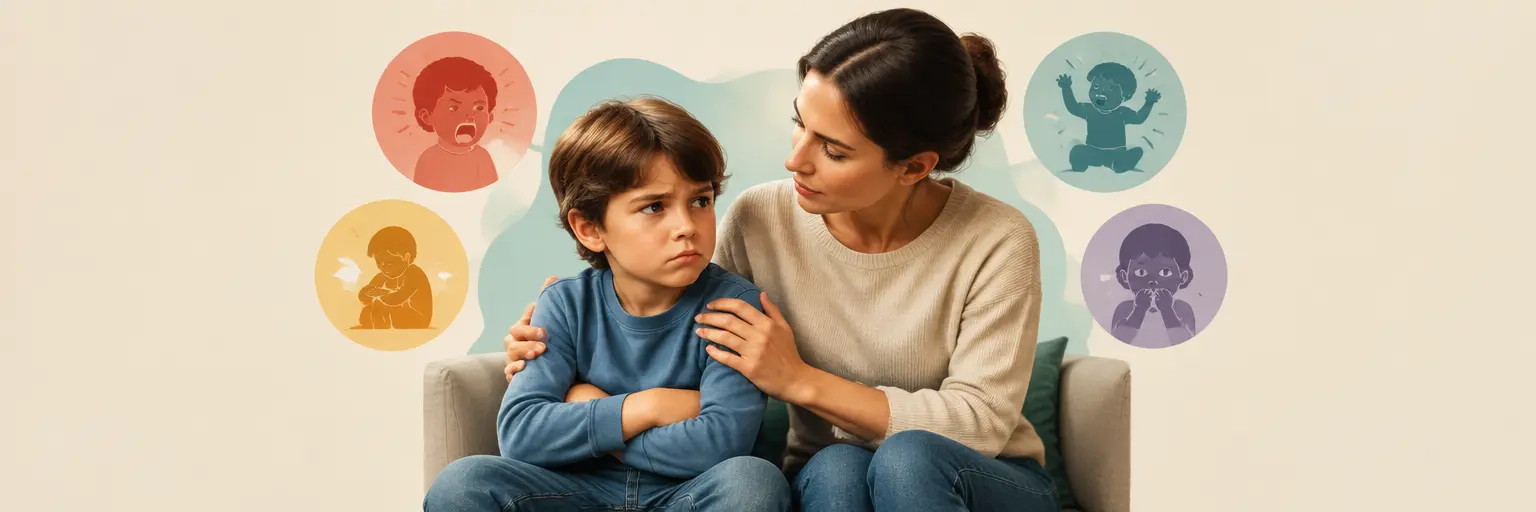
Tantrums are not random acts of defiance; they are a child’s way of expressing overwhelming emotions that they lack the words to describe. In this section, you’ll learn the neuroscience behind meltdowns—how the amygdala hijacks the prefrontal cortex in toddlers and preschoolers. We’ll cover proactive strategies like emotional coaching, validating feelings, and creating calm-down kits, plus reactive steps to de-escalate without giving in to unreasonable demands. Expect practical scripts for “big feelings” and how to differentiate a true tantrum from a manipulative outburst.
You’ll also explore how parental reactions shape future behavior: staying calm, using a low voice, and offering choices can reduce the frequency and intensity of meltdowns. For older children, we’ll discuss how to teach self-regulation skills through mindfulness and breathing exercises. By understanding the developmental triggers—hunger, fatigue, transitions, or overstimulation—you can prevent many tantrums before they start. This knowledge helps you replace punishment with connection, turning difficult moments into teaching opportunities that strengthen your child’s emotional intelligence.
🚫 Managing Defiance and Oppositional Behavior
When your child says “no” to every request, it’s easy to feel like you’re losing control. Here, we break down the difference between typical boundary-testing and more serious oppositional defiant disorder (ODD). You’ll learn about the authoritative parenting style—which combines warmth with firm limits—as the most effective approach to reduce power struggles. Practical tools include using “when-then” statements, offering limited choices, and implementing consistent consequences that are logical, not punitive. We’ll also discuss how to avoid the “yes/no” trap and instead use collaborative problem-solving.
This section also emphasizes the importance of positive reinforcement over constant correction, as children often act out to gain attention. You’ll find strategies for building a “connection ritual” that lowers defiance, such as spending 10 minutes of undivided playtime daily. For persistent patterns, we’ll outline red flags that suggest a need for professional evaluation, including how to discuss concerns with a pediatrician or child psychologist. By viewing defiance as a cry for autonomy rather than disrespect, you can guide your child toward cooperation while preserving your authority.
😡 Addressing Aggression and Sibling Rivalry
Aggression—hitting, biting, or pushing—is distressing for any parent, but it’s often a normal phase in early childhood. This section explores the root causes: frustration, poor impulse control, or modeling from media or family. You’ll learn time-out alternatives like “time-in” (sitting with your child to process feelings) and how to teach replacement behaviors such as using words or requesting a hug. We’ll cover age-specific interventions for toddlers, preschoolers, and school-aged children, including how to handle sibling conflict without playing referee.
You’ll also discover the long-term impact of harsh punishment on aggression, which often backfires. Instead, we advocate for restorative justice—helping the aggressor understand the victim’s feelings and make amends. For sibling rivalry, we discuss how to avoid comparisons, establish fair rules for sharing, and encourage cooperative play. Learn to spot signs of bullying or excessive aggression that might indicate underlying issues like ADHD or anxiety. With these tools, you can turn aggressive moments into opportunities for teaching empathy, impulse control, and peaceful conflict resolution.
😰 Easing Childhood Anxiety and Fear-Based Behaviors
Anxiety in children often manifests as clinginess, avoidance, or physical complaints like stomachaches. This subcategory provides a deep dive into cognitive-behavioral strategies for helping kids manage worries. You’ll learn how to validate fears without reinforcing them, use gradual exposure for phobias, and create “worry time” to contain anxious thoughts. We’ll also discuss the role of perfectionism and how to reduce pressure that fuels anxiety, especially in school or social settings.
Additionally, we cover sleep-related anxiety, including night terrors and bedtime fears, with practical bedtime routines and “brave” coping statements. You’ll understand how parental anxiety can be contagious, and we’ll provide self-care tips for staying calm. For severe cases, we outline when to seek therapy, including options like play therapy or family counseling. By normalizing anxiety as a manageable emotion rather than a flaw, you can help your child build resilience, confidence, and a toolbox of coping skills that last a lifetime.
🌙 Overcoming Sleep and Routine Battles
Sleep struggles—refusing naps, bedtime resistance, or night waking—are among the most common behavioral issues in early childhood. This section explains the sleep cycle in children and how overtiredness leads to more meltdowns. You’ll learn effective bedtime fading techniques, consistent wind-down rituals, and how to handle “curtain calls” (repeated requests after lights out). We’ll address common pitfalls like co-sleeping arguments, screen time before bed, and inconsistent schedules that disrupt the circadian rhythm.
You’ll also discover how behavioral issues during the day are often linked to poor sleep quality. We provide a step-by-step plan for creating a sleep-friendly environment, from dim lighting to white noise. For toddlers, we discuss the “cry it out” vs. “gentle” methods, helping you choose based on your parenting philosophy. For older children, we cover how to manage early waking and “sneaky” behaviors like leaving the bed. By prioritizing sleep as a family value, you’ll see improvements in mood, attention, and overall behavior, making the entire household more peaceful.
🛠️ When to Seek Professional Help for Behavior Issues
Not all behaviors are “phases,” and recognizing when to seek help is crucial. This section offers clear guidelines on distinguishing typical misbehavior from clinical concerns like ADHD, autism spectrum disorder, or disruptive mood dysregulation disorder. You’ll learn about warning signs—such as aggression that’s out of proportion, self-harm, or behavior that disrupts school or friendships—and how to document patterns before a consultation. We’ll explain the roles of pediatricians, child psychologists, and behavioral therapists, plus what to expect in an initial assessment.
You’ll also explore evidence-based interventions such as parent management training (PMT) and behavioral family therapy, which teach specific techniques to replace negative cycles. We emphasize the importance of early intervention, as untreated issues can escalate. Additionally, we cover how to approach school-based support, including Individualized Education Plans (IEPs) or 504 plans. Seeking help is a sign of strength, not failure—this section empowers you to advocate confidently for your child’s mental health, ensuring they receive the right support at the right time.
Frequently Asked Questions
What is the most common childhood behavioral issue?
The most common is defiance or noncompliance, often seen as tantrums in toddlers and arguing in school-aged children. This typically stems from developing autonomy and testing limits. It’s usually normal if it occurs occasionally, but persistent patterns may indicate a need for structured parenting techniques or professional guidance.
How can I discipline a child without yelling?
Replace yelling with calm, firm communication using “I” statements and natural consequences. Use time-outs or time-ins, offer choices, and focus on teaching rather than punishing. Consistency and staying calm help your child feel safe, which reduces acting out. Also, model emotional regulation—your child learns from your reactions.
At what age do tantrums stop?
Most children show peak tantrums between 18 months and 3 years, with a natural decline by age 4–5 as language skills improve. However, some may continue into early elementary years if not addressed. Consistent, gentle guidance and teaching emotional vocabulary can speed up the process significantly.
Is it normal for a 5-year-old to be aggressive?
Occasional hitting or pushing can be normal due to impulsive behavior, but frequent or severe aggression isn’t typical. Look for triggers and teach replacement behaviors like verbal expression. If aggression persists beyond age 6, hurts others, or disrupts daily life, consult a child psychologist for evaluation.
How do I know if my child’s behavior is a mental health issue?
Watch for behaviors that are developmentally inappropriate, extreme in intensity, or last more than a few weeks. Red flags include self-harm, aggression toward people or animals, extreme anxiety that prevents activities, or withdrawal from social life. When in doubt, document behaviors and seek a professional assessment for peace of mind.