Exploring the Intersection of Psychology and Biology
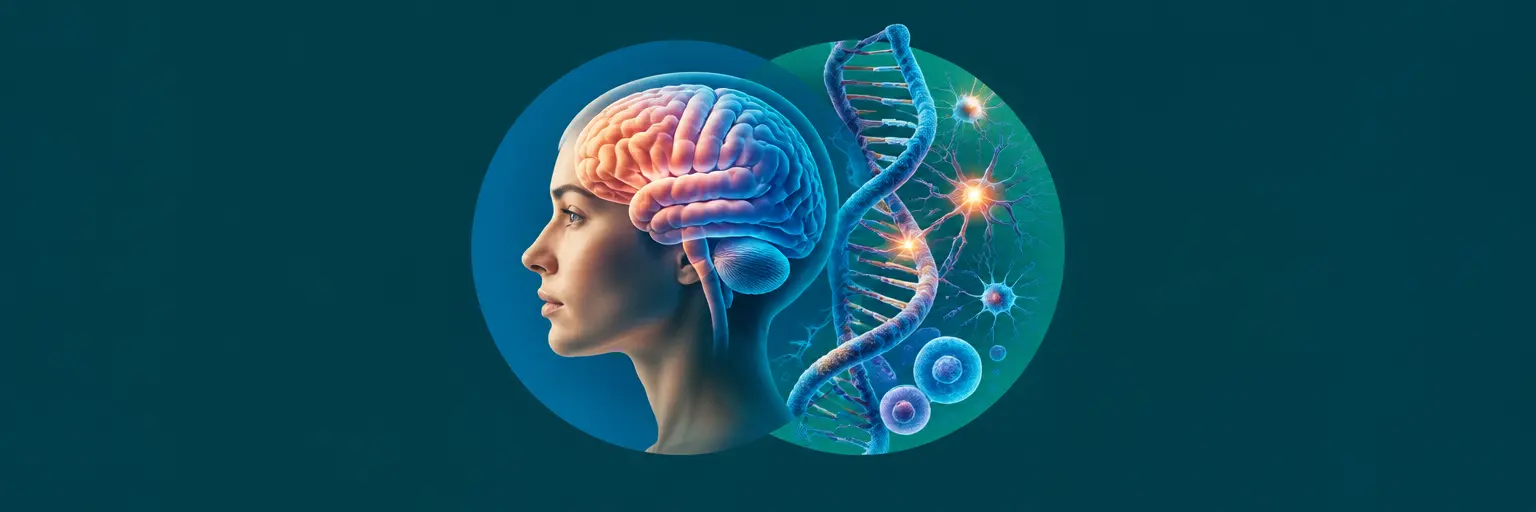
Welcome to our deep dive into Psychology and Biology, a fascinating subcategory within the broader theme of Intersections with Other Fields. Here, we unravel how our biological makeup—from neurons to hormones—shapes our thoughts, emotions, and behaviors. Whether you’re a student, a curious reader, or a budding researcher, this section bridges the gap between the mind and the body, offering a foundational understanding of biopsychology, neuroscience, and evolutionary perspectives. Expect clear explanations, real-world examples, and engaging insights that connect the dots between your brain and your behavior.
🧠 The Nervous System: The Brain’s Communication Highway
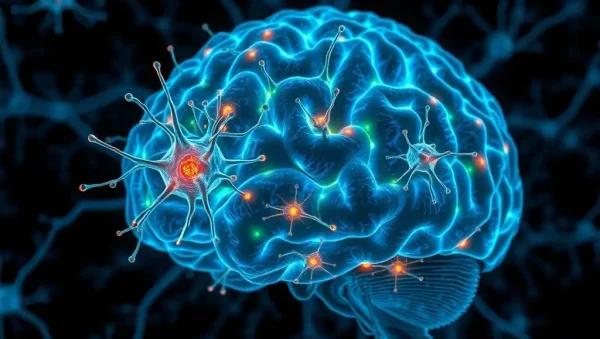
When discussing Psychology and Biology, the nervous system is the starting point. This section explains how neurons transmit signals, how the central and peripheral nervous systems operate, and why these pathways are crucial for every psychological process—from reflexes to complex decision-making. You’ll learn about action potentials, synapses, and neurotransmitters, making sense of how your brain “talks” to your body. Expect to gain a solid foundation for understanding mental health conditions, such as anxiety or depression, through their biological underpinnings.
We also explore the brain’s major structures—like the amygdala, hippocampus, and prefrontal cortex—and how each contributes to emotions, memory, and personality. By linking neural activity to observable behaviors, you’ll see why biological psychology is not just about anatomy but about explaining why you feel, think, and act the way you do. Whether you’re revisiting high school biology or starting fresh, this section makes complex neurobiology accessible and relevant to everyday life.
🧬 Hormones and Behavior: The Chemical Messengers of Emotion
Hormones play a pivotal role in shaping our psychological states, and this subcategory delves into how endocrine glands—like the pituitary, thyroid, and adrenal glands—influence mood, stress, and social bonding. For instance, cortisol is linked to stress responses, while oxytocin fosters trust and attachment. Here, we break down the feedback loops between the brain and body, explaining how hormonal imbalances can lead to psychological disorders such as hypothyroidism-related depression or premenstrual dysphoric disorder.
You’ll also learn about the hypothalamic-pituitary-adrenal (HPA) axis, which is central to our fight-or-flight response. Understanding this helps explain why chronic stress can alter brain structure and lead to anxiety or PTSD. By connecting hormonal changes to observable behaviors—like aggression, maternal care, or sexual drive—this section provides a holistic view of human experience. Expect practical insights, such as how lifestyle choices like sleep and diet impact hormonal health and, consequently, mental well-being.
🧪 Genetics and Heritability: Nature’s Blueprint in Psychological Traits
How much of your personality is inherited? This section explores the genetic basis of psychological traits, including intelligence, temperament, and susceptibility to mental illness. We introduce twin studies, adoption studies, and molecular genetics to show how nature and nurture interact. You’ll learn about heritability estimates—for example, that schizophrenia has a heritability of about 80%—while also understanding that genes do not work in isolation but are influenced by environmental triggers.
Additionally, we discuss epigenetics, the fascinating process where environmental factors like trauma or nutrition can turn genes on or off without changing the DNA sequence. This modern perspective reshapes how we think about resilience, addiction, and intergenerational trauma. By demystifying terms like “candidate genes” and “GWAS,” this section empowers you to critically evaluate claims about genetic predispositions. Expect a balanced view that highlights both biological constraints and the power of environmental change.
🌿 Evolutionary Psychology: Why We Behave as We Do
Evolutionary psychology applies the principles of natural selection to understand human behavior and cognition. Here, we explore topics like mate selection, parental investment, cooperation, and altruism through an evolutionary lens. You’ll learn how our ancestral environments shaped modern fears (like a fear of snakes or heights) and preferences (like a sweet tooth). This perspective helps explain universal behaviors across cultures, such as jealousy or social hierarchies.
We also address common misconceptions—such as genetic determinism or the idea that all behavior is adaptive. Instead, we emphasize the concept of environmental mismatch, where behaviors that were useful in the Pleistocene are now maladaptive (e.g., overeating sugary foods). This section encourages you to think critically about why we have certain emotional responses and how to apply evolutionary insights to improve mental health, relationships, and societal structures. It’s a thought-provoking journey into the deep history of your mind.
🔬 Neuroplasticity and Brain-Body Interactions: The Future of Biopsychology
The brain is not static; it changes throughout life. This section highlights neuroplasticity, the brain’s ability to reorganize itself in response to learning, injury, or therapy. You’ll discover how neurogenesis (birth of new neurons) occurs in the hippocampus, and how mindfulness, exercise, and cognitive training can physically alter brain structure. This is crucial for rehabilitation after strokes or in managing chronic pain, as the brain and body continuously interact.
We also examine the gut-brain axis, showing how your digestive system influences mood and cognition via the vagus nerve and microbiota. Emerging research links gut health to anxiety and depression, opening new avenues for dietary interventions. Additionally, we touch on the immune system’s role in mental health, as chronic inflammation is now linked to major depressive disorder. Expect forward-thinking content that bridges biology with psychology, showing how breakthroughs in neuroscience can transform therapy, education, and personal growth.
Frequently Asked Questions
What is the main difference between psychology and biology in this context?
Psychology focuses on mental processes and behavior, while biology examines the physical mechanisms—like neurons, hormones, and genes—that underlie those processes. This subcategory bridges both, showing how biological factors influence psychological outcomes, and vice versa, without reducing one to the other.
Do I need a background in biology to understand this subcategory?
No, you do not. All concepts are explained from scratch, using plain language and examples. However, a basic curiosity about how your body works will enhance your learning. Key terms are defined in simple terms, making it accessible for beginners and useful for those revisiting foundational knowledge.
How does stress biologically affect mental health?
Chronic stress activates the HPA axis, leading to prolonged cortisol release. Over time, this can damage hippocampal neurons, impair memory, and increase vulnerability to anxiety and depression. It also disrupts sleep and immune function, creating a vicious cycle that impacts overall psychological well-being.
Can lifestyle changes truly alter brain biology?
Yes. Regular exercise promotes neurogenesis and releases endorphins, while a balanced diet supports the gut-brain axis. Mindfulness practices have been shown to reduce amygdala reactivity. These changes are not instant, but consistent habits can reshape neural pathways, improving mood and cognitive function over weeks to months.
Is behavior purely genetic or is it learned?
It’s both, and they interact. Genetics provide a predisposition, or ‘biological blueprint,’ but environment and learning determine whether and how those traits manifest. For instance, someone may inherit a tendency toward anxiety, but early life experiences and coping skills can amplify or mitigate that expression. This is known as the nature-nurture interplay.