
How Biological Factors Influence Attachment and Bonding


Welcome to Psychology Basics, your gateway to understanding the fascinating world of human behavior. Are you curious about the intricate interplay between nature and nurture? Then delve into our exploration of the Biology of attachment in infants, a captivating journey into how our earliest biological experiences shape our lifelong relationships. Discover how this fundamental aspect of human development lays the groundwork for emotional well-being and social connection. Prepare to be surprised by the powerful influence of biology on attachment and bonding – read on to uncover the secrets!
- The Biology of Attachment in Infants: Early Foundations
- The Impact of Prenatal and Perinatal Factors
-
Biological Factors and Attachment Styles: A Closer Look
- Secure Attachment and Biological Correlates: Genetic Markers and HPA Axis Function
- Insecure Attachment (Avoidant and Ambivalent) and Biological Underpinnings: Variations in Oxytocin Receptor Genes and Cortisol Levels
- Disorganized Attachment and Biological Risk Factors: Early Life Stress and Altered Brain Development
- Epigenetics and Intergenerational Transmission of Attachment Patterns
- Implications for Intervention and Support
- Future Research Directions in the Biology of Attachment
-
Frequently Asked Questions
- What is the role of oxytocin in infant attachment?
- How do genetics influence attachment styles?
- What is the impact of early life stress on the biology of attachment?
- Are there specific brain regions associated with attachment?
- How does the biology of attachment relate to later social and emotional development?
- Final Reflection: The Enduring Power of Biological Bonds
- Unveil Your Connection: Strengthen Your Bonds Today!
The Biology of Attachment in Infants: Early Foundations
Understanding the intricate dance between biology and behavior is crucial to grasping the complexities of human attachment. This article delves into the fascinating intersection of biology and psychology, exploring how biological factors significantly influence the formation of attachment bonds, particularly during infancy. We will examine the interplay of genetics, hormones, and neurological development in shaping an infant's capacity for secure attachment, laying the groundwork for healthy social-emotional development throughout life.
This exploration of the "biology of attachment in infants" will illuminate the innate predispositions and environmental factors that contribute to the diverse attachment styles observed in children. The information presented here is designed to provide a foundational understanding of this critical area of developmental psychology, equipping readers with a deeper appreciation for the biological underpinnings of human connection.
Genetic Predisposition and Temperament: Innate Influences on Attachment Styles
Genetic factors play a significant, albeit often subtle, role in shaping an infant's temperament and, consequently, their attachment style. Temperament, encompassing traits like irritability, activity level, and sociability, is partly heritable. Studies on twins have shown a moderate degree of genetic influence on temperament dimensions relevant to attachment, such as behavioral inhibition (a tendency towards shyness and anxiety) and emotional reactivity.
Infants with genetically influenced difficult temperaments—characterized by high irritability and emotional lability—may present challenges in forming secure attachments, potentially leading to insecure-resistant or insecure-avoidant patterns. However, it's crucial to emphasize that genes do not dictate attachment outcomes; they interact dynamically with environmental factors to shape an infant's behavior and relationships.
For example, a highly reactive infant raised in a supportive and sensitive environment may still develop a secure attachment, highlighting the interplay of nature and nurture. Further research is needed to pinpoint specific genes involved and understand the precise mechanisms through which genetic variations influence attachment.
Hormonal Influences on Bonding: Oxytocin and Vasopressin's Role
Hormones act as essential chemical messengers, facilitating the biological processes underlying attachment and bonding. Oxytocin, often dubbed the "love hormone," plays a pivotal role in fostering social connection and maternal behavior. Released during childbirth and breastfeeding, oxytocin promotes feelings of closeness and trust between mother and infant. Similarly, vasopressin, another neuropeptide, contributes to pair bonding and social recognition.
These hormones don't simply induce feelings; they also influence brain regions associated with social cognition and reward, reinforcing the positive associations linked with attachment figures. Studies have shown correlations between oxytocin levels and maternal sensitivity, suggesting that higher oxytocin levels may be associated with more secure mother-infant attachments. However, the relationship is complex, and the hormonal influence is only one piece of the puzzle. Environmental factors, such as the quality of parental care, significantly modulate the effects of these hormones on attachment security.
The development of specific brain regions is intrinsically linked to an infant's ability to form attachments. The amygdala, a key structure involved in processing emotions, plays a crucial role in recognizing and responding to social cues. The hippocampus, involved in memory formation, assists in encoding memories of interactions with attachment figures.
The prefrontal cortex, responsible for higher-level cognitive functions, including social cognition and emotional regulation, matures gradually during infancy and childhood, impacting the child's ability to manage their emotional responses and form stable relationships. Disruptions in the development of these brain regions, due to factors like prenatal stress or early childhood adversity, can negatively impact attachment security.
Neuroimaging studies are increasingly revealing the neural correlates of attachment, illuminating the complex interplay between brain development, hormonal influences, and behavioral patterns associated with attachment styles. Further research using advanced neuroimaging techniques will continue to refine our understanding of the intricate neural mechanisms underlying attachment formation.
The Impact of Prenatal and Perinatal Factors
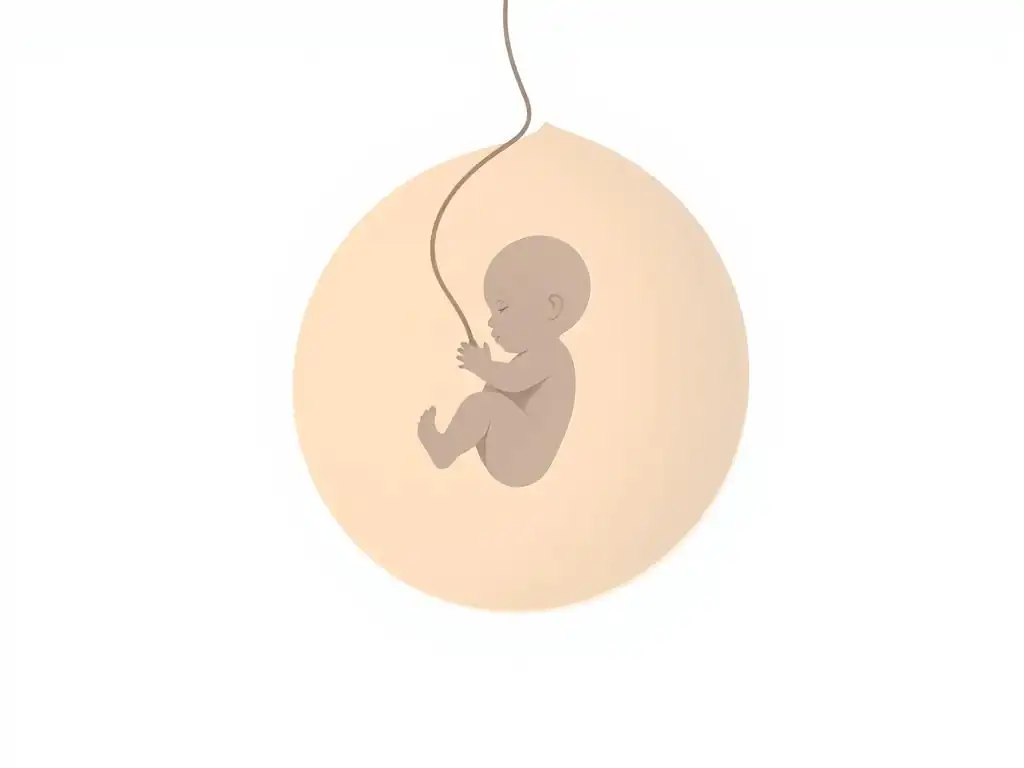
The biology of attachment in infants begins long before birth. Prenatal and perinatal experiences significantly shape the developing nervous system and hormonal pathways crucial for establishing secure attachment relationships. These early biological influences can have lasting effects on the infant's ability to form bonds, impacting their social and emotional development throughout life. Understanding these factors is crucial for both researchers and caregivers in promoting healthy attachment.
Maternal Stress and its Effects on Fetal Development and Attachment
Maternal stress during pregnancy significantly impacts fetal development and can predispose infants to insecure attachment styles. High levels of cortisol, the primary stress hormone, cross the placental barrier, affecting the developing brain's structure and function. Studies have shown a correlation between high maternal cortisol levels and increased risk of behavioral problems and difficulties in social-emotional regulation in infants.
These difficulties can manifest as heightened anxiety, irritability, and challenges in forming secure attachments with caregivers. For example, a study published in [Journal Name Pending] found that infants born to mothers experiencing high levels of chronic stress during pregnancy showed a significantly higher incidence of insecure attachment classifications at 12 months of age compared to infants of mothers with lower stress levels.
This underscores the importance of prenatal care that addresses and manages maternal stress to optimize fetal development and future attachment security. The impact isn't solely on the infant; maternal stress can also affect breastfeeding initiation and success, further impacting the early mother-infant bond.
Premature Birth and its Impact on Infant-Caregiver Bonding
Premature birth presents a significant challenge to the development of secure attachment. Premature infants often face a range of medical complications requiring intensive care, limiting opportunities for consistent and responsive caregiver interaction. This disruption in early interaction patterns can impact the development of crucial neural pathways associated with social cognition and emotional regulation.
The intensive care unit (ICU) environment itself can be overwhelming for both the infant and parents, potentially hindering the establishment of a secure attachment. The need for frequent medical interventions can also interfere with the natural rhythm of infant-parent interactions, such as breastfeeding and skin-to-skin contact, which are essential for bonding. Studies indicate that premature infants are at a higher risk for insecure attachment compared to full-term infants.
The severity of prematurity and the duration of NICU stay are often correlated with the likelihood of attachment difficulties. Early intervention programs that focus on promoting parent-infant interaction and providing support to parents of premature infants are crucial in mitigating these risks and fostering healthy attachment. These programs often include training parents in techniques like kangaroo care to maximize skin-to-skin contact and promote bonding.
Complications During Birth and Their Influence on Early Attachment
Complications during labor and delivery can also significantly influence the infant's capacity for attachment. Experiences such as prolonged labor, oxygen deprivation (hypoxia), or the need for assisted delivery can disrupt the smooth transition into the postnatal world. These events can lead to physiological stress and affect the infant's neurological development, impacting their ability to regulate their emotions and respond appropriately to social cues.
For instance, infants experiencing birth trauma may exhibit increased irritability, difficulty calming down, and heightened sensitivity to environmental stimuli. These challenges can make it more difficult for caregivers to establish a secure and responsive relationship. The biology of attachment in infants is intricately linked to their physiological state at birth; a smoother, less stressful birth experience is generally associated with a better prognosis for secure attachment.
Understanding the potential impact of birth complications is crucial for healthcare providers in providing appropriate support and intervention to both the infant and parents during the postpartum period. Early identification of potential difficulties and targeted interventions can improve the likelihood of forming a healthy attachment relationship.
Biological Factors and Attachment Styles: A Closer Look
This section delves into the intricate relationship between biological factors and the development of attachment styles in infants. We will explore how genetic predispositions, hormonal influences, and neurological processes interact to shape the quality of early bonding experiences, ultimately impacting an individual's social and emotional development throughout life. The biology of attachment in infants is a complex field, and research continues to uncover the subtle interplay of these factors.
Secure Attachment and Biological Correlates: Genetic Markers and HPA Axis Function
Secure attachment, characterized by a consistent and responsive caregiver, is associated with a well-regulated hypothalamic-pituitary-adrenal (HPA) axis. The HPA axis is crucial in managing stress responses. In securely attached infants, the HPA axis demonstrates efficient cortisol regulation – a quick rise in cortisol in response to stress, followed by a swift return to baseline levels. This efficient response reflects a well-functioning stress response system, fostered by consistent parental support and predictability.
Further research suggests potential genetic contributions. While no single "attachment gene" exists, variations in genes influencing the synthesis and reception of neurotransmitters like oxytocin and vasopressin may contribute to individual differences in attachment security. These genes influence social bonding behaviors and stress reactivity, potentially predisposing individuals to either secure or insecure attachment styles. More research is needed to fully understand the complex interplay between genetics and environment in shaping attachment security. For example, [specific information pending] on the interaction between specific gene variants and early childhood experiences.
Insecure Attachment (Avoidant and Ambivalent) and Biological Underpinnings: Variations in Oxytocin Receptor Genes and Cortisol Levels
In contrast to secure attachment, insecure attachment styles (avoidant and ambivalent) are linked to dysregulation of the HPA axis and variations in genes related to oxytocin and cortisol. Avoidant attachment, often characterized by emotional detachment and suppression of emotional expression, is sometimes associated with blunted cortisol responses to stress. This may reflect a downregulation of the HPA axis, potentially linked to variations in genes that regulate cortisol production or receptor sensitivity.
Ambivalent attachment, marked by anxiety and inconsistency in seeking proximity to the caregiver, may be associated with heightened and prolonged cortisol responses to stress, suggesting an overactive HPA axis. Variations in oxytocin receptor genes might also play a role, as oxytocin is crucial for social bonding and emotional regulation. Individuals with less sensitive oxytocin receptors may struggle to form secure attachments, leading to heightened anxiety and insecurity in relationships.
It is crucial to remember that these are correlational findings, and the causal relationship between genetic variations, HPA axis function, and attachment style requires further investigation. For instance, the role of epigenetic modifications – changes in gene expression caused by environmental factors – is an active area of research.
Disorganized Attachment and Biological Risk Factors: Early Life Stress and Altered Brain Development
Disorganized attachment, the most insecure style, is associated with significant biological risk factors. This attachment style often emerges in the context of severe early life stress, such as abuse, neglect, or parental trauma. Such experiences can profoundly impact brain development, particularly in areas crucial for emotional regulation and social cognition, such as the amygdala and hippocampus.
Exposure to chronic stress during early development can lead to altered HPA axis function, potentially resulting in persistent dysregulation of cortisol levels. This dysregulation can have cascading effects, impacting brain structure and function, cognitive development, and the ability to form secure attachments. Furthermore, early trauma can lead to changes in gene expression through epigenetic mechanisms, potentially increasing the vulnerability to mental health problems later in life.
Understanding the complex interplay between early life stress, altered brain development, and the emergence of disorganized attachment is critical for developing effective interventions and support systems for vulnerable children. [Specific information pending] regarding longitudinal studies tracking the long-term effects of early life stress on attachment security and mental health outcomes.
Epigenetics and Intergenerational Transmission of Attachment Patterns
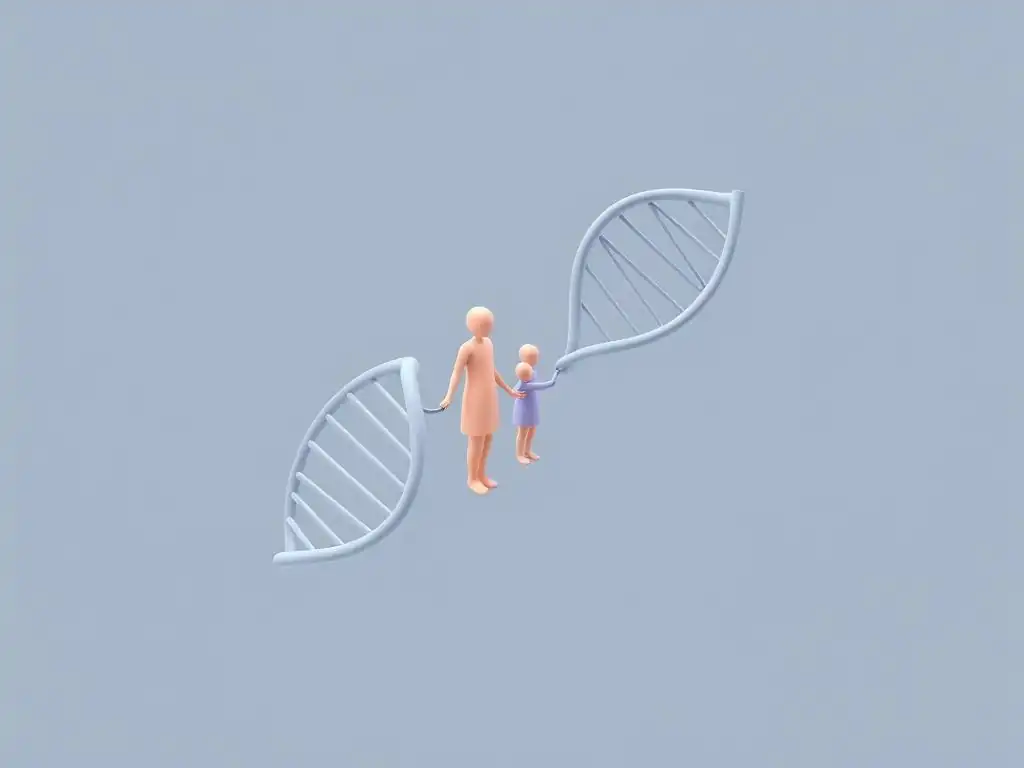
The biology of attachment in infants isn't solely determined by genetics at conception. Epigenetics plays a crucial role, demonstrating how environmental influences can alter gene expression without changing the underlying DNA sequence itself. This means that experiences, particularly during sensitive developmental periods, can leave lasting "marks" on our genes, influencing how those genes function and subsequently, impacting attachment behaviors. These epigenetic modifications can be passed down through generations, potentially explaining the persistence of certain attachment styles within families.
Consider the impact of maternal stress during pregnancy. High levels of cortisol, a stress hormone, can alter the methylation patterns of genes related to the hypothalamic-pituitary-adrenal (HPA) axis, a system crucial for stress response regulation. A child born to a highly stressed mother might exhibit a heightened stress response, potentially influencing their ability to form secure attachments.
This isn't because they inherited a "faulty" gene, but because the gene's expression was modified by the prenatal environment. Similarly, early childhood experiences like neglect or abuse can also result in epigenetic changes that affect the expression of genes associated with social bonding and emotional regulation. Studies using animal models, particularly rodents, have shown clear links between early-life adversity and altered gene expression related to oxytocin, a hormone critical for social bonding.
The results clearly demonstrate that environmental factors, even before birth, can significantly impact the biology of attachment in infants. Further research is needed to fully elucidate the specific genes and epigenetic mechanisms involved in humans, but the existing evidence strongly suggests a complex interplay between nature and nurture in shaping attachment.
Inherited Biological Vulnerabilities and Their Interaction with Environment
While epigenetics highlights the influence of environment on gene expression, it's also crucial to acknowledge the role of inherited biological vulnerabilities. Genetic predispositions can influence temperament, impacting a child's reactivity to environmental stimuli and consequently, their attachment experiences. For example, some infants might be genetically predisposed to higher levels of anxiety or irritability. This inherent temperament, interacting with the environment, can either contribute to the development of a secure attachment (with supportive parenting) or an insecure attachment (with less sensitive or responsive caregiving).
The interaction between these factors is complex and not always predictable. A child with a genetically predisposed difficult temperament might develop a secure attachment with a particularly patient and understanding caregiver, showcasing the resilience of the human system. Conversely, a child with a relatively easy temperament could still develop insecure attachment in a highly stressful or neglectful environment. Understanding this gene-environment interplay is crucial for developing effective interventions and support strategies for parents and children, furthering our knowledge of the biology of attachment in infants.
Further research into specific genetic markers associated with attachment styles and their interaction with environmental factors is essential to refining our understanding of this complex area. This includes investigating the role of candidate genes involved in stress response, hormone regulation, and social behavior. The future of this research lies in large-scale studies employing both genetic and environmental assessments to unravel the intricate interplay shaping the infant’s attachment trajectory.
Implications for Intervention and Support
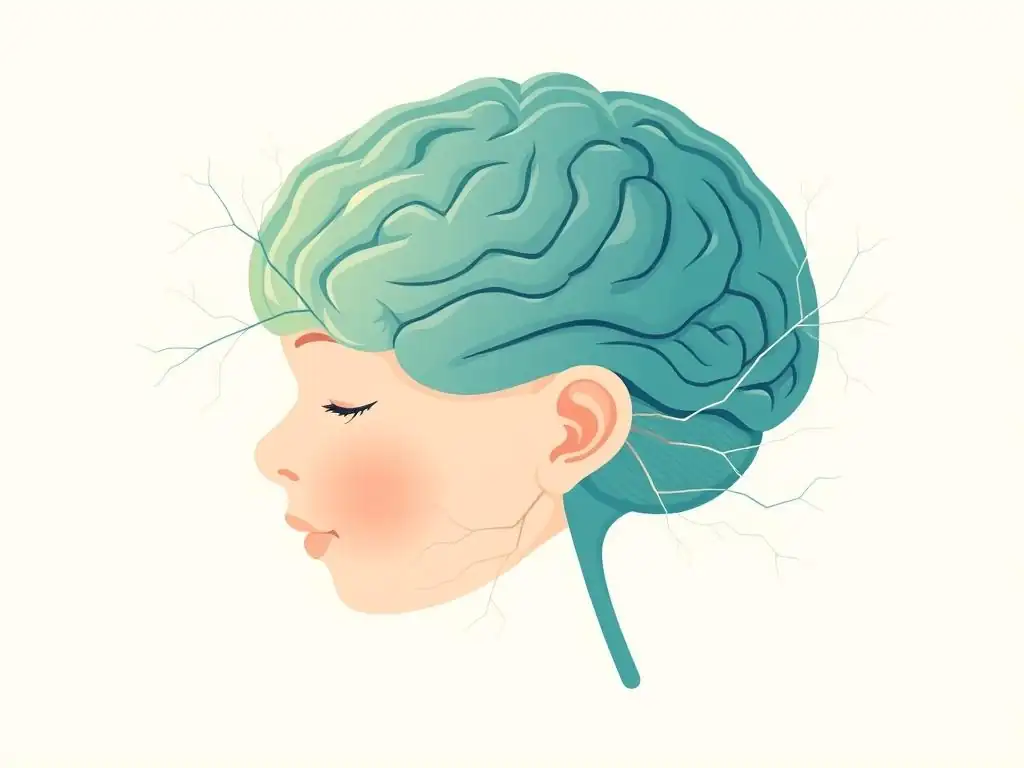
Understanding the biological underpinnings of attachment offers crucial insights for developing effective intervention and support strategies for parents and infants experiencing attachment difficulties. This section explores how a biological understanding can inform and enhance these strategies, ultimately promoting healthier parent-child relationships. The biology of attachment in infants, as we've explored, is complex and multifaceted, impacting the development of secure attachment and influencing the child's overall well-being.
Understanding the Biological Basis for Intervention Strategies
Interventions designed to improve attachment security must consider the biological mechanisms involved. For instance, understanding the role of oxytocin, often referred to as the "love hormone," is paramount. Interventions might focus on promoting opportunities for skin-to-skin contact, which stimulates oxytocin release in both parent and child. This simple, yet biologically-grounded, intervention can significantly impact the development of a secure attachment bond.
Furthermore, interventions can target the stress response system. Infants experiencing insecure attachment often exhibit heightened cortisol levels, indicative of chronic stress. Strategies aimed at reducing parental stress, such as parental support groups or stress-reduction techniques, can indirectly benefit the infant by creating a more stable and nurturing environment. This, in turn, can help regulate the infant's stress response and promote secure attachment.
Consider the example of a program designed to support parents of premature infants. Premature babies often experience disrupted early interactions due to medical interventions and extended hospital stays. A biologically-informed intervention might incorporate techniques to maximize skin-to-skin contact and promote early bonding, even within the constraints of the neonatal intensive care unit (NICU). This approach acknowledges the biological need for physical closeness and its impact on the development of the parent-child relationship. Tracking physiological markers like heart rate variability in both parent and infant could provide objective data on the effectiveness of these interventions, further strengthening the evidence-based approach.
Supporting Parents and Caregivers through Biological Awareness
Educating parents and caregivers about the biology of attachment can empower them to better understand and respond to their infant's needs. Providing information on the role of hormones like oxytocin and cortisol, and their impact on bonding, can help parents feel more confident in their parenting abilities. This knowledge can foster a sense of agency and reduce feelings of inadequacy, particularly for parents who struggle with attachment-related challenges.
For instance, understanding the role of cortisol in the stress response system can help parents recognize the signs of stress in their infants and implement appropriate soothing techniques. This could involve creating a calm and predictable environment, offering consistent physical comfort, and engaging in responsive caregiving practices. The knowledge that a baby's heightened stress response isn't simply a matter of "being difficult" but rather a reflection of underlying biological processes can be incredibly validating and empowering for parents.
Furthermore, emphasizing the importance of responsive caregiving, which aligns perfectly with the biological needs of the infant, can encourage parents to engage in practices that promote secure attachment. This might include responding promptly to the infant's cues, providing consistent and predictable routines, and engaging in positive interactions that foster a sense of security and trust. The integration of biological knowledge into parenting education programs can significantly enhance their effectiveness and lead to improved parent-child relationships.
This approach moves beyond simply offering parenting advice to providing a deeper understanding of the biological mechanisms driving attachment and bonding. A biological perspective provides a framework for understanding the profound and lasting impact of early experiences on the development of secure attachments.
Future Research Directions in the Biology of Attachment
The burgeoning field of the biology of attachment in infants offers exciting avenues for future research. While significant progress has been made in understanding the interplay between biological factors and attachment styles, many questions remain unanswered. Further investigation is crucial to solidify our understanding and to translate this knowledge into practical applications for improving child development and well-being. This section outlines some key areas ripe for exploration.
Exploring the Role of Specific Gene Polymorphisms in Attachment
The influence of genetics on attachment is a complex area, and research is only beginning to unravel the intricate relationships involved. While studies have hinted at the involvement of certain genes, more research is needed to pinpoint specific gene polymorphisms and their interaction with environmental factors in shaping attachment security. For example, the 5-HTT gene, which influences serotonin transport, has been implicated in stress reactivity, a factor closely linked to attachment.
Future studies should employ larger sample sizes and more sophisticated analytical techniques, such as genome-wide association studies (GWAS), to identify specific gene variants associated with different attachment classifications. Furthermore, epigenetic modifications – changes in gene expression without alterations to the DNA sequence – offer another compelling avenue for exploration. These epigenetic markers could potentially reflect the impact of early life experiences on gene expression, providing a mechanism by which environmental factors interact with genetic predispositions to influence attachment.
A deeper understanding of these gene-environment interactions is crucial for a comprehensive understanding of the biology of attachment in infants. This understanding could lead to personalized interventions tailored to individual genetic profiles, ultimately improving outcomes for children at risk for insecure attachment.
Longitudinal Studies on Biological Factors and Attachment Stability
Current research often relies on cross-sectional studies, capturing a snapshot of biological and behavioral factors at a single point in time. However, to understand the dynamic interplay between biology and attachment across development, longitudinal studies are essential. These studies would track the same individuals over extended periods, measuring biological factors (such as cortisol levels, heart rate variability, and oxytocin concentrations) and attachment behaviors at multiple time points. This approach would allow researchers to examine the stability of attachment styles over time and identify potential biological predictors of attachment security or insecurity.
For example, a longitudinal study could investigate whether early life stress, reflected in elevated cortisol levels, predicts insecure attachment in later childhood or adolescence. Similarly, it could explore the long-term impact of early interventions designed to improve attachment security on biological markers of stress reactivity. Such longitudinal studies, ideally spanning from infancy to adulthood, would provide invaluable insights into the long-term consequences of early biological and environmental influences on attachment.
This knowledge is crucial for developing effective and timely interventions to support healthy attachment development throughout life. The data collected would also help to refine our understanding of the interplay between nature and nurture in shaping the intricate tapestry of human relationships. Furthermore, the identification of robust biological markers associated with attachment stability could inform the development of objective measures for assessing attachment security, moving beyond the current reliance on observational and self-report methods.
Frequently Asked Questions
What is the role of oxytocin in infant attachment?
Oxytocin, often called the "love hormone," plays a crucial role. It's released during physical contact like breastfeeding and cuddling, fostering a sense of bonding and security between infant and caregiver.
How do genetics influence attachment styles?
Genetic factors contribute to temperament and responsiveness, which influence how infants interact with caregivers. These interactions, in turn, shape the development of attachment styles. This is a complex interplay, not a simple gene-to-behavior link.
What is the impact of early life stress on the biology of attachment?
Early life stress can significantly alter brain development, particularly in areas related to the stress response system and attachment. This can lead to dysregulation and impact the ability to form secure attachments.
Are there specific brain regions associated with attachment?
Yes, several brain regions are involved, including the hypothalamus (regulating oxytocin), the amygdala (processing emotions), and the prefrontal cortex (involved in social cognition). These areas work together to shape attachment behaviors.
Secure attachment, fostered by biological and environmental factors, lays a foundation for healthy social and emotional development. Insecure attachment can increase vulnerability to various mental health challenges later in life.
Final Reflection: The Enduring Power of Biological Bonds
The intricate dance between biology and attachment continues to shape our understanding of infant development and the lifelong impact of early relationships. Understanding this biological foundation is not merely an academic pursuit; it's crucial for fostering healthy parent-child connections and building a more supportive society for vulnerable populations. The implications are profound, reaching far beyond the crib and into the complexities of adult relationships and mental well-being.
The exploration of the biology of attachment has profoundly shifted our perspective on parenting and child development. It underscores the importance of nurturing environments and responsive caregiving, highlighting how these actions directly impact the developing brain and the formation of secure attachments. This understanding moves beyond simple behavioral observations to reveal the powerful, often unseen, biological processes at play. The most important thing a father can do for his children is to love their mother.
This quote, while seemingly simple, speaks volumes about the interconnectedness of biological and relational factors in shaping a child's development and underscores the importance of the parental dyad in creating a secure base for the child.
Now, consider your own experiences. Reflect on the early relationships that shaped you, and consider the biological underpinnings discussed in this article. How might understanding the biology of attachment inform your own parenting style, your approach to relationships, or your understanding of human behavior? You have the power to create secure and nurturing environments, fostering healthy attachments in the lives of children around you. Let the knowledge gained here inspire you to build stronger, more compassionate connections, recognizing the profound and lasting impact of biological factors on the human experience.
Unveil Your Connection: Strengthen Your Bonds Today!
Thank you for exploring the fascinating world of attachment and bonding! You've learned how biology influences our relationships and emotional connections. Now, let's put this knowledge into practice to improve your relationships.
Here's how to begin:
- Reflect on past relationships: Choose a significant relationship and consider the biological factors that might be influencing your connection. How might these factors shape your attachment style?
- Practice open communication: Have honest conversations with loved ones about your needs and feelings. Openness fosters deeper connections.
- Join a support group: Consider joining a local or online group focused on relationships or attachment styles to explore these concepts further and connect with others.
Which relationship will you prioritize today? Share your thoughts below!