Psychotherapy Basics: Your First Step Toward Understanding the Talking Cure
Welcome to Psychotherapy Basics, the foundational gateway within our Therapeutic Approaches category. Here, you’ll discover how structured conversations with trained professionals can alleviate psychological distress, build resilience, and foster personal growth. Whether you’re a psychology student, a curious reader, or someone considering therapy, this subcategory strips away jargon to explain the core principles, common myths, and practical expectations of psychotherapy. Our goal is to equip you with a clear mental map of how talk therapy works, who it helps, and why it remains one of the most effective tools for mental well-being.
🗣️ What Defines Psychotherapy and How It Differs From Coaching or Counselling
Psychotherapy is a clinical, evidence-based practice aimed at treating diagnosable mental health conditions, such as depression, anxiety, PTSD, or personality disorders. Unlike life coaching, which focuses on future goals and performance, psychotherapy delves into unconscious patterns, past trauma, and emotional regulation. Counselling often deals with situational stress, whereas psychotherapy addresses deeper, chronic issues. Therapists hold advanced degrees (e.g., PhD, PsyD, or master’s in clinical psychology) and are licensed to diagnose. Expect a structured framework, often using models like CBT or psychodynamic therapy, with treatment plans that evolve over weeks or months.
In this section, you’ll learn the practical boundaries: what insurance covers, typical session lengths (45–50 minutes), and confidentiality rules. We explain why psychotherapy isn’t just “talking to a friend” but a scientifically grounded intervention that changes brain pathways. You’ll also see how the therapeutic alliance—the relationship between client and therapist—is the strongest predictor of success. This foundational knowledge helps you approach therapy with realistic expectations and reduces the stigma surrounding mental health care.
🛋️ Core Schools of Thought: CBT, Psychodynamic, Humanistic, and Integrative
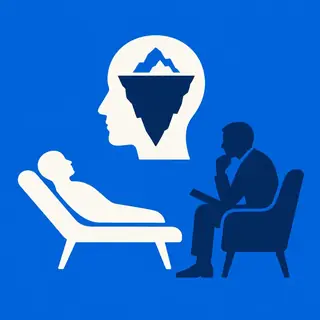
Understanding the major therapeutic lenses is essential for choosing the right match. Cognitive Behavioral Therapy (CBT) focuses on restructuring distorted thoughts and behaviors, typically short-term and problem-specific. Psychodynamic therapy explores unconscious conflicts rooted in childhood, fostering insight through free association and dream analysis—often longer-term. Humanistic approaches (e.g., Person-Centered) emphasize unconditional positive regard, self-actualization, and the client’s innate capacity for growth. Integrative or eclectic therapists skillfully blend techniques based on your unique needs, which is now the most common practice in clinical settings.
We break down each school with plain-language examples: how a CBT therapist might assign “thought records,” why a psychodynamic therapist stays silent to let you lead, and how humanistic therapy validates your feelings without judgment. By knowing these models, you’ll recognize what happens behind the clinic door. Moreover, we detail the evidence base—CBT is gold-standard for anxiety, while psychodynamic shows excellent long-term gains for complex issues. This knowledge empowers you to ask informed questions during your first consultation.
🧠 The Therapeutic Process: Assessment, Sessions, and Termination
Every psychotherapy journey follows a predictable arc. It begins with an intake assessment (1–2 sessions) where the therapist gathers history, risk factors, and current symptoms to formulate a diagnosis and treatment plan. Then, active sessions focus on goal setting, skill-building, or deep exploration, depending on orientation. Progress is regularly reviewed—you might complete questionnaires (e.g., PHQ-9) or reflect on weekly insights. Termination (ending therapy) is a planned phase, not a sudden stop; it includes relapse prevention, summarizing gains, and arranging booster sessions if needed.
This subcategory provides a timeline of what to expect at each stage, including common feelings like resistance, frustration, or “what if I’m not doing it right?” We also cover practical logistics: session frequency (weekly is typical), homework between sessions, and communication with your therapist outside appointments. Understanding this process reduces anxiety and improves compliance—clients who know the roadmap often achieve faster outcomes. We also emphasize the importance of informed consent and your right to switch therapists if the fit feels off.
🩺 Does Psychotherapy Work? Evidence, Effectiveness, and Limitations
Research consistently shows that psychotherapy is highly effective, with effect sizes comparable to or surpassing medication for many conditions, especially depression and anxiety. The American Psychological Association reports that about 75% of people who enter therapy show measurable improvement. However, effectiveness depends on factors like therapist competence, therapeutic alliance, and client motivation. It’s not a magic bullet—progress can be nonlinear, and some chronic conditions may require combined treatment (therapy plus medication). Limitations include cost, access, and cultural stigma, which we openly address.
We break down meta-analytic findings: CBT for panic disorder, exposure therapy for PTSD, and interpersonal therapy for depression. You’ll also learn about common factors theory—why warmth, empathy, and hope matter more than specific techniques. We caution against pseudotherapies (e.g., rebirthing, recovered memory) and guide you toward evidence-backed modalities. By the end, you’ll be able to critically evaluate claims like “talk therapy is just chatting” and understand why it’s a rigorous, scientific intervention that reshapes neural circuits through neuroplasticity.
💰 How to Choose a Therapist and Navigate Cost, Insurance, and Online Options
Selecting the right professional is a critical decision. First, check credentials: licensed psychologists (PhD, PsyD), licensed clinical social workers (LICSW), or licensed professional counselors (LPC). Verify their specialty (e.g., trauma, couples, OCD) and theoretical orientation. Use platforms like Psychology Today’s directory or ask your primary care doctor. Costs vary widely: private pay ranges from $80–$250 per session, but sliding scales, community clinics, and employee assistance programs (EAPs) offer relief. Many teletherapy services (e.g., BetterHelp, Talkspace) offer lower fees but research shows their quality varies.
We provide a step-by-step checklist: prepare a list of questions (e.g., “How do you handle suicidal ideation?”), ask for a free 15-minute consultation, and trust your gut on rapport. For insurance, we explain how to verify coverage, understand copays, and use out-of-network benefits. We also cover online therapy’s pros and cons—convenience and accessibility versus potential technical barriers and lack of non-verbal cues. This practical guidance reduces the overwhelm of starting therapy, ensuring you make an informed, cost-effective choice that fits your lifestyle and budget.
Frequently Asked Questions
What is the difference between psychotherapy and counseling?
Psychotherapy is a deeper, longer-term treatment for diagnosable mental health conditions, often addressing root causes and personality patterns. Counseling is typically shorter, focused on situational problems like grief, career change, or relationship adjustments. Psychotherapists have more clinical training and can provide formal diagnoses, while counselors often use supportive, solution-focused techniques. However, many professionals are trained in both, and the boundary can blur in practice.
How long does psychotherapy usually take to show results?
Most people notice early improvements within 8–12 sessions, especially with CBT for anxiety or depression. However, deeper psychodynamic work may take 6 months to several years. Research suggests that 30–50% of clients improve by session 15. The speed depends on symptom severity, commitment to homework, and the therapeutic relationship. Trust the process—lasting change is gradual, and relapse prevention is built into later stages.
Can I do psychotherapy online, and is it as effective as in person?
Yes, online psychotherapy (teletherapy) has been shown to be equally effective for many conditions, particularly anxiety and depression, based on randomized controlled trials. It offers flexibility, lower cost, and access to specialists. However, in-person therapy may be better for severe crises, nonverbal-heavy work, or if you lack stable internet. Always choose a licensed provider using a secure, HIPAA-compliant platform.
Will I have to take medication if I start therapy?
No, psychotherapy can be effective alone. Psychologists and licensed counselors cannot prescribe medication (except in some states with special training). Psychiatrists, who are medical doctors, prescribe if needed. Many people use therapy as a standalone treatment or combine it with medication for bipolar, schizophrenia, or severe depression. Your therapist will assess and refer you to a psychiatrist if medication is indicated—never mandatory.
What if I don’t feel better after several sessions?
It’s common to feel stuck or even worse initially, as therapy surfaces painful emotions. First, discuss this openly with your therapist—adjusting goals or techniques may help. If the lack of progress continues after 6–8 sessions, consider a second opinion or switching therapists. Poor fit, not lack of effort, is often the culprit. Remember, effective therapy is a collaborative process; your feedback is essential.