
Parenting & Child Psychology
Parenting & Child Psychology on Psychology Basics offers a compassionate, evidence-based gateway to understanding how children think, feel, and grow. From bonding and brain development to handling tantrums, anxiety, and everyday learning, we translate complex psychological research into practical, actionable strategies for modern families. Explore positive discipline, emotional regulation, and age-appropriate communication that strengthens your connection, builds resilience, and supports your child’s mental health at every stage—whether you’re a new parent, educator, or simply curious about child behavior. 😊
 Supporting Children's Mental Health
 Positive Parenting Techniques and Strategies
 Addressing Common Childhood Behavioral Issues
 Best Books and Resources for Parents
 Educational Toys and Games for Child Development
 Understanding Child Development Stages: A Guide for Parents
Parenting & Child Psychology: A Foundational Guide
Welcome to the Parenting & Child Psychology category at Psychology Basics. Here, we bridge scientific research and everyday practice, offering students, parents, and caregivers a clear, evidence-based roadmap for nurturing healthy development. From understanding developmental milestones to selecting the best educational tools, our curated resources transform complex psychological concepts into actionable parenting strategies. Explore the subcategories below to build a solid foundation in child psychology, strengthen your parenting skills, and foster a supportive environment for your child’s cognitive, emotional, and social growth.
🔍 Understanding Child Development Stages: A Guide for Parents
This section breaks down the major psychological and physical milestones from infancy through adolescence, aligned with Piaget, Erikson, and modern developmental science. You’ll learn what to expect at each age—from sensorimotor exploration to identity formation—and how to tailor your parenting approach accordingly. Practical developmental checklists, red-flag indicators, and age-appropriate expectations are provided, helping you celebrate progress while identifying potential delays early. This guide is your first stop for evidence-based child development knowledge, ensuring you support your child’s unique growth trajectory confidently.
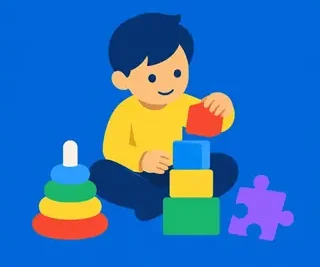
🎲 Educational Toys and Games for Child Development
Discover how play is the brain’s preferred learning mode. This subcategory reviews and recommends toys and games that genuinely enhance cognitive abilities, fine motor skills, social cooperation, and problem-solving—based on peer-reviewed play research. From Montessori-inspired wooden puzzles to cooperative board games and digital apps with proven educational value, each suggestion includes a brief psychological rationale. Learn how to choose quality over quantity, rotate toys for sustained engagement, and avoid over-stimulating options that hinder deep play. Transform your living room into an enriching developmental lab.
📚 Best Books and Resources for Parents
Navigate the overwhelming sea of parenting literature with our curated, psychologist-approved reading list. This section highlights timeless classics—like “The Whole-Brain Child” and “How to Talk So Kids Will Listen”—alongside newer research-backed releases covering topics from sleep training to adolescent anxiety. We also compile reputable websites, podcasts, and online courses from institutions such as the APA and Zero to Three, saving you hours of research. Each resource is summarized with its core psychological concept, pros, cons, and ideal reader, empowering you to build a personal library that fits your parenting philosophy and child’s specific needs.
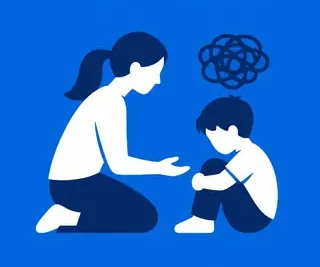
🧩 Addressing Common Childhood Behavioral Issues
From tantrums and defiance to sibling rivalry and bedtime battles, this subcategory provides a step-by-step behavior management toolkit grounded in applied behavior analysis and positive discipline. You’ll learn the “ABC” of behavior (antecedent-behavior-consequence), how to implement time-outs effectively, and when to use natural consequences versus logical ones. We also address underlying causes—such as sensory processing issues or unmet emotional needs—so you can treat the root, not just the symptom. Real-world case examples and printable behavior charts make this your go-to guide for turning conflict into teaching moments.
💡 Positive Parenting Techniques and Strategies
This section focuses on proactive, relationship-building approaches that foster self-regulation, empathy, and intrinsic motivation. Learn the art of gentle but firm boundaries, effective praise, and the crucial difference between punitive and restorative discipline. We cover techniques like “connective parenting,” “choice-giving,” and “emotion coaching” from experts like Dan Siegel and John Gottman, all simplified with step-by-step scripts. You’ll also find strategies for reducing power struggles, building morning and bedtime routines, and handling technology use. Implement these evidence-based strategies to raise confident, resilient children without resorting to yelling or threats.
❤️ Supporting Children's Mental Health
Prioritize your child’s emotional well-being with this comprehensive guide to recognizing and supporting mental health challenges—from everyday stress and separation anxiety to more serious conditions like depression or ADHD. This subcategory offers early warning signs, age-appropriate communication tools, and when to seek professional help. We also share preventive practices like mindfulness exercises, emotional vocabulary building, and creating a “feelings-safe” home environment. Crucially, we address parental self-care, as your mental health directly impacts your child’s. Access compassionate, research-based advice to help your child thrive emotionally, academically, and socially, ensuring they know they are always safe to express themselves.
Frequently Asked Questions
At what age should I start implementing structured parenting techniques?
You can start gentle, consistent routines from infancy, but structured techniques like time-outs or logical consequences become most effective around 18–24 months, when children understand simple cause-and-effect. For preschool ages and beyond, use positive reinforcement and clear expectations. Tailor the approach to your child’s developmental stage—what works for a toddler differs from a preteen. Always focus on connection before correction.
How do I choose the right educational toy for my child’s age?
Match toys to your child’s current developmental stage, not just their chronological age. Look for toys that challenge but don’t frustrate—e.g., stacking rings for 1-year-olds, simple puzzles for 3-year-olds, and strategy board games for 7+. Check labels for safety and open-ended play potential (blocks, art supplies) that promote creativity. Avoid toys with excessive lights and sounds that overstimulate; instead, favor those that require active problem-solving.
What is the most effective way to handle a tantrum in public?
Stay calm and lower your voice. First, ensure safety—move your child to a quiet spot if possible. Acknowledge their emotion (“I see you’re upset”) without giving in to the demand. Offer two simple choices (e.g., “Do you want to hold my hand or sit in the cart?”) to restore a sense of control. Once calm, briefly discuss the behavior. Avoid long lectures in public; save deeper talks for home.
How can I tell if my child’s behavioral issue is a normal phase or a sign of a deeper problem?
Normal phases are temporary, situational, and don’t impair daily functioning. Red flags include: behaviors lasting more than a few months, intense aggression, regression in skills (e.g., potty training), withdrawal from family/friends, or harming themselves/others. Trust your instincts—if you feel the behavior is extreme or interferes with school or relationships, consult a pediatrician or child psychologist for a professional evaluation.
What are the first steps if I suspect my child has a mental health condition?
Start by documenting specific behaviors, triggers, and frequency over two weeks. Share your notes with your pediatrician, who can rule out medical causes and refer you to a child psychologist or psychiatrist. Begin open, non-judgmental conversations with your child about feelings. Prioritize routines (sleep, meals, exercise) and reduce stressors. Never delay seeking help—early intervention significantly improves outcomes for conditions like anxiety, depression, or ADHD.