
Abnormal Psychology
Abnormal psychology explores the fascinating and complex patterns of thoughts, emotions, and behaviors that diverge from typical functioning, offering crucial insights into mental health and well-being. This foundational field examines how psychological disorders develop, manifest, and impact daily life, bridging scientific research with compassionate understanding. From the early signs of childhood disorders to the debilitating grip of anxiety and mood disorders, we demystify the criteria, causes, and treatments that shape clinical practice. Delve into the realities of psychotic disorders, the hidden struggles of eating and sleep-wake disturbances, and the pervasive challenges of substance-related and addictive behaviors. By unpacking trauma responses and the spectrum of stressor-related conditions, this category equips you with essential knowledge to recognize, understand, and support mental health in everyday contexts. Whether you are a student, a caregiver, or simply curious, our accessible guides illuminate the science behind abnormal psychology, fostering empathy and reducing stigma—because understanding the mind is the first step toward healing.
 Mood Disorders
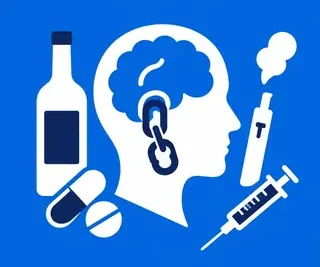 Substance-Related and Addictive Disorders
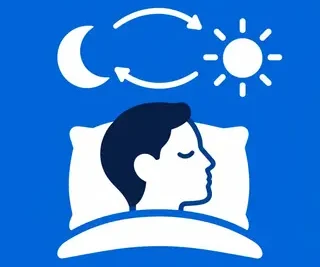 Sleep-Wake Disorders
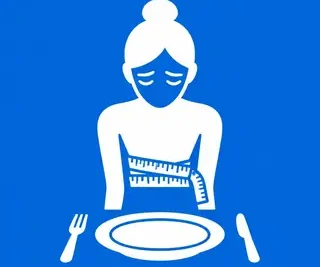 Eating Disorders
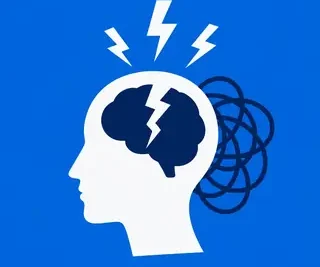 Trauma and Stressor-Related Disorders
 Understanding Psychological Disorders
 Psychotic Disorders
 Anxiety Disorders
 Childhood Disorders
Abnormal Psychology: A Foundational Guide for Students and Readers
Welcome to the Abnormal Psychology section of Psychology Basics. Here, we demystify the scientific study of atypical thoughts, emotions, and behaviors—covering definitions, symptoms, causes, and evidence-based treatments. Whether you’re preparing for exams or exploring mental health for personal understanding, this category provides clear, accurate, and compassionate insights. Below, we break down key subcategories to help you navigate complex disorders with confidence, using the latest DSM-5 perspectives and real-world examples.
🧠 Childhood Disorders
This subcategory focuses on neurodevelopmental and behavioral conditions that emerge in infancy, childhood, or adolescence. You’ll learn about Autism Spectrum Disorder, ADHD, and specific learning disorders, including their early warning signs and diagnostic criteria. Expect practical guidance on how these disorders affect school performance, social interactions, and family dynamics, plus an overview of behavioral interventions and medications. This section is ideal for parents, educators, and students seeking a foundational understanding of how abnormal psychology applies to younger populations.
😟 Anxiety Disorders
Anxiety disorders are the most common mental health conditions worldwide. Here, we cover generalized anxiety disorder, panic disorder, social anxiety, and specific phobias, explaining the difference between normal worry and pathological fear. You’ll explore how biological, genetic, and cognitive factors contribute to these disorders, along with effective treatments like cognitive-behavioral therapy (CBT) and SSRIs. The section also highlights coping strategies and lifestyle adjustments that can reduce symptom severity, making it a valuable resource for those seeking self-help or academic clarity.
🌀 Psychotic Disorders
Psychotic disorders, including schizophrenia and schizoaffective disorder, alter a person’s perception of reality. This subcategory breaks down hallmark symptoms such as hallucinations, delusions, disorganized thinking, and negative symptoms like avolition. You’ll learn about the neurobiological underpinnings—dopamine dysregulation, brain structure abnormalities—and the role of antipsychotic medications and psychosocial rehabilitation. We also discuss early intervention strategies and the importance of family support, offering a balanced view that reduces stigma while providing scientific rigor.
🔍 Understanding Psychological Disorders
Before diving into specific diagnoses, it’s crucial to grasp how abnormal psychology defines and classifies disorders. This foundational subcategory introduces the medical model, the biopsychosocial approach, and the DSM-5-TR diagnostic system. You’ll examine the concept of “abnormal” from statistical, cultural, and functional perspectives, plus explore the historical evolution from asylums to modern community care. Readers will gain critical thinking tools to evaluate case studies, understand comorbidity, and assess the reliability and validity of psychiatric labels.
💥 Trauma and Stressor-Related Disorders
This section addresses how extreme stress and trauma shape mental health. Core topics include Post-Traumatic Stress Disorder (PTSD), acute stress disorder, and adjustment disorders. You’ll learn about the neurobiology of trauma—hyperarousal, amygdala reactivity—and the impact of childhood adversity. Evidence-based treatments like prolonged exposure, EMDR, and trauma-focused CBT are discussed in depth. We also emphasize resilience factors and post-traumatic growth, providing hope while acknowledging the serious impairment that trauma can cause.
🍽️ Eating Disorders
Here, we explore anorexia nervosa, bulimia nervosa, and binge-eating disorder, along with their medical complications and psychological drivers. This subcategory covers body image distortion, perfectionism, and the sociocultural pressure to be thin, while also examining genetic and neurobiological risk factors. Treatment approaches include family-based therapy for adolescents, CBT-E, and nutritional rehabilitation. We provide red-flag symptoms and steps for seeking professional help, making this a critical resource for early intervention and understanding these life-threatening conditions.
🌙 Sleep-Wake Disorders
Sleep disorders are deeply intertwined with abnormal psychology, often worsening or triggering other mental health conditions. This subcategory covers insomnia, hypersomnolence, narcolepsy, breathing-related sleep disorders, and parasomnias. You’ll learn how circadian rhythms, stress, and substance use affect sleep quality, plus the diagnostic criteria and treatments like CBT-I, continuous positive airway pressure (CPAP), and lifestyle modifications. We also discuss the bidirectional relationship between sleep and mood disorders, making this section essential for holistic mental health understanding.
🍺 Substance-Related and Addictive Disorders
Addiction extends beyond alcohol and illicit drugs to include gambling and gaming disorders. This subcategory explains the neurobiology of reward, tolerance, withdrawal, and dependence, using the DSM-5 framework. You’ll explore risk factors such as genetics, early exposure, and co-occurring mental illness, alongside treatment options like detoxification, motivational interviewing, 12-step programs, and medications (e.g., naltrexone). We also address harm reduction and relapse prevention, offering a nonjudgmental, science-based perspective on recovery.
🌦️ Mood Disorders
Mood disorders, including major depressive disorder and bipolar disorder, are characterized by severe fluctuations in emotional state. This subcategory breaks down the symptoms of depressive episodes, manic phases, and hypomania, along with specifiers like seasonal affective disorder. You’ll learn about neurotransmitter imbalances, cortisol dysregulation, and cognitive distortions that perpetuate mood cycles. Treatments covered include antidepressants, mood stabilizers, psychotherapy, and electroconvulsive therapy for severe cases—providing a balanced overview of both acute and maintenance care.
Frequently Asked Questions
What is the difference between abnormal psychology and psychiatry?
Abnormal psychology is a psychological discipline that studies atypical behavior, thoughts, and emotions through research and theory, often focusing on assessment and therapy. Psychiatry is a medical specialty where doctors diagnose and treat disorders using medication, hospitalization, and biomedical interventions. Both overlap in diagnosing using DSM-5, but psychologists emphasize psychotherapy and research, while psychiatrists can prescribe drugs and perform medical procedures.
Can abnormal behaviors be considered normal in some cultures?
Yes, cultural context heavily influences what is deemed abnormal. For instance, hearing voices may be a spiritual experience in some cultures but a psychosis symptom in others. The DSM-5 includes cultural formulation and considers distress, disability, and violation of social norms. A behavior must cause significant impairment or risk to be classified as a disorder, not merely differ from majority expectations. Thus, clinicians must assess within an individual’s cultural framework.
Are anxiety disorders genetic?
Research suggests heritability accounts for about 30-40% of anxiety disorder risk. Specific genes related to serotonin transport and stress response (e.g., CRHR1) play a role, but environment is equally crucial. Childhood adversity, parenting style, and learned fears can trigger disorders in genetically predisposed individuals. Epigenetics also shows that trauma can alter gene expression without changing DNA, making anxiety a classic example of gene-environment interaction.
What is the most effective treatment for PTSD?
Trauma-focused psychotherapies are the gold standard. Prolonged Exposure (PE) helps patients confront avoided memories safely, while Cognitive Processing Therapy (CPT) challenges maladaptive beliefs. Eye Movement Desensitization and Reprocessing (EMDR) also shows strong efficacy. Medications like sertraline (Zoloft) or paroxetine (Paxil) are FDA-approved, but they are often combined with therapy. The choice depends on patient preference, comorbidity, and therapist expertise; self-help is rarely sufficient for moderate-to-severe PTSD.
Can eating disorders be cured without professional help?
While some individuals recover spontaneously, most eating disorders—especially anorexia nervosa—carry high medical risks and require professional intervention. Without treatment, chronic malnutrition can cause osteoporosis, cardiac issues, and even death. Family-based therapy for adolescents shows a 60-80% recovery rate, while CBT-E helps adults. Seeking help from a licensed dietitian, therapist, and physician significantly improves long-term outcomes. Early intervention is the strongest predictor of full recovery.