The Diagnostic Process for Mood Disorders: What to Expect
😊 Navigating the mood disorder diagnosis process can feel daunting. This article demystifies the steps involved, from initial assessment and interviews to…
Read article

Mood disorders represent a core focus within abnormal psychology, encompassing conditions that profoundly alter emotional states, energy levels, and daily functioning. These are not fleeting sadness or temporary joy, but persistent, often debilitating patterns that disrupt thinking, behavior, and physical health. From major depressive disorder’s consuming lows to the extreme highs and lows of bipolar disorder, understanding these conditions is crucial for recognizing symptoms, reducing stigma, and exploring evidence-based treatments. This section breaks down the types, causes, and therapeutic approaches, offering a clear foundation for students and curious minds alike. Dive in to grasp how psychological, biological, and environmental factors intertwine, and why early intervention can transform lives. Empower your knowledge of these impactful disorders today.
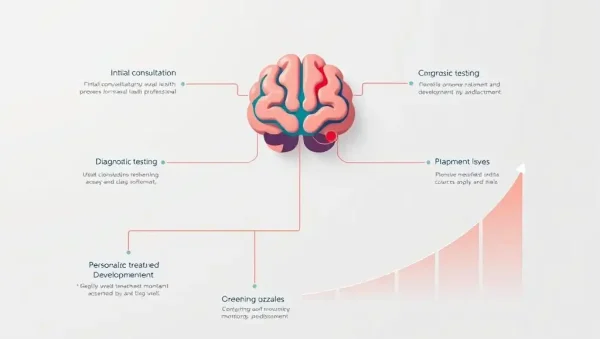
😊 Navigating the mood disorder diagnosis process can feel daunting. This article demystifies the steps involved, from initial assessment and interviews to…
Read article
🤔 This article explores the crucial role of psychology questionnaires in mood disorders assessment. Learn how rating scales and questionnaires aid in…
Read article
🤔 Learn to overcome negative thoughts in mood disorders. This article demystifies common negative thinking patterns associated with mood disorders, providing accessible…
Read articleMood disorders represent a core area of abnormal psychology, encompassing conditions where emotional disturbance is the primary symptom. For students and general readers on Psychology Basics, this subcategory explores how persistent sadness, elation, or alternating extremes disrupt daily functioning. From major depressive disorder to bipolar spectrum conditions, we’ll unpack diagnostic criteria, neurobiological underpinnings, and evidence-based treatments, making complex clinical concepts accessible and actionable.
This section introduces the most prevalent mood disorders recognized by DSM-5, focusing on major depressive disorder (MDD), persistent depressive disorder (dysthymia), and bipolar I and II disorders. You’ll learn how clinicians differentiate between unipolar depression—marked by low mood without mania—and bipolar disorder, where depressive episodes alternate with hypomanic or manic highs. We emphasize diagnostic thresholds, duration requirements, and specifiers like seasonal pattern or peripartum onset. Key distinction: MDD requires at least two weeks of symptoms, while dysthymia spans two years with less severe but chronic sadness.
Beyond labels, we examine the heterogeneity within each disorder. For instance, atypical depression features mood reactivity and weight gain, while melancholic depression involves profound anhedonia and psychomotor changes. Bipolar II is often misdiagnosed as unipolar depression because hypomania may feel productive rather than problematic. Understanding these subtypes helps students recognize why treatment plans vary—antidepressants alone can trigger manic switches in bipolar patients. Accurate differential diagnosis is the cornerstone of effective intervention, and this subsection builds that foundational knowledge.
Mood disorders arise from a complex interplay of genetics, neurochemistry, and brain structure. We delve into heritability estimates—around 40-50% for MDD and 80% for bipolar disorder—and discuss candidate genes like the serotonin transporter (5-HTTLPR) and BDNF. Neuroimaging findings reveal reduced hippocampal volume in depressed patients, while bipolar disorder shows altered prefrontal cortex activity during emotion regulation. Neurotransmitter imbalances involving serotonin, norepinephrine, and dopamine are not the whole story, but they guide pharmacological targets like SSRIs and lithium.
Hormonal axes also play a role: dysregulation of the hypothalamic-pituitary-adrenal (HPA) axis leads to elevated cortisol, a common stress marker in depression. Inflammatory cytokines, such as IL-6, have been implicated in treatment-resistant cases. For bipolar disorder, circadian rhythm disruption is both a symptom and a precipitant. By integrating genetic risk with environmental triggers—like childhood adversity or chronic stress—we illustrate the diathesis-stress model, which explains why not everyone with a vulnerability develops a mood disorder. This knowledge demystifies the “chemical imbalance” cliché and supports biopsychosocial perspectives.
While biology sets the stage, cognitive and environmental factors often ignite mood episodes. We explore Beck’s cognitive triad—negative views of self, world, and future—and how automatic thoughts perpetuate depressive cycles. Learned helplessness, from Seligman’s experiments, demonstrates how perceived lack of control leads to passivity and hopelessness. Social factors include interpersonal loss, social isolation, and chronic role strain. Life events like bereavement or divorce are potent precipitants, especially when combined with rumination—a repetitive focus on negative feelings.
For bipolar disorder, psychosocial triggers include sleep deprivation, stressful life events, and even positive achievements that escalate into mania. Family environment matters too: expressed emotion (criticism, hostility, emotional overinvolvement) predicts relapse. We also cover attachment styles from childhood—insecure attachment increases vulnerability to later mood disorders. By recognizing these triggers, readers can see why therapy alone or medication alone often fails; integrative approaches that address both cognition and context yield better outcomes. This section empowers students to think like clinicians who consider the full ecological system around the individual.
Effective management of mood disorders combines pharmacotherapy, psychotherapy, and lifestyle interventions. We outline first-line antidepressants (SSRIs, SNRIs) and mood stabilizers like lithium and lamotrigine for bipolar disorder. Cognitive-behavioral therapy (CBT) helps reframe dysfunctional thoughts and behaviors, while interpersonal therapy (IPT) targets relationship difficulties. For severe or treatment-resistant depression, options include electroconvulsive therapy (ECT) and newer transcranial magnetic stimulation (TMS). Psychoeducation is critical for bipolar patients to recognize early warning signs and maintain medication adherence.
We also discuss adjunctive strategies: exercise, sleep hygiene, and mindfulness-based cognitive therapy (MBCT) to prevent relapse. For bipolar disorder, family-focused therapy reduces relapse rates by improving communication and problem-solving. Emerging digital tools—like mood tracking apps and internet-based CBT—expand access, though evidence for their efficacy varies. Importantly, we emphasize shared decision-making between patient and provider, as personalized treatment plans must account for side effects, personal values, and comorbidities. Recovery is not a one-size-fits-all path, and this section equips you with the vocabulary to understand treatment options presented by professionals.
Mood disorders are often chronic, with relapse rates as high as 50% for MDD and over 70% for bipolar disorder without maintenance treatment. This section explains the concept of residual symptoms—low-grade depression that persists after acute treatment—and why they increase recurrence risk. We cover longitudinal patterns, such as rapid cycling (four or more episodes per year) in bipolar disorder, which requires special medication adjustments. Early intervention and consistent follow-up significantly improve long-term outcomes, but the course varies widely between individuals.
Practical self-management includes regular routines, social rhythm therapy, and building a crisis plan. We discuss how to monitor mood fluctuations using mood charts, identify personal prodromes (early signs like reduced sleep or irritability), and implement coping strategies before full-blown episodes. Caregiver support is equally vital; we provide guidance on how families can foster a low-stress environment without enabling passivity. By framing recovery as an active, ongoing process rather than a cure, we prepare readers for realistic expectations—both for themselves and for others they may support in educational or clinical settings.
Normal sadness is a transient emotional response to a specific loss or setback, lasting days and resolving with support. A mood disorder involves persistent symptoms—like anhedonia, fatigue, or sleep changes—that last at least two weeks (for MDD) and interfere with work, school, or relationships. Severity, duration, and functional impairment distinguish clinical depression from ordinary grief or disappointment.
Most mood disorders are chronic but highly treatable; “cure” is often redefined as remission and relapse prevention. With ongoing treatment—medication, therapy, and lifestyle—many individuals lead symptom-free lives for years. However, triggers like stress or medication discontinuation can provoke recurrence. Maintenance treatment is typically recommended for bipolar disorder and severe depression to minimize future episodes.
No. Depression is usually treated with antidepressants alone, while bipolar disorder requires mood stabilizers (lithium, valproate) or atypical antipsychotics. Using antidepressants without a mood stabilizer in bipolar disorder can trigger manic episodes or rapid cycling. Accurate diagnosis is essential—misdiagnosing bipolar depression as unipolar depression can worsen outcomes.
Start by educating yourself about their specific condition, then practice active listening without judgment. Encourage professional help and offer practical assistance, like accompanying them to appointments. Avoid minimizing their experience or suggesting “just cheer up.” Set boundaries to protect your own mental health, and ask them what kind of support they find most helpful.
For mild to moderate depression, regular exercise, sleep hygiene, and mindfulness can be effective standalone interventions. For moderate to severe depression and most bipolar episodes, medication is usually necessary. Lifestyle changes are an excellent complement—they enhance mood, reduce relapse risk, and improve overall well-being—but should not replace prescribed treatments without a doctor’s guidance.