
Burnout: Recognizing the Signs of Emotional and Physical Exhaustion


Welcome to Psychology Basics, your gateway to understanding the fascinating world of the human mind. Are you feeling overwhelmed? Struggling to cope with the demands of student life or the pressures of teaching?
This website is designed to help you navigate the complexities of psychology, and we begin by exploring a critical issue: burnout. Learn to identify the subtle signs of emotional and physical exhaustion in yourself and others in our insightful article, "Burnout: Recognizing the Signs of Emotional and Physical Exhaustion," a crucial exploration under our Abnormal Psychology section. Discover how to recognize the warning signals before they escalate, and begin your journey towards a healthier, more balanced life.
- Understanding Burnout in Students and Teachers
- Recognizing the Signs of Burnout: Emotional Exhaustion
- Recognizing the Signs of Burnout: Physical Exhaustion
- Burnout in Students and Teachers: Reduced Personal Accomplishment
- Coping Mechanisms and Strategies for Burnout Prevention
- The Importance of Early Intervention and Support
- Frequently Asked Questions
- Final Reflection: The Silent Epidemic of Burnout Among Students and Teachers
- **Revitalize Your Well-Being Today! **
Understanding Burnout in Students and Teachers
Burnout, a state of emotional, physical, and mental exhaustion caused by prolonged or excessive stress, is a growing concern impacting various populations, particularly students and teachers. This article delves into the nuanced understanding of burnout, exploring its defining characteristics, prevalence among students and educators, and the specific challenges faced by each group. We will examine the key signs and symptoms, highlighting the crucial distinction between simple tiredness and the debilitating effects of true burnout.
Recognizing these signs is the first step towards prevention and effective intervention, ultimately promoting well-being and resilience within these crucial sectors of society. Understanding the unique stressors faced by students and teachers is vital to developing targeted strategies for mitigating burnout and fostering a healthier learning and teaching environment.
This is especially important given the increasing pressures on both students and educators in today's demanding world. We will look at the impact of burnout not only on individuals but on the overall educational system.
Defining Burnout: Beyond Simple Tiredness
Burnout is not merely feeling tired or stressed; it's a deeper, more pervasive state of exhaustion characterized by emotional depletion, cynicism, and a reduced sense of personal accomplishment. It's a syndrome, not a single symptom, encompassing a complex interplay of physical, emotional, and cognitive factors. While feeling fatigued after a long day is normal, burnout involves a persistent and overwhelming feeling of being drained, both emotionally and physically. This can manifest in various ways, including:
- Emotional Exhaustion: Feeling emotionally drained, empty, and unable to give any more. This is often accompanied by feelings of irritability, anxiety, and depression.
- Depersonalization/Cynicism: Developing a negative and detached attitude towards one's work or studies. This might involve feeling cynical, apathetic, or emotionally detached from others.
- Reduced Personal Accomplishment: Feeling a sense of incompetence, lack of achievement, and a diminished sense of self-efficacy. This can manifest as self-doubt and feelings of inadequacy.
It's crucial to differentiate between temporary stress and chronic burnout. While stress is a common response to challenging situations, burnout develops over time due to prolonged exposure to overwhelming demands. The key difference lies in the duration and intensity of the experience, as well as the impact on overall well-being. Early identification is key to preventing its progression into more severe mental health issues. The symptoms can be subtle at first, easily mistaken for simple overwork, making early recognition crucial.
The Prevalence of Burnout Among Students
The academic pressures faced by students today are considerable. Competitive environments, demanding curricula, and the ever-present pressure to succeed contribute significantly to student burnout. The prevalence of burnout among students is alarmingly high, with studies [specific information pending] indicating a substantial percentage experiencing symptoms. The constant need to perform well academically, coupled with social pressures, extracurricular activities, and part-time jobs, creates a perfect storm for burnout. Furthermore, the increased reliance on technology and social media can exacerbate feelings of anxiety, isolation, and inadequacy, adding to the overall stress burden.
The impact of student burnout extends beyond academic performance. It can lead to decreased motivation, poor mental health, substance abuse, and even suicidal ideation in severe cases. Understanding the specific stressors faced by students is critical in developing effective interventions and support systems. This requires a holistic approach, acknowledging the multifaceted nature of student life and the need for balanced support systems.
The Unique Challenges of Teacher Burnout
Teachers face a unique set of challenges that contribute to high rates of burnout. The demanding nature of the profession, coupled with increasing administrative burdens, budget constraints, and societal expectations, creates a significant pressure cooker environment. Teachers are responsible for managing large classrooms, differentiating instruction for diverse learners, addressing behavioral issues, and maintaining high levels of student engagement, all while facing limited resources and support.
The emotional toll of teaching is significant. Teachers often form strong bonds with their students, and witnessing their struggles or experiencing difficult interactions can be emotionally draining. Furthermore, the constant pressure to meet performance standards and accountability measures can lead to feelings of inadequacy and frustration.
Teacher burnout not only affects their well-being but also negatively impacts student learning and the overall quality of education. Addressing teacher burnout requires systemic changes, including increased support, improved working conditions, and a greater emphasis on teacher well-being. Providing resources and fostering a supportive work environment are critical steps in mitigating this serious issue.
Recognizing the Signs of Burnout: Emotional Exhaustion
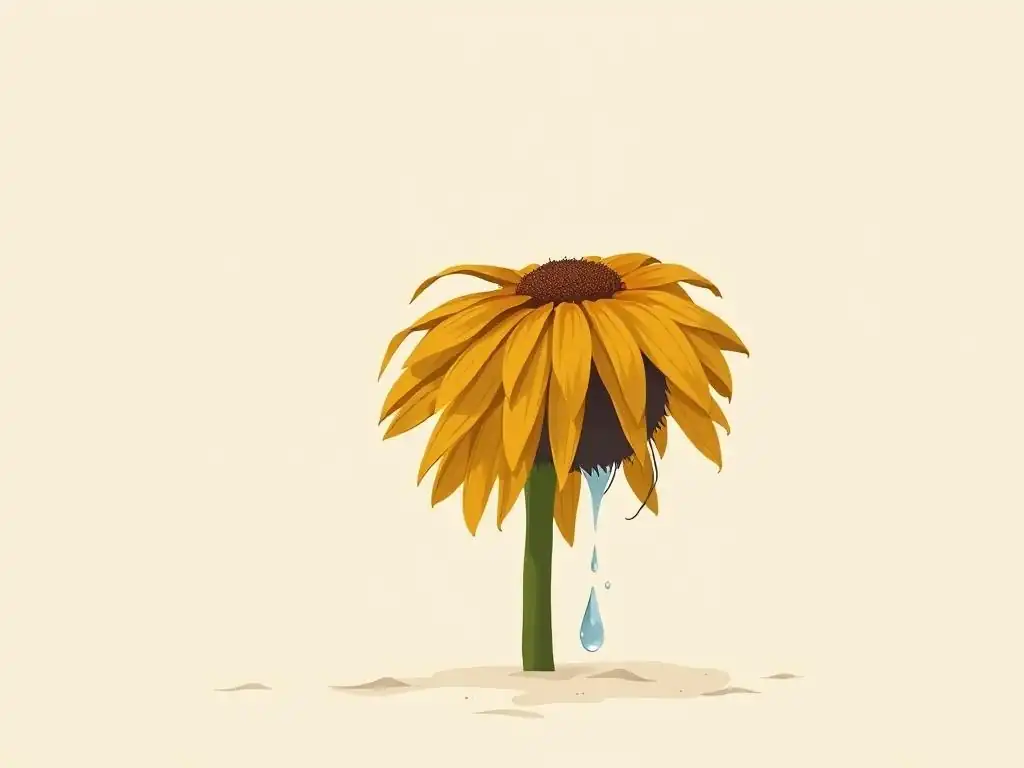
Burnout, a state of emotional, physical, and mental exhaustion caused by prolonged or excessive stress, manifests differently across individuals. However, emotional exhaustion serves as a core symptom, impacting both students and teachers significantly. Understanding its nuances is crucial for early intervention and prevention. This section focuses specifically on identifying the signs of emotional exhaustion, a key indicator of burnout in students and teachers, two groups particularly vulnerable to this pervasive problem. The prevalence of burnout amongst these groups highlights the need for increased awareness and support systems. Let's delve into the specific symptoms and warning signs.
Emotional Exhaustion in Students: Symptoms and Indicators
Students facing academic pressure, social anxieties, and financial burdens are highly susceptible to burnout. Emotional exhaustion in this population often presents as:
- Persistent fatigue: Beyond simple tiredness, this involves a profound lack of energy that interferes with daily activities, including attending classes, completing assignments, and engaging in social interactions. This isn't just feeling tired after a long day; it's a deep-seated exhaustion that persists even after rest.
- Irritability and mood swings: Students experiencing burnout may exhibit increased irritability, frustration, and unpredictable mood swings. Minor inconveniences can trigger disproportionate emotional responses. This can strain relationships with peers, family, and professors.
- Loss of motivation and interest: A significant drop in academic performance is often a key indicator. This includes neglecting assignments, missing classes, and a general lack of interest in subjects previously enjoyed. This apathy extends beyond academics, impacting hobbies and social activities.
- Difficulty concentrating: Sustained focus becomes challenging, leading to reduced academic performance and impaired cognitive function. This can manifest as trouble remembering information, struggling to complete tasks, and feeling mentally overwhelmed.
- Increased anxiety and depression: Burnout is strongly linked to anxiety and depression. Students may experience heightened anxiety about academic performance, social interactions, or the future. Symptoms of depression, such as sadness, hopelessness, and loss of interest in pleasurable activities, may also become apparent.
Consider this example: A student consistently achieving high grades suddenly experiences a sharp decline in performance, accompanied by persistent fatigue, increased irritability towards friends and family, and a complete loss of interest in their extracurricular activities. These symptoms strongly suggest emotional exhaustion, a potential precursor to full-blown burnout. Early identification is key to preventing further deterioration.
Emotional Exhaustion in Teachers: Recognizing the Warning Signs
Teachers, too, face considerable stress, from demanding workloads and challenging student behaviors to administrative pressures and limited resources. Emotional exhaustion in teachers often presents as:
- Feeling overwhelmed and constantly stressed: A persistent sense of being overburdened, unable to cope with the demands of the job. This feeling extends beyond a busy workday; it’s a constant, pervasive sense of being overwhelmed.
- Lack of enthusiasm and passion for teaching: A dwindling sense of satisfaction and purpose in their profession. This can manifest as a decreased desire to plan engaging lessons, a feeling of detachment from students, and a general loss of enthusiasm for teaching.
- Physical symptoms: Headaches, sleep disturbances, gastrointestinal problems, and other physical ailments can be indicative of emotional exhaustion. These physical manifestations are often a direct result of the chronic stress associated with burnout.
- Increased cynicism and negativity: A growing sense of disillusionment and negativity towards the profession, students, and the educational system. This can lead to detachment and a lack of empathy towards students and colleagues.
- Difficulty disconnecting from work: The inability to mentally detach from work even outside of teaching hours, leading to constant worry and stress. This constant mental engagement can further exacerbate emotional exhaustion and contribute to a vicious cycle.
The table below summarizes key differences and similarities in burnout signs between students and teachers:
| Feature | Students | Teachers |
|---|---|---|
| Fatigue | Persistent tiredness, affecting daily life | Constant exhaustion, affecting personal life |
| Motivation | Loss of interest in studies and hobbies | Loss of passion for teaching, decreased enthusiasm |
| Emotional State | Irritability, mood swings, anxiety, depression | Cynicism, negativity, overwhelm, difficulty disconnecting |
| Performance | Decline in academic performance | Decreased teaching effectiveness, absenteeism |
Depersonalization and Cynicism: A Key Symptom of Burnout
Depersonalization and cynicism are hallmarks of burnout, regardless of profession or age. Depersonalization refers to a feeling of emotional detachment from one's work and the people involved. This can manifest as increased emotional distance from students (for teachers) or classmates (for students), a sense of emotional numbness, and a lack of empathy. Cynicism involves the development of negative and jaded attitudes towards one's work and the individuals involved.
This can be expressed through sarcastic comments, negativity, and a general sense of disillusionment. Both depersonalization and cynicism contribute significantly to the overall sense of exhaustion and emotional depletion characteristic of burnout. They represent a crucial shift from engagement and passion to detachment and negativity, signaling a critical need for intervention and self-care strategies. Addressing these symptoms is vital to prevent the further progression of burnout and its associated negative consequences.
Recognizing the Signs of Burnout: Physical Exhaustion
Burnout, a state of emotional, physical, and mental exhaustion caused by prolonged or excessive stress, manifests differently across individuals. However, consistent physical symptoms often serve as early warning signs, particularly for students and teachers who frequently face high-pressure environments. Recognizing these physical manifestations is crucial for early intervention and preventing the escalation of burnout. Understanding the specific physical signs in different populations, such as students and teachers, allows for targeted support and preventative strategies. This section will delve into the specific physical manifestations of burnout experienced by students and teachers, highlighting the interconnectedness of physical and emotional exhaustion.
Physical Manifestations of Burnout in Students
Students, particularly those juggling academic pressures, extracurricular activities, and social life, are highly susceptible to burnout. The physical toll can be significant. Common physical manifestations include:
- Persistent fatigue: This goes beyond simple tiredness. Students experiencing burnout may feel perpetually exhausted, even after adequate sleep. This unrelenting fatigue can impact their academic performance, social interactions, and overall well-being. It's not just about feeling sleepy; it's a deep-seated exhaustion that's difficult to shake off.
- Frequent headaches and migraines: The stress of exams, assignments, and social pressures can trigger frequent headaches, sometimes escalating into debilitating migraines. These headaches are often accompanied by nausea, sensitivity to light and sound, and significant pain.
- Gastrointestinal issues: Stress significantly impacts the digestive system. Students experiencing burnout may report symptoms such as stomach aches, nausea, diarrhea, or constipation. These issues can disrupt their daily routines and further exacerbate their stress levels.
- Muscle tension and pain: Prolonged stress leads to muscle tension, resulting in chronic pain in the neck, shoulders, back, and jaw. This physical discomfort can interfere with sleep, concentration, and overall comfort.
- Weakened immune system: The body's defense mechanisms are compromised under chronic stress. Burnout often leads to increased susceptibility to illnesses, with students experiencing more frequent colds, flu, and other infections. This further contributes to fatigue and reduced ability to cope with academic demands.
Physical Manifestations of Burnout in Teachers
Teachers, facing demanding workloads, challenging student behaviors, and administrative pressures, also experience unique physical manifestations of burnout. These often mirror those experienced by students, but with some key distinctions:
- Chronic fatigue and insomnia: The relentless demands of teaching can lead to chronic fatigue, impacting sleep quality and quantity. Insomnia, difficulty falling or staying asleep, is a common complaint among teachers experiencing burnout. This sleep deprivation further exacerbates stress and reduces their ability to cope effectively.
- Voice problems: Constant talking and lecturing can strain vocal cords, leading to hoarseness, sore throats, and even loss of voice. This is a particularly telling physical manifestation of burnout in teachers.
- Increased blood pressure and heart rate: The chronic stress associated with teaching can lead to elevated blood pressure and heart rate, increasing the risk of cardiovascular problems. Regular monitoring of these vital signs is essential for teachers experiencing burnout symptoms.
- Digestive problems: Similar to students, teachers often experience gastrointestinal issues such as indigestion, heartburn, and irritable bowel syndrome (IBS). These issues can be significantly debilitating and affect their ability to perform their duties effectively.
- Weight changes: Stress can lead to either weight gain or weight loss, depending on the individual. Teachers experiencing burnout might find themselves either overeating or losing their appetite, resulting in significant weight fluctuations.
The Link Between Physical and Emotional Exhaustion in Burnout
The physical and emotional aspects of burnout are intricately linked. Emotional exhaustion, characterized by feelings of emptiness, cynicism, and depersonalization, often precedes and exacerbates physical symptoms. For instance, the emotional toll of dealing with challenging students or excessive workload can manifest as chronic headaches, muscle tension, or digestive problems. Conversely, persistent physical symptoms like fatigue and pain can fuel feelings of hopelessness, frustration, and emotional exhaustion, creating a vicious cycle.
Addressing both the emotional and physical dimensions is crucial for effective burnout management and recovery. Ignoring one aspect while focusing on the other will likely prove ineffective in the long run. A holistic approach is essential for successful intervention and prevention strategies for students and teachers struggling with burnout.
Burnout in Students and Teachers: Reduced Personal Accomplishment

Burnout, a state of emotional, physical, and mental exhaustion caused by prolonged or excessive stress, significantly impacts feelings of personal accomplishment. Students and teachers, two groups often facing high-pressure environments, are particularly vulnerable. This section will explore how burnout manifests as a diminished sense of achievement in these specific populations, focusing on the feeling of ineffectiveness and its consequences on academic and professional performance.
Feeling Ineffective: A Hallmark of Burnout
Feeling ineffective is a core symptom of burnout. It's the nagging feeling that despite your best efforts, you're not making a difference, not achieving your goals, or simply not measuring up. This feeling transcends simple frustration; it's a deep-seated sense of inadequacy that permeates various aspects of life. For students, this might manifest as believing their studying isn't effective, leading to poor grades despite significant time investment. For teachers, this could translate into a feeling that their teaching methods aren't connecting with students, regardless of lesson planning efforts and classroom management strategies.
This sense of ineffectiveness often stems from a mismatch between expectations and reality. Students might struggle to meet academic demands, leading to feelings of failure and inadequacy. Similarly, teachers might feel overwhelmed by administrative tasks, parental expectations, and curriculum pressures, leaving them feeling unable to provide the quality of education they aspire to.
The constant pressure to perform, coupled with a perceived lack of control, exacerbates this feeling of ineffectiveness, fueling the burnout cycle. Studies show a strong correlation between perceived lack of control and burnout severity in both students and teachers. The subjective experience of ineffectiveness is a powerful predictor of burnout severity, often preceding other physical and emotional symptoms.
Impact on Academic Performance in Students
Burnout significantly impacts academic performance among students. The feeling of ineffectiveness directly translates into decreased motivation, procrastination, and avoidance of academic tasks. Students experiencing burnout might find it difficult to concentrate, leading to poor grades and a decline in overall academic engagement. This is further compounded by other burnout symptoms such as fatigue, sleep disturbances, and decreased cognitive function.
For instance, a study on college students revealed that those with high burnout scores were significantly more likely to experience decreased academic performance, including lower GPAs and higher rates of course withdrawal. The relentless pressure to succeed academically, combined with the emotional toll of burnout, creates a vicious cycle that negatively impacts learning and academic achievement. This is particularly true for students juggling academics with part-time jobs or family responsibilities, further intensifying stress and contributing to burnout and reduced academic performance.
Impact on Teaching Effectiveness in Teachers
Burnout in teachers leads to a decline in teaching effectiveness, impacting student learning and overall school climate. Feeling ineffective as a teacher can manifest as decreased engagement with students, reduced enthusiasm for lesson planning, and a decline in classroom management skills. Teachers experiencing burnout might find themselves less patient, more irritable, and less able to connect with their students on an emotional level.
This, in turn, can lead to lower student engagement, poorer classroom dynamics, and ultimately, decreased student learning outcomes. Research has consistently shown a strong negative correlation between teacher burnout and student achievement. Moreover, teachers experiencing burnout are more likely to experience increased absenteeism and even consider leaving the profession entirely.
The impact extends beyond the individual teacher; a burnt-out teaching staff can negatively affect the entire school environment and create a less supportive learning atmosphere for students. Addressing teacher burnout is therefore crucial not only for the well-being of educators but also for the success of students.
Loss of Motivation and Engagement
Burnout in students and teachers often manifests as a significant decrease in motivation and engagement with their work. This isn't simply a matter of feeling tired; it's a profound shift in attitude and behavior. Students might find themselves unable to focus on their studies, procrastinating excessively, or losing interest in subjects they once enjoyed. Assignments that were once stimulating now feel overwhelming and pointless.
They may skip classes or participate minimally, exhibiting a general apathy towards their academic pursuits. This lack of engagement can extend beyond the classroom, impacting extracurricular activities and social interactions. The joy and sense of accomplishment associated with learning are replaced by feelings of emptiness and futility.
For teachers, the loss of motivation can be equally debilitating. The passion for teaching, once a driving force, can dwindle, leaving educators feeling disillusioned and drained. Lesson planning becomes a laborious chore, and interacting with students feels like a burden rather than a rewarding experience. Innovative teaching methods may be abandoned in favor of rote routines, as the energy and creativity required for engaging instruction are depleted.
This loss of motivation can lead to increased absenteeism, decreased classroom management effectiveness, and a general decline in the quality of teaching. The once-vibrant educator may become a shell of their former self, struggling to maintain even a basic level of engagement with their profession. This is a critical sign of burnout that should not be ignored, as it can significantly impact both the teacher's well-being and the students' learning experience.
The resulting decline in teaching quality can create a vicious cycle, further exacerbating feelings of inadequacy and contributing to the overall sense of burnout. Recognizing this loss of motivation is crucial for both students and teachers to seek help and implement strategies to regain their enthusiasm and engagement. Early intervention is key to preventing further deterioration and ensuring a positive and productive learning environment.
Coping Mechanisms and Strategies for Burnout Prevention

Burnout, a state of emotional, physical, and mental exhaustion caused by prolonged or excessive stress, significantly impacts students and teachers alike. Recognizing the early burnout signs students teachers experience is crucial for effective intervention. However, simply identifying the problem isn't enough; proactive coping mechanisms and preventative strategies are vital for maintaining well-being and preventing burnout from escalating. This section delves into practical strategies to mitigate the risk and build resilience against the debilitating effects of chronic stress.
Healthy Lifestyle Choices to Combat Burnout
Maintaining a healthy lifestyle is foundational to preventing burnout. This isn't about achieving perfection, but rather about incorporating small, sustainable changes that cumulatively contribute to improved well-being. Prioritizing sleep, nutrition, and physical activity are key components.
Sufficient sleep is paramount. Aim for 7-9 hours of quality sleep nightly. Consistent sleep schedules, even on weekends, help regulate your body's natural sleep-wake cycle, improving alertness and cognitive function. A lack of sleep exacerbates stress and increases vulnerability to burnout. Consider establishing a relaxing bedtime routine to promote better sleep hygiene.
Nutrition plays a crucial role. A balanced diet rich in fruits, vegetables, whole grains, and lean protein provides the essential nutrients needed to support physical and mental health. Limit processed foods, sugary drinks, and excessive caffeine, which can contribute to anxiety and energy crashes. Regular hydration is also essential; dehydration can worsen stress symptoms.
Regular physical activity is a powerful stress reliever. Even moderate exercise, such as a brisk walk or a bike ride, can significantly reduce stress hormones and boost mood. Find activities you enjoy, whether it's dancing, swimming, hiking, or team sports, and make time for them regularly. Aim for at least 150 minutes of moderate-intensity aerobic activity per week, as recommended by health guidelines.
Stress Management Techniques for Students and Teachers
Beyond healthy lifestyle choices, specific stress management techniques are essential for preventing burnout. These techniques can help individuals regulate their emotional responses to stress and build resilience.
- Mindfulness and Meditation: Practicing mindfulness involves paying attention to the present moment without judgment. Regular meditation, even for a few minutes daily, can help reduce stress, improve focus, and enhance emotional regulation. Many guided meditation apps are available to facilitate this practice.
- Time Management: Effective time management is crucial for both students and teachers. Prioritizing tasks, breaking down large projects into smaller, manageable steps, and setting realistic deadlines can significantly reduce feelings of overwhelm. Utilize tools like planners, calendars, or to-do lists to stay organized.
- Deep Breathing Exercises: Simple deep breathing exercises can quickly calm the nervous system and reduce stress responses. Practicing deep, slow breaths can help regulate heart rate and blood pressure, promoting a sense of calm.
- Cognitive Restructuring: This technique involves identifying and challenging negative or unhelpful thought patterns that contribute to stress. By replacing negative thoughts with more realistic and positive ones, individuals can reduce anxiety and improve their overall outlook. This can be particularly helpful for students and teachers facing challenging situations.
- Social Support: Building and maintaining strong social connections is a powerful buffer against stress. Connecting with friends, family, colleagues, or support groups provides emotional support and a sense of belonging. Don't hesitate to reach out to others for help when needed.
Seeking Professional Help: When to Reach Out
While self-care strategies are valuable, recognizing when professional help is needed is crucial. If burnout symptoms persist despite implementing coping mechanisms, seeking professional support is essential.
Several signs indicate the need for professional intervention:
| Sign | Description |
|---|---|
| Persistent fatigue | Extreme tiredness that doesn't improve with rest. |
| Cynicism and detachment | Feeling emotionally detached from work or studies, experiencing a sense of negativity and apathy. |
| Reduced personal efficacy | Feeling incompetent and unable to cope with demands. |
| Physical symptoms | Headaches, digestive problems, sleep disturbances, and other physical manifestations of stress. |
| Difficulty concentrating | Struggling to focus and maintain attention. |
Ignoring these signs can lead to more severe consequences, impacting both mental and physical health. A mental health professional can provide a personalized assessment, diagnose any underlying conditions, and recommend appropriate interventions, such as therapy or medication. Don't hesitate to reach out for help; seeking professional support is a sign of strength, not weakness. Remember, prioritizing your mental and emotional well-being is essential for long-term health and success. Early intervention is key to effectively managing burnout and preventing its long-term effects.
The Importance of Early Intervention and Support
Burnout, a state of emotional, physical, and mental exhaustion caused by prolonged or excessive stress, significantly impacts individuals' well-being and productivity. For students and teachers, particularly, early intervention is crucial to mitigate the long-term consequences of this debilitating condition. Ignoring the initial signs can lead to a downward spiral, affecting academic performance, professional effectiveness, and overall mental health.
Early intervention not only reduces the severity of burnout but also helps individuals develop coping mechanisms and resilience, preventing future episodes. This section will explore the critical role of early detection and prevention, focusing on the specific needs and resources available to students and teachers experiencing burnout signs. The earlier the intervention, the better the chances of a successful recovery and a return to a healthy and productive lifestyle.
Early Detection and Prevention Strategies
Recognizing burnout signs in oneself or others is the first step towards effective intervention. For students, common indicators include decreased academic performance, increased procrastination, feelings of cynicism or detachment from studies, physical symptoms like fatigue and headaches, and social withdrawal. Teachers, on the other hand, may exhibit similar symptoms alongside feelings of overwhelming workload, lack of control over their work environment, and a sense of ineffectiveness. Early detection strategies involve regular self-assessment using validated burnout scales 1 , open communication with trusted individuals (friends, family, colleagues, mentors), and paying attention to changes in behavior and mood. Prevention strategies include proactive stress management techniques like mindfulness, regular exercise, sufficient sleep, maintaining a healthy work-life balance, and seeking professional help when needed. Implementing these strategies can significantly reduce the risk of developing burnout and improve overall well-being. Early intervention also involves setting realistic expectations, prioritizing tasks effectively, and learning to say "no" to avoid overcommitment. A proactive approach is key to preventing burnout from escalating into a more serious issue.
1 Further research is needed to identify specific, widely accessible burnout scales suitable for students and teachers.
Resources and Support Systems for Students
Students facing burnout often lack awareness of available resources. Colleges and universities typically offer counseling services, academic advising, and peer support groups specifically designed to address student well-being. These resources provide confidential support, guidance on stress management techniques, and referrals to additional mental health services if necessary.
Furthermore, many institutions have implemented initiatives focused on promoting mental health awareness and providing workshops on stress reduction and resilience-building. Students should proactively seek out these resources and utilize them to address their concerns. Open communication with professors regarding academic challenges can also lead to tailored support, such as extensions on assignments or adjustments to course expectations.
Utilizing campus resources and seeking help from trusted faculty members can significantly aid in managing the effects of burnout and improving academic success. Early engagement with support systems is crucial for students experiencing burnout signs. The availability and accessibility of these resources vary across institutions, therefore, exploring the specific services offered by one's university or college is paramount.
Resources and Support Systems for Teachers
Teachers, often burdened by high workloads, demanding students, and administrative pressures, are particularly vulnerable to burnout. Schools and districts should provide comprehensive support systems, including access to employee assistance programs (EAPs), mental health professionals, and professional development opportunities focused on stress management and self-care. Mentorship programs connecting experienced teachers with newer colleagues can also offer valuable support and guidance.
Furthermore, fostering a supportive and collaborative school culture where teachers feel valued and respected can significantly reduce the risk of burnout. Administrators play a crucial role in creating this environment by providing adequate resources, fostering open communication, and recognizing the importance of teacher well-being. Access to professional development focused on classroom management strategies and stress reduction techniques can also prove invaluable.
Open communication with school administration about workload concerns and the need for additional support is essential for teachers experiencing burnout signs. The provision of adequate resources and a supportive work environment is crucial for teacher retention and well-being. The specific resources available will vary depending on the school district and institution.
Frequently Asked Questions
What are some common burnout signs in students and teachers?
Students might experience decreased motivation, difficulty concentrating, and increased anxiety or irritability. Teachers may show physical exhaustion, cynicism, and a lack of personal accomplishment. Both groups might withdraw socially.
How is student burnout different from teacher burnout?
While both share symptoms like exhaustion and cynicism, student burnout often manifests as academic struggles and social withdrawal, whereas teacher burnout can involve feelings of ineffectiveness and emotional detachment from their work and students.
What are the underlying causes of burnout in students and teachers?
High-pressure academic environments, excessive workload, and lack of support are common factors. For teachers, lack of resources, administrative burdens, and unrealistic expectations contribute significantly. Lack of work-life balance impacts both groups.
Can burnout be prevented? If so, how?
Yes, self-care practices like exercise, sufficient sleep, and mindfulness are crucial. Establishing realistic goals, seeking social support, and learning effective time management techniques are also vital preventative measures. Open communication with supervisors or mentors is important too.
Where can I find more information about burnout and its treatment?
You can explore resources from reputable organizations like the American Psychological Association (APA) and the National Institute of Mental Health (NIMH). Consulting with a mental health professional is recommended for personalized support and treatment options.
Final Reflection: The Silent Epidemic of Burnout Among Students and Teachers
The pervasive nature of burnout, affecting both students and teachers alike, demands immediate attention. It's no longer a fringe issue; it's a silent epidemic slowly eroding the well-being of individuals crucial to our educational system and future generations. The relentless pressure of academic expectations, coupled with the emotional toll of teaching, creates a perfect storm for exhaustion and disillusionment.
The impact of burnout extends far beyond individual suffering; it shapes the very fabric of our educational landscape. The passion and dedication of teachers are essential for nurturing young minds, yet the constant demands often leave them feeling depleted and undervalued. This, in turn, affects the quality of education students receive. The best teachers are those who show students that learning is a journey, not a race.
This sentiment rings hollow when teachers themselves are trapped in a relentless race against burnout, unable to fully invest in their students' growth.
You, the reader – whether student, teacher, or concerned parent – now possess a deeper understanding of burnout's insidious nature. Take a moment to reflect on your own experiences. Are you recognizing any of the signs within yourself or those around you? It's time to prioritize self-care, advocate for better support systems, and foster a culture of understanding and compassion. Let's work together to create environments where learning and teaching can thrive, free from the debilitating grip of burnout.
**Revitalize Your Well-Being Today! **
Thank you for exploring the signs of burnout and its impact on your emotional and physical health. Understanding this is crucial to reclaiming your vitality and improving your quality of life. Now, let's put that knowledge into action!
Here are a few practical steps you can take immediately:
- **Prioritize self-care** with just 10 minutes daily for a rejuvenating activity, such as meditation or a short walk. Even a brief respite can make a difference.
- **Connect with your support system. ** Reach out to a friend, family member, or join a local wellness group. Sharing your feelings and connecting with others is vital.
- **Practice mindfulness. ** A daily journaling practice can help you process emotions and cultivate gratitude, promoting a sense of well-being.
How will you begin combating burnout today?