
The Impact of Trauma on Anxiety: PTSD and Related Disorders

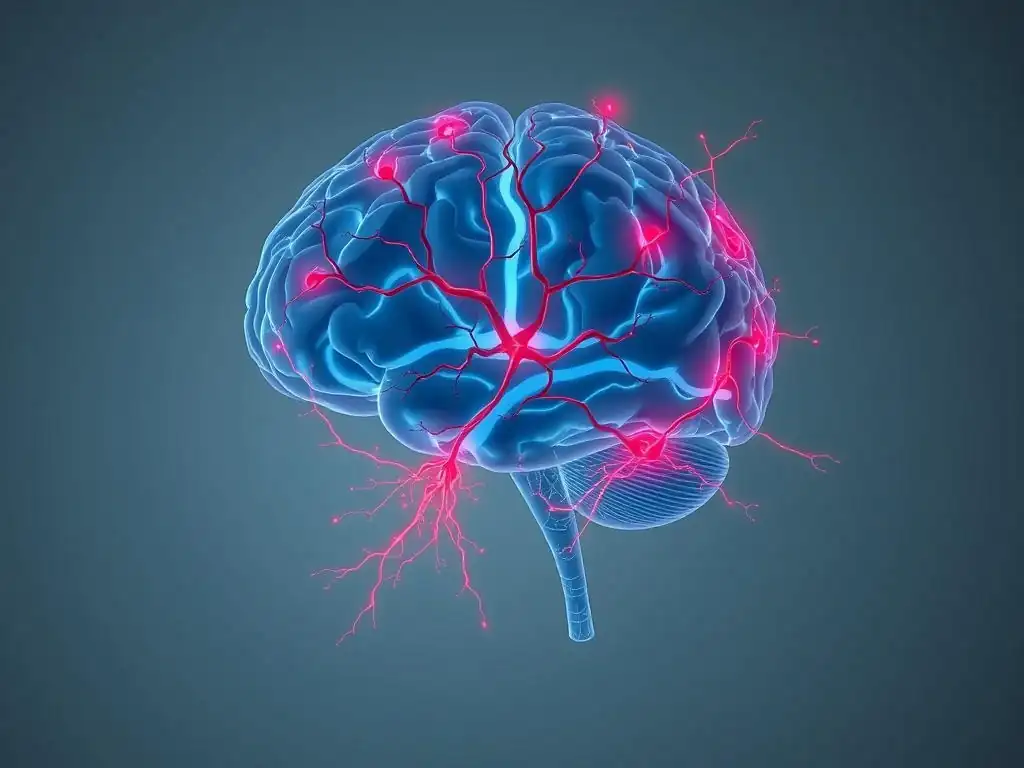
Welcome to Psychology Basics, your gateway to understanding the fascinating world of the human mind. Are you curious about the intricate connections between our experiences and our mental well-being? Then you've come to the right place. We delve into the core principles of psychology, making complex concepts accessible to everyone. This exploration begins with a crucial topic: trauma's impact on anxiety disorders. Discover how past experiences can shape our present, and unlock a deeper understanding of conditions like PTSD and related anxieties. Prepare to be intrigued – let's explore the powerful connection between trauma and anxiety together.
- Understanding Trauma's Impact on Anxiety Disorders
- Post-Traumatic Stress Disorder (PTSD): A Deep Dive
- Other Trauma-Related Anxiety Disorders
- Treatment Approaches for Trauma-Related Anxiety
- Coping Mechanisms and Self-Help Strategies for Trauma Survivors
- Frequently Asked Questions
- Final Reflection: Unraveling the Threads of Trauma and Anxiety
- Empower Your Healing Journey Today!
Understanding Trauma's Impact on Anxiety Disorders
Trauma's impact on anxiety disorders is a significant area of study within psychology, highlighting the profound and lasting effects that traumatic experiences can have on mental health. This article explores the complex relationship between trauma and anxiety, focusing on Post-Traumatic Stress Disorder (PTSD) and related conditions. We will delve into the definition of trauma, its varied presentations, and the underlying neurobiological mechanisms that contribute to the development of anxiety disorders following traumatic events.
Understanding this intricate connection is crucial for effective prevention, diagnosis, and treatment of anxiety disorders stemming from trauma. This knowledge empowers individuals to better comprehend their experiences and seek appropriate support.
We will examine how trauma affects the brain's stress response system, leading to heightened anxiety and the development of conditions such as PTSD, generalized anxiety disorder (GAD), and panic disorder. The information provided aims to be both informative and accessible, suitable for students and anyone interested in learning more about the psychological impact of trauma.
Defining Trauma and its Diverse Manifestations
Trauma is not a monolithic experience; it manifests in incredibly diverse ways depending on individual factors, the nature of the traumatic event, and the individual's coping mechanisms. The Diagnostic and Statistical Manual of Mental Disorders (DSM-5) defines trauma as exposure to actual or threatened death, serious injury, or sexual violence. However, this definition doesn't fully capture the breadth of experiences that can be considered traumatic. Some examples include:
- Direct Exposure: Being a victim of physical assault, witnessing a violent crime, or experiencing a natural disaster firsthand.
- Indirect Exposure: Learning about the violent death or serious injury of a loved one, or repeatedly being exposed to details of trauma (e.g., first responders).
- Childhood Trauma: Experiencing abuse (physical, emotional, or sexual), neglect, or household dysfunction.
The impact of trauma is heavily influenced by factors like the severity and duration of the event, the individual's pre-existing vulnerabilities, and the availability of social support. It's crucial to acknowledge the subjective nature of trauma; what constitutes a traumatic experience differs significantly between individuals. The emotional and psychological consequences can range from mild to severe, impacting various aspects of life, including relationships, work, and overall well-being. Many individuals may not even realize the event they experienced was traumatic until later in life.
The Neurobiological Link Between Trauma and Anxiety
The connection between trauma and anxiety isn't merely psychological; it has a strong neurobiological basis. Traumatic experiences profoundly alter the brain's structure and function, leading to heightened vulnerability to anxiety disorders. The brain's response to trauma involves complex interactions between various brain regions and neurotransmitter systems. Chronic stress, a common consequence of trauma, can lead to long-term changes in brain plasticity, making individuals more susceptible to anxiety.
Specific brain areas show altered activity after traumatic events, contributing to the symptoms of anxiety disorders. This includes changes in the size and function of certain brain regions. For example, studies have shown [specific data pending] changes in the hippocampus, a brain area crucial for memory consolidation.
The Role of the Amygdala and HPA Axis in Trauma Response
The amygdala, a key structure in the brain's fear circuitry, plays a central role in the processing and storage of traumatic memories. In individuals who have experienced trauma, the amygdala often exhibits heightened activity, leading to exaggerated fear responses and increased anxiety. This hyper-reactivity can trigger panic attacks, phobias, and other anxiety symptoms even in situations that are not objectively threatening.
The hypothalamic-pituitary-adrenal (HPA) axis is the body's primary stress response system. Trauma can dysregulate the HPA axis, leading to chronic cortisol release. Prolonged exposure to high levels of cortisol can have detrimental effects on brain function, further increasing vulnerability to anxiety. The dysregulation of the HPA axis is linked to several symptoms of PTSD and other trauma-related anxiety disorders, including hypervigilance, sleep disturbances, and emotional numbing. Understanding the intricate interplay between the amygdala, HPA axis, and other brain regions is essential for developing effective treatments for trauma-related anxiety.
Post-Traumatic Stress Disorder (PTSD): A Deep Dive

Post-Traumatic Stress Disorder (PTSD) is a debilitating anxiety disorder that can significantly impact a person's life. It's crucial to understand that PTSD isn't simply a matter of "getting over" a traumatic event. The trauma's impact on anxiety disorders manifests in complex and persistent ways, shaping a person's thoughts, feelings, and behaviors long after the event has passed.
This section delves into the intricacies of PTSD, exploring its diagnostic criteria, development, and relationship with other anxiety disorders. Understanding PTSD is key to understanding the profound impact trauma can have on mental health. The prevalence of PTSD varies depending on the population studied and the specific trauma experienced, but it highlights the widespread nature of this disorder and the urgent need for effective treatment strategies.
PTSD Symptoms: Diagnostic Criteria and Variations
The Diagnostic and Statistical Manual of Mental Disorders, Fifth Edition (DSM-5), outlines specific criteria for diagnosing PTSD. These criteria are designed to capture the multifaceted nature of the disorder. Individuals must experience a traumatic event – either directly, witnessing it, learning about it happening to a close family member or friend, or experiencing repeated or extreme exposure to aversive details of a traumatic event (e.g., first responders collecting human remains). After the trauma, individuals must exhibit symptoms across four main symptom clusters:
- Intrusion symptoms: Recurrent, involuntary, and intrusive distressing memories of the traumatic event; recurring nightmares; dissociative reactions (flashbacks) where the individual feels or acts as if the traumatic event were recurring; intense or prolonged psychological distress at exposure to internal or external cues that symbolize or resemble an aspect of the traumatic event; marked physiological reactions to internal or external cues that symbolize or resemble an aspect of the traumatic event.
- Avoidance symptoms: Persistent avoidance of distressing memories, thoughts, or feelings about or closely associated with the traumatic event; persistent avoidance of external reminders (people, places, conversations, activities, objects, situations) that arouse distressing memories, thoughts, or feelings about or closely associated with the traumatic event.
- Negative alterations in cognitions and mood: Inability to remember an important aspect of the traumatic event; persistent and exaggerated negative beliefs or expectations about oneself, others, or the world; persistent, distorted cognitions about the cause or consequences of the traumatic event that lead the individual to blame himself/herself or others; persistent negative emotional state (e.g., fear, horror, anger, guilt, or shame); markedly diminished interest or participation in significant activities; feelings of detachment or estrangement from others; persistent inability to experience positive emotions.
- Alterations in arousal and reactivity: Irritable behavior and angry outbursts (with little or no provocation) typically expressed as verbal or physical aggression toward people or objects; reckless or self-destructive behavior; hypervigilance; exaggerated startle response; problems with concentration; sleep disturbances (e.g., difficulty falling or staying asleep or restless sleep).
The severity and presentation of these symptoms can vary greatly among individuals. Some may experience predominantly intrusive symptoms, while others may primarily struggle with avoidance or negative alterations in mood. This variability underscores the importance of individualized assessment and treatment planning. The duration of symptoms is also a crucial factor in diagnosis; symptoms must persist for at least one month.
The Development and Course of PTSD: Risk Factors and Triggers
The development of PTSD is a complex interplay of several factors. While exposure to a traumatic event is a necessary condition, it's not sufficient to guarantee the development of the disorder. Several risk factors can increase vulnerability, including:
- Pre-existing mental health conditions: Individuals with pre-existing anxiety disorders, depression, or other mental health conditions are at a higher risk of developing PTSD.
- Genetic predisposition: Family history of anxiety disorders or PTSD can increase susceptibility.
- Severity and nature of the trauma: The type of trauma, its intensity, and the individual's experience during the event all play a role. Experiences involving interpersonal violence, for instance, are often associated with a higher risk of PTSD.
- Lack of social support: A strong social support network can be protective, whereas a lack of support can exacerbate the risk.
- Coping mechanisms: Effective coping strategies can mitigate the impact of trauma, while ineffective strategies can increase vulnerability.
Triggers can vary widely. They might be sensory cues (a sound, smell, or sight), emotional cues (a feeling of helplessness or fear), or environmental cues (a specific location or situation). These triggers can unexpectedly re-activate the traumatic memory, leading to a resurgence of PTSD symptoms. Understanding these risk factors and triggers is essential for both prevention and effective treatment interventions.
PTSD and Comorbidity with Other Anxiety Disorders
PTSD frequently co-occurs with other anxiety disorders, a phenomenon known as comorbidity. This means that individuals diagnosed with PTSD often also meet the criteria for other anxiety disorders, such as generalized anxiety disorder (GAD), panic disorder, social anxiety disorder, or specific phobias. The high rate of comorbidity highlights the interconnectedness of these conditions and the shared underlying mechanisms that may contribute to their development.
The overlap in symptoms between PTSD and other anxiety disorders can make diagnosis challenging, and it emphasizes the need for comprehensive assessments that consider the full range of symptoms and their temporal relationship. For example, the hypervigilance and exaggerated startle response characteristic of PTSD can also be present in other anxiety disorders. Similarly, avoidance behaviors are common across many anxiety disorders.
Effective treatment strategies often need to address both the PTSD symptoms and the symptoms of co-occurring anxiety disorders simultaneously. Understanding the complex interplay between PTSD and other anxiety disorders is crucial for developing effective and holistic treatment plans. Further research is needed to fully elucidate the mechanisms behind this high comorbidity rate and to develop targeted interventions that address the unique challenges posed by co-occurring anxiety disorders.
Trauma's impact extends beyond PTSD, significantly influencing the development and manifestation of other anxiety disorders. While PTSD is characterized by persistent re-experiencing, avoidance, and hyperarousal following a traumatic event, other conditions share overlapping symptoms and etiological factors. Understanding these connections is crucial for effective diagnosis and treatment. The following sections explore some key examples of how trauma can contribute to a range of anxiety disorders.
Acute Stress Disorder (ASD): Short-Term Trauma Response
Acute Stress Disorder (ASD) is a short-term anxiety disorder that can develop in the aftermath of a traumatic event. Unlike PTSD, which involves symptoms lasting longer than one month, ASD's symptoms typically manifest within one month of the trauma and persist for a minimum of three days but less than one month. The diagnostic criteria for ASD closely mirror those of PTSD, including intrusive memories, avoidance behaviors, negative mood alterations, and marked alterations in arousal and reactivity. However, the temporal limitation distinguishes ASD.
The prevalence of ASD varies depending on the type and severity of the trauma. Studies suggest a significant percentage of individuals exposed to traumatic events, such as natural disasters, accidents, or violent crimes, experience ASD. For example, research following the 9/11 terrorist attacks revealed high rates of ASD among individuals directly exposed to the event. This highlights the acute psychological impact of severe trauma and the body's immediate stress response.
Many individuals experiencing ASD will eventually recover without developing chronic PTSD, while others unfortunately transition into a more persistent diagnosis. Early intervention and access to appropriate mental health services are crucial in mitigating this transition. The key distinction is the time frame – ASD represents an immediate, acute reaction, whereas PTSD represents a more enduring and chronic condition.
Adjustment Disorders: Adapting to Stressful Life Events
Adjustment disorders represent a group of conditions characterized by emotional or behavioral symptoms arising in response to identifiable stressors. While not all stressors are traumatic, significant life events, including trauma, can trigger the development of an adjustment disorder. These disorders manifest as difficulty coping with the stressor, leading to impairment in social, occupational, or academic functioning. Symptoms can include anxiety, depression, and behavioral disturbances.
Trauma, even if not meeting the criteria for a severe traumatic event, can still significantly disrupt an individual's life, triggering an adjustment disorder. For instance, experiencing a serious car accident, even without severe physical injuries, might lead to significant anxiety, difficulty driving, and sleep disturbances, all indicative of an adjustment disorder. The crucial factor is the individual's inability to adapt to the stressor, leading to clinically significant distress and impairment.
The severity of the adjustment disorder is directly related to the intensity and duration of the stressor and the individual's coping mechanisms. Treatment often involves addressing the underlying stressor, developing coping strategies, and providing support to manage the emotional and behavioral symptoms. This demonstrates that even seemingly less severe trauma can have a significant impact on mental well-being.
Generalized Anxiety Disorder (GAD) and its Trauma Connection
Generalized Anxiety Disorder (GAD) is characterized by persistent and excessive worry about various aspects of life, accompanied by physical symptoms such as restlessness, fatigue, and muscle tension. While not directly classified as a trauma-related disorder, research suggests a strong association between trauma exposure and the development of GAD. Individuals with a history of trauma are at a significantly increased risk of developing GAD, possibly due to heightened sensitivity to threat and difficulty regulating emotional responses.
The link between trauma and GAD is complex and not fully understood. However, several theories attempt to explain this connection. One possibility is that trauma can disrupt the neurobiological systems responsible for regulating anxiety, leading to a heightened state of vigilance and increased susceptibility to worry.
Another theory suggests that trauma can lead to maladaptive coping mechanisms, such as excessive worrying, which then become entrenched and contribute to the development of GAD. Furthermore, the chronic stress associated with unresolved trauma can further exacerbate pre-existing vulnerabilities to anxiety, leading to a vicious cycle of worry and distress. This underscores the importance of addressing trauma as part of a comprehensive treatment plan for GAD, particularly in individuals with a history of traumatic experiences.
Treating the underlying trauma can significantly improve GAD symptoms and overall mental health. The interplay between trauma and GAD highlights the holistic nature of mental health and the interconnectedness of different disorders.
Trauma's impact on anxiety disorders manifests in various ways, from generalized anxiety to the debilitating symptoms of Post-Traumatic Stress Disorder (PTSD). Fortunately, several effective treatment approaches exist to help individuals manage and overcome these challenges. Understanding these options is crucial for both professionals and those seeking help. This section focuses on evidence-based treatments commonly used to address trauma-related anxiety. The effectiveness of any treatment can vary depending on individual factors, severity of symptoms, and the collaborative relationship between the patient and therapist.
Psychotherapy for Trauma: Cognitive Behavioral Therapy (CBT) and its Variants
Cognitive Behavioral Therapy (CBT) and its related approaches are cornerstone treatments for trauma-related anxiety. CBT helps individuals identify and challenge maladaptive thought patterns and behaviors that contribute to anxiety and distress following traumatic experiences. This is particularly relevant to PTSD, where intrusive thoughts, nightmares, and avoidance behaviors are common.
Several variations of CBT are employed, adapting the core principles to the unique needs of trauma survivors. For instance, Cognitive Processing Therapy (CPT) focuses on processing the meaning and implications of the trauma, challenging negative beliefs that may have arisen as a result. Prolonged Exposure Therapy (PE) involves gradual exposure to trauma-related memories, feelings, and situations to reduce avoidance and fear responses. The effectiveness of these techniques is supported by significant research showing reduced PTSD symptoms and improved quality of life in many patients. A meta-analysis of several studies on CPT demonstrated a significant reduction in PTSD symptoms compared to control groups, highlighting its efficacy as a trauma-focused treatment. 1 The success rate, however, isn't uniform; factors like the individual's resilience, support system, and the nature of the trauma all play a role.
Exposure Therapy and its Effectiveness in Trauma Treatment
Exposure therapy, a core component of several CBT variants, directly confronts the avoidance behaviors often associated with trauma-related anxiety. By gradually exposing individuals to trauma reminders—be it through imagined scenarios, virtual reality simulations, or real-life situations—the therapy aims to desensitize the individual to these triggers and reduce their anxiety response. This systematic desensitization can involve a hierarchy of exposure, starting with less distressing stimuli and gradually moving towards more challenging ones.
The effectiveness of exposure therapy for PTSD is well-documented. Studies have shown significant reductions in avoidance behaviors, intrusive thoughts, and overall PTSD symptom severity following exposure therapy. However, it's crucial to note that exposure therapy can be emotionally challenging and requires a supportive therapeutic relationship. Careful planning and preparation are essential to ensure the patient feels safe and supported throughout the process.
The therapist plays a vital role in gauging the patient's readiness and adjusting the intensity of exposure as needed. Successful implementation often involves careful collaboration, building trust, and a gradual approach tailored to the individual's needs and coping mechanisms. The process isn't always linear; setbacks are possible, and the therapist needs to be prepared to adjust the strategy accordingly.
Eye Movement Desensitization and Reprocessing (EMDR) Therapy
Eye Movement Desensitization and Reprocessing (EMDR) is another widely used treatment for trauma-related anxiety disorders, including PTSD. This therapy involves bilateral stimulation (often through eye movements, but also tapping or auditory tones) while the individual focuses on the traumatic memory. The theory behind EMDR suggests that the bilateral stimulation facilitates the processing of traumatic memories, reducing their emotional intensity and negative impact.
While the precise mechanism of EMDR remains a subject of ongoing research, numerous studies support its effectiveness in treating trauma-related conditions. EMDR has demonstrated comparable efficacy to other evidence-based therapies like CBT and prolonged exposure in reducing PTSD symptoms. However, some critics question the specific role of the bilateral stimulation, suggesting that the therapeutic process itself, including the opportunity to process traumatic memories in a safe and supportive environment, may be the primary driver of the positive outcomes.
Despite this ongoing debate, EMDR remains a valuable tool in the treatment arsenal for trauma-related anxiety, offering a different approach that may be particularly beneficial for certain individuals. The choice between EMDR and other therapies often depends on individual preferences and the therapist's expertise. A multi-modal approach, integrating elements from different therapeutic modalities, might also prove beneficial in some cases.
1 [Specific data on meta-analysis of CPT pending]
Medication plays a significant role in managing the symptoms of anxiety disorders stemming from trauma, particularly in cases of Post-Traumatic Stress Disorder (PTSD). It's crucial to understand that medication is not a standalone cure but rather a valuable tool used in conjunction with other therapeutic approaches, such as psychotherapy. The goal of medication isn't to erase the trauma but to alleviate the debilitating symptoms that interfere with daily life. This allows individuals to engage more effectively in therapy and other coping strategies.
Several classes of medications are commonly prescribed for trauma-related anxiety. Selective Serotonin Reuptake Inhibitors (SSRIs) are frequently the first line of defense. SSRIs, such as sertraline (Zoloft) and paroxetine (Paxil), work by increasing the levels of serotonin, a neurotransmitter crucial for mood regulation.
They are effective in reducing symptoms like intrusive thoughts, flashbacks, nightmares, and hypervigilance associated with PTSD. However, it's important to note that the onset of their effects can be gradual, often taking several weeks to become fully effective. Individual responses to SSRIs vary significantly, and finding the right medication and dosage may require some trial and error under the guidance of a psychiatrist.
Another class of antidepressants, Serotonin-Norepinephrine Reuptake Inhibitors (SNRIs), such as venlafaxine (Effexor) and duloxetine (Cymbalta), are also used. SNRIs increase levels of both serotonin and norepinephrine, another neurotransmitter involved in mood regulation and the body's stress response. These medications can be particularly helpful for individuals experiencing significant depressive symptoms alongside anxiety and trauma-related symptoms. Again, individual responses vary, and close monitoring by a healthcare professional is essential.
For individuals experiencing severe anxiety or panic attacks, benzodiazepines may be prescribed on a short-term basis. These medications, such as alprazolam (Xanax) and clonazepam (Klonopin), have a rapid onset of action and can provide immediate relief from acute anxiety symptoms. However, due to their potential for dependence and withdrawal symptoms, their use is generally limited to managing acute episodes and is usually not a long-term solution. They are most effective when used alongside other therapies, such as cognitive behavioral therapy (CBT) or trauma-focused therapy.
It is imperative to emphasize that choosing the right medication and managing its use requires close collaboration between the patient and a qualified healthcare professional, typically a psychiatrist. They will consider the individual's specific symptoms, medical history, and potential interactions with other medications before recommending a treatment plan. Regular monitoring is crucial to assess the medication's effectiveness and adjust the dosage as needed.
Furthermore, patients should be fully informed about potential side effects and should report any concerns or adverse reactions immediately. The path to managing trauma-related anxiety is often multifaceted, and medication is just one important component of a comprehensive treatment strategy.
Coping Mechanisms and Self-Help Strategies for Trauma Survivors
Trauma's impact on anxiety disorders manifests in various ways, significantly impacting daily life. Understanding effective coping mechanisms is crucial for managing symptoms and fostering healing. This section explores self-help strategies that trauma survivors can utilize to regain control and build resilience. The journey to recovery is unique to each individual, and what works for one person may not work for another. Experimentation and patience are key.
Building Resilience and Emotional Regulation Skills
Building resilience involves developing the capacity to bounce back from adversity. For trauma survivors, this means learning to manage intense emotions and developing healthy coping strategies. This process often involves identifying personal triggers and developing techniques to manage the resulting emotional responses.
One effective strategy is emotional regulation. This includes techniques like:
- Journaling: Writing down thoughts and feelings can help process trauma and identify patterns. Regular journaling can be a powerful tool for self-discovery and emotional release. Try to be specific; note the date, time, and any triggers that might have contributed to your emotional state.
- Deep breathing exercises: Deep, slow breaths activate the parasympathetic nervous system, counteracting the "fight-or-flight" response often triggered by trauma-related anxieties. Practicing diaphragmatic breathing several times a day can significantly reduce anxiety levels.
- Progressive muscle relaxation: This technique involves systematically tensing and releasing different muscle groups, promoting physical relaxation and reducing overall tension. Starting with the toes and working your way up to the head is a common approach.
- Identifying and challenging negative thoughts: Cognitive restructuring helps to identify and challenge negative or catastrophic thinking patterns that often accompany trauma and anxiety. Replacing these thoughts with more realistic and balanced perspectives is a crucial step in building resilience.
Regular practice of these techniques is essential. Consistency is key to building lasting resilience and managing anxiety effectively. Consider keeping a log to track your progress and identify areas needing further attention. Remember, building resilience is a journey, not a destination.
Mindfulness and Meditation Techniques for Anxiety Reduction
Mindfulness practices, such as meditation, have proven effective in reducing anxiety symptoms in trauma survivors. By focusing on the present moment, mindfulness helps to interrupt the cycle of rumination and worry often associated with PTSD and other trauma-related anxiety disorders.
Several meditation techniques can be beneficial:
- Body scan meditation: This involves bringing awareness to different parts of the body, noticing sensations without judgment. This can help ground you in the present and reduce feelings of overwhelm.
- Guided meditations: Many guided meditations are specifically designed to help with trauma and anxiety. These are readily available through apps or online resources. Look for meditations focusing on self-compassion and acceptance.
- Mindful breathing: Simply focusing on the sensation of your breath entering and leaving your body can be a powerful way to calm the mind and reduce anxiety. Even a few minutes a day can make a difference.
The key is to find a technique that resonates with you and to practice regularly. Even short, daily sessions can be beneficial. Mindfulness is not about emptying your mind; it's about acknowledging your thoughts and feelings without judgment and gently redirecting your attention back to the present moment.
While self-help strategies are valuable, seeking support from others is crucial for overcoming the challenges associated with trauma and anxiety. Building a strong support network and seeking professional help are essential components of a comprehensive recovery plan.
- Social Support: Connecting with trusted friends, family, or support groups can provide a sense of community and validation. Sharing your experiences with others who understand can be incredibly helpful. Consider joining a support group specifically for trauma survivors.
- Professional Help: A mental health professional, such as a therapist or psychiatrist, can provide specialized treatment for trauma-related anxiety disorders. Therapy, such as trauma-focused cognitive behavioral therapy (CBT) or Eye Movement Desensitization and Reprocessing (EMDR), can be highly effective in addressing the root causes of anxiety and promoting healing. Medication may also be considered in some cases to manage symptoms.
Don't hesitate to seek professional help. It's a sign of strength, not weakness, to acknowledge the need for support and actively work towards recovery. Remember, you are not alone, and help is available. Finding the right therapist or support group may take time, but the benefits are well worth the effort. Prioritizing mental health is essential for long-term well-being and recovery from trauma's impact on anxiety disorders.
Frequently Asked Questions
What is the relationship between trauma and anxiety disorders?
Experiencing traumatic events significantly increases the risk of developing anxiety disorders. Trauma can disrupt the brain's stress response system, leading to heightened anxiety and fear. This is especially true for Post-Traumatic Stress Disorder (PTSD).
How does trauma specifically contribute to PTSD?
PTSD develops when a person experiences or witnesses a terrifying event, resulting in persistent re-experiencing of the trauma, avoidance of trauma-related stimuli, and significant alterations in mood and arousal. These symptoms reflect a failure to adequately process the traumatic experience.
Are all anxiety disorders caused by trauma?
No, while trauma is a significant risk factor for many anxiety disorders, including PTSD, not all anxiety disorders are directly caused by trauma. Genetic predisposition, environmental factors, and learned behaviors also play important roles in the development of anxiety.
What are some common anxiety disorders linked to trauma?
Besides PTSD, trauma can contribute to the development of Generalized Anxiety Disorder (GAD), Panic Disorder, and social anxiety disorder. The traumatic experience can trigger or exacerbate pre-existing vulnerabilities to these conditions.
What treatments are available for anxiety disorders stemming from trauma?
Trauma-focused therapies, such as prolonged exposure therapy and cognitive processing therapy, are highly effective. These therapies help individuals process and manage traumatic memories and develop coping mechanisms to reduce anxiety symptoms. Medication may also be helpful in managing symptoms.
Final Reflection: Unraveling the Threads of Trauma and Anxiety
The pervasive impact of trauma on mental health is not merely a clinical observation; it's a societal crisis demanding immediate attention. Understanding the intricate link between trauma and anxiety disorders, particularly PTSD, is crucial for fostering empathy, developing effective interventions, and ultimately, building a more resilient and supportive community. The information presented in this article highlights the complex pathways through which trauma manifests as anxiety, emphasizing the need for early intervention and comprehensive care.
The ongoing struggle to address the long-term effects of trauma underscores the urgent need for increased awareness and accessible resources. The stigma surrounding mental health continues to hinder individuals from seeking help, perpetuating a cycle of suffering. The wound is the place where the Light enters you,
a quote by Rumi, beautifully encapsulates the transformative potential of healing from trauma, but this healing requires support, understanding, and a commitment to breaking down societal barriers. This article serves as a small step towards that larger goal, offering a glimpse into the complex interplay between trauma and anxiety.
You, the reader, now hold a deeper understanding of the profound impact trauma can have on your mental well-being. Take this knowledge and use it to advocate for yourself or others. Reach out to support networks, challenge the stigma surrounding mental health, and remember that seeking help is a sign of strength, not weakness. Let's work together to create a world where healing from trauma is not just possible, but actively supported and celebrated.
Empower Your Healing Journey Today!
Thank you for taking the time to learn about the powerful connection between trauma and anxiety. Understanding this complex relationship is a crucial step toward healing and building resilience. Now, let's put that knowledge into practice!
Here are some ways you can begin your healing journey:
- Seek support: Connect with a qualified therapist or join a support group to share your experiences and learn from others who understand.
- Expand your knowledge: Explore reputable resources like books, articles, or podcasts on trauma and anxiety to deepen your understanding and discover effective coping mechanisms.
- Start a conversation: Share this information with friends or family to raise awareness about trauma and related challenges, helping to reduce stigma and build a supportive community.
What's one small step you can take today to nurture your mental well-being or support someone you know who has experienced trauma?