
The Diagnostic Process for Mood Disorders: What to Expect

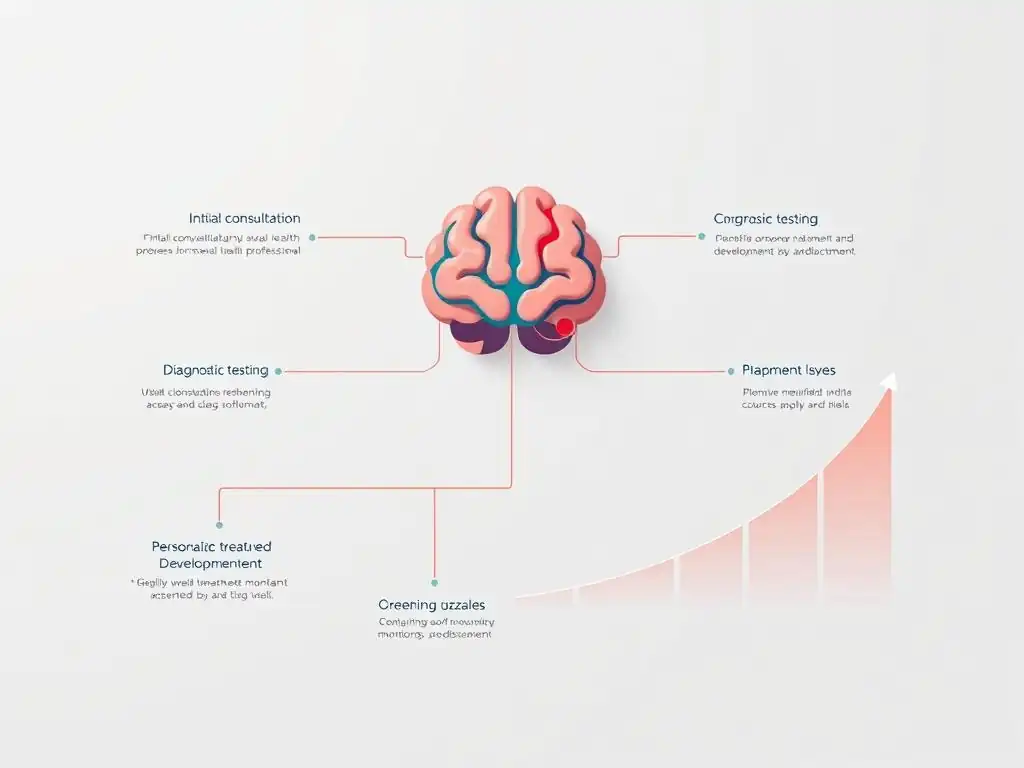
Unravel the complexities of the human mind with Psychology Basics. Are you curious about the intricate process behind mood disorder diagnosis? We demystify the steps involved, guiding you through a crucial area of Abnormal Psychology. Prepare to gain a deeper understanding of this fascinating and often misunderstood field – your journey into the world of mental health begins here.
- Understanding the Complexity of Mood Disorder Diagnosis
- Diagnostic Tools and Methods for Mood Disorders
- The Role of the DSM-5 in Mood Disorder Diagnosis
- Interpreting Diagnostic Findings and Creating a Treatment Plan
- Ongoing Monitoring and Adjustment of Treatment
- Navigating the Diagnostic Process: Tips for Patients
- Frequently Asked Questions
- Final Reflection: Navigating the Path to Understanding Mood Disorders
- **Take Charge of Your Mental Health Journey! **
Understanding the Complexity of Mood Disorder Diagnosis
Mood disorders, encompassing conditions like major depressive disorder and bipolar disorder, represent a significant area of concern in mental health. Accurately diagnosing these disorders is crucial for effective treatment and improved patient outcomes. The diagnostic process for mood disorders is not a simple checklist; rather, it's a multifaceted evaluation requiring a thorough understanding of the patient's history, presentation of symptoms, and the careful exclusion of other potential conditions.
This article will guide you through the key stages of this process, providing insights into what you can expect if you are seeking a diagnosis for a mood disorder or are simply interested in learning more about the intricacies of this evaluation. Understanding the nuances of mood disorder diagnosis is key to appreciating the complexities of mental health and the importance of professional assessment.
This process emphasizes a holistic approach, integrating various data points to arrive at an accurate and comprehensive diagnosis. The journey to diagnosis can be challenging, but armed with knowledge, you can better navigate this important process.
Initial Assessment and Patient History: Gathering Information for Mood Disorder Diagnosis
The initial assessment forms the cornerstone of the diagnostic process for mood disorders. This stage involves a comprehensive interview conducted by a qualified mental health professional, typically a psychiatrist, psychologist, or licensed clinical social worker. The interview aims to gather detailed information about the individual's current symptoms, their history of mood disturbances, and relevant personal and family background. This includes exploring the onset, duration, severity, and frequency of symptoms.
Specific questions will delve into the nature of mood episodes, including:
- Depressive episodes: Questions will explore the presence of persistent sadness, loss of interest or pleasure (anhedonia), changes in appetite and sleep, fatigue, feelings of worthlessness or guilt, difficulty concentrating, and recurrent thoughts of death or suicide.
- Manic episodes: These involve a period of abnormally elevated, expansive, or irritable mood, often accompanied by inflated self-esteem, decreased need for sleep, increased talkativeness, racing thoughts, impulsive behavior, and excessive involvement in pleasurable activities with potentially negative consequences.
- Hypomanic episodes: Similar to manic episodes, but less severe and without significant impairment in social or occupational functioning.
Beyond symptom exploration, the clinician will gather crucial information about:
- Past psychiatric history: Previous diagnoses, treatments, and responses to therapy.
- Family history: Occurrence of mood disorders or other mental illnesses within the family.
- Medical history: Any physical health conditions that might contribute to mood symptoms.
- Social history: Significant life events, social support systems, and current stressors.
- Substance use history: Past or present use of alcohol or drugs, which can significantly impact mood.
This detailed history provides a critical context for understanding the individual's current state and helps differentiate between various mood disorders. The accuracy and completeness of this information are paramount to a successful diagnosis.
Identifying Symptoms: Key Indicators of Mood Disorders
Identifying the specific symptoms experienced by the individual is crucial in the mood disorder diagnostic process. The Diagnostic and Statistical Manual of Mental Disorders (DSM-5) provides specific criteria for different mood disorders. Clinicians use these criteria as a guide to assess the presence and severity of symptoms.
The symptoms themselves can manifest in diverse ways, making accurate identification challenging. For example, depression may present as persistent sadness, but it can also manifest as irritability, fatigue, or loss of interest in activities once enjoyed. Similarly, manic symptoms can range from euphoria and increased energy to impulsivity and reckless behavior.
A key aspect of symptom identification involves:
- Severity: How intense are the symptoms? Do they significantly impair daily functioning?
- Duration: How long have the symptoms been present? The DSM-5 specifies minimum durations for diagnostic criteria.
- Pattern: Do symptoms occur in distinct episodes, or are they more persistent? This helps differentiate between different types of mood disorders.
Accurate symptom identification often requires multiple assessment methods, including:
- Structured clinical interviews: Standardized interviews designed to elicit specific information related to diagnostic criteria.
- Self-report questionnaires: Questionnaires that allow individuals to rate the severity of their symptoms.
- Observation: Clinicians observe the individual's behavior and demeanor during the assessment.
The integration of these various data points allows for a more comprehensive and nuanced understanding of the individual's symptoms and their impact on their life. This detailed assessment is essential to ensure an accurate diagnosis.
Differential Diagnosis: Ruling Out Other Conditions
A crucial step in the mood disorder diagnostic process is ruling out other conditions that might mimic mood symptoms. This is known as differential diagnosis. Many medical and psychological conditions can present with symptoms that overlap with those of mood disorders.
Examples of conditions that need to be considered include:
- Medical conditions: Hypothyroidism, certain neurological disorders, and chronic pain conditions can all cause mood disturbances. A thorough physical examination and potentially blood tests are often necessary to rule out these possibilities.
- Substance-induced mood disorders: The use of certain substances, such as alcohol, stimulants, or opioids, can trigger or exacerbate mood symptoms. A detailed substance use history is crucial in this aspect of the diagnostic process.
- Anxiety disorders: Anxiety and mood disorders often co-occur, making it essential to differentiate between the two. Symptoms like worry, nervousness, and physical tension can overlap with depressive symptoms.
- Personality disorders: Certain personality traits can influence mood and behavior, and it's important to consider whether these traits are contributing to the observed symptoms.
The differential diagnosis process is iterative and requires careful consideration of all relevant information gathered during the assessment. It's a process of elimination, where potential alternative explanations for the symptoms are systematically investigated and ruled out. This detailed approach ensures that the diagnosis accurately reflects the individual's condition and guides appropriate treatment planning. A thorough and careful differential diagnosis is essential for accurate diagnosis and effective treatment of mood disorders.
Diagnostic Tools and Methods for Mood Disorders
The accurate diagnosis of mood disorders is crucial for effective treatment planning. A comprehensive assessment typically involves a multi-faceted approach utilizing various tools and methods, each contributing unique insights into the individual's experience. The process aims to differentiate between various mood disorders (like major depressive disorder, bipolar disorder, persistent depressive disorder, etc. ), rule out other potential conditions mimicking mood symptoms, and understand the individual's unique presentation of the disorder.
This allows for a tailored treatment plan that addresses the specific needs of the patient, improving the chances of successful recovery. Understanding the tools involved in this process empowers both patients and clinicians. The key is a collaborative approach, with open communication between the patient and the mental health professional.
Structured Clinical Interviews for Mood Disorder Diagnosis
Structured clinical interviews (SCIs) represent a cornerstone of mood disorder diagnosis. Unlike unstructured interviews, which allow for more conversational flexibility, SCIs follow a standardized format, ensuring consistent and reliable data collection across different clinicians. This minimizes bias and improves the diagnostic accuracy. Examples include the Structured Clinical Interview for DSM-5 Disorders (SCID-5) and the Mini International Neuropsychiatric Interview (MINI). These interviews utilize specific questions and criteria from the Diagnostic and Statistical Manual of Mental Disorders (DSM-5) or the International Classification of Diseases (ICD-11) to systematically assess the presence and severity of various symptoms.
The process typically involves a detailed exploration of the individual's history, including the onset, duration, and course of their symptoms, along with the impact on their daily functioning. Clinicians will meticulously investigate the characteristic symptoms of different mood disorders, such as depressed mood, loss of interest, changes in sleep or appetite, feelings of worthlessness, and suicidal ideation. The structured nature of the interview ensures that all relevant diagnostic criteria are covered, minimizing the risk of overlooking crucial information.
The use of SCIs enhances the reliability and validity of the diagnosis, leading to more consistent treatment decisions. Moreover, the structured format is particularly beneficial for training clinicians and ensuring uniformity in research studies investigating mood disorders.
Self-Report Questionnaires and Inventories
Self-report questionnaires and inventories provide valuable supplementary information to the clinical interview. These tools allow individuals to provide their own perspectives on their symptoms and experiences, offering insights that might not be readily apparent during a clinical interview. These questionnaires typically consist of multiple-choice or rating-scale questions assessing various aspects of mood, such as mood fluctuations, emotional reactivity, and sleep patterns.
Examples include the Beck Depression Inventory (BDI-II), the Patient Health Questionnaire-9 (PHQ-9), and the Generalized Anxiety Disorder 7-item (GAD-7) scale. While convenient and cost-effective, it's crucial to remember that self-report measures are susceptible to biases, including response bias and social desirability bias. Therefore, their results should always be interpreted in conjunction with clinical observations and other assessment data.
The benefit of using these questionnaires lies in their ability to quantify symptom severity and track changes over time. This is particularly useful for monitoring treatment response and identifying potential relapses. The standardized scoring systems allow for objective comparisons across individuals and across time, aiding in treatment decisions and research endeavors.
However, the reliance on self-report requires careful consideration of the individual's ability to accurately self-assess their symptoms, and the potential for misinterpretations should always be taken into account. Clinicians often use a combination of self-report measures and clinical interviews to obtain a more holistic picture of the individual's condition.
Psychological Testing: Assessing Underlying Factors
Beyond assessing symptoms directly, psychological testing can help uncover underlying factors that contribute to mood disorders. These tests can explore personality traits, cognitive styles, and coping mechanisms that might exacerbate or maintain the condition. For example, projective tests like the Rorschach Inkblot Test or the Thematic Apperception Test (TAT) can provide insights into unconscious processes and emotional conflicts. However, the interpretation of projective tests is often subjective and requires significant clinical expertise.
More objective measures include personality inventories like the Minnesota Multiphasic Personality Inventory (MMPI-2-RF), which assesses a wide range of personality traits and psychopathology. Cognitive tests, such as those evaluating attention, memory, and executive functions, can identify cognitive deficits that might be associated with mood disorders. Neuropsychological testing can be particularly helpful in differentiating between mood disorders and other neurological conditions that might present with similar symptoms.
The integration of these diverse assessment methods provides a comprehensive understanding of the individual's psychological functioning, contributing to a more accurate diagnosis and personalized treatment plan. The results from these tests help clinicians not only diagnose the mood disorder but also understand the individual's strengths and vulnerabilities, which is crucial for developing targeted interventions and improving the overall effectiveness of treatment.
The Role of the DSM-5 in Mood Disorder Diagnosis
The Diagnostic and Statistical Manual of Mental Disorders, 5th Edition (DSM-5), serves as the foundational text for diagnosing mood disorders. It provides a standardized system for clinicians, ensuring consistency in diagnosis across different settings and practitioners. This standardized approach is crucial for effective communication among healthcare professionals and for research into the causes and treatments of mood disorders.
The DSM-5 doesn't offer a definitive explanation for why someone develops a mood disorder; rather, it outlines the observable symptoms that must be present for a diagnosis to be made. This focus on observable criteria helps reduce subjectivity and bias in the diagnostic process. The DSM-5 approach emphasizes a categorical diagnostic system, meaning individuals are categorized into distinct diagnostic groups based on the presence or absence of specific symptoms.
However, it also acknowledges the dimensional nature of mental illness, incorporating severity ratings and specifiers to capture the nuances of individual presentations. This dual approach allows for a more comprehensive understanding of the individual's experience. While constantly reviewed and updated, the DSM-5 remains the gold standard for mood disorder diagnosis, offering a structured framework for assessment and treatment planning.
Criteria for Major Depressive Disorder Diagnosis
A diagnosis of Major Depressive Disorder (MDD), according to the DSM-5, requires the presence of at least five symptoms during the same two-week period, representing a change from previous functioning. At least one of these symptoms must be either (1) depressed mood or (2) loss of interest or pleasure. The other symptoms can include:
- Significant weight loss or gain (or decrease or increase in appetite)
- Insomnia or hypersomnia
- Psychomotor agitation or retardation
- Fatigue or loss of energy
- Feelings of worthlessness or excessive or inappropriate guilt
- Diminished ability to think or concentrate, or indecisiveness
- Recurrent thoughts of death (not just fear of dying), recurrent suicidal ideation without a specific plan, or a suicide attempt or a specific plan for committing suicide
Furthermore, these symptoms must cause clinically significant distress or impairment in social, occupational, or other important areas of functioning. The symptoms cannot be attributable to the physiological effects of a substance or another medical condition. A careful differential diagnosis is crucial to rule out other potential causes of depressive symptoms.
The DSM-5 emphasizes the importance of considering the individual's overall functioning and the impact of symptoms on their daily life. A thorough clinical interview, often including input from family members or significant others, is essential for accurate diagnosis. The severity of MDD is further assessed based on the number and intensity of symptoms.
Criteria for Bipolar Disorder Diagnosis
Bipolar disorder, unlike MDD, is characterized by periods of both elevated mood (mania or hypomania) and depressed mood. The DSM-5 outlines specific criteria for both manic and hypomanic episodes. A manic episode is defined by a distinct period of abnormally and persistently elevated, expansive, or irritable mood, lasting at least one week (or any duration if hospitalization is necessary). During this period, three or more of the following symptoms must be present to a significant degree:
- Inflated self-esteem or grandiosity
- Decreased need for sleep
- More talkative than usual or pressured speech
- Flight of ideas or subjective experience that thoughts are racing
- Distractibility (i.e., attention too easily drawn to unimportant or irrelevant external stimuli)
- Increase in goal-directed activity or psychomotor agitation
- Excessive involvement in activities that have a high potential for painful consequences (e.g., engaging in unrestrained buying sprees, sexual indiscretions, or foolish business investments)
A hypomanic episode shares similar symptoms but is less severe and of shorter duration (at least four days). It does not cause significant impairment in social or occupational functioning, and there are no psychotic features. The diagnosis of bipolar disorder requires the presence of at least one manic or mixed episode.
The DSM-5 differentiates between Bipolar I Disorder (at least one manic episode) and Bipolar II Disorder (at least one hypomanic episode and at least one major depressive episode). Accurate diagnosis requires careful consideration of symptom duration, severity, and impact on functioning. The distinction between bipolar disorder and other conditions, such as MDD with psychotic features, is critical and requires a comprehensive assessment.
Understanding Specifiers and Severity Ratings in Mood Disorder Diagnosis
The DSM-5 incorporates specifiers and severity ratings to provide a more nuanced and comprehensive understanding of the individual's presentation. Specifiers describe the particular characteristics of a mood episode, such as:
- With anxious distress: Presence of prominent anxiety symptoms.
- With mixed features: Presence of symptoms of both mania and depression.
- With melancholic features: Specific symptoms like loss of pleasure in almost all activities, profound mood, and psychomotor retardation.
- With atypical features: Mood reactivity, increased appetite or weight gain, hypersomnia, leaden paralysis.
- With peripartum onset: Occurrence during pregnancy or postpartum period.
- With seasonal pattern: Episodes occurring predominantly during specific seasons.
Severity ratings assess the overall intensity of the symptoms and their impact on functioning. These ratings often utilize a scale, such as mild, moderate, or severe, reflecting the degree of impairment experienced by the individual. These specifiers and severity ratings are crucial for tailoring treatment plans and predicting prognosis.
They help clinicians to understand the specific challenges faced by the individual and to develop individualized treatment strategies. The use of specifiers and severity ratings ensures a more personalized and effective approach to the diagnosis and management of mood disorders. They provide valuable information for treatment planning, predicting prognosis, and conducting research on the heterogeneity of mood disorders.
Interpreting Diagnostic Findings and Creating a Treatment Plan
This section focuses on the crucial steps following a mood disorder diagnosis: interpreting the findings and collaboratively developing a tailored treatment plan. Accurate interpretation of diagnostic criteria is paramount to effective treatment. Misinterpretations can lead to inappropriate interventions and potentially hinder recovery.
Developing a Personalized Treatment Approach for Mood Disorders
Once a diagnosis, such as Major Depressive Disorder or Bipolar Disorder, is established, the process of creating a personalized treatment plan begins. This isn't a one-size-fits-all approach; the severity of symptoms, the patient's individual circumstances, and their preferences all play a significant role. For example, a patient experiencing mild depressive symptoms might benefit from psychotherapy alone, while someone with severe symptoms might require a combination of medication and therapy.
The treatment plan should be highly specific. Consider this example: a patient diagnosed with Bipolar I Disorder experiencing manic episodes might require mood stabilizers like lithium or valproate. The dosage will be carefully adjusted based on regular monitoring of blood levels and symptom response. Concurrently, psychoeducation about the illness and coping mechanisms for managing mood swings becomes crucial. This psychoeducation might involve sessions with a therapist, participation in support groups, or access to educational materials.
The treatment plan should also outline strategies for managing potential side effects of medications, ensuring patient adherence and safety. Regular follow-up appointments are essential to monitor treatment efficacy, adjust medication as needed, and address any emerging concerns. The overall goal is to achieve remission of symptoms and prevent relapse. This requires consistent monitoring and proactive adjustments to the treatment strategy.
Furthermore, the plan should address the patient's lifestyle factors. Sleep hygiene, diet, exercise, and stress management techniques are all integral components. These lifestyle modifications can significantly influence mood regulation and overall well-being. For instance, recommending a regular sleep schedule, encouraging physical activity, and teaching stress-reduction techniques like mindfulness or yoga can be pivotal in enhancing the effectiveness of the primary treatment modalities. The treatment plan isn’t static; it’s a dynamic document that evolves with the patient’s progress and changing needs.
Effective treatment for mood disorders relies heavily on a collaborative approach. The patient's active participation in every stage of the process—from diagnosis to treatment planning and ongoing management—is essential for optimal outcomes. This principle of shared decision-making empowers the individual and fosters a therapeutic alliance built on trust and mutual respect.
The clinician should explain the diagnosis, treatment options (including their benefits and potential risks), and the rationale behind the proposed plan in clear, understandable language. They should also actively solicit the patient's preferences, concerns, and input. This open communication ensures that the chosen treatment aligns with the individual's values and lifestyle.
For example, if a patient expresses strong reservations about medication, the clinician might explore alternative therapeutic approaches, such as cognitive behavioral therapy (CBT) or interpersonal therapy (IPT), or find a way to address the specific concerns about medication. This collaborative approach promotes adherence to the treatment plan, leading to better outcomes. Regular check-ins and open dialogue help to address any challenges that arise and make necessary adjustments, ensuring the plan remains relevant and effective over time.
The patient’s ongoing feedback is vital for refining the treatment strategy and maximizing its impact. This shared responsibility fosters a sense of agency and control, enhancing the patient's overall engagement and commitment to their recovery. This collaborative approach is crucial for improving the likelihood of successful treatment and long-term well-being for individuals struggling with mood disorders.
Ongoing Monitoring and Adjustment of Treatment
The successful management of mood disorders, whether depression or bipolar disorder, relies heavily on ongoing monitoring and the flexibility to adjust treatment plans as needed. This isn't a "one-size-fits-all" scenario; individual responses to medication, therapy, and lifestyle changes vary considerably. The initial diagnosis of a mood disorder is just the starting point of a collaborative journey between the patient and their healthcare provider. The process necessitates regular evaluation and a willingness to adapt strategies to optimize outcomes.
This iterative approach is crucial for achieving remission and preventing relapse. Ignoring the need for adjustments can lead to prolonged suffering and potentially hinder the recovery process. The goal is not simply to alleviate symptoms but to promote long-term stability and well-being. This requires a proactive and adaptable approach to treatment.
Regular Follow-up Appointments for Mood Disorder Management
Regular follow-up appointments are the cornerstone of effective mood disorder management. These appointments, typically scheduled weekly or bi-weekly initially, provide opportunities for clinicians to monitor symptom progress, assess medication efficacy (including potential side effects), and gauge the overall impact of the treatment plan. During these sessions, patients can openly discuss any changes in their mood, energy levels, sleep patterns, and overall functioning.
Open communication is paramount; patients should feel comfortable reporting both positive and negative experiences. The frequency of appointments often decreases as the patient stabilizes, eventually transitioning to monthly or even less frequent check-ups, depending on individual needs and the stability of the condition. This gradual reduction in appointment frequency reflects the progressive improvement in the patient's condition and demonstrates the success of the collaborative treatment approach.
It is important to remember that even with significant improvement, continued monitoring is essential for long-term success and relapse prevention. This ongoing support is a crucial aspect of achieving lasting recovery from a mood disorder. The regularity of these appointments should be viewed not as a burden but as a safeguard against future episodes.
Responding to Changes in Symptoms: Adapting the Treatment Plan
Changes in symptoms are inevitable during the course of managing a mood disorder. What works effectively at one point may not be as beneficial later on. This necessitates a flexible and responsive treatment approach. For example, a patient might initially respond well to a particular antidepressant, but over time, its effectiveness might diminish, requiring a change in medication, dosage, or the addition of another medication.
Similarly, therapeutic approaches might need adjustments based on the patient's progress and evolving needs. Perhaps a different type of therapy, such as cognitive behavioral therapy (CBT) or interpersonal therapy (IPT), might become more suitable as the patient progresses. These adjustments might also include lifestyle changes such as improved sleep hygiene, regular exercise, and a balanced diet, all crucial components in managing mood disorders. The process of adapting the treatment plan should be a collaborative effort between the patient and the healthcare provider.
The patient's feedback is vital in guiding these adjustments. Open communication, self-monitoring of symptoms, and regular feedback to the clinician are all essential for optimizing treatment and achieving the best possible outcome. The ability to adapt the treatment plan is a testament to the dynamic nature of mood disorders and the importance of a personalized approach to care. The flexibility to adjust ensures the treatment plan remains effective and tailored to the individual's unique needs throughout their journey.
The mood disorder diagnosis process can feel daunting, but understanding what to expect can significantly ease anxiety and improve outcomes. This section provides practical advice for navigating this crucial stage in your mental health journey. Remember, active participation is key to a successful assessment. Your experience and perspective are invaluable to your clinician.
Preparing for Your Appointment: What to Bring and Expect
Before your appointment, gather any relevant information that might assist your healthcare provider in making an accurate diagnosis. This includes a detailed personal history of your symptoms. Consider writing down:
- Timeline of Symptoms: When did your symptoms begin? Were there any specific triggers or events? How have your symptoms changed over time? Include dates if possible, for example: "Experiencing increased irritability and sleep disturbances since October 2023."
- Symptom Severity: How intense are your symptoms on a scale of 1-10, with 1 being mild and 10 being severe? Note fluctuations in severity. For example, "Anxiety levels usually around 7 during the day, peaking at 9 in the evening."
- Impact on Daily Life: How are your symptoms affecting your work, relationships, social life, and overall functioning? Be specific! Did you miss work due to your symptoms? Are you struggling to maintain relationships?
- Family History: Do any family members have a history of mood disorders or other mental health conditions? This information can be helpful in assessing your risk factors.
- Medication History: Include a list of all current medications, supplements, and herbal remedies you are taking, including dosages.
- Previous Treatments: Describe any previous treatments for mood disorders, including therapy types, medications, and their effectiveness.
It's also helpful to bring a supportive friend or family member to your appointment. They can offer additional perspective and help you remember details discussed during the session. Remember, the initial consultation may involve a comprehensive review of your history and current symptoms. Be prepared for a thorough evaluation, and don't hesitate to ask questions. The more information your clinician has, the better equipped they will be to assist you.
Communicating Effectively with Your Healthcare Provider
Effective communication is paramount during the mood disorder diagnosis process. Your healthcare provider needs a clear and detailed picture of your experiences to provide accurate assessment and treatment. Here are some strategies for enhancing communication:
- Be Honest and Open: Share all your symptoms, even those that seem insignificant. No detail is too small.
- Use Specific Examples: Instead of saying "I'm always sad," say "I've been feeling persistently low in mood for the past six weeks. I've lost interest in activities I used to enjoy, like hiking and spending time with friends."
- Ask Clarifying Questions: Don't hesitate to ask your clinician to explain anything you don't understand. This ensures you are fully informed and actively involved in your care.
- Keep a Journal: Maintaining a daily journal documenting your mood, symptoms, and any triggers can provide valuable insights for your clinician. This can be especially helpful in identifying patterns and tracking treatment progress.
- Be Patient: The diagnostic process can take time. It's important to be patient and work collaboratively with your healthcare provider to reach an accurate diagnosis.
Remember, your healthcare provider is there to support you. Open and honest communication is essential for building a strong therapeutic alliance and achieving optimal outcomes. It's a collaborative process; your input is crucial.
Understanding the Limitations of Diagnosis and Treatment
It's important to understand that the diagnosis of a mood disorder is not an exact science. While diagnostic criteria provide a framework, individual experiences can be complex and nuanced. There is inherent subjectivity involved in the assessment, and even with a thorough evaluation, there may be some uncertainty. Furthermore, different clinicians might reach slightly different conclusions based on their interpretation of the presented information.
Moreover, the effectiveness of treatments can vary significantly from person to person. What works well for one individual may not be as effective for another. It's crucial to maintain open communication with your healthcare provider and to be prepared to adjust your treatment plan as needed. Finding the right treatment approach may involve trial and error.
Don't be discouraged if the first treatment you try doesn't work perfectly. Persistence and collaboration with your healthcare provider are key to finding the most effective treatment strategy for your specific needs. Remember, managing a mood disorder is an ongoing process, and there will be ups and downs along the way. The goal is to improve your overall well-being and quality of life.
Frequently Asked Questions
What is the first step in the mood disorder diagnosis process?
The first step involves a comprehensive clinical interview where a mental health professional gathers information about your symptoms, history, and lifestyle. This helps them understand the nature and severity of your difficulties.
How long does a mood disorder diagnosis typically take?
The timeframe varies greatly, depending on the individual's complexity of symptoms and the need for further diagnostic testing. It could range from a single session to several appointments spread over a few weeks or months.
Are there specific tests used to diagnose mood disorders?
While there are no single definitive tests like blood tests, professionals use structured clinical interviews and standardized questionnaires to assess symptoms and rule out other conditions. Observation of behavior also plays a crucial role.
What types of mood disorders might a professional diagnose?
Common diagnoses include Major Depressive Disorder, Bipolar Disorder, and Persistent Depressive Disorder (Dysthymia). The specific diagnosis depends on the pattern and characteristics of the individual's symptoms.
What happens after receiving a mood disorder diagnosis?
Following diagnosis, a treatment plan is developed. This typically involves psychotherapy, medication, or a combination of both, tailored to the individual's specific needs and preferences. Ongoing monitoring is crucial to assess the effectiveness of the treatment.
Understanding the diagnostic process for mood disorders is not merely an academic exercise; it's a crucial step towards accessing effective treatment and reclaiming mental well-being. The complexities outlined in this article – from initial self-assessment to the collaborative work with mental health professionals – highlight the vital need for open communication, patience, and a holistic approach to care. This journey, while challenging, ultimately empowers individuals to take control of their mental health.
The impact of mood disorders extends far beyond the individual, rippling outwards to affect families, communities, and society as a whole. The stigma surrounding mental illness continues to be a significant barrier to seeking help, perpetuating a cycle of suffering. The greatest barrier to recovery is often the silence surrounding mental health issues.
This quote underscores the importance of continued education and open dialogue to dismantle these barriers and foster a culture of understanding and support. My own experiences in researching this topic have reinforced the urgent need for increased accessibility to mental healthcare and resources.
You, the reader, now hold a deeper understanding of the diagnostic process. This knowledge is a powerful tool. Don't hesitate to utilize the information presented here to advocate for yourself or a loved one. If you suspect a mood disorder, remember that seeking professional help is a sign of strength, not weakness. Take the first step towards understanding, healing, and building a brighter future. Your journey towards well-being begins with a single, courageous step.
**Take Charge of Your Mental Health Journey! **
Thank you for exploring the process of diagnosing mood disorders. Understanding what to expect can be empowering and demystify the experience. Now that you've gained some insight, it's time to prioritize your mental well-being by taking concrete steps.
Here are some practical steps you can take immediately:
- **Seek professional help:** Schedule a consultation with a mental health professional to discuss any concerns you may have about your mood.
- **Continue learning:** Explore reliable resources and information about mood disorders to deepen your understanding.
- **Share your knowledge:** Connect with your community—online or in person—to discuss what you've learned about diagnosis and management of mood disorders.
What steps will you take next to support your mental health, or the mental health of someone you care for?