
Managing Children's Anger: A StepbyStep Approach for Parents

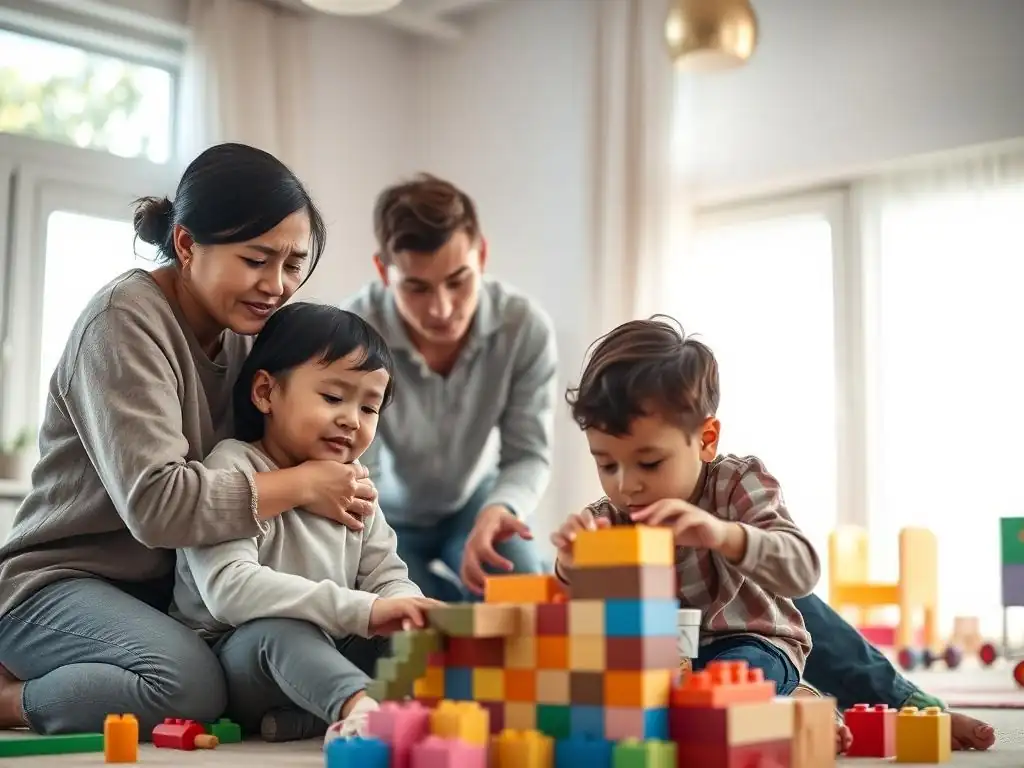
Welcome to Psychology Basics, your gateway to understanding the fascinating world of human behavior. Are you a parent struggling to navigate the turbulent waters of your child's anger? Then you've come to the right place. This website offers a comprehensive introduction to key psychological concepts, and we're diving straight in with our insightful guide on how to manage child anger effectively.
Discover practical, step-by-step strategies to help your child, and yourself, develop healthier coping mechanisms. Learn more about this crucial parenting skill and unlock a calmer, more harmonious home environment. Explore our articles now and embark on a journey of self-discovery!
- Managing Child Anger Effectively: A Step-by-Step Guide for Parents
- Step 1: Creating a Calm and Supportive Environment to Handle Child Anger
- Step 2: Recognizing Early Warning Signs of Child Anger
-
Step 3: Implementing Effective Communication Strategies During Child Anger Episodes
- Talking Through Big Feelings: Active Listening and Validation
- Setting Healthy Boundaries While Remaining Empathetic
- Teaching Problem-Solving Skills: Equipping Your Child with Coping Mechanisms
- Utilizing Positive Reinforcement: Rewarding Calm Behavior
- Seeking Professional Help: When to Reach Out for Support
- Step 4: Teaching Children Healthy Coping Mechanisms for Anger Management
- Step 5: Establishing Consistent Boundaries and Consequences
- Step 6: Seeking Professional Support for Persistent Child Anger Issues
- Step 7: Maintaining Parental Self-Care and Emotional Regulation
- Conclusion: Ongoing Support for Child Anger Management
-
Frequently Asked Questions
- What are the common causes of anger in children?
- How can I help my child identify their anger triggers?
- What are some effective strategies for managing my child's anger in the moment?
- What role does positive reinforcement play in managing a child's anger?
- When should I seek professional help for my child's anger issues?
- Final Reflection: Nurturing Calm Amidst the Storm
- Empower Your Child to Manage Anger Today!
Managing Child Anger Effectively: A Step-by-Step Guide for Parents
Helping your child manage their anger is a crucial aspect of parenting and supporting their mental well-being. This guide provides a practical, step-by-step approach for parents to understand, address, and effectively manage their children's anger, fostering a healthier and more harmonious family environment. We'll explore the underlying reasons behind childhood anger, identify common triggers, and equip you with effective strategies to help your child develop healthy coping mechanisms.
This isn't about suppressing anger, but about teaching children how to express and manage it constructively, promoting emotional intelligence and resilience. Learning to effectively manage child anger is an investment in your child's future mental health and overall well-being, leading to stronger parent-child relationships and a more peaceful home. This guide offers practical, evidence-based techniques that you can implement immediately to improve your child's emotional regulation and your family dynamics.
Understanding the Roots of Childhood Anger
Children, unlike adults, often lack the emotional maturity and coping skills to effectively manage their feelings. Their anger outbursts are frequently rooted in developmental stages, unmet needs, or underlying emotional issues. Understanding these roots is the first step towards effective intervention. For example, younger children might express anger through tantrums because they lack the vocabulary to express their frustration or unmet needs.
Older children might exhibit anger as a response to stress, anxiety, or peer pressure. It's important to remember that anger is often a secondary emotion; it's a manifestation of underlying feelings like sadness, fear, or hurt. Recognizing these underlying emotions is key to understanding and addressing the root cause of the anger. Consider the following factors:
- Developmental Stage: The way children express anger changes as they grow. Toddlers might throw things, while teenagers might withdraw or become verbally aggressive.
- Unmet Needs: Hunger, tiredness, or lack of attention can all trigger anger in children.
- Underlying Emotional Issues: Anxiety, depression, or trauma can manifest as anger.
- Learning and Modeling: Children often learn how to express their emotions from observing their parents and other significant adults.
Why Do Kids Get Angry? Identifying Triggers and Underlying Issues
Identifying the specific triggers that cause your child's anger is crucial for effective management. These triggers can be diverse and vary from child to child. Keeping a journal or log of your child's angry episodes, noting the time, location, and preceding events, can be extremely helpful. Common triggers include:
- Frustration: Inability to complete a task, difficulty with a game, or restrictions on activities.
- Physical Discomfort: Hunger, thirst, tiredness, or pain.
- Social Situations: Arguments with siblings, peer conflicts, or social exclusion.
- Changes in Routine: Unexpected changes, transitions, or disruptions to their daily schedule.
- Specific Sensory Inputs: Loud noises, bright lights, or crowded spaces can overwhelm some children.
Understanding the why behind the anger is equally important. Is it due to a simple frustration, or is there an underlying emotional issue at play? For instance, a child consistently angry at bedtime might be experiencing separation anxiety. A child frequently angry with siblings might be struggling with feelings of jealousy or competition.
Recognizing these underlying issues allows for a more targeted and effective intervention, moving beyond simply managing the symptom (anger) to addressing the root cause. The goal is not to eliminate anger entirely, which is unrealistic, but to teach your child healthy ways to express and manage it. 👩⚕️
Step 1: Creating a Calm and Supportive Environment to Handle Child Anger
Building a Foundation for Emotional Regulation
Creating a calm and supportive environment is paramount to effectively managing a child's anger. This isn't about suppressing anger; it's about providing the tools and space for your child to learn healthy emotional regulation techniques. A child's ability to manage anger is significantly influenced by the environment they grow up in. Think of it as building a strong foundation upon which they can learn to manage their feelings constructively. This involves several key components:
A consistent, predictable routine reduces anxiety, a major trigger for anger outbursts. Children thrive on predictability. Knowing what to expect throughout the day—from mealtimes to bedtime—provides a sense of security and control, lessening the likelihood of frustration and anger. For example, a consistent bedtime routine can significantly reduce evening meltdowns.
Furthermore, fostering open communication is crucial. Children need to feel safe expressing their feelings, even negative ones, without fear of judgment or punishment. Regular family meetings, even informal chats, can create a space for open dialogue. Encourage your child to use their words to describe their feelings, rather than resorting to physical or verbal aggression. Active listening is key here; validate their feelings even if you don't agree with their behavior. For instance, you might say, "I understand you're feeling frustrated because you can't play with that toy right now," even if the reason is a previously established rule.
Establishing Clear Expectations and Boundaries
Setting clear and consistent boundaries is another cornerstone of managing a child's anger effectively. Children need to understand what behaviors are acceptable and unacceptable. These boundaries should be age-appropriate and clearly communicated. This isn't about strict control; it's about providing a framework for self-regulation. Unclear expectations can lead to confusion and frustration, fueling anger.
Consider using visual aids, like charts or checklists, especially for younger children. These can help them understand and track their progress in managing their emotions. For older children, involving them in the process of setting rules and consequences can foster a sense of ownership and responsibility. For example, creating a family contract together can promote collaboration and understanding. Remember to focus on positive reinforcement; praising good behavior is more effective than constantly focusing on negative actions.
Modeling Healthy Anger Management
Children learn by observing the adults in their lives. Modeling healthy anger management techniques is arguably the most impactful strategy. Demonstrate how to express anger constructively, such as taking deep breaths, counting to ten, or calmly explaining your feelings. When you lose your temper, apologize and explain what you could have done differently. This teaches children that it's okay to make mistakes and that we can learn from them.
Providing Opportunities for Emotional Expression
Creating avenues for children to express their emotions is vital. This might involve engaging in creative activities like drawing, painting, or writing. Physical activity, such as playing outside or engaging in sports, can also be a healthy outlet for pent-up emotions. Encourage activities that allow for self-expression and emotional release, helping them process and understand their feelings. Consider incorporating mindfulness techniques, like meditation or deep breathing exercises, into their daily routine to improve emotional regulation. These techniques can be particularly effective in helping children learn to identify and manage their anger before it escalates.
Remember, managing a child's anger is a journey, not a destination. Consistency, patience, and a supportive environment are key ingredients in helping your child develop healthy coping mechanisms and manage their anger effectively.
Step 2: Recognizing Early Warning Signs of Child Anger
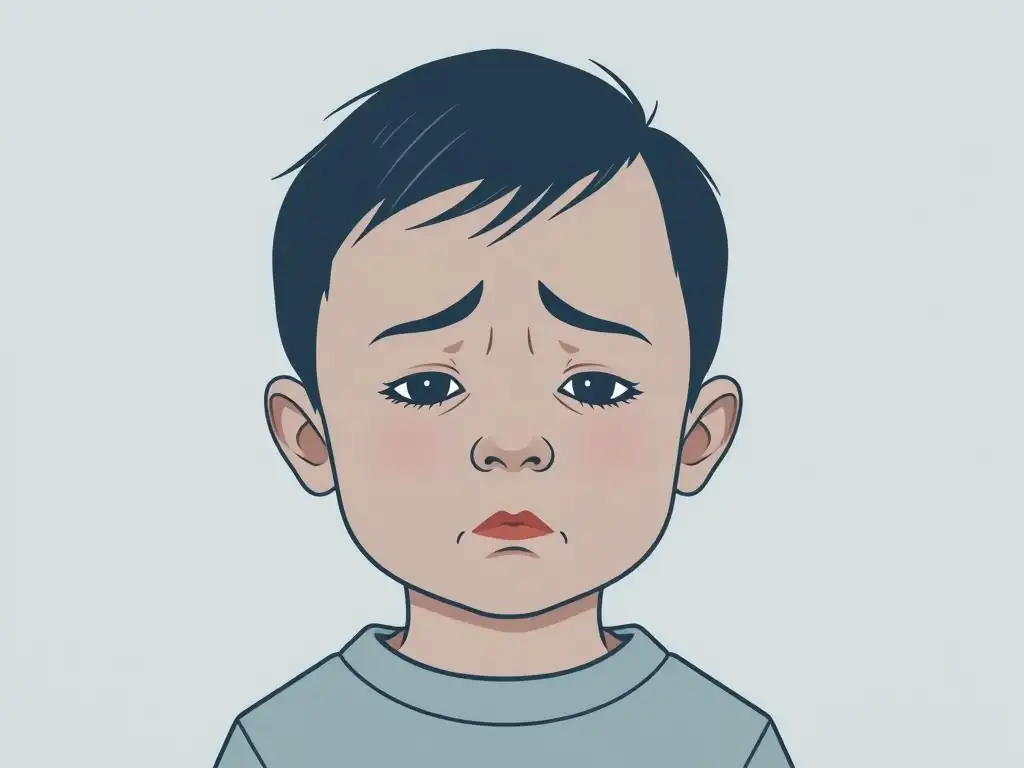
This step is crucial in effectively managing a child's anger. Learning to identify the subtle cues that precede an outburst allows parents to intervene proactively, preventing escalation and fostering healthy coping mechanisms. Ignoring these early warning signs often leads to full-blown tantrums, making management significantly more challenging. The ability to manage child anger effectively hinges on this early recognition.
Identifying Escalation Points Before a Tantrum
Children, especially younger ones, rarely erupt into anger without prior indicators. These warning signs can manifest differently depending on the child's age and personality, but some common patterns emerge. Recognizing these subtle changes in behavior is key to preventing a full-blown tantrum. For instance, a child might exhibit increased irritability, becoming easily frustrated by minor inconveniences. This could be as simple as not wanting to wear a particular shirt or having trouble completing a simple task.
A common escalation point is a change in body language. Observe for clenched fists, furrowed brows, or a stiffening of the body. These physical cues often signal rising tension and impending anger. Vocal changes are also important indicators. A child's voice might become louder, higher-pitched, or more demanding. Changes in facial expressions, like lip-biting or eye-rolling, can also signify escalating anger. Furthermore, some children might withdraw socially, becoming quieter and more isolated before a tantrum. These subtle cues, if observed carefully, can provide valuable time to intervene.
Consider keeping a journal to track your child's behavior. Note the time of day, the context of the situation, and the specific behaviors that preceded the anger outbursts. This detailed record can help you identify patterns and triggers, enabling more effective preventative strategies. This proactive approach is far more beneficial than simply reacting to tantrums after they occur. The goal is to manage child anger effectively through early intervention.
Understanding the Root Causes of Anger
Understanding why a child is angry is as important as recognizing the warning signs. Anger is often a secondary emotion, masking underlying feelings of frustration, fear, sadness, or even hunger. A child might be angry because they feel unheard, misunderstood, or powerless in a situation. For example, a child might throw a tantrum because they are tired, hungry, or overwhelmed by a challenging task. Similarly, a change in routine, a stressful event, or even a perceived injustice can trigger anger.
To understand the root causes, engage in active listening. Try to understand the child's perspective, even if it seems unreasonable. Avoid dismissing their feelings as "silly" or "unimportant." Empathetic responses like, "It sounds like you're really frustrated right now," can validate their emotions and help them feel heard. This approach fosters a more positive and trusting relationship, allowing for more effective communication and anger management. It’s crucial to remember that children are still developing their emotional regulation skills, and patience is key to helping them learn to manage child anger effectively.
Developing a Proactive Anger Management Plan
Once you've identified early warning signs and potential root causes, it's time to create a proactive anger management plan tailored to your child's needs. This plan should include strategies for preventing anger escalation and techniques for managing anger when it occurs. The plan should be age-appropriate and flexible, adapting to your child's development and changing circumstances.
A helpful tool is to create a visual chart or schedule. This can be particularly effective for younger children. The chart can depict a series of steps leading to a reward, like extra playtime or a favorite snack, if they manage their anger successfully. For older children, involve them in the process of creating the plan.
Discuss strategies they find helpful, such as taking deep breaths, counting to ten, or taking a break in a quiet space. Consistency and positive reinforcement are key to the success of this plan. Remember, the goal is to teach children healthy coping mechanisms and to manage child anger effectively in a supportive and understanding environment. The process will take time and patience, but the long-term benefits for both parent and child are immeasurable.
Utilizing Positive Reinforcement and Rewards
Positive reinforcement plays a vital role in teaching children how to manage child anger effectively. Instead of focusing solely on punishing negative behaviors, emphasize and reward positive actions. When a child demonstrates self-control or uses a coping mechanism successfully, offer praise and positive feedback. This could involve verbal praise, a small reward, or extra privileges. The key is to provide immediate and consistent reinforcement, creating a positive association between managing anger and receiving rewards.
Consider using a reward chart to track progress and reinforce positive behavior. A visual representation of their accomplishments can be highly motivating for children. Remember to tailor rewards to your child's interests and age. What motivates a five-year-old might not motivate a ten-year-old. The focus should be on celebrating their successes and strengthening their self-efficacy in managing their emotions. This positive approach fosters a more cooperative and supportive environment for learning and growth. Through consistent positive reinforcement, children learn to associate managing their anger with positive outcomes and build confidence in their ability to manage child anger effectively.
Step 3: Implementing Effective Communication Strategies During Child Anger Episodes
This section focuses on crucial communication techniques to manage your child's anger effectively. Remember, effective communication isn't about silencing the anger but guiding your child through it. Understanding and responding appropriately are key to fostering emotional regulation and building a strong parent-child relationship. We'll explore active listening and validation as cornerstones of this approach.
Talking Through Big Feelings: Active Listening and Validation
Active listening is more than just hearing your child's words; it's about understanding their feelings. When your child is angry, resist the urge to interrupt or offer solutions immediately. Instead, focus on truly hearing what they're saying, both verbally and nonverbally. Observe their body language – clenched fists, furrowed brows, tense shoulders – these are all important clues to their emotional state.
For example, instead of saying, "Stop yelling! ", try saying, "I see you're really upset. Tell me what's happening." This shows empathy and creates a safe space for your child to express themselves. Validation doesn't mean agreeing with their behavior; it means acknowledging their feelings as legitimate. You might say, "It sounds like you're really frustrated because you couldn't play with your friends." This simple act of validation can significantly de-escalate the situation.
Remember, children often struggle to articulate their feelings precisely. Use open-ended questions like, "What happened that made you so angry?" or "Can you describe how you felt in your body?" This encourages them to explore their emotions and understand the triggers behind their anger. The goal is to help them connect their feelings with their behavior, paving the way for better self-regulation in the future. This process helps them manage child anger effectively.
Setting Healthy Boundaries While Remaining Empathetic
While empathy is crucial, it's equally important to set clear and consistent boundaries. This doesn't mean punishing your child, but rather guiding them towards appropriate behavior. If your child is throwing things during an angry outburst, calmly remove them from the situation and explain why their actions are unacceptable. For example, you might say, "I understand you're angry, but throwing things is dangerous and not okay. We'll talk when you're calm."
It's vital to maintain a calm and firm tone, avoiding escalating the situation with your own anger. Remember, you're the adult, and your composure can significantly influence your child's response. Consistency is key; always respond to similar behaviors with the same boundaries. This predictability helps your child learn to self-regulate and understand the consequences of their actions. This approach is crucial for managing child anger effectively and creating a safe and structured environment.
Teaching Problem-Solving Skills: Equipping Your Child with Coping Mechanisms
Equipping your child with effective problem-solving skills is a proactive step towards managing anger effectively. Instead of simply reacting to anger outbursts, teach them strategies for handling frustrating situations before they escalate. This includes techniques like deep breathing exercises, counting to ten, or taking a break in a quiet space.
Consider role-playing different scenarios where your child might get angry. Practice together how they can respond calmly and constructively. For instance, if they're upset about sharing a toy, role-play alternative solutions, like taking turns or finding another toy to play with. This helps them build a repertoire of coping mechanisms, reducing the likelihood of future anger outbursts. This proactive approach significantly contributes to managing child anger effectively. Remember, teaching these skills takes time and patience. Celebrate small victories and continue reinforcing these strategies consistently.
Utilizing Positive Reinforcement: Rewarding Calm Behavior
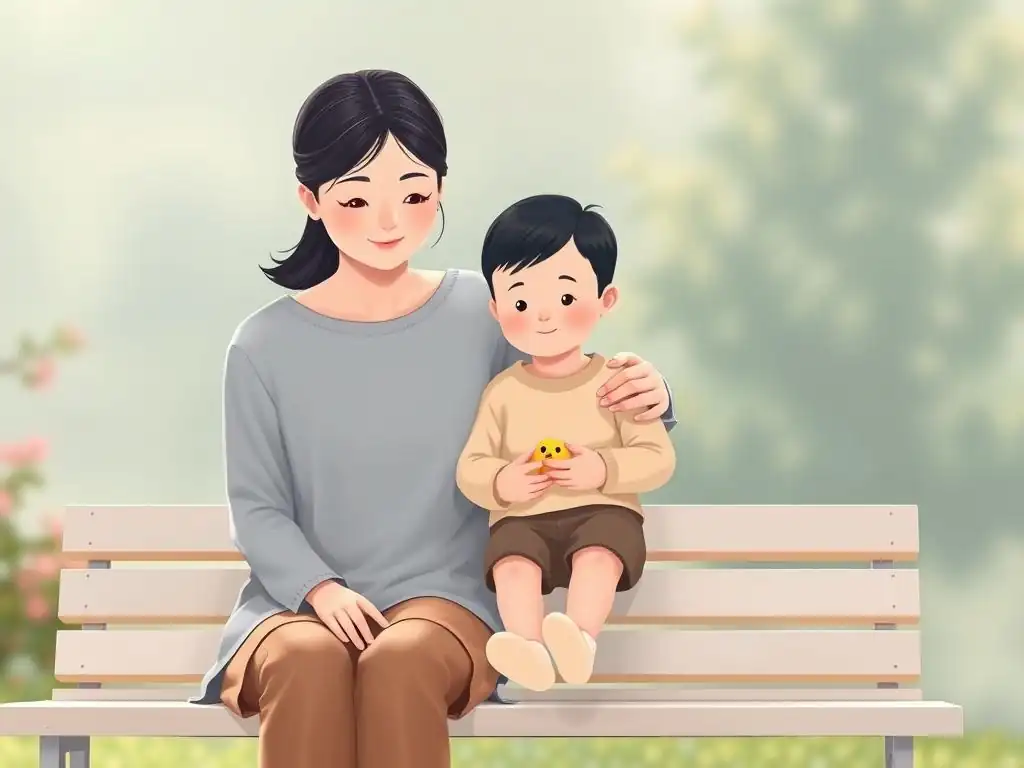
Positive reinforcement is a powerful tool in managing a child's anger. Focus on rewarding calm behavior rather than solely punishing angry outbursts. When your child demonstrates self-control during challenging situations, acknowledge and praise their efforts. This could be through verbal praise, a special activity, or a small reward.
For example, if your child manages to calmly express their frustration without resorting to yelling or hitting, praise their ability to communicate their feelings effectively. This positive reinforcement encourages them to repeat the desired behavior. It's important to be specific in your praise, highlighting the specific behavior you want to encourage. For instance, instead of simply saying "Good job! ", try saying, "I'm so proud of how you used your words to explain how you felt." This approach significantly enhances the effectiveness of positive reinforcement in managing child anger effectively. Remember, consistency and specificity are key to success.
Seeking Professional Help: When to Reach Out for Support
While the strategies outlined above are effective for many parents, sometimes additional support is needed. If your child's anger is severe, frequent, or significantly impacting their daily life, don't hesitate to seek professional help. A therapist or counselor can provide personalized guidance and support, helping you develop tailored strategies to manage your child's anger effectively.
They can also help identify underlying issues that might be contributing to the anger. This proactive step can make a significant difference in your child's emotional well-being and overall development, ensuring you are managing child anger effectively in the long term. Early intervention is often key to achieving positive outcomes.
Step 4: Teaching Children Healthy Coping Mechanisms for Anger Management
This step focuses on equipping children with practical strategies to manage their anger effectively. It's crucial to remember that children, especially younger ones, lack the sophisticated emotional regulation skills of adults. Teaching them these skills requires patience, consistency, and positive reinforcement. Learning to manage child anger effectively is a process, not a quick fix.
Empowering Kids with Tools for Emotional Regulation
Helping children understand and manage their emotions is paramount. This involves teaching them to identify their feelings, understand the triggers for their anger, and develop healthy responses. One effective technique is to teach children to label their emotions. Instead of simply saying "I'm angry," encourage them to articulate the specific feeling: "I feel frustrated because..." or "I feel angry because...". This helps them gain a better understanding of their emotional state and its underlying causes. This process of emotional labeling can significantly improve their ability to manage child anger effectively.
We can use role-playing scenarios to practice these skills. For instance, you could act out a situation where a child feels angry and guide them through different responses, highlighting the positive outcomes of calm and controlled behavior versus the negative consequences of impulsive reactions. Remember to focus on positive reinforcement; praise their attempts at self-regulation, even if they aren't perfect. Positive reinforcement is key to successfully teaching children anger management skills.
Deep Breathing Exercises and Mindfulness Techniques
Deep breathing exercises are incredibly effective in calming down an angry child. Simple techniques like counting breaths or focusing on the sensation of air entering and leaving the body can help regulate their heart rate and reduce feelings of anger. Mindfulness activities, such as focusing on sensory details in their environment (what they see, hear, smell, touch), can also be beneficial.
These techniques are especially useful in the moment, helping children quickly de-escalate their anger. Introduce these techniques gradually, starting with short sessions and gradually increasing the duration as their comfort level grows. Consistent practice is essential for them to become effective tools in managing child anger effectively.
Creative Expression as an Outlet for Anger
Many children find creative expression to be a healthy outlet for their anger. This could involve drawing, painting, writing, playing music, or engaging in other activities that allow them to express themselves non-verbally. Encourage them to channel their anger into creating something, transforming negative energy into a positive creative endeavor. For instance, if they're angry about a disagreement with a sibling, they could paint a picture depicting their feelings, allowing them to process their emotions without resorting to aggressive behaviors. This technique helps teach children alternative methods to manage child anger effectively.
Physical Activity as a Stress Reliever
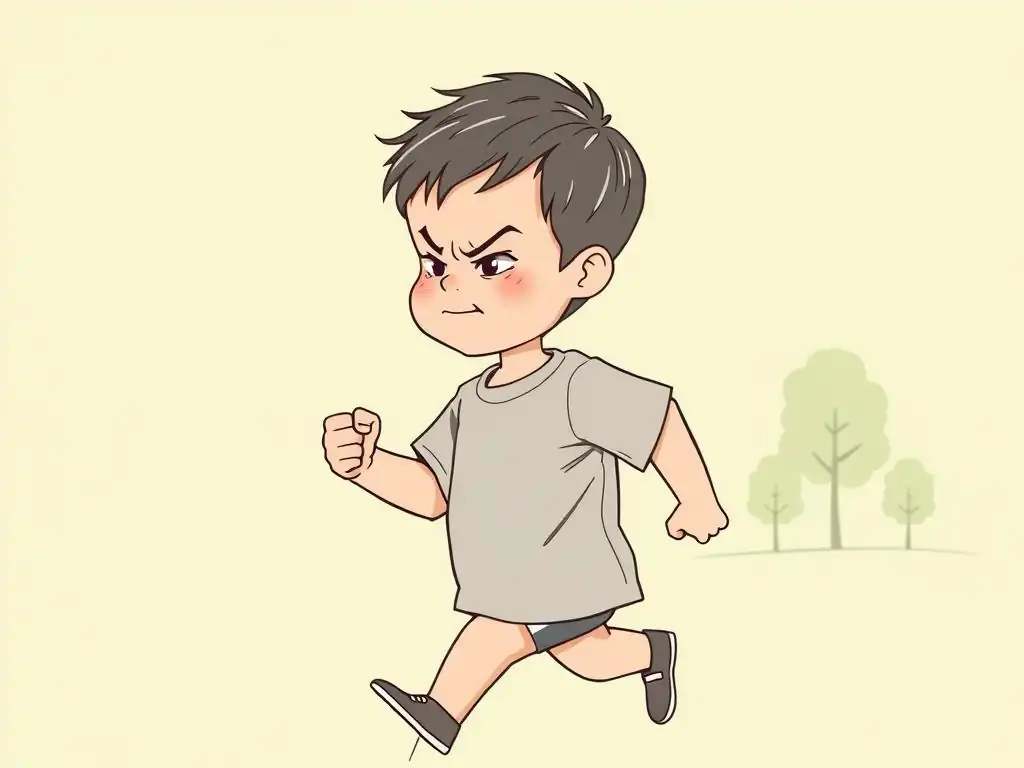
Physical activity is a powerful tool for managing anger. When children are angry, their bodies are often tense and filled with adrenaline. Physical activity provides a healthy way to release this energy. Encourage them to engage in activities they enjoy, such as running, jumping, dancing, or playing sports. Even a short burst of physical activity can help them calm down and regain control. This physical release is an important component in managing child anger effectively. Remember to tailor the activity to the child's age and abilities.
Problem-Solving Skills and Conflict Resolution
Teaching children effective problem-solving skills is critical in managing their anger. When children feel frustrated or angry, they often lack the skills to address the underlying issue. Help them develop a structured approach to problem-solving, such as identifying the problem, brainstorming solutions, evaluating the pros and cons of each solution, and choosing the best course of action. This process empowers them to take control of the situation, reducing their feelings of helplessness and anger. This structured approach is essential in managing child anger effectively. Role-playing different scenarios can be particularly helpful in reinforcing these skills.
Building a Supportive and Understanding Environment
Creating a supportive and understanding environment at home is crucial for teaching children effective anger management. Children are more likely to learn and practice these skills if they feel safe and accepted, even when they express anger. Consistent discipline, clear expectations, and positive reinforcement are all key components of this supportive environment. Avoid punishment that escalates the situation; instead, focus on teaching and guiding them through their anger. This supportive environment is the foundation for managing child anger effectively.
Remember, managing child anger effectively is an ongoing process that requires patience and understanding. By consistently implementing these strategies, you can help your child develop healthy coping mechanisms and build resilience in the face of challenging emotions.
Step 5: Establishing Consistent Boundaries and Consequences
This step is crucial for effectively managing a child's anger. Inconsistency breeds confusion and can inadvertently reinforce negative behaviors. Children thrive on predictability and clear understanding of rules and their repercussions. Establishing and consistently enforcing boundaries is key to helping them learn self-regulation and manage their anger constructively. The goal isn't punishment, but teaching. Think of it as guiding your child toward healthier emotional coping mechanisms.
Setting Clear Expectations and Following Through
Setting clear expectations is the cornerstone of effective boundary setting. Children need to understand what behaviors are acceptable and unacceptable. Avoid vague statements like "Be good." Instead, use concrete, age-appropriate language. For example, instead of "Don't be angry," try "When you feel angry, use your words to tell me what's wrong, or take some deep breaths." This provides a clear alternative behavior.
Following through with consequences is equally important. Consequences should be consistent, fair, and related to the misbehavior. For example, if a child throws a toy in anger, a logical consequence might be a temporary loss of that toy. The key is to remain calm and avoid emotional reactions during the enforcement of consequences. This teaches the child that anger won't get them what they want, and that there are appropriate ways to express their feelings. Remember to explain the consequence calmly and clearly, connecting it directly to the child's behavior.
Choosing Appropriate Consequences
The selection of appropriate consequences requires careful consideration. The consequence should be directly related to the misbehavior and should be developmentally appropriate. For younger children, a time-out might be effective. For older children, loss of privileges (e.g., screen time, a favorite activity) might be more suitable. Avoid using punishment that is physically or emotionally harmful.
Here's a table illustrating examples of age-appropriate consequences:
| Age Group | Misbehavior | Appropriate Consequence |
|---|---|---|
| 2-4 years | Throwing a tantrum | Brief time-out (1-2 minutes per year of age) |
| 5-7 years | Arguing and refusing to follow instructions | Loss of a privilege (e.g., watching TV for a day) |
| 8-12 years | Verbally abusing siblings | Extra chores, loss of a favored activity |
| Teenagers | Aggressive behavior towards parents | Grounding, loss of phone privileges, increased chores |
Remember, consistency is key. If a consequence is threatened and not followed through, the child will learn that the rules are not to be taken seriously, undermining the entire process of managing their anger effectively. This can lead to escalating behavioral problems in the long run. The goal is to help the child learn self-regulation, not to simply punish them.
Maintaining Calm During Conflict
Maintaining your own composure during conflicts is paramount. Modeling calm behavior is crucial for teaching children how to regulate their emotions. When your child is angry, take a few deep breaths before responding. Try to understand their perspective, even if you don't agree with their behavior. This doesn't mean you condone the behavior, but it shows empathy and helps de-escalate the situation. Remember, your child is learning from you.
By exhibiting calm and consistent behavior, you teach them valuable coping skills for managing their own anger and frustration. Responding with anger only fuels the fire and reinforces negative behavioral patterns. A calm, consistent approach is far more effective in the long run. This helps to manage child anger effectively and promotes healthy emotional development. The process requires patience and understanding, but the results are well worth the effort.
Step 6: Seeking Professional Support for Persistent Child Anger Issues
Managing child anger effectively is a crucial aspect of parenting, but sometimes, despite your best efforts, you might need additional support. This step focuses on recognizing when professional help is necessary and understanding the benefits of seeking it. Learning to manage child anger isn't always easy, and it's perfectly acceptable to seek expert guidance.
When to Consult a Child Psychologist or Therapist
Knowing when to seek professional help can be challenging. There's no magic number of tantrums or outbursts that automatically signifies the need for intervention. Instead, consider the severity, frequency, and impact of your child's anger. Consider these warning signs:
- Extreme outbursts: If your child's anger escalates to the point of physical aggression (hitting, kicking, biting), self-harm, or property destruction, professional help is strongly recommended. These behaviors can be indicative of underlying issues requiring specialized intervention.
- Frequent and intense anger episodes: Anger that occurs multiple times a day, lasting for extended periods, and disrupting daily life significantly warrants professional evaluation. This level of anger can negatively impact the child's social, emotional, and academic development.
- Anger that disrupts daily functioning: Is your child's anger affecting their ability to attend school, maintain friendships, or participate in family activities? Persistent difficulty in these areas suggests a need for professional assessment and potential therapeutic intervention to manage child anger effectively.
- Underlying mental health concerns: Anger can be a symptom of other underlying mental health conditions, such as anxiety, depression, or ADHD. If you suspect your child is struggling with a co-occurring condition, seeking professional help is essential for a comprehensive approach to their well-being. A therapist can provide a proper diagnosis and create a tailored treatment plan.
- Ineffectiveness of home strategies: Have you tried various anger management techniques at home, yet your child's anger persists or worsens? This indicates that a fresh perspective and specialized strategies from a professional might be beneficial. A therapist can provide new tools and techniques tailored to your child's specific needs.
Types of Professionals Who Can Help
Several professionals can assist in managing child anger effectively. These include:
- Child Psychologists: These professionals have expertise in child development and mental health. They can assess your child's anger, identify potential underlying causes, and provide evidence-based interventions.
- Therapists specializing in anger management: Some therapists specialize specifically in helping children and adolescents manage their anger. They often use techniques like cognitive behavioral therapy (CBT) to help children understand and change their thoughts and behaviors related to anger.
- Psychiatrists: Psychiatrists are medical doctors who can diagnose and treat mental health conditions. They can prescribe medication if necessary, in conjunction with therapy, to manage underlying conditions contributing to anger.
Finding the Right Professional
Finding the right professional is crucial. Consider the following factors:
- Experience with children: Ensure the professional has experience working with children of your child's age and developmental stage.
- Treatment approach: Research different therapeutic approaches and find a professional whose methods align with your values and preferences.
- Insurance coverage: Check with your insurance provider to determine which professionals are covered under your plan.
- Recommendations: Ask other parents, your pediatrician, or your child's school for recommendations.
Remember, seeking professional support is a sign of strength, not weakness. It shows that you're committed to your child's well-being and are proactively seeking the best possible care. Effective management of child anger often requires a multi-faceted approach, and professional support can be an invaluable component of that strategy. By actively seeking help, you're taking a significant step towards fostering a healthier and happier future for your child.
Step 7: Maintaining Parental Self-Care and Emotional Regulation
Parents are the cornerstone of a child's emotional development. Effectively managing a child's anger requires a parent who is also equipped to manage their own emotions. This step focuses on the crucial role of parental self-care in fostering a supportive and healthy environment for children struggling with anger. Neglecting parental well-being directly impacts the ability to manage a child's anger effectively. It's a cyclical relationship; a stressed parent often struggles to respond calmly and constructively to a child's outburst, perpetuating the cycle of anger.
The Importance of Modeling Calm Behavior
Children learn by observing their parents. When parents react to anger with more anger, they inadvertently teach children that anger is the appropriate response to frustration. Instead, modeling calm behavior is paramount. This means consciously choosing to respond to challenging situations with composure, even when it's difficult.
For example, instead of yelling back when a child throws a tantrum, a parent can take a deep breath, use a calm tone, and address the situation rationally. This teaches the child a valuable coping mechanism: emotional regulation. Consistent modeling of calm behavior creates a safe space for children to learn and practice self-regulation. Studies consistently demonstrate a strong correlation between parental emotional regulation and a child's ability to manage their anger.
Prioritizing Self-Care Activities
Parental self-care isn't selfish; it's essential. Engaging in activities that promote physical and mental well-being directly improves parenting skills. These activities can include anything from regular exercise and healthy eating to engaging in hobbies, spending time with supportive friends, or practicing mindfulness techniques like meditation or yoga.
Even short breaks throughout the day can significantly reduce stress levels and improve emotional resilience. Prioritizing self-care isn't about luxury; it's about equipping oneself with the tools needed to navigate the challenges of parenting and, crucially, to manage child anger effectively. Consider creating a personalized self-care plan, scheduling these activities into your week like any other important appointment.
Seeking Support When Needed
Parenting is demanding, and it's perfectly acceptable to seek professional support when needed. Feeling overwhelmed or struggling to manage your own emotions doesn't mean you're a failure; it means you're human. Don't hesitate to reach out to therapists, support groups, or other mental health professionals for guidance and support. They can provide valuable tools and strategies for managing stress, improving communication skills, and effectively addressing challenges related to managing child anger.
Remember, seeking help is a sign of strength, not weakness. It demonstrates a commitment to both your well-being and your child's. Numerous resources exist to connect parents with the support they need to manage stress and improve their parenting skills.
Understanding the Impact of Parental Stress on Children
High levels of parental stress can significantly impact a child's emotional and behavioral development. Stress hormones released by stressed parents can affect a child's developing brain, potentially increasing their susceptibility to emotional dysregulation and anger issues. Chronic stress in the home environment can create an atmosphere of anxiety and tension, making it more difficult for children to learn and practice healthy coping mechanisms.
Recognizing this connection is crucial; it emphasizes the importance of actively managing parental stress to create a more nurturing and supportive environment for children. Therefore, self-care isn't just beneficial; it’s a necessity for fostering a healthy family dynamic and effectively managing a child's anger.
Example Self-Care Plan
Here's a sample self-care plan you can adapt to your own needs:
- Monday: 30-minute walk after work
- Tuesday: 15-minute meditation before bed
- Wednesday: Phone call with a supportive friend
- Thursday: 1 hour dedicated to a hobby (reading, painting, etc.)
- Friday: Early bedtime
- Weekend: Longer activity like hiking or spending time in nature
Remember to adjust this based on your schedule and preferences!
Conclusion: Ongoing Support for Child Anger Management
This section emphasizes the importance of sustained effort in managing children's anger, highlighting the long-term benefits of consistent strategies and the role of ongoing support for both parents and children. Successfully navigating childhood anger isn't a one-time fix; it's a journey requiring patience, understanding, and a commitment to continuous learning and adaptation. The techniques discussed throughout this article provide a solid foundation, but remember that each child is unique, and what works for one may not work for another.
Flexibility and a willingness to adjust your approach are crucial. The goal isn't to eliminate anger entirely—a healthy emotion—but to equip your child with the skills to manage it constructively.
Building a Strong Foundation for Emotional Resilience
Building emotional resilience in children is paramount to effectively managing anger. Resilience isn't about avoiding difficult emotions; it's about developing the coping mechanisms to navigate them successfully. This involves fostering a secure and supportive environment where children feel safe expressing their feelings, both positive and negative. Open communication is key.
Regularly check in with your child, creating opportunities for them to share their experiences and feelings without judgment. Active listening, validating their emotions (even anger), and offering empathy are crucial components of this process. Remember, children learn emotional regulation by observing the adults in their lives. Modeling healthy emotional responses—managing your own anger constructively—is a powerful teaching tool.
Consider incorporating mindfulness techniques into your child's routine. Even simple exercises, such as deep breathing or focusing on the present moment, can significantly improve their ability to regulate their emotions. These techniques offer children tools to pause and calm themselves during moments of anger, preventing impulsive reactions. Furthermore, encourage your child to engage in activities they enjoy. Hobbies and interests provide outlets for stress and frustration, contributing to overall emotional well-being. Regular physical activity is also beneficial, as exercise releases endorphins which have mood-boosting effects.
Remember, seeking professional support is not a sign of failure. If you're struggling to manage your child's anger effectively, or if you notice signs of more serious emotional difficulties, don't hesitate to reach out to a child psychologist or therapist. They can provide personalized guidance, tailored strategies, and valuable support for both you and your child. Early intervention can prevent potential long-term issues and promote healthy emotional development.
Managing child anger effectively is an investment in your child's future well-being and overall success. It requires dedication, but the rewards—a child equipped to navigate life's challenges with emotional intelligence and resilience—are immeasurable. The journey may be challenging, but with consistent effort and the right support, you can empower your child to manage their anger effectively and thrive.
Frequently Asked Questions
What are the common causes of anger in children?
Children's anger often stems from frustration, unmet needs, or inability to communicate effectively. Underlying issues like anxiety or developmental delays can also contribute.
How can I help my child identify their anger triggers?
Encourage your child to pay attention to their feelings and body signals before they explode. Help them identify situations or events that consistently lead to anger.
What are some effective strategies for managing my child's anger in the moment?
Use calm and reassuring language. Help your child take deep breaths or engage in a calming activity like drawing. Consider a pre-planned "cool-down" space.
What role does positive reinforcement play in managing a child's anger?
Reward positive behavior and ignore minor tantrums (unless they're unsafe). Focus on praising your child when they handle frustration calmly and constructively.
When should I seek professional help for my child's anger issues?
If anger outbursts are frequent, severe, or interfere significantly with daily life, seek help from a child psychologist or therapist. Consider professional guidance if home strategies prove ineffective.
Final Reflection: Nurturing Calm Amidst the Storm
The ability to effectively manage children's anger is not merely a parenting skill; it's a crucial life skill that shapes emotional intelligence and well-being for both children and parents. Understanding and implementing the strategies outlined in this article can significantly impact a child's development, fostering resilience and healthy coping mechanisms that extend far beyond childhood.
The journey of guiding a child through their anger is a deeply personal one, filled with both challenges and profound rewards. It's a constant learning process, requiring patience, empathy, and a willingness to adapt our approaches as our children grow and change. As the saying goes, Children learn what they live.
By modeling healthy anger management techniques and creating a supportive environment, we equip our children with the tools they need to navigate their emotions with confidence and maturity, shaping their future relationships and overall success.
You, as a parent, hold the key to unlocking your child's emotional potential. Take the time to reflect on the strategies discussed – from understanding the root causes of anger to implementing effective communication and coping mechanisms. Choose one technique that resonates with you and your child, and commit to practicing it consistently. Remember, progress, not perfection, is the goal. By embracing this journey with compassion and understanding, you are not only helping your child manage their anger but also fostering a stronger, more loving parent-child bond that will last a lifetime.
Empower Your Child to Manage Anger Today!
Thank you for exploring ways to help your child manage their emotions. You've gained valuable insights, and now it's time to put them into practice. Here's how you can empower your child and foster their emotional growth:
- Begin by having a calm conversation with your child about their feelings. Discuss anger management techniques and encourage open expression of emotions. Help them understand that feeling angry is normal, but it's important to learn healthy ways to express those feelings.
- Explore helpful resources together, such as age-appropriate books or mindfulness apps, to reinforce what they've learned and build emotional resilience. There are many excellent resources available online and in libraries.
- Connect with other parents through a local parenting group or an online forum. Sharing experiences and strategies with others can be incredibly supportive – remember, you're not alone in this journey!
How will you create a safe and supportive environment where your child feels comfortable expressing their emotions?