
Understanding the Connection Between Mind and Body

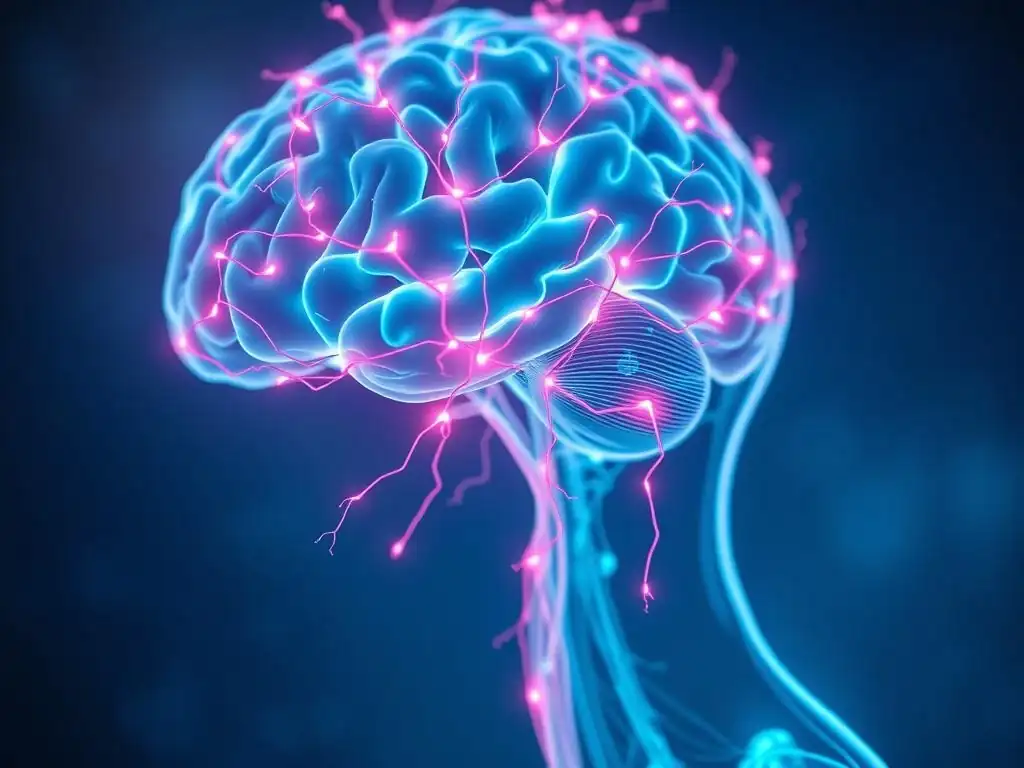
Welcome to Psychology Basics, your gateway to understanding the fascinating world of the human mind. Are you curious about the intricate relationship between our thoughts and feelings and our physical well-being? Then delve into our exploration of mind-body connection psychology, a crucial area in understanding abnormal psychology. Discover how this powerful connection shapes our experiences and learn how to navigate the complexities of mental and physical health. Prepare to uncover surprising insights into the remarkable interplay between mind and body—read on to unravel the mysteries!
- The Mind-Body Connection: An Overview
- The Impact of Mental Health on Physical Well-being
- The Influence of Physical Health on Mental Well-being
- Exploring the Mechanisms of the Mind-Body Connection
- Therapeutic Approaches to Mind-Body Integration
- Further Research and Future Directions in Mind-Body Psychology
- Frequently Asked Questions
- Final Reflection: The Enduring Power of the Mind-Body Connection
- Unlock the Power of Your Mind-Body Connection
The Mind-Body Connection: An Overview
The intricate relationship between our mental state and physical health is a cornerstone of modern psychology, a field increasingly recognizing the inseparable nature of mind and body. This article delves into the fascinating world of the mind-body connection, exploring its definition, historical context, and the complex interplay of psychological and physiological processes. Understanding this connection is crucial not only for comprehending the origins and treatment of various psychological disorders but also for promoting overall well-being.
The concept of the mind-body connection is central to understanding how our thoughts, feelings, and behaviors directly impact our physical health, and vice-versa. This understanding is becoming increasingly relevant in various fields, from medicine and psychiatry to holistic wellness practices.
We will explore this relationship within the context of abnormal psychology, highlighting how mental health challenges often manifest with significant physical symptoms, and how physical ailments can profoundly affect mental well-being. This exploration will provide a foundational understanding of the "mind body connection psychology" for students and general readers alike.
Defining the Mind-Body Relationship in Psychology
The mind-body relationship in psychology refers to the bidirectional influence between mental processes (thoughts, emotions, beliefs) and physical processes (physiological functions, bodily sensations, health). It acknowledges that the mind isn't separate from the body but rather intrinsically linked. This interconnectedness is not merely metaphorical; it's a scientifically demonstrable reality. For example, chronic stress, a purely psychological phenomenon, can trigger a cascade of physiological responses including elevated cortisol levels, increased heart rate, and weakened immunity, potentially leading to physical illness.
Conversely, physical illness can profoundly impact mental health, leading to depression, anxiety, or other psychological disorders. Understanding this intricate dance between the mind and body is essential for a comprehensive understanding of health and illness. This is particularly crucial in the field of abnormal psychology, where many disorders involve both psychological and physical symptoms. The holistic approach in modern healthcare increasingly recognizes this crucial connection.
The mind and body are not separate entities but rather a single, integrated system.
- [Source needed]
Historical Perspectives on the Mind-Body Problem
The concept of the mind-body connection has a rich and complex history. Early philosophical and medical perspectives often viewed the mind and body as distinct entities, a duality that dominated Western thought for centuries. Thinkers like Descartes famously proposed a separation between res cogitans (thinking substance) and res extensa (extended substance).
However, this dualistic view has been increasingly challenged throughout history, with emerging perspectives emphasizing the interconnectedness of mental and physical experience. The rise of psychosomatic medicine in the 20th century marked a significant shift, highlighting the role of psychological factors in physical illness. This perspective paved the way for further research into the neurobiological mechanisms underlying the mind-body connection.
The development of fields like psychoneuroimmunology further solidified this understanding by demonstrating the intricate interplay between the nervous, endocrine, and immune systems, all heavily influenced by psychological factors. This historical evolution underscores the ongoing refinement of our understanding of this fundamental relationship.
The Interplay of Psychological and Physiological Processes
The mind-body connection isn't simply a philosophical concept; it's demonstrably real through the interplay of various physiological and psychological processes. Stress, for instance, triggers the release of hormones like cortisol, which, while initially beneficial for dealing with threats, can lead to harmful effects if chronically elevated. This highlights the importance of stress management techniques in maintaining both mental and physical health.
Furthermore, the gut-brain axis plays a crucial role, with the gut microbiome influencing brain function and vice-versa. Changes in gut flora have been linked to changes in mood and behavior, illustrating a direct physiological impact on psychological well-being. Similarly, sleep deprivation, a behavioral factor, can significantly impact hormone regulation, immune function, and cognitive abilities, showcasing the profound influence of lifestyle choices on both the mind and body.
These interconnections underscore the need for integrated approaches to healthcare that consider both mental and physical aspects of a person's health. Further research into these complex interactions continues to uncover the intricate mechanisms underlying this vital relationship. Understanding these processes is essential for effectively treating a wide range of psychological disorders, many of which have significant physical manifestations.
The Impact of Mental Health on Physical Well-being

The intricate relationship between our mental and physical health is increasingly recognized in the field of psychology, particularly within the study of psychophysiology. The mind-body connection isn't merely a metaphorical expression; it's a demonstrable reality. Chronic stress, anxiety, and depression significantly impact physiological processes, leading to a cascade of effects that compromise overall well-being. Understanding this connection is crucial for effective treatment and preventative strategies, especially within the context of psychological disorders.
This section explores the tangible effects of mental health on physical health, focusing on the interplay between psychological states and physiological responses. The bidirectional nature of this relationship is paramount – mental health affects physical health, and vice-versa, creating a complex feedback loop. This is a key aspect of understanding the mind body connection psychology.
Stress and its Physiological Manifestations: Mind-Body Connection Examples
Stress, a ubiquitous experience in modern life, profoundly impacts the body. Prolonged exposure to stressors triggers the hypothalamic-pituitary-adrenal (HPA) axis, leading to the release of cortisol, a potent stress hormone. While beneficial in short bursts (e.g., during a perceived threat), chronic cortisol elevation wreaks havoc on the body. This can manifest in various ways:
- Cardiovascular Issues: Elevated cortisol levels contribute to hypertension, increased heart rate, and an increased risk of heart disease. Studies have shown a strong correlation between chronic stress and cardiovascular events.
- Gastrointestinal Problems: Stress can disrupt gut motility, leading to irritable bowel syndrome (IBS), ulcers, and other digestive problems. The gut-brain axis, a complex communication network between the gut and the brain, plays a significant role in this connection.
- Immune System Dysfunction: Chronic stress suppresses the immune system, making individuals more susceptible to infections and illnesses. This is because cortisol inhibits the production of immune cells.
- Sleep Disturbances: Stress frequently disrupts sleep patterns, leading to insomnia or other sleep disorders. Lack of restorative sleep further exacerbates the effects of stress on the body.
Consider this example: A student facing intense academic pressure experiences chronic stress. This leads to elevated cortisol, resulting in insomnia, digestive problems, and weakened immunity, ultimately impacting their academic performance and overall health. This clearly illustrates the mind body connection psychology in action.
Anxiety Disorders and Somatic Symptoms
Anxiety disorders, characterized by excessive worry and fear, often present with significant somatic symptoms. These physical manifestations are not merely psychosomatic; they are genuine physiological responses to heightened anxiety. For instance, individuals with generalized anxiety disorder (GAD) may experience:
- Muscle tension and pain: Chronic muscle tension due to anxiety can lead to headaches, back pain, and other musculoskeletal issues.
- Palpitations and rapid heart rate: The sympathetic nervous system's activation during anxiety leads to increased heart rate and palpitations, sometimes mimicking symptoms of heart disease.
- Gastrointestinal distress: Anxiety can trigger nausea, diarrhea, or constipation.
- Respiratory symptoms: Hyperventilation, shortness of breath, and chest tightness are common anxiety symptoms.
The overlap between somatic symptoms and anxiety can make diagnosis challenging. Differentiating between medically explained symptoms and those stemming from anxiety requires careful clinical assessment. Understanding the mind body connection psychology underlying these symptoms is crucial for effective management of anxiety disorders.
Depression and Physical Health: The Mind-Body Link
Depression, a mood disorder characterized by persistent sadness and loss of interest, is deeply intertwined with physical health. The connection extends beyond simply feeling tired; depression significantly increases the risk of various physical illnesses, including:
- Cardiovascular disease: Depression is associated with an increased risk of heart disease, stroke, and other cardiovascular problems. This link is likely due to several factors, including inflammation, unhealthy lifestyle choices, and the impact of depression on treatment adherence.
- Type 2 diabetes: Depression increases the risk of developing type 2 diabetes, potentially through its influence on insulin resistance and lifestyle factors.
- Chronic pain: Individuals with depression are more likely to experience chronic pain conditions, such as fibromyalgia and back pain. The relationship is complex, with depression potentially exacerbating pain and vice versa.
- Weakened immune system: Similar to stress, depression can suppress the immune system, increasing vulnerability to infections.
The impact of depression on physical health highlights the importance of integrated care, addressing both the mental and physical aspects of the illness. Recognizing the mind body connection psychology in depression is vital for developing comprehensive treatment plans that promote both mental and physical well-being. Further research is needed to fully elucidate the complex mechanisms underlying this bidirectional relationship and to develop more effective interventions.
Chronic Pain and Psychological Factors
Chronic pain, defined as pain lasting longer than three months, significantly impacts physical and mental well-being. The mind-body connection is profoundly evident in chronic pain conditions. Psychological factors, such as stress, anxiety, and depression, are not merely consequences of chronic pain; they are often intricately interwoven with its onset, persistence, and severity. Research consistently demonstrates a strong correlation between heightened levels of stress hormones and the experience of increased pain intensity. For example, individuals facing significant life stressors, such as job loss or relationship difficulties, often report exacerbations of their chronic pain.
The experience of chronic pain can trigger a vicious cycle. The persistent discomfort can lead to feelings of helplessness, hopelessness, and isolation, fostering the development or worsening of pre-existing anxiety and depression. This, in turn, can amplify the perception of pain, creating a feedback loop that intensifies the suffering. Furthermore, the emotional distress associated with chronic pain can lead to maladaptive coping mechanisms, such as substance abuse, social withdrawal, and avoidance of physical activity. These behaviors further contribute to the persistence of pain and negatively impact overall health.
Cognitive factors also play a crucial role. Catastrophizing, or the tendency to interpret pain in an excessively negative and threatening way, is strongly linked to higher pain intensity and disability. Similarly, individuals with a tendency towards rumination, repeatedly focusing on negative thoughts and feelings, tend to experience more severe chronic pain. Conversely, cognitive behavioral therapy (CBT) techniques, which aim to challenge maladaptive thoughts and behaviors, have proven effective in managing chronic pain and improving quality of life.
CBT helps individuals develop coping strategies to manage pain, reduce negative emotions, and increase participation in activities they enjoy. This highlights the importance of addressing both the physical and psychological aspects of chronic pain for effective treatment. The interplay between the mind and body in chronic pain underscores the need for holistic approaches that integrate psychological interventions with medical treatments.
The Influence of Physical Health on Mental Well-being
The mind-body connection is a cornerstone of modern psychology, highlighting the intricate relationship between our physical and mental states. Ignoring this powerful interplay can lead to an incomplete understanding of mental health and well-being. This section will explore how our physical health significantly influences our mental state, focusing on key aspects like physical activity, nutrition, and sleep.
Understanding this connection is crucial for both preventing and treating various psychological disorders. The implications of neglecting this connection are far-reaching, impacting everything from mood regulation to cognitive performance and susceptibility to mental illness. This understanding is particularly relevant in the field of mind body connection psychology, emphasizing a holistic approach to mental health.
The Role of Physical Activity in Mental Health
Regular physical activity isn't just beneficial for physical health; it's a powerful tool for improving mental well-being. Numerous studies demonstrate a strong correlation between exercise and reduced symptoms of anxiety and depression. For instance, a meta-analysis of numerous studies found that individuals who engaged in aerobic exercise experienced a significant reduction in depressive symptoms, comparable to the effects of some antidepressant medications.
This isn't merely a correlation; the mechanisms are being actively researched. Exercise triggers the release of endorphins, natural mood boosters that act as neurotransmitters in the brain. Furthermore, physical activity can improve sleep quality, reduce stress hormones like cortisol, and boost self-esteem, all contributing to improved mental health.
Even moderate exercise, such as a brisk 30-minute walk most days of the week, can yield significant benefits. The benefits extend beyond symptom reduction; regular physical activity acts as a preventative measure, reducing the risk of developing mental health disorders in the first place. This makes physical activity a vital component of a holistic approach to mental health care, particularly within the context of mind body connection psychology.
Nutrition and its Impact on Mood and Cognitive Function
The food we consume directly impacts our brain chemistry and function. A diet lacking in essential nutrients can negatively affect mood, cognitive function, and overall mental well-being. For example, deficiencies in omega-3 fatty acids have been linked to increased risk of depression and anxiety. Similarly, low levels of certain B vitamins can impair cognitive function and increase susceptibility to mood disorders.
Conversely, a balanced diet rich in fruits, vegetables, whole grains, and lean protein provides the necessary building blocks for optimal brain function. This includes essential vitamins, minerals, and antioxidants that protect brain cells from damage and support neurotransmitter production. The gut-brain axis, a complex bidirectional communication system between the gut and the brain, further emphasizes the profound impact of nutrition on mental health.
The gut microbiome plays a crucial role in producing neurotransmitters, influencing mood and behavior. Therefore, a healthy diet can be considered a foundational element in maintaining good mental health and preventing the onset of various psychological disorders, a cornerstone of the mind body connection psychology perspective. Specific dietary recommendations vary depending on individual needs, but focusing on whole foods and limiting processed foods, sugar, and unhealthy fats is generally beneficial.
Sleep Disorders and Mental Health: Understanding the Correlation
Sleep is not merely a passive state; it's a crucial process for both physical and mental restoration. Chronic sleep deprivation or sleep disorders significantly impact mental health. Insomnia, for example, is frequently associated with anxiety and depression.
The lack of restorative sleep disrupts the delicate balance of neurotransmitters, hormones, and other brain chemicals essential for emotional regulation and cognitive function. Studies have shown a bidirectional relationship: sleep disorders can worsen existing mental health conditions, and mental health issues can exacerbate sleep problems. Furthermore, sleep deprivation impairs cognitive function, making it harder to concentrate, solve problems, and make decisions, further compounding the negative impact on mental well-being.
Addressing sleep disturbances is therefore essential for managing and treating various psychological disorders. Strategies for improving sleep hygiene, such as establishing a regular sleep schedule, creating a relaxing bedtime routine, and optimizing the sleep environment, are crucial components of holistic mental healthcare, especially when considering the intricate mind body connection psychology. In cases of persistent sleep problems, seeking professional help is recommended to rule out underlying sleep disorders and develop effective treatment strategies.
Chronic Illness and Psychological Adjustment
Chronic illnesses, defined as conditions lasting a year or more and requiring ongoing medical attention, significantly impact mental well-being. The constant physical limitations, pain management challenges, and dependence on others can lead to a range of psychological difficulties. Many individuals facing chronic conditions experience heightened levels of stress, anxiety, and depression. For example, a person with rheumatoid arthritis might grapple with the daily pain and fatigue, impacting their ability to work, socialize, and maintain their independence, ultimately leading to feelings of isolation and hopelessness.
The emotional burden is substantial, often exacerbated by the uncertainty inherent in managing a long-term illness. Effective coping mechanisms, such as strong social support networks, cognitive behavioral therapy (CBT), and mindfulness practices, can be crucial in mitigating the negative psychological effects. However, access to these resources isn't always guaranteed, highlighting a critical need for improved healthcare systems that address both the physical and mental health needs of individuals with chronic illnesses.
Studies consistently demonstrate a strong correlation between chronic illness and increased risk of depression and anxiety disorders, underscoring the importance of integrated care models that address both aspects concurrently. Furthermore, the financial burden associated with long-term healthcare can also add to the psychological stress, creating a vicious cycle of physical and mental health challenges. Early intervention and proactive mental health support are vital in helping individuals adapt to the psychological challenges presented by chronic illness and maintain a higher quality of life.
The impact extends beyond the individual. Caregivers of individuals with chronic illnesses also experience significant psychological strain. The emotional toll of providing constant care, coupled with potential financial and social burdens, can lead to burnout and mental health problems in caregivers.
This highlights the need for support systems and resources designed to assist not only the individual with the chronic illness but also their family and support network. Understanding the interconnectedness of physical and mental health in the context of chronic illness is crucial for developing comprehensive and effective treatment strategies. This involves not just managing the physical symptoms of the illness but also proactively addressing the associated psychological challenges to improve overall quality of life and well-being for both the patient and their loved ones.
The psychological adjustment process is complex and individualized, requiring tailored interventions that consider the specific circumstances and needs of each person. A holistic approach, incorporating medical care, psychological support, and social support networks, is essential for optimal outcomes.
Exploring the Mechanisms of the Mind-Body Connection
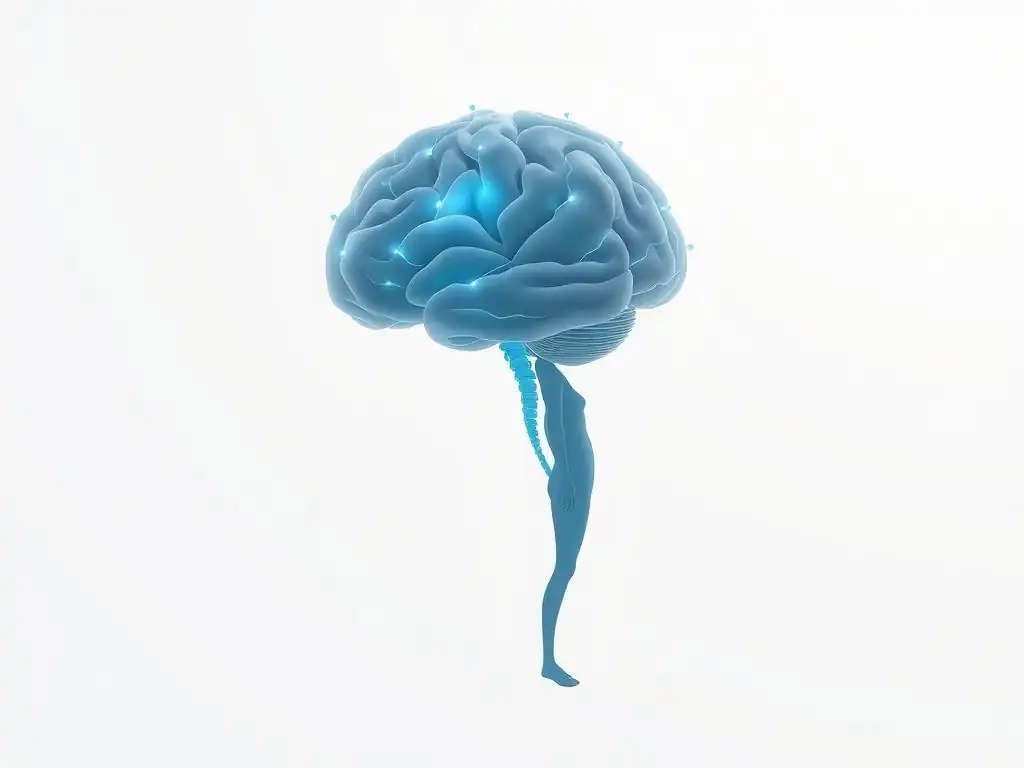
The mind-body connection, a cornerstone of holistic health and increasingly relevant in psychology, refers to the intricate bidirectional relationship between our mental processes and our physical well-being. Understanding this connection is crucial for comprehending the development and treatment of various psychological disorders. This section delves into the biological mechanisms that underpin this fascinating interplay, moving beyond simple correlation to explore the intricate pathways that link thoughts, emotions, and bodily responses.
The influence of this interplay is significant in understanding the manifestation of psychological distress within the physical body and vice versa. This is a key concept within the field of "Mind body connection psychology."
The Nervous System and its Role in Mind-Body Integration
The nervous system, the body's complex communication network, plays a pivotal role in mind-body integration. It acts as the primary conduit for information exchange between the brain and the rest of the body. This bidirectional communication is not a one-way street; signals travel constantly in both directions. For example, stress (a mental state) activates the sympathetic nervous system, leading to a cascade of physiological changes, including increased heart rate, blood pressure, and muscle tension. Conversely, physical pain (a bodily sensation) can trigger emotional responses like anxiety or fear, highlighting the reciprocal nature of this relationship.
The autonomic nervous system, a crucial component, operates largely unconsciously, regulating vital functions like breathing, digestion, and heart rate. Its two branches, the sympathetic (responsible for the "fight-or-flight" response) and parasympathetic (responsible for "rest-and-digest"), constantly interact, maintaining a dynamic balance. Imbalances within this system, often stemming from chronic stress or trauma, can manifest as various physical symptoms, underscoring the impact of mental health on physical health and the importance of understanding the "mind body connection psychology."
Consider the impact of prolonged stress: The consistently activated sympathetic nervous system can lead to chronic inflammation, contributing to conditions like cardiovascular disease, gastrointestinal problems, and even weakened immunity. This illustrates the tangible consequences of unresolved mental stress on the physical body – a prime example of the mind-body connection in action. Further research is needed to fully elucidate the complex interplay between specific neural pathways and psychological experiences, particularly in the context of developing effective therapies for mental health disorders.
The Endocrine System and its Influence on Psychological States
The endocrine system, a network of glands that produce and release hormones into the bloodstream, profoundly influences psychological states. These hormones act as chemical messengers, impacting mood, behavior, and cognitive function. The hypothalamic-pituitary-adrenal (HPA) axis, a key component of this system, plays a central role in the stress response. When faced with a perceived threat, the HPA axis triggers the release of cortisol, a hormone that prepares the body for action.
However, chronic activation of the HPA axis, often associated with prolonged stress or trauma, can lead to elevated cortisol levels, negatively impacting various aspects of mental and physical health. High cortisol levels are linked to increased risk of anxiety and depression, highlighting the direct link between endocrine function and psychological well-being. Moreover, the endocrine system’s influence extends beyond stress; hormonal imbalances can contribute to mood disorders, sleep disturbances, and cognitive deficits, further emphasizing the crucial role of hormonal regulation in maintaining mental health.
For instance, fluctuations in estrogen and progesterone levels during the menstrual cycle can influence mood and emotional reactivity in some women. Similarly, thyroid hormone imbalances can lead to symptoms like fatigue, irritability, and difficulty concentrating, demonstrating how endocrine dysfunction can manifest as psychological symptoms. A comprehensive understanding of the endocrine system's influence is vital for clinicians and researchers seeking to develop effective treatments for a wide range of psychological disorders. This is particularly important in considering the holistic implications of "mind body connection psychology."
The Gut-Brain Axis: A Key Player in the Mind-Body Dialogue
The gut-brain axis represents a relatively newer area of research within the broader field of "mind body connection psychology," focusing on the bidirectional communication between the gut microbiome and the brain. The gut, often referred to as the "second brain," contains a vast network of neurons and neurotransmitters, influencing brain function and behavior. This complex interplay involves multiple pathways, including the vagus nerve (a direct neural connection between the gut and the brain), hormonal signaling, and the immune system.
The composition of the gut microbiome, the trillions of microorganisms residing in the digestive tract, significantly impacts mental health. Studies have demonstrated a link between gut dysbiosis (an imbalance in gut microbiota) and conditions such as anxiety, depression, and autism spectrum disorder. The gut microbiome produces neurotransmitters like serotonin and GABA, crucial for mood regulation, highlighting the gut's direct influence on brain chemistry. Moreover, gut inflammation, often linked to dysbiosis, can trigger systemic inflammation, potentially exacerbating psychological symptoms.
The gut-brain axis is a fascinating area of ongoing research. While the exact mechanisms are still being unraveled, the evidence strongly supports a significant role for the gut microbiome in maintaining mental health. Interventions aimed at modulating the gut microbiome, such as dietary changes or probiotic supplementation, show promise in alleviating certain psychological symptoms, adding another dimension to the understanding and treatment of psychological disorders through the lens of "mind body connection psychology." Further research is crucial to fully understand the nuances of this complex relationship and develop targeted interventions.
Psychoneuroimmunology: The Mind-Body-Immune Connection
Psychoneuroimmunology (PNI) is a fascinating field exploring the intricate interplay between the nervous system, the endocrine system, and the immune system. It directly addresses the mind-body connection in the context of health and illness, demonstrating how psychological factors significantly influence our physical well-being, particularly our immune response. This isn't just a theoretical concept; substantial research supports the idea that chronic stress, anxiety, and depression can weaken the immune system, making individuals more susceptible to infections and illnesses. Conversely, positive emotions and effective coping mechanisms can bolster immune function.
For example, studies have shown a correlation between stressful life events and a subsequent decline in immune cell activity. This might manifest as increased susceptibility to the common cold or a slower recovery time from illness. The mechanisms behind this connection are complex and multifaceted. Stress hormones like cortisol, released during periods of heightened stress, can suppress immune cell activity in the short term. However, chronic elevation of cortisol, as seen in individuals experiencing long-term stress, can lead to prolonged immune suppression, increasing vulnerability to various health problems.
Moreover, PNI research highlights the role of the brain in regulating immune responses. The brain communicates with the immune system through neural pathways and hormonal signals, influencing the production and activity of immune cells. This bidirectional communication means that the immune system can also influence brain function, creating a dynamic feedback loop. This explains why individuals suffering from autoimmune disorders often experience psychological distress, and vice-versa; the body's immune response influences mental state, and mental state affects immune function.
Understanding the principles of PNI is crucial for developing effective strategies for managing stress and promoting overall well-being. Techniques like mindfulness meditation, cognitive behavioral therapy (CBT), and other stress-reduction methods have demonstrated positive effects on immune function, providing concrete evidence of the mind-body connection's impact on health. The field of PNI continues to evolve, promising further insights into this complex relationship and paving the way for more holistic approaches to healthcare that integrate mental and physical well-being.
This holistic approach is increasingly recognized as essential for optimal health and disease prevention. Future research will undoubtedly uncover even more intricate details of this crucial interaction, enhancing our ability to treat and prevent illness.
Therapeutic Approaches to Mind-Body Integration

The intricate relationship between the mind and body is increasingly recognized in the field of psychology, leading to the development of therapeutic approaches specifically designed to address this connection. These therapies acknowledge that psychological distress often manifests as physical symptoms, and vice-versa, emphasizing the interconnectedness of mental and physical well-being. Understanding this mind body connection psychology is crucial for effective treatment of various psychological disorders and somatic conditions. Effective treatment strategies often involve integrating psychological and physical interventions, working holistically to address the patient's overall health. This section will explore some prominent therapeutic approaches that prioritize mind-body integration.
Mindfulness-Based Interventions for Mind-Body Health
Mindfulness-based interventions (MBIs), such as Mindfulness-Based Stress Reduction (MBSR) and Mindfulness-Based Cognitive Therapy (MBCT), are increasingly used to treat a range of conditions, including anxiety disorders, depression, chronic pain, and irritable bowel syndrome. These interventions emphasize cultivating present moment awareness without judgment. By fostering a non-reactive relationship with thoughts, feelings, and bodily sensations, MBIs help individuals regulate their emotional responses and reduce the impact of stress on the body.
Studies have shown significant reductions in stress hormones like cortisol in participants undergoing MBSR. For instance, a meta-analysis of multiple studies demonstrated a significant reduction in perceived stress and an improvement in quality of life among individuals practicing mindfulness meditation regularly. The effectiveness stems from the ability of mindfulness to interrupt the cycle of negative thought patterns that often contribute to both psychological and physical distress. Furthermore, mindfulness practices can enhance interoceptive awareness – the ability to perceive internal bodily sensations – leading to better self-regulation of physiological responses. The benefits extend beyond symptom reduction; many individuals report an increased sense of self-compassion and improved overall well-being, indicating a profound impact on the mind body connection psychology.
Cognitive Behavioral Therapy (CBT) and Somatic Symptoms
Cognitive Behavioral Therapy (CBT), a widely used evidence-based therapy, also incorporates the mind-body connection into its treatment strategies. While traditionally focused on cognitive restructuring and behavioral modification, CBT increasingly acknowledges the role of somatic symptoms in psychological distress. In the context of somatic symptom disorder, for example, CBT helps individuals identify and challenge maladaptive thoughts and beliefs about their physical symptoms, reducing their catastrophic interpretations and anxiety surrounding these sensations.
CBT addresses the mind body connection psychology by focusing on the interplay between thoughts, feelings, behaviors, and physical sensations. Therapists help patients identify the cognitive distortions (e.g., catastrophizing, overgeneralization) that maintain their distress and develop coping strategies to manage both their thoughts and physical symptoms. This might involve relaxation techniques, gradual exposure to feared activities, and pacing strategies to manage energy levels. The emphasis is on empowering individuals to take an active role in managing their physical and psychological health, fostering a more integrated approach to well-being. For example, a patient experiencing chronic headaches might learn to identify triggers (stress, poor posture), challenge negative thoughts about the pain ("This headache means something is seriously wrong"), and practice relaxation techniques to reduce muscle tension and pain.
Biofeedback and its Applications in Mind-Body Therapy
Biofeedback is a technique that provides individuals with real-time information about their physiological processes, such as heart rate, muscle tension, skin conductance, and brainwave activity. By learning to consciously influence these physiological responses, individuals can gain greater control over their bodily functions and reduce symptoms associated with various conditions. Biofeedback is particularly useful in addressing conditions where the mind body connection psychology is prominent, such as anxiety, hypertension, and chronic pain.
The effectiveness of biofeedback lies in its ability to enhance self-awareness and self-regulation. For example, individuals with anxiety might learn to lower their heart rate and reduce muscle tension through biofeedback-guided relaxation exercises. This process not only reduces immediate symptoms but also empowers individuals to manage their physiological responses in stressful situations.
Biofeedback is often integrated into broader therapeutic approaches, such as CBT, to enhance the effectiveness of cognitive and behavioral interventions. Studies have shown that biofeedback, combined with other therapeutic techniques, can lead to significant improvements in various physical and psychological symptoms, highlighting its value as a tool for mind-body integration. The use of biofeedback underscores the growing recognition of the reciprocal influence between mental states and physiological processes in achieving holistic well-being.
Relaxation Techniques and Stress Management
The mind-body connection is profoundly impacted by stress. Chronic stress, a significant contributor to various psychological and physical ailments, disrupts the delicate balance between mental and physical well-being. Therefore, incorporating effective relaxation techniques into one's life is crucial for managing stress and fostering a healthier mind-body connection. These techniques aren't merely about feeling more relaxed; they actively influence physiological processes, reducing cortisol levels (the stress hormone) and promoting a sense of calm that permeates both the mind and body.
One widely practiced technique is progressive muscle relaxation. This involves systematically tensing and releasing different muscle groups in the body, starting with the toes and working upwards. The process enhances body awareness and allows individuals to identify areas of tension, promoting conscious relaxation. Studies have shown that regular practice of progressive muscle relaxation can significantly reduce anxiety and improve sleep quality, highlighting its impact on both psychological and physiological aspects of well-being. The effectiveness stems from the direct link between muscle tension and mental state; by releasing physical tension, we also alleviate mental strain.
Mindfulness meditation offers another powerful approach. This practice involves focusing on the present moment without judgment, observing thoughts and sensations without getting carried away by them. Mindfulness cultivates a non-reactive attitude towards stress, reducing its emotional and physiological impact.
Research suggests that mindfulness meditation can alter brain activity, increasing activity in areas associated with emotional regulation and decreasing activity in areas linked to stress and anxiety. This neurological shift directly reflects the mind-body connection, demonstrating how mental practices can physically alter the brain and body's response to stress. Regular practice can lead to improved emotional regulation, reduced anxiety, and enhanced overall well-being.
Beyond these specific techniques, a holistic approach to stress management is vital. This encompasses lifestyle changes such as regular exercise, a balanced diet, sufficient sleep, and engaging in enjoyable activities. These seemingly simple adjustments significantly impact the mind-body connection by reducing physiological stress responses and fostering a sense of control and well-being. The interplay between physical health and mental state is undeniable; neglecting one invariably impacts the other.
Therefore, a comprehensive approach that integrates relaxation techniques with healthy lifestyle choices provides a robust strategy for managing stress and strengthening the mind-body connection. The benefits extend beyond stress reduction, impacting overall health and psychological resilience. For example, incorporating regular physical activity not only improves physical fitness but also boosts mood and reduces symptoms of depression and anxiety, emphasizing the interconnectedness of mind and body.
Further Research and Future Directions in Mind-Body Psychology
The burgeoning field of mind-body connection psychology necessitates ongoing research to fully elucidate the intricate interplay between mental and physical well-being. Understanding this connection is crucial not only for treating existing psychological disorders but also for developing preventative strategies. Current research trends indicate several promising avenues for future investigation. A deeper understanding of these areas will undoubtedly refine our approaches to diagnosis, treatment, and ultimately, prevention of a wide range of health issues.
Emerging Research on the Mind-Body Connection
Emerging research is expanding our understanding of the mind-body connection beyond established concepts. For example, studies exploring the impact of mindfulness-based interventions on physiological markers of stress, such as cortisol levels and heart rate variability, are yielding increasingly compelling results. These studies demonstrate that practices like meditation and yoga can significantly reduce stress responses and improve overall well-being, highlighting the potential of these techniques as complementary therapies for various psychological disorders.
Furthermore, research into the neural mechanisms underlying the mind-body connection is progressing rapidly, utilizing advanced neuroimaging techniques like fMRI and EEG to identify specific brain regions and pathways involved in the bidirectional communication between the brain and the body. This work is crucial for developing more targeted and effective interventions.
The use of wearable sensors to continuously monitor physiological data in real-world settings is also providing valuable insights into the dynamic interplay between psychological states and physiological processes. This "quantified self" approach allows researchers to gather rich longitudinal data, potentially revealing subtle patterns and predictors of both mental and physical health outcomes.
The Role of the Microbiome in Mental Health
The gut-brain axis, a bidirectional communication pathway between the gastrointestinal tract and the central nervous system, is increasingly recognized as a critical component of the mind-body connection. The gut microbiome, the complex community of microorganisms residing in the digestive system, plays a significant role in this axis. Emerging evidence suggests that alterations in the gut microbiome composition (dysbiosis) may contribute to the development and progression of various mental health disorders, including anxiety, depression, and even autism spectrum disorder.
Studies are currently underway to investigate the specific mechanisms through which the microbiome influences brain function and behavior. For instance, researchers are exploring the role of microbial metabolites, short-chain fatty acids produced by gut bacteria, in modulating neurotransmitter synthesis and immune responses. Understanding these mechanisms will pave the way for novel therapeutic interventions targeting the gut microbiome to improve mental health.
This could involve the use of probiotics, prebiotics, or even fecal microbiota transplantation (FMT) to restore a healthy gut microbiome and alleviate symptoms of psychological disorders. Further research is needed to determine the efficacy and safety of these interventions in various populations and clinical settings.
Personalized Medicine Approaches to Mind-Body Health
The complexity of the mind-body connection underscores the need for personalized medicine approaches to mental and physical health. A "one-size-fits-all" approach to treatment is often ineffective, as individuals respond differently to interventions based on their unique genetic makeup, lifestyle factors, and environmental exposures. Personalized medicine aims to tailor treatments to individual needs, leveraging advancements in genomics, metabolomics, and other "omics" technologies.
For instance, genetic testing might identify individuals at higher risk for specific mental health disorders, allowing for early intervention and preventative strategies. Similarly, analyzing an individual's gut microbiome composition could inform the selection of personalized interventions targeting the gut-brain axis. The integration of wearable sensors and mobile health (mHealth) technologies will also play a critical role in personalized medicine, enabling continuous monitoring of physiological and behavioral data to track treatment response and optimize interventions in real-time.
This approach promises to improve treatment outcomes and enhance the overall quality of life for individuals struggling with mind-body related health challenges. However, further research is needed to develop robust and reliable methods for integrating these diverse data sources and translating them into clinically meaningful interventions. The ethical considerations surrounding the use of personalized data in healthcare must also be carefully addressed.
Frequently Asked Questions
What is the mind-body connection in psychology?
The mind-body connection in psychology refers to the intertwined relationship between our thoughts, feelings, and behaviors (the mind) and our physical health and well-being (the body). It emphasizes that they influence each other significantly.
How does stress affect the mind-body connection?
Chronic stress can negatively impact the mind-body connection, leading to physical problems like high blood pressure, weakened immunity, and digestive issues. Managing stress is crucial for overall well-being.
What are some examples of the mind-body connection in action?
Examples include the impact of anxiety on the digestive system (causing upset stomach), the link between depression and physical pain, or how positive thinking can boost the immune system.
Can the mind-body connection be improved?
Yes, through practices like mindfulness, meditation, yoga, and regular exercise. These activities can help reduce stress, improve emotional regulation, and strengthen the mind-body connection.
What role does psychology play in understanding the mind-body connection?
Psychology provides the framework for understanding how our thoughts, emotions, and behaviors affect our physical health. It explores the mechanisms through which the mind influences the body and vice versa, offering pathways to improve overall health.
Final Reflection: The Enduring Power of the Mind-Body Connection
The understanding of the intricate dance between our minds and bodies is no longer a fringe concept; it's a cornerstone of modern holistic health and well-being. Ignoring this powerful interplay is to disregard a fundamental truth about our existence – that our thoughts, emotions, and beliefs profoundly shape our physical health and experience. This interconnectedness demands our attention, not just as a scientific curiosity, but as a vital key to unlocking a healthier, more fulfilling life.
The exploration of the mind-body connection has profoundly shifted the landscape of healthcare, moving beyond a purely biomedical model to embrace a more integrated approach. This shift reflects a growing awareness of the impact of stress, trauma, and emotional well-being on physical health. The mind is everything. What you think you become.
– Buddha. This ancient wisdom is now supported by a wealth of contemporary research, highlighting the crucial role of psychological factors in everything from chronic pain management to immune function. This understanding is not just intellectually stimulating; it's deeply personal, impacting how we approach our own health and the health of those around us.
You now possess a deeper understanding of the mind-body connection. Consider how this knowledge can inform your daily life. How can you cultivate practices that nurture both your mental and physical well-being? Perhaps it’s through mindful meditation, regular exercise, engaging in activities that bring you joy, or seeking support when needed. Embrace this interconnectedness, not as a burden, but as an empowering opportunity to cultivate a life of balance, resilience, and vibrant health. The journey towards holistic well-being begins with a conscious awareness of this powerful connection – a connection that resides within each of us.
Unlock the Power of Your Mind-Body Connection
Thank you for exploring the fascinating relationship between your mind and body. You've discovered how this connection can significantly improve your well-being. Now, let's put that knowledge into practice and reap the rewards!
Here are some ways to deepen your understanding and harness this powerful connection:
- Cultivate a daily mindfulness practice: Dedicate even just a few minutes each day to meditation or deep breathing exercises to connect with your body and mind.
- Embrace movement: Explore activities like yoga, tai chi, or even a brisk walk in nature to see how physical activity positively impacts your mental clarity and emotional balance.
- Share your experiences: Connect with friends, family, or join a supportive online community to discuss your journey and learn from others' perspectives on fostering a strong mind-body connection.
How will you integrate these insights into your daily life to create a healthier, more balanced existence?