
Free Will vs. Determinism: How Philosophy Influences Our Understanding of Behavior

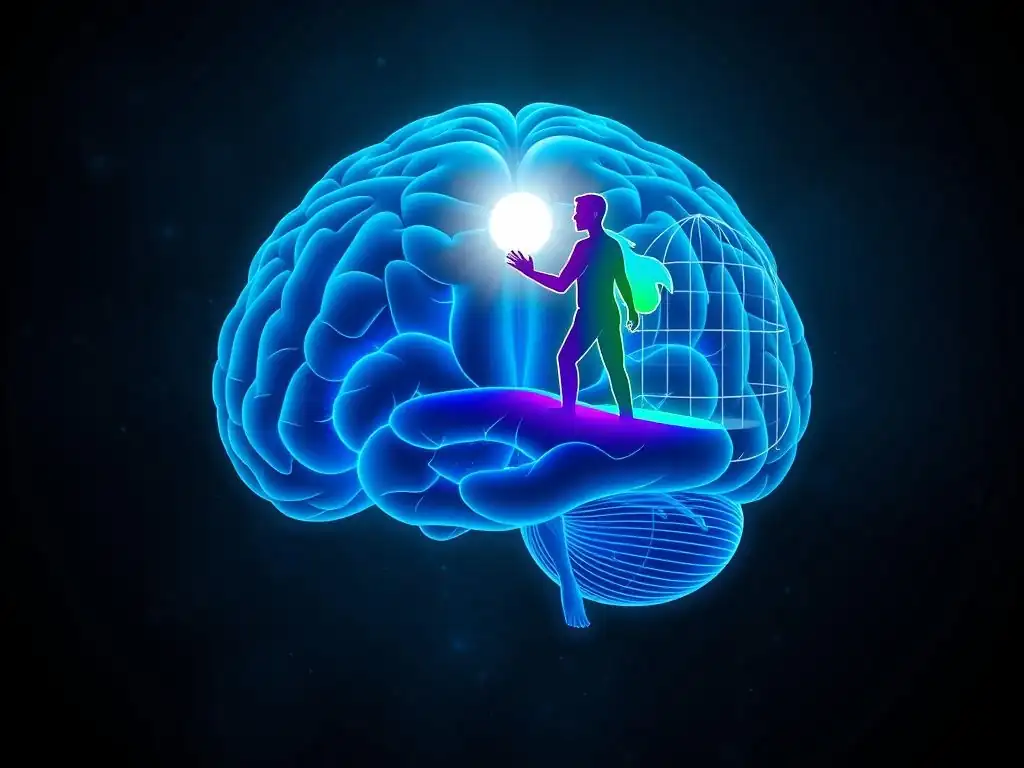
Welcome to Psychology Basics, your gateway to understanding the fascinating world of human behavior. Are we truly masters of our own destinies, or are our actions predetermined? This fundamental question lies at the heart of the Free Will vs. Determinism psychology debate, a captivating clash of philosophical perspectives that shapes our understanding of everything from personal responsibility to the efficacy of therapy. Dive in and explore how this enduring conflict influences our interpretation of human actions – the answers might surprise you.
- The Free Will vs. Determinism Debate in Psychology
- Philosophical Perspectives on Free Will and Determinism
- The Impact of Free Will and Determinism on Psychological Theories
- The Free Will Determinism Psychology Debate: Implications for Moral Responsibility
- The Ongoing Free Will Determinism Psychology Debate: Current Research and Future Directions
-
Frequently Asked Questions
- What is the core debate in the "free will vs. determinism" discussion?
- How does determinism challenge the idea of free will?
- What are some arguments in favor of free will?
- How does the free will vs. determinism debate relate to psychology?
- What are the implications of accepting either free will or determinism?
- Final Reflection: The Enduring Question of Choice
- Unleash Your Mind: Explore the Depths of Free Will!
The Free Will vs. Determinism Debate in Psychology
The age-old question of whether we truly have free will or if our actions are predetermined has captivated philosophers and scientists for centuries. This debate, central to understanding human behavior, sits at the fascinating intersection of philosophy and psychology. This article explores the core tenets of the free will versus determinism debate, examining how philosophical perspectives shape our understanding of human agency and the complexities of psychological processes.
We will delve into the definitions of free will and determinism, highlighting the key arguments and implications of this ongoing discussion relevant to the "free will determinism psychology debate". Understanding this fundamental conflict is crucial for grasping the nuances of psychological theories and their practical applications in areas such as therapy, criminal justice, and personal responsibility. The implications are far-reaching, influencing our views on moral accountability, legal systems, and even our personal sense of self.
Defining Free Will: The Capacity for Self-Determination
Free will, at its simplest, posits that individuals possess the capacity to make genuine choices, independent of external constraints or preordained factors. This implies a degree of conscious control over one's actions and the ability to choose between different courses of action. The concept emphasizes personal agency and the belief that individuals are the authors of their own lives.
This perspective suggests that our decisions aren't simply the result of prior causes, but rather stem from our own deliberate and conscious will. However, defining the precise boundaries of free will remains a challenge. Some philosophers argue for a libertarian view of free will, suggesting complete autonomy, while others propose compatibilism, suggesting free will can exist within a deterministic framework.
The debate revolves around the degree of freedom individuals actually possess and the extent to which our choices are truly our own. This is a crucial aspect of the "free will determinism psychology debate", influencing how we understand human responsibility and moral judgment.
Defining Determinism: The Role of Cause and Effect in Human Action
Determinism, in contrast to free will, asserts that all events, including human actions, are causally determined by prior events. This implies that every action is a consequence of preceding factors, ranging from genetic predispositions and environmental influences to past experiences and current circumstances. From a deterministic viewpoint, the illusion of choice is merely a result of complex causal chains operating outside of conscious awareness. This perspective doesn't necessarily negate human agency entirely; instead, it suggests that agency is itself a product of deterministic processes.
Different forms of determinism exist, including biological determinism (emphasizing genetic factors), environmental determinism (highlighting the impact of upbringing and surroundings), and psychological determinism (focusing on the role of unconscious processes). Understanding these different facets is key to navigating the complexities of the "free will determinism psychology debate." The implications of determinism extend to various fields, including the justice system and the treatment of mental illness.
The Core of the Free Will Determinism Psychology Debate: Agency vs. Predetermination
The central tension in the free will versus determinism debate lies in the conflict between human agency and predetermination. The question is: to what extent are our actions truly our own, or are they simply the inevitable outcome of a complex interplay of prior causes? This is the heart of the "free will determinism psychology debate". Psychological research offers insights into this conflict.
Studies on cognitive biases, unconscious processes, and the influence of environmental factors challenge the notion of absolute free will. However, the subjective experience of making choices and the sense of personal responsibility remain powerful arguments in favor of a degree of free will. The debate is not simply an academic exercise; it has profound implications for our understanding of moral responsibility, criminal justice, and mental health.
For example, assigning blame and punishment presupposes a degree of free will, while therapeutic interventions often aim to help individuals overcome deterministic patterns of behavior. The ongoing discussion surrounding free will and determinism continues to shape our understanding of human nature and our place in the world. The implications are far-reaching and continue to fuel ongoing research and philosophical inquiry.
Philosophical Perspectives on Free Will and Determinism
This section delves into the core philosophical positions within the ongoing free will determinism psychology debate. Understanding these perspectives is crucial to grasping the nuances of the debate and its implications for psychological theory and practice. We'll examine how different philosophical stances shape our understanding of human agency and responsibility.
Compatibilism: Reconciling Free Will and Determinism
Compatibilism attempts to bridge the seemingly irreconcilable gap between free will and determinism. Compatibilists argue that free will and determinism are not mutually exclusive. They propose that determinism – the idea that all events, including human actions, are causally determined by prior events – is compatible with a meaningful sense of free will.
This reconciliation often hinges on a specific definition of "free will." Compatibilists typically define free will not as the absence of causal determination, but rather as the ability to act according to one's desires and intentions, without external coercion. For example, if someone freely chooses to eat an ice cream sundae, a compatibilist would argue that this choice is free even if it's ultimately determined by a complex interplay of prior events (genetics, upbringing, current mood, etc.). The crucial element is that the choice aligns with the individual's internal desires, unconstrained by external force.
The strength of compatibilism lies in its attempt to offer a practical solution to the free will problem. It allows us to maintain a sense of personal responsibility while acknowledging the influence of causal factors on our behavior. However, critics argue that this definition of free will is too weak.
They contend that true free will requires the ability to choose otherwise, a capacity that determinism seemingly denies. The debate continues, with ongoing refinements and critiques of compatibilist positions. Further research is needed to fully explore the implications of different compatibilist models and their applications within the field of psychology.
Incompatibilism: The Irreconcilable Difference Between Free Will and Determinism
Incompatibilists, in contrast to compatibilists, believe that free will and determinism are fundamentally incompatible. They argue that if determinism is true – if all events are causally predetermined – then free will, in any meaningful sense, is impossible. This position encompasses two main branches: hard determinism and libertarianism (discussed in the next section).
Hard determinism embraces determinism fully, concluding that we lack genuine free will. Our actions are simply the inevitable outcome of prior causes, stretching back to the beginning of time. From this perspective, concepts like moral responsibility become problematic, as individuals are not truly responsible for their actions if those actions were predetermined. This philosophical stance has significant implications for the legal system and our understanding of human behavior. For instance, if hard determinism is correct, then punishing criminals might be seen as unjust, as they are merely acting out a predetermined script.
The challenge for hard determinism lies in its seemingly counterintuitive implications. It clashes with our deeply ingrained sense of personal agency and responsibility. Many find it difficult to accept that their choices are merely illusions, determined by forces beyond their control.
Libertarianism: Upholding the Primacy of Free Will
Libertarianism, another form of incompatibilism, champions the existence of free will, even at the expense of determinism. Libertarians argue that we do possess genuine freedom of choice; our actions are not simply the result of prior causes. They propose that some events, particularly human choices, are not causally determined but rather arise from an agent's own free will. This often involves invoking concepts like "agent causation," suggesting that agents themselves can initiate causal chains, independent of prior deterministic factors.
This perspective attempts to preserve our intuitive sense of moral responsibility. If we are truly free to choose, then we can be held accountable for our actions. However, libertarianism faces a significant hurdle: explaining how free will can operate in a seemingly deterministic universe. How can random, undetermined choices emerge from a world governed by natural laws?
The lack of a clear mechanism for agent causation remains a major point of contention and a significant challenge for libertarian accounts of the free will determinism psychology debate. Further research into the neurological and psychological underpinnings of decision-making is needed to shed light on this fundamental question. The ongoing exploration of these concepts continues to shape our understanding of human agency and the intricate relationship between mind and world.
The Impact of Free Will and Determinism on Psychological Theories
The age-old free will versus determinism debate significantly shapes our understanding of human behavior and profoundly influences various psychological schools of thought. The question of whether our actions are predetermined by factors outside our conscious control or stem from our inherent capacity for choice underpins much of psychological theory and methodology. This section explores how different perspectives on free will and determinism manifest in prominent psychological approaches. Understanding this interplay is crucial for comprehending the complexities of the free will determinism psychology debate.
Behaviorism and Determinism: A Close Relationship
Behaviorism, a dominant force in early 20th-century psychology, aligns strongly with a deterministic view of human behavior. Behaviorists like B.F. Skinner emphasized the role of environmental stimuli and reinforcement in shaping actions. They argued that our behavior is largely a product of learned associations and conditioning, minimizing the role of conscious choice or free will. Skinner's operant conditioning, for example, demonstrates how consequences (rewards and punishments) systematically shape behavior, suggesting a deterministic process where external factors dictate actions.
The implications of this deterministic perspective are far-reaching. For behaviorists, understanding behavior involves identifying the environmental factors that elicit specific responses. Treatment strategies focus on manipulating these environmental factors to modify behavior, rather than addressing internal motivations or conscious decisions. This is clearly seen in applications like token economies used in behavioral therapy, where desirable behaviors are reinforced with tokens that can be exchanged for rewards. The success of such techniques underscores the practical implications of a deterministic approach to understanding and modifying behavior. The free will determinism psychology debate, in the context of behaviorism, heavily favors determinism.
Cognitive Psychology and the Illusion of Free Will
Cognitive psychology, which emerged as a reaction against the limitations of behaviorism, offers a more nuanced perspective on the free will determinism psychology debate. While acknowledging the influence of environmental factors, cognitive psychologists emphasize the role of internal mental processes—thoughts, beliefs, and memories—in shaping behavior. However, the question of free will remains complex within this framework.
Some cognitive psychologists suggest that our experience of free will might be an illusion, a byproduct of our cognitive processes. Our brains might construct a narrative of conscious decision-making even when underlying neural processes determine our actions unconsciously. For example, studies using neuroscientific techniques have shown neural activity preceding conscious awareness of a decision, suggesting that the brain may "decide" before we are consciously aware of making a choice.
This doesn't necessarily negate the importance of cognitive processes, but it challenges the notion of absolute free will. The debate within cognitive psychology centers on the extent to which our conscious experience reflects true agency or merely a post-hoc rationalization of predetermined processes.
Humanistic Psychology and the Emphasis on Free Choice
In stark contrast to the deterministic leanings of behaviorism and some interpretations of cognitive psychology, humanistic psychology champions the concept of free will. Humanistic psychologists, such as Carl Rogers and Abraham Maslow, emphasize human potential, self-actualization, and the inherent capacity for personal growth. They posit that individuals are not merely passive recipients of environmental influences but active agents shaping their own lives through conscious choices and self-directed action.
This perspective highlights the importance of subjective experience, personal meaning, and the individual's striving for self-transcendence. Humanistic therapies, like person-centered therapy, focus on empowering individuals to make their own choices and take responsibility for their actions. The therapeutic relationship itself is built on the premise of the client's inherent capacity for self-direction and growth.
The free will determinism psychology debate within humanistic psychology strongly favors the existence and importance of free will as a fundamental aspect of the human experience. This perspective provides a valuable counterpoint to the more deterministic views prevalent in other schools of thought, enriching the overall understanding of the complex interplay between free will and determinism in shaping human behavior.
The Free Will Determinism Psychology Debate: Implications for Moral Responsibility
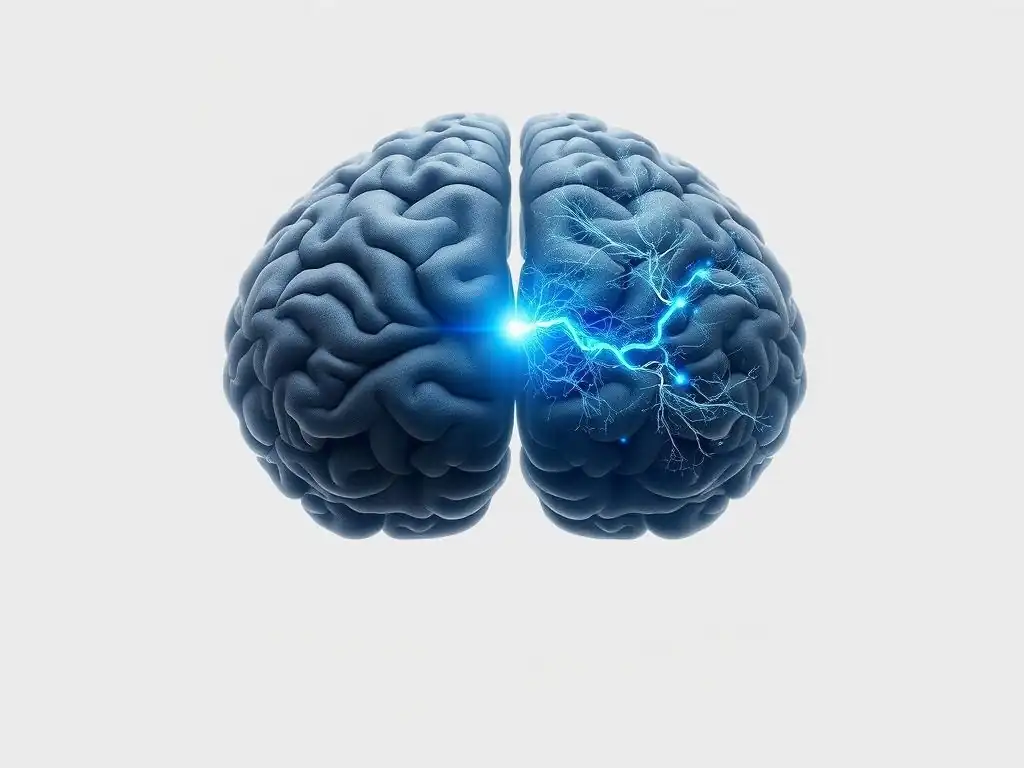
The enduring free will determinism psychology debate grapples with fundamental questions about human agency and moral responsibility. Does our behavior stem from predetermined causes, leaving us mere puppets of fate? Or do we possess genuine freedom of choice, capable of shaping our actions and destinies? This seemingly abstract philosophical discussion has profound implications for how we understand and assign moral responsibility.
Understanding the nuances of this debate is crucial for navigating the complexities of ethics, law, and personal accountability. The core tension lies in the apparent incompatibility between a deterministic worldview—where every event, including our choices, is causally determined by prior events—and the intuitive feeling that we are free to act otherwise. This section delves into the implications of both positions on our understanding of moral responsibility.
Moral Responsibility and Determinism: The Challenge to Accountability
Determinism, in its strictest form, asserts that all events are causally predetermined. This includes human actions. If every choice is the inevitable consequence of prior events and natural laws, then the concept of moral responsibility seems to crumble. How can we hold someone accountable for an action if that action was predetermined, leaving them with no genuine alternative? This is a significant challenge for retributive justice systems, which rely on the idea of assigning blame and punishment based on free will.
Consider, for example, a person who commits a violent crime. A hard determinist might argue that their upbringing, genetics, and environmental factors inevitably led to this act. They couldn't have acted otherwise. If this is true, then punishing them seems unjust; it’s like punishing a natural disaster. Instead, a focus on rehabilitation and preventing future crimes through societal changes becomes more logical within a deterministic framework.
This perspective shifts the focus from individual blame to systemic factors contributing to harmful behaviors. The free will determinism psychology debate, therefore, has significant practical implications for our legal and penal systems. Further research into the interplay between genetics, environment, and behavior is crucial for refining our understanding of accountability in a deterministic world. The question of whether mitigating circumstances should fully excuse criminal behavior remains a complex ethical and legal conundrum within this framework.
Moral Responsibility and Free Will: The Foundation of Ethical Systems
Conversely, the belief in free will underpins many ethical systems. If we are truly free to choose our actions, then we are also morally responsible for the consequences. This forms the basis for praising virtuous acts and condemning immoral ones. Our ethical frameworks often rely on the assumption that individuals can deliberate, make rational choices, and bear the responsibility for their decisions. This is the foundation of reward and punishment systems designed to incentivize good behavior and deter bad behavior.
The compatibilist position attempts to reconcile free will and determinism, suggesting that free will is compatible with the existence of causal determinism. Compatibilists argue that free will doesn't require the absence of causal influences; rather, it simply requires that our actions are caused by our own internal states, such as beliefs and desires, rather than external coercion. This allows for a degree of moral responsibility, even within a deterministic universe. However, critics argue that compatibilism fails to address the fundamental challenge posed by determinism: if our actions are causally determined, even by our internal states, are we truly free to choose otherwise? This central question continues to fuel the ongoing free will determinism psychology debate, highlighting the intricate relationship between philosophical perspectives and our understanding of human behavior and moral responsibility. The implications extend far beyond philosophical discussions; they shape our legal systems, ethical frameworks, and personal sense of self.
The Ongoing Free Will Determinism Psychology Debate: Current Research and Future Directions

The free will versus determinism debate is a cornerstone of philosophical and psychological inquiry, profoundly impacting our understanding of human behavior and responsibility. This enduring discussion explores the extent to which our actions are freely chosen versus predetermined by internal or external factors. The "free will determinism psychology debate," as it's often called, continues to evolve, fueled by advancements in neuroscience and ongoing philosophical analysis.
Current research highlights the complexities of this issue, revealing a landscape far more nuanced than a simple binary opposition. It's not simply a matter of "free will" or "determinism," but rather a spectrum of possibilities, influenced by various interacting forces.
Neuroscience and the Free Will Determinism Debate: Exploring Brain Activity and Decision-Making
Neuroscience offers a fascinating perspective on the free will determinism debate. Studies employing techniques like fMRI and EEG have investigated brain activity preceding conscious decisions. These experiments often reveal neural activity before individuals report a conscious awareness of making a choice. This has led some to argue that our brains initiate actions before we are consciously aware of them, suggesting a deterministic model where conscious will is an illusion.
However, interpreting these findings remains contentious. Critics point out that correlation doesn't equal causation. The observed neural activity might reflect preparatory processes rather than a predetermined outcome. Moreover, the very act of measuring brain activity might influence the decision-making process itself. Further research is needed to disentangle the complex interplay between neural processes and conscious experience in decision-making.
The debate also hinges on the definition of "free will." Does it require complete autonomy from all causal influences, or can it exist within a framework of deterministic constraints? This ambiguity complicates the interpretation of neuroscientific data. The relationship between brain activity and conscious will remains a central point of contention in the ongoing free will determinism psychology debate.
The Future of the Free Will Determinism Psychology Debate: Open Questions and Emerging Perspectives
The future of the free will determinism psychology debate promises exciting developments. Several key questions remain open. For instance, how can we reconcile the apparent determinism observed in neuroscience with our subjective experience of agency? How do factors like genetics, environment, and upbringing interact to shape our choices? What are the ethical implications of different positions in this debate regarding personal responsibility and legal systems?
Emerging perspectives focus on integrating insights from different fields. Computational models of cognition are being developed to simulate decision-making processes, offering a new avenue for exploring the interplay between deterministic factors and conscious choice. Furthermore, the burgeoning field of social neuroscience is investigating how social context influences decision-making, adding another layer of complexity to the debate.
Ultimately, resolving the free will determinism debate requires a multidisciplinary approach, encompassing philosophy, psychology, neuroscience, and potentially even computer science. The future likely involves a more nuanced understanding of the spectrum between free will and determinism, recognizing the multifaceted influences on human behavior. The free will determinism psychology debate is not a simple either/or proposition, but rather a complex and evolving area of research with far-reaching implications.
Frequently Asked Questions
What is the core debate in the "free will vs. determinism" discussion?
The core debate centers around whether human actions are freely chosen (free will) or predetermined by factors like genetics, environment, and past experiences (determinism). This impacts our understanding of moral responsibility and legal systems.
How does determinism challenge the idea of free will?
Determinism argues that all events, including human actions, are causally determined by prior events. This suggests that our choices are not truly free, but rather the inevitable outcome of preexisting factors. Therefore, we lack genuine agency.
What are some arguments in favor of free will?
Proponents of free will often point to our subjective experience of making choices. The feeling of conscious decision-making and the ability to override impulses are key arguments. Furthermore, the existence of moral responsibility presupposes free will.
How does the free will vs. determinism debate relate to psychology?
The debate significantly impacts psychological theories about behavior, motivation, and responsibility. Understanding this debate helps us interpret psychological phenomena and consider ethical implications of psychological interventions.
What are the implications of accepting either free will or determinism?
Accepting determinism might lead to a more fatalistic worldview, while embracing free will emphasizes personal responsibility and self-efficacy. Both perspectives have significant implications for how we understand ourselves and others.
Final Reflection: The Enduring Question of Choice
The debate surrounding free will versus determinism remains profoundly relevant today, shaping not only our philosophical understanding but also our legal systems, ethical frameworks, and personal choices. The implications of believing in a predetermined future versus a world of genuine agency are far-reaching, impacting everything from how we hold individuals accountable for their actions to how we approach personal growth and self-improvement. The very core of our understanding of responsibility hinges on this fundamental question.
The ongoing influence of this philosophical tug-of-war is undeniable, constantly reshaping our cultural landscape and personal narratives. We see its echoes in everything from the rise of behavioral psychology and its implications for criminal justice to the ongoing discussions surrounding moral responsibility and the nature of consciousness. As William James eloquently stated, The feeling of effort, of strain, of will, is the most fundamental fact of our consciousness.
This quote highlights the deeply personal and subjective experience of choice, a feeling that persists even amidst the complexities of deterministic arguments.
Consider the implications of this debate in your own life. Do you believe your actions are truly your own, born from conscious decision-making, or are they merely the inevitable outcome of prior causes? This is not a question with a simple answer, but rather a continuous exploration. By engaging with the arguments presented, and by reflecting on your own experiences, you can cultivate a more nuanced understanding of yourself, your choices, and the world around you. Embrace the ongoing dialogue; the search for truth, even if elusive, is a journey worth undertaking.
Unleash Your Mind: Explore the Depths of Free Will!
Thank you for exploring this thought-provoking topic of free will and determinism. Understanding these complex philosophical concepts offers valuable insights into human behavior and the choices we make. What are your next steps on this journey of self-discovery?
Here are some suggestions to deepen your understanding:
- Engage in Philosophical Discussions: Join online or in-person philosophy groups to discuss your views on free will. Exchanging perspectives can broaden your understanding and challenge your assumptions.
- Reflect on Your Decision-Making: Take time to journal about a recent decision. Consider the factors that influenced your choice: were they primarily internal or external? This reflective process can help clarify your own position on the free will debate.
- Share Your Insights: Consider sharing this article with friends, family, or on social media. Starting a conversation can encourage others to examine their own beliefs about human behavior and agency.
Ultimately, what shapes our actions: our capacity for choice or the influence of external forces? We encourage you to share your thoughts in the comments below.