
The Psychology of Social Media: A Sociological Exploration of Online Behavior

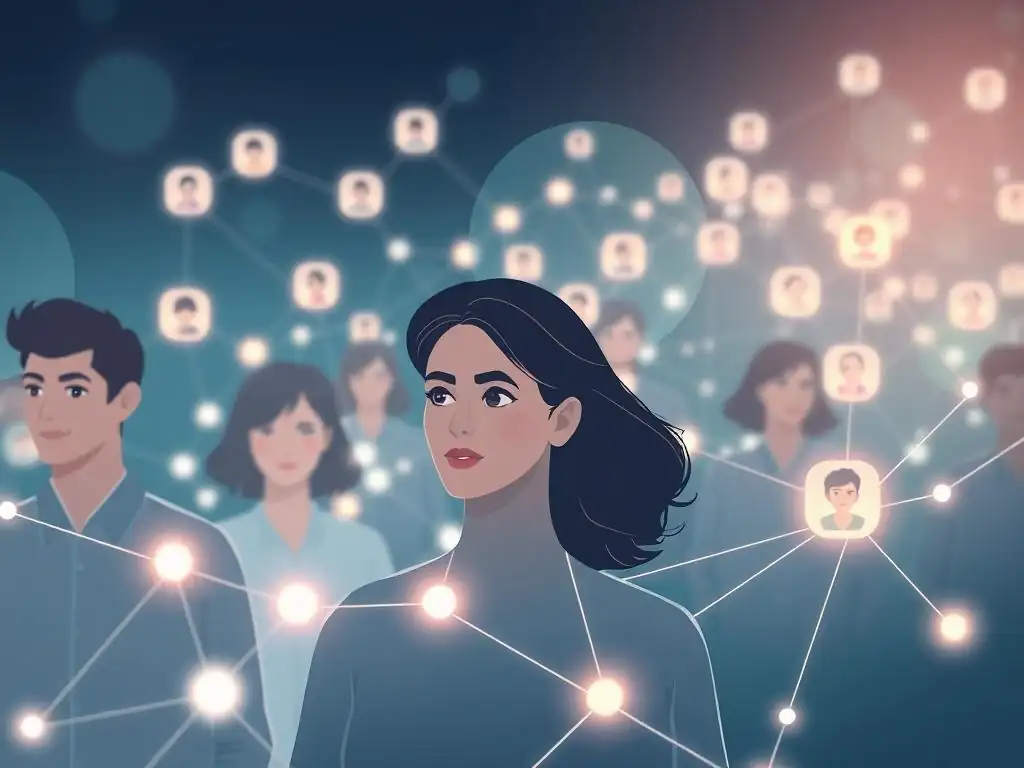
Welcome to Psychology Basics, your gateway to understanding the fascinating world of the human mind. We demystify complex psychological concepts, making them accessible to everyone. Are you curious about the hidden forces shaping our online interactions? Then dive into our latest article, "Social media psychology explained simply," where we explore the intriguing intersection of social media and human behavior. Discover how our digital lives reflect—and even influence—our psychology. Prepare to be surprised by what you uncover!
- Understanding Social Media Psychology Explained Simply
- Social Media and Relationships: Connection and Conflict in the Digital Age
- The Sociological Perspective: Social Media and Society
- Social Media Addiction and its Psychological Effects
- Conclusion: Navigating the Complexities of Social Media Psychology
- Frequently Asked Questions
- Final Reflection: Unraveling the Threads of Online Connection
- Unveil Your Online Influence and Transform Your Digital Behavior!
Social media has become an undeniable force in modern life, shaping our communication, relationships, and even our sense of self. This article explores the fascinating intersection of psychology and sociology within the digital realm, examining how our online behavior reflects and influences our offline lives. We'll delve into the psychological mechanisms behind social media use, dissecting the impact on self-esteem, identity formation, and the pervasive pressure for online validation.
Understanding the psychology of social media is crucial for navigating this increasingly influential landscape and fostering healthier online habits. This exploration will provide a simplified, yet comprehensive, understanding of the complex interplay between our minds and the digital world, answering the question: "Social media psychology explained simply?". We will analyze the impact of social media on various aspects of our psychological well-being, offering practical insights and strategies for responsible online engagement.
Social Comparison and the Distortion of Reality Online
Social media platforms often present a curated, often unrealistic, portrayal of others' lives. This curated reality fuels upward social comparison, where individuals compare themselves to others perceived as superior, leading to feelings of inadequacy and lowered self-esteem. The constant exposure to seemingly perfect lives – flawless bodies, extravagant vacations, and seemingly effortless success – can distort our perception of reality and contribute to negative self-evaluation.
This effect is amplified by algorithms designed to show us content that keeps us engaged, often highlighting the most idealized versions of individuals and experiences. The prevalence of digitally enhanced images further exacerbates this issue, creating a cycle of unrealistic expectations and dissatisfaction. Studies consistently show a correlation between increased social media usage and decreased self-esteem, particularly among young adults.
The Pursuit of Validation and Likes: A Psychological Analysis
The pursuit of likes, comments, and followers on social media taps into our fundamental human need for social validation and belonging. The dopamine rush associated with receiving positive feedback reinforces this behavior, creating a cycle of seeking external validation to boost self-worth. This reliance on external validation can be detrimental to long-term mental health, fostering anxiety and insecurity when the desired level of engagement isn't achieved.
Furthermore, the "fear of missing out" (FOMO) is amplified by constant exposure to others' activities and experiences, leading to feelings of inadequacy and a pressure to constantly participate in the online world. This constant need for external approval can overshadow intrinsic motivation and self-acceptance.
Online Identity and Self-Presentation: Crafting Our Digital Personas
The Role of Social Media in Identity Formation and Exploration
Social media provides a space for identity exploration and experimentation. Individuals can curate their online personas, presenting aspects of themselves that may not be readily apparent in offline settings. This can be a positive tool for self-discovery and building confidence, allowing individuals to explore different facets of their identity in a relatively low-risk environment.
However, the potential for misrepresentation and the pressure to maintain a consistent online image can lead to feelings of anxiety and the need to constantly manage one's online presentation. The process of constructing an online identity is complex and can significantly influence how individuals perceive themselves and how others perceive them.
Managing Online Impressions and the Fear of Missing Out (FOMO)
The desire to present a positive online image often leads to carefully crafted profiles and strategically chosen content. This constant effort to manage online impressions can be exhausting and lead to feelings of inadequacy when comparing oneself to others. Furthermore, the fear of missing out (FOMO) is exacerbated by the constant stream of updates and activities visible on social media.
This fear can lead to compulsive checking of social media, anxiety, and a sense of being perpetually disconnected from social events and opportunities. Understanding the psychological mechanisms behind FOMO and the pressure to maintain a desirable online persona is crucial for navigating the complexities of social media responsibly. The constant comparison and the need for validation contribute to a cycle of anxiety and dissatisfaction.
Social media platforms have fundamentally reshaped how we build and maintain relationships. While offering unprecedented opportunities for connection, they also introduce unique challenges and complexities to interpersonal dynamics. Understanding the psychology behind these online interactions is crucial for navigating the digital landscape effectively and fostering healthy relationships. This section delves into the multifaceted nature of social media's influence on our relationships, exploring both its positive and negative impacts.
We will examine how social media facilitates connection, but also how it can contribute to misunderstandings and conflict. The pervasiveness of social media in modern life means understanding these dynamics is increasingly important for maintaining mental well-being. This exploration aims to provide a simple explanation of social media psychology within the context of relationships.
The seemingly effortless nature of online interaction can be deceiving. The absence of non-verbal cues, like facial expressions and tone of voice, often leads to misinterpretations. A simple text message, devoid of contextual information, can be easily misunderstood, leading to conflict. For example, sarcasm, often reliant on tone, can be easily misinterpreted as genuine aggression in a text-based environment.
This lack of richness in online communication necessitates a higher level of awareness and careful consideration of word choice. Furthermore, the curated nature of online profiles often presents an idealized version of reality, potentially setting unrealistic expectations for relationships. Individuals may present themselves in a more positive light than they would in person, leading to disappointment or disillusionment when offline interactions don't meet online expectations. The constant exposure to others' seemingly perfect lives can also fuel social comparison and feelings of inadequacy.
Building and Maintaining Relationships Through Social Media
Despite the challenges, social media offers powerful tools for building and maintaining relationships. Staying connected with loved ones across geographical distances is significantly easier than ever before. Sharing updates, photos, and videos provides a sense of ongoing connection and intimacy. Social media platforms also facilitate the formation of new relationships, connecting individuals with shared interests and values through groups and online communities.
The ability to easily engage in conversations and participate in shared activities strengthens bonds and fosters a sense of belonging. Many long-distance relationships rely heavily on social media for maintaining communication and intimacy, proving its utility in relationship maintenance. However, it's crucial to remember that these online interactions should complement, not replace, face-to-face communication for truly fulfilling relationships.
The Challenges of Online Communication and Misunderstandings
The asynchronous nature of many social media platforms can exacerbate communication problems. Delayed responses can create uncertainty and anxiety, while the lack of immediate feedback can lead to misinterpretations and escalating conflicts. The "always-on" culture fostered by social media can also contribute to relationship stress. Constant notifications and the pressure to maintain an online presence can lead to feelings of overwhelm and resentment, impacting the quality of both online and offline interactions.
Furthermore, the public nature of many social media interactions can introduce additional complexities. Arguments or disagreements, once confined to private conversations, can become public spectacles, further escalating tensions and damaging relationships. Careful consideration of the audience and the potential consequences of online interactions is therefore paramount.
Cyberbullying and Online Harassment: Understanding the Psychological Impact
Cyberbullying and online harassment represent a significant threat to mental well-being. The anonymity and reach afforded by the internet empower perpetrators to inflict harm with relative impunity. The constant nature of online harassment, with victims potentially exposed to abusive messages 24/7, can lead to severe psychological distress, including anxiety, depression, and even suicidal ideation. The public nature of online abuse can exacerbate the feelings of shame and isolation experienced by victims.
The Role of Anonymity and Disinhibition Online
Anonymity plays a significant role in the prevalence of cyberbullying and online harassment. The ability to hide behind a pseudonym or fake profile emboldens individuals to engage in behaviors they would likely avoid in face-to-face interactions. This phenomenon, known as online disinhibition effect, reduces inhibitions and encourages aggressive or antisocial behavior. The lack of immediate consequences further contributes to this behavior. Perpetrators often feel less accountable for their actions when they are shielded by anonymity and the perceived distance of the internet. Understanding this dynamic is crucial for developing effective strategies to combat cyberbullying and protect vulnerable individuals.
Strategies for Protecting Mental Well-being in the Face of Online Aggression
Protecting mental health in the digital age requires a proactive approach. Setting boundaries around social media use, limiting exposure to potentially harmful content, and developing strategies for managing online negativity are essential. Practicing mindfulness and self-compassion can help individuals cope with the emotional toll of online harassment. Seeking support from trusted friends, family, or mental health professionals is also crucial.
Reporting abusive behavior to the relevant platforms and authorities is a vital step in creating a safer online environment. Educating oneself and others about the risks of cyberbullying and online harassment can contribute to a culture of online responsibility and respect. Remember, taking care of your mental health online is just as important as taking care of it offline.
This section explores social media's impact through a sociological lens, examining its role in shaping social structures, interactions, and collective behavior. We move beyond individual psychological responses to understand how social media functions as a powerful tool influencing societal processes. The keyword phrase "Social media psychology explained simply" is addressed here by focusing on the broader societal implications of individual online actions.
The Spread of Information and Misinformation Online
Social media platforms have dramatically altered the landscape of social movements and political discourse. The rapid dissemination of information, both accurate and inaccurate, is a defining characteristic. Consider the Arab Spring uprisings, where social media played a crucial role in mobilizing protestors and coordinating actions across geographical boundaries.
However, this ease of information sharing also facilitates the spread of misinformation and propaganda, often referred to as "fake news." The algorithms of these platforms, designed to maximize engagement, can inadvertently amplify misleading narratives, leading to the polarization of opinions and the erosion of trust in traditional news sources. The algorithmic amplification of certain viewpoints can disproportionately affect specific demographics, creating echo chambers and filter bubbles where individuals are primarily exposed to information confirming their pre-existing beliefs.
This phenomenon can significantly impact political discourse, leading to increased division and hindering productive dialogue. Analyzing the spread of misinformation requires understanding the interplay between platform algorithms, individual biases, and the social networks through which information is shared. Further research is needed to fully understand the long-term consequences of this phenomenon on democratic processes.
The Power of Social Media in Shaping Public Opinion
Social media's influence extends beyond the spread of information; it actively shapes public opinion. The curated nature of online profiles, coupled with the ability to target specific demographics with advertising and political messaging, allows for highly effective manipulation of public perception. For example, targeted political campaigns can use micro-targeting techniques to reach specific voter segments with tailored messages, potentially swaying election outcomes.
Furthermore, the constant stream of online interactions and the visibility of others' opinions can exert significant pressure to conform to prevailing trends and norms, leading to bandwagon effects and the suppression of dissenting voices. Understanding how social media shapes public opinion requires analyzing the complex interplay of individual psychology, social influence, and the technical design of the platforms themselves. [Specific data on the effectiveness of micro-targeting in political campaigns pending].
Social media has fundamentally reshaped the way we build and maintain social connections. While it offers unprecedented opportunities for community building, it also presents unique challenges.
The Formation of Online Communities and Subcultures
Online platforms facilitate the formation of diverse communities, connecting individuals with shared interests, identities, or experiences regardless of geographical location. From niche hobbyist groups to support networks for individuals facing similar challenges, these communities provide a sense of belonging and shared understanding. However, the anonymity afforded by some platforms can also foster the development of online subcultures characterized by extreme ideologies or harmful behaviors.
The ease of finding like-minded individuals online can lead to the reinforcement of pre-existing biases and the creation of echo chambers, where dissenting viewpoints are marginalized or suppressed. Understanding the dynamics of online community formation requires considering the interplay between platform design, user agency, and the broader social context. [Data on the prevalence of online echo chambers and their impact on social cohesion pending].
The Impact of Social Media on Social Capital and Connections
Social capital, the networks of relationships among people who live and work in a particular society, enabling that society to function effectively, is significantly impacted by social media. While social media can increase the quantity of connections, its impact on the quality of these connections is complex. Superficial interactions may replace deeper, more meaningful relationships, potentially leading to feelings of isolation and loneliness.
Furthermore, the curated nature of online profiles can create a distorted perception of others' lives, leading to social comparison and feelings of inadequacy. Research suggests that excessive social media use can be negatively correlated with well-being, highlighting the need to consider the potential drawbacks alongside the benefits of online connectivity. [Further research needed on the correlation between social media use and various measures of social capital].
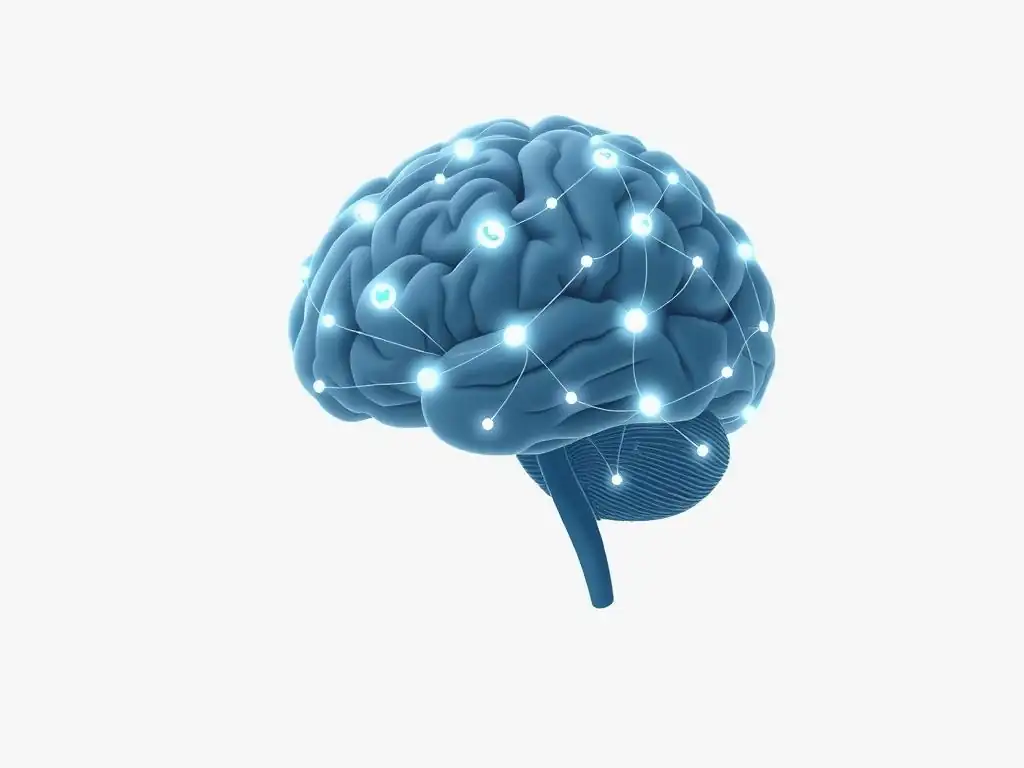
Social media's pervasive nature presents a unique challenge to our understanding of addiction. While not officially classified as a disorder in the DSM-5, problematic social media use shares significant similarities with substance use disorders. This section explores the psychological effects of excessive social media engagement, focusing on the link between online behavior and mental health.
Understanding this connection is crucial for developing effective strategies for managing social media use and promoting digital well-being. The term "social media addiction" itself is often debated, with many preferring the term "problematic social media use," acknowledging the complex interplay of factors involved. Regardless of the terminology used, the negative impacts are undeniable for many individuals.
Identifying problematic social media use requires careful observation of behavioral patterns and emotional responses. While occasional excessive use might be normal, consistent and pervasive engagement exceeding healthy limits warrants concern. Key indicators include:
- Withdrawal symptoms: Feeling anxious, irritable, or restless when unable to access social media. This mirrors the withdrawal experienced by individuals with substance use disorders.
- Tolerance: Needing increasingly more time spent on social media to achieve the same level of satisfaction. This escalating need reflects a decreased sensitivity to the initial reward.
- Neglecting responsibilities: Prioritizing social media over work, studies, relationships, or self-care. This prioritization suggests a distorted sense of value and priorities.
- Unsuccessful attempts to control use: Repeatedly trying to limit social media use but failing to do so. This inability to control behavior is a hallmark of addictive behaviors.
- Negative consequences: Experiencing negative consequences such as relationship problems, sleep disturbances, or academic/professional setbacks due to excessive social media use. These consequences often escalate without intervention.
- Lying about social media use: Hiding or downplaying the extent of social media engagement from others. This deception further indicates a problematic relationship with the activity.
These signs aren't necessarily indicative of a clinical disorder on their own, but their presence in combination should prompt self-reflection and, if necessary, professional help. Remember, seeking help is a sign of strength, not weakness.
The addictive potential of social media is intricately linked to the brain's reward system. Social media platforms are designed to trigger the release of dopamine, a neurotransmitter associated with pleasure and reward. Likes, comments, shares, and notifications act as intermittent reinforcers, creating a cycle of anticipation and reward that keeps users engaged. This mechanism is similar to the reward pathways activated by substances like nicotine or cocaine.
The unpredictable nature of these rewards further fuels engagement. The uncertainty of receiving a notification or a positive response keeps users constantly checking their feeds, reinforcing the behavior. This "variable ratio reinforcement" schedule, common in gambling, is highly effective in maintaining engagement and potentially leading to problematic use. Further research is needed to fully elucidate the complex interplay between social media use and specific brain regions responsible for reward processing, impulsivity, and self-control.
Developing healthy habits around social media use is crucial for maintaining mental and emotional well-being. These strategies can help individuals cultivate a healthier relationship with these platforms:
- Set time limits: Use built-in features or apps to limit daily social media use. Scheduling specific times for checking social media can help establish boundaries.
- Mindful usage: Pay attention to your feelings and thoughts while using social media. Are you feeling anxious, bored, or lonely? Understanding your motivations can help you use social media more consciously.
- Curate your feed: Unfollow accounts that trigger negative emotions or contribute to social comparison. Surrounding yourself with positive and supportive content can improve overall well-being.
- Engage in offline activities: Prioritize real-life interactions and activities that bring joy and fulfillment. This can help reduce reliance on social media for social connection and validation.
- Seek support: If you're struggling to manage your social media use, don't hesitate to seek support from friends, family, or mental health professionals. Professional guidance can be invaluable in developing personalized strategies.
Implementing these strategies requires conscious effort and self-awareness. It's a process, not a destination, and setbacks are normal. The key is to remain committed to building a healthier relationship with technology and prioritizing overall well-being. Remember, social media should enhance, not detract from, your life.
This exploration of social media psychology, explained simply, reveals a multifaceted relationship between online platforms and human behavior. We've examined the influence of social comparison, the addictive nature of engagement loops, and the potential for both positive and negative impacts on mental wellbeing. Understanding these dynamics is crucial for navigating the digital landscape effectively and responsibly. The pervasiveness of social media in modern life demands a nuanced understanding of its psychological effects, moving beyond simplistic notions of good or bad to a more sophisticated appreciation of its complexities.
The sheer volume of data generated by social media interactions presents both opportunities and challenges for researchers. Analyzing this data ethically and responsibly is paramount, ensuring the protection of individual privacy while gleaning valuable insights into human behavior. Remember, social media is a tool; its impact depends heavily on how we choose to use it.
The Importance of Critical Thinking and Media Literacy in the Digital Age
The constant barrage of information on social media necessitates the development of strong critical thinking skills. Users must learn to discern credible sources from misinformation, to identify biases in presented information, and to evaluate the validity of claims made online. Media literacy is equally vital.
Understanding the algorithms that curate content, recognizing persuasive techniques used in advertising and political messaging, and appreciating the constructed nature of online personas are all key components of navigating the digital world safely and critically. For example, the curated nature of profiles often presents an idealized version of reality, leading to social comparison and feelings of inadequacy. Developing the ability to critically analyze this curated content is crucial for maintaining a healthy self-image and preventing negative mental health outcomes.
This involves actively questioning the information presented, seeking diverse perspectives, and engaging with content thoughtfully rather than passively consuming it. The ability to critically evaluate online information is not merely a desirable skill; it is a necessity for effective participation in the digital age. It's about empowering individuals to become informed and engaged citizens in the online world.
Research on social media's impact on mental health is still in its relatively early stages, although existing data already highlights the strong correlation between social media usage and issues like anxiety, depression, and body image concerns. Future research should focus on several key areas. Firstly, longitudinal studies are needed to better understand the long-term effects of social media use, tracking individuals over extended periods to establish causal relationships rather than merely correlational ones. Secondly, more research is needed to explore the mediating and moderating factors that influence the relationship between social media and mental health.
For instance, the type of social media platform used, the nature of online interactions, and individual personality traits all likely play significant roles. Thirdly, innovative research methodologies are required to address the challenges posed by the ever-evolving nature of social media platforms and user behaviors. This might involve employing advanced data analysis techniques, incorporating qualitative methods to capture the lived experiences of users, and developing more sophisticated models to account for the complexities of online interactions. Finally, further research is needed to explore effective interventions and strategies for mitigating the negative effects of social media while harnessing its potential benefits.
This includes developing educational programs to promote media literacy and critical thinking skills, as well as exploring therapeutic approaches to address social media-related mental health challenges. The future of this field hinges on rigorous, ethical, and innovative research that can guide the development of healthy and responsible online practices. Ultimately, the goal is to utilize social media in a way that enhances well-being rather than detracting from it.
Frequently Asked Questions
Social media psychology explores how social media platforms influence our thoughts, feelings, and behaviors. It examines the psychological processes underlying our online interactions and their impact on our well-being. It's a fascinating blend of psychology and sociology.
Social media can both positively and negatively impact self-esteem. Constant exposure to idealized images can lead to social comparison and feelings of inadequacy. Conversely, supportive online communities can boost self-worth and confidence.
Social influence is a powerful force on social media. We're highly susceptible to conformity, persuasion, and social norms online, impacting our opinions, behaviors, and even our purchasing decisions. This is amplified by algorithms and curated content.
Research suggests a correlation between excessive social media use and increased risk of anxiety and depression. Factors like cyberbullying, fear of missing out (FOMO), and sleep disruption contribute to these negative mental health outcomes. Mindful usage is key.
Yes! Social media can foster social connection, facilitate support networks, and provide access to valuable information and resources. The key is to use it mindfully and prioritize authenticity and well-being over superficial engagement.
Final Reflection: Unraveling the Threads of Online Connection
The pervasive influence of social media on our daily lives is undeniable, shaping not only our communication patterns but also our very sense of self. Understanding the psychological mechanisms at play is no longer a niche academic pursuit; it's a crucial skill for navigating the complexities of the modern world. The intricate interplay between our online personas and our offline realities demands careful consideration, as the lines between the two continue to blur.
The exploration of social media's impact on our mental health, our relationships, and our perception of reality has been a deeply revealing journey. It's highlighted the power of algorithms to shape our thoughts and behaviors, often in ways we're not fully aware of. The medium is the message,
Marshall McLuhan famously stated, and this rings truer than ever in the age of social media. The constant stream of curated content, the pressure to conform to online ideals, and the potential for both connection and isolation are all facets of this complex landscape that deserve ongoing scrutiny and understanding.
Consider the ways in which social media has influenced your own life. Are you consciously aware of its impact on your self-esteem, your relationships, or your overall well-being? Take a moment to reflect on your own online habits and behaviors. By understanding the psychological principles at play, you can cultivate a healthier and more mindful relationship with these powerful platforms, harnessing their benefits while mitigating their potential harms. Let this exploration be a starting point for a more conscious and fulfilling online experience.
Unveil Your Online Influence and Transform Your Digital Behavior!
Thank you for exploring the fascinating world of social media psychology with us! You've learned how our online actions shape not only our personal lives but also the broader social landscape. Now, let's put that knowledge to work!
Here are some practical steps you can take immediately:
- Reflect on your digital habits: Take some time to consider how social media impacts your mood, relationships, and productivity. This self-reflection is the first step toward positive change.
- Join a community forum or online group focused on social media psychology to share your insights and learn from others. You might be surprised at how your perspective can inspire others!
- Try taking a break from social media for a day this week. Observe how it affects your thoughts and interactions with the world around you.
How can you modify your online interactions to foster a more positive and constructive online environment? Share your thoughts in the comments below!