
Meditation Made Easy: Find Inner Peace with These Simple Techniques

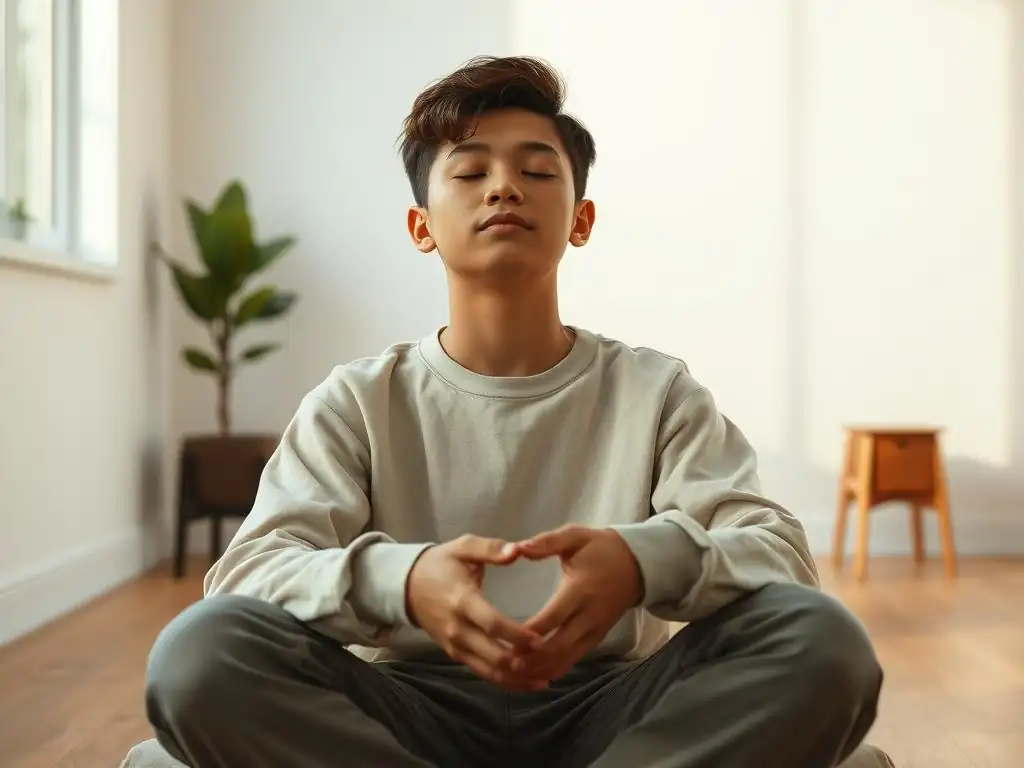
Unlock the secrets of your mind with Psychology Basics, your gateway to understanding the fascinating world of human behavior. Are you curious about harnessing the power of your inner self? Then discover the transformative potential of easy meditation techniques for beginners, a journey to inner peace and well-being that starts right here. Dive into our comprehensive guide on mental wellness and self-care, and begin your exploration of a calmer, more centered you.
- Introduction to Simple Meditation Techniques for Beginners
- Step-by-Step Guide to Easy Meditation for Stress Relief
- Advanced Techniques for Deeper Meditation (Optional)
- Incorporating Meditation into Your Daily Routine
- Troubleshooting Common Challenges in Easy Meditation
- Conclusion: Embracing Simple Meditation for a Calmer Mind
- Frequently Asked Questions
- Final Reflection: Cultivating Inner Peace in a Frantic World
- **Unleash Your Inner Calm Today! **
Introduction to Simple Meditation Techniques for Beginners
Finding inner peace and managing stress can feel like a daunting task in our fast-paced modern world. But what if we told you that accessing a calmer, more centered state of being is achievable, even for complete beginners, through simple and effective meditation techniques? This article explores easy meditation techniques specifically designed for beginners, addressing common challenges and highlighting the profound benefits for mental wellness. We'll guide you through practical steps to establish a consistent meditation practice, empowering you to cultivate inner peace and reduce stress levels in your daily life.
This guide focuses on making meditation accessible and enjoyable, dispelling the myth that it requires years of dedicated practice or specialized knowledge. You’ll discover that even short, regular meditation sessions can significantly impact your overall well-being. Let's embark on this journey towards a more peaceful and balanced you.
Why Beginners Struggle with Traditional Meditation Practices
Many beginners find traditional meditation practices challenging. The emphasis on stillness and clearing the mind can feel counterintuitive, leading to frustration and ultimately, abandonment of the practice. Common struggles include:
- Racing Thoughts: The inability to quiet the incessant chatter of the mind is a major obstacle. Beginners often expect immediate silence, which is unrealistic.
- Body Discomfort: Physical sensations like restlessness, discomfort, or even pain can disrupt the meditative state.
- Lack of Patience: Meditation requires patience and persistence. The immediate gratification we crave in our daily lives is often absent, leading to discouragement.
- Unrealistic Expectations: Many beginners enter meditation with unrealistic expectations, believing they should achieve a transcendent state immediately. This sets them up for disappointment.
- Difficulty Focusing: Focusing the mind on a single point, such as the breath, can be incredibly difficult for those unaccustomed to mindfulness practices.
These challenges are perfectly normal and shouldn't discourage you. The key is to adapt your approach, selecting techniques that are more accessible and forgiving for beginners. We'll explore these adapted techniques further in this article.
Understanding the Benefits of Easy Meditation for Mental Wellness
The benefits of even short, regular meditation sessions are well-documented and extend far beyond simple relaxation. Easy meditation techniques provide accessible pathways to significant improvements in mental wellness, including:
- Stress Reduction: Meditation helps regulate the body's stress response, lowering cortisol levels and promoting a sense of calm. This is particularly valuable in our constantly connected world.
- Improved Focus and Concentration: Regular practice enhances attention span and cognitive function, making it easier to concentrate on tasks and improve productivity.
- Emotional Regulation: Meditation cultivates emotional awareness and resilience, enabling you to manage challenging emotions more effectively.
- Increased Self-Awareness: The process of observing your thoughts and feelings without judgment fosters greater self-understanding and acceptance.
- Better Sleep: Meditation can promote relaxation and reduce racing thoughts, leading to improved sleep quality and reduced insomnia.
These benefits aren't just anecdotal; numerous studies support the positive impact of meditation on mental and physical health. By incorporating even a few minutes of daily meditation into your routine, you can experience tangible improvements in your overall well-being.
Setting the Stage: Creating a Calm Space for Your Practice
Creating a conducive environment is crucial for a successful meditation practice. This doesn't require a lavish setup; even small changes can make a big difference. Consider these factors:
- Location: Choose a quiet space where you won't be disturbed. This could be a dedicated meditation corner, your bedroom, or even a peaceful spot outdoors.
- Comfort: Ensure you're comfortable. Sit on a cushion, chair, or lie down if that's more comfortable. Support your back to avoid slouching.
- Temperature: A comfortable room temperature prevents distractions caused by being too hot or too cold.
- Ambient Sounds: Minimize distracting noises. You can use calming music, nature sounds, or simply focus on the natural sounds of your environment. Silence is not always necessary for beginners.
- Lighting: Soft, dim lighting can create a relaxing atmosphere. Avoid bright or harsh lights.
Remember, consistency is key. Start with short sessions (even 5 minutes) and gradually increase the duration as you become more comfortable. The goal is not to achieve perfection but to cultivate a regular practice that supports your mental wellness journey. 🧘♀️
Step-by-Step Guide to Easy Meditation for Stress Relief
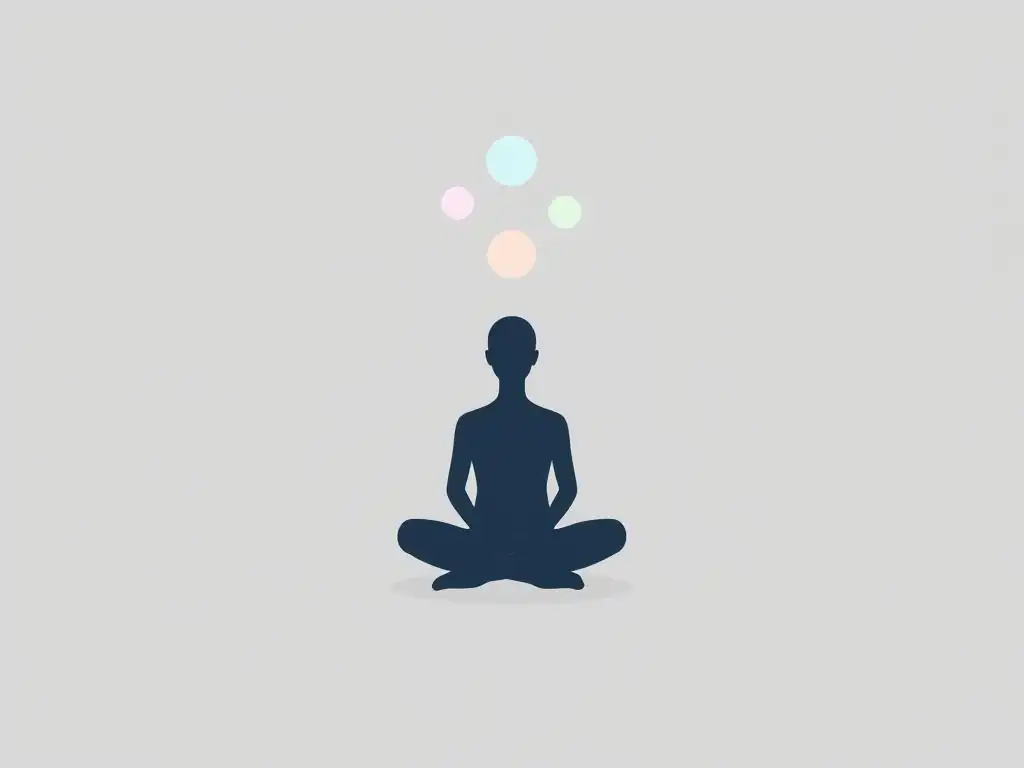
This section provides a practical, step-by-step guide to mastering simple meditation techniques, perfect for beginners seeking stress relief. We'll explore how to find a comfortable posture, focus on your breath, and observe your thoughts without judgment – all crucial elements for effective and easy meditation practices. Remember, the goal isn't perfection, but consistent practice. Even short, regular sessions can significantly reduce stress and improve your overall well-being.
Step 1: Finding Your Comfortable Posture for Meditation
Finding the right posture is key to a relaxing and effective meditation session. You don't need any special equipment or a perfectly still body. The goal is comfort and stability, allowing you to focus on your breath and inner experience without physical distractions.
Several options exist, each catering to different preferences and physical capabilities:
- Seated Meditation: This is the most common approach. You can sit comfortably on a cushion on the floor, in a chair with good back support, or even on your bed. Ensure your spine is relatively straight but not rigid—imagine a gentle lengthening from the crown of your head to your tailbone. Avoid slouching, as this can lead to discomfort and drowsiness.
- Lying Down Meditation: While convenient, lying down can increase the risk of falling asleep. If you choose this, lie on your back with your arms relaxed at your sides, palms facing up. Use a pillow for support if needed.
- Walking Meditation: This dynamic approach involves focusing on the sensations of your feet as you walk slowly and mindfully. It can be particularly beneficial for those who find it difficult to sit still.
Regardless of your chosen posture, ensure your body is supported and you feel relaxed. You might experiment with different positions to find what best suits your body and preferences. Remember, gentle adjustments are perfectly acceptable during your meditation. The most important factor is comfort and maintaining a relaxed awareness.
Step 2: Focusing on Your Breath: The Core of Simple Meditation
Breathwork is the cornerstone of many easy meditation techniques for beginners. By focusing on your breath, you anchor your attention in the present moment and gently quiet the mind's chatter. Here’s how to incorporate mindful breathing into your practice:
- Natural Breath: Begin by noticing your natural breath without trying to change it. Observe the gentle rise and fall of your chest or abdomen. Feel the air entering and leaving your nostrils. Simply observe, without judgment.
- Counting Breaths: A helpful technique for beginners is counting your breaths. Inhale, exhale, and count "one." Repeat this process, counting each breath until you reach a predetermined number (e.g., 10). Then, start again from one. If your mind wanders, gently redirect your attention back to your breath and the counting.
- Body Scan: Combine breath awareness with a body scan. As you inhale, slowly bring your awareness to different parts of your body, noticing any sensations without judgment. For instance, you might start with your toes, then move up to your feet, ankles, and so on.
The key is to maintain a gentle, non-judgmental awareness of your breath. If your mind wanders—and it inevitably will—simply acknowledge the distraction without criticism and gently redirect your attention back to your breath. This is a normal part of the process. Consistency is key; the more you practice focusing on your breath, the easier it becomes.
Step 3: Observing Your Thoughts Without Judgment: A Beginner's Approach
As you focus on your breath, thoughts will naturally arise. The key is to observe them without getting carried away. Think of your mind as a clear sky, and thoughts as clouds passing by. Don't try to stop the clouds (thoughts); simply watch them drift across the sky.
Here's a practical approach:
- Non-Judgmental Observation: When a thought arises, acknowledge it without judgment. Simply notice it—what is it? What feeling does it evoke? Then, gently redirect your attention back to your breath.
- Labeling Thoughts: You can assign a label to each thought as it arises (e.g., "thinking," "planning," "worrying"). This technique helps create distance between you and your thoughts, preventing you from becoming entangled in them.
- Mindful Awareness: The goal is not to empty your mind, but to cultivate mindful awareness. This means observing your thoughts, feelings, and sensations without getting caught up in them. It's about cultivating a sense of presence and acceptance.
Remember, meditation is a practice, not a performance. Be patient with yourself, and celebrate your progress, no matter how small. The ability to observe your thoughts without judgment is a valuable skill that can significantly reduce stress and improve your overall mental well-being. Consistent practice is the key to unlocking the benefits of easy meditation techniques for beginners.
Step 4: Returning to Your Breath: Gentle Refocusing Techniques
During meditation, your mind will inevitably wander. Thoughts, feelings, and sensations will arise—this is perfectly normal. The key isn't to eliminate these distractions entirely, but to gently redirect your focus back to your breath. Think of your breath as an anchor, tethering you to the present moment. When you notice your mind has drifted—perhaps you're planning your day, replaying a conversation, or worrying about a future event—don't judge yourself. Simply acknowledge the wandering thought without getting caught up in it, and then gently guide your attention back to the sensation of your breath entering and leaving your body.
Several techniques can help you gently refocus on your breath. One effective method is to pay close attention to the physical sensations of your breath. Notice the cool air entering your nostrils, the slight expansion of your chest or abdomen, and the warmth of the air as it leaves your body. Another helpful technique involves counting your breaths.
Inhale, exhale, and count "one." Repeat this process, counting each breath until you reach a predetermined number, such as five or ten. If you lose count, simply start again at one. This counting serves as a subtle reminder to stay present with your breath.
You can also use a mental anchor associated with your breath. For example, you could silently repeat a mantra such as "inhale, exhale," or "peace," with each breath. This provides a focal point for your attention, making it easier to return to your breath when your mind wanders.
The key is to find a technique that works best for you and to practice it consistently. Over time, you'll become more adept at recognizing when your mind wanders and more skilled at gently guiding your attention back to the present moment. This process of continually returning to your breath is a core element of meditation practice and a key to experiencing its stress-reducing benefits.
Remember, patience and consistent practice are crucial. Don't get discouraged if you find it challenging at first; it's a skill that develops over time. The more you practice, the easier it will become to gently refocus your attention on your breath and maintain a state of mindful awareness.
Advanced Techniques for Deeper Meditation (Optional)
This section explores more advanced meditation techniques suitable for those who have established a basic meditation practice. These techniques require more focus and dedication but offer profound benefits for mental and emotional well-being. Remember, these are optional and should only be attempted after you've built a solid foundation with the basic techniques outlined previously. Consistency and patience are key to success with any meditation practice, no matter the level. Don't be discouraged if you find these techniques challenging at first; progress takes time.
Exploring Body Scan Meditations for Enhanced Relaxation
Body scan meditation is a powerful technique to cultivate mindfulness and increase body awareness. It involves systematically bringing attention to different parts of your body, noticing sensations without judgment. This practice can be incredibly helpful in managing physical tension, reducing stress, and promoting deep relaxation.
The process typically begins by finding a comfortable position, either sitting or lying down. Close your eyes gently and bring your attention to your breath, noticing the natural rhythm of inhalation and exhalation. Once you've settled into a comfortable rhythm, begin to slowly scan your body, starting with your toes. Notice any sensations – tingling, warmth, coolness, tightness, or pressure – without trying to change them. Simply observe.
Gradually move your attention upwards, focusing on each part of your body in turn: feet, ankles, calves, knees, thighs, hips, abdomen, chest, back, shoulders, arms, hands, fingers, neck, face, and head. Spend a few moments on each area, allowing yourself to fully experience the sensations present. If your mind wanders (which is perfectly normal! ), gently guide your attention back to the current body part you're focusing on.
Regular practice of body scan meditation can significantly improve your ability to identify and manage physical tension, leading to a greater sense of relaxation and overall well-being. Studies have shown that this technique can reduce symptoms of anxiety and improve sleep quality. Begin with 10-15 minutes daily and gradually increase the duration as you become more comfortable.
Introduction to Loving-Kindness Meditation for Emotional Well-being
Loving-kindness meditation, also known as Metta meditation, cultivates feelings of compassion and loving-kindness towards oneself and others. This practice can be particularly beneficial for fostering emotional well-being and reducing feelings of negativity and isolation.
The core of this meditation involves repeating phrases or mantras that express loving-kindness. You can start by directing these feelings towards yourself, then extend them to loved ones, neutral individuals, difficult people, and finally, to all beings. This progressive approach helps to gradually expand your capacity for compassion and empathy.
A typical sequence might involve repeating phrases like:
- "May I be filled with loving-kindness."
- "May I be healthy and happy."
- "May I be peaceful and safe."
Then, you would extend these phrases to loved ones, neutral people, difficult individuals, and finally, all beings. For example:
- "May [loved one's name] be filled with loving-kindness."
- "May all beings be filled with loving-kindness."
Remember that the effectiveness of this meditation lies not in the intensity of your feelings, but in the consistent practice of extending loving-kindness. Even if you don't initially feel strong emotions, the act of repeating these phrases can gradually cultivate a more compassionate and accepting attitude towards yourself and others. Regular practice, even for short periods (5-10 minutes), can lead to significant improvements in emotional regulation and overall well-being. This technique is particularly useful for managing stress and improving relationships. The key is consistency and a gentle approach; don't force the feelings, simply let them arise naturally.
Incorporating Meditation into Your Daily Routine

This section explores practical strategies for seamlessly integrating meditation into your daily life, even with a busy schedule. We'll discuss techniques to make meditation a consistent habit, rather than an occasional practice. The key is to find methods that fit your lifestyle and preferences, fostering a sustainable commitment to mindfulness. Consistent practice is crucial for experiencing the full benefits of meditation, from stress reduction to improved focus. This isn't about grand gestures, but rather about small, manageable steps towards a calmer, more centered you.
Short Meditation Sessions: Integrating Mindfulness into a Busy Schedule
Many beginners feel intimidated by the idea of lengthy meditation sessions. The truth is, even short bursts of mindfulness can yield significant benefits. Instead of aiming for 30-minute sessions initially, start with just 5-10 minutes. This is entirely manageable, even during a busy workday. You can use your lunch break, a quiet moment before bed, or even during your commute (if you're not driving!). The focus here is consistency, not duration.
Consider these strategies for incorporating short meditation sessions:
- Morning Mindfulness: Begin your day with a 5-minute meditation to set a positive and calm tone. This can help reduce stress and improve focus throughout the day.
- Mindful Breaks: Throughout the day, take short 2-3 minute breaks to focus on your breath. This can help to reset your mind and prevent burnout.
- Evening Calm: End your day with a 10-minute meditation to unwind and prepare for a restful sleep. This helps to quiet the mind and release any lingering tension.
Remember, even these short sessions can accumulate significant benefits over time. The cumulative effect of brief, regular practice is far more impactful than infrequent longer sessions. Consistency is key for cultivating a mindful lifestyle. Even 5 minutes a day, practiced diligently, will contribute significantly to your overall well-being.
Creating a Habit: Using a Meditation Tracker to Monitor Progress
Building any new habit requires dedication and consistent effort. To help you stay on track with your meditation practice, consider using a meditation tracker. These apps and tools provide a visual representation of your progress, motivating you to maintain your routine. They often include features such as:
- Tracking session duration: This allows you to see your overall meditation time and identify patterns.
- Setting reminders: Receive gentle reminders to meditate at your chosen times.
- Progress visualization: Charts and graphs showcase your consistency, reinforcing your commitment.
- Guided meditations: Many apps offer guided meditations tailored to different needs and experience levels.
Using a tracker can transform meditation from a sporadic activity into a consistent practice. The visual representation of your progress provides a powerful source of motivation and helps you build a sustainable meditation habit. Seeing your streak grow can be incredibly rewarding and encourage you to maintain your commitment to your mental wellness. Choose a tracker that suits your preferences, and use its features to support your journey towards inner peace. Remember, even small steps forward, tracked diligently, pave the way for significant progress in your meditation practice.
Troubleshooting Common Challenges in Easy Meditation
Beginning a meditation practice can feel invigorating, but it's also common to encounter obstacles along the way. This section addresses some frequently reported challenges and offers practical strategies to overcome them, making your journey to inner peace smoother and more rewarding. Remember, consistency is key, and even minor progress is a victory. Don't get discouraged by setbacks; view them as opportunities for growth and refinement of your technique. These easy meditation techniques for beginners are designed to be adaptable to your individual needs and circumstances.
Dealing with Distractions: How to Stay Focused During Meditation
Distractions are inevitable, especially for beginners. Your mind might wander to daily tasks, worries, or even pleasant thoughts. The key is not to fight these distractions but to acknowledge them gently and redirect your attention. Think of your mind as a playful child—it needs gentle guidance, not harsh reprimands.
Here are some effective strategies:
- Acknowledge and Redirect: When you notice your mind wandering (and you will! ), simply acknowledge the thought without judgment ("Ah, there's a thought about work"), and gently guide your attention back to your breath or chosen focus. Imagine a gentle stream guiding a leaf back to the center.
- Body Scan Meditation: This technique helps ground you in the present moment by focusing on physical sensations. Start by noticing your breath, then slowly bring your awareness to different parts of your body, noting any sensations without judgment. This anchors you to the present, making it harder for distractions to take hold.
- Guided Meditations: Guided meditations often incorporate techniques to manage distractions. A skilled instructor can help you navigate these moments with ease and grace. These are particularly useful for beginners.
- Set Realistic Expectations: Don't expect complete stillness of mind. Meditation is a practice, not a performance. The ability to gently redirect your attention is a skill that improves with time and patience.
Overcoming Restlessness: Strategies for Beginners
Restlessness, manifested as fidgeting, discomfort, or an urge to move, is a common hurdle. It often stems from an overactive mind or an inability to relax the body. The following techniques can help you cultivate stillness and ease:
- Progressive Muscle Relaxation: This technique involves systematically tensing and releasing different muscle groups in your body. Starting with your toes and working your way up, tense each muscle group for a few seconds, then release, noticing the difference in sensation. This helps release physical tension, often easing mental restlessness.
- Mindful Movement: Incorporate gentle movement, such as yoga or Tai Chi, before your meditation session. This can help release pent-up energy and prepare your body for stillness. Think of it as warming up before a workout.
- Comfortable Posture: Ensure your posture is comfortable but upright. Slouching can make you feel more sluggish and restless. A slightly elevated seat can also be helpful.
- Short, Frequent Sessions: Instead of aiming for long sessions initially, start with shorter, more manageable periods (5-10 minutes). You can gradually increase the duration as your comfort level grows.
Finding the Right Time for Meditation: Tips and Tricks
Finding a consistent time for meditation can be challenging with busy schedules. However, consistency is crucial for reaping the benefits. Experiment to find what works best for you:
- Morning Meditation: Starting your day with meditation can set a calm and focused tone.
- Evening Meditation: Evening meditation can help you unwind before bed and promote restful sleep.
- Lunch Break Meditation: Even a short 5-minute session during your lunch break can significantly reduce stress levels.
- Consistency over Duration: A short, daily practice is more effective than infrequent, longer sessions. Aim for consistency rather than length, especially when starting out.
- Create a Routine: Establish a consistent routine to signal your mind and body that it's time to meditate. This could involve lighting a candle, playing calming music, or simply finding a quiet space. This helps create a positive association with your meditation practice.
Remember that finding the right time and technique is a personal journey. Experiment with different approaches and times of day until you find what best suits your lifestyle and preferences. The most important thing is to start and maintain a regular practice. Enjoy the process!
Conclusion: Embracing Simple Meditation for a Calmer Mind
This exploration of easy meditation techniques for beginners has highlighted the accessibility and profound benefits of incorporating mindfulness into daily life. Even short, regular practices can significantly impact stress levels, emotional regulation, and overall well-being. Remember, the journey to inner peace is not about perfection; it's about consistent effort and self-compassion. The key takeaway is that meditation, contrary to popular belief, doesn't require hours of dedicated practice or a secluded retreat. Simple techniques, practiced consistently, can yield remarkable results. Let's delve deeper into the long-term advantages and resources to support your continued practice.
The Long-Term Benefits of Regular Meditation Practice
The benefits of regular meditation extend far beyond immediate stress reduction. Studies show that consistent meditation practice can lead to significant improvements in various aspects of mental and physical health. For example, long-term meditators often report increased:
- Focus and Concentration: Regular meditation strengthens the brain's ability to focus, leading to improved attention span and cognitive function. This translates to enhanced productivity and a greater capacity for complex tasks. Think of it like exercising a muscle – the more you practice, the stronger it becomes.
- Emotional Resilience: Meditation equips individuals with tools to manage and regulate emotions more effectively. This improved emotional regulation translates to greater resilience in the face of stress and adversity. Instead of reacting impulsively, meditators often find themselves responding with greater calm and clarity.
- Self-Awareness: The practice of mindfulness cultivates a deeper understanding of one's thoughts, feelings, and bodily sensations. This heightened self-awareness allows for better self-regulation and a more nuanced understanding of one's own inner world.
- Improved Sleep Quality: Many find that regular meditation significantly improves sleep quality. By calming the mind and reducing racing thoughts, meditation promotes relaxation and prepares the body for restful sleep. This is particularly beneficial for those struggling with insomnia or other sleep disorders.
- Physical Health Improvements: While not a direct cure for physical ailments, studies suggest a correlation between regular meditation and improvements in blood pressure, heart rate variability, and immune function. These benefits highlight the interconnectedness of mental and physical well-being.
The table below summarizes these long-term benefits:
| Benefit Category | Specific Benefit | Description |
|---|---|---|
| Cognitive Function | Increased Focus & Concentration | Improved attention span and cognitive performance. |
| Emotional Well-being | Enhanced Emotional Resilience | Better management of stress and emotional responses. |
| Self-Understanding | Heightened Self-Awareness | Deeper understanding of thoughts, feelings, and bodily sensations. |
| Sleep Quality | Improved Sleep Quality | Reduced insomnia and improved sleep patterns. |
| Physical Health | Improved Cardiovascular Health | Potential benefits for blood pressure and heart rate variability. |
These are just a few of the many potential benefits associated with a consistent meditation practice. The impact is often deeply personal and can vary significantly from individual to individual. However, the consistent theme is a marked improvement in overall well-being and quality of life. The journey towards inner peace is a marathon, not a sprint, and the rewards are well worth the effort.
Continuing Your Meditation Journey: Resources and Recommendations
To continue your meditation journey, consider exploring additional resources tailored to your needs and preferences. There are numerous apps available that offer guided meditations for beginners, focusing on different techniques and durations. Many also incorporate calming soundscapes and nature scenes to enhance the meditative experience. Furthermore, exploring different styles of meditation, such as walking meditation or loving-kindness meditation, can add variety and deepen your practice.
Remember, consistency is key, and even short, regular sessions are more effective than infrequent, lengthy ones. Start small, be patient with yourself, and enjoy the process of cultivating inner peace. You might also consider joining a local meditation group or class for added support and community. The key is to find a method and a rhythm that works best for you, making meditation a sustainable and enjoyable part of your daily routine.
Remember, the goal is not to achieve a perfectly still mind, but to cultivate a mindful awareness of your thoughts and feelings without judgment. This journey of self-discovery and inner peace is a lifelong endeavor, and with dedication and patience, you can reap its many rewards. 🧘♀️
Frequently Asked Questions
What are the benefits of meditation for beginners?
Even short meditation sessions can offer significant benefits, including reduced stress, improved focus, and a greater sense of calm and well-being. These benefits can accumulate over time with consistent practice.
How much time should I dedicate to meditation each day as a beginner?
Start with just 5-10 minutes daily. Consistency is more important than duration, so it's better to practice briefly each day than to have longer, infrequent sessions.
What if my mind wanders during meditation?
Mind-wandering is perfectly normal! Gently redirect your attention back to your breath or chosen focus each time you notice your thoughts drifting. Don't judge yourself; it's part of the process.
Are there any specific positions I need to maintain while meditating?
No, you don't need to sit in a specific pose. Find a comfortable position whether sitting, lying down, or even walking. The key is to maintain a relaxed posture that supports your body.
What are some easy meditation techniques for absolute beginners?
Mindfulness of breath and body scan meditations are excellent starting points. Guided meditations, readily available online or through apps, can also provide helpful structure and support.
Final Reflection: Cultivating Inner Peace in a Frantic World
The pursuit of inner peace is no longer a luxury; it's a necessity in our increasingly fast-paced world. The simple meditation techniques explored in this article offer a powerful antidote to the constant barrage of stress and anxiety that modern life throws our way. These techniques, accessible to even the busiest individuals, provide a tangible path towards a calmer, more centered existence.
The impact of mindfulness practices, like those discussed here, is profoundly shaping our cultural landscape. We are witnessing a growing recognition of the importance of mental well-being, a shift away from solely focusing on external achievements. The time to repair the roof is when the sun is shining.
This proverb perfectly encapsulates the preventative power of meditation; by proactively nurturing our inner peace, we build resilience against life's inevitable storms. The journey towards self-awareness and tranquility is a continuous one, and I personally find immense value in the daily practice of even just a few minutes of quiet reflection.
Now, consider your own life. What small changes can you incorporate to cultivate more peace and stillness within your day? Perhaps it's five minutes of deep breathing before bed, or a mindful walk in nature. Don't underestimate the power of small, consistent actions. Start today. Embrace the simplicity of these techniques, and embark on a journey of self-discovery that will lead you to a richer, more fulfilling life. The path to inner peace begins with a single breath, a single moment of mindful awareness. Take that first step.
**Unleash Your Inner Calm Today! **
Thank you for joining us on this journey toward inner peace! We hope you've discovered valuable insights and techniques to enhance your meditation practice. Now, let's put them into action and transform your daily life.
Here are a few ways to begin:
- **Begin your meditation practice today! ** Start with a simple five-minute breathing exercise. Find a quiet space, close your eyes, and focus on your breath.
- **Connect with a meditation group or community. ** Sharing your experiences, learning from others, and finding support can significantly enhance your journey to tranquility.
- **Explore meditative journaling. ** Record your thoughts and feelings after each meditation session to deepen your self-reflection and understanding.
What small step can you take today to cultivate a greater sense of calm?