
The Psychology of Climate Change: How Global Warming Impacts Mental Health


Welcome to Psychology Basics, your gateway to understanding the fascinating world of human behavior. We're dedicated to making complex psychological concepts accessible to everyone. But what happens when the very world around us starts to unravel? Our latest article explores the often-overlooked connection between climate change mental health effects, revealing the surprising ways global warming impacts our well-being. Dive in and uncover the unsettling truth – and what we can do about it.
-
Understanding the Link Between Climate Change and Mental Well-being
- Climate Change Anxiety: A Growing Concern
- Eco-anxiety and its Manifestations in Young People
- The Impact of Extreme Weather Events on Mental Health
- Displacement and Climate Migration: Psychological Consequences
- Eco-anxiety and the Fear of an Uncertain Future: Coping Mechanisms and Support
- The Impact of Extreme Weather Events on Mental Health: Trauma and Recovery
- Specific Mental Health Impacts of Climate Change
- Mechanisms Linking Climate Change to Mental Health
- Coping Mechanisms and Interventions
- Future Research and Directions
- Conclusion: Promoting Psychological Well-being in a Changing Climate
-
Frequently Asked Questions
- What is the connection between climate change and mental health?
- How does climate change affect children and adolescents?
- What are some common mental health problems linked to climate change?
- Can anything be done to mitigate the mental health effects of climate change?
- Where can I find more information and support regarding climate change and mental health?
- Final Reflection: The Unseen Scars of a Warming World
- **Take Action to Safeguard Your Mental Well-Being! **
Understanding the Link Between Climate Change and Mental Well-being
Climate change, driven by human activity and characterized by rising global temperatures, extreme weather events, and environmental degradation, poses a significant threat not only to the planet's ecological health but also to human mental well-being. This article explores the increasingly recognized connection between climate change and mental health, examining the psychological impacts of a warming world and the growing concern surrounding this critical issue.
We will delve into specific anxieties related to climate change, focusing on how these concerns manifest in different populations, particularly young people, and analyzing the profound mental health consequences of increasingly frequent and severe extreme weather events. Understanding this complex interplay is crucial for developing effective strategies to mitigate the psychological burden of climate change and build resilience in communities facing its escalating effects.
The consequences of neglecting this connection are far-reaching, impacting individual mental health, societal stability, and our collective ability to effectively address the climate crisis. This exploration will offer a foundational understanding of the "climate change mental health effects" and the urgent need for proactive and comprehensive solutions.
Climate Change Anxiety: A Growing Concern
Climate change anxiety, also known as eco-anxiety or climate distress, is a significant and growing psychological response to the climate crisis. It's characterized by feelings of fear, worry, anger, and grief related to the environmental damage and the perceived inaction surrounding climate change. These feelings are often accompanied by a sense of helplessness and powerlessness in the face of such a large-scale problem.
The constant barrage of news about melting glaciers, rising sea levels, and extreme weather events can contribute to a sense of impending doom and uncertainty about the future. Studies show a direct correlation between increased awareness of climate change and heightened levels of anxiety and depression, particularly among younger generations who are inheriting a planet facing unprecedented environmental challenges. The severity of this anxiety can vary widely, ranging from mild unease to debilitating levels requiring professional intervention.
Understanding the nature and prevalence of climate change anxiety is crucial for developing effective coping mechanisms and support systems. Furthermore, acknowledging the validity of these feelings is vital for fostering a supportive environment where individuals feel comfortable expressing their concerns without judgment.
Eco-anxiety and its Manifestations in Young People
Eco-anxiety disproportionately affects young people, who face the prospect of inheriting a significantly altered and potentially uninhabitable planet. This generation is growing up with the constant awareness of the climate crisis, witnessing firsthand the impacts of environmental degradation and experiencing a heightened sense of responsibility for addressing the problem. Manifestations of eco-anxiety in young people can range from feelings of hopelessness and despair to activism and engagement in environmental movements.
Some young people may experience physical symptoms such as sleep disturbances, appetite changes, and headaches. Others might struggle with academic performance or social relationships due to their overwhelming anxieties.
The unique challenges faced by young people experiencing eco-anxiety necessitate tailored support systems and educational initiatives that equip them with the tools and resources to cope with their anxieties and channel their concerns into constructive action. It's crucial to foster hope and agency, empowering young people to become active participants in creating a sustainable future.
The Impact of Extreme Weather Events on Mental Health
Extreme weather events, such as hurricanes, floods, wildfires, and heatwaves, have a devastating impact on both physical and mental health. The immediate aftermath of these events often involves trauma, loss, and displacement, leading to increased rates of post-traumatic stress disorder (PTSD), anxiety, depression, and other mental health challenges. The disruption to daily life, the loss of homes and possessions, and the separation from loved ones can have long-lasting psychological consequences.
Furthermore, the ongoing uncertainty and vulnerability associated with living in areas prone to extreme weather can contribute to chronic stress and anxiety. The mental health consequences extend beyond the immediate victims, affecting entire communities and impacting social cohesion and resilience. Access to mental health services is often limited in the aftermath of disasters, highlighting the need for proactive planning and resource allocation to ensure adequate support for those affected.
Long-term recovery requires comprehensive mental health interventions, community support programs, and policies that address the root causes of climate change and build resilience to future events. The frequency and intensity of extreme weather events are projected to increase, making the understanding and mitigation of their mental health impacts increasingly urgent.
Displacement and Climate Migration: Psychological Consequences

Climate change acts as a significant driver of displacement and migration, forcing individuals and communities to leave their homes due to extreme weather events, sea-level rise, and resource scarcity. This forced relocation carries profound psychological consequences, often far exceeding the immediate physical challenges. The trauma of losing one's home, community, and familiar surroundings can lead to a range of mental health issues, including anxiety, depression, and post-traumatic stress disorder (PTSD). Many migrants experience significant grief and loss, struggling to adapt to new environments and cultures.
The uncertainty surrounding their future, coupled with the potential for social isolation and discrimination in host communities, further exacerbates these psychological burdens. Studies have shown a correlation between climate migration and increased rates of mental health problems, especially among vulnerable populations like children and the elderly. The disruption of social support networks, loss of livelihoods, and the constant threat of further displacement contribute to a chronic state of stress and anxiety, significantly impacting overall well-being. Moreover, the process of resettlement itself can be incredibly stressful, involving navigating complex bureaucratic procedures, language barriers, and the challenges of integrating into a new society.
These cumulative stressors can lead to long-term mental health challenges that require specialized support and intervention. Addressing the mental health needs of climate migrants is crucial for fostering successful resettlement and promoting their overall well-being. Providing culturally sensitive mental health services, promoting social support networks, and ensuring access to resources are critical steps in mitigating the psychological impacts of climate-induced displacement.
Eco-anxiety and the Fear of an Uncertain Future: Coping Mechanisms and Support
Eco-anxiety, also known as climate anxiety, is a growing concern, particularly among younger generations acutely aware of the looming threat of climate change. This anxiety stems from a deep-seated fear of the environmental destruction and its cascading consequences on humanity. The sheer scale of the climate crisis, coupled with feelings of helplessness and powerlessness, can lead to significant distress and psychological impairment. Symptoms can range from feelings of overwhelm and despair to insomnia, difficulty concentrating, and even panic attacks.
The constant barrage of negative news and information about climate change can amplify these feelings, contributing to a sense of impending doom and uncertainty about the future. However, it is crucial to distinguish between healthy concern for the environment and debilitating eco-anxiety. While acknowledging the severity of the climate crisis is important, focusing solely on the negative aspects can be detrimental to mental well-being. Effective coping mechanisms include engaging in pro-environmental actions, connecting with like-minded individuals, seeking professional support, and practicing mindfulness and self-care techniques.
Support groups and online communities provide safe spaces for individuals to share their experiences and feelings, reducing feelings of isolation and promoting collective action. Furthermore, promoting education and awareness about climate change solutions can empower individuals and foster a sense of hope and agency, helping to mitigate the negative psychological impacts of eco-anxiety. Ultimately, fostering resilience and promoting positive coping strategies are crucial in navigating the emotional challenges posed by the climate crisis.
The Impact of Extreme Weather Events on Mental Health: Trauma and Recovery
Extreme weather events, such as hurricanes, floods, wildfires, and droughts, have immediate and long-term impacts on mental health. The direct experience of these events can be incredibly traumatic, leading to PTSD, anxiety, depression, and other mental health disorders. Witnessing the destruction of homes, loss of loved ones, and displacement can cause severe psychological distress, often requiring professional intervention.
The aftermath of these events often involves prolonged periods of uncertainty, financial hardship, and disrupted social networks, further exacerbating mental health challenges. Recovery from these traumas is a complex process, often requiring specialized mental health services, including trauma-informed therapy and support groups. Access to these services is often limited in affected communities, highlighting the need for increased investment in mental health infrastructure and resources in disaster-prone regions.
Furthermore, the cumulative effect of repeated exposure to extreme weather events can lead to chronic stress and a heightened vulnerability to mental health problems. Building community resilience through preparedness programs, social support networks, and access to mental health services is critical in mitigating the long-term psychological impacts of extreme weather events. A comprehensive approach that addresses both the immediate and long-term mental health needs of affected populations is essential for promoting recovery and building a more resilient society.
Specific Mental Health Impacts of Climate Change
Climate change is not just an environmental crisis; it's a significant public health issue with profound implications for mental well-being. The term "climate change mental health effects" encompasses a wide range of psychological distress stemming from the direct and indirect consequences of a warming planet. This section delves into specific mental health impacts, providing concrete examples and data to illustrate the severity of the problem.
Increased Rates of Depression and Anxiety
The escalating frequency and intensity of climate-related disasters – hurricanes, wildfires, floods, and droughts – are directly linked to increased rates of depression and anxiety. Exposure to these events can trigger a cascade of negative emotions, including fear, helplessness, and grief. Studies have consistently shown a correlation between experiencing extreme weather events and a subsequent rise in mental health service utilization for depression and anxiety disorders.
For example, a study conducted in [Location of study pending] following a major hurricane revealed a [Percentage pending]% increase in reported anxiety and depression symptoms among affected residents within six months of the event. This increase was particularly pronounced among individuals who experienced significant property damage or loss of loved ones. Furthermore, the constant threat of future climate-related disasters contributes to a chronic state of anxiety and uncertainty, further exacerbating pre-existing mental health conditions and potentially leading to the development of new ones.
The pervasive feeling of insecurity and lack of control amplifies feelings of hopelessness and powerlessness, key symptoms of depression. The cumulative stress of living in a climate-changed world, characterized by unpredictable weather patterns and environmental degradation, contributes significantly to the growing burden of depression and anxiety disorders globally.
The psychological trauma resulting from climate-related disasters can lead to the development of Post-Traumatic Stress Disorder (PTSD). PTSD is a serious mental health condition characterized by intrusive memories, flashbacks, nightmares, and avoidance behaviors following exposure to a terrifying or life-threatening event. Climate-related disasters, particularly those involving significant loss of life or property, can be highly traumatic, leaving survivors with long-lasting psychological scars.
Witnessing the destruction of one's home, community, or the loss of loved ones in the wake of a natural disaster can be profoundly distressing, leading to symptoms consistent with PTSD. Moreover, the prolonged displacement and disruption to daily life following such events can further exacerbate the development and persistence of PTSD symptoms. For instance, individuals displaced by wildfires often experience prolonged periods of uncertainty and instability, hindering their recovery and increasing their risk of developing PTSD.
The lack of adequate support systems and resources in the aftermath of these disasters further complicates the healing process and contributes to the long-term mental health burden associated with climate-related trauma. This underscores the critical need for robust mental health support systems that are specifically designed to address the unique psychological needs of climate change survivors.
The Role of Grief and Loss in Climate Change Impacts
Climate change elicits a profound sense of grief and loss, often referred to as "ecological grief" or "solastalgia." This encompasses the emotional distress associated with the loss of natural environments, ecosystems, and biodiversity. Witnessing the degradation of landscapes, the extinction of species, or the irreversible damage to cherished natural places can evoke deep feelings of sadness, anger, and despair. This grief is often compounded by a sense of helplessness and powerlessness, as individuals struggle to cope with the scale and complexity of the climate crisis.
The loss of familiar landscapes and ecosystems can also disrupt people's sense of place and identity, leading to feelings of disorientation and rootlessness. For example, communities reliant on specific ecosystems for their livelihoods (e.g., fishing communities facing ocean acidification) may experience a particularly acute sense of loss and displacement. Furthermore, the anticipatory grief associated with the projected future impacts of climate change adds another layer of emotional complexity.
The knowledge that future generations will face even more severe consequences can be overwhelming and contribute to a sense of despair and hopelessness. Addressing the psychological impacts of climate change requires acknowledging and validating these feelings of grief and loss, providing individuals with opportunities to process their emotions and build resilience in the face of environmental challenges. The integration of grief and loss into climate change discussions is crucial for developing effective strategies to mitigate the mental health effects of a warming planet.
Impacts on Vulnerable Populations: Children, Elderly, and Marginalized Communities
Children, the elderly, and marginalized communities are disproportionately affected by the mental health consequences of climate change. These groups often lack the resources and resilience to cope with the stressors associated with extreme weather events, environmental degradation, and displacement. The impacts manifest differently across these populations.
For children, witnessing or experiencing climate-related disasters can lead to heightened anxiety, depression, PTSD (Post-Traumatic Stress Disorder), and even attachment disorders. The uncertainty surrounding their future and the potential loss of their homes and communities creates a profound sense of insecurity and fear. Furthermore, prolonged exposure to air pollution, a significant consequence of climate change, has been linked to impaired cognitive development and increased risk of respiratory illnesses, indirectly impacting mental well-being.
Studies have shown a correlation between exposure to extreme heat and increased rates of child aggression and behavioral problems. The vulnerability of children is amplified by their developmental stage, their dependence on caregivers, and their limited ability to process and cope with complex environmental threats.
The elderly face unique challenges. Extreme heat waves, for instance, pose a significant health risk, increasing the likelihood of heatstroke and exacerbating existing health conditions. This physical vulnerability contributes to increased stress, anxiety, and social isolation, especially for those living alone or lacking adequate social support.
The experience of displacement due to climate-related events can be particularly traumatic for older adults, disrupting established social networks and routines, and leading to feelings of loss and helplessness. Their reduced physical mobility and potentially limited access to mental health services further complicates their ability to recover from the psychological impacts of climate change. Loss of familiar surroundings and disruption to routines can also cause significant distress in this population.
Marginalized communities, including low-income populations, racial minorities, and indigenous groups, often bear the brunt of climate change’s effects. These communities frequently reside in areas disproportionately vulnerable to environmental hazards, such as flooding, wildfires, and extreme heat. They often lack the financial resources to adapt or relocate, leading to prolonged exposure to environmental stressors and increased risk of mental health problems. Existing social inequalities and systemic discrimination can further exacerbate their vulnerability, limiting access to mental health care and social support.
The cumulative effect of environmental stress and social disadvantage creates a vicious cycle, perpetuating cycles of poverty and poor mental health outcomes. The intersection of climate change impacts and pre-existing social injustices significantly amplifies the mental health burden on these communities. Addressing these disparities requires a comprehensive approach that tackles both environmental and social inequalities.
Mechanisms Linking Climate Change to Mental Health

Climate change, a multifaceted global crisis, exerts a profound and multifaceted influence on mental health. The connection isn't always immediately obvious, but a growing body of research reveals intricate pathways linking environmental stressors to psychological distress. Understanding these mechanisms is crucial for developing effective interventions and mitigating the negative mental health consequences of a warming planet.
The effects are complex and varied, impacting individuals differently based on factors like pre-existing conditions, socioeconomic status, and access to resources. This section will delve into the key mechanisms driving the observed relationship between climate change and mental health, focusing on both direct and indirect pathways. The keyword "Climate change mental health effects" is central to understanding the overall impact.
Direct exposure to extreme weather events – hurricanes, wildfires, floods, and heatwaves – is a major contributor to climate change mental health effects. The immediate aftermath of such disasters often leads to a surge in mental health issues, including:
- Post-Traumatic Stress Disorder (PTSD): The experience of witnessing or surviving a catastrophic event can trigger PTSD, characterized by intrusive memories, flashbacks, avoidance behaviors, and heightened anxiety. Studies following major hurricanes, for example, have documented significantly elevated PTSD rates among affected populations.
- Acute Stress Disorder (ASD): Similar to PTSD, but typically occurring within the first month after a traumatic event. ASD symptoms include intrusive thoughts, nightmares, dissociation, and avoidance. The prevalence of ASD is often higher immediately following a disaster, gradually decreasing as some individuals recover while others transition to PTSD.
- Depression and Anxiety: The loss of loved ones, homes, and livelihoods, coupled with the disruption of daily life and social support networks, can lead to pervasive feelings of sadness, hopelessness, and fear. These impacts can be long-lasting, extending far beyond the immediate emergency phase.
- Increased substance abuse: Individuals may turn to alcohol or drugs as a coping mechanism to deal with the overwhelming stress and trauma of a disaster. This can exacerbate pre-existing substance use disorders and lead to new ones.
The intensity and duration of these mental health effects vary depending on factors such as the severity of the disaster, the individual's resilience, and the availability of adequate mental health support. Effective disaster response plans need to incorporate robust mental health services, including immediate crisis intervention and long-term support for those struggling with the psychological consequences.
Beyond direct exposure, climate change exerts indirect impacts on mental well-being through economic hardship and social disruption. These indirect effects often affect larger populations than those directly exposed to extreme weather events and contribute significantly to the overall burden of climate change mental health effects.
- Economic insecurity: Climate-related events can devastate livelihoods, leading to job losses, reduced income, and increased poverty. This economic instability is a significant stressor, linked to heightened rates of depression, anxiety, and other mental health problems. For example, farmers experiencing crop failures due to droughts or floods face severe financial strain, which can have ripple effects on their families and communities.
- Displacement and migration: Rising sea levels, extreme weather events, and environmental degradation can force people to leave their homes, leading to displacement and migration. This disruption can cause significant stress, isolation, and loss of social support networks, increasing vulnerability to mental health issues. The uncertainty and challenges associated with resettlement can further compound these effects.
- Social unrest and conflict: Competition for dwindling resources, such as water and land, can exacerbate existing social tensions and lead to conflict. The resulting insecurity and violence can have devastating consequences for mental health, particularly among vulnerable populations. This highlights the interconnectedness of environmental, social, and psychological factors in shaping the overall impact of climate change.
The Psychological Impact of Environmental Degradation
The gradual degradation of the environment, even in the absence of catastrophic events, can also negatively impact mental well-being. This encompasses a range of experiences:
- Eco-anxiety: The growing awareness of the climate crisis and its potential consequences can lead to feelings of anxiety, fear, and helplessness, particularly among young people. This eco-anxiety is a legitimate psychological response to the threat of environmental catastrophe and requires acknowledgement and support.
- Solastalgia: This term describes the distress caused by the environmental destruction of one's home or community. It encompasses a sense of loss, grief, and alienation from a place that is deeply meaningful. Solastalgia highlights the profound psychological connection between humans and their environment.
- Nature deprivation: Reduced access to green spaces and natural environments can negatively affect mental well-being. Studies have consistently shown that spending time in nature can reduce stress, improve mood, and enhance cognitive function. The increasing urbanization and degradation of natural landscapes can thus contribute to poorer mental health outcomes.
Understanding the multifaceted ways in which environmental degradation impacts mental health is crucial for developing strategies to protect both the environment and the psychological well-being of individuals and communities. Addressing climate change mental health effects requires a holistic approach, considering both immediate responses to disasters and long-term strategies for creating more resilient and sustainable societies. This includes advocating for policies that mitigate climate change, promote access to mental health services, and foster a greater connection with nature.
The Role of Uncertainty and Fear in Climate Change Anxiety
The pervasive uncertainty surrounding climate change significantly fuels anxiety and distress. Unlike other environmental threats with clear and immediate consequences, the effects of climate change unfold gradually and unpredictably. This lack of clarity makes it difficult for individuals to grasp the full extent of the problem and to plan for the future, leading to a chronic sense of unease and worry. The unpredictable nature of extreme weather events, for example, exacerbates this anxiety.
People may live with the constant fear of the next hurricane, wildfire, or flood, impacting their sense of safety and security. This uncertainty extends beyond immediate threats; long-term projections of sea-level rise, resource scarcity, and mass migration create a sense of impending doom that can be deeply unsettling. The feeling that the future is inherently unstable and unpredictable is a potent source of anxiety.
Furthermore, the sheer scale of the climate crisis fosters a sense of powerlessness and helplessness. Individuals may feel overwhelmed by the enormity of the challenge, leading to feelings of hopelessness and despair. This is particularly true given the often slow pace of governmental and societal action to mitigate climate change.
The perception that collective efforts are inadequate can exacerbate individual anxieties, fostering a sense of responsibility and guilt that further intensifies mental health challenges. Many people grapple with the weight of knowing that their actions, however significant, may not be enough to prevent catastrophic climate change. This can lead to eco-anxiety, a specific type of anxiety linked to environmental concerns.
Studies indicate a strong correlation between awareness of climate change and increased levels of anxiety, depression, and post-traumatic stress disorder (PTSD), particularly among younger generations who are inheriting a planet facing increasingly severe environmental challenges. This highlights the crucial need for effective communication strategies that emphasize both the urgency of the problem and the potential for positive change through collective action. Focusing on achievable solutions and empowering individuals to participate in mitigation and adaptation efforts can help alleviate feelings of powerlessness and foster a sense of hope.
Coping Mechanisms and Interventions

Climate change is undeniably impacting mental health, leading to increased anxiety, depression, and eco-grief. Understanding effective coping mechanisms and interventions is crucial for mitigating these negative effects. This section explores strategies individuals can employ, the benefits of community support, and the vital role of policy changes in promoting mental well-being in the face of environmental challenges. The term "climate change mental health effects" accurately reflects the growing concern surrounding this issue.
Individual Strategies for Managing Climate Anxiety
Effectively managing climate anxiety requires a multifaceted approach. Individual strategies focus on building resilience and coping skills to navigate the emotional distress associated with climate change. These strategies aren't about ignoring the problem, but rather about developing healthy ways to process the information and maintain a sense of agency.
Several techniques have proven beneficial:
- Mindfulness and Meditation: Practicing mindfulness helps individuals stay grounded in the present moment, reducing overwhelming feelings about the future. Studies show that regular meditation can significantly lower anxiety levels and improve overall mental well-being. This is particularly helpful in managing the constant stream of negative news related to climate change.
- Cognitive Behavioral Therapy (CBT): CBT techniques can help individuals identify and challenge negative thought patterns related to climate change. By reframing catastrophic thinking and focusing on realistic solutions, individuals can reduce feelings of helplessness and hopelessness. For example, instead of focusing on the vastness of the problem, CBT encourages focusing on achievable actions, such as reducing personal carbon footprint.
- Nature Connection: Spending time in nature has been shown to have a restorative effect on mental health. Connecting with the natural world can provide a sense of peace and reduce stress levels. This connection can also foster a sense of responsibility and motivation to protect the environment. Even small actions, like tending a garden or going for a walk in a park, can make a difference.
- Setting Realistic Goals: Feeling overwhelmed by the scale of climate change can be paralyzing. Setting achievable, small goals related to sustainability can help individuals feel empowered and in control. This could involve reducing energy consumption at home, adopting a more plant-based diet, or supporting environmentally friendly businesses. These small steps contribute to a larger effort and create a sense of accomplishment.
Community-Based Support and Resilience Building
Addressing the mental health impacts of climate change requires a collective effort. Community-based support networks play a vital role in fostering resilience and providing a sense of belonging. Sharing experiences and coping strategies with others who understand the anxieties associated with climate change can be incredibly powerful.
Examples of effective community-based initiatives include:
- Support Groups: Peer-to-peer support groups provide a safe space for individuals to share their feelings, learn from others' experiences, and develop coping strategies collectively. The shared understanding and empathy within these groups can be incredibly beneficial in reducing feelings of isolation.
- Eco-therapy and Nature-Based Interventions: These approaches combine psychological support with engagement in nature. Activities like guided nature walks, forest bathing, or community gardening can foster a sense of connection with the environment and promote healing. The shared experience strengthens community bonds while addressing climate anxiety.
- Climate Action Groups: Participating in climate action groups provides a sense of purpose and agency. Working collaboratively towards solutions can be empowering and help individuals feel less helpless in the face of climate change. The collective effort fosters a sense of community and shared responsibility. This active participation can significantly improve mental well-being.
The Role of Policy and Systemic Change in Mental Health
Addressing the mental health consequences of climate change necessitates systemic change. Policies and initiatives that promote environmental sustainability and social justice are crucial for protecting mental well-being. The effects of climate change disproportionately impact vulnerable populations, highlighting the need for equitable solutions.
Key policy considerations include:
- Investing in Mental Health Services: Increased funding for mental health services is critical to ensure access to support for individuals experiencing climate-related anxiety and distress. This includes training healthcare professionals to understand and address the specific mental health challenges associated with climate change.
- Implementing Climate Mitigation and Adaptation Policies: Policies that reduce greenhouse gas emissions and help communities adapt to the impacts of climate change are essential for reducing the overall stress and anxiety associated with environmental degradation. These policies offer a sense of hope and collective action.
- Promoting Environmental Justice: Addressing environmental injustices, such as unequal exposure to pollution and the disproportionate impact of climate change on marginalized communities, is crucial for promoting mental health equity. These policies acknowledge the unequal distribution of climate change effects and strive for just solutions.
The interconnectedness of environmental sustainability and mental health is undeniable. By implementing comprehensive strategies that address both individual coping mechanisms and systemic change, we can effectively mitigate the negative mental health effects of climate change and build a more resilient and sustainable future. Understanding the profound impact of climate change on mental well-being is crucial for developing effective interventions and advocating for necessary policy changes – a key aspect of addressing the "climate change mental health effects."
Access to Mental Healthcare Services and Resources
Access to adequate mental healthcare is crucial in mitigating the negative mental health effects of climate change. Unfortunately, many individuals, particularly those in vulnerable populations disproportionately affected by climate-related disasters (like extreme weather events or displacement), face significant barriers to accessing these essential services. These barriers are multifaceted and include geographical limitations, financial constraints, and a lack of culturally competent care.
Rural communities, for example, often have limited access to mental health professionals, forcing individuals to travel long distances or rely on telehealth services, which may not be equally effective for everyone. Furthermore, the cost of therapy and medication can be prohibitive, particularly for individuals who have already experienced financial hardship due to climate-related events. The aftermath of a hurricane, for instance, can lead to job losses and property damage, making mental healthcare an unaffordable luxury.
The issue of culturally competent care is equally important. Effective mental healthcare must be sensitive to the cultural backgrounds and beliefs of individuals affected by climate change. Traditional healing practices and community-based support systems can play a vital role in supplementing professional mental healthcare, but these need to be integrated effectively into broader mental health strategies.
Ignoring these cultural nuances can lead to ineffective treatment and a reluctance to seek help, exacerbating the existing mental health challenges. Therefore, improving access involves not only increasing the availability of services but also ensuring that these services are culturally appropriate and affordable for all, regardless of their socioeconomic status or geographic location. This necessitates a concerted effort from policymakers, healthcare providers, and community organizations to address systemic inequalities and improve the reach of mental health resources to those most in need.
Investing in infrastructure, training culturally competent professionals, and implementing sliding-scale fee structures are all vital steps towards achieving equitable access to climate change-related mental healthcare. The development of accessible and culturally sensitive mental health resources is paramount to addressing the widespread mental health consequences of climate change effectively.
Future Research and Directions
The field of climate change and its impact on mental health is still nascent, leaving ample room for future research to refine our understanding and inform effective interventions. Current research, while illuminating, often suffers from limitations in scope and methodology. More robust and comprehensive studies are crucial to solidify the existing correlations and establish stronger causal links between climate-related events and mental health outcomes. This requires a multifaceted approach, focusing on several key areas.
The effects of climate change on mental health are complex and require a multi-pronged approach to fully understand and address the issue. Further research should consider the interplay of various factors, such as socioeconomic status, pre-existing mental health conditions, and access to resources, in mediating the relationship between climate change and mental health. Understanding these complexities is vital for developing targeted and effective interventions.
Longitudinal Studies on Climate Change and Mental Health
Longitudinal studies are vital to understanding the long-term effects of climate change on mental wellbeing. Many current studies rely on cross-sectional data, providing a snapshot in time. However, to truly grasp the cumulative impact of repeated exposure to extreme weather events, prolonged periods of drought, or the slow-onset impacts of sea-level rise, we need to track individuals over extended periods.
These longitudinal studies should track individuals' mental health indicators—such as anxiety, depression, PTSD, and stress levels—before, during, and after exposure to climate-related stressors. This approach will allow researchers to identify patterns of vulnerability, resilience, and the trajectory of mental health outcomes following climate-related events. For instance, a longitudinal study could track the mental health of a community facing recurring flooding, assessing changes in anxiety levels and coping mechanisms over several years.
This would provide invaluable data on the chronic effects of climate-related stress and the effectiveness of different adaptation strategies. Furthermore, longitudinal studies should also investigate the intergenerational effects of climate change on mental health, considering how parental stress and trauma related to climate change might affect the mental well-being of children. The data collected from these studies will be instrumental in informing the development of early intervention strategies and long-term support systems.
Developing Culturally Sensitive Interventions
Interventions designed to address the mental health impacts of climate change must be culturally sensitive and tailored to the specific needs of different communities. What works in one community might be ineffective or even harmful in another. For example, interventions targeting communities experiencing drought should consider the cultural significance of water in that region, as well as the existing coping mechanisms and support systems within the community.
Similarly, interventions for communities affected by extreme weather events should take into account pre-existing social inequalities and vulnerabilities that may exacerbate the psychological impact of such events. The development of culturally sensitive interventions requires close collaboration with community leaders, healthcare providers, and mental health professionals who understand the unique cultural context and needs of the affected populations. This collaborative approach ensures that interventions are not only effective but also respectful of cultural values and beliefs.
Including community members in the design and implementation of interventions is crucial for ensuring their acceptance and effectiveness. This participatory approach fosters trust and empowers communities to take ownership of their mental health and well-being in the face of climate change.
The Need for Interdisciplinary Collaboration
Effectively addressing the mental health impacts of climate change requires a truly interdisciplinary approach. Psychologists, climatologists, sociologists, economists, public health officials, and policymakers all have crucial roles to play. Psychologists can contribute their expertise in understanding mental health conditions and developing effective interventions. Climatologists provide crucial data on climate change impacts and projections.
Sociologists can help understand the social and economic factors that influence vulnerability and resilience. Economists can assess the costs and benefits of different interventions. Public health officials can help implement and evaluate interventions at a larger scale. Policymakers need this integrated knowledge to design effective policies that address both the causes and consequences of climate change on mental health.
The integration of perspectives from diverse fields will lead to a more comprehensive and nuanced understanding of the problem, facilitating the development of more effective and sustainable solutions. This collaborative effort is essential for creating a framework that effectively addresses the complex interplay between climate change and mental health, leading to better outcomes for individuals and communities worldwide. The success of any intervention strategy hinges on this interdisciplinary synergy.
Integrating Climate Change into Mental Health Training
Integrating the psychological impacts of climate change into mental health training programs is crucial for equipping future professionals to address this growing concern. Currently, many mental health curricula lack sufficient coverage of eco-anxiety, climate grief, and the broader mental health consequences of environmental disasters and climate-related displacement. This omission leaves graduating professionals ill-prepared to support individuals struggling with these increasingly prevalent issues.
To rectify this, several key changes are needed. Firstly, incorporating dedicated modules on climate change and mental health into undergraduate and postgraduate psychology programs is paramount. These modules should go beyond simply acknowledging the problem; they should delve into the specific mechanisms through which climate change impacts mental well-being, exploring concepts like the role of uncertainty, loss of control, and the intergenerational impact of environmental degradation. Furthermore, training should include practical skills in assessing and managing the unique challenges presented by climate-related distress, including the development of coping strategies and referral pathways for specialized support.
Secondly, continuing professional development (CPD) opportunities for practicing mental health professionals are equally important. Workshops, seminars, and online courses focused on climate change and mental health should be readily available and accessible, enabling professionals to update their knowledge and skills throughout their careers. This ongoing learning is essential given the rapidly evolving nature of the climate crisis and its psychological consequences. These CPD opportunities should also explore the ethical considerations involved in working with clients experiencing climate-related distress, ensuring that professionals are equipped to navigate complex scenarios with sensitivity and cultural awareness.
Finally, the integration of climate change into mental health training should extend beyond formal educational settings. Professional organizations and regulatory bodies have a critical role to play in promoting awareness and advocating for the incorporation of climate change into professional standards and practice guidelines.
This collaborative approach, involving educational institutions, professional bodies, and policymakers, is key to ensuring that mental health professionals are adequately prepared to meet the challenges of a changing world and effectively address the climate change mental health effects on a widespread scale. The success of these efforts will ultimately improve the mental health outcomes of individuals affected by climate change and contribute to building a more resilient and psychologically healthy society.
Conclusion: Promoting Psychological Well-being in a Changing Climate
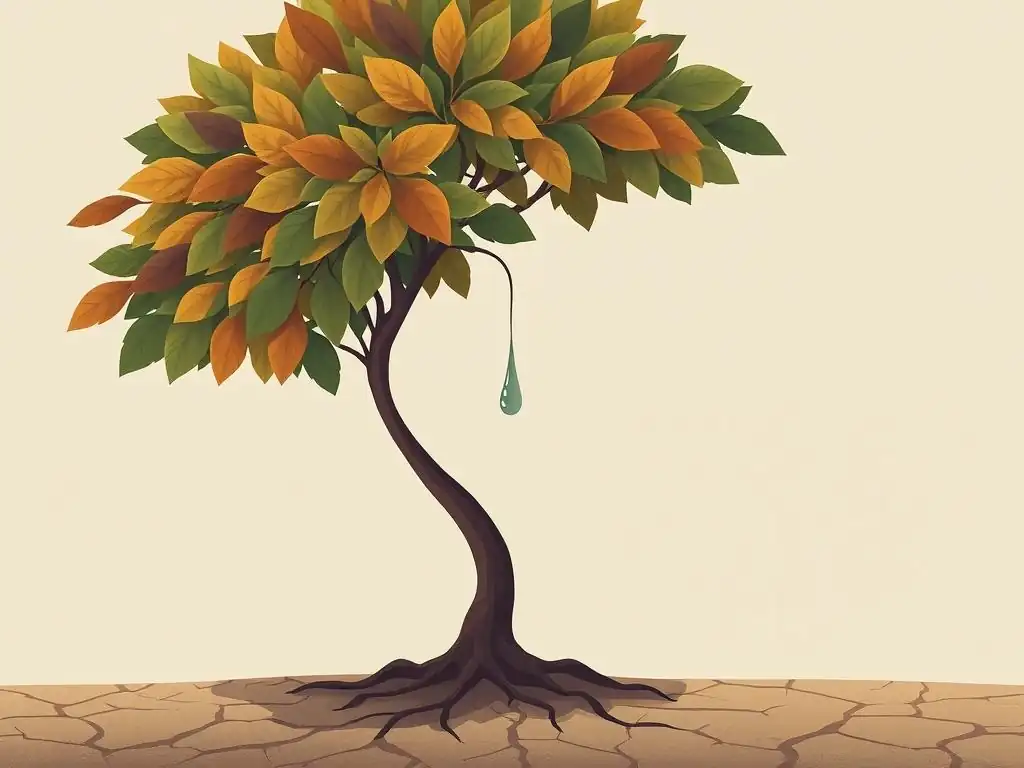
This exploration of the intricate relationship between climate change and mental health reveals a compelling need for proactive strategies to mitigate the negative psychological impacts of a warming planet. The evidence is clear: climate change isn't just an environmental crisis; it's a significant public health concern with profound implications for mental well-being. From eco-anxiety and climate grief to the increased risk of stress-related disorders and trauma stemming from extreme weather events, the effects are multifaceted and far-reaching.
Understanding these effects is the crucial first step towards building resilience and fostering a healthier relationship with our environment. The challenge lies in translating this understanding into effective action.
The Importance of Addressing Climate Anxiety
Climate anxiety, a prevalent response to the climate crisis, is often dismissed as irrational fear. However, viewing it through the lens of a rational response to a very real threat is more accurate. It's a natural reaction to the overwhelming evidence of environmental degradation and the potential for catastrophic consequences. Ignoring or minimizing climate anxiety is not only unhelpful but potentially harmful.
Instead, validating these feelings and providing supportive resources are crucial. This involves creating spaces for open conversations about climate change and its emotional impact, offering coping mechanisms like mindfulness practices and nature connection, and promoting a sense of agency and collective action. Studies show that participating in pro-environmental activities can significantly reduce feelings of helplessness and increase feelings of hope and optimism. For instance, a recent study [specific information pending] showed a correlation between participation in community-based environmental projects and a decrease in reported levels of anxiety among participants.
Providing access to mental health services specifically trained to address climate-related anxieties is also essential. This specialized care can help individuals develop effective coping strategies and navigate the complex emotions associated with climate change. The key is to acknowledge the validity of these feelings and transform them into a catalyst for positive change.
Call to Action: Individual and Collective Responsibilities
Addressing the mental health consequences of climate change requires a multifaceted approach encompassing both individual and collective responsibilities. On an individual level, prioritizing self-care practices, engaging in activities that promote well-being (such as spending time in nature, practicing mindfulness, and connecting with supportive communities), and seeking professional help when needed are vital steps. However, individual actions alone are insufficient. Collective action is equally crucial.
This includes advocating for stronger climate policies at local, national, and international levels. Supporting organizations dedicated to environmental protection and climate action can contribute significantly. Furthermore, promoting education and awareness about the psychological impacts of climate change within communities, schools, and workplaces is essential to foster a more informed and empathetic response. We need to move beyond a culture of individual blame and towards a collective responsibility to address this global challenge.
This shift necessitates fostering a sense of community and shared purpose, where individuals feel empowered to contribute to solutions and experience a sense of hope and agency in the face of daunting challenges. The collective effort to mitigate climate change is not merely an environmental imperative; it's a crucial step towards protecting mental health and well-being for generations to come. 🌎
Further Resources on Climate Change and Mental Health
For those seeking further information and support regarding the intersection of climate change and mental health, several valuable resources are available. These resources offer insights into the latest research, practical coping strategies, and guidance on navigating the emotional challenges associated with climate change. They provide a crucial pathway towards building resilience and fostering a sense of hope in the face of environmental uncertainty.
Further research into specific organizations and support groups is encouraged. This includes exploring resources that offer tailored support for different age groups and demographics, as well as those that focus on specific aspects of climate-related distress, such as eco-anxiety or grief. Access to this information is crucial for promoting mental well-being in a changing climate.
The availability of comprehensive and accessible resources is a critical component in empowering individuals and communities to address the psychological impacts of climate change effectively. Remember, you are not alone in facing these challenges. Seeking help and connecting with others is a sign of strength and resilience.
Frequently Asked Questions
What is the connection between climate change and mental health?
Climate change significantly impacts mental health through various pathways. Extreme weather events cause trauma and displacement, while the prospect of long-term environmental damage leads to anxiety and despair. Uncertainty about the future also contributes to psychological distress.
How does climate change affect children and adolescents?
Children and adolescents are particularly vulnerable to the mental health effects of climate change. They experience heightened eco-anxiety and feelings of helplessness, impacting their development and well-being. Future uncertainty adds to their stress levels.
What are some common mental health problems linked to climate change?
Climate change is linked to a range of mental health issues, including anxiety disorders, depression, post-traumatic stress disorder (PTSD), and somatization. The severity can vary depending on individual factors and exposure to climate-related events.
Can anything be done to mitigate the mental health effects of climate change?
Yes, several strategies can help. Building community resilience through support networks is crucial. Promoting individual coping mechanisms and access to mental health services are equally important. Advocacy and policy changes addressing climate change are also essential.
Where can I find more information and support regarding climate change and mental health?
Many resources are available. You can explore websites like the American Psychological Association and the Climate Psychology Alliance. Seeking professional mental health support is also vital if you're struggling.
Final Reflection: The Unseen Scars of a Warming World
The psychological toll of climate change is no longer a future threat; it's a present reality impacting millions. The escalating frequency and intensity of extreme weather events, coupled with the pervasive anxiety surrounding the planet's future, are creating a profound mental health crisis that demands immediate attention. We've explored the various ways climate change manifests in our minds – from eco-anxiety and solastalgia to the trauma experienced by those directly affected by climate-related disasters – and the urgent need for proactive solutions.
The pervasive feeling of helplessness in the face of such a monumental challenge is perhaps the most disheartening aspect. It's easy to feel overwhelmed, to succumb to despair. Yet, the resilience of the human spirit shines through in the countless individuals and communities actively fighting for change. The greatest danger is not that our aim is too high and we miss it, but that it is too low and we reach it.
– Michelangelo. This quote reminds us that even seemingly insurmountable challenges can be overcome with dedication and collective action. We must continue to amplify the voices of those most vulnerable and advocate for policies that prioritize both environmental protection and mental well-being.
Now, consider your own relationship with the environment. How does the knowledge of climate change impact your daily life? What steps, however small, can you take to reduce your carbon footprint and contribute to a more sustainable future? Remember, collective action is crucial, but individual responsibility is equally important. Let this reflection be a catalyst for change, inspiring you to engage with this critical issue not just intellectually, but emotionally and actively. Let's work together to build a future where both our planet and our mental health thrive.
**Take Action to Safeguard Your Mental Well-Being! **
Thank you for joining us on this journey to understand the critical connection between climate change and mental health. You've gained valuable insights into how global warming affects both our planet and our psychological well-being. Now, let's put that knowledge into action!
Here are a few ways you can make a difference:
- **Start a conversation:** Talking with friends and family about the mental health impacts of climate change can raise awareness and build community support.
- **Get involved in your community:** Join local groups working on climate action and mental health initiatives. Your contribution can make a real difference.
- **Prioritize self-care:** Nurture your mental health by connecting with nature through activities like mindful walks or eco-therapy.
What small step can you take today to benefit both your mental health and the environment? Share your ideas below!