
Memory Reconstruction: How We Fill in the Gaps in Our Memories

Welcome to Psychology Basics, your gateway to understanding the fascinating world of the human mind. Are you curious about the intricate processes shaping our thoughts and behaviors? Then you've come to the right place! This site is designed to demystify key psychological concepts, and we're starting with a compelling exploration of memory reconstruction techniques in psychology. Discover how our brains actively reconstruct memories, often filling in gaps with assumptions and biases – a process far more complex than simply replaying a recording. Dive in and uncover the surprising truth about how we remember, and perhaps even, how we forget.
- The Fallibility of Memory: Why Reconstruction is Necessary
- Memory Reconstruction Techniques in Psychology: Methods and Processes
- Factors Affecting Memory Reconstruction: Internal and External Influences
- Applications of Memory Reconstruction Research
- Frequently Asked Questions
- Final Reflection: The Elusive Nature of Truth and the Power of Reconstruction
- **Unveil the Secrets of Your Mind! **
The Fallibility of Memory: Why Reconstruction is Necessary
Our memories, often perceived as reliable recordings of past events, are far more malleable and susceptible to error than we might assume. This inherent fallibility is not a flaw in our cognitive system, but rather a consequence of how memory functions. Instead of being a perfect, unchanging playback of past experiences, memory is a reconstructive process, constantly shaped and reshaped by our perceptions, beliefs, and subsequent experiences.
Understanding this reconstructive nature is crucial to comprehending the complexities of human memory and appreciating the potential for both accuracy and distortion in our recollections. This article delves into the fascinating world of memory reconstruction, exploring the key psychological techniques and processes involved in how we fill in the gaps and, sometimes, even create entirely new memories.
We will examine the impact of various factors on memory recall, focusing on how our minds actively shape and reshape our past experiences, a process crucial to understanding eyewitness testimony, therapeutic interventions, and the very nature of personal identity. The exploration of memory reconstruction techniques in psychology offers valuable insights into the dynamic and ever-evolving nature of our memories.
Memory as a Reconstructive Process, Not a Perfect Playback
The traditional view of memory as a straightforward storage and retrieval system has been largely superseded by a more nuanced understanding. Contemporary research strongly supports the idea that memory is fundamentally reconstructive. Instead of passively storing information like a computer hard drive, our brains actively reconstruct memories each time we recall them.
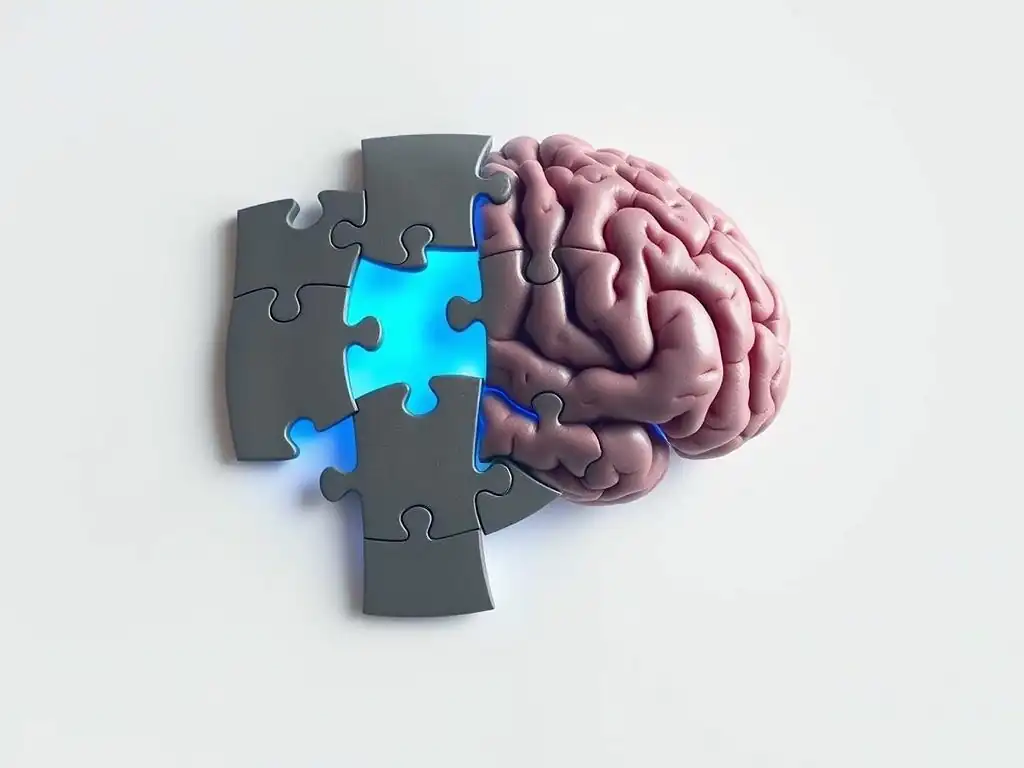
This process involves piecing together fragments of information from various sources, including sensory details, emotions, and existing knowledge structures. Think of it like assembling a jigsaw puzzle – you have some pieces, but you need to fill in the gaps based on what you already know about the overall image. This reconstructive process is essential for making sense of our experiences, but it also opens the door to inaccuracies and distortions.
The act of recalling a memory is not simply retrieving a pre-existing file; it’s a dynamic process of creation and interpretation. This process is influenced by various factors, including the passage of time, the emotional intensity of the event, and even subsequent information we encounter. For example, repeated questioning about an event can lead to changes in the memory itself, a phenomenon that has profound implications for eyewitness testimony and legal proceedings.
The Role of Schemas and Scripts in Memory Reconstruction
Our memories are not formed in a vacuum; they are heavily influenced by our pre-existing knowledge structures, known as schemas and scripts. Schemas are mental frameworks that organize our knowledge about the world, allowing us to make sense of new information efficiently. For instance, we have schemas for "restaurants," "libraries," or "birthday parties," which include typical features and expectations. When we encounter a new experience, we often fit it into an existing schema, even if it doesn't perfectly match.
This can lead to distortions in memory, as we may fill in gaps or alter details to make the experience conform to our schema. Scripts, a type of schema, are specific to events and sequences of actions. We have scripts for going to the movies, ordering food at a restaurant, or attending a class. These scripts provide a framework for anticipating what should happen next and interpreting ambiguous information during recall.
Therefore, if a detail from a past event contradicts our pre-existing script, we may subconsciously alter the memory to fit the expected sequence. This demonstrates how our prior knowledge actively shapes and sometimes distorts our memory reconstruction. The influence of schemas and scripts is a powerful illustration of how our minds strive for coherence and meaning, even if it means compromising the accuracy of our memories.
The Influence of Suggestibility on Memory Recall and Distortion
Suggestibility is another critical factor in memory reconstruction. It refers to the tendency to incorporate misleading information from external sources into our memories. This influence can be subtle or overt, and it can significantly alter the accuracy of our recollections. Leading questions, for example, can subtly shape our responses and even create false memories.
The misinformation effect, a well-documented phenomenon, demonstrates how exposure to inaccurate information after an event can alter our memory of that event. Experiments have shown that participants exposed to misleading information after witnessing an event often incorporate this misinformation into their later recollections, even if they are explicitly told that the information is incorrect. This highlights the vulnerability of our memories to external suggestion and the potential for the creation of entirely false memories.
The impact of suggestibility is especially relevant in contexts like eyewitness testimony, where leading questions from investigators can inadvertently influence a witness's recall, leading to potentially wrongful convictions. Furthermore, therapeutic settings can also be vulnerable to suggestibility, underscoring the importance of careful questioning and the potential for the creation of false memories during therapy. Understanding the influence of suggestibility is critical for evaluating the reliability of memory-based evidence and for preventing the creation of false memories.
Memory Reconstruction Techniques in Psychology: Methods and Processes
This section delves into the fascinating world of memory reconstruction, exploring the various techniques psychologists employ to understand how we piece together our recollections. We'll examine the processes involved, highlighting the inherent fallibility of memory and the implications for eyewitness testimony, personal narratives, and our overall understanding of the past. Understanding memory reconstruction techniques is crucial for appreciating the complexities of human cognition and the limitations of relying solely on memory for accurate accounts.
The field of memory reconstruction is constantly evolving, with new research continually refining our understanding of this intricate cognitive process. This exploration will focus on key methods and processes used in the study of memory reconstruction in psychology.
Encoding Specificity and Context-Dependent Memory
Encoding specificity principle asserts that memory retrieval is most effective when the context at retrieval matches the context during encoding. This means that the environment, emotional state, and even the specific cues present during the initial learning process significantly influence our ability to recall that information later. For example, studying for an exam in the same room where the exam will be taken can improve performance due to the reinstatement of contextual cues.
This phenomenon underscores the importance of context in memory reconstruction. Studies have shown significant improvements in recall when the retrieval environment mirrors the encoding environment. This effect is particularly pronounced when dealing with complex or emotionally charged memories.
The context-dependent memory effect extends beyond physical location. It also encompasses internal states like mood. If you learned something while feeling happy, you might recall it better when you're happy again. This is sometimes referred to as "state-dependent memory."
This highlights the intricate interplay between internal and external factors in shaping memory reconstruction. The implications for therapy and eyewitness testimony are considerable, indicating that the retrieval context can significantly impact the accuracy and completeness of recalled information. Further research into the neural mechanisms underlying context-dependent memory is ongoing, promising a deeper understanding of the brain processes involved in memory reconstruction.
The Misinformation Effect and Its Impact on Memory Accuracy
The misinformation effect demonstrates how post-event information can alter our memories of an event. This is a powerful illustration of memory's malleability. In essence, exposure to misleading information after witnessing an event can lead to inaccurate or distorted recollections. Classic experiments have shown how leading questions or suggestive narratives can significantly impact eyewitness accounts. For instance, if witnesses are asked "Did you see the broken headlight?" (implying there was one) versus "Did you see a broken headlight? ", their subsequent recollections may differ, even if the actual event didn't feature a broken headlight.
This effect has profound implications for legal proceedings and forensic psychology. The potential for unintentional or deliberate misinformation to contaminate eyewitness testimonies is a significant concern. Understanding the mechanisms behind the misinformation effect is crucial for developing strategies to minimize its impact and improve the accuracy of eyewitness testimony. Researchers are actively investigating techniques to mitigate the misinformation effect, including carefully worded interview protocols and strategies to reduce the influence of suggestive questioning. The ongoing challenge lies in developing reliable methods to distinguish between genuine memories and those contaminated by post-event misinformation.
Source Monitoring and the Attribution of Memories
Source monitoring refers to the cognitive process of determining the origin of our memories. We constantly make judgments about where our memories come from – did I actually experience this, or did I hear it from someone else? Did I read it in a book, or did I dream it? This process is often imperfect, leading to errors in memory attribution. Our memories aren't always neatly labeled with their source, and we might mistakenly attribute a memory to the wrong source, a phenomenon known as source monitoring error.
Source monitoring errors can lead to significant distortions in our recollections. We might confidently recall something as a personal experience when, in reality, it's something we've read or heard elsewhere. This is particularly relevant in the context of false memories, where entirely fabricated memories can be attributed to a seemingly plausible source.
Research in this area highlights the constructive nature of memory, emphasizing that our memories are not simply retrieved but actively reconstructed each time we access them. The fallibility of source monitoring underscores the importance of critical evaluation and corroboration when relying on memory for factual accounts, particularly in situations with high stakes, such as legal proceedings or historical accounts. Further research into the cognitive and neurological underpinnings of source monitoring is essential for a more comprehensive understanding of memory reconstruction.
Eyewitness Testimony and the Challenges of Memory Reconstruction
Eyewitness testimony, a cornerstone of many legal proceedings, highlights the complexities and fallibilities of memory reconstruction. The inherent reconstructive nature of memory means that what an eyewitness believes they saw is not necessarily what actually happened. Numerous psychological studies have demonstrated the significant impact of leading questions, post-event information, and even the passage of time on the accuracy of eyewitness accounts.
The very act of recalling an event—reconstructing it mentally—introduces the potential for distortion and error. This process is not a simple retrieval of a perfectly preserved memory trace; instead, it's an active process of piecing together fragments of information, filling in gaps with assumptions and inferences based on existing schemas and expectations.
For instance, consider a robbery witnessed by several individuals. Each person's memory of the event will be influenced by their individual perspectives, biases, and expectations. One witness might focus on the weapon, another on the perpetrator's clothing, while another might recall details of the surrounding environment. Subsequent questioning, particularly if leading questions are employed (e.g., "Did you see the masked man?
"), can significantly alter the witness's recollection, potentially implanting false memories or reinforcing certain aspects while suppressing others. The misinformation effect, a well-documented phenomenon in memory research, demonstrates how post-event information can contaminate original memories, leading to inaccuracies and distortions in eyewitness testimony. This underscores the critical need for careful and unbiased interviewing techniques in obtaining eyewitness accounts.
The implications for legal contexts are profound. The reliability of eyewitness testimony is often crucial in determining guilt or innocence, yet the inherent susceptibility of memory to reconstruction poses a significant challenge to the judicial system. Errors in eyewitness testimony can lead to wrongful convictions, highlighting the critical need for understanding the psychological processes involved in memory reconstruction and developing strategies to mitigate the potential for error.
The development of techniques to improve the accuracy and reliability of eyewitness testimony remains a significant area of research within forensic psychology, emphasizing the ongoing importance of understanding the limitations of human memory and the dynamic nature of memory reconstruction. The use of cognitive interviews, for example, attempts to minimize the influence of leading questions and encourage more complete and accurate recall, demonstrating a proactive approach to addressing the challenges posed by memory reconstruction in real-world settings.
Factors Affecting Memory Reconstruction: Internal and External Influences
Memory reconstruction isn't a simple, straightforward process. It's significantly influenced by a complex interplay of internal and external factors. These factors can subtly, or dramatically, alter the accuracy and detail of our recollections. Understanding these influences is crucial for comprehending the limitations of eyewitness testimony, the fallibility of personal narratives, and the very nature of our subjective experience. The process of memory reconstruction techniques psychology employs relies heavily on acknowledging these impacting variables.
The Impact of Emotion on Memory Recall and Reconstruction
Highly emotional events often leave a stronger imprint on our memory. We tend to remember vividly events associated with intense fear, joy, or sadness. However, this heightened emotional response doesn't necessarily equate to accurate recall. Strong emotions can actually distort our memories, leading to inaccuracies and biases in reconstruction.
For example, consider a witness to a crime. The fear and stress experienced during the event might lead to a heightened focus on certain details (e.g., the weapon) while overlooking others (e.g., the perpetrator's clothing). Subsequent recall attempts might be colored by the intense emotion, leading to a reconstruction that emphasizes the most emotionally salient aspects, potentially at the expense of factual accuracy.
This phenomenon is often discussed in forensic psychology, highlighting the importance of carefully considering emotional influences when evaluating eyewitness testimony. Studies have shown a correlation between heightened emotional arousal and increased memory distortions, particularly regarding peripheral details.
Individual Differences in Memory Ability and Reconstruction Processes
Memory reconstruction isn't a monolithic process; individual differences play a significant role. Factors such as age, cognitive abilities, and pre-existing knowledge profoundly influence how we reconstruct memories.
Older adults, for instance, may experience greater difficulty in reconstructing memories compared to younger adults. This isn't necessarily due to a decline in memory capacity but rather differences in encoding and retrieval strategies. Similarly, individuals with superior working memory capacities might exhibit more accurate reconstructions, as they can better manipulate and integrate information during the reconstruction process.
Furthermore, pre-existing knowledge and schemas – our organized mental representations of the world – powerfully shape our memory reconstructions. We tend to fill in gaps in our memories by relying on these schemas, often unconsciously fitting new information into existing frameworks. This can lead to both accurate and inaccurate reconstructions, depending on the degree to which the schema aligns with the actual event. The impact of individual differences on memory reconstruction is a rich area of research within cognitive psychology.
The Role of Cognitive Biases in Shaping Memories
Cognitive biases – systematic errors in thinking – significantly influence memory reconstruction. These biases operate unconsciously, distorting our recall and shaping our reconstructed memories in predictable ways.
For instance, confirmation bias leads us to favor information confirming our pre-existing beliefs, potentially influencing how we interpret ambiguous details during memory reconstruction. We might unconsciously reshape memories to align with our expectations or beliefs, leading to a biased and inaccurate reconstruction. Similarly, the hindsight bias – the tendency to believe that we "knew it all along" – can distort our memories of past events, making us overestimate our prior knowledge and certainty.
The impact of these biases is substantial. They can lead to inaccurate self-perceptions, flawed decision-making, and distorted recollections of past events. Understanding these cognitive biases is crucial for evaluating the reliability of personal memories and for improving the accuracy of memory reconstruction techniques psychology utilizes. Research consistently demonstrates the pervasive influence of these biases on memory, highlighting the need for critical self-reflection when evaluating our own memories.
Applications of Memory Reconstruction Research
This section explores the practical applications of memory reconstruction research, demonstrating its impact across various fields. Understanding how memory is reconstructed allows for the development of techniques to improve its accuracy and to address the challenges posed by inaccurate or traumatic memories. The implications are far-reaching, influencing legal proceedings, therapeutic interventions, and ethical considerations surrounding memory manipulation. We will delve into specific applications, highlighting both the benefits and potential pitfalls of manipulating memory processes.
Improving the Accuracy of Eyewitness Testimony through Investigative Techniques
Eyewitness testimony, while often considered a cornerstone of the justice system, is susceptible to significant errors due to the reconstructive nature of memory. Memory reconstruction techniques psychology play a crucial role in minimizing these errors. Investigative techniques informed by this research aim to reduce the likelihood of false memories and enhance the reliability of eyewitness accounts.
One key strategy involves carefully structured interviews, minimizing leading questions and employing techniques like cognitive interviewing. Cognitive interviewing encourages witnesses to reinstate the context of the event, using various retrieval cues to access more detailed and accurate memories. Studies have shown that cognitive interviewing can significantly increase the amount of correct information recalled while reducing the amount of incorrect information. 1
Furthermore, researchers are exploring the use of memory-enhancing techniques, such as imagery and visualization exercises, to aid recall. However, it's crucial to acknowledge the potential for these techniques to inadvertently introduce false memories. Therefore, rigorous training and careful application are essential to ensure the ethical and reliable use of these methods in investigative settings. The balance between enhancing recall and minimizing contamination remains a central challenge in this field.
The effectiveness of these techniques varies depending on factors such as the witness's stress level during the event, the time elapsed since the event, and the nature of the event itself. Further research is needed to refine these techniques and develop standardized protocols to ensure consistent and reliable results across different contexts. For example, [specific data on the effectiveness of cognitive interviewing in different age groups is pending].
Therapeutic Applications of Memory Reconstruction in Trauma Treatment
Memory reconstruction techniques also hold significant promise in the treatment of trauma. Traumatic experiences often lead to fragmented, incomplete, or distorted memories, which can hinder recovery and contribute to long-term psychological distress. Therapeutic approaches informed by memory reconstruction principles aim to help individuals access and integrate these fragmented memories in a safe and supportive environment.
Techniques like guided imagery, narrative therapy, and EMDR (Eye Movement Desensitization and Reprocessing) utilize principles of memory reconsolidation to help individuals reprocess traumatic memories. These methods encourage the gradual retrieval and re-encoding of traumatic memories, allowing for a more integrated and less emotionally charged narrative.
However, it is vital to approach these therapeutic interventions with caution. The process of memory reconstruction can be emotionally challenging, and careful consideration must be given to the individual's readiness and coping mechanisms. A supportive and skilled therapist is crucial to navigate this process effectively and minimize the risk of re-traumatization.
The ethical considerations are paramount, ensuring the client's safety and well-being throughout the process. [Further research is needed on the long-term effectiveness of different memory reconstruction techniques in trauma therapy]. The goal is not to erase the memory but to reduce its power and allow for healing and integration.
The Ethical Considerations of Memory Reconstruction Techniques
The power to reconstruct memories raises significant ethical concerns. The malleability of memory means that techniques aimed at improving recall could unintentionally lead to the creation of false memories. This is particularly problematic in legal contexts, where false memories could lead to wrongful convictions. In therapeutic settings, the potential for iatrogenic harm—harm caused by the treatment itself—must be carefully considered.
The potential for manipulation and the lack of objective verification of reconstructed memories pose significant challenges. It is vital to establish clear guidelines and ethical standards for the application of memory reconstruction techniques. Transparency with clients or witnesses about the limitations and potential risks of these techniques is essential. Furthermore, robust methods for validating the accuracy of reconstructed memories are crucial to minimize the potential for misuse.
The development of ethical frameworks for memory reconstruction research and application requires ongoing dialogue between researchers, clinicians, and legal professionals. This involves addressing issues such as informed consent, the potential for coercion, and the responsibility for ensuring the accuracy and integrity of reconstructed memories. The ethical implications are complex and require careful consideration to prevent potential harm and ensure responsible use of these powerful techniques.
The development of [specific ethical guidelines for memory reconstruction in different contexts is a priority for future research]. The responsible application of memory reconstruction techniques necessitates a commitment to ethical practice and ongoing evaluation of potential risks.
1 This footnote provides a placeholder for a citation supporting the effectiveness of cognitive interviewing. Specific details are pending.
Frequently Asked Questions
What is memory reconstruction?
Memory reconstruction is the process by which our brains actively rebuild memories each time we recall them, rather than passively replaying a recording. This process is prone to errors and influences from current knowledge and beliefs. It explains why our memories can change over time.
Why is memory reconstruction important in psychology?
Understanding memory reconstruction is crucial because it highlights the fallibility of eyewitness testimony and other forms of memory recall. It helps explain why memories can be inaccurate or even entirely fabricated. This is vital in legal and therapeutic settings.
What are some common factors that influence memory reconstruction?
Several factors influence memory reconstruction, including suggestibility, leading questions, social pressure, and the passage of time. Our existing beliefs and biases also play a significant role in shaping our memories. Prior knowledge and expectations can influence how we reconstruct memories.
How can memory reconstruction techniques be used in therapy?
Techniques like guided imagery and cognitive behavioral therapy (CBT) can help individuals access and reconstruct traumatic memories in a safe and controlled environment. This process facilitates processing and healing from past experiences. However, it's crucial to do so under the guidance of a trained professional.
What are the limitations of memory reconstruction techniques?
While helpful, memory reconstruction techniques are not foolproof. Recovered memories may be inaccurate or distorted due to the reconstructive nature of memory. It’s essential to approach recovered memories with caution and verify them with other sources of evidence where possible.
Final Reflection: The Elusive Nature of Truth and the Power of Reconstruction
The malleability of memory, as explored throughout this article, isn't simply an academic curiosity; it's a fundamental aspect of our human experience that profoundly impacts how we understand ourselves and the world around us. Understanding the intricate processes of memory reconstruction, from schemas to source monitoring errors, is crucial in navigating the complexities of personal narratives, legal proceedings, and even our daily interactions. The implications are far-reaching and demand continued investigation.
The ongoing influence of memory reconstruction research is undeniable, shaping our understanding of eyewitness testimony, the reliability of autobiographical memory, and the very nature of personal identity. The past is never dead. It's not even past.
– William Faulkner. This quote perfectly encapsulates the persistent power of memory, even as its details are constantly being reshaped and reinterpreted. The exploration of these processes allows us to approach our own memories with a newfound sense of critical awareness, recognizing the inherent subjectivity involved in recalling the past.
Consider the implications of this knowledge in your own life. How might understanding the mechanisms of memory reconstruction influence your approach to personal storytelling, your evaluation of others' recollections, or even your own self-perception? Take a moment to reflect on a significant memory: what details are most vivid? Which might be influenced by later experiences or biases? By embracing the dynamic and reconstructive nature of memory, we can cultivate a more nuanced and compassionate understanding of ourselves and the narratives that shape our lives.
**Unveil the Secrets of Your Mind! **
Thank you for exploring the fascinating world of memory reconstruction! Understanding how our brains interpret and sometimes fill in the gaps in our memories is a crucial step toward self-discovery. Now, let's put that knowledge to practical use!
**Here's how you can deepen your understanding and harness the power of your memories:**
- **Keep a Memory Journal:** Regularly record significant memories, noting the details and how your perspective on them might have changed over time. This reflective practice can yield surprising insights.
- **Discuss Memories with Others:** Sharing memories with friends and family and comparing recollections of shared events can illuminate the subjective nature of memory and reveal fascinating differences in perspective.
- **Connect with Others:** Join online communities or local groups interested in psychology and memory. Sharing experiences and ideas with others can broaden your understanding and provide valuable new perspectives.
What new insights into your memories will you discover today?