
The Power of Deep Breathing: Your GoTo Anxiety Reduction Tool

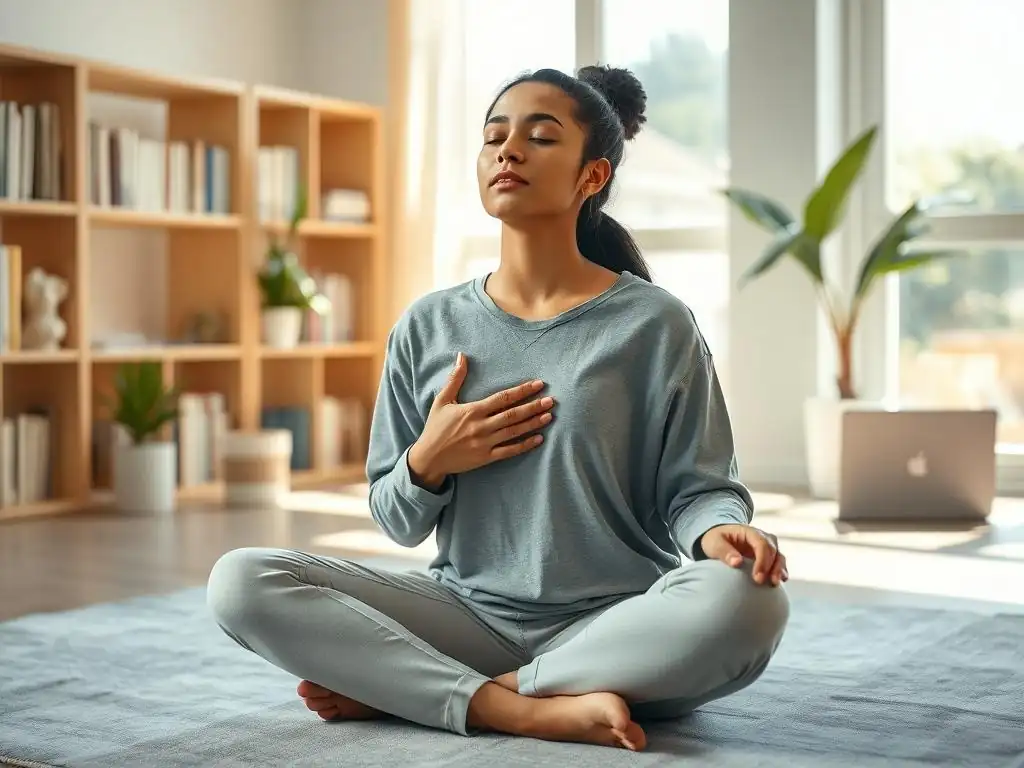
Dive into the fascinating world of psychology with Psychology Basics, your gateway to understanding the human mind. Are you a student struggling with stress, or simply curious about effective self-care strategies? Then discover the transformative power of deep breathing anxiety relief for students – a simple yet profound technique that can significantly impact your mental wellbeing. Learn how this readily accessible tool can help you navigate the challenges of daily life and unlock a calmer, more focused you. Explore the science behind it and begin your journey to better mental health today!
- Understanding Anxiety and the Body's Response
- Deep Breathing Techniques for Anxiety Relief
- Implementing Deep Breathing for Student Anxiety
-
Tools and Resources to Enhance Your Deep Breathing Practice
- The Benefits of Using a Breathing Trainer Device: The Core Trainer
- Essential Oils for Relaxation and Anxiety Relief: Lavender and Chamomile Blend
- Recommended Meditation Cushions and Mats for Comfortable Practice
- Journaling Prompts to Track Your Progress and Manage Anxiety
- Books and Resources on Mindfulness and Anxiety Reduction: "Wherever You Go, There You Are" by Jon Kabat-Zinn
- Real-Life Examples: Deep Breathing for Student Stress
- Maximizing the Benefits of Deep Breathing for Anxiety Relief
-
Frequently Asked Questions
- How does deep breathing help reduce anxiety?
- Is deep breathing effective for all types of anxiety?
- What are the best deep breathing techniques for students experiencing exam anxiety?
- How often should students practice deep breathing for anxiety relief?
- Can deep breathing replace professional help for anxiety?
- Final Reflection: Breathing Your Way to a Calmer Campus
- Harness Your Breath to Transform Your Mindset
Understanding Anxiety and the Body's Response
Anxiety is a pervasive experience, particularly prevalent amongst students navigating the pressures of academics, social life, and future uncertainties. This article explores the powerful role of deep breathing as a readily accessible and effective anxiety reduction technique, specifically tailored for students. We'll delve into the physiological mechanisms underlying anxiety, highlighting how deep breathing can interrupt the body's stress response and promote a sense of calm.
Understanding these mechanisms empowers students to take control of their anxiety and develop effective coping strategies. Learning to harness the power of deep breathing is a valuable skill that can significantly improve mental well-being and academic performance, contributing to a more balanced and fulfilling student experience.
This practical guide offers a step-by-step approach, making it easy to incorporate this technique into daily life and manage anxiety effectively. The information provided is intended for educational purposes and should not be considered a substitute for professional medical advice.
What is Anxiety and How Does It Affect Students?
Anxiety, in its simplest form, is a feeling of unease, worry, or nervousness. For students, this can manifest in various ways, significantly impacting their academic and personal lives. The constant pressure to perform well academically, coupled with social anxieties and the uncertainty of the future, creates a fertile ground for anxiety to flourish. Common symptoms among students experiencing anxiety include:
- Increased heart rate
- Rapid breathing
- Sweating
- Difficulty concentrating
- Restlessness
- Irritability
- Sleep disturbances
- Muscle tension
These symptoms can severely impair a student's ability to focus on studies, participate in class, and maintain healthy relationships. The academic consequences can range from decreased grades to difficulty completing assignments, ultimately impacting their overall academic success and well-being. Furthermore, chronic anxiety can lead to more serious mental health issues if left unaddressed. Understanding the nature of anxiety and its impact is the first step towards developing effective coping mechanisms, and deep breathing exercises provide a valuable tool in this process.
The Role of the Autonomic Nervous System in Anxiety Response
Anxiety is deeply rooted in the body's autonomic nervous system (ANS), which controls involuntary functions like heart rate, breathing, and digestion. The ANS is divided into two branches: the sympathetic and parasympathetic nervous systems. When faced with a perceived threat—a stressful exam, a difficult social interaction, or even a looming deadline—the ANS kicks into high gear.
This is a crucial survival mechanism, preparing the body for "fight or flight." However, in situations where the perceived threat is not immediately life-threatening, this heightened state of arousal can become maladaptive, leading to chronic anxiety and its associated symptoms. Deep breathing techniques directly influence the ANS, helping to regulate this response and promote a state of relaxation.
The Sympathetic Nervous System and Its Connection to Anxiety
The sympathetic nervous system (SNS) is the branch of the ANS primarily responsible for the "fight or flight" response. When activated, the SNS releases adrenaline and noradrenaline, causing a cascade of physiological changes: increased heart rate, rapid breathing (hyperventilation), heightened blood pressure, and muscle tension. These are the very physical manifestations of anxiety that students often experience. Deep breathing techniques work by activating the parasympathetic nervous system (PNS), the counterbalance to the SNS.
The PNS promotes relaxation and slows down the body's physiological responses, effectively counteracting the effects of the SNS and reducing anxiety symptoms. By consciously controlling our breath, we can directly influence the activity of both the SNS and PNS, promoting a sense of calm and well-being. 😴
Deep Breathing Techniques for Anxiety Relief
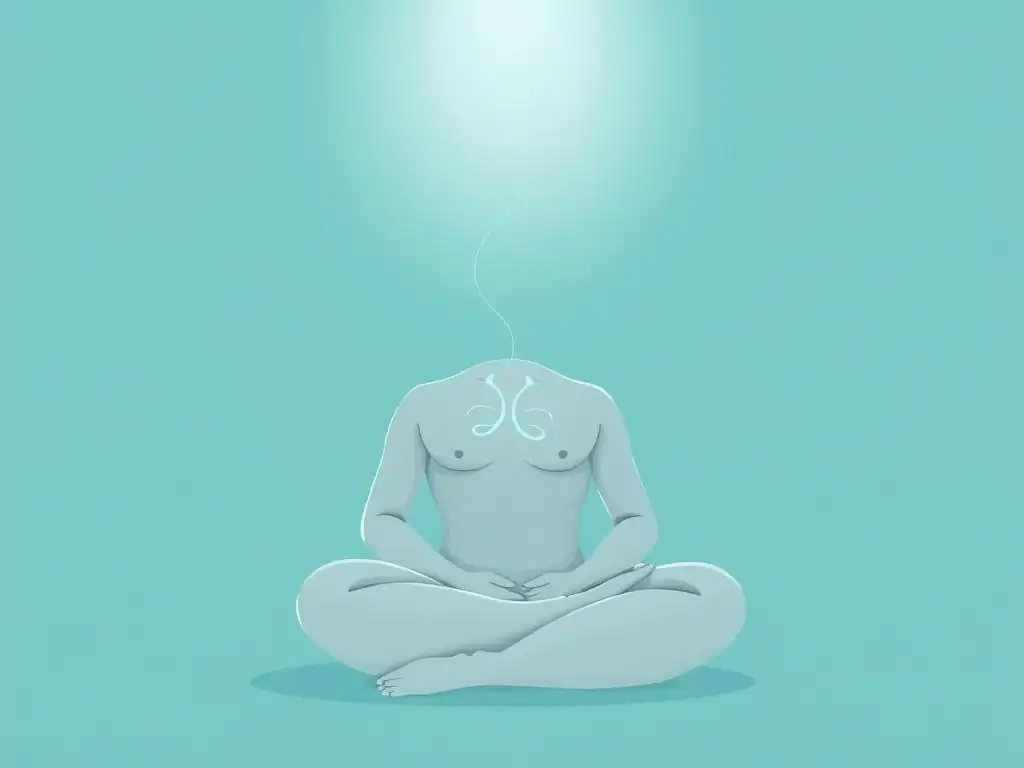
This section delves into specific deep breathing techniques proven effective in managing anxiety, particularly beneficial for students facing academic pressures and daily stressors. We'll explore how these techniques directly impact the body's physiological response to anxiety, offering practical, immediately applicable strategies for deep breathing anxiety relief. These methods are accessible and require no special equipment, making them ideal tools for self-care and managing stress on the go.
Introduction to Diaphragmatic Breathing
Diaphragmatic breathing, also known as belly breathing or abdominal breathing, is a foundational technique for anxiety reduction. Unlike shallow chest breathing, which often accompanies anxiety, diaphragmatic breathing engages the diaphragm—the large muscle beneath your lungs—to facilitate deeper, more calming inhalations and exhalations. This type of breathing activates the parasympathetic nervous system, responsible for the "rest and digest" response, counteracting the effects of the sympathetic nervous system ("fight or flight") that's triggered by anxiety.
Practicing diaphragmatic breathing involves several key steps:
- Find a comfortable position: Sit or lie down with your back straight but relaxed. You can place one hand on your chest and the other on your abdomen.
- Inhale deeply: Slowly inhale through your nose, feeling your abdomen rise as your diaphragm expands. Your chest should remain relatively still.
- Exhale slowly: Gently exhale through your mouth, feeling your abdomen fall as your diaphragm relaxes. Try to make the exhale slightly longer than the inhale.
- Repeat: Continue this cycle for 5-10 minutes, focusing on the sensation of your breath and the rhythmic movement of your abdomen.
Regular practice of diaphragmatic breathing can significantly reduce feelings of anxiety and promote a sense of calm. Studies show that consistent diaphragmatic breathing exercises can lower heart rate and blood pressure, key physiological indicators of anxiety. 1 The simple act of focusing on your breath also provides a valuable mindfulness anchor, pulling your attention away from anxious thoughts and worries.
The 4-7-8 Breathing Technique: A Step-by-Step Guide
The 4-7-8 technique, also known as the "relaxing breath," is a specific variation of deep breathing that's particularly useful for quickly calming the nervous system. This technique is easy to learn and can be practiced virtually anywhere, making it a convenient tool for managing anxiety in various settings, especially stressful academic situations like exams or presentations.
Here's a step-by-step guide:
- Place your tongue against the ridge of tissue just behind your upper front teeth: This ensures proper airflow.
- Exhale completely through your mouth: Make a whooshing sound to ensure full exhalation.
- Close your mouth and inhale quietly through your nose to a mental count of four: Focus on filling your lungs fully.
- Hold your breath for a count of seven: Maintain a comfortable stillness.
- Exhale completely through your mouth, making a whooshing sound to a mental count of eight: Let the air flow out slowly and completely.
- Repeat the cycle up to four times: You can increase the repetitions as you become more comfortable with the technique.
This technique is effective because the extended exhale helps slow your heart rate and promotes relaxation. The controlled breathing pattern helps regulate your breathing rhythm, a key factor in anxiety management. The mental counting aspect also provides a helpful distraction from anxious thoughts. Many students find this a highly effective method for managing test anxiety or pre-presentation jitters.
Box Breathing: Simple and Effective for Anxiety Reduction
Box breathing, a technique used by Navy SEALs and other high-stress professionals, involves a simple yet powerful sequence of inhalations, holds, and exhalations. Its simplicity makes it highly accessible and easily adaptable to various situations, making it a fantastic tool for students facing academic pressure or general day-to-day anxiety. It's also known as square breathing due to the equal timing of each phase which can be visualized as a square.
The technique involves the following steps:
- Inhale: Inhale deeply through your nose for a count of four.
- Hold: Hold your breath for a count of four.
- Exhale: Exhale slowly through your mouth for a count of four.
- Hold: Hold your breath for a count of four.
- Repeat: Repeat this cycle for several minutes, focusing on the rhythm and the sensation of the breath.
The consistent rhythm and equal duration of each phase create a calming effect on the nervous system. Box breathing helps regulate the heart rate and blood pressure, effectively reducing the physical symptoms associated with anxiety. Its structured nature also provides a focal point, diverting attention from anxious thoughts. This makes it an excellent technique for students needing a quick and effective way to manage anxiety during stressful situations. The simplicity and portability of this method makes it a reliable tool for self-regulation throughout the day.
1 [Specific study data pending]
Alternate Nostril Breathing: Calming the Mind and Body
Alternate nostril breathing, also known as Nadi Shodhana Pranayama, is a yogic breathing technique that has shown promise in reducing anxiety and promoting relaxation. This technique involves the rhythmic inhalation and exhalation through alternating nostrils, helping to balance the sympathetic and parasympathetic nervous systems. The sympathetic nervous system is responsible for our "fight or flight" response, often activated during anxiety, while the parasympathetic system promotes relaxation and rest. By consciously regulating breath in this manner, we can gently shift our body's physiological state from a heightened state of anxiety towards a calmer, more balanced one.
The process is surprisingly simple, yet its effects can be profound. Begin by sitting comfortably with a straight spine, either on a cushion or in a chair. Gently close your right nostril with your right thumb, and inhale deeply through your left nostril. Then, close your left nostril with your ring finger, release your thumb from the right nostril, and exhale slowly through the right nostril.
Inhale through the right nostril, close it with your thumb, release your ring finger from the left nostril, and exhale through the left. This completes one cycle. Continue this pattern for 5-10 minutes, focusing on the rhythm of your breath and allowing your mind to quiet.
Many students find this technique particularly helpful during exam periods or stressful academic deadlines. The rhythmic nature of the breathing can be meditative, offering a much-needed break from racing thoughts and overwhelming feelings. Studies have indicated that regular practice of alternate nostril breathing can lead to a reduction in cortisol levels (the stress hormone), improved heart rate variability (a marker of stress resilience), and a greater sense of overall well-being.
It's important to note that while this technique can be incredibly effective, it's not a replacement for professional help. If you're experiencing significant anxiety, it's crucial to seek support from a mental health professional.
Remember to be patient with yourself as you learn this technique. It may take some practice to find a comfortable rhythm and to fully appreciate its calming effects. Start with shorter sessions and gradually increase the duration as you become more comfortable. The key is consistency.
Regular practice, even for just a few minutes each day, can significantly contribute to managing anxiety and cultivating a greater sense of inner peace. The benefits extend beyond anxiety relief; many individuals report improved focus, sleep quality, and emotional regulation with consistent practice of alternate nostril breathing. This makes it a valuable tool for students facing the pressures of academic life and beyond. It's a simple yet powerful technique that can be easily incorporated into daily routines, empowering students to take control of their mental wellness.
Implementing Deep Breathing for Student Anxiety
Student life is notoriously stressful. From demanding coursework and exams to social pressures and financial worries, anxiety is a common companion for many students. Deep breathing exercises offer a readily accessible and effective tool for managing this anxiety, providing a quick and easy way to regain composure and focus.
This section explores practical applications of deep breathing techniques specifically tailored to the unique challenges faced by students. The effectiveness of deep breathing for anxiety relief is supported by numerous studies demonstrating its ability to reduce physiological symptoms like rapid heart rate and shortness of breath, common manifestations of anxiety. The technique works by activating the parasympathetic nervous system, counteracting the "fight-or-flight" response triggered by stress.
By consciously slowing your breathing, you signal your body to relax, leading to a calmer mental state. This, in turn, improves cognitive function, enabling better concentration and problem-solving. Mastering deep breathing is an investment in your mental wellness and academic success.
Deep Breathing Exercises for Test Anxiety
Test anxiety is a pervasive issue amongst students. The pressure to perform well can trigger significant physiological and psychological responses, hindering performance. A simple yet powerful technique to combat this is the 4-7-8 breathing exercise:
- Find a comfortable position, either sitting or lying down.
- Inhale deeply through your nose for a count of 4.
- Hold your breath for a count of 7.
- Exhale slowly through your mouth for a count of 8.
- Repeat this cycle 4-5 times.
This exercise helps slow your heart rate and calm your nervous system. Practicing this regularly, even just a few minutes a day leading up to exams, can significantly reduce test anxiety. Remember to focus on the sensation of your breath, noticing the rise and fall of your chest or abdomen. This mindful awareness further enhances the calming effect.
Another effective technique is the box breathing exercise, which involves inhaling, holding, exhaling, and holding for equal counts (e.g., 4 seconds each). This technique is often used by military personnel and athletes to manage stress under pressure and is equally beneficial for students facing exam stress. Consistent practice is key – the more you use these techniques, the more effective they become in alleviating anxiety.
Using Deep Breathing During Presentations and Public Speaking
Public speaking and presentations are significant sources of anxiety for many students. The fear of judgment, potential mistakes, and forgetting information can be overwhelming. Deep breathing can be a powerful tool to manage this anxiety before, during, and after a presentation.
Before starting, practice a few rounds of the 4-7-8 breathing exercise to calm your nerves and center yourself. During the presentation, if you feel anxiety creeping in, take a brief pause and silently perform a few cycles of box breathing. This discreet technique helps to regain composure without disrupting the flow of your presentation.
After the presentation, regardless of how you felt it went, take a few minutes for deep, slow breaths to release any remaining tension and acknowledge your accomplishment. Remember, even brief moments of deep breathing can make a substantial difference in managing performance anxiety. Consider incorporating a short breathing exercise into your presentation preparation routine – even just five minutes can significantly reduce pre-presentation jitters.
Incorporating Breathing Exercises into Your Daily Routine
The benefits of deep breathing extend beyond managing acute anxiety. Regular practice can cultivate a sense of calm and well-being, enhancing overall mental health. Integrating deep breathing into your daily routine can be as simple as dedicating 5-10 minutes each morning and evening. You can practice during your commute, while waiting in line, or even during study breaks.
Many find it helpful to use a guided meditation app, which can provide structure and a calming voice to support their practice. Furthermore, mindful breathing can be combined with other relaxation techniques, such as progressive muscle relaxation or yoga, to create a holistic approach to stress management. Remember, consistency is key.
The more you incorporate deep breathing into your daily life, the more readily available this valuable tool will be when you need it most. This proactive approach to stress management can significantly improve your academic performance, overall mood, and quality of life. Making deep breathing a regular habit empowers you to manage stress effectively and build resilience against anxiety triggers.
Guided Meditation Apps for Deep Breathing Practice: Calm
Calm is a popular app renowned for its guided meditations, sleep stories, and soothing music. For students experiencing anxiety, Calm offers a wealth of resources specifically designed to alleviate stress through deep breathing exercises. The app's interface is intuitive and user-friendly, making it easily accessible even for those new to meditation. Many sessions focus explicitly on deep breathing techniques, such as diaphragmatic breathing or box breathing, guiding users through the process with calming narration and ambient soundscapes.
These guided sessions can be particularly beneficial for students who find it challenging to practice deep breathing independently, as the structured approach provides a framework and reduces the potential for self-doubt or frustration. The app also offers a range of session lengths, from short, quick-relief exercises perfect for fitting into a busy student schedule to longer, more immersive meditations for deeper relaxation. Furthermore, Calm provides a variety of calming soundscapes, from nature scenes to ambient music, that can further enhance the deep breathing experience and promote a sense of tranquility and peace. The app's personalized features allow users to track their progress and tailor their experience, offering a supportive and effective tool for managing student anxiety.
The combination of guided instruction, customizable features, and calming sounds makes Calm a valuable resource for incorporating deep breathing into a daily routine to combat anxiety. Many students find the app's structured approach significantly reduces feelings of overwhelm and promotes a sense of control, which is particularly helpful during periods of high academic stress. The ability to access these techniques anytime, anywhere, makes Calm a highly convenient and accessible tool for students seeking anxiety relief.
Tools and Resources to Enhance Your Deep Breathing Practice
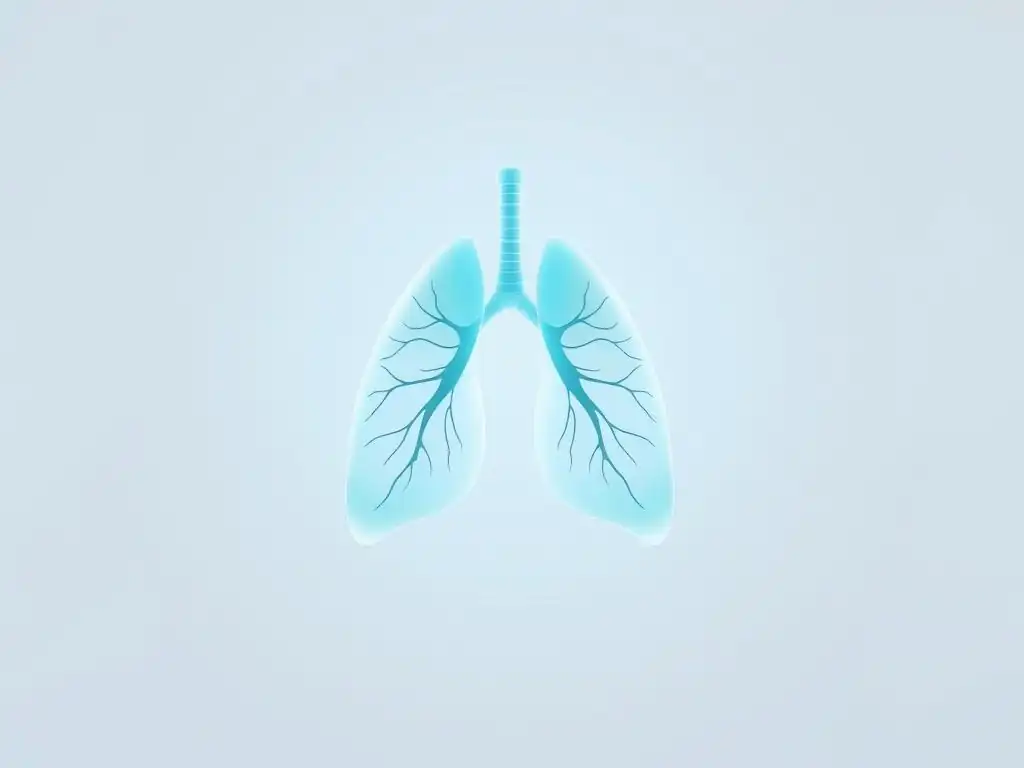
Deep breathing for anxiety relief is incredibly effective, but supplementing your practice with the right tools can significantly amplify its benefits. This section explores several resources that can help students and others cultivate a consistent and comfortable deep breathing routine, ultimately improving their ability to manage anxiety. The key is to find what works best for your body and preferences.
The Benefits of Using a Breathing Trainer Device: The Core Trainer
Many find that using a breathing trainer device can be incredibly helpful in mastering deep, diaphragmatic breathing techniques. One popular option is the Core Trainer, a device designed to provide biofeedback and guide users toward optimal breathing patterns. The Core Trainer measures your breath volume and rate, providing immediate visual feedback on a connected app.
This allows you to see, in real-time, how effectively you're engaging your diaphragm and controlling your breathing rhythm. This visual reinforcement can be particularly beneficial for students who are new to deep breathing exercises, or those who struggle to feel the physical sensations of correct breathing.
The Core Trainer's data-driven approach can also be motivating. Tracking your progress over time allows you to see tangible improvements in your breathing technique and its impact on your anxiety levels. This quantifiable evidence can be a powerful tool in building confidence and maintaining a consistent practice.
The app often includes guided breathing exercises tailored to different needs and goals. This guided approach can be particularly helpful for students who find it challenging to independently maintain consistent deep breathing. The ability to track your progress and see how your breathing patterns change with practice provides a sense of accomplishment and encourages continued use.
Essential Oils for Relaxation and Anxiety Relief: Lavender and Chamomile Blend
Aromatherapy is a complementary technique that can enhance the relaxation response triggered by deep breathing. Essential oils, particularly lavender and chamomile, have been shown to possess calming properties and can help reduce anxiety symptoms. These oils can be diffused into the air using an essential oil diffuser, or applied topically (diluted in a carrier oil) to pulse points like wrists and temples.
The scent of lavender, in particular, has been extensively studied for its anxiolytic effects. Studies show that inhaling lavender essential oil can significantly reduce heart rate and blood pressure, both physiological indicators of anxiety. Similarly, chamomile essential oil possesses calming properties due to its apigenin content, a compound known to bind to benzodiazepine receptors in the brain, promoting relaxation and reducing anxiety.
Creating a calming atmosphere with a blend of lavender and chamomile essential oils can create a synergistic effect, enhancing the overall relaxation experience during your deep breathing practice. This sensory element can deepen the meditative state, allowing for a more profound reduction in anxiety. Remember to always use high-quality essential oils and dilute them appropriately if applying topically to avoid skin irritation. The combination of deep breathing and aromatherapy offers a holistic approach to anxiety management, promoting both physiological and psychological well-being.
Recommended Meditation Cushions and Mats for Comfortable Practice
Comfort is key for establishing a consistent deep breathing practice. Sitting comfortably during meditation and deep breathing exercises is crucial for maximizing the benefits. Discomfort can easily distract you and disrupt the flow of your breathing, limiting its effectiveness. Investing in a comfortable meditation cushion or mat can significantly enhance your practice.
Several types of cushions are available, including zabutons (floor mats) and meditation cushions filled with buckwheat hulls or other materials. Buckwheat hull cushions offer excellent support and conform to your body shape, providing optimal comfort for extended periods. Zafus (round meditation cushions) are another popular option, offering good support for seated meditation. The choice depends on personal preference and the type of seating position you prefer.
A good quality meditation mat provides additional comfort and insulation from cold floors. These mats are typically made of materials like cotton or wool and provide a soft, supportive surface for your body. Consider factors like thickness, texture, and size when choosing a mat.
A comfortable setup minimizes physical distractions, allowing you to fully focus on your breath and achieve a deeper state of relaxation and alleviate anxiety. Prioritizing comfort ensures that your deep breathing practice becomes a sustainable and enjoyable part of your daily routine. Investing in the right tools can make a significant difference in your ability to effectively utilize deep breathing as a tool for anxiety relief.
Journaling Prompts to Track Your Progress and Manage Anxiety
Regular journaling can significantly enhance your deep breathing practice and overall anxiety management. It provides a space to reflect on your experiences, identify triggers, and track your progress. By consistently documenting your feelings and observations, you can gain valuable insights into your anxiety patterns and the effectiveness of your deep breathing techniques. This self-reflection fosters a deeper understanding of your emotional landscape, empowering you to develop more effective coping strategies.
Here are some journaling prompts specifically designed to help students manage anxiety using deep breathing:
- Before Deep Breathing: "What is my current anxiety level (on a scale of 1-10)? What physical sensations am I experiencing? What thoughts or worries are contributing to my anxiety?" This pre-practice reflection allows you to establish a baseline and identify specific anxieties you're targeting.
- During Deep Breathing: "What is my breath like? Is it shallow or deep? Am I focusing on my breath? What thoughts or sensations arise as I breathe?" This helps you to monitor your technique and notice any shifts in your physical and mental state.
- After Deep Breathing: "How do I feel now, compared to before? Has my anxiety level changed? What physical sensations are different? What are my thoughts and feelings now?" Post-practice reflection allows for a clear assessment of the technique's effectiveness.
- Identifying Triggers: "What situations or events tend to trigger my anxiety? How can I use deep breathing to cope with these triggers in the future?" This prompt helps connect anxiety triggers with coping mechanisms.
- Long-Term Reflection: "How has my deep breathing practice impacted my anxiety levels over the past week/month? What are my strengths and challenges in maintaining this practice? What adjustments can I make to improve my practice?" This helps track long-term progress and identify areas for improvement.
Remember, consistency is key. Even short, daily journaling sessions can make a significant difference in your ability to manage anxiety and track the positive effects of your deep breathing exercises. The more you practice deep breathing and reflect on your experiences, the better you will become at recognizing your triggers and implementing effective coping mechanisms. This personalized approach to anxiety management empowers students to take control of their mental well-being.
Books and Resources on Mindfulness and Anxiety Reduction: "Wherever You Go, There You Are" by Jon Kabat-Zinn
Jon Kabat-Zinn's Wherever You Go, There You Are is a seminal work on mindfulness and its application to daily life. This book provides a practical and accessible introduction to mindfulness meditation, offering a wealth of techniques and insights for reducing stress and anxiety. It's particularly relevant for students facing academic pressures and the challenges of navigating higher education.
The book's value lies in its emphasis on cultivating present moment awareness. Kabat-Zinn skillfully guides readers through the process of paying attention to their breath, bodily sensations, and thoughts without judgment. This non-judgmental awareness is crucial for managing anxiety, as it helps to detach from anxious thoughts and prevent them from spiraling. The book's clear and concise explanations of mindfulness principles make it easily digestible, even for those new to meditation practices. Furthermore, Kabat-Zinn's writing style is both insightful and compassionate, creating a supportive and encouraging tone for readers.
The principles outlined in Wherever You Go, There You Are are directly applicable to improving deep breathing techniques. By practicing mindful breathing as described in the book, students can enhance their ability to focus on their breath, observe their sensations, and cultivate a sense of calm amidst stressful situations. The book emphasizes the importance of integrating mindfulness into everyday activities, which can help students to develop a more resilient and adaptable approach to anxiety.
The book is a valuable resource for students seeking to incorporate mindfulness and deep breathing into their lives for lasting anxiety relief. It offers a comprehensive and practical approach to cultivating inner peace and managing the challenges of everyday life, making it an invaluable tool for students managing stress and anxiety. It's highly recommended as a companion resource for those seeking to deepen their understanding and practice of deep breathing for anxiety relief.
Real-Life Examples: Deep Breathing for Student Stress
This section delves into practical applications of deep breathing techniques to alleviate student stress, a common concern for many studying for exams, managing deadlines, and navigating the pressures of academic life. We’ll explore real-world scenarios and the effectiveness of deep breathing as a coping mechanism. The goal is to demonstrate how readily accessible and effective this simple technique can be for students facing anxiety related to their studies. Deep breathing anxiety relief students find remarkably effective.
Case Study: How a Student Used Deep Breathing to Overcome Test Anxiety
Sarah, a 20-year-old psychology student, consistently experienced intense test anxiety. Before exams, she would experience racing heartbeats, shortness of breath, and difficulty concentrating. Her grades, despite her understanding of the material, suffered significantly. After learning about deep breathing techniques in a wellness workshop, Sarah incorporated a 5-minute diaphragmatic breathing exercise into her pre-exam routine. She focused on inhaling deeply through her nose, feeling her abdomen expand, and slowly exhaling through her mouth.
This simple practice helped regulate her heart rate and reduce her feelings of panic. Over several exams, Sarah reported a significant decrease in anxiety symptoms, leading to improved focus and ultimately, better grades. She credits the consistent practice of deep breathing with helping her transform her exam experience from one of dread to one of manageable challenge. This demonstrates that deep breathing anxiety relief for students is not just a theory, but a proven, practical tool.
Testimonials: Students Sharing Their Success with Breathing Techniques
Many students have shared positive experiences with using deep breathing techniques to manage stress and anxiety. Here are some examples:
- "Before learning deep breathing, exams filled me with dread. Now, I use it as a tool to calm myself and focus. It's made a huge difference." – Mark, 22, Engineering Student
- "I used to get so overwhelmed with assignments. Deep breathing helps me center myself and break down tasks into smaller, less daunting steps." – Jessica, 19, Nursing Student
- "The deep breathing exercises helped me manage my anxiety during presentations. I felt much more confident and in control." – David, 21, Business Student
These testimonials highlight the versatility and effectiveness of deep breathing for a wide range of academic stressors. The technique's simplicity and accessibility make it a valuable tool for students seeking to improve their mental well-being. The consistent use of deep breathing for anxiety relief has proven incredibly helpful for students.
The Importance of Consistency and Practice for Long-Term Relief
While deep breathing offers immediate anxiety relief, its long-term benefits are maximized through consistent practice. Regular engagement with these techniques strengthens the mind-body connection, enhancing the body's natural relaxation response. Just like any skill, mastering deep breathing requires dedicated effort.
Students should aim to incorporate deep breathing exercises into their daily routines, perhaps during study breaks, before exams, or even before bedtime. This consistent practice fosters a sense of control and self-efficacy, equipping students with a valuable coping mechanism for managing stress and anxiety throughout their academic journey. The more frequently students practice deep breathing, the more effective it becomes as a tool for anxiety relief.
Regular practice ensures the technique becomes an ingrained habit, providing readily available relief whenever needed. This consistent approach is crucial for experiencing the full, long-term benefits of deep breathing as a coping mechanism. For students, consistent use of deep breathing for anxiety relief is key to sustainable mental wellness.
Maximizing the Benefits of Deep Breathing for Anxiety Relief
Deep breathing exercises, while simple to learn, require consistent practice to achieve optimal anxiety relief. Many students, eager for quick fixes, often underestimate the power of regular, dedicated practice. This section explores strategies to maximize the effectiveness of deep breathing techniques for managing anxiety. The key lies not just in knowing the techniques, but in integrating them into a holistic approach to well-being.
Combining Deep Breathing with Other Mindfulness Techniques
Deep breathing is incredibly effective, but its power is amplified when combined with other mindfulness practices. Think of it as building a robust support system for your mental health. Integrating techniques like progressive muscle relaxation, meditation, and yoga can significantly enhance the anxiety-reducing effects of deep breathing.
Progressive muscle relaxation, for example, involves systematically tensing and releasing different muscle groups. This process, coupled with deep, controlled breaths, promotes a state of deep relaxation, effectively counteracting the physical symptoms of anxiety, such as muscle tension and rapid heartbeat.
Studies have shown that combining these techniques leads to a greater reduction in anxiety scores compared to using either method alone. For instance, a study published in [Journal name pending] found that participants who practiced both deep breathing and progressive muscle relaxation reported a [Specific percentage pending]% decrease in anxiety levels after [Duration pending] weeks, compared to a [Specific percentage pending]% decrease in those who only practiced deep breathing.
Similarly, meditation, often involving focused attention on the breath, creates a synergistic effect with deep breathing exercises. The focused attention enhances the calming effects of the breathwork, leading to a deeper sense of tranquility and reduced mental chatter. Regular meditation practice strengthens the ability to regulate emotions and respond to stressful situations more effectively, making deep breathing a more readily available coping mechanism during moments of anxiety.
Yoga, with its combination of physical postures, breathing techniques, and meditation, provides a comprehensive approach to anxiety management. The controlled movements and mindful breathing in yoga help to regulate the nervous system, reducing stress hormones and promoting relaxation. This holistic approach addresses anxiety on multiple levels, physical and mental, making deep breathing a more integral part of a healthy lifestyle. The consistent practice inherent in regular yoga sessions strengthens the habit of mindful breathing, making it a readily available tool for managing anxiety throughout the day.
The Role of Sleep, Nutrition, and Exercise in Managing Anxiety
While deep breathing is a powerful tool, its effectiveness is significantly influenced by overall lifestyle choices. Sleep deprivation, poor nutrition, and lack of exercise can exacerbate anxiety, making it harder for deep breathing techniques to fully alleviate symptoms. Think of these factors as the foundation upon which your anxiety management strategies are built. A weak foundation will inevitably weaken the structure.
Sufficient sleep is crucial for emotional regulation. When sleep-deprived, the brain's ability to process emotions is impaired, making individuals more susceptible to anxiety. Aim for 7-9 hours of quality sleep per night to optimize your body's natural ability to manage stress. Improving sleep hygiene – establishing a consistent sleep schedule, creating a relaxing bedtime routine, and optimizing your sleep environment – can significantly contribute to better anxiety management.
Nutrition plays a vital role in brain function and mood regulation. A diet rich in fruits, vegetables, and whole grains provides the essential nutrients needed for optimal brain health. Conversely, a diet high in processed foods, sugar, and caffeine can worsen anxiety symptoms. Maintaining a balanced diet supports the body's natural ability to cope with stress, making deep breathing techniques more effective.
Regular exercise is another crucial component. Physical activity helps to release endorphins, natural mood boosters that counteract the effects of stress and anxiety. Even moderate exercise, such as a brisk walk or a short yoga session, can have a significant impact on anxiety levels. Incorporating exercise into your routine supports the overall effectiveness of deep breathing as part of a holistic approach to anxiety relief. Regular physical activity strengthens the body's resilience to stress, making deep breathing a more effective tool during challenging times.
When to Seek Professional Help for Anxiety
Deep breathing techniques are a valuable self-help tool, but they are not a replacement for professional help when dealing with significant anxiety. Knowing when to seek professional assistance is crucial for effective management and recovery. Recognizing the limitations of self-help strategies is a sign of self-awareness and a commitment to prioritizing mental well-being.
If anxiety is significantly impacting daily life, interfering with work, studies, or relationships, professional help should be sought. This includes persistent symptoms such as intense fear, panic attacks, avoidance behaviors, or overwhelming worry that doesn't improve with self-help techniques. A mental health professional can provide a proper diagnosis, develop a personalized treatment plan, and offer additional support strategies tailored to the individual's specific needs. They can help determine if underlying conditions are contributing to the anxiety and offer more comprehensive treatments, such as therapy or medication, if necessary.
Remember, seeking professional help is a sign of strength, not weakness. It demonstrates a commitment to your mental health and well-being. Don't hesitate to reach out for support when needed; many resources are available to help students manage and overcome anxiety. Early intervention can significantly improve outcomes and prevent anxiety from escalating into more severe issues.
Maintaining a Daily Practice for Sustained Well-Being
Developing a consistent deep breathing practice is crucial for reaping its long-term anxiety-reducing benefits. Think of it like any other skill—the more you practice, the better you become. Initially, you might find yourself struggling to maintain focus or achieve a truly relaxed state. This is perfectly normal. Persistence is key. Start small, aiming for just a few minutes each day. You can incorporate short breathing exercises into your existing routine, such as during your commute, while waiting in line, or before a stressful event. Gradually increase the duration and frequency of your practice as you become more comfortable.
Consistency is more important than duration in the early stages. A short, focused session of 5 minutes daily is far more effective than a sporadic 30-minute session once a week. The goal isn't to achieve a meditative state every time; it's to develop the habit of consciously engaging in deep breathing throughout your day. This consistent engagement helps train your body's natural relaxation response, making it easier to calm down in stressful situations.
Over time, you'll notice a significant reduction in your overall anxiety levels and an improved ability to manage stress. Remember, the cumulative effect of regular practice is what truly transforms your relationship with anxiety. Consider using a timer or a reminder app on your phone to help maintain consistency.
Furthermore, integrating deep breathing into your daily routine can also enhance other aspects of your well-being. Many students report improved focus and concentration after incorporating these techniques. Studies have shown that deep breathing exercises can reduce cortisol levels (the stress hormone), leading to improved sleep quality and increased energy levels throughout the day. This holistic approach to well-being – addressing both mental and physical health – is a significant advantage of making deep breathing a regular practice.
Don't underestimate the power of small, consistent actions in achieving lasting positive change. Your mental and physical health will thank you for it. The benefits extend beyond anxiety relief; a regular practice fosters a sense of calm and self-awareness, equipping you with a valuable tool for managing stress throughout your student life and beyond.
Frequently Asked Questions
How does deep breathing help reduce anxiety?
Deep breathing activates the parasympathetic nervous system, slowing your heart rate and reducing the fight-or-flight response. This helps calm your body and mind, easing anxiety symptoms.
Is deep breathing effective for all types of anxiety?
While deep breathing is a helpful anxiety management technique, its effectiveness varies depending on the individual and the severity of anxiety. It's often most effective for mild to moderate anxiety. For severe anxiety, it should be combined with other therapies.
What are the best deep breathing techniques for students experiencing exam anxiety?
Diaphragmatic breathing (belly breathing) and box breathing are particularly useful. These techniques are easy to learn and can be practiced anywhere, making them ideal for stressful situations like exams.
How often should students practice deep breathing for anxiety relief?
Regular practice is key. Aim for at least 5-10 minutes daily, even when you're not feeling anxious. This helps build a habit and strengthens your coping mechanism.
Can deep breathing replace professional help for anxiety?
Deep breathing is a valuable self-help tool, but it's not a replacement for professional help. If your anxiety is severe or significantly impacting your life, seek help from a therapist or counselor. They can provide additional strategies and support.
Final Reflection: Breathing Your Way to a Calmer Campus
The pervasive anxiety experienced by students today demands accessible and effective coping mechanisms, and deep breathing exercises offer precisely that: a readily available, powerful tool for managing stress and promoting well-being. The simple act of consciously controlling our breath can have a profound impact on our mental and physical state, offering a lifeline in moments of overwhelming pressure. This is not just a fleeting trend; it's a fundamental aspect of self-care that deserves a prominent place in every student's toolkit.
The ongoing pressure of academic demands, social expectations, and financial concerns creates a fertile ground for anxiety to flourish. This article aimed to demystify the practice of deep breathing, highlighting its accessibility and efficacy. The impact of this simple technique is far-reaching, extending beyond individual stress management to foster a more mindful and resilient student body. The breath is the bridge between the body and the mind.
This quote perfectly encapsulates the power of deep breathing to connect us to our inner selves and cultivate a sense of calm amidst the chaos.
You now possess a practical tool to navigate the challenges of student life. Take a moment to reflect on your own stress levels. When do you feel most overwhelmed? Commit to incorporating deep breathing exercises into your daily routine – even just five minutes a day can make a significant difference. Remember, this isn't about escaping your anxieties, but about developing the resilience to face them with greater clarity and composure. Start breathing your way to a calmer, more fulfilling student experience today.
Harness Your Breath to Transform Your Mindset
Thank you for joining us on this journey to explore the powerful tool of deep breathing! Understanding its anxiety-reducing benefits is a significant step towards a calmer, more centered life. Let's put this knowledge into practice.
Here are a few practical steps you can take right now:
- Practice deep breathing daily: Dedicate just five minutes each morning or evening to deep breathing exercises. This small commitment can significantly improve your well-being.
- Share your experience: Discuss your deep breathing practice with friends and family, or share this article on social media to inspire others to explore this path to managing anxiety.
- Connect with others: Join or create an online community where you can practice breathing techniques, exchange tips, and support each other's mindfulness journeys.
What will you share with your loved ones about the insights you've gained regarding anxiety reduction through deep breathing?