
The Power of Positive Affirmations: Rewiring Your Brain for Calm

Welcome to Psychology Basics, your gateway to understanding the fascinating world of the human mind. Are you seeking practical strategies to navigate daily stress and cultivate inner peace? Then you've come to the right place. Discover the transformative power of positive affirmations for calm and unlock your brain's potential for tranquility. Learn how simple yet profound statements can reshape your thoughts and emotions, paving the way for a calmer, more fulfilling life. Dive in and explore the science behind this remarkable technique – your journey to inner peace starts now!
Positive affirmations for calm are more than just feel-good statements; they are a powerful tool for reshaping your thoughts and, ultimately, your brain's response to stress. This article delves into the science behind positive affirmations, exploring how they can help you interrupt the cycle of negative thoughts and anxiety, fostering a sense of inner peace and resilience. We will explore the neurological mechanisms involved and provide practical examples of affirmations you can use to cultivate a calmer, more centered state of being.
Understanding the power of positive self-talk is a crucial step towards effective stress management and improved mental well-being. This journey into the world of positive affirmations will equip you with the knowledge and tools to harness their transformative potential. Prepare to discover how simple phrases can have a profound impact on your mental and emotional landscape.
Understanding the Neuroscience of Affirmations and Calm
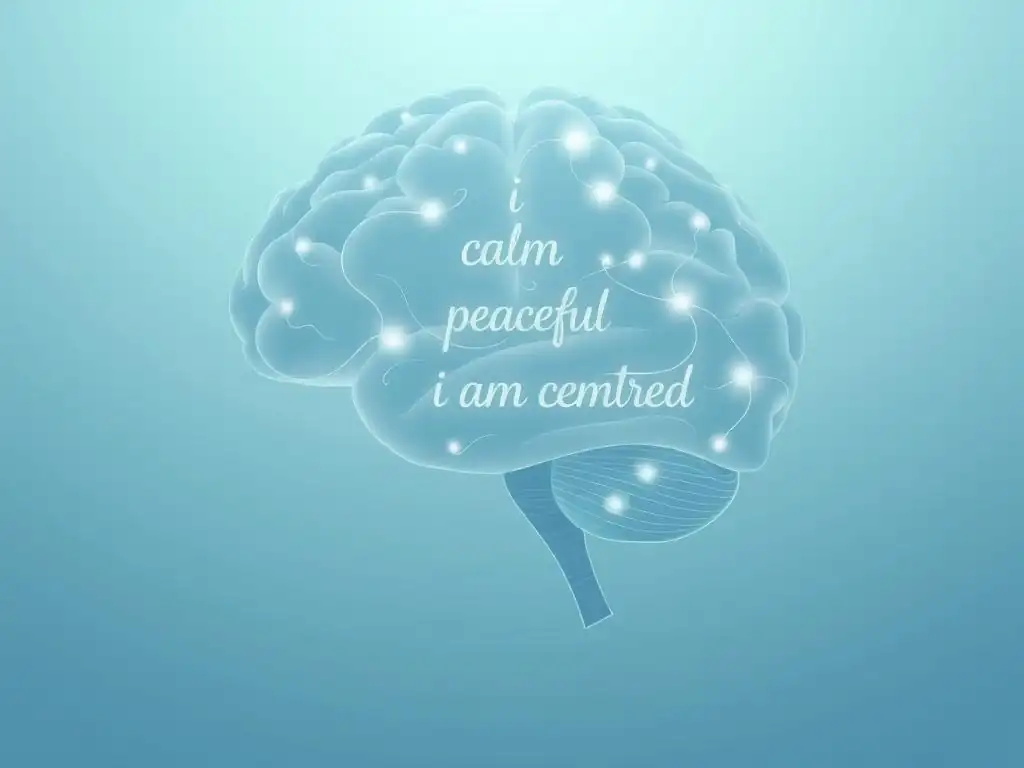
The effectiveness of positive affirmations for calm isn't just anecdotal; it's rooted in neuroscience. Our brains are incredibly malleable, a concept known as neuroplasticity. This means that the pathways in our brains are constantly being reshaped by our thoughts, feelings, and experiences. Repeatedly engaging in negative self-talk strengthens the neural pathways associated with anxiety and stress, creating a sort of mental rut. Conversely, positive affirmations work by creating new neural pathways associated with calmness and self-assurance.
When you consciously choose to repeat positive affirmations, you're essentially retraining your brain to focus on more constructive and calming thoughts. This process strengthens the neural connections related to positive emotions and reduces the influence of negative thought patterns. Studies have shown that regular practice of positive affirmations can lead to measurable changes in brain activity, reducing activity in areas associated with fear and anxiety while increasing activity in areas associated with self-compassion and emotional regulation.
The key is consistency; the more you practice, the stronger these new neural pathways become, making it easier to maintain a calm and centered mindset even in challenging situations. This isn't about ignoring negative feelings, but rather about creating a counterbalance, a more resilient mental landscape capable of weathering emotional storms.
The Cycle of Negative Thoughts and Anxiety
The cycle of negative thoughts and anxiety is a vicious one. It often begins with a trigger – a stressful event, a challenging situation, or even just a fleeting negative thought. This trigger then activates a cascade of negative thoughts, often characterized by catastrophizing, overgeneralization, and all-or-nothing thinking. These negative thoughts, in turn, fuel feelings of anxiety, worry, and fear, creating a feedback loop that perpetuates the cycle. For example, a missed deadline might trigger thoughts like, "I'm a complete failure," leading to feelings of anxiety and self-doubt, which then further fuel more negative thoughts.
Positive affirmations act as a powerful intervention in this cycle. By consciously choosing to replace negative thoughts with positive ones, you disrupt the feedback loop. Instead of focusing on the perceived failure, a positive affirmation might be, "I am capable and resourceful, and I will learn from this experience." This shift in focus helps to reframe the situation, reducing the intensity of negative emotions and promoting a sense of calm and self-efficacy.
This isn't about magically erasing negative feelings; rather, it's about providing a counterbalance, a more constructive and empowering perspective to help navigate challenging emotions and situations. Regular practice helps to gradually weaken the hold of negative thought patterns, making it easier to manage stress and anxiety in the long run. Remember, consistency is key to breaking free from this cycle and cultivating a more resilient and peaceful mindset.
How Affirmations Can Promote Neural Plasticity for Calm
Positive affirmations, when practiced consistently, can significantly impact our brain's structure and function, leading to a greater sense of calm. This is due to a fascinating process called neural plasticity, also known as neuroplasticity. Our brains aren't static; they're constantly adapting and rewiring themselves based on our experiences and thoughts. Repeatedly using positive affirmations essentially "trains" the brain to focus on positive thoughts and beliefs, strengthening the neural pathways associated with calmness and reducing the dominance of those related to anxiety or stress.
Think of it like creating a well-worn path in a forest – the more you walk it, the clearer and easier it becomes to traverse. Similarly, consistent affirmation practice strengthens the neural pathways associated with positive emotions and reduces the influence of negative ones. Studies have shown that mindfulness meditation, which shares similarities with affirmation practice in its focus on conscious thought, can lead to measurable changes in brain structure and function, particularly in areas related to emotional regulation.
While more research is specifically needed on the neural effects of affirmations, the underlying principle of neuroplasticity strongly suggests their capacity to promote a calmer state of mind. The process involves strengthening positive neural connections and weakening those associated with negative thoughts and feelings, effectively rewiring the brain for a more tranquil response to stressful situations. This rewiring isn't instantaneous; it requires consistent effort and dedication.
Creating Effective Affirmations for Calm: A Step-by-Step Guide
Crafting effective positive affirmations for calm requires careful consideration and a personalized approach. It's not simply about repeating generic phrases; it's about creating statements that resonate deeply with your individual needs and experiences. This process can be broken down into several key steps.
Identifying Personal Stressors: The Foundation
Before crafting any affirmations, it's crucial to identify the specific sources of your stress and anxiety. What situations, thoughts, or feelings consistently trigger negative emotions? Are you stressed about work deadlines, strained relationships, financial worries, or health concerns? Understanding your personal stressors allows you to tailor your affirmations to address these specific issues directly.
For example, if public speaking is a major source of anxiety, your affirmations should focus on building confidence and reducing fear in that specific context. Journaling can be a valuable tool in identifying these stressors; take some time to reflect on your daily experiences and note patterns in your emotional responses. This self-reflection is essential for creating affirmations that are both meaningful and effective. Remember, the more specific you can be, the more powerful your affirmations will be.
Choosing the Right Affirmation Framework: Present vs. Future
When constructing your affirmations, you can choose between focusing on the present moment or envisioning a desired future state. Present-tense affirmations emphasize your current state of being, such as "I am calm and peaceful." These affirmations can be powerful for grounding you in the present and reducing feelings of anxiety. Future-tense affirmations, on the other hand, focus on a desired outcome, like "I will feel calm and confident during my presentation."
These are useful for building anticipation and setting positive intentions. Both approaches are valid, and you might find it beneficial to use a combination of both present and future-tense affirmations to achieve a holistic approach to stress management. Experiment with both to see which resonates most strongly with you and yields the best results. The key is to choose the framework that feels most authentic and empowering.
Examples of Affirmations for Anxiety and Stress Reduction
Here are some examples of positive affirmations that can help reduce anxiety and promote calmness:
| Category | Example Affirmations |
|---|---|
| Present Moment | "I am calm and centered." "I am breathing deeply and feeling relaxed." "I am at peace." |
| Future Focused | "I will handle this situation with grace and composure." "I will face challenges with confidence." "I will find inner peace." |
| Self-Compassion | "I am kind to myself." "I forgive myself for my mistakes." "I accept myself completely." |
| Specific Situations | "I am confident and articulate during presentations." "I manage my time effectively and reduce stress." |
Remember to personalize these examples to reflect your specific needs and anxieties. The effectiveness of positive affirmations hinges on their relevance and authenticity to your individual experience. Regular, consistent practice is key to seeing noticeable improvements in your ability to manage stress and cultivate inner peace. Combine your affirmation practice with other stress-reduction techniques for optimal results. 🧘♀️
Integrating Affirmations Into Your Daily Life
Positive affirmations for calm aren't just about reciting phrases; it's about integrating them into your daily routine for maximum impact. Think of it as gently rewiring your brain to focus on positivity and resilience. This isn't a quick fix, but a consistent practice that yields significant long-term benefits. The key is to find methods that fit seamlessly into your lifestyle, making the process enjoyable and sustainable.
Don't overwhelm yourself; start small and gradually incorporate more affirmations as you feel comfortable. The more natural and integrated the process, the more effective it will be. Remember, the goal is to cultivate a sense of calm and self-assurance throughout your day, not to add another stressful task to your to-do list.
Morning Affirmation Practices: Using a Gratitude Journal
Starting your day with positive affirmations sets a calming tone for the hours ahead. Pairing this with a gratitude journal amplifies the effect. Take a few minutes each morning to write down three things you're grateful for. This simple act shifts your focus to the positive aspects of your life, creating a foundation of appreciation. Then, follow this with a selection of positive affirmations tailored to managing stress and anxiety.
For example, you could write and repeat phrases like, "I am calm and centered," or "I handle challenges with ease and grace." The combination of gratitude and affirmation helps to reprogram your subconscious mind towards a more peaceful outlook. Consistency is key here; even five minutes a day can make a significant difference over time. You'll find your overall mood improves and you're better equipped to handle daily stressors.
Affirmations During Mindfulness Meditation: Guided Meditation Apps
Mindfulness meditation is a powerful tool for stress reduction, and incorporating affirmations enhances its effectiveness. Many guided meditation apps offer sessions specifically designed to integrate positive affirmations. These apps often combine calming music, soothing voice guidance, and carefully chosen affirmations related to peace, relaxation, and self-acceptance. The combination creates a deeply immersive experience, allowing the affirmations to penetrate your subconscious mind more effectively.
Look for apps that offer customizable options, allowing you to choose affirmations that resonate with your specific needs and goals. Regular practice, even for just 10-15 minutes a day, can significantly improve your ability to manage stress and cultivate inner peace. Experiment with different apps and techniques to find what best suits your preferences and lifestyle.
Visual Affirmation Reminders: Creating a Vision Board
Visual reminders can be incredibly powerful tools for reinforcing positive affirmations. Creating a vision board is a fun and creative way to achieve this. Gather images, quotes, and objects that represent your goals and aspirations for a calmer, more peaceful life. Include images that evoke feelings of serenity, such as nature scenes, calming colors, or symbols of peace.
Write out your affirmations on index cards and incorporate them into your vision board. Place your vision board somewhere you'll see it daily, such as your bedroom or workspace. Regularly revisiting your vision board reinforces your commitment to your affirmations and helps to maintain a positive focus throughout the day. This visual representation serves as a constant reminder of your intentions, strengthening your commitment to achieving a calmer, more balanced state of being.
Optimizing Your Affirmation Practice
While the act of repeating positive affirmations is beneficial, optimizing your practice can significantly amplify its effects. This involves thoughtful selection of affirmations, mindful repetition, and integration with other stress-reduction techniques. The key is consistency and a personalized approach that resonates with your individual needs and preferences. Don't be afraid to experiment with different techniques and find what works best for you. The journey to calm is personal, and your approach should reflect that.
The Importance of Consistency: Building a Habit
The power of positive affirmations lies in their consistent application. Just as regular exercise strengthens muscles, daily affirmation practice strengthens your mental resilience. Building a habit takes time and effort; start small and gradually increase your practice time. Use reminders, such as setting alarms on your phone or placing sticky notes in strategic locations.
Track your progress using a journaling app or calendar to monitor your consistency and celebrate your achievements. Don't get discouraged if you miss a day; simply resume your practice the next day without judgment. Remember, the goal is to cultivate a long-term habit, not to achieve perfection. Over time, your consistent practice will become second nature, integrating positive affirmations into the fabric of your daily life.
Combining Affirmations with Stress-Relief Techniques: Breathwork & Mindfulness
The effectiveness of positive affirmations is greatly enhanced when combined with other stress-relief techniques such as breathwork and mindfulness practices. Deep, conscious breathing helps to calm your nervous system, creating a receptive state for positive affirmations. Mindfulness meditation allows you to focus your attention on the present moment, reducing the impact of anxious thoughts and worries.
By combining these practices, you create a synergistic effect, amplifying the calming and transformative power of your affirmations. Consider incorporating a few minutes of deep breathing or mindfulness meditation before and after your affirmation practice. This integrated approach provides a holistic strategy for managing stress and cultivating inner peace.
Monitoring Progress: Using a Journaling App
Tracking your progress is crucial for maintaining motivation and adjusting your approach as needed. A journaling app offers a convenient way to document your affirmation practice and reflect on your experiences. Note down the affirmations you use, how often you practice, and any noticeable changes in your mood, stress levels, or overall well-being.
Regularly reviewing your journal entries provides valuable insights into what works best for you and allows you to make necessary adjustments to optimize your practice. The data you collect will serve as a powerful motivator, showcasing the positive impact of your consistent efforts and reinforcing your commitment to a calmer, more peaceful life. Many apps offer features such as mood tracking and goal setting, making it even easier to monitor your progress and celebrate your successes.
Addressing Common Challenges with Affirmations
Many individuals, while intrigued by the potential of positive affirmations for calm, encounter obstacles in their practice. Understanding and addressing these challenges is crucial for maximizing the benefits. Let's explore some common hurdles and how to overcome them.
Feeling Disconnected: Personalizing Your Affirmations
A frequent issue is feeling a disconnect between the affirmations and one's inner experience. Generic affirmations, while readily available, might not resonate deeply. The key is personalization. Instead of using ready-made phrases like "I am calm and peaceful," try crafting affirmations that specifically address your anxieties and aspirations.
For example, if you struggle with public speaking anxiety, an effective affirmation might be: "I approach public speaking with confidence and ease, my voice clear and strong." The more tailored the affirmation to your unique experience, the stronger the connection and the more impactful the results. Consider journaling about your specific anxieties to identify the core issues you want to address. This process allows for the creation of truly personal and effective affirmations.
Lack of Immediate Results: Understanding the Process
It's important to remember that rewiring the brain takes time and consistent effort. Positive affirmations are not a magic bullet; they are a tool that, when used consistently, gradually shifts your mindset. Don't expect to feel completely calm and stress-free overnight. The process involves repeated exposure to positive messages, slowly counteracting ingrained negative thought patterns. Think of it as planting a seed – it requires nurturing and patience before it blossoms.
Regular practice, even for short periods, is more effective than sporadic, intense sessions. Celebrate small victories and maintain a patient, persistent approach. Track your progress, perhaps by noting how you feel before and after your affirmation practice. This can provide valuable insights into your journey and encourage continued effort.
Overcoming Negative Self-Talk: Reframing Thoughts
Negative self-talk is a significant barrier to the effectiveness of positive affirmations. Persistent negative thoughts can undermine even the most powerful affirmations. The solution lies in reframing these negative thoughts. Instead of directly combating negative thoughts, try acknowledging them and gently redirecting your focus toward the positive affirmation.
For instance, if a thought like "I'll never be able to manage this stress" arises, acknowledge it ("Yes, I'm feeling stressed right now"), and then follow it with your affirmation, such as "I am capable of managing this stress effectively, and I'll find the resources I need." This approach doesn't suppress negative thoughts but rather creates a space for positive ones to take root. Consider keeping a journal to identify recurring negative thoughts and develop corresponding positive reframes.
Resources for Deepening Your Affirmation Practice
Numerous resources can support your journey towards cultivating calm through affirmations. Here are a few examples to consider as you deepen your practice.
Recommended Readings on Positive Psychology and Affirmations: "Learned Optimism" by Martin Seligman
Martin Seligman's "Learned Optimism" provides a comprehensive exploration of positive psychology and the power of cultivating optimism. The book offers practical strategies for identifying and challenging negative thought patterns and developing a more optimistic outlook, which significantly complements the practice of positive affirmations. Seligman's research-based approach offers a scientific grounding for understanding the effectiveness of positive thinking techniques, making it a valuable resource for anyone seeking a deeper understanding of the process. The book provides exercises and tools that can be readily integrated into your affirmation practice.
Guided Meditation Audios with Affirmations: Insight Timer
Insight Timer offers a vast library of guided meditations, many incorporating positive affirmations. These guided meditations can be particularly helpful for beginners, providing structure and support as you learn to incorporate affirmations into your daily routine. The variety of voices, styles, and lengths ensures you can find a meditation that aligns with your preferences and needs. Using guided meditations can significantly enhance the effectiveness of your affirmation practice by combining the power of focused attention with positive self-talk. The calming nature of meditation itself complements the calming effects of the affirmations.
Online Courses for Anxiety Management: Calm
Platforms like Calm offer comprehensive online courses focused on anxiety management, often incorporating techniques such as mindfulness and positive affirmations. These courses provide a structured approach to learning and practicing techniques for reducing stress and anxiety. The structured learning environment can be particularly beneficial for those new to the practice of affirmations or mindfulness techniques, providing guidance and support throughout the learning process. The courses often include expert instruction, interactive exercises, and community support, creating a comprehensive learning experience.
Conclusion: Cultivating Calm and Resilience Through Affirmations
Regular practice of positive affirmations for calm can significantly impact your mental well-being. The consistent repetition of these phrases helps rewire your brain's neural pathways, gradually shifting your focus from negative thoughts and anxieties to more positive and empowering beliefs. This isn't about magically erasing stress; it's about building resilience and developing coping mechanisms. Think of it as a form of mental strength training. Just as physical exercise strengthens muscles, consistent affirmation practice strengthens your mental fortitude, equipping you to handle stressful situations with greater ease and composure.
The key to success lies in consistent and mindful practice. Don't expect overnight miracles. Treat affirmations as a daily ritual, integrating them into your morning routine or using them as a tool during moments of stress. Experiment with different phrasing to find what resonates most deeply with you.
The more personalized your affirmations, the more effective they'll be. Remember, the power of positive affirmations for calm isn't in the words themselves, but in the belief and intention behind them. By consistently reinforcing positive self-talk, you cultivate a more optimistic outlook, enhancing your ability to manage stress and build a calmer, more resilient self. This process, over time, fosters a sense of inner peace and control, empowering you to navigate life's challenges with greater confidence and equanimity.
The journey to calm is a personal one, and positive affirmations can be a valuable tool along the way. Embrace the process, and be patient with yourself as you witness the positive transformation unfold. 🎉
- Understanding the Neuroscience of Affirmations and Calm
- The Cycle of Negative Thoughts and Anxiety
- How Affirmations Can Promote Neural Plasticity for Calm
- Creating Effective Affirmations for Calm: A Step-by-Step Guide
- Integrating Affirmations Into Your Daily Life
- Optimizing Your Affirmation Practice
- Addressing Common Challenges with Affirmations
- Resources for Deepening Your Affirmation Practice
- Conclusion: Cultivating Calm and Resilience Through Affirmations
Frequently Asked Questions
What are positive affirmations?
Positive affirmations are short, positive statements that you repeat to yourself to challenge negative thoughts and beliefs. They work by reprogramming your subconscious mind, leading to positive behavioral changes.
How do positive affirmations promote calm?
By focusing on positive statements, affirmations help reduce anxiety and stress. Repeating calming affirmations regularly can shift your perspective and promote a sense of peace.
What are some examples of positive affirmations for calm?
Examples include: "I am calm and peaceful," "I handle stress with ease," and "I am capable of managing my emotions." Choose affirmations that resonate with you and your specific needs.
How often should I use positive affirmations for best results?
Consistency is key! Aim to repeat your chosen affirmations several times daily, ideally at a time when you are relaxed and receptive. Even a few minutes can make a difference.
Are there any downsides to using positive affirmations?
While generally beneficial, some find affirmations ineffective if not used authentically. It's crucial to believe in what you are saying for maximum impact. If you feel resistance, explore the root of your negative beliefs.
Final Reflection: Cultivating Inner Peace Through Positive Affirmations
The practice of positive affirmations isn't merely a fleeting trend; it's a powerful tool for rewiring our brains towards calm and resilience in an increasingly chaotic world. The ability to consciously shift our internal dialogue from negativity to positivity is a skill that can profoundly impact our mental and emotional well-being, offering a tangible path towards a more peaceful existence.
The influence of our inner voice on our overall experience is undeniable. The constant barrage of negative self-talk can lead to anxiety, stress, and a diminished sense of self-worth. Watch your thoughts, for they become words. Watch your words, for they become actions. Watch your actions, for they become habits. Watch your habits, for they become character. Watch your character, for it becomes your destiny.
This quote highlights the cascading effect of our thoughts, emphasizing the importance of cultivating a positive internal landscape. The journey towards calm isn't always easy, but the rewards of consistent positive affirmation practice are immeasurable.
You now possess the knowledge and tools to begin your own journey towards inner peace. Don't underestimate the power of a single, carefully chosen affirmation repeated with intention. Start small, be consistent, and allow yourself to experience the transformative effects of positive self-talk. Embrace the opportunity to reshape your relationship with your inner voice, and watch as calm and confidence blossom within you. The path to serenity begins with a single, positive thought. Begin today.
Unlock Your Inner Peace Today!
Thank you for exploring the power of positive affirmations! You've taken the first step toward cultivating a calmer, more centered life. Let's build on this momentum and put your newfound knowledge into practice.
Here are some actionable steps you can take immediately:
- Start your day with affirmations: Begin each morning by repeating two or three positive statements that resonate with you. This will set a positive tone for the day ahead.
- Discover new affirmations: Explore affirmation decks, apps, or online resources to find fresh, inspiring statements that can help you achieve your goals.
- Share your progress: Connect with others by sharing your favorite affirmations on social media or in a supportive community. Inspire and uplift one another!
What positive affirmation will you choose today to foster a more peaceful and positive mindset?