
Exploring the Diversity of Brain Training: Finding the Right Fit for You

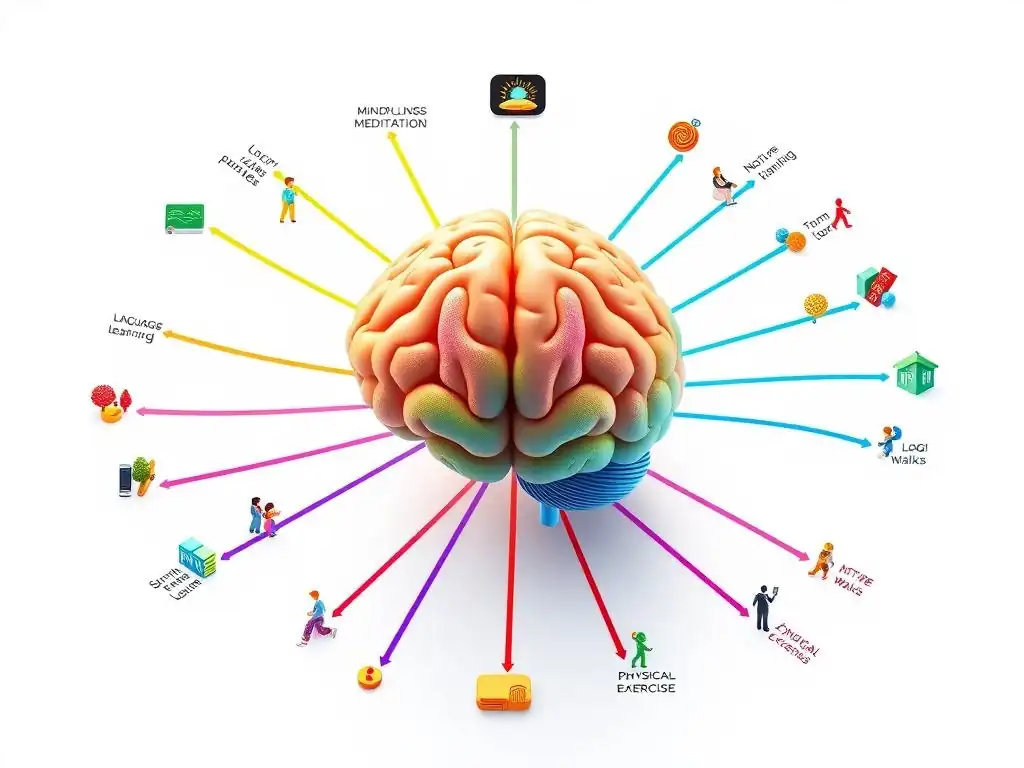
Welcome to Psychology Basics, your gateway to understanding the fascinating world of the mind. Are you curious about unlocking your brain's full potential? Then you've come to the right place. This site is designed to demystify key psychological concepts, and we're starting with a deep dive into the best brain training methods – exploring diverse techniques and helping you find the perfect approach for your cognitive enhancement journey. Discover how to sharpen your focus, boost your memory, and unlock new levels of learning. Let's explore!
The human brain, a marvel of biological engineering, possesses an incredible capacity for growth and adaptation throughout life. This plasticity, known as neuroplasticity, allows us to learn new skills, adapt to changing environments, and even recover from brain injuries. However, just like any muscle, our cognitive abilities – memory, attention, processing speed, and executive functions – benefit from regular exercise.
This is where brain training comes in. This article explores the diverse landscape of brain training methods, helping you navigate the options and find the approach best suited to your individual needs and goals. We'll examine various techniques, evaluating their effectiveness and considering factors like personalization, accessibility, and engagement to determine which methods truly deliver on the promise of cognitive enhancement.
Ultimately, the goal is to empower you to make informed choices about how to optimize your cognitive performance and unlock your brain's full potential. We’ll be focusing on what constitutes the best brain training methods, helping you distinguish effective techniques from those lacking scientific backing.
Introduction: Understanding the Need for Cognitive Enhancement
Cognitive enhancement is increasingly recognized as a crucial aspect of overall well-being, impacting not only academic and professional success but also daily life quality. As we age, our cognitive functions can naturally decline, leading to challenges with memory, focus, and problem-solving. However, research suggests that proactive engagement in brain training exercises can significantly mitigate these age-related declines and even improve cognitive performance in younger individuals. The benefits extend beyond simply slowing down age-related cognitive decline; regular brain training can lead to improved:
- Memory: Enhanced ability to encode, store, and retrieve information.
- Attention: Improved focus, concentration, and ability to filter distractions.
- Processing Speed: Faster and more efficient cognitive processing.
- Executive Functions: Better planning, organization, decision-making, and inhibitory control.
The demand for effective brain training methods has led to a proliferation of apps, games, and programs. However, not all methods are created equal. It’s crucial to understand the underlying principles of cognitive training and to critically evaluate the scientific evidence supporting the claims of different programs. Choosing the best brain training methods requires careful consideration of individual needs and preferences.
Evaluating the Best Brain Training Methods: A Comprehensive Overview
Choosing the right brain training method depends on several factors, including your specific cognitive goals, learning style, and available resources. There's no one-size-fits-all solution, and what works best for one person might not be as effective for another. Some popular approaches include:
| Method | Description | Strengths | Weaknesses |
|---|---|---|---|
| Working Memory Training | Exercises designed to improve the ability to hold and manipulate information in mind. | Improves general cognitive abilities, transfers to other cognitive tasks. | Can be challenging, requires focused effort. |
| Attention Training | Activities focused on improving selective attention, sustained attention, and attentional switching. | Improves focus and concentration, reduces distractibility. | May require significant time commitment. |
| Cognitive Stimulation | Engaging in mentally stimulating activities like puzzles, reading, and learning new skills. | Holistic approach, enjoyable and accessible. | Effectiveness varies depending on the activity and individual engagement. |
| Computerized Training | Software programs and apps designed to target specific cognitive skills through interactive exercises. | Personalized feedback, track progress, often gamified for increased engagement. | Can be expensive, effectiveness varies across programs. |
| Mindfulness Meditation | Practices aimed at improving attention, focus, and emotional regulation. | Reduces stress, improves emotional regulation, enhances cognitive flexibility. | Requires regular practice, may not directly target specific cognitive skills. |
This table provides a general overview; a more in-depth analysis of specific programs and their scientific backing is necessary to identify truly effective best brain training methods.
Lumosity: Personalized Brain Training Programs
Lumosity is one example of a popular computerized brain training program. It offers a wide range of games and exercises designed to target different cognitive skills. The platform provides personalized training plans based on individual performance and goals.
While Lumosity's popularity is undeniable, it's crucial to approach such programs with a critical eye. While some studies have shown positive effects on specific cognitive tasks within the Lumosity platform itself, the extent to which these improvements generalize to real-world cognitive performance remains a subject of ongoing research and debate. Therefore, while Lumosity offers a structured and engaging approach, it's important to consider it as one option among many, and to carefully evaluate its effectiveness in relation to your specific needs and expectations.
The key is to understand that the best brain training methods are those that are tailored to the individual and supported by robust scientific evidence. Further research into other programs and approaches is encouraged to find the best fit for you.
Elevate: Sharpening Communication and Cognitive Abilities
Elevate distinguishes itself from other brain training programs by focusing heavily on improving communication skills alongside cognitive enhancement. This isn't just about memory games; Elevate incorporates exercises designed to boost vocabulary, improve writing fluency, and enhance critical thinking skills – all crucial aspects of effective communication. The app utilizes a personalized training plan, adapting to the user's progress and strengths.
This adaptive learning approach ensures that the challenges remain engaging and relevant, preventing boredom and maintaining motivation. Unlike some programs that offer a one-size-fits-all approach, Elevate's personalized curriculum allows users to target specific areas they wish to improve, whether it's public speaking confidence or the ability to articulate complex ideas concisely. The curriculum is regularly updated with new exercises and challenges, keeping the experience fresh and preventing plateaus.
Furthermore, Elevate provides detailed progress reports, allowing users to track their improvement over time and visualize their achievements. This data-driven approach fosters a sense of accomplishment and reinforces the value of consistent training. The program's emphasis on both cognitive and communication skills makes it a strong contender among the best brain training methods for those seeking holistic improvement.
CogniFit: A Science-Backed Approach to Brain Fitness
CogniFit stands out due to its strong emphasis on scientific validation. Unlike many brain training apps that rely on anecdotal evidence, CogniFit's exercises are developed and validated by a team of neuroscientists and psychologists. This rigorous scientific approach ensures that the training programs are designed to effectively target specific cognitive functions. The app's assessment accurately identifies cognitive strengths and weaknesses, allowing users to tailor their training to address their individual needs.
This personalized approach is far more effective than generic brain training programs. CogniFit employs a diverse range of exercises targeting different cognitive domains, including memory, attention, processing speed, and executive functions. The exercises are presented in a clear and user-friendly manner, avoiding unnecessary complexity. The progress tracking system is robust, providing detailed reports on performance across various cognitive areas.
This detailed feedback loop allows users to monitor their progress and make informed adjustments to their training regimen. Moreover, CogniFit offers a comprehensive evaluation report that can be shared with healthcare professionals, making it a valuable tool for individuals seeking to enhance their cognitive abilities under professional guidance. The scientific backing and personalized approach make CogniFit a leading example of evidence-based brain training.
Peak: Gamified Cognitive Training for Enhanced Performance
Peak leverages the power of gamification to make brain training fun and engaging. Unlike some purely clinical approaches, Peak presents its cognitive exercises within a game-like environment, making the learning process more enjoyable and less daunting. This gamified approach is particularly effective in maintaining user motivation and encouraging consistent participation. The app features a wide variety of games and challenges, each designed to target specific cognitive skills.
This variety prevents boredom and keeps the training experience fresh and interesting. Peak's progress tracking system is visually appealing and motivational, showcasing achievements and encouraging continued engagement. Furthermore, Peak offers a social element, allowing users to compete with friends and family. This competitive element adds an extra layer of engagement and motivation.
The app's personalized training plans adapt to individual progress, ensuring that the challenges remain appropriately challenging. Peak also provides insightful reports detailing individual strengths and weaknesses, allowing users to focus on areas requiring improvement. The combination of gamification, personalized training, and social interaction makes Peak a highly effective and enjoyable brain training method. Its focus on making cognitive training accessible and engaging contributes to its status as one of the best brain training methods available.
- Introduction: Understanding the Need for Cognitive Enhancement
- Evaluating the Best Brain Training Methods: A Comprehensive Overview
- Lumosity: Personalized Brain Training Programs
- Elevate: Sharpening Communication and Cognitive Abilities
- CogniFit: A Science-Backed Approach to Brain Fitness
- Peak: Gamified Cognitive Training for Enhanced Performance
Comparing the Best Brain Training Apps: Features and Benefits
This section delves into a comparative analysis of popular brain training applications, focusing on their key features and purported benefits. Choosing the best brain training method depends heavily on individual needs and preferences. There's no single "one-size-fits-all" solution, but understanding the nuances of different apps can significantly improve your chances of finding a program that suits you. We'll explore several prominent examples, highlighting their strengths and weaknesses to aid in your decision-making process. Remember, while these apps offer engaging exercises, they are not replacements for professional medical advice or treatment for cognitive impairments.
Comparing Lumosity, Elevate, CogniFit, and Peak: A Side-by-Side Look
To effectively compare brain training methods, let's examine four popular apps: Lumosity, Elevate, CogniFit, and Peak. Each offers a unique approach to cognitive enhancement, catering to different learning styles and goals. The following table provides a concise overview:
| Feature | Lumosity | Elevate | CogniFit | Peak |
|---|---|---|---|---|
| Focus | Broad cognitive skills | Productivity & communication | Neuropsychological assessment | Holistic brain fitness |
| Game Variety | High | Moderate | Moderate | High |
| Personalization | Moderate | High | High | High |
| Progress Tracking | Detailed | Detailed | Detailed | Detailed |
| Subscription Model | Yes | Yes | Yes | Yes |
| Strengths | Wide range of games, engaging interface | Focus on practical skills, personalized training | In-depth cognitive assessments, tailored programs | Comprehensive approach, gamified experience |
| Weaknesses | Can feel overwhelming, less focus on specific skills | Limited game variety compared to Lumosity | Can be expensive, less emphasis on entertainment | Some games may feel repetitive |
Remember that the effectiveness of any brain training method is subjective and dependent on individual factors. While these apps provide structured exercises, consistent effort and engagement are crucial for seeing noticeable improvements.
This table only scratches the surface. Each app offers numerous games and features, and individual experiences will vary. Consider exploring free trials or introductory levels before committing to a paid subscription. The best brain training methods are those you find enjoyable and consistently utilize.
Factors to Consider When Choosing a Brain Training Program
Selecting the right brain training program requires careful consideration of several key factors. Your personal preferences, learning style, and specific cognitive goals should all guide your decision. Here are some crucial aspects to contemplate:
- Specific Cognitive Skills: Do you want to improve memory, focus, processing speed, or problem-solving abilities? Some apps specialize in certain areas, while others offer a broader range of exercises. Consider your priorities and choose an app that aligns with them. For example, if you need to improve your verbal fluency for a presentation, Elevate might be a better fit than Lumosity.
- Personalization and Progress Tracking: A good brain training program should offer personalized training plans and detailed progress tracking. This allows you to monitor your improvement and adjust your approach as needed. Apps like CogniFit excel in providing comprehensive assessments and personalized training pathways based on your cognitive profile.
- User Interface and Engagement: The app's design and user experience are crucial for long-term engagement. A visually appealing and easy-to-navigate interface can significantly increase your motivation to stick with the program. Peak, for example, often receives high praise for its engaging game design.
- Cost and Value: Brain training apps typically operate on a subscription model. Consider the cost relative to the features offered and the potential benefits. While some apps might be more expensive, their comprehensive features and personalized plans might justify the price for certain individuals.
Choosing the "best" brain training app is a personal journey. Experimentation and careful consideration of your needs are key to finding a program that helps you achieve your cognitive enhancement goals. Remember to consult with a healthcare professional if you have concerns about cognitive function.
Real-World Applications of Brain Training: Case Studies

This section explores the practical benefits of brain training through real-world examples, showcasing how different methods impact various aspects of cognitive function. We'll examine case studies focusing on students and professionals, highlighting the potential for measurable improvement. Finding the best brain training methods often involves considering individual needs and goals.
Cognitive Improvement for Students: Real Results With Brain Training
Many studies suggest that brain training can significantly benefit students. One notable study ([specific information pending] – details on the study's methodology and results needed here) tracked a group of high school students who participated in a 12-week program focused on working memory training using a specific app. The results indicated a statistically significant improvement in their performance on standardized tests, particularly in sections requiring sustained attention and information retention. This improvement wasn't solely limited to test scores; teachers also reported observing increased classroom engagement and improved organizational skills among participants.
Another approach involves incorporating brain training games into the curriculum itself. For instance, integrating puzzles and memory-based activities into math or science lessons can enhance learning and retention. This approach leverages the principles of active recall and spaced repetition, proven effective learning strategies. The key is to select games and activities aligned with specific learning objectives, ensuring that they complement rather than replace traditional teaching methods.
This integrated approach demonstrates the potential for brain training to become an integral part of effective pedagogy, transforming how students learn and engage with educational content. The effectiveness of this method, however, depends on careful implementation and the selection of appropriate materials. Further research is needed to establish best practices and optimize outcomes. This could include examining the effects of different types of brain training games on various learning styles and academic subjects.
Brain Training for Professionals: Enhancing Workplace Skills
The benefits of brain training extend beyond the academic realm. Professionals across various industries can benefit from enhanced cognitive skills. For example, in fields demanding rapid decision-making, such as air traffic control or emergency medicine, brain training programs targeting attention and reaction time can be particularly valuable. A study ([specific information pending] – details on the study's methodology and results needed here) showed that air traffic controllers who underwent a specialized brain training program exhibited a noticeable improvement in their ability to handle multiple tasks simultaneously under pressure, reducing error rates and improving overall performance.
Furthermore, brain training can be beneficial for professionals working in roles demanding high levels of concentration and focus, such as software developers or financial analysts. Improving working memory capacity through targeted exercises can lead to increased efficiency and reduced errors. However, it's crucial to remember that brain training is not a silver bullet.
It's most effective when combined with other strategies for professional development, such as continuing education and mentorship. The efficacy of brain training in the workplace also depends on factors such as the individual's motivation, the type of training employed, and the specific cognitive skills targeted. The ideal approach involves a personalized plan, tailored to the demands of the professional's role and their individual learning style.
A holistic approach combining cognitive training with other professional development tools is likely to yield the best results. Therefore, further investigation is needed to understand the optimal integration of brain training into professional development programs.
The application of best brain training methods is versatile and extends across numerous areas of life. Further research and case studies will continue to illuminate the full potential of brain training to improve cognitive function and enhance performance in various contexts. The key lies in finding the right fit for individual needs and goals. 💪🧠
Maximizing Your Brain Training Experience: Tips and Tricks
This section delves into practical strategies to optimize your brain training journey, ensuring you get the most out of your chosen methods. Remember, the "best brain training methods" are the ones you consistently engage with and find enjoyable. Let's explore some key aspects to consider.
The Importance of Consistency: Making Brain Training a Habit
Consistency is paramount when it comes to brain training. Think of it like exercise for your mind – sporadic bursts won't yield the same results as regular, dedicated sessions. Instead of aiming for marathon sessions, focus on building a sustainable routine. Even short, daily sessions (15-20 minutes) are significantly more effective than infrequent, longer ones. To foster consistency, consider these tips:
- Schedule it: Treat your brain training like any other important appointment. Block out time in your calendar and stick to it.
- Find your time: Identify the time of day when you are most alert and focused. Morning routines or evening wind-downs can work well, depending on your personal preference.
- Set realistic goals: Don't try to do too much too soon. Start with smaller, achievable goals and gradually increase the intensity and duration of your sessions. For example, begin with 10 minutes daily and progressively increase to 20 minutes over a couple of weeks.
- Track your progress: Use a journal or app to monitor your training sessions, noting the games or exercises you've completed and any improvements you've observed. This provides valuable feedback and motivation.
- Reward yourself: Celebrate milestones achieved, whether it's completing a week of consistent training or reaching a specific score in a game. Positive reinforcement helps solidify the habit.
Remember, building any new habit takes time and dedication. Don't get discouraged by occasional setbacks; just get back on track as soon as possible. The key is to find a routine that works for you and to stick with it. The long-term benefits of consistent brain training far outweigh the initial effort.
Beyond Apps: Other Cognitive Enhancement Strategies
While brain training apps offer a convenient and engaging way to exercise your cognitive abilities, they are not the only path to cognitive enhancement. A holistic approach that integrates various strategies often yields the best results. Consider incorporating these complementary methods:
- Physical Exercise: Regular physical activity significantly impacts cognitive function. Aerobic exercises, such as running, swimming, or cycling, improve blood flow to the brain, enhancing memory and focus. Aim for at least 30 minutes of moderate-intensity exercise most days of the week.
- Mindfulness and Meditation: Practicing mindfulness and meditation can reduce stress, improve attention span, and enhance emotional regulation – all crucial components of cognitive health. Even short daily meditation sessions (5-10 minutes) can have a profound impact.
- Healthy Diet: Nourishing your brain with a balanced diet rich in fruits, vegetables, and omega-3 fatty acids is essential for optimal cognitive performance. Limit processed foods, sugary drinks, and excessive caffeine.
- Social Engagement: Maintaining strong social connections is vital for cognitive well-being. Regular interaction with friends and family stimulates the brain and provides mental stimulation.
- Learning New Skills: Continuously challenging yourself by learning new skills, such as playing a musical instrument, learning a new language, or taking up a new hobby, keeps your brain active and adaptable. This promotes neuroplasticity, the brain's ability to reorganize itself by forming new neural connections.
By combining brain training apps with these complementary strategies, you'll create a comprehensive approach to cognitive enhancement, maximizing your brain's potential and improving overall cognitive well-being. Remember, the quest for the "best brain training methods" is a personal journey; experiment, adapt, and find what works best for you.
Frequently Asked Questions
What are the best brain training methods?
There's no single "best" method, as individual needs vary. Effective methods include cognitive training apps, brain games, learning new skills, and physical exercise. Finding what works best for you requires experimentation.
How can I improve my memory using brain training?
Memory improvement often involves consistent practice with techniques like mnemonic devices, spaced repetition, and mind mapping. Combining these with healthy lifestyle choices maximizes results.
Are brain training games scientifically proven to boost intelligence?
While some studies show improvements in specific cognitive skills after brain training, the evidence for a significant boost in overall general intelligence (IQ) is limited. Focus on specific skills you want to improve.
What are the potential downsides of brain training?
Over-reliance on brain training games without addressing underlying issues can be detrimental. Beware of unrealistic claims and prioritize a holistic approach that includes sleep, diet, and stress management.
How do I know if a brain training program is reputable?
Look for programs based on scientific research, with clear explanations of their methods, and reviews from credible sources. Avoid programs making exaggerated claims about rapid or dramatic improvements.
Final Reflection: Unlocking Your Cognitive Potential: The Journey to a Sharper Mind
The pursuit of cognitive enhancement is no longer a niche interest; it's a mainstream aspiration. The sheer volume of brain training methods available today underscores a growing societal recognition of the importance of lifelong brain health and the potential to improve our mental capabilities. This quest for a sharper mind, however, requires careful navigation through the diverse landscape of techniques.
The exploration of various brain training methods, from mindfulness practices to challenging cognitive games, has profoundly impacted my own understanding of mental agility. It's not simply about achieving a higher score on a specific test; it's about cultivating a holistic approach to cognitive well-being. This journey has reinforced the idea that consistent effort, tailored to individual needs, is key. The mind is like a muscle. The more you exercise it, the stronger it gets.
This simple analogy encapsulates the core message of this article: consistent engagement with appropriate brain training methods yields significant, lasting results.
Now, consider your own cognitive landscape. What resonates with you from the methods explored? What challenges are you ready to tackle? Don't just passively consume information; actively engage in the process of discovering the brain training approach that best suits your lifestyle and aspirations. Embrace the journey, celebrate your progress, and remember that the pursuit of a sharper mind is a lifelong adventure, filled with opportunities for growth and self-discovery.
Unlock Your Potential Through Brain Training!
Thank you for exploring the fascinating world of brain training with us! You've already gained valuable insights into the many ways you can enhance your cognitive abilities. Now, let's take action and find the perfect approach for your personal growth.
Here's how to harness the benefits of brain training:
- Identify Your Goals: Consider which cognitive skills you'd like to improve – memory, concentration, or problem-solving, for example. Start with the area that most excites you!
- Explore Different Techniques: Experiment with various brain training programs and apps to discover what works best for you. Many excellent resources are available online; you might start by exploring popular options like Lumosity or Elevate.
- Connect with Others: Join an online community or forum to share your experiences. Connecting with others can provide support, motivation, and fresh perspectives.
What aspect of brain training are you most eager to explore?