
Cultural Differences in Attitudes Toward Death and Dying

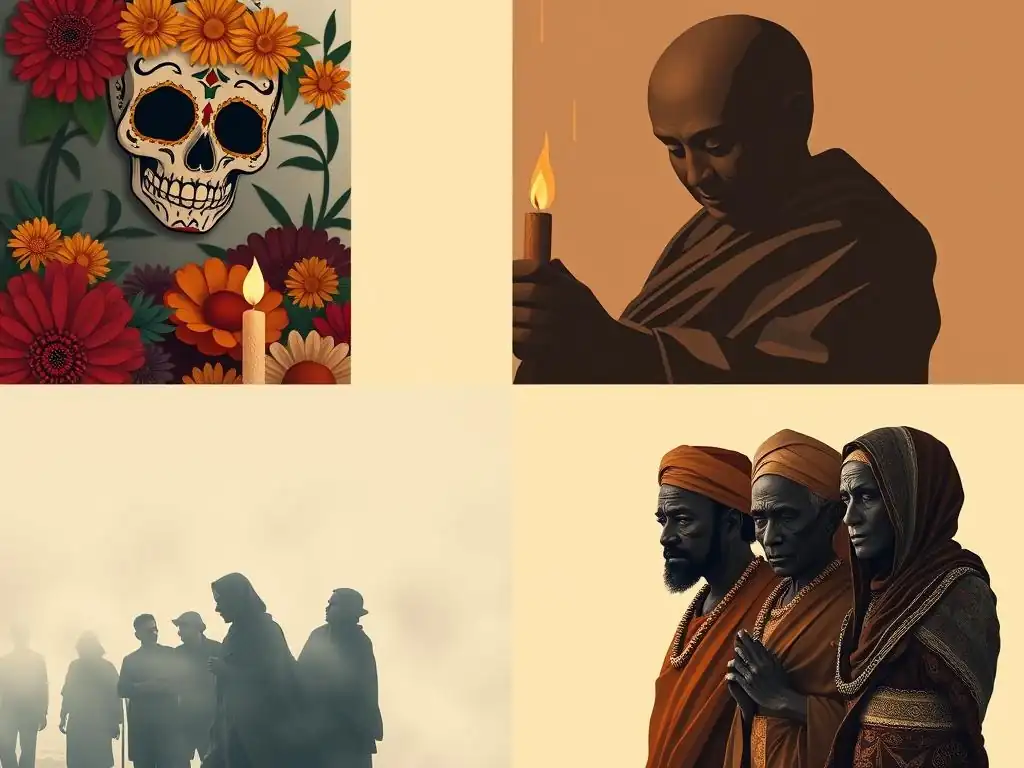
Welcome to Psychology Basics, your gateway to understanding the fascinating world of human behavior. Are you curious about how cultural perspectives shape our experiences, particularly when faced with life's ultimate questions? Then delve into our exploration of cross-cultural attitudes toward death and dying. This crucial topic reveals surprising variations in how different societies approach mortality, grief, and the afterlife. Prepare to challenge your assumptions and gain a deeper appreciation for the intricate relationship between culture and our understanding of death. Read on to uncover the compelling insights within.
- Understanding Cross-cultural Attitudes Toward Death and Dying: An Introduction
- Cultural Variations in Grief and Mourning Rituals
- Death Anxiety and its Cultural Manifestations
- Attitudes Toward Death and Dying in Specific Cultures
- Cross-Cultural Perspectives on Euthanasia and Palliative Care
- Implications for Psychology and Healthcare Professionals
-
Frequently Asked Questions
- What are some common cross-cultural differences in attitudes toward death and dying?
- How do cultural beliefs influence the grieving process?
- Are there cultures that view death less negatively than others?
- How do cultural attitudes toward death influence end-of-life care?
- What is the role of religion in shaping attitudes toward death and dying?
- Final Reflection: Bridging the Gap Between Life and Death Across Cultures
- Embrace Life: Transform Your Perspective on Death
Understanding Cross-cultural Attitudes Toward Death and Dying: An Introduction
Death, a universal human experience, is nevertheless interpreted and approached with striking diversity across cultures. This exploration delves into the fascinating realm of cross-cultural attitudes toward death and dying, examining how cultural norms, beliefs, and practices shape our understanding of mortality, grief, and the afterlife. Understanding these variations is crucial not only for broadening our perspectives on the human condition but also for fostering cross-cultural sensitivity and effective communication, particularly in healthcare and palliative care settings.
We will explore how cultural background significantly influences individual and collective responses to death and dying, encompassing rituals, mourning practices, and beliefs about the soul's journey beyond earthly existence. This article aims to provide a foundational understanding of the diverse ways humans grapple with the inevitability of death, highlighting the profound impact of cultural context on this deeply personal and universal experience. The study of cross-cultural attitudes towards death and dying provides valuable insights into the complex interplay between individual psychology and societal norms, enriching our comprehension of human behavior and the human condition.
We will analyze how these differing perspectives impact everything from end-of-life care decisions to the ways grief is expressed and processed. This is particularly relevant given our increasingly globalized world, where understanding and respecting diverse perspectives on death and dying is paramount.
Defining Death and Dying Across Cultures
The very definition of death can vary across cultures. While biological cessation of bodily functions provides a common scientific understanding, cultural interpretations often extend beyond this purely physiological definition. Some cultures emphasize the cessation of breathing or heartbeat, while others may focus on the absence of a soul or spirit. This difference in defining death has profound implications for rituals surrounding death and dying, such as the timing of funeral rites and the treatment of the deceased.
For example, in some cultures, death is viewed as a transition to another realm, often involving elaborate rituals and beliefs about the afterlife. These beliefs can significantly influence how families cope with loss and the ways in which they commemorate the deceased. Conversely, other cultures may focus on a more secular or materialistic view of death, emphasizing the finality of the experience and focusing on memorializing the deceased's legacy.
The concept of "good death" also varies widely. In some cultures, a peaceful death at home surrounded by loved ones is ideal, while others might prioritize a death within a specific religious or spiritual context. The diversity in these cultural understandings highlights the complex and multifaceted nature of how different societies understand and process death.
This nuanced understanding of death necessitates sensitivity and cultural competence, particularly in healthcare settings where professionals must navigate diverse beliefs and practices surrounding end-of-life care. The lack of such understanding can lead to miscommunication and cultural misunderstandings that can negatively impact both the dying individual and their family.
The Role of Culture in Shaping End-of-Life Experiences
Cultural norms significantly influence end-of-life experiences, impacting everything from the location of death to the rituals surrounding bereavement. In some cultures, death is a highly public event, with elaborate ceremonies and communal mourning, while in others, it's a more private affair, with limited public display of grief. These differences reflect varying cultural values and beliefs about death, grief, and the importance of communal support.
The expression of grief also differs dramatically across cultures. Some cultures encourage open displays of emotion, while others emphasize restraint and stoicism. These variations aren't simply a matter of personality, but deeply embedded cultural norms that shape how individuals process and express their grief. Furthermore, the role of family and community in supporting the bereaved varies considerably. In some societies, extended family plays a central role in providing practical and emotional support, while in others, the emphasis may be on individual coping mechanisms.
Consider the role of religious and spiritual beliefs. These beliefs often provide a framework for understanding death, offering comfort and solace to the bereaved and shaping rituals and practices surrounding death and dying. The existence and nature of an afterlife, for example, can profoundly impact attitudes towards death and the grieving process.
Some cultures believe in reincarnation, while others may focus on judgment and the soul's journey to heaven or hell. These beliefs can significantly influence how individuals approach their own mortality and how they support those who are grieving. The diversity of these beliefs underscores the critical need for culturally sensitive approaches to death and dying in healthcare and support systems.
Cultural Variations in Grief and Mourning Rituals
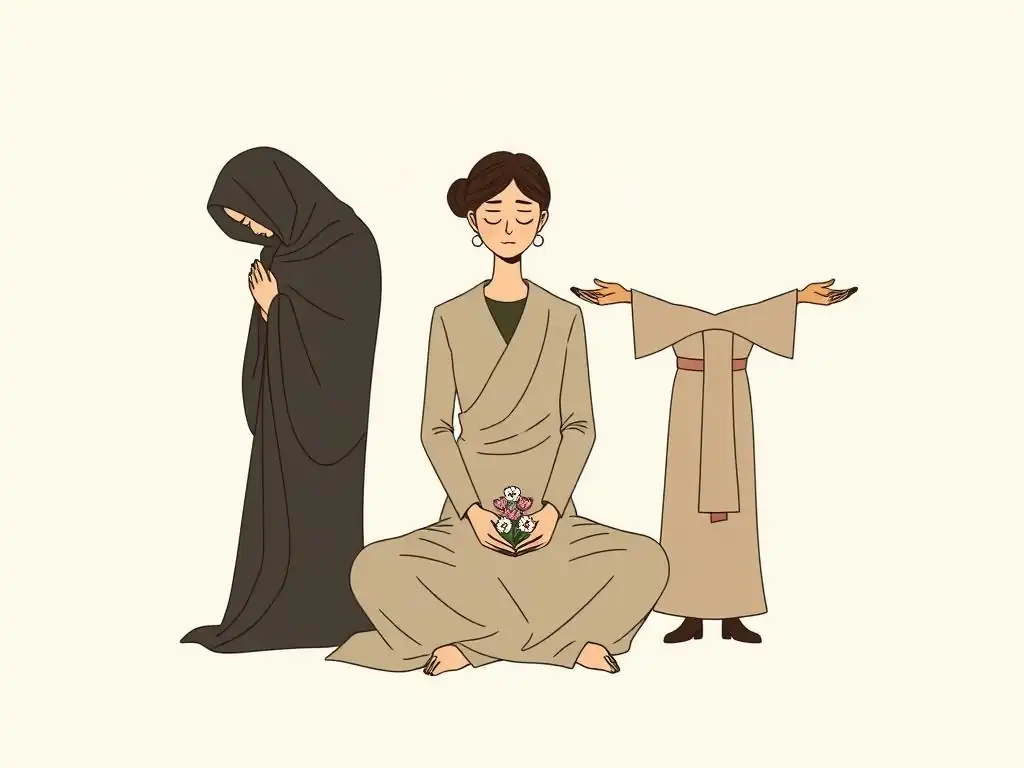
This section delves into the fascinating diversity of how cultures approach grief and mourning, exploring the nuances of expressing sorrow and conducting rituals surrounding death. Understanding these variations is crucial for appreciating the complexity of "crosscultural attitudes death dying" and fostering cross-cultural sensitivity. We'll examine how cultural norms shape individual experiences and societal responses to loss.
Expressions of Grief: A Cross-Cultural Comparison
The outward manifestation of grief varies dramatically across cultures. While some societies encourage open displays of emotion, such as loud wailing and weeping (common in many parts of the Middle East and Africa), others prioritize stoicism and restraint, valuing composure and quiet reflection (as seen in some East Asian cultures). These differences aren't merely stylistic choices; they reflect deeply ingrained cultural values and beliefs about death, the afterlife, and the appropriate social behavior during bereavement.
For example, in some cultures, intense emotional outbursts are considered a healthy and necessary part of the grieving process, a way to release pent-up sorrow and begin the healing journey. Conversely, in other cultures, such displays might be viewed as disruptive or disrespectful to the deceased and the community. This highlights the importance of understanding the specific cultural context when interpreting expressions of grief. The absence of outward emotion doesn't necessarily equate to a lack of inner pain; it simply reflects a different cultural approach to managing grief.
Consider the impact of societal expectations on individual expression. Individuals may suppress their natural reactions to conform to cultural norms, leading to internalized distress. This internal conflict underscores the importance of culturally sensitive support systems that acknowledge and validate a wide spectrum of grieving responses. Research consistently shows the impact of social support on the grieving process, demonstrating that understanding and acceptance from one's community are vital for healthy coping.
Funeral Rites and Ceremonies: Diverse Practices Worldwide
Funeral rites and ceremonies are powerful expressions of cultural beliefs and values surrounding death. These rituals often involve elaborate preparations of the body, specific burial or cremation practices, and commemorative events that honor the deceased and provide solace to the bereaved. The diversity is astonishing, reflecting the wide range of beliefs about the afterlife and the deceased's continued presence.
A comparison of funeral practices reveals striking contrasts. Some cultures emphasize elaborate displays of wealth and status in funeral arrangements, while others prioritize simplicity and reverence for the natural world. For instance, elaborate funeral processions with music, dancing, and feasting are common in some Latin American countries, contrasting sharply with the quiet, private ceremonies practiced in some parts of Asia. Even the treatment of the deceased’s remains varies considerably; some cultures favor elaborate embalming and open-casket viewings, while others opt for immediate cremation or burial.
The variations in funeral rites also reflect differing beliefs about the afterlife. Some cultures believe in reincarnation, leading to rituals focused on ensuring a peaceful transition for the deceased's soul. Others may emphasize remembrance and the continued bond between the living and the dead through memorial services and ancestral veneration. This diversity highlights the importance of respecting the cultural significance of these rituals, avoiding judgment, and appreciating their role in the grieving process. Understanding these differences is critical in providing culturally sensitive support and avoiding unintentional offense.
The duration and nature of mourning periods also exhibit significant cultural variations. Some cultures observe extended periods of mourning, involving restrictions on social activities, dietary habits, and attire. Others may have shorter, less formally defined mourning periods. These variations reflect cultural beliefs about the appropriate time frame for grieving and reintegrating into society.
For example, some cultures prescribe specific clothing or symbols of mourning, such as wearing black or covering mirrors. Social interactions might be limited during this period, with individuals withdrawing from social gatherings or avoiding certain activities. These practices are not arbitrary; they serve a vital purpose in providing time and space for grieving and facilitating the transition back to daily life. Furthermore, the expectations placed on mourners also differ significantly across cultures. In some societies, mourners are expected to express their grief publicly and openly, while in others, they may be expected to maintain a composed demeanor.
Understanding these cultural nuances is especially important for those working in cross-cultural settings, such as healthcare professionals, social workers, and grief counselors. Sensitivity to these differences is vital for providing effective support and avoiding cultural misunderstandings. Failing to recognize these variations can unintentionally cause additional distress to those already grappling with loss. Therefore, cultural competency in understanding "crosscultural attitudes death dying" is not just a matter of politeness; it's a critical component of providing respectful and effective care.
Death Anxiety and its Cultural Manifestations
Death anxiety, the fear of death and the unknown that follows, is a universal human experience. However, the intensity of this anxiety and the ways in which it manifests vary significantly across cultures. Understanding these crosscultural attitudes towards death and dying requires acknowledging the profound influence of cultural norms, beliefs, and practices.
This section explores how cultural factors shape the experience and expression of death anxiety, highlighting the diverse ways different societies approach mortality. We will examine how cultural beliefs influence the fear of death, the coping mechanisms employed, and the role of religion and spirituality in navigating this fundamental aspect of the human condition. The study of crosscultural attitudes towards death and dying offers valuable insights into human psychology and the intricate interplay between individual experience and cultural context.
Cultural Beliefs and Fear of Death
Cultural beliefs profoundly impact the level of death anxiety experienced by individuals. Societies with a strong emphasis on the afterlife, reincarnation, or ancestor veneration often exhibit lower levels of death anxiety compared to those with a more secular outlook. For example, in many indigenous cultures, death is viewed as a transition to another realm, a continuation of existence rather than an absolute end. This perspective can lessen the fear associated with the unknown.
Conversely, cultures that emphasize the finality of death and lack clear narratives about what happens after death may experience higher levels of death anxiety. The absence of comforting narratives surrounding death can amplify feelings of fear and uncertainty. Furthermore, the cultural narratives surrounding death – are they presented as peaceful, violent, or mysterious – significantly impact the individual’s emotional response.
Research consistently shows a correlation between cultural narratives about death and the prevalence of death anxiety within those cultures. [Specific data on prevalence rates pending]. Understanding these varying cultural narratives is crucial in addressing the diverse manifestations of death anxiety across different populations.
Coping Mechanisms and Cultural Support Systems
Coping mechanisms for death anxiety also vary significantly across cultures. Some cultures emphasize communal mourning rituals and practices that provide social support and a sense of shared experience. These rituals, often involving elaborate ceremonies and extended periods of grief, offer a structured way to process the emotional impact of death and provide a sense of community during a difficult time.
Other cultures may focus on individual coping strategies, such as meditation, prayer, or artistic expression. The availability and accessibility of mental health services also play a crucial role. Cultures with robust mental health infrastructure and a reduced stigma surrounding mental illness offer individuals more avenues for managing their death anxiety.
In contrast, cultures with limited access to such resources may rely more heavily on informal support systems, such as family and community networks. The effectiveness of these coping mechanisms is further shaped by cultural norms around emotional expression. Cultures that encourage open expression of grief may offer individuals healthier ways to process their emotions, while cultures that suppress emotional displays may inadvertently exacerbate death anxiety.
The Influence of Religion and Spirituality on Death Anxiety
Religion and spirituality play a significant role in shaping attitudes toward death and dying across various cultures. Many religions offer comforting narratives about the afterlife, providing a sense of meaning and purpose beyond the physical realm. The belief in heaven, reincarnation, or reunion with deceased loved ones can significantly reduce death anxiety.
Conversely, some religious beliefs may emphasize the judgment and punishment after death, potentially increasing anxiety for those who fear divine retribution. The specific tenets of a religion or spiritual belief system, therefore, significantly impact how individuals perceive and cope with death. Furthermore, religious practices, such as prayer, meditation, or ritualistic ceremonies, can serve as powerful coping mechanisms, providing comfort, solace, and a sense of connection to something larger than oneself.
The role of religious leaders and communities in providing spiritual guidance and support is also crucial in mitigating death anxiety within religious contexts. A comparative study of religious and secular views on death would be illuminating in understanding the crosscultural variations in attitudes toward mortality. [Data on specific religious beliefs and their impact on death anxiety pending].
Attitudes Toward Death and Dying in Specific Cultures

This section delves into the diverse ways different cultures approach the concepts of death and dying, highlighting the significant variations in beliefs, rituals, and emotional responses. Understanding these cross-cultural attitudes towards death and dying is crucial for fostering empathy and cultural sensitivity, particularly in fields like healthcare, social work, and international relations. The profound impact of cultural background on individual experiences with mortality cannot be overstated. We will explore specific examples to illustrate the richness and complexity of these perspectives.
Japanese Perspectives on Death and Dying
Japanese culture traditionally emphasizes respect for ancestors and a relatively subdued expression of grief in public. Death is often viewed as a natural transition, a part of the continuous cycle of life. The concept of shizuka na shi (peaceful death) is highly valued, aiming for a painless and dignified passing. Funeral rites are elaborate and meticulously planned, focusing on honoring the deceased and ensuring their peaceful journey to the afterlife. The emphasis is often on the collective mourning of the family and community, with less focus on individual expressions of sorrow.
Furthermore, the concept of obon, a Buddhist festival honoring ancestors, plays a significant role in Japanese attitudes towards death. During obon, families visit graves, offer prayers, and perform rituals to welcome the spirits of their ancestors back home. This demonstrates a continuing connection with the deceased, emphasizing remembrance and continuity rather than finality. The strong emphasis on family and community support during times of grief is a key aspect of Japanese cultural responses to death.
Mexican Traditions Surrounding Death and Remembrance
In contrast to the subdued nature of some Japanese traditions, Mexican culture exhibits a more vibrant and celebratory approach to death, particularly evident in the Día de Muertos (Day of the Dead). This holiday, celebrated on November 1st and 2nd, is not a day of mourning but rather a joyous occasion to remember and honor deceased loved ones. Families create elaborate ofrendas (offerings) filled with the deceased's favorite foods, drinks, and personal items. Skulls, sugar skeletons ( calaveras), and vibrant colors are prominent symbols, reflecting a less fearful and more celebratory perspective on mortality.
The ofrendas themselves are a powerful symbol of remembrance. They represent a continuation of the relationship with the deceased, a belief that the spirits return to visit their families during Día de Muertos. This active remembrance, far from being morbid, is a celebration of life and a testament to the enduring bonds between the living and the dead.
The focus is on sharing stories, laughter, and cherished memories, creating a powerful sense of community and shared heritage. The vibrant colors and festive atmosphere are a stark contrast to the somber tones often associated with death in other cultures, highlighting the unique cultural nuances in how death is perceived and processed.
Tibetan Buddhist Beliefs on Reincarnation and Death Rituals
Tibetan Buddhism offers a unique perspective on death, viewing it not as an ending but as a transition to another stage of existence. The concept of reincarnation is central to Tibetan Buddhist beliefs, shaping attitudes toward death and dying significantly. The emphasis is not on grief or fear, but on preparing for the next life through spiritual practices and rituals.
Death rituals in Tibetan Buddhism are complex and often involve specific practices aimed at assisting the deceased in their journey to rebirth. These rituals, performed by trained lamas, are designed to guide the deceased’s consciousness and ensure a positive rebirth. The focus is on the spiritual well-being of the deceased and their future karmic trajectory, rather than on mourning the physical loss.
The emphasis on spiritual preparation and the belief in rebirth contribute to a distinct cultural understanding of death and dying, characterized by acceptance and a focus on the ongoing cycle of existence. This perspective fosters a sense of peace and acceptance surrounding death, offering a profoundly different framework for understanding mortality compared to cultures emphasizing the finality of death. The intricate rituals and spiritual guidance provided offer comfort and support during this transition, shaping the cultural landscape of death and dying in profoundly unique ways.
Cross-Cultural Perspectives on Euthanasia and Palliative Care

This section delves into the diverse global perspectives on euthanasia and palliative care, highlighting the significant influence of cultural beliefs and practices on end-of-life decisions. Understanding these cross-cultural attitudes is crucial for developing sensitive and effective healthcare policies and practices. The concept of a "good death," for instance, varies dramatically across cultures, shaping attitudes towards medical interventions like euthanasia and the extent of palliative care sought.
Ethical Considerations and Cultural Beliefs
Ethical considerations surrounding euthanasia and assisted suicide are heavily intertwined with deeply rooted cultural beliefs. In some societies, prolonging life through any means is considered a moral imperative, regardless of the individual's suffering. This perspective often stems from religious beliefs emphasizing the sanctity of life and the importance of accepting death as a natural process.
Conversely, other cultures may prioritize an individual's autonomy and right to self-determination, even if it means choosing to end their life to alleviate unbearable suffering. The availability of palliative care, designed to manage pain and improve quality of life, also varies significantly, influenced by a complex interplay of cultural norms, economic factors, and healthcare infrastructure.
For example, some cultures may favor a more holistic approach to palliative care, incorporating traditional healing practices alongside Western medical interventions, while others might rely predominantly on biomedical approaches. This difference in approach impacts not only the type of care offered but also the overall experience of dying and the perspectives on life's end.
The debate surrounding euthanasia is further complicated by the potential for cultural bias in healthcare decision-making. Healthcare professionals, often unintentionally, may impose their own cultural values and beliefs on patients from different cultural backgrounds, leading to ethical dilemmas and potentially inappropriate care. Cultural sensitivity training and a deeper understanding of cross-cultural attitudes towards death and dying are vital for ensuring equitable and ethical end-of-life care for all individuals.
Access to End-of-Life Care: Global Disparities
Access to quality end-of-life care, including palliative care and, where legal, euthanasia, exhibits stark global disparities. These disparities are not solely determined by economic factors, although wealth certainly plays a role. Cultural beliefs and healthcare systems also significantly impact access.
In many developing nations, palliative care services are severely limited, with a lack of trained professionals, resources, and infrastructure contributing to inadequate pain management and support for dying individuals. Furthermore, cultural stigma surrounding death and dying can hinder open discussions about end-of-life wishes, making it challenging to provide appropriate care. This lack of access disproportionately affects vulnerable populations, exacerbating existing health inequalities.
For example, [specific data on palliative care access in various regions pending]. Understanding these disparities is crucial for developing targeted interventions to improve access to quality end-of-life care worldwide. This requires not only increased funding and infrastructure development but also culturally sensitive approaches that respect and accommodate diverse beliefs and practices.
Cultural Influences on Decision-Making in End-of-Life Situations
Cultural norms significantly influence decision-making processes regarding end-of-life care. Family dynamics play a crucial role in many cultures, with decisions about treatment often made collectively, rather than solely by the individual. This can lead to conflicts when the patient's wishes differ from those of their family. The role of religion and spirituality in shaping end-of-life decisions also varies considerably across cultures.
Some religions may strictly prohibit certain medical interventions, while others may offer guidance and support for end-of-life choices. For example, in some cultures, family members might actively participate in the dying process, offering comfort and support, while in others, a more distanced approach may be preferred. Understanding these cultural nuances is critical for healthcare providers to effectively communicate with patients and their families, navigating complex ethical considerations and respecting individual preferences within a culturally sensitive framework.
This includes recognizing that the concept of "autonomy" itself can be interpreted differently across various cultural contexts, highlighting the need for a nuanced and respectful approach to decision-making in end-of-life situations. The impact of cultural beliefs on the acceptance of palliative care and euthanasia should be carefully considered to provide truly person-centered care that respects individual values and beliefs. Further research is needed to fully understand the complex interplay of cultural factors in these decision-making processes, particularly in diverse and rapidly changing societies.
Implications for Psychology and Healthcare Professionals
Understanding the vast spectrum of crosscultural attitudes toward death and dying is paramount for psychology and healthcare professionals. Ignoring these differences can lead to ineffective treatment, miscommunication, and ultimately, a failure to provide appropriate and compassionate care. The impact extends beyond individual patient experiences; it influences the development of effective policies and the overall ethical framework of healthcare systems. The need for culturally sensitive practices is not merely a matter of politeness; it’s a fundamental requirement for providing equitable and effective care. This section will explore the implications of cultural variations in end-of-life care and intervention strategies.
Cultural Sensitivity in End-of-Life Care
Cultural sensitivity in end-of-life care necessitates a shift from a generalized approach to a personalized, culturally informed strategy. This involves acknowledging that what constitutes “good death” varies significantly across cultures. For instance, in some cultures, a peaceful death at home surrounded by family is highly valued, while in others, death in a hospital with medical intervention might be preferred. The concept of grief itself is shaped by cultural norms; expressions of grief, the duration of mourning, and even the rituals associated with death differ drastically.
Consider the following examples: In some Asian cultures, open displays of grief might be considered inappropriate, while in other cultures, loud wailing and public mourning are expected and even encouraged. Similarly, the role of family members in end-of-life decision-making can vary significantly, with some cultures prioritizing family consensus over individual autonomy. Healthcare professionals must be equipped to navigate these complexities, understanding that a patient's cultural background will profoundly influence their preferences and expectations regarding pain management, communication styles, and end-of-life choices.
Failure to account for these factors can lead to misunderstandings, mistrust, and potentially, suboptimal care. A lack of cultural awareness can lead to unintended offense and may even be perceived as disrespectful or insensitive.
Therefore, thorough training and ongoing education are crucial for healthcare providers to effectively address the diverse needs of their patients. Data on patient satisfaction and treatment outcomes demonstrates a strong correlation between culturally sensitive care and positive patient experiences.
Developing Culturally Competent Interventions
Developing culturally competent interventions requires a multi-pronged approach. This includes:
- Comprehensive cultural assessments: Before initiating any intervention, a thorough assessment of the patient's cultural background, beliefs, and preferences is crucial. This might involve using validated cultural assessment tools or conducting in-depth interviews with the patient and their family.
- Culturally adapted interventions: Interventions should be adapted to resonate with the patient's cultural context. This could involve modifying communication styles, incorporating culturally relevant rituals, or adjusting the format of therapeutic interventions to better suit the patient's preferences.
- Collaboration with community resources: Working with community leaders, religious figures, and cultural organizations can provide valuable insights and resources for developing culturally sensitive interventions. This collaborative approach ensures that interventions are not only effective but also respectful of the patient's cultural values.
- Training and education for healthcare professionals: Ongoing training and education are essential to equip healthcare professionals with the knowledge and skills needed to provide culturally competent care. This training should focus on cultural awareness, communication skills, and ethical considerations related to crosscultural care.
The development of culturally competent interventions is an ongoing process that requires continuous learning, adaptation, and reflection. It is not a one-size-fits-all approach, but rather a commitment to providing individualized and respectful care that acknowledges and values the unique cultural backgrounds of patients. Ignoring these cultural nuances can lead to ineffective interventions, erode trust, and ultimately, compromise the quality of care.
By embracing cultural sensitivity, healthcare professionals can ensure that all patients receive the compassionate and effective care they deserve, regardless of their cultural background. Further research into the specific needs of various cultural groups is crucial to refine and improve culturally competent interventions for optimal outcomes related to crosscultural attitudes death dying.
Frequently Asked Questions
What are some common cross-cultural differences in attitudes toward death and dying?
Cross-cultural attitudes toward death and dying vary significantly. Some cultures emphasize celebration of life, while others focus on mourning and grief. Rituals and beliefs surrounding death also differ greatly.
How do cultural beliefs influence the grieving process?
Cultural beliefs profoundly shape the grieving process. Acceptable expressions of grief, the duration of mourning, and even the roles of family members vary widely across cultures. Understanding these differences is crucial for providing sensitive support.
Are there cultures that view death less negatively than others?
Yes, some cultures view death as a natural transition or even a celebration, emphasizing the continuation of life in the afterlife or reincarnation. Others focus on the positive aspects of a life lived, minimizing the negativity associated with death itself.
How do cultural attitudes toward death influence end-of-life care?
Cultural attitudes significantly impact end-of-life care preferences. Decisions regarding medical intervention, the location of death (e.g., at home vs. hospital), and the rituals surrounding death are all influenced by cultural beliefs and values.
What is the role of religion in shaping attitudes toward death and dying?
Religion plays a significant role in shaping attitudes toward death and dying across many cultures. Religious beliefs often influence views on the afterlife, rituals surrounding death, and the meaning and purpose of life and death. This can heavily impact coping mechanisms and grieving processes.
Final Reflection: Bridging the Gap Between Life and Death Across Cultures
Understanding cultural variations in attitudes toward death and dying is not merely an academic exercise; it is a crucial step towards fostering empathy, respect, and ultimately, a more compassionate world. The stark realities of differing beliefs, rituals, and grieving processes highlight the urgent need for cross-cultural understanding in an increasingly interconnected global society. Ignoring these differences can lead to misunderstandings, insensitivity, and a failure to provide truly supportive care to individuals and families navigating the most profound moments of their lives.
The exploration of these diverse perspectives has profoundly impacted my own understanding of mortality and the human experience. It has challenged my preconceived notions and broadened my appreciation for the richness and complexity of human responses to death. Death is not the opposite of life, but a part of it.
This simple yet profound statement encapsulates the essence of what I've learned: death is not a singular event, but a process shaped by cultural context, personal beliefs, and individual experiences. The ways in which different cultures approach death offer valuable insights into the human condition, revealing the enduring power of hope, faith, and the enduring bonds of community even in the face of loss.
Consider the implications of this knowledge in your own life. How can you cultivate greater sensitivity and awareness of cultural differences when interacting with individuals from diverse backgrounds? How might you incorporate these insights into your personal relationships, professional interactions, and community engagement? Let the exploration of these diverse perspectives serve as a catalyst for deeper empathy, a more nuanced understanding of the human experience, and a commitment to building a world where everyone feels supported and respected during life's most challenging transitions.
Embrace Life: Transform Your Perspective on Death
Thank you for exploring the profound topic of cultural differences in attitudes toward death and dying. Your willingness to engage with these vital issues demonstrates a commitment to enriching your understanding of life and the diverse beliefs that shape our perspectives. Now, let's put that knowledge into practice.
Here's how you can deepen your understanding and share your insights:
- Reflect on Your Beliefs: Take some time to journal about your personal views on death. How do they compare to the cultural perspectives you've learned about? This process can be incredibly insightful.
- Engage in Meaningful Conversations: Share your newfound knowledge with friends and family. Initiate open and understanding discussions about death. You might be surprised by the perspectives you uncover.
- Connect with a Supportive Community: Seek out groups or online forums that discuss end-of-life issues and cultural attitudes. Interacting with diverse viewpoints can broaden your understanding and create a supportive network.
What cultural perspective on death has resonated most with you, and how will this influence your life moving forward?