
The Influence of Culture on Gender Roles and Behavior

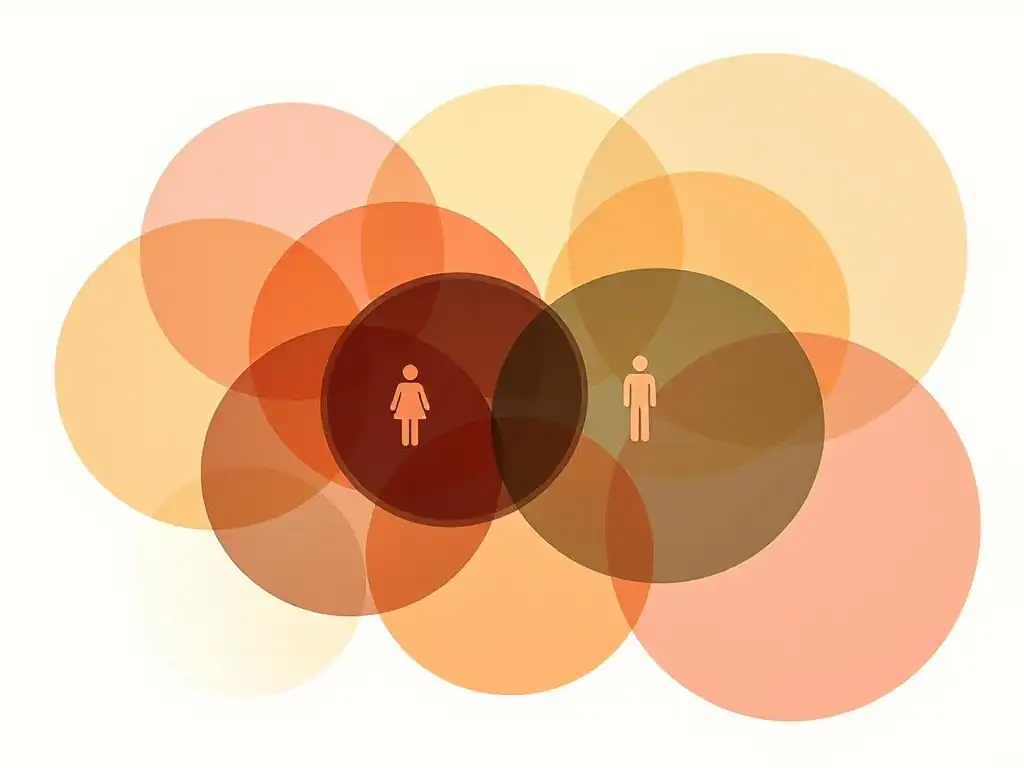
Welcome to Psychology Basics, your gateway to understanding the fascinating world of human behavior. Are you curious about how deeply culture shapes our perceptions of gender? Our exploration of Culture's Impact on Gender Roles reveals surprising insights into how societal norms influence individual identities and behaviors. Dive in and uncover the complex interplay between culture and gender – you might be surprised by what you discover!
- Culture's Impact on Gender Roles: A Global Perspective
- Examining Specific Cultural Influences on Gender
- Gender and Behavior: Cultural Nuances
- Culture's Impact on Gender Roles: Implications for Psychology
- Future Directions in Research on Culture and Gender
-
Frequently Asked Questions
- How does culture shape our understanding of gender roles?
- Are gender roles biologically determined or culturally constructed?
- What are some examples of how culture impacts gender roles?
- Can culture's influence on gender roles be changed?
- How does the study of culture's impact on gender roles benefit society?
- Final Reflection: Redefining Gender: Culture's Enduring Legacy
- Unveil Your Cultural Impact on Gender Roles Today!
Culture's Impact on Gender Roles: A Global Perspective
Understanding how culture shapes our understanding and experience of gender is crucial to comprehending human behavior. This article delves into the multifaceted influence of culture on gender roles and behavior, exploring how societal norms, traditions, and values contribute to the diverse expressions of masculinity and femininity across the globe. We will examine how cultural contexts significantly impact the development of gender identity, the expectations placed upon individuals based on their perceived gender, and the resulting behaviors observed in different societies.
This exploration aims to illuminate the complex interplay between biology, culture, and individual experience in shaping gender roles, challenging the notion of a universal, biologically determined gender identity. By analyzing cross-cultural variations, we can gain a deeper appreciation for the fluidity and relativity of gender, moving beyond simplistic binary understandings. This nuanced perspective is essential for fostering inclusivity and understanding in an increasingly interconnected world.
The impact of culture on gender roles is a significant area of study within cultural psychology, offering valuable insights into human behavior and social dynamics. This exploration will help clarify how "Culture's impact on gender roles" manifests in various societies and the implications of these variations.
Defining Gender Roles and Their Cultural Variability
Gender roles, the societal expectations and behaviors associated with being male or female, are far from universal. What constitutes "masculine" or "feminine" behavior varies dramatically across cultures. For example, in some cultures, men are expected to be the primary breadwinners and maintain emotional stoicism, while women are expected to be caregivers and prioritize family needs.
However, in other cultures, these roles are far more fluid, with shared responsibilities and a broader range of acceptable behaviors for both men and women. These differences highlight the significant influence of cultural norms and values in shaping gender expectations. The concept of gender itself is socially constructed, meaning that it's not solely determined by biological sex but is shaped by the cultural context in which individuals live.
This social construction influences not only how individuals perceive themselves but also how they are perceived and treated by others. The variability in gender roles across cultures demonstrates the malleability of gender and its dependence on social and cultural factors. Even within a single culture, there can be significant variations in gender roles based on factors such as socioeconomic status, religion, and geographic location.
Socialization plays a pivotal role in shaping gender identity from a very young age. Children learn gender roles and expectations through observation, imitation, and reinforcement from family, peers, and media. Parents, often unconsciously, perpetuate cultural norms by providing different toys, encouraging different activities, and reinforcing gender-stereotypical behaviors.
Educational institutions also contribute to socialization, often implicitly reinforcing traditional gender roles through curriculum, classroom interactions, and extracurricular activities. Media representations, particularly in television, film, and advertising, further solidify and perpetuate these norms. The constant exposure to these reinforcing messages contributes to the internalization of gender roles and the development of a sense of self that aligns with cultural expectations.
This process is not static; ongoing societal changes and evolving cultural norms can influence the ways in which gender identity is formed and expressed. The process of socialization is a dynamic interaction between the individual and their environment, highlighting the complex interplay between personal experiences and cultural influences.
Cross-Cultural Variations in Gender Expectations and Behaviors
Significant cross-cultural variations exist in gender expectations and behaviors. For instance, in some collectivist cultures, interdependence and conformity to group norms are highly valued, leading to more traditional gender roles where individuals prioritize the needs of the family and community. In contrast, individualistic cultures often prioritize personal achievement and self-expression, which may lead to more flexible and less rigidly defined gender roles.
Studies have shown that gender equality is not uniformly distributed across the globe, with some nations exhibiting greater progress in achieving gender parity than others. This disparity reflects the varying degrees to which cultural norms and values support or challenge traditional gender roles. Furthermore, the impact of globalization and technological advancements on cultural norms is increasingly significant, leading to both the reinforcement and the erosion of traditional gender roles in different contexts.
Analyzing these variations allows for a richer understanding of how gender operates within diverse cultural frameworks. Understanding these nuances is crucial for developing effective strategies to promote gender equality and address gender-based inequalities worldwide.
Examining Specific Cultural Influences on Gender

This section delves into the multifaceted ways culture shapes our understanding and experience of gender, moving beyond broad generalizations to explore specific cultural factors and their impact on gender roles and behaviors. The influence of culture on gender is profound and pervasive, affecting everything from occupational choices to family dynamics. Understanding these nuances is crucial to appreciating the diversity of human experience and challenging ingrained biases.
Gender Roles in Individualistic vs. Collectivistic Cultures
The distinction between individualistic and collectivistic cultures offers a powerful lens through which to examine variations in gender roles. Individualistic cultures, such as those found in many Western societies, prioritize personal achievement, independence, and self-reliance. In these contexts, gender roles may be more fluid, with greater emphasis on individual choice and expression. Women, for example, may be more likely to pursue careers outside the home, and men may be more involved in childcare.
Conversely, collectivistic cultures, common in many parts of Asia and Africa, emphasize group harmony, interdependence, and social responsibility. Gender roles in these societies tend to be more traditional and clearly defined. Women may be expected to prioritize family responsibilities, while men may be seen as the primary breadwinners. This isn't to say that individual expression is absent, but rather that societal expectations often prioritize the needs of the collective over individual aspirations.
Consider the following table illustrating some key differences:
| Feature | Individualistic Cultures | Collectivistic Cultures |
|---|---|---|
| Gender Roles | More fluid, adaptable, individualistic choices | More rigid, traditional, collective emphasis |
| Career Choices | Greater emphasis on personal ambition | Family obligations often prioritized |
| Family Structure | Nuclear family often emphasized | Extended family often plays a significant role |
| Decision-Making | Individual autonomy emphasized | Consensus and group input valued |
It's important to note that these are broad generalizations, and significant variation exists within each cultural category. Furthermore, globalization and modernization are leading to shifts in traditional gender roles even within strongly collectivistic societies. The interplay between tradition and change is a complex and dynamic process, constantly reshaping the landscape of gender within different cultural contexts.
The Impact of Religion and Spirituality on Gender Norms
Religion and spirituality play a significant role in shaping gender norms across various cultures. Many religious traditions have established doctrines and practices that define appropriate gender roles and behaviors. These often dictate expectations regarding marriage, family, work, and public life. For example, some religions may emphasize male dominance within the family structure, while others may advocate for gender equality or even female leadership roles.
The interpretation and application of religious texts and traditions can vary widely depending on cultural context and individual interpretation. Even within a single religion, different sects or communities may hold contrasting views on gender roles. This internal diversity highlights the complex interaction between religious belief and cultural interpretation. Moreover, the influence of religious beliefs on gender norms is not static; it is subject to ongoing negotiation and reinterpretation as societies evolve. The rise of feminist theology, for example, demonstrates the ongoing effort to reconcile religious doctrines with contemporary understandings of gender equality.
Analyzing the impact of religion on gender requires careful consideration of specific religious traditions, their historical development, and their contemporary interpretations within diverse cultural contexts. A nuanced understanding requires moving beyond simplistic generalizations and acknowledging the multifaceted relationship between faith, culture, and gender.
Influence of Economic Systems on Gender Roles and Opportunities
Economic systems profoundly influence gender roles and opportunities. In societies with predominantly agricultural economies, traditional gender divisions of labor often persist, with women primarily responsible for domestic tasks and men for farming or other physically demanding work. This division of labor can reinforce traditional gender roles and limit women's access to education and economic independence.
However, as societies industrialize and transition to service-based economies, gender roles can become more fluid. Increased access to education and employment opportunities for women can challenge traditional gender norms and lead to greater gender equality. Nevertheless, even in advanced economies, gender pay gaps and occupational segregation persist, indicating the enduring influence of deeply ingrained cultural biases.
The impact of globalization and technological advancements further complicates the picture. While these factors can create new opportunities for women in some sectors, they may also exacerbate existing inequalities in others. For example, the rise of the gig economy can create flexible work arrangements that benefit some women, but it may also lead to precarious employment and a lack of social protection.
Analyzing the influence of economic systems on gender requires a comprehensive understanding of the interplay between economic structures, technological change, and cultural norms. The ongoing struggle for gender equality necessitates addressing not only economic disparities but also the deep-seated cultural beliefs that perpetuate them.
Gender and Behavior: Cultural Nuances
This section delves into the intricate ways culture shapes our understanding and experience of gender, moving beyond simple stereotypes to explore the nuanced impact on individual behavior and societal structures. We will examine how cultural norms influence communication styles, perceptions of mental health, and attitudes toward gender equality and violence. Understanding these cultural variations is crucial for fostering inclusivity and promoting mental well-being across diverse populations. The pervasive influence of culture on gender roles is undeniable, shaping everything from childhood socialization to adult relationships.
Cultural Differences in Gendered Communication Styles
Communication styles, often deeply ingrained through cultural socialization, vary significantly across genders and cultures. For example, in some cultures, direct and assertive communication is considered more masculine, while indirect and collaborative communication is associated with femininity. This can lead to misunderstandings and misinterpretations in cross-cultural interactions. Consider the contrasting communication styles between a collectivist culture, prioritizing harmony and indirectness, and an individualistic culture, emphasizing directness and self-expression. These differences aren't inherent to gender itself, but rather products of cultural norms.
Further complicating the matter is the intersectionality of gender with other social identities such as race, class, and sexual orientation. A woman from a working-class background might employ a communication style differing from that of a woman from an upper-class background, even within the same culture. These subtle yet significant variations highlight the complexity of studying gendered communication and the need for culturally sensitive research methodologies.
The impact of culture on how individuals communicate is profound, influencing everything from non-verbal cues to the very language used. Failing to account for this diversity can lead to inaccurate interpretations and perpetuate harmful stereotypes.
Cultural Perceptions of Gender and Mental Health
Cultural beliefs significantly influence how mental health issues are perceived and addressed, particularly concerning gender. In some cultures, expressing certain emotions might be deemed more acceptable for one gender than another. For instance, open displays of sadness or vulnerability might be considered more appropriate for women in some societies, while men are expected to suppress such emotions. This can lead to underdiagnosis and undertreatment of mental health conditions in certain groups. The stigma surrounding mental illness varies dramatically across cultures, further exacerbating the problem.
Data suggests that women in many cultures experience higher rates of depression and anxiety than men, but this disparity isn't solely biological. Societal expectations, gender roles, and cultural norms play a significant role. For example, the pressure on women to conform to traditional gender roles, such as prioritizing family over career, can contribute to stress and mental health challenges.
Conversely, men may face pressure to suppress their emotions and adhere to ideals of stoicism, which can hinder their ability to seek help for mental health concerns. Therefore, understanding the cultural context is paramount in addressing gender disparities in mental health.
Cultural Attitudes Towards Gender Equality and Gender-Based Violence
Cultural norms significantly influence attitudes towards gender equality and the prevalence of gender-based violence (GBV). Some cultures maintain deeply ingrained patriarchal structures that perpetuate gender inequality and normalize GBV. In these contexts, women may face significant barriers to accessing education, healthcare, and economic opportunities. The acceptance of GBV, often rooted in traditional beliefs and power dynamics, is a serious concern. Conversely, cultures promoting gender equality tend to have lower rates of GBV and better outcomes for women's overall well-being.
The data clearly shows a correlation between cultural attitudes and the incidence of GBV. Societies with strong patriarchal norms often report higher rates of domestic violence, sexual assault, and other forms of GBV. However, even within cultures promoting equality, GBV remains a persistent problem. This highlights the need for multifaceted interventions that address both societal norms and individual behaviors.
Effective strategies require a comprehensive approach that incorporates educational programs, legal reforms, and community-based initiatives. Cultural sensitivity is key in designing interventions that are both effective and culturally appropriate. Ignoring cultural nuances can lead to ineffective programs and even unintended harm.
Culture's Impact on Gender Roles: Implications for Psychology

This section delves into the profound influence of culture on the understanding and expression of gender roles, highlighting its significant implications for the field of psychology. We will explore how cultural norms shape perceptions of masculinity and femininity, impacting individual behaviors, mental health, and the very design of psychological research and interventions. Understanding this interplay is crucial for developing effective and culturally sensitive approaches within the field. The keyword phrase "Culture's impact on gender roles" is central to this discussion, emphasizing the dynamic relationship between societal expectations and individual experiences.
Understanding Cultural Bias in Psychological Research
Psychological research, particularly in areas concerning gender, is often susceptible to cultural bias. Studies conducted primarily within Western, industrialized societies may not accurately reflect the diverse range of gender roles and behaviors observed globally. For example, research on gender differences in aggression might yield different results depending on the cultural context. In some cultures, assertiveness in women might be seen as a positive trait, while in others, it could be viewed negatively. This illustrates the critical need for researchers to consider the cultural context when interpreting findings and drawing conclusions about gender differences.
The lack of representation from diverse cultural groups in research samples further exacerbates this issue. Over-reliance on samples primarily from specific cultural backgrounds can lead to generalizations that are not universally applicable and can perpetuate harmful stereotypes. To mitigate this, researchers must actively recruit diverse participants, ensuring that their findings accurately reflect the varied experiences of individuals across different cultures.
Moreover, employing culturally sensitive research methodologies, such as qualitative approaches that allow for nuanced understanding of cultural perspectives, is vital. This includes using culturally appropriate assessment tools and employing interviewers who are fluent in the language and culturally sensitive to the participants' background. Failing to address these biases can lead to inaccurate conclusions about gender roles and behaviors, hindering the development of effective and equitable psychological interventions.
The Importance of Cultural Sensitivity in Therapy and Counseling
Cultural sensitivity is paramount in therapeutic settings when addressing gender-related issues. A therapist's understanding of a client's cultural background is crucial for effective treatment. For instance, a therapist working with a client from a collectivist culture might need to adjust their approach, considering the importance of family and community in decision-making processes related to gender roles and expectations. Ignoring these cultural nuances could lead to misunderstandings, misinterpretations of behavior, and ultimately, ineffective therapy.
Consider the example of a young woman struggling with body image issues. In some cultures, certain body types are highly valued, while others might emphasize different ideals. A therapist lacking cultural awareness might inadvertently reinforce societal pressures that are already impacting the client negatively. A culturally sensitive therapist, however, would acknowledge and address these cultural influences, helping the client develop a healthier self-image within their specific cultural context.
This involves actively engaging in cultural self-reflection, seeking supervision or consultation from colleagues with relevant expertise, and engaging in continuous learning about diverse cultural perspectives. This is not simply about being polite; it's about ensuring ethical and effective practice, leading to better therapeutic outcomes. Furthermore, therapists should be mindful of potential power imbalances stemming from cultural differences and actively work towards creating a safe and equitable therapeutic relationship.
Developing effective interventions for gender-related issues requires a deep understanding of the cultural context. Interventions designed for one culture may not be suitable or effective in another. For example, a program aimed at empowering women might need to be adapted to fit the specific cultural norms and values of the target community. This requires careful consideration of the social structures, religious beliefs, and traditional practices that influence gender roles within that specific culture.
The development of culturally relevant interventions necessitates collaboration with community members and leaders. Their insights and perspectives are invaluable in ensuring that the intervention is both appropriate and acceptable within the cultural context. This collaborative approach fosters trust and increases the likelihood of successful implementation and positive outcomes. Moreover, evaluating the effectiveness of interventions requires culturally sensitive assessment methods that accurately capture the impact of the intervention on the target population.
This might involve adapting existing measures or developing new ones that are specific to the cultural context. Failure to do so could lead to inaccurate conclusions about the intervention's effectiveness and hinder the development of more effective programs in the future. Ultimately, a culturally informed approach is not merely a matter of good practice; it is essential for creating meaningful and sustainable change in addressing gender-related issues globally.
Future Directions in Research on Culture and Gender
Exploring Emerging Trends and Shifting Gender Roles
The study of culture's impact on gender roles is a dynamic field, constantly evolving to reflect societal shifts. Future research needs to account for the increasingly fluid nature of gender identities and expressions. Traditional binary classifications of male and female are insufficient to capture the complexities of gender in many cultures. We need more research exploring non-binary gender identities and how these are perceived and accommodated within different cultural contexts.
This includes investigating how cultural norms and beliefs are adapting (or failing to adapt) to these evolving understandings of gender. For example, research could focus on how LGBTQ+ rights movements are impacting traditional gender roles across diverse cultures, examining both the acceptance and resistance encountered. Quantitative studies utilizing large-scale surveys could track changes in attitudes towards gender fluidity over time and across different cultural groups. Qualitative methods, such as in-depth interviews and ethnographic studies, can provide richer insights into the lived experiences of individuals who identify outside the gender binary within specific cultural contexts.
Understanding the generational differences in attitudes towards gender roles within cultures is also crucial. Younger generations often exhibit more progressive views compared to older generations, presenting a fertile area for longitudinal studies that chart these shifts over time. This will help us better understand the trajectory of cultural change regarding gender and predict potential future trends.
Culture's impact on gender roles rarely exists in isolation. It is intricately interwoven with other social identities such as race, class, ethnicity, and socioeconomic status. Future research must move beyond simplistic models and embrace intersectionality. For instance, the experience of being a woman in a patriarchal culture differs significantly depending on her race and socioeconomic background.
A wealthy, educated woman may navigate gendered expectations differently than a poor, uneducated woman from the same culture. Similarly, the experiences of men are also shaped by their intersectional identities. Future studies should examine the complex interplay of these factors. For example, research could compare the gender roles and expectations placed upon men from different racial and class backgrounds within a single culture.
This requires employing mixed-methods approaches, combining quantitative data on prevalence of certain behaviors or attitudes with qualitative data that captures the lived experiences of individuals from diverse backgrounds. This will offer a nuanced understanding of how multiple social identities interact to shape gendered experiences and behaviors. The use of more inclusive research methodologies is vital, ensuring that diverse voices and perspectives are represented and not marginalized. This includes careful consideration of language and translation issues in cross-cultural studies to minimize bias and ensure accurate representation of concepts related to gender and other social identities.
Addressing Methodological Challenges in Cross-Cultural Gender Research
Cross-cultural gender research faces unique methodological challenges. One key issue is the potential for researcher bias. Researchers must be acutely aware of their own cultural biases and strive for objectivity in data collection and interpretation. Employing culturally sensitive research methods is crucial. This means adapting research instruments and approaches to be appropriate for the specific cultural context being studied.
Simple translations of questionnaires are often insufficient; concepts related to gender may have different meanings across cultures. Qualitative methods, such as participatory action research, can empower local communities to participate actively in the research process, thereby mitigating potential biases and ensuring cultural sensitivity. Another challenge lies in the comparability of data across different cultural settings. Researchers need to develop standardized measures that are valid and reliable across diverse cultures, while also acknowledging the importance of cultural context.
This requires careful consideration of the cultural appropriateness of measurement instruments and the potential for cultural variations in response styles. For example, a scale measuring gender role attitudes may need to be adapted to reflect the specific cultural nuances of the target population, considering both the language used and the underlying cultural beliefs about gender. Finally, gaining access to diverse populations and ensuring ethical considerations are met in cross-cultural research requires thoughtful planning and collaboration with local communities and researchers. Addressing these methodological hurdles will be crucial for producing robust and generalizable findings in the field of cross-cultural gender research.
Frequently Asked Questions
How does culture shape our understanding of gender roles?
Culture significantly impacts our perception of appropriate behaviors for men and women. These societal norms and expectations vary widely across different cultures, influencing everything from career choices to family dynamics. Socialization plays a crucial role in internalizing these cultural expectations.
Are gender roles biologically determined or culturally constructed?
While biology plays a role in certain aspects of sex differences, the vast majority of what we consider "gender roles" are culturally constructed. These roles are learned through socialization processes and vary drastically across different cultures and historical periods. Nature and nurture interact in complex ways.
What are some examples of how culture impacts gender roles?
Cultures differ dramatically in their expectations. For example, in some cultures, women are primarily homemakers, while in others, they may hold positions of significant power. Similarly, expressions of masculinity and femininity vary widely, affecting self-perception and interpersonal interactions.
Can culture's influence on gender roles be changed?
Yes, cultural norms are not static. Social movements and evolving societal values can lead to shifts in gender roles and expectations. Increased awareness and education are vital for promoting more inclusive and equitable gender roles.
How does the study of culture's impact on gender roles benefit society?
Understanding this impact is crucial for creating a more just and equitable society. By recognizing the socially constructed nature of gender roles, we can challenge harmful stereotypes and promote gender equality in various aspects of life, from the workplace to the family.
Final Reflection: Redefining Gender: Culture's Enduring Legacy
The rigid definitions of gender we often take for granted are, in reality, fluid constructs heavily shaped by cultural norms. Understanding this dynamic is not merely an academic exercise; it's crucial for navigating the complexities of our increasingly interconnected world and fostering genuine equality. The pervasive influence of culture on gender roles continues to impact individuals and societies in profound ways, demanding ongoing critical analysis and action.
The exploration of how culture dictates gender expectations has been a deeply personal journey, forcing me to confront my own biases and assumptions. Culture is not inherited; it is learned, and it can be unlearned.
This quote highlights the potential for change and the importance of actively challenging ingrained societal norms. The ongoing struggle for gender equality, visible in movements worldwide, underscores the persistent power of cultural influence and the urgent need for continued dialogue and education. We must acknowledge the historical and ongoing impact of cultural narratives on shaping gender roles, recognizing the diverse experiences and perspectives within and across cultures.
Consider the ways in which your own cultural background has shaped your understanding of masculinity and femininity. Challenge the stereotypes you encounter daily, both in your personal life and in the media. Let this exploration serve as a catalyst for empathy, understanding, and a commitment to creating a more equitable and inclusive future for all genders. The journey towards true gender equality requires constant vigilance, critical self-reflection, and a willingness to challenge the status quo. Embrace the opportunity to learn, grow, and contribute to a world where gender is celebrated in all its diverse expressions.
Unveil Your Cultural Impact on Gender Roles Today!
Thank you for exploring the fascinating interplay between culture and gender roles. Understanding this complex relationship empowers you to challenge outdated norms and foster a more inclusive society. Now, let's consider how you can make a difference.
Here are some actionable steps you can take:
- **Reflect on your own cultural background** and how it has shaped your understanding of gender roles. Consider how these beliefs influence your daily interactions. Journaling can be a valuable tool for self-reflection.
- **Engage in conversations** with friends and family about their perspectives on gender roles and the influence of culture. Sharing different viewpoints can lead to insightful discussions and increased understanding.
- **Expand your horizons** by exploring different cultures through books, films, or community events. Immersing yourself in diverse narratives can challenge your assumptions and broaden your perspective.
What new perspectives have you gained on your own beliefs about gender roles? Share your thoughts—let's inspire each other to create positive change!