
The Strange Situation Experiment: Unveiling the Roots of Attachment Styles

Welcome to Psychology Basics, your gateway to understanding the fascinating world of human behavior. We're dedicated to making complex psychological concepts accessible to everyone. Curious about the powerful forces shaping your relationships? Then prepare to be intrigued by our exploration of attachment styles explained simply, starting with the groundbreaking Strange Situation Experiment. Discover how early childhood experiences can profoundly impact your adult connections—and learn how to build stronger, healthier relationships. Let's delve into the science of attachment together!
Understanding how we form relationships is a fundamental aspect of human psychology. This article delves into the fascinating world of attachment styles, exploring how our early childhood experiences shape our adult relationships. We'll examine Mary Ainsworth's groundbreaking "Strange Situation" experiment, a pivotal study that illuminated the different ways children bond with their caregivers and how these early attachments significantly influence our emotional lives and interpersonal connections throughout life.
This exploration will help you understand the various attachment styles, their origins, and their impact on our romantic relationships, friendships, and even our self-perception. By the end, you’ll have a clearer understanding of what drives the diversity of attachment styles and how this knowledge can help you navigate your own relationships more effectively.
This is key to understanding the complexities of human connection and fostering healthier, more fulfilling relationships. We’ll be focusing on explaining attachment styles simply, making this complex topic accessible to everyone.
Attachment Styles Explained Simply: A Foundation for Understanding Relationships
Attachment theory posits that our early experiences with primary caregivers—typically parents—lay the groundwork for our attachment styles. These styles, broadly categorized, represent consistent patterns in how we relate to others emotionally. Understanding these patterns is crucial for understanding relationship dynamics. Think of attachment styles as blueprints for our relationships: they influence how we approach intimacy, handle conflict, and express our needs. There are several key attachment styles:
- Secure Attachment: Individuals with secure attachment generally feel comfortable with intimacy and independence. They trust that their caregivers (and later, partners) will be responsive and reliable. They tend to have healthy relationships characterized by trust, open communication, and mutual respect. Think of it as a solid foundation built on trust and confidence.
- Anxious-Preoccupied Attachment: This style often stems from inconsistent caregiving in childhood. Individuals with this style crave intimacy and reassurance but worry about abandonment and rejection. They may be overly dependent on their partners, constantly seeking validation and fearing rejection. They often experience high levels of anxiety in relationships.
- Dismissive-Avoidant Attachment: This style often develops as a response to neglectful or emotionally unavailable caregivers. Individuals with this attachment style tend to suppress their emotions and avoid intimacy. They prioritize independence and self-reliance, sometimes to the point of emotional detachment. They often find it difficult to express vulnerability or trust others.
- Fearful-Avoidant Attachment (Disorganized Attachment): This is a more complex style resulting from trauma or inconsistent, frightening caregiving. Individuals with this style experience a conflict between the desire for intimacy and a deep fear of it. This can lead to unpredictable behavior and relationship patterns. They often struggle to form and maintain stable relationships.
The Strange Situation experiment directly contributes to our understanding of these categories. It provides a structured observation of a child's behavior in response to separation from and reunion with their caregiver, revealing underlying attachment patterns.
The Problem: Why Do We Form Different Attachment Styles?
The development of different attachment styles isn't random; it's a direct response to the quality of early caregiving experiences. Ainsworth's Strange Situation experiment highlighted the crucial role of caregiver sensitivity and responsiveness. Children whose caregivers consistently responded to their needs, offered comfort during distress, and provided a secure base for exploration developed secure attachment styles. Conversely, inconsistent, neglectful, or abusive caregiving can lead to the development of insecure attachment styles (anxious-preoccupied, dismissive-avoidant, or fearful-avoidant).
Consider these factors that contribute to the variety of attachment styles:
| Factor | Impact on Attachment Style | Example |
|---|---|---|
| Caregiver Responsiveness | Highly responsive caregivers foster secure attachment; inconsistent caregiving leads to insecure styles. | A consistently attentive parent vs. a parent who is frequently unavailable or neglectful. |
| Parental Sensitivity | Sensitive parents who accurately interpret their child's cues promote secure attachment. | A parent who recognizes and responds to their child's cries vs. a parent who dismisses them. |
| Early Childhood Trauma | Trauma can significantly disrupt attachment development, leading to insecure or disorganized attachment. | Experiencing abuse or neglect can lead to difficulty forming secure relationships. |
| Temperament of the Child | A child's innate temperament can influence how they respond to caregiving. | A naturally anxious child might be more sensitive to inconsistent caregiving. |
Understanding these factors is crucial for appreciating the complexity of attachment and its lasting impact. It's important to remember that while early experiences are significant, attachment styles are not fixed and can be modified with self-awareness and therapeutic intervention. The next section will delve into the implications of these attachment styles on adult relationships.
- Attachment Styles Explained Simply: A Foundation for Understanding Relationships
- The Problem: Why Do We Form Different Attachment Styles?
- The Significance of Early Attachment Experiences: Why it Matters
- Related Reading: Attached: The New Science of Adult Attachment and How It Can Help You Find—and Keep—Love
- How to Apply this Knowledge to Your Relationships: Understanding Yourself and Others
- Further Exploration: The Power of Attachment: How to Create Deep and Lasting Intimate Relationships
The Strange Situation Experiment: A Groundbreaking Observation
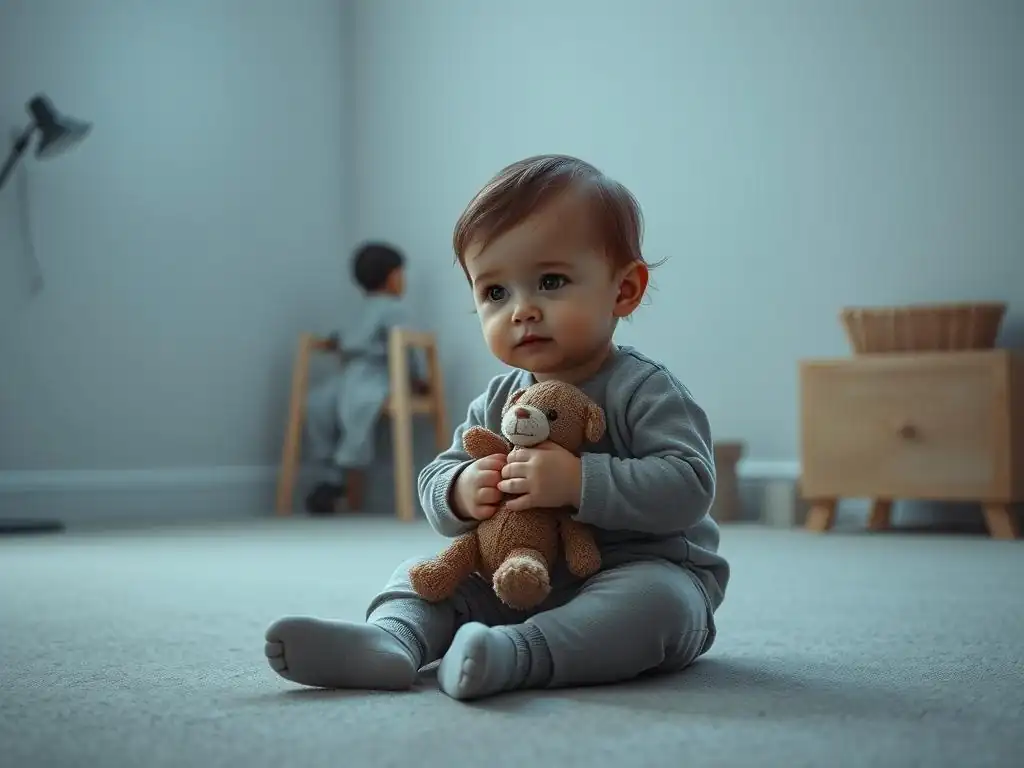
This section delves into Mary Ainsworth's groundbreaking "Strange Situation" experiment, a pivotal study in understanding the development of attachment styles in infants. This procedure, designed to observe the attachment behaviors of children aged 9-18 months, provides invaluable insights into the nature of the parent-child bond and its lasting impact on future relationships. Understanding the experiment's methodology and key findings is crucial to grasping the concept of attachment styles explained simply. The experiment's enduring legacy lies in its ability to categorize and predict different attachment patterns, paving the way for significant advancements in developmental psychology and child welfare.
What is the Strange Situation Procedure and How Does It Work?
The Strange Situation is a controlled observation conducted in a specially designed laboratory playroom. The experiment systematically introduces a series of separations and reunions between the child and their primary caregiver, typically the mother. These structured episodes are meticulously timed and observed, allowing researchers to assess the child's reactions to these changes in their environment and the presence or absence of their attachment figure.
The procedure generally unfolds as follows:
- Parent and child enter the playroom: The observer notes the child's initial exploration and interaction with the parent.
- Parent sits while child plays: The observer assesses the child's level of independence and security in the parent's presence.
- Stranger enters: The observer records the child's reaction to the stranger's presence, assessing potential anxiety or avoidance.
- Parent leaves: The crucial separation phase. The observer meticulously documents the child's response to the parent's departure, noting distress levels and coping mechanisms.
- Stranger interacts with child: The stranger attempts to comfort the child, providing a measure of the child's ability to seek comfort from unfamiliar figures.
- Parent returns: The reunion phase, arguably the most informative. The observer closely monitors the child's reaction to the parent's return, noting the intensity of their response, whether they seek comfort, and the parent's response to the child's behavior.
- Parent leaves again: A brief second separation.
- Stranger interacts with child: The stranger attempts to comfort the child again.
- Parent returns: The final reunion, allowing for another assessment of the child's behavior.
Throughout the procedure, the observer meticulously records the child's behavior using a standardized coding system, quantifying their responses to each episode. This systematic approach ensures consistency and facilitates comparison across different children. The data gathered forms the basis for classifying the child's attachment style.
Key Observations: How Children Respond to Separation and Reunion
The Strange Situation experiment doesn't simply observe behavior; it analyzes the quality of the interaction. The key lies in observing the child's responses during the reunion episodes. Ainsworth identified three primary attachment styles based on these observations:
- Secure Attachment (Type B): Securely attached children show some distress when the parent leaves but are easily soothed upon reunion, readily seeking comfort and returning to exploration. They use the parent as a secure base from which to explore their environment. These children tend to have responsive and sensitive caregivers.
- Anxious-Ambivalent Attachment (Type C): These children exhibit intense distress when the parent leaves and are ambivalent upon reunion. They may simultaneously seek closeness and resist comfort, displaying clingy behavior alongside anger or resistance. Their caregivers may be inconsistently responsive, sometimes attentive and sometimes neglectful.
- Avoidant Attachment (Type A): Avoidant children show little distress when the parent leaves and avoid contact upon reunion, appearing indifferent or even rejecting of comfort. These children often have caregivers who are emotionally unavailable or rejecting.
Later research added a fourth category:
- Disorganized Attachment (Type D): This style reflects inconsistent and contradictory behaviors. Children may show a mix of approach and avoidance, often exhibiting fear or confusion towards the caregiver. This style is often associated with frightening or abusive parenting experiences.
A detailed analysis of the child's behavior throughout the various phases, particularly the reunions, allows researchers to categorize them into one of these attachment styles. The consistency and predictability of these patterns have made the Strange Situation a cornerstone of attachment theory, providing a framework for understanding how early childhood experiences shape emotional development and interpersonal relationships.
The experiment highlights the importance of a secure and responsive caregiving environment in fostering secure attachment, a crucial foundation for healthy emotional and social development. This understanding of attachment styles explained simply provides valuable insights into the long-term consequences of different attachment patterns on adult relationships and mental well-being.
Deciphering Attachment Styles: The Results of the Strange Situation
The Strange Situation experiment, devised by Mary Ainsworth, provides a framework for understanding the diverse tapestry of attachment styles. By observing children's reactions to brief separations and reunions with their primary caregivers, Ainsworth identified distinct patterns of behavior that have since become cornerstones in attachment theory. These patterns, or attachment styles, reflect the internal working models children develop about themselves and their relationships with others.
These models, formed early in life, significantly influence how individuals navigate relationships throughout their lives. This section will delve into the three main attachment styles identified through the Strange Situation: secure, anxious-ambivalent, and avoidant. Understanding these styles helps us appreciate the nuanced ways individuals approach intimacy and connection.
The experiment's findings offer a powerful lens through which to examine the roots of adult relationship patterns and the impact of early childhood experiences on later social and emotional development. This ultimately helps in better understanding how attachment styles explained simply can be a useful tool for self-reflection and relationship improvement.
Secure Attachment: Seeking Comfort and Reassurance
Children exhibiting a secure attachment style display a balanced response to the Strange Situation. During the separation from their caregiver, they may show some distress, but this distress is manageable. Crucially, upon the caregiver's return, these children actively seek comfort and proximity, readily calming down once reunited. This reflects a secure base from which they can explore their environment, knowing they have a reliable source of support.
They trust that their caregiver will be available and responsive to their needs. Data from numerous replications of the Strange Situation consistently shows that securely attached children tend to be more socially competent, have better emotional regulation skills, and form healthier relationships later in life. They are less likely to exhibit anxiety or avoidance in their adult relationships because their early experiences fostered a sense of trust and security.
This positive early experience shapes their internal working model, leading them to believe that they are worthy of love and that others are reliable and supportive. In essence, these individuals have developed a robust sense of self and a healthy understanding of interpersonal relationships. They understand that needing support and seeking comfort is a normal part of life and that their needs will be met.
Anxious-Ambivalent Attachment: The Struggle for Reassurance
In contrast to secure attachment, anxious-ambivalent attachment is characterized by significant distress during separation and inconsistent responses upon reunion. These children may exhibit intense distress when the caregiver leaves, and upon their return, they may simultaneously seek comfort and resist it, perhaps showing anger or ambivalence. This behavior reflects an inconsistent or unpredictable caregiving experience during infancy. The caregiver's responsiveness may have been inconsistent, sometimes providing comfort and security, and at other times being unavailable or unresponsive.
This inconsistency creates uncertainty and anxiety in the child, leading them to constantly seek reassurance in relationships. Studies have shown that adults with an anxious-ambivalent attachment style often experience intense emotional swings in relationships, fearing abandonment and constantly seeking validation. They may be clingy or overly dependent on their partners and struggle with self-doubt.
They may exhibit heightened sensitivity to perceived rejection and experience significant distress in situations of separation or perceived neglect. Their internal working model is characterized by insecurity and a need for constant reassurance. They may worry that their needs will not be met and that their partner will leave them.
Avoidant Attachment: Independent and Distant
Children with an avoidant attachment style show minimal distress during separation and little or no emotional response upon reunion with their caregiver. They may actively avoid contact with the caregiver, appearing indifferent to their presence. This detached behavior often stems from a history of neglect or emotional unavailability from caregivers. The caregivers may have been consistently unresponsive or dismissive of the child's emotional needs, leading the child to suppress their emotions and develop a self-reliant coping mechanism.
In adulthood, individuals with an avoidant attachment style often present as emotionally distant and independent. They may avoid intimacy and emotional closeness, fearing vulnerability and dependence. They may suppress their emotions and struggle to express their needs. Research indicates that individuals with this attachment style often experience difficulty forming lasting, meaningful relationships due to their emotional unavailability and fear of intimacy.
Their internal working model emphasizes self-reliance and emotional independence, often to the detriment of deeper connections. They may believe that emotional closeness is a threat to their autonomy and independence. They may also struggle with trust and may fear being hurt or controlled in relationships.
Disorganized Attachment: A Complex Mix of Behaviors
Disorganized attachment, often denoted as D, represents the most perplexing and concerning attachment style identified through the Strange Situation procedure. Unlike the other attachment styles, disorganized attachment doesn't fit neatly into a pattern of consistent behavior. Instead, it's characterized by a striking contradiction: a simultaneous yearning for proximity to the caregiver and an equally strong aversion or fear. These contradictory behaviors manifest as a confusing blend of approaches and avoidances.
Children with disorganized attachment may exhibit freezing, contradictory behaviors (approaching the caregiver while simultaneously looking away), or dazed expressions when reunited with their primary caregiver. This unpredictable and erratic behavior stems from a caregiver's inconsistent, frightening, or even abusive parenting style. The child learns to anticipate both comfort and danger from the same source, creating a deeply unsettling and confusing internal model of relationships.
The inconsistent caregiving that leads to disorganized attachment can take many forms. It might involve frightening behaviors from the caregiver, such as sudden outbursts of anger or unpredictable changes in mood. It could also involve a caregiver’s own unresolved trauma, leading to inconsistent emotional availability for the child.
In some cases, the caregiver might be actively frightening or abusive, while in others, the inconsistency may be more subtle, such as a caregiver who is emotionally unavailable or inconsistently responsive to the child's needs. The key is the child's experience of unpredictability and the inability to form a reliable internal working model of their relationship with the primary caregiver. This lack of a stable internal model leads to the child's confused and contradictory behaviors observed in the Strange Situation.
Understanding the implications of disorganized attachment is crucial. Children exhibiting disorganized attachment are at significantly higher risk for various emotional and behavioral problems later in life. They might struggle with emotional regulation, exhibit difficulties in social interactions, and be more prone to anxiety and depression.
Furthermore, these difficulties can impact their academic performance and overall well-being. Early intervention and therapeutic support are vital to help these children develop healthier attachment patterns and coping mechanisms. The challenges posed by disorganized attachment highlight the profound impact of early childhood experiences on the development of a secure and healthy sense of self and relationships.
Identifying and addressing the underlying causes of disorganized attachment through parental support and therapeutic interventions can make a significant difference in improving long-term outcomes for these children. Research continues to explore the long-term effects and the most effective interventions for children with disorganized attachment, underscoring the importance of early identification and support.
Understanding the Impact of Attachment Styles
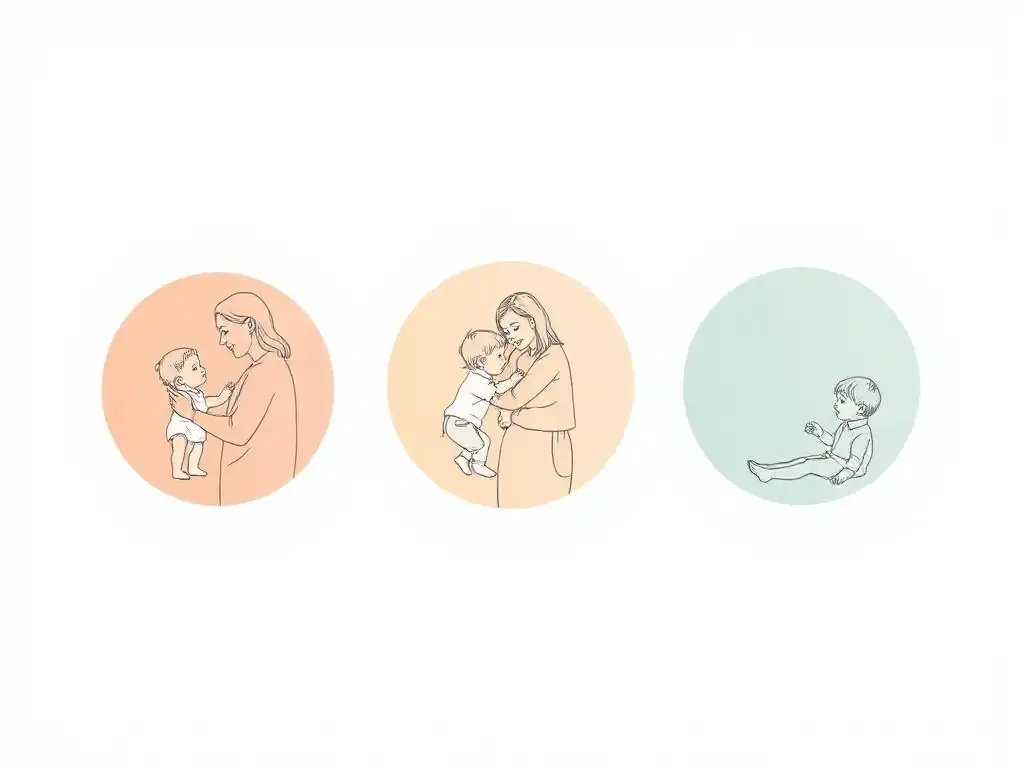
This section delves into the profound and lasting effects of attachment styles, shaped by our earliest experiences, on our adult relationships and overall well-being. Understanding these impacts is crucial for fostering healthier connections and navigating the complexities of human interaction. We'll explore how our attachment style influences our perception of ourselves, others, and the world around us. The implications are far-reaching, impacting everything from romantic partnerships to friendships and even professional collaborations.
The Significance of Early Attachment Experiences: Why it Matters
The foundation of our attachment style is laid during infancy and early childhood. The quality of our interactions with primary caregivers, particularly our parents, significantly shapes our internal working model of relationships. A consistently responsive and sensitive caregiver fosters a secure attachment, providing a sense of safety and trust. Conversely, inconsistent or neglectful caregiving can lead to insecure attachment styles, characterized by anxiety, avoidance, or a combination of both. These early experiences are not merely childhood memories; they become deeply ingrained patterns that influence our emotional regulation, self-esteem, and interpersonal dynamics throughout life.
For example, a child consistently met with warmth, comfort, and responsiveness from their caregiver is more likely to develop a secure attachment style. This means they'll view themselves as worthy of love and care and will expect similar treatment from others. On the other hand, a child experiencing neglect or inconsistent care may develop an anxious-preoccupied attachment style, constantly seeking reassurance and validation due to underlying fears of abandonment.
Similarly, a child who faced rejection or emotional unavailability might develop a dismissive-avoidant style, characterized by emotional detachment and a reluctance to form close relationships. These early interactions, even subtle ones, contribute to the development of specific attachment patterns. The impact of these early experiences underlines the importance of creating nurturing and supportive environments for children.
Further research is needed to fully understand the interplay of genetic predisposition and environmental factors in shaping attachment. [Specific information pending on the exact percentage contribution of genetics vs. environment].
While this article provides a basic understanding of attachment styles, delving deeper into the subject can be incredibly insightful. A recommended resource for further exploration is the book " Attached: The New Science of Adult Attachment and How It Can Help You Find—and Keep—Love." This book offers a comprehensive and accessible overview of attachment theory, explaining its scientific basis and practical applications in adult relationships.
It provides valuable tools and techniques for understanding one's own attachment style and improving relationship dynamics. The book effectively translates complex psychological concepts into relatable language, making it an excellent resource for both professionals and the general public interested in improving their understanding of relationships and communication.
Reading this further enhances the comprehension of the concepts introduced here, providing a more nuanced perspective on the impact of attachment styles on adult life. It's a valuable resource for anyone seeking to improve their understanding of themselves and their relationships.
How to Apply this Knowledge to Your Relationships: Understanding Yourself and Others
Understanding your own attachment style is the first step towards building healthier and more fulfilling relationships. Self-awareness allows you to recognize your patterns of relating to others and proactively address potential challenges. For example, if you identify as anxiously attached, you might work on developing healthier coping mechanisms for managing anxiety and dependence. Similarly, if you identify as avoidantly attached, you might focus on increasing emotional availability and vulnerability in relationships.
This knowledge extends beyond self-improvement. Understanding others' attachment styles can significantly improve communication and conflict resolution. Recognizing that your partner's reactions might stem from their own attachment insecurities can foster empathy and patience.
This understanding promotes healthier interactions by reducing misunderstandings and fostering more productive communication. For instance, knowing that an avoidant partner may need more space during conflict does not excuse unhealthy behavior, but it helps to understand their reactions and respond more effectively. Ultimately, the application of this knowledge transforms relationships from sources of potential conflict into opportunities for growth and mutual understanding.
The journey to healthier relationships is a continuous process of learning, adapting, and growing together, and understanding attachment styles plays a pivotal role in this journey. Using this knowledge empowers individuals to build stronger, more fulfilling relationships, contributing to greater emotional well-being and overall life satisfaction. The benefits extend beyond romantic relationships, influencing friendships, family dynamics, and even professional interactions.
Further Exploration: The Power of Attachment: How to Create Deep and Lasting Intimate Relationships
Understanding attachment styles isn't just an academic exercise; it's a powerful tool for building stronger, more fulfilling relationships. Knowing your own attachment style, and that of your partner, provides invaluable insight into communication patterns, conflict resolution, and the overall dynamics of your connection. This self-awareness allows for proactive strategies to address potential challenges and nurture a more secure bond.
For example, individuals with an anxious attachment style might benefit from practicing mindfulness techniques to manage their anxieties about abandonment. This could involve focusing on the present moment rather than dwelling on potential future rejection, leading to more balanced interactions with their partners. Similarly, those with an avoidant attachment style might find it beneficial to explore their emotional vulnerabilities and practice expressing their needs more openly, fostering deeper intimacy.
The journey towards healthier relationships often involves recognizing and challenging ingrained patterns. For those with insecure attachment styles, therapy can be particularly helpful. A therapist can provide a safe and supportive space to explore the roots of these patterns, often stemming from childhood experiences, and develop coping mechanisms to navigate relationship challenges. Cognitive Behavioral Therapy (CBT), for instance, can be highly effective in reframing negative thought patterns and developing healthier communication skills. Through consistent effort and self-reflection, individuals can learn to communicate their needs more effectively, manage expectations more realistically, and build more secure and satisfying relationships.
Moreover, understanding attachment theory can significantly improve communication within a relationship. Learning to identify and address attachment-related anxieties or avoidant behaviors can lead to more open and honest conversations. For example, a couple where one partner exhibits anxious attachment and the other avoidant attachment might find that open communication about their individual needs and fears can help bridge the gap between their different styles.
The anxious partner can learn to express their needs without overwhelming their partner, while the avoidant partner can learn to offer reassurance and emotional support without feeling smothered. This mutual understanding and willingness to adapt are crucial elements in fostering healthy and lasting intimacy. Ultimately, the power of attachment lies in its ability to illuminate the path towards more fulfilling and meaningful connections.
By understanding and addressing our attachment styles, we can cultivate relationships built on trust, security, and mutual respect. The process requires self-awareness, empathy, and a commitment to personal growth, but the rewards of deeper, more lasting intimacy are immeasurable.
Conclusion: Attachment Styles Explained Simply and Their Lasting Influence
This exploration of attachment theory and the Strange Situation experiment provides a foundational understanding of how early childhood experiences shape our adult relationships. We've seen how Mary Ainsworth's groundbreaking work illuminated the diverse ways children interact with their caregivers, leading to the identification of distinct attachment styles: secure, anxious-preoccupied, dismissive-avoidant, and fearful-avoidant. Understanding these styles isn't about labeling individuals; it's about gaining insight into the predictable patterns of behavior that emerge from our earliest bonds.
This knowledge empowers us to foster healthier relationships, both personally and professionally. By recognizing our own attachment style and those of others, we can navigate conflicts more effectively, build stronger connections, and cultivate more fulfilling lives. The concept of "Attachment styles explained simply" boils down to recognizing the predictable patterns of behavior stemming from early caregiving experiences and understanding how these patterns affect present relationships.
The Strange Situation Experiment: A Powerful Tool for Understanding Human Connections
The Strange Situation procedure, while seemingly simple, offers a profound glimpse into the emotional dynamics of the parent-child relationship. Its controlled setting allows researchers to observe the child's responses to separation from, and reunion with, the primary caregiver. A child exhibiting secure attachment will explore freely in the caregiver's presence, showing mild distress upon separation, and readily seeking comfort upon reunion. This reflects a consistent history of sensitive and responsive caregiving.
Conversely, a child demonstrating an anxious-preoccupied attachment style will exhibit significant distress upon separation and may be ambivalent or clingy upon reunion, potentially reflecting inconsistent or unpredictable caregiving. The dismissive-avoidant child, often showing little distress at separation and avoiding contact upon reunion, may have experienced neglect or emotional unavailability from the caregiver. Finally, the fearful-avoidant style, characterized by contradictory behaviors of both seeking and resisting proximity, could stem from a history of both frightening and inconsistent caregiving.
The experiment’s strength lies in its standardized protocol, allowing for cross-cultural comparisons and replication. However, critics point to its limitations: the artificiality of the laboratory setting might not fully capture the nuances of real-world interactions. Furthermore, the experiment primarily focuses on the child's behavior, potentially overlooking the caregiver's contribution to the attachment dynamic.
Despite these criticisms, the Strange Situation remains a valuable tool for understanding the complex interplay between early experiences and the development of attachment styles. It has significantly advanced our understanding of the powerful influence early relationships have on shaping our emotional landscape and interpersonal interactions throughout life. The enduring legacy of the Strange Situation lies not just in its methodology, but in its contribution to the broader understanding of how "Attachment styles explained simply" are shaped by our earliest relationships.
The data collected through this experiment continues to inform interventions aimed at improving parent-child relationships and fostering secure attachment. The experiment's impact is undeniable, offering a crucial framework for comprehending the foundations of human connection.
Frequently Asked Questions
What is the "Strange Situation" experiment?
The "Strange Situation" is a laboratory procedure designed to observe attachment security in infants. It involves a series of separations and reunions with a caregiver and a stranger, assessing the child's reactions to these events. This helps determine their attachment style.
What are the main attachment styles identified?
The experiment primarily identified three main attachment styles: secure, anxious-ambivalent, and avoidant. A fourth style, disorganized attachment, was later identified. These styles reflect the quality of the child's bond with their primary caregiver.
How does attachment style affect later life?
Early attachment styles can significantly influence adult relationships, emotional regulation, and overall well-being. Secure attachment is generally associated with better outcomes, while insecure styles can impact mental health and interpersonal dynamics.
Is attachment style set in stone? Can it change?
While early childhood experiences significantly shape attachment styles, they are not entirely fixed. Experiences in later relationships and therapeutic interventions can influence and even modify attachment patterns throughout life.
Where can I learn more about attachment styles explained simply?
Psychology Basics offers various resources explaining attachment styles simply. You can explore our articles and other materials to gain a deeper understanding of this crucial concept in psychology. We aim to make complex psychological ideas accessible to everyone.
Final Reflection: Understanding Attachment, Shaping Our Futures
The exploration of attachment styles, as revealed through Ainsworth's Strange Situation experiment, remains profoundly relevant today, offering a crucial lens through which we can understand the complexities of human relationships and their lasting impact. Understanding how our early childhood experiences shape our adult interactions is not merely an academic exercise; it's a key to unlocking healthier, more fulfilling connections. The implications of secure versus insecure attachment are far-reaching, influencing everything from romantic partnerships to professional collaborations and even our self-perception.
The enduring power of the Strange Situation lies in its ability to illuminate the subtle yet significant ways in which our attachment styles continue to shape our lives. It's a reminder that our past experiences, while potentially painful or challenging, are not immutable destinies. The most important thing a father can do for his children is to love their mother.
This quote, while seemingly simple, speaks volumes about the foundational role of secure attachment in fostering healthy development and future relationships. Recognizing our own attachment style, and those of the people around us, allows for greater empathy, understanding, and ultimately, the potential for growth and healing.
Now, consider your own journey. Reflect on your childhood experiences and how they might have influenced your approach to relationships. Are you comfortable with intimacy, or do you find yourself struggling with trust or dependence? Understanding your attachment style is not about assigning blame or dwelling on the past; it's about empowering yourself with knowledge. Use this understanding to cultivate healthier relationships, communicate more effectively, and build a future grounded in secure and fulfilling connections. Embrace the opportunity for self-discovery and growth that this knowledge provides.
Uncover Your Attachment Style and Strengthen Your Connections!
Thank you for exploring the fascinating insights of attachment theory! Understanding your attachment style is crucial for building healthier, more fulfilling relationships and improving your emotional well-being. Now, let's put this knowledge to practical use.
Here are some steps you can take to explore your attachment style and enrich your relationships:
- Take an Online Assessment: Several reliable online quizzes can help you identify your attachment style and provide personalized insights. Look for assessments developed by reputable sources.
- Share Your Knowledge: Discuss what you've learned about attachment styles with close friends or family members. Open communication can foster greater understanding and empathy within your relationships.
- Join a Support Group or Workshop: Consider joining a local or online group or workshop focused on relationships and attachment theory. This is a great way to deepen your understanding and connect with others who share similar interests.
What steps will you take today to strengthen your relationships and better understand yourself?