
The Relationship Between Personality and Emotional Intelligence

Unravel the fascinating interplay between your personality and emotional intelligence! This website, Psychology Basics, is your gateway to understanding the fundamental concepts of psychology. Dive into our exploration of Personality, Emotional Intelligence, and how they impact students, revealing surprising connections you might never have considered. Are you ready to unlock the secrets of your inner world and gain a deeper understanding of human behavior? Let's begin.
- Understanding Personality Traits and Their Influence on EI
-
Emotional Intelligence: Key Components and Their Relevance
- Defining Emotional Intelligence: A Multifaceted Concept
- Self-Awareness and Personality: Recognizing Your Emotional Landscape
- Self-Management and Personality: Controlling Your Emotional Responses
- Social Awareness and Personality: Understanding Others' Emotions
- Relationship Management and Personality: Building and Maintaining Connections
-
The Interplay Between Personality and Emotional Intelligence in Students
- Personality Traits and Academic Success: The Role of Emotional Intelligence
- Emotional Intelligence and Social Interactions Among Students: Personality's Influence
- Developing Emotional Intelligence for Improved Student Well-being: A Personality-Based Approach
- Personality Assessment and Emotional Intelligence Training for Students: Practical Applications
- Personality, Emotional Intelligence, and Career Success: Future Implications for Students
-
Frequently Asked Questions
- What is the relationship between personality and emotional intelligence?
- How does personality influence emotional intelligence in students?
- Can emotional intelligence be improved, regardless of personality?
- Are there specific personality types more likely to have high emotional intelligence?
- How can understanding this relationship benefit students?
- Final Reflection: Unlocking Potential: Personality and Emotional Intelligence in Students
- Unleash Your Emotional Potential Today!
Understanding Personality Traits and Their Influence on EI
Personality and emotional intelligence (EI) are often intertwined, influencing how we navigate social interactions, manage stress, and achieve our goals. This article explores the fascinating relationship between personality traits and emotional intelligence, particularly focusing on how different personality types impact emotional regulation, self-awareness, and social skills. We will delve into the established "Big Five" personality model and beyond, examining specific traits and their correlation with various aspects of EI.
Understanding this dynamic is crucial for students, professionals, and anyone seeking to improve their self-awareness and interpersonal effectiveness. This exploration is particularly relevant for students navigating the complexities of academic life and social relationships, highlighting the interplay between individual characteristics and emotional well-being. The insights provided will help to demystify the connection between personality and emotional intelligence, offering practical strategies for personal growth and development.
Defining Personality: The Big Five Model and Beyond
The Big Five model, also known as the OCEAN model (Openness, Conscientiousness, Extraversion, Agreeableness, Neuroticism), provides a robust framework for understanding personality. Each trait represents a spectrum, with individuals exhibiting varying degrees of each.
- Openness to Experience: This refers to imagination, curiosity, and intellectual engagement. High openness is often associated with greater creativity and adaptability, potentially contributing to emotional flexibility and problem-solving skills within EI.
- Conscientiousness: This trait encompasses organization, responsibility, and self-discipline. Highly conscientious individuals tend to be better at planning, goal-setting, and managing their emotions effectively, fostering self-regulation within EI.
- Extraversion: This dimension describes sociability, assertiveness, and energy levels. While extraverts may appear more emotionally expressive, the link between extraversion and EI is complex and requires further nuance, as discussed in the following section.
- Agreeableness: This reflects traits like empathy, cooperation, and trustworthiness. Highly agreeable individuals often demonstrate strong social skills and emotional understanding, crucial components of EI.
- Neuroticism: This trait represents emotional stability and vulnerability to negative emotions. High neuroticism can hinder emotional regulation, potentially impacting various aspects of EI.
Beyond the Big Five, other personality models and traits, such as resilience, self-esteem, and locus of control, also significantly influence EI. Further research continues to refine our understanding of these intricate connections. For example, [specific information pending] on the role of specific personality disorders and their impact on emotional intelligence.
Personality Traits and Emotional Regulation: A Closer Look
Emotional regulation, a core component of EI, is significantly influenced by personality. Individuals high in neuroticism may struggle with managing negative emotions, leading to impulsivity, anxiety, or difficulty in maintaining composure under pressure. Conversely, those high in conscientiousness often exhibit better self-regulation, employing strategies to manage their emotional responses effectively. Agreeableness plays a role in managing emotions in social contexts, promoting empathy and conflict resolution.
Studies have shown a correlation between [specific data pending] regarding the effectiveness of different emotional regulation strategies based on personality type. This highlights the importance of tailored approaches to emotional intelligence development, considering individual personality differences. For instance, strategies focusing on mindfulness might be particularly beneficial for individuals high in neuroticism, while those high in conscientiousness might benefit from goal-oriented approaches to emotional management.
Extraversion, Introversion, and Emotional Intelligence: Exploring the Links
The relationship between extraversion/introversion and emotional intelligence is not straightforward. While extraverts might appear more emotionally expressive, introverts can possess strong emotional awareness and self-regulation skills. The misconception that extraverts automatically possess higher EI is a common one. Research suggests that both extraverts and introverts can achieve high levels of EI, but they may express and utilize their emotional intelligence in different ways. Extraverts might excel in social situations requiring strong interpersonal skills, while introverts may demonstrate superior self-awareness and emotional regulation in more private settings. This emphasizes the importance of understanding EI as a multifaceted construct, rather than a simple dichotomy. Furthermore, [specific research findings pending] regarding the impact of specific social contexts on the expression and effectiveness of EI in extraverts and introverts. The key is recognizing that both introverted and extraverted individuals can develop and utilize their emotional intelligence effectively, albeit through potentially different pathways and approaches.
Emotional Intelligence: Key Components and Their Relevance
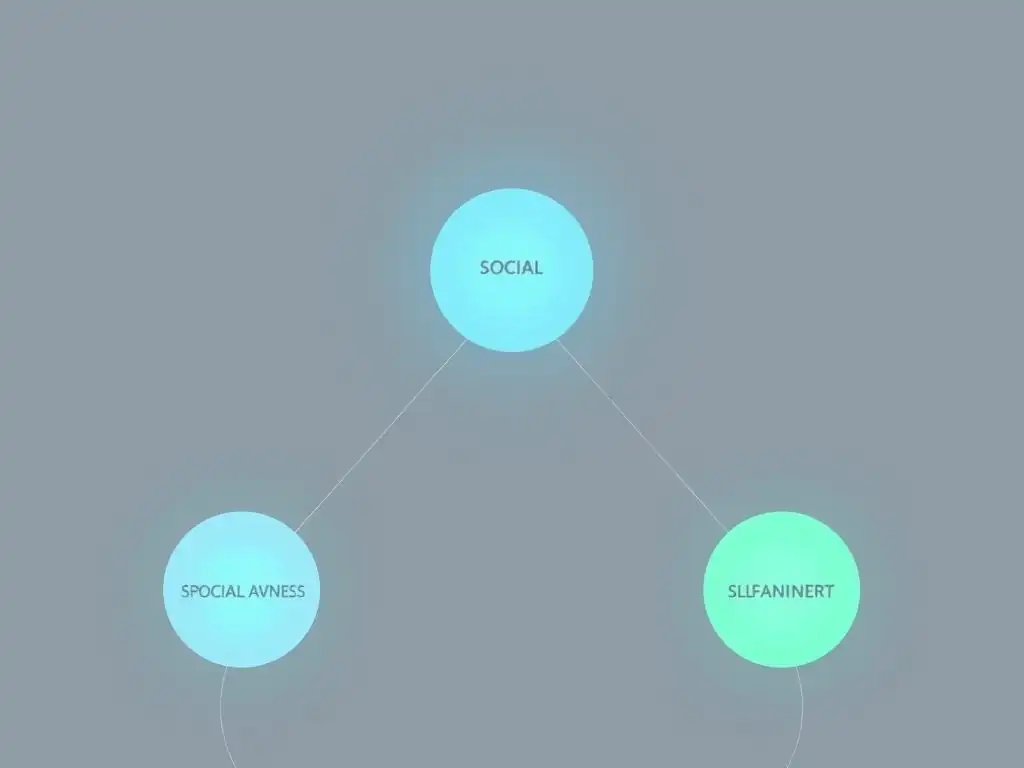
Emotional intelligence (EI), a crucial aspect of human interaction and success, significantly intertwines with personality. Understanding this relationship is key for students navigating personal growth and professional development. While personality traits represent relatively stable patterns of thinking, feeling, and behaving, emotional intelligence encompasses the ability to understand and manage one's own emotions and those of others. This section delves into the key components of emotional intelligence and how they interact with personality traits.
The interplay between personality and emotional intelligence is complex, with certain personality types potentially exhibiting higher levels of specific EI components. For example, individuals with high levels of conscientiousness might demonstrate better self-regulation, a key aspect of emotional intelligence. Conversely, individuals high in neuroticism may struggle with self-management, impacting their overall emotional intelligence score.
This dynamic relationship highlights the importance of understanding both personality and EI for a comprehensive picture of individual functioning. Research consistently shows that higher emotional intelligence correlates with improved well-being, stronger relationships, and greater success in various life domains. For students, understanding this relationship is critical for personal and academic success.
Defining Emotional Intelligence: A Multifaceted Concept
Emotional intelligence isn't a monolithic entity; rather, it's a multifaceted construct comprising several key components. While various models exist, a common framework includes self-awareness, self-regulation, motivation, empathy, and social skills. Self-awareness involves recognizing one's own emotions and their impact on others. Self-regulation refers to the ability to control impulsive feelings and behaviors.
Motivation encompasses the drive to achieve goals and overcome obstacles. Empathy is the capacity to understand and share the feelings of others. Finally, social skills encompass the ability to build and maintain positive relationships. These components are not independent; they interact dynamically, influencing each other and contributing to overall emotional intelligence.
Understanding these individual components is crucial for students seeking to improve their emotional intelligence, as targeted interventions can be developed to address specific weaknesses. For instance, a student lacking self-awareness might benefit from mindfulness practices, while a student struggling with self-regulation could benefit from anger management techniques. The complexity of EI requires a holistic approach to development and improvement.
Self-Awareness and Personality: Recognizing Your Emotional Landscape
Self-awareness, a cornerstone of emotional intelligence, is closely tied to personality. Individuals with high levels of neuroticism, for instance, might be more attuned to their negative emotions, potentially leading to heightened self-awareness but also increased anxiety. Conversely, individuals high in extraversion might be more readily aware of their positive emotions, but potentially less attuned to subtle nuances in their own emotional state.
Research suggests that personality traits can influence the accuracy and depth of self-awareness. For example, individuals high in openness to experience might demonstrate a greater capacity for introspection and self-reflection, leading to a more nuanced understanding of their own emotional landscape. This deeper understanding allows them to better predict their emotional responses in various situations.
For students, developing self-awareness involves practices like journaling, self-reflection exercises, and seeking feedback from trusted individuals. Regularly checking in with oneself and honestly assessing emotional states is a crucial skill for navigating academic pressures and social interactions. The ability to accurately identify and label one's emotions is a fundamental building block for managing them effectively.
Self-Management and Personality: Controlling Your Emotional Responses
Self-management, the ability to control and regulate one's emotions and impulses, is another critical component of emotional intelligence. This capability is strongly influenced by personality. Individuals high in conscientiousness typically exhibit better self-regulation, demonstrating greater impulse control and the ability to delay gratification. This contrasts with individuals high in neuroticism, who might struggle with emotional regulation, experiencing frequent mood swings and difficulty managing stress.
The interplay between personality and self-management is complex and multifaceted. For example, a student with high neuroticism might experience heightened anxiety during exams, impacting their performance. However, through deliberate self-management techniques like deep breathing exercises or mindfulness meditation, they can learn to mitigate these negative emotional responses and improve their academic performance.
Students can enhance their self-management skills by practicing stress-reduction techniques, developing coping mechanisms for difficult emotions, and setting realistic goals. Effective self-management is essential for navigating the challenges of academic life and building resilience in the face of adversity. Developing these skills can significantly improve students' overall well-being and academic success.
Social awareness, a cornerstone of emotional intelligence, significantly interacts with personality traits. Individuals high in agreeableness, for instance, often demonstrate superior social awareness. Their inherent empathy and concern for others naturally equip them to better understand and respond to the emotional cues of those around them.
Conversely, individuals scoring low on agreeableness, perhaps exhibiting traits of aloofness or indifference, may struggle to accurately perceive and interpret the emotions of others. This isn't to say that introversion, sometimes mistakenly conflated with low agreeableness, inherently hinders social awareness. Introverts, while often preferring solitary activities, can still possess a keen understanding of social dynamics and emotional nuances, showcasing that personality is complex and doesn't neatly map onto EI components.
Research suggests a strong correlation between openness to experience and social awareness. Open individuals, known for their curiosity and intellectual flexibility, tend to be more receptive to diverse perspectives and emotional expressions. This broad-mindedness allows them to navigate complex social situations with greater sensitivity and understanding.
They are more likely to consider multiple viewpoints and less likely to make assumptions based on limited information, leading to more accurate emotional interpretations. However, it's crucial to note that while openness may facilitate social awareness, it doesn't guarantee it. Other factors, such as personal experiences and learned skills, also play a significant role.
Consider the example of a student with high openness but low self-esteem. Their openness might allow them to recognize the sadness in a classmate's demeanor, but their low self-esteem could prevent them from approaching the classmate and offering support. This highlights the interplay between various personality traits and their impact on emotional intelligence. Students studying personality and emotional intelligence frequently encounter such nuanced interactions, learning to appreciate the complex interplay of factors influencing social perception and responsiveness. It underscores the importance of considering the entire personality profile, not just isolated traits, when assessing emotional intelligence.
Relationship Management and Personality: Building and Maintaining Connections
Relationship management, the ability to navigate and manage interpersonal interactions effectively, is deeply intertwined with personality. Extroverted individuals, with their inherent sociability and comfort in social settings, often excel at relationship management. Their natural inclination to connect with others, coupled with their assertive communication style, allows them to build strong and lasting relationships. They tend to be adept at resolving conflicts, negotiating compromises, and inspiring cooperation. However, excessive extroversion can sometimes lead to impulsive actions or a lack of sensitivity to others' needs, potentially hindering effective relationship management.
In contrast, introverted individuals, while perhaps less outwardly expressive, can also be highly effective at relationship management. Their thoughtful and deliberate approach to interactions allows them to build deep and meaningful connections based on trust and mutual understanding. They often excel at active listening and empathetic responses, fostering a sense of connection and security within their relationships.
While they might not be as quick to initiate social interactions as extroverts, their quiet strength and genuine interest in others often lead to highly fulfilling relationships. Students learning about personality often discover that introversion is not a deficit, but a different approach to social engagement.
The conscientiousness trait significantly impacts relationship management. Highly conscientious individuals, characterized by their organization, responsibility, and self-discipline, tend to be reliable and dependable partners. Their commitment to maintaining relationships, coupled with their strong work ethic, allows them to invest the time and effort necessary to build and sustain healthy connections. Conversely, individuals low in conscientiousness may struggle with relationship maintenance due to their lack of commitment or organizational skills.
They might be prone to impulsive actions that damage relationships or fail to follow through on commitments, negatively affecting their ability to build and maintain strong bonds. A lack of conscientiousness can manifest in various ways impacting relationships, such as poor communication or inconsistent behavior, highlighting its crucial role in effective relationship management. Understanding this aspect is vital for students aiming to develop strong emotional intelligence.
The Interplay Between Personality and Emotional Intelligence in Students

This section delves into the intricate relationship between personality and emotional intelligence (EI) specifically within the student population. Understanding this connection is crucial for educators, counselors, and students themselves, as it can significantly impact academic performance, social relationships, and overall well-being. We'll explore how different personality traits interact with various aspects of EI, highlighting the importance of this interplay for students navigating the complexities of education and social life. This exploration will utilize research findings and real-world examples to illustrate the practical implications of this dynamic relationship for the keyword phrase "Personality emotional intelligence students".
Personality Traits and Academic Success: The Role of Emotional Intelligence
Research suggests a strong correlation between certain personality traits and academic success. However, this relationship is often mediated by emotional intelligence. For instance, students high in conscientiousness – a trait characterized by organization, discipline, and responsibility – tend to perform well academically. However, even highly conscientious students may struggle if they lack crucial EI skills like self-regulation (managing emotions effectively) or self-motivation (maintaining focus and drive despite setbacks). Conversely, a student with lower conscientiousness might still achieve academic success if they possess high levels of self-awareness, enabling them to recognize their weaknesses and compensate through effective strategies.
Consider this example: Two students, both aiming for a high grade in a challenging course, approach their studies differently. Student A, highly conscientious, meticulously follows a structured study plan. However, when faced with a difficult exam question, their anxiety overwhelms them, leading to poor performance. Student B, less conscientious but possessing strong self-regulation and self-motivation (components of EI), might adopt a more flexible approach, adapting their study methods as needed and managing stress effectively, resulting in better exam performance.
This highlights how EI can either enhance or mitigate the impact of personality traits on academic outcomes. Further research is needed to pinpoint the specific interactions between various personality dimensions (e.g., extraversion, agreeableness, neuroticism, openness) and the different facets of EI (e.g., self-awareness, self-regulation, social awareness, relationship management). The interplay is complex and warrants further investigation to fully understand the dynamics for "Personality emotional intelligence students".
Personality significantly influences how students navigate social interactions, and EI plays a crucial mediating role. Extroverted students, for example, often possess strong social skills, but their interactions might be less effective if they lack empathy (a key component of social awareness within EI). Introverted students, known for their thoughtful and reflective nature, may struggle with social interactions, but high levels of social awareness can help them build meaningful relationships.
The impact of personality on social interactions is multifaceted. For example, students high in agreeableness tend to be more cooperative and empathetic, fostering positive social dynamics. However, excessive agreeableness might lead to difficulties in assertiveness, potentially hindering their ability to navigate conflicts effectively.
This underscores the importance of developing balanced EI skills, regardless of personality type. The ability to understand and manage one's own emotions (self-awareness and self-regulation) and to empathize with and effectively respond to the emotions of others (social awareness and relationship management) is crucial for building positive relationships amongst "Personality emotional intelligence students". Further research could explore the specific personality profiles most susceptible to social difficulties and how tailored EI interventions might best address these challenges.
Developing Emotional Intelligence for Improved Student Well-being: A Personality-Based Approach
Developing EI in students is crucial for their overall well-being. However, a one-size-fits-all approach is unlikely to be effective. A personality-based approach recognizes the unique strengths and weaknesses associated with different personality traits and tailors EI interventions accordingly. For example, students high in neuroticism (prone to anxiety and negative emotions) might benefit from interventions focusing on self-regulation and stress management techniques.
Students low in openness to experience might need support in exploring new perspectives and developing empathy. A comprehensive approach involves assessing students' personality traits and EI levels, then designing personalized interventions that address their specific needs. This might involve incorporating mindfulness practices, emotional literacy programs, or social skills training, all adapted to the individual student's profile.
The goal is to empower students to leverage their personality strengths while mitigating potential weaknesses through the development of robust EI skills. This personalized strategy is crucial for optimizing the well-being of "Personality emotional intelligence students" and ensuring that the interventions are effective and sustainable. Future research should focus on the development and evaluation of such personalized EI interventions, analyzing their efficacy across diverse personality types within the student population.
Personality Assessment and Emotional Intelligence Training for Students: Practical Applications
Personality assessments and emotional intelligence (EI) training offer valuable tools for students navigating the academic and social landscapes of higher education. Understanding an individual's personality traits can provide insights into their learning styles, strengths, and weaknesses, informing tailored educational strategies. For example, students scoring high on conscientiousness in personality tests might benefit from structured learning environments with clear expectations, while those high in openness to experience might thrive in more exploratory and less rigidly defined learning settings. Conversely, students with lower scores in conscientiousness might require additional support to maintain focus and organization.
Integrating EI training into the curriculum can equip students with crucial life skills applicable beyond the classroom. Programs focusing on self-awareness, self-regulation, social awareness, and relationship management can significantly enhance academic performance and overall well-being. For instance, students learning to manage stress effectively (self-regulation) are better equipped to handle exam pressure and challenging coursework. Similarly, improved social awareness and relationship management skills can foster positive peer interactions and collaborative learning experiences, crucial aspects of a successful college career.
The practical applications extend beyond individual student growth. Educators can leverage personality assessments and EI data to create more inclusive and supportive learning environments. By understanding the diverse personality profiles and EI levels within a classroom, instructors can adapt teaching methods and classroom management techniques to better meet the needs of all students.
This could involve implementing diverse learning activities catering to various learning styles or providing targeted support for students struggling with specific emotional or social challenges. Furthermore, institutions can integrate EI training into student support services, such as counseling centers and academic advising, providing students with resources to enhance their emotional and social skills. Such comprehensive approaches promote a holistic student experience, leading to improved academic success and overall well-being.
The effectiveness of these interventions, however, relies on the careful selection and implementation of appropriate assessment tools and training programs. It's crucial to use validated personality assessments and EI measures to ensure reliable and meaningful results. Moreover, the EI training should be evidence-based and tailored to the specific needs and developmental stage of the student population.
Regular evaluation and feedback mechanisms are essential to monitor the impact of these interventions and make necessary adjustments to optimize their effectiveness. The ultimate goal is to create a supportive ecosystem where students can thrive academically and personally, leveraging their unique personality strengths and developing crucial emotional intelligence skills for lifelong success. This integrated approach to personality assessment and EI training holds significant promise for enhancing the student experience and fostering a more inclusive and effective learning environment.
Personality, Emotional Intelligence, and Career Success: Future Implications for Students
This section explores the crucial intersection of personality, emotional intelligence (EQ), and career success, focusing specifically on its implications for students navigating their academic and professional futures. Understanding this interplay is paramount for making informed choices about career paths and developing the necessary skills for thriving in the workplace. The modern job market increasingly values individuals possessing not only technical expertise but also strong interpersonal and emotional capabilities. This means that cultivating both a strong personality and high EQ is no longer a desirable asset, but a competitive necessity.
Emotional Intelligence in the Workplace: Personality's Predictive Power
While specific personality traits don't directly dictate EQ levels, certain personality dimensions can significantly influence the development and expression of emotional intelligence. For instance, individuals scoring high on conscientiousness—a personality trait characterized by organization, responsibility, and self-discipline—tend to exhibit better self-regulation, a key component of EQ. Their methodical approach to tasks and their commitment to meeting deadlines naturally fosters emotional control and reduces impulsive reactions.
Conversely, individuals with high levels of neuroticism, often marked by anxiety and emotional instability, may struggle with self-regulation and emotional awareness. However, this isn't a deterministic relationship; through conscious effort and training, individuals can improve their EQ irrespective of their baseline personality profile.
Studies have shown a positive correlation between certain personality traits and workplace success. For example, extraversion, often associated with sociability and assertiveness, can predict leadership potential and team effectiveness. However, it's crucial to understand that personality alone is insufficient. High EQ complements these personality traits, enhancing leadership effectiveness by enabling empathetic communication and conflict resolution. A highly extroverted individual with low EQ might struggle to build strong relationships or navigate interpersonal conflicts effectively, ultimately hindering their career progression. This highlights the synergistic relationship between personality and EQ in achieving professional fulfillment.
Building Emotional Intelligence Skills: Strategies for Students
Students can proactively develop their emotional intelligence through various strategies. These strategies are not quick fixes but require consistent effort and self-reflection. Here's a structured approach:
- Self-Awareness Exercises: Regular journaling, mindfulness practices, and honest self-assessment can help students understand their own emotions, triggers, and strengths. This increased self-awareness is a foundational element of high EQ.
- Empathy Development: Engaging in active listening, seeking diverse perspectives, and participating in group projects that require collaboration can foster empathy and understanding of others' emotions.
- Emotional Regulation Techniques: Stress management techniques like deep breathing, progressive muscle relaxation, and cognitive reframing are crucial in managing emotional responses effectively.
- Social Skills Training: Participating in social activities, joining clubs, and engaging in public speaking can improve communication skills, conflict resolution capabilities, and overall social competence.
These strategies, when implemented consistently, can significantly enhance emotional intelligence, even in individuals who may not naturally possess high levels of EQ. Remember, EQ is not a fixed trait; it's a skill that can be learned and improved upon throughout life.
Personality and Emotional Intelligence: A Synergistic Relationship for Success
The relationship between personality and emotional intelligence is not one of simple causation but of synergy. Personality provides a foundation, shaping individual tendencies and predispositions, while emotional intelligence enhances and refines these tendencies, leading to more effective and successful outcomes. For students, this understanding is critical for career planning and personal development.
By recognizing their personality strengths and weaknesses and actively cultivating their emotional intelligence, students can position themselves for greater success in their chosen fields. This involves understanding the specific demands of different career paths and aligning personal traits and skills accordingly. For example, a career in social work might benefit from high levels of empathy and emotional regulation, while a career in finance might benefit from strong self-regulation and conscientiousness.
However, in all fields, high EQ adds a significant advantage, enhancing communication, teamwork, and overall performance. The development of both strong personality and high EQ is therefore a key investment in future success. Students who understand and nurture this synergistic relationship will be better equipped to navigate the complexities of the professional world and achieve their full potential.
Frequently Asked Questions
What is the relationship between personality and emotional intelligence?
Research suggests a complex interplay between personality and emotional intelligence. Certain personality traits, like openness and agreeableness, may predict higher levels of emotional intelligence. However, it's not a simple cause-and-effect relationship.
How does personality influence emotional intelligence in students?
A student's personality can significantly impact their ability to manage emotions, understand others' feelings, and build healthy relationships – all key components of emotional intelligence. Extroverted students, for example, might excel in social aspects of emotional intelligence.
Can emotional intelligence be improved, regardless of personality?
Yes, emotional intelligence is a skill that can be learned and developed. While personality traits might influence the ease with which one learns these skills, dedicated effort and practice can lead to significant improvements in emotional intelligence for anyone.
Are there specific personality types more likely to have high emotional intelligence?
While no single personality type guarantees high emotional intelligence, individuals high in conscientiousness, agreeableness, and neuroticism (to a certain degree) often demonstrate better emotional regulation and social skills. This is a general trend, not a definitive rule.
How can understanding this relationship benefit students?
Recognizing the link between personality and emotional intelligence helps students understand their strengths and weaknesses. This self-awareness can be used to develop strategies for improving emotional regulation, communication, and social interactions, leading to improved academic and personal success.
Final Reflection: Unlocking Potential: Personality and Emotional Intelligence in Students
The interwoven relationship between personality and emotional intelligence (EQ) is not merely an academic curiosity; it's a powerful predictor of success and well-being, particularly crucial for students navigating the complexities of education and beyond. Understanding this dynamic allows educators, parents, and students themselves to cultivate strengths and address weaknesses, fostering a more supportive and effective learning environment.
The impact of personality traits on EQ development is profound and far-reaching. We've seen how certain personality types might naturally lean towards higher EQ, while others may require more conscious effort to develop these crucial skills. Emotional intelligence is not just some soft skill; it's the bedrock of effective leadership and personal fulfillment.
This quote highlights the enduring significance of EQ, not just in academic settings, but across all aspects of life. The ongoing research into this intersection continues to illuminate the pathways to personal growth and societal progress, shaping how we approach education and mentorship.
Consider how your own personality influences your emotional responses and interactions. Are you naturally empathetic, or do you need to consciously practice active listening and emotional regulation? This self-awareness is the first step towards leveraging your unique personality to enhance your emotional intelligence. Embrace the journey of self-discovery, actively seeking opportunities to develop your EQ, and watch as your academic performance, relationships, and overall well-being flourish. The potential for growth is immense; seize it.
Unleash Your Emotional Potential Today!
Thank you for exploring the fascinating connection between personality and emotional intelligence. This is a significant step towards better understanding yourself and others. Now, let's put that knowledge into action.
Here are some ways to apply what you've learned:
- Develop Your Emotional Intelligence: Reflect on your personality traits and how they affect your emotional responses. Identify one area where you can improve your emotional intelligence, and focus on developing that skill. For example, if you tend to be impulsive, focus on practicing mindfulness and pausing before reacting.
- Connect with Others: Join or start a discussion group focused on psychology or emotional intelligence. Sharing your thoughts and experiences with others can deepen your understanding and build supportive relationships.
- Gain Further Insight: Consider taking a reputable online personality test to gain a clearer understanding of your strengths and weaknesses, and how they relate to your emotional intelligence. Many reliable assessments are available, so choose one that fits your needs and preferences.
Are you ready to enhance your emotional intelligence and improve your relationships? What concrete step will you take today based on what you've learned?