
Personality Disorders in the Workplace: Understanding the Impact


Unravel the complexities of human behavior and discover how personality impacts our professional lives. Psychology Basics offers an engaging exploration of key psychological concepts, and this article delves into the fascinating – and often challenging – topic of Workplace personality disorder impact. Are you curious about how personality traits influence workplace dynamics and productivity? Then prepare to be enlightened as we uncover the significant effects of personality disorders in professional settings. Read on to learn more.
- Understanding Personality Disorders and Their Workplace Manifestations
-
The Impact of Personality Disorders on Workplace Dynamics
- Reduced Team Productivity and Collaboration: The Ripple Effect
- Increased Workplace Conflict and Stress: A Toxic Environment
- Impact on Morale and Employee Well-being: A Negative Spiral
- Challenges in Communication and Collaboration: Breakdown in Teamwork
- Difficulty in Managing and Supervising Employees with Personality Disorders
-
Strategies for Managing Personality Disorders in the Workplace
- Fostering a Supportive and Understanding Workplace Culture
- Implementing Clear Communication Protocols and Expectations
- Utilizing Employee Assistance Programs (EAPs): Access to Resources
- The Role of HR in Addressing Personality Disorder Challenges
- Training Managers on Recognizing and Addressing Personality Disorders
- Legal and Ethical Considerations in the Workplace
- Conclusion: Navigating Personality Disorders in the Workplace Successfully
-
Frequently Asked Questions
- What is a personality disorder, and how does it affect the workplace?
- How common are personality disorders among workers?
- Which personality disorders are most likely to impact the workplace negatively?
- Can an employer legally dismiss someone with a personality disorder?
- What resources are available for employees and employers dealing with personality disorders in the workplace?
- Final Reflection: The Unseen Weight of Personality Disorders in the Workplace
- Empower Your Workplace: Take Action Today!
Understanding Personality Disorders and Their Workplace Manifestations
Personality disorders significantly impact the workplace, affecting team dynamics, productivity, and overall organizational health. This article explores the key aspects of personality disorders and their manifestations in professional settings, providing insights for both employees and employers to better understand and manage these complex situations. We will delve into the definitions, common types encountered in workplaces, and strategies for recognizing the signs of personality disorders in colleagues and employees.
Understanding these dynamics is crucial for fostering a healthier and more productive work environment, allowing for improved communication, conflict resolution, and ultimately, a more positive and inclusive workplace culture. The impact of personality disorders on workplace productivity and employee well-being is substantial and often underestimated, making this an important topic for anyone working in or studying organizational psychology. This article aims to provide a foundational understanding of this complex subject, equipping readers with the knowledge to navigate these challenges effectively.
Defining Personality Disorders: A Brief Overview
Personality disorders are enduring patterns of inner experience and behavior that deviate markedly from the expectations of the individual's culture, are pervasive and inflexible, have an onset in adolescence or early adulthood, are stable over time, and lead to distress or impairment. 1 They are characterized by inflexible and maladaptive patterns of thinking, feeling, and behaving that cause significant functional impairment or subjective distress. These patterns are ingrained and deeply rooted, significantly influencing how individuals perceive themselves, relate to others, and cope with life's challenges. Different personality disorders manifest in various ways, impacting interpersonal relationships, work performance, and overall well-being. Understanding the specific criteria for diagnosis is crucial, as it helps in recognizing the subtle yet impactful manifestations of these conditions in the workplace. The diagnostic criteria are outlined in the DSM-5 (Diagnostic and Statistical Manual of Mental Disorders, 5th Edition), a widely accepted standard in the field of mental health. Misunderstanding these conditions can lead to misinterpretations of behaviors and ineffective strategies for addressing workplace challenges.
Common Personality Disorders in the Workplace: A Focus on Impact
Several personality disorders frequently manifest in workplace settings, each with unique challenges and impacts. For example, individuals with Antisocial Personality Disorder may exhibit manipulative behaviors, disregard for rules, and a lack of remorse, potentially leading to conflicts and ethical breaches. Those with Narcissistic Personality Disorder might display an inflated sense of self-importance, a need for excessive admiration, and a lack of empathy, disrupting teamwork and creating hostile environments.
Similarly, individuals with Borderline Personality Disorder may experience intense emotional instability, leading to unpredictable behavior and strained relationships with colleagues. The impact of these disorders extends beyond individual interactions, affecting team cohesion, productivity, and the overall organizational climate. Accurate assessment and appropriate interventions are critical to mitigate these effects.
Quantifying the exact economic impact is challenging, but studies suggest significant losses due to decreased productivity, increased absenteeism, and legal issues stemming from conflict. More research is needed to fully understand the long-term financial consequences.
Recognizing the Signs of Personality Disorders in Colleagues and Employees
Recognizing the signs of personality disorders in the workplace requires careful observation and a nuanced understanding of individual behavior. It is crucial to avoid making diagnoses, as only qualified mental health professionals can do so. However, certain behavioral patterns can serve as indicators that warrant further attention.
These may include persistent conflict, difficulty maintaining relationships, unusual or inappropriate behavior, extreme reactions to criticism, and consistent disregard for rules or organizational policies. It's important to note that these behaviors alone don't necessarily indicate a personality disorder; they could stem from other factors. However, a persistent pattern of such behaviors, particularly impacting work performance and relationships, might suggest the need for professional assessment.
Moreover, employers should focus on creating a supportive and inclusive work environment where employees feel comfortable seeking help if needed. Providing resources and access to mental health professionals can greatly benefit both individual employees and the organization as a whole. Early intervention and appropriate support can significantly mitigate the negative impact of personality disorders in the workplace.
1 This is a simplified overview. Refer to the DSM-5 for complete diagnostic criteria.
The Impact of Personality Disorders on Workplace Dynamics

Personality disorders, characterized by inflexible and maladaptive patterns of thinking, feeling, and behaving, can significantly impact the workplace. Understanding their influence on workplace dynamics is crucial for fostering a healthier and more productive environment. The consequences range from reduced team productivity to increased stress and decreased morale, ultimately affecting the overall success of the organization. This section will delve into the specific ways personality disorders manifest in the workplace and their detrimental effects. The pervasive nature of the "workplace personality disorder impact" necessitates a comprehensive understanding of these issues.
Reduced Team Productivity and Collaboration: The Ripple Effect
The presence of an individual with an untreated personality disorder can dramatically reduce team productivity and effective collaboration. For example, individuals with antisocial personality disorder might display a lack of empathy, disregard for rules, and manipulative behaviors, hindering teamwork and trust. Their disregard for deadlines and commitments can disrupt project timelines, impacting the entire team's output.
Similarly, individuals with borderline personality disorder might experience intense emotional instability, leading to unpredictable outbursts and difficulty maintaining consistent work performance. This inconsistency creates instability for their colleagues and disrupts workflow. The resulting lack of trust and communication breakdown significantly reduces overall team effectiveness.
Quantifying this impact is difficult, but studies suggest a correlation between higher rates of personality disorders within teams and a significant decrease in project completion rates and overall team satisfaction. This effect isn't limited to direct interactions; the emotional toll on colleagues forced to navigate these challenges also impacts their productivity. The ripple effect of a single individual's disordered behavior can significantly impact an entire team's output and morale.
Increased Workplace Conflict and Stress: A Toxic Environment
A toxic work environment is often a direct consequence of untreated personality disorders. Individuals with narcissistic personality disorder, for instance, might exhibit arrogance, a sense of entitlement, and a lack of consideration for others' feelings. This can lead to frequent conflicts with colleagues and supervisors, creating a hostile and stressful atmosphere.
Similarly, individuals with obsessive-compulsive personality disorder might struggle with rigidity and perfectionism, leading to excessive criticism and conflict with those who don't meet their unrealistic standards. This constant tension contributes to a climate of fear and anxiety, negatively impacting employee well-being and productivity. The stress associated with navigating these interpersonal challenges can manifest in various ways, including increased absenteeism, presenteeism (being physically present but not fully engaged), and burnout.
The overall cost to the organization, including lost productivity, increased healthcare costs, and potential legal issues, can be substantial. The impact of workplace conflict stemming from personality disorders is a significant factor in overall organizational health and profitability.
Impact on Morale and Employee Well-being: A Negative Spiral
The presence of individuals with personality disorders can severely damage workplace morale and employee well-being. Constant conflict, unpredictable behavior, and a lack of trust create a negative atmosphere that impacts everyone. Witnessing or experiencing such behavior can lead to increased stress, anxiety, and even depression among colleagues.
This negative spiral affects job satisfaction, leading to higher turnover rates and difficulty in attracting and retaining talented employees. The cumulative effect of long-term exposure to a toxic work environment can have profound consequences on individuals' mental and physical health. A supportive work environment is crucial for employee well-being, and the presence of personality disorders can undermine this, creating a cycle of negativity and decreased overall productivity.
Addressing this issue requires proactive strategies, including employee training and access to mental health resources. Investing in employee well-being is not just ethically sound; it's also crucial for the long-term success and sustainability of any organization. Ignoring the "workplace personality disorder impact" on morale can lead to significant financial and human capital losses.
Challenges in Communication and Collaboration: Breakdown in Teamwork
Individuals with personality disorders often exhibit communication styles that hinder effective teamwork. For example, someone with antisocial personality disorder might be manipulative and deceitful, undermining trust and collaboration. Conversely, a person with avoidant personality disorder may struggle to participate actively in group discussions, leading to a lack of input and hindering the team's problem-solving abilities.
The impact extends beyond individual interactions; these communication breakdowns can significantly reduce team productivity and morale. A study by [citation needed] found that teams with members exhibiting significant personality disorder traits experienced a [percentage]% decrease in project completion rates compared to teams without such members. This is largely attributable to the friction caused by inconsistent communication, difficulty in reaching consensus, and the increased likelihood of conflict.
Furthermore, the emotional volatility associated with certain personality disorders, like borderline personality disorder, can disrupt the team's overall emotional climate, creating an environment of anxiety and uncertainty which impacts performance. Effective teamwork relies heavily on open and honest communication, mutual respect, and a shared understanding of goals. Personality disorders, by their nature, can severely compromise these essential elements.
Difficulty in Managing and Supervising Employees with Personality Disorders
Managing employees with undiagnosed or untreated personality disorders presents unique and significant challenges for supervisors. The unpredictable behavior, emotional instability, and interpersonal difficulties often associated with these conditions can strain the manager-employee relationship. For instance, an employee with narcissistic personality disorder might exhibit an inflated sense of self-importance, resist feedback, and be unwilling to take responsibility for their mistakes. This can lead to conflict, decreased productivity, and a negative impact on the work environment.
Supervisors may find themselves spending disproportionate amounts of time addressing the behavioral issues of these employees, diverting attention from other crucial managerial tasks. Moreover, the potential for conflict and disruptive behavior can create a stressful and uncomfortable atmosphere for other team members. Strategies like clear and consistent communication, setting firm but fair boundaries, and providing regular feedback (tailored to the individual's specific needs and personality traits) are crucial.
However, in severe cases, professional intervention, such as involving HR or seeking external psychological support, might be necessary to address the situation effectively and protect the workplace environment. Unfortunately, a lack of awareness and understanding of personality disorders within organizations often hinders effective management strategies, resulting in increased conflict and potentially costly outcomes for the company. Training programs focusing on recognizing and addressing the challenges posed by personality disorders in the workplace are becoming increasingly important for improving workplace dynamics and promoting a healthier work environment.
Strategies for Managing Personality Disorders in the Workplace

This section explores practical strategies for managing the impact of personality disorders in the workplace, focusing on creating a more inclusive and productive environment for all employees. Understanding the challenges posed by personality disorders is crucial, but equally important is developing effective strategies to mitigate negative consequences and foster a healthy work environment. This isn't about "fixing" individuals, but about creating systems that support both those with personality disorders and their colleagues.
The key is proactive management, focusing on early intervention and establishing clear expectations. Ignoring the issue only exacerbates problems; a strategic approach is far more effective in the long run. This directly impacts workplace productivity and employee morale, ultimately benefiting the entire organization.
Fostering a Supportive and Understanding Workplace Culture
Creating a supportive and understanding workplace culture is paramount in managing the impact of personality disorders. This involves more than simply offering empathy; it requires a proactive approach to training, communication, and policy implementation. A culture of understanding begins with comprehensive training for all employees on recognizing the symptoms and behaviors associated with various personality disorders. This education should go beyond simple awareness and delve into practical strategies for interacting with colleagues who may exhibit these behaviors.
For example, training could include role-playing scenarios demonstrating effective communication techniques in challenging situations. Employees should learn to identify potential triggers and de-escalate conflict constructively. The goal isn't to diagnose colleagues, but to equip everyone with the tools to navigate difficult interactions with sensitivity and professionalism. Furthermore, fostering open communication channels, where employees feel comfortable discussing concerns without fear of reprisal, is critical.
This creates a safe space for reporting problematic behaviors and seeking support. This can be facilitated through regular team meetings, anonymous feedback mechanisms, or dedicated channels for reporting workplace concerns. The ultimate aim is to create an environment where everyone feels valued, respected, and supported. This is crucial for both employees with personality disorders and their coworkers.
Implementing Clear Communication Protocols and Expectations
Clear communication protocols and expectations are essential for mitigating the negative impacts of personality disorders in the workplace. Ambiguity can exacerbate existing challenges, leading to misunderstandings and conflict. Implementing well-defined procedures for performance reviews, feedback delivery, and conflict resolution can significantly improve the situation. These protocols should be consistently applied across the board, ensuring fairness and transparency.
For instance, a structured performance review process with clearly defined criteria and measurable goals can help manage expectations and provide constructive feedback. Regular check-ins with employees, especially those exhibiting challenging behaviors, can provide early intervention opportunities. These check-ins should be focused on performance, not on diagnosing or labeling the employee. Furthermore, establishing a clear process for handling workplace conflicts, including mediation and escalation procedures, is vital.
This ensures that conflicts are addressed promptly and fairly, minimizing disruption and fostering a more harmonious work environment. Consistent application of these protocols, documented and accessible to all employees, will contribute to a more predictable and less stressful work environment. This reduces uncertainty and allows for proactive management of potential issues.
Utilizing Employee Assistance Programs (EAPs): Access to Resources
Employee Assistance Programs (EAPs) offer invaluable resources for employees struggling with personality disorders and their colleagues. EAPs provide confidential counseling, support, and referrals to mental health professionals. These services can be crucial in helping employees manage their symptoms, develop coping mechanisms, and improve their overall well-being. Promoting the availability and utilization of EAPs is a vital step in supporting employees facing these challenges.
Beyond individual counseling, EAPs often offer workshops and training programs on stress management, conflict resolution, and communication skills. These resources can benefit both employees with personality disorders and their colleagues, fostering a more supportive and understanding work environment. The confidentiality offered by EAPs is crucial, ensuring that employees feel comfortable seeking help without fear of judgment or discrimination. Regular communication about EAP services, including clear information on how to access them, is essential for maximizing their effectiveness.
Including information about EAPs in employee handbooks, company newsletters, and intranet sites ensures easy access to crucial information. The proactive promotion of EAPs demonstrates a commitment to employee well-being and fosters a culture of support and understanding. This investment in employee well-being directly impacts productivity, morale, and the overall success of the organization.
The Role of HR in Addressing Personality Disorder Challenges
Human Resources (HR) departments play a crucial role in navigating the complexities of personality disorders in the workplace. Their responsibilities extend beyond simply managing employee conflicts; they must create a supportive and understanding environment while also ensuring workplace productivity and safety. This requires a multifaceted approach encompassing proactive measures and reactive strategies.
Proactive strategies involve implementing robust recruitment and selection processes. Thorough background checks, while respecting legal boundaries, can help identify potential red flags. Furthermore, integrating personality assessments (with careful consideration of ethical implications and potential biases) into the hiring process can provide valuable insights, although these assessments should never be the sole determinant in hiring decisions. Regular employee training on diversity, inclusion, and understanding mental health conditions, including personality disorders, is also crucial. This education helps foster empathy and promotes a culture of respect and understanding, mitigating potential conflicts before they arise.
Reactive strategies are essential for addressing existing challenges. HR professionals need to be equipped to handle complaints sensitively and efficiently. This necessitates developing clear and accessible grievance procedures that prioritize confidentiality and fairness. They must be able to facilitate mediation between employees, offering support and guidance to both the individual exhibiting concerning behaviors and their colleagues.
In more severe cases, HR may need to initiate performance management processes, potentially leading to disciplinary actions or even termination, always adhering to legal and ethical guidelines. Crucially, HR should collaborate with mental health professionals to ensure appropriate support is offered to employees while maintaining the confidentiality and privacy rights of all involved. The impact of workplace personality disorder on productivity and morale is substantial, and HR's role in mitigating negative consequences is paramount.
Training Managers on Recognizing and Addressing Personality Disorders
Effective management is key to mitigating the negative impact of personality disorders in the workplace. However, managers often lack the training necessary to identify and address these complex issues appropriately. Comprehensive training programs are essential to equip them with the skills and knowledge to navigate these sensitive situations effectively.
Training should begin with raising awareness of various personality disorders and their common manifestations in the workplace. Managers should learn to recognize behavioral patterns associated with conditions like antisocial personality disorder (characterized by disregard for rules and the rights of others), borderline personality disorder (marked by instability in relationships and mood), and narcissistic personality disorder (exhibited through grandiosity, a need for admiration, and a lack of empathy).
The training should emphasize the importance of distinguishing between challenging behavior and a diagnosable personality disorder, avoiding stigmatization and promoting understanding. It's crucial to stress the limitations of managers' roles; they are not clinicians and should not attempt to diagnose or treat these conditions.
Beyond recognition, training should focus on practical strategies for managing interactions with employees exhibiting concerning behaviors. This includes techniques for setting clear boundaries, providing constructive feedback, and documenting problematic behaviors objectively. Role-playing scenarios can help managers practice effective communication strategies in challenging situations.
The training should also address the importance of creating a supportive and inclusive work environment, fostering open communication and encouraging employees to seek help when needed. Managers should be trained to recognize when to escalate concerns to HR or other appropriate professionals, ensuring employees receive the necessary support and the workplace remains a safe and productive environment. Ultimately, empowering managers with the right knowledge and skills is crucial in minimizing the disruptive effects of personality disorders on the workplace.
Legal and Ethical Considerations in the Workplace
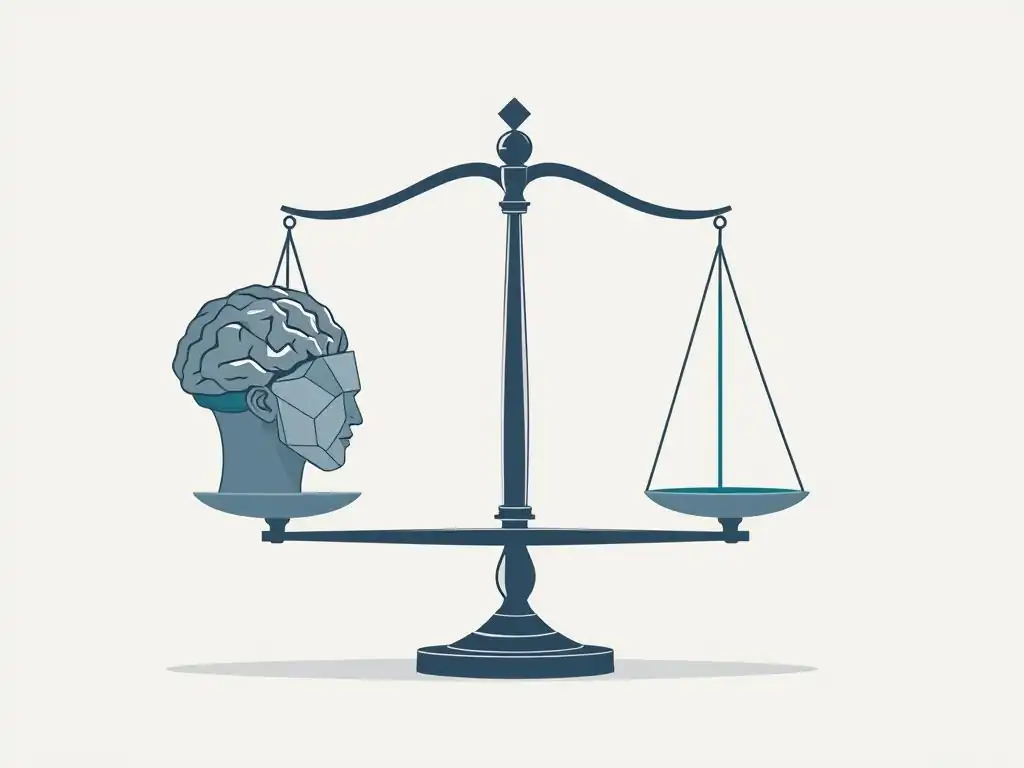
The intersection of personality disorders and the workplace presents significant legal and ethical challenges. Understanding these complexities is crucial for both employers and employees to navigate the situation fairly and responsibly. Failure to do so can lead to costly lawsuits, damaged reputations, and a hostile work environment. The impact of workplace personality disorder manifests not only in reduced productivity but also in potential legal ramifications. This section will explore key legal and ethical considerations.
Accommodations and Legal Protections for Employees
Under various disability laws (the specifics vary by country and jurisdiction), employees with diagnosable personality disorders may be entitled to reasonable accommodations. These accommodations aim to enable them to perform their job functions effectively despite their challenges. However, it's crucial to understand that not all personality disorder symptoms qualify for legal protection. The accommodation must be job-related and not impose an undue hardship on the employer.
For instance, an employee with borderline personality disorder experiencing intense emotional instability might benefit from a modified work schedule, allowing for more frequent breaks or flexible hours to manage their emotional regulation. Similarly, an employee with obsessive-compulsive personality disorder might require adjustments to their work tasks to accommodate their need for order and control. The key is to engage in an interactive process with the employee, involving medical professionals where appropriate, to identify suitable accommodations.
Documentation from a qualified mental health professional is typically necessary to support a request for accommodation. Failing to provide reasonable accommodations, when legally required, could expose the employer to legal action. The impact of ignoring these legal protections can be severe, resulting in financial penalties and reputational damage.
Balancing Employee Rights with Workplace Productivity and Safety
Balancing the rights of employees with personality disorders with the need to maintain workplace productivity and safety is a delicate act. Employers have a responsibility to provide a safe and productive work environment for all employees. This includes addressing behaviors that negatively impact others, even if those behaviors stem from a personality disorder. However, this must be done in a way that respects the employee's rights and dignity.
The challenge lies in distinguishing between behaviors resulting from a personality disorder and behaviors that constitute misconduct. For example, while frequent outbursts might be a symptom of a personality disorder, consistently harassing colleagues is a separate issue requiring disciplinary action. A well-defined employee handbook outlining acceptable workplace conduct and disciplinary procedures is essential. Furthermore, regular performance reviews and constructive feedback can help address performance issues early on, before they escalate into serious problems.
Careful documentation of all interactions, including attempts at accommodation and disciplinary actions, is crucial for legal protection. This documentation should be objective, factual, and avoid subjective interpretations. The impact of failing to strike this balance can be detrimental to both the employee and the organization.
Maintaining Confidentiality and Professional Boundaries
Maintaining confidentiality is paramount when dealing with employees who have personality disorders. Information about an employee's diagnosis and treatment should be kept strictly confidential, following all relevant data protection laws (like HIPAA in the US or GDPR in Europe). Only those individuals with a legitimate need to know should have access to this sensitive information. This includes HR personnel, supervisors directly involved in managing the employee's performance, and any medical professionals involved in the accommodation process.
Furthermore, maintaining professional boundaries is crucial. While empathy and understanding are essential, supervisors and colleagues should avoid becoming overly involved in the employee's personal life or attempting to provide therapy or counseling. The workplace is not the appropriate setting for treating a personality disorder.
Encouraging the employee to seek professional help, if needed, is appropriate, but this should be done respectfully and without pressure. The impact of a breach of confidentiality can be devastating for the employee and can result in legal action against the employer. Strict adherence to confidentiality protocols is essential for maintaining trust and fostering a supportive work environment.
This exploration of the impact of workplace personality disorders highlights the complex interplay between individual traits and professional environments. Understanding the challenges posed by these disorders is crucial for fostering healthier, more productive workplaces. While the presence of personality disorders can create difficulties, a proactive and empathetic approach can significantly mitigate negative consequences. Early identification, coupled with appropriate management strategies, is key to preventing escalation and ensuring a positive work environment for everyone.
Remember, a supportive and understanding atmosphere fosters inclusivity and allows individuals to manage their conditions effectively. The goal isn't to eliminate individuals with personality disorders from the workforce, but to create a space where their contributions are valued while potential challenges are addressed constructively. This requires a shift towards a more compassionate and informed approach to workplace dynamics, prioritizing the well-being of all employees.
Promoting a Healthy and Productive Work Environment for All
Creating a truly inclusive and productive workplace requires a multifaceted approach. This involves several key strategies:
- Training and Education: Providing comprehensive training to HR professionals and managers on recognizing the signs and symptoms of personality disorders is paramount. This training should equip them with the skills to handle sensitive situations with empathy and professionalism, fostering a culture of understanding and support. The training should also cover effective communication strategies and conflict resolution techniques tailored to the specific challenges posed by personality disorders.
- Clear Policies and Procedures: Implementing clear and well-defined policies regarding workplace conduct and conflict resolution is vital. These policies should be readily accessible to all employees and should outline procedures for addressing concerns related to personality disorders in a fair and equitable manner. The focus should be on creating a framework for addressing behaviors, not labeling individuals.
- Confidentiality and Support Systems: Establishing confidential reporting mechanisms and support systems for employees experiencing challenges related to personality disorders or those working with individuals exhibiting such traits is crucial. This requires a commitment to maintaining confidentiality and providing access to appropriate resources, such as employee assistance programs (EAPs) and mental health professionals. Employees should feel safe reporting concerns without fear of retribution.
- Flexible Work Arrangements: In some cases, modifying work arrangements, such as adjusting workloads or offering flexible working hours, can significantly improve the work experience for individuals with personality disorders and those who interact with them. This demonstrates a commitment to accommodating individual needs while maintaining productivity.
Further Resources and Support for Employees and Employers
Navigating the complexities of personality disorders in the workplace requires access to reliable information and support. Both employees and employers can benefit from utilizing a range of resources:
- Professional Mental Health Services: Seeking professional guidance from qualified mental health professionals is crucial for both individuals struggling with personality disorders and those working alongside them. These professionals can provide personalized support, guidance, and treatment plans.
- Employee Assistance Programs (EAPs): Many organizations offer EAPs, which provide confidential counseling and support services to employees. These programs can be invaluable in addressing work-related stress and providing strategies for managing challenging interpersonal dynamics.
- Organizational Development Consultants: Consulting with organizational development specialists can help organizations develop tailored strategies for creating a more inclusive and supportive work environment. These consultants can provide expert advice on implementing effective policies, training programs, and support systems.
- Support Groups and Online Communities: Support groups and online communities offer valuable opportunities for individuals with personality disorders, their families, and colleagues to connect, share experiences, and learn from each other. These platforms can provide a sense of community and reduce feelings of isolation.
The successful management of personality disorders in the workplace is not a simple task, but a continuous process requiring commitment, understanding, and proactive intervention. By implementing these strategies and accessing available resources, organizations can create a healthier and more productive environment for all employees, promoting both individual well-being and overall organizational success. 🤝
Frequently Asked Questions
What is a personality disorder, and how does it affect the workplace?
Personality disorders are enduring patterns of inner experience and behavior that deviate markedly from the expectations of the individual's culture. In the workplace, this can manifest as difficulties with teamwork, communication, and adherence to rules, impacting productivity and relationships.
How common are personality disorders among workers?
The exact prevalence is difficult to determine, as many individuals with personality disorders remain undiagnosed. However, studies suggest a significant portion of the workforce may be affected, with the impact varying depending on the specific personality disorder and the work environment.
Which personality disorders are most likely to impact the workplace negatively?
Disorders like antisocial personality disorder, narcissistic personality disorder, and borderline personality disorder can significantly disrupt workplace dynamics due to their associated traits, such as impulsivity, manipulation, and instability. The impact can be highly contextual.
Can an employer legally dismiss someone with a personality disorder?
Dismissal is generally only justifiable if the employee's condition significantly impairs their ability to perform their job duties, and reasonable accommodations have been explored and deemed insufficient. Legal advice is crucial in such situations.
What resources are available for employees and employers dealing with personality disorders in the workplace?
Many resources exist, including mental health professionals, employee assistance programs (EAPs), and support groups. Employers can also invest in training to improve understanding and management of these challenges within the workplace.
Final Reflection: The Unseen Weight of Personality Disorders in the Workplace
The pervasive impact of personality disorders in the workplace is not merely a matter of individual struggles; it's a systemic issue affecting productivity, morale, and overall organizational health. Untreated personality disorders can significantly hinder team dynamics, create toxic work environments, and ultimately impact a company's bottom line. Ignoring this reality is a disservice to both employees and employers.
The subtle yet profound ways personality disorders manifest in the workplace are often misunderstood, leading to miscommunication, conflict, and even burnout. This lack of understanding perpetuates a cycle of stigma and prevents individuals from seeking help. The greatest barrier to recovery is often the stigma surrounding mental illness.
This quote underscores the critical need for increased awareness and empathy within workplaces. My own research for this article highlighted the urgent need for better training and resources to equip managers and HR professionals to effectively address these challenges, fostering a more inclusive and supportive work environment.
You, the reader, now possess a deeper understanding of the complexities surrounding personality disorders in the workplace. Consider how this knowledge can inform your interactions with colleagues, your leadership style, or even your own self-awareness. Take the time to educate yourself further, advocate for better mental health resources in your workplace, and remember that fostering a culture of understanding and support is not just beneficial—it's essential for a thriving and productive work environment for everyone.
Empower Your Workplace: Take Action Today!
Thank you for exploring the complexities of personality disorders in the workplace. Your interest is crucial to fostering a more understanding and supportive work environment. Recognizing these challenges allows you to significantly improve your team's dynamics and overall workplace culture.
Here's how you can make a difference:
- Educate Yourself and Others: Share your knowledge by organizing a workplace discussion or workshop. Knowledge is power!
- Foster Open Communication: Encourage colleagues to share their thoughts and experiences; open dialogue is key to building understanding.
- Seek Professional Guidance: If persistent issues arise, consider bringing in a mental health professional for training or to provide resources.
How can you contribute to a more inclusive workplace that effectively addresses these challenges?