
Creating a Supportive Learning Environment at Home


Welcome to Psychology Basics, your gateway to understanding the fascinating world of the human mind! Are you curious about how your home environment shapes a child's learning journey? Our in-depth article on "Study psychology home environment" explores the crucial role of parenting in fostering academic success and overall well-being. Discover practical strategies and insightful research to create a supportive and enriching learning space for your children – begin your exploration now and unlock the secrets to nurturing their potential!
- Creating a Supportive Learning Environment at Home: A Psychology Basics Guide
- Step-by-Step Guide to Setting Up Your Home for Effective Learning
- Fostering a Supportive Emotional Climate for Studying Psychology
- Using Technology to Enhance the Study Psychology Home Environment
- Maintaining a Positive and Effective Study Psychology Home Environment Long-Term
-
Frequently Asked Questions
- How can I create a dedicated study space at home for psychology?
- What strategies can help me stay focused while studying psychology at home?
- Are there any specific resources I can use to study psychology effectively at home?
- How can I overcome procrastination when studying psychology at home?
- How can I create a positive and supportive learning environment at home to reduce stress while studying psychology?
- Final Reflection: Cultivating Minds, Building Futures
- **Embrace Change: Transform Your Home into a Learning Oasis! **
Creating a Supportive Learning Environment at Home: A Psychology Basics Guide
Creating a conducive home environment for studying psychology, or any subject for that matter, is crucial for academic success and overall well-being. This guide, designed for parents and students alike, explores the key elements that contribute to a supportive and productive learning atmosphere within the home.
We'll delve into the psychology behind effective study habits and how a thoughtfully designed home environment can significantly impact a student's ability to absorb and retain information, ultimately fostering a love of learning and a positive relationship with academics. Understanding the principles of positive psychology and applying them to the home learning environment can transform the way your child approaches their studies, reducing stress and maximizing their potential.
This is particularly relevant for students tackling the often complex and nuanced field of psychology, requiring focused attention and deep engagement. The strategies outlined below are applicable not only to psychology but to any subject requiring concentrated study.
Understanding the Importance of a Positive Study Psychology Home Environment
A positive home environment plays a pivotal role in a student's academic journey. It's more than just a quiet space; it's about fostering a feeling of security, comfort, and encouragement. Studies have consistently shown a strong correlation between a supportive home environment and improved academic performance. 1 When children feel safe, understood, and valued, they are more likely to be motivated to learn and engage with their studies. This is especially true for subjects like psychology, which often require introspection and critical thinking. A stressful or chaotic home environment, conversely, can lead to increased anxiety, decreased concentration, and ultimately, poorer academic results. Creating a space where learning is not just tolerated but actively encouraged is paramount. This involves understanding the individual needs of the child and tailoring the environment to meet those needs. For example, some children thrive in quiet spaces, while others might benefit from a more stimulating environment with background music. The key is to create a personalized learning haven that caters to their specific learning style and preferences. We'll explore this in greater detail below.
1 [Specific study referencing the correlation between home environment and academic performance pending]
How a Structured Home Environment Impacts Learning
A structured home environment significantly enhances a child's ability to focus and learn effectively. This doesn't necessarily mean a rigid and inflexible routine, but rather a predictable and organized framework that provides a sense of stability and control. This structure can manifest in various ways: a designated study area, a consistent schedule for homework and study time, clear expectations regarding screen time and other distractions, and a routine that balances academic pursuits with leisure activities.
The benefits of such structure are multifaceted. It helps children develop self-discipline and time-management skills, essential for academic success. It also minimizes distractions and promotes a sense of calm and focus, allowing them to fully engage with their studies.
A lack of structure, on the other hand, can lead to procrastination, feelings of overwhelm, and difficulty concentrating. Think of it like this: a well-organized toolbox makes it easier for a carpenter to build something intricate; similarly, a structured home environment provides the necessary tools and framework for a child to successfully navigate the complexities of their studies. Implementing a consistent routine, even on weekends, can help establish a rhythm that promotes focus and productivity.
Key Elements for a Successful Study Psychology Home Environment
Several key elements contribute to creating a truly supportive study environment. These elements work synergistically to foster a positive and productive learning experience.
| Element | Description | Example |
|---|---|---|
| Designated Study Space | A quiet, well-lit, and organized area specifically dedicated to studying. | A desk in a quiet corner of the room, free from clutter and distractions. |
| Minimizing Distractions | Reducing interruptions from technology, noise, and other household activities during study time. | Turning off notifications on devices, using noise-canceling headphones. |
| Consistent Schedule | Establishing a regular schedule for homework, study, and breaks to promote consistency and routine. | Setting aside specific times each day for focused study and breaks for rest. |
| Healthy Lifestyle | Ensuring adequate sleep, nutrition, and physical activity to support cognitive function and well-being. | A balanced diet, regular exercise, and sufficient sleep. |
| Positive Reinforcement | Encouraging and celebrating effort and progress, rather than solely focusing on grades. | Praising effort, providing encouragement, and celebrating accomplishments. |
| Open Communication | Creating a safe space for the child to discuss challenges and seek support. | Regular check-ins and open dialogue about academic progress and challenges. |
Creating a supportive learning environment is an ongoing process, requiring flexibility and adaptation based on the child's individual needs and evolving circumstances. By prioritizing these key elements, parents can significantly enhance their child's ability to succeed academically and cultivate a lifelong love of learning. Remember, a positive and supportive home environment is not just beneficial for academic success; it also contributes to the overall well-being and emotional development of the child.
Step-by-Step Guide to Setting Up Your Home for Effective Learning
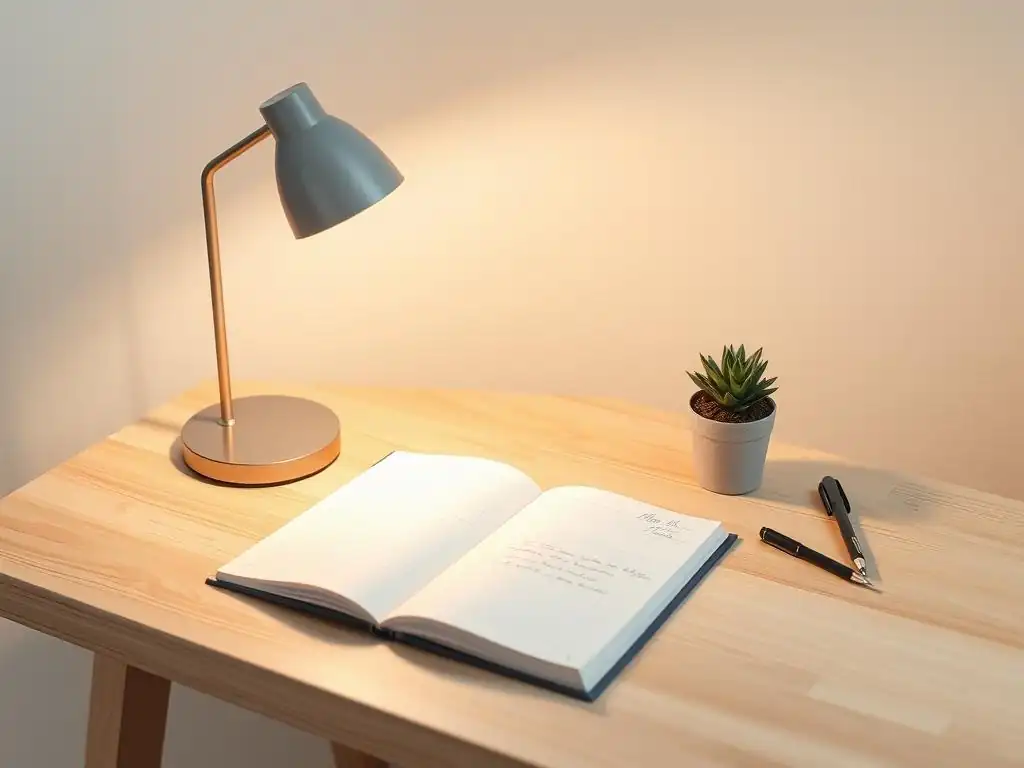
This section provides a practical, step-by-step guide to optimizing your home environment for effective studying, particularly relevant for those studying psychology at home. Creating a supportive study psychology home environment is crucial for academic success and overall well-being. We will explore key strategies to transform your home into a productive and conducive learning space.
Step 1: Defining a Dedicated Study Space
Establishing a designated study area is paramount for successful home learning. This dedicated space signals to your brain that it's time to focus, improving concentration and reducing the mental overhead of switching between tasks. Consistency is key; always study in the same location to reinforce this association. This is especially important when studying subjects like psychology that require deep thinking and concentration.
Choosing the Right Location for Focused Study
The ideal location should be quiet, well-lit, and free from distractions. Avoid areas commonly associated with relaxation, such as your bed or the living room. Consider a spare bedroom, a quiet corner of a larger room, or even a well-organized section of your desk. The key is to minimize interruptions and create a sense of calm.
Natural light is preferable, but ensure adequate artificial lighting is available for evening study sessions. Good lighting significantly impacts concentration and reduces eye strain, contributing to a more positive learning experience. Think about airflow too; a stuffy room can make it hard to focus.
Recommended Products: [Standing Desk Converter] and [Ergonomic Office Chair]
Investing in ergonomic furniture can significantly improve your comfort and productivity during long study sessions. A standing desk converter allows you to alternate between sitting and standing, reducing back pain and promoting better posture. Similarly, an ergonomic office chair with proper lumbar support will enhance your comfort and help maintain good posture, which is especially important for prolonged periods of studying. These improvements contribute to a more comfortable and productive study psychology home environment. The benefits extend beyond physical comfort; improved posture and reduced discomfort directly contribute to better focus and concentration.
Step 2: Minimizing Distractions and Creating a Calm Atmosphere
Once you've established your study space, the next crucial step is minimizing distractions. Distractions disrupt concentration and hinder the learning process, leading to frustration and reduced effectiveness. A calm and organized environment fosters a more positive and productive study experience. This is particularly important when dealing with complex concepts in psychology which demand sustained attention.
Implementing Strategies to Reduce Noise and Visual Clutter
Noise pollution is a major obstacle to effective studying. Identify and minimize sources of noise, such as television, music, or conversations. Consider using noise-canceling headphones or an ambient noise machine to create a more peaceful atmosphere. Visual clutter also impacts concentration. Keep your study area clean, organized, and free of unnecessary items.
A tidy space promotes a clear mind, facilitating better focus and reducing stress. This principle applies to both physical and digital clutter; close unnecessary tabs on your computer and organize your digital files to maintain a sense of order in your digital study environment. The goal is to create a sanctuary for learning, free from the chaos of everyday life. This organized and calm environment is essential for effective studying of any subject, but especially crucial when studying psychology, which involves intricate concepts and detailed information retention.
Recommended Product: [Ambient Noise Machine]
An ambient noise machine can be a valuable tool in creating a calm and focused study environment. These machines generate soothing sounds, such as white noise or nature sounds, which can mask distracting noises and promote relaxation. This allows you to focus on your studies without being constantly interrupted by external sounds.
The consistent, gentle sounds can help to block out distracting noises and create a more conducive atmosphere for deep concentration and learning. This is an excellent strategy for creating a supportive study psychology home environment, particularly in busy households. The ability to control the sound level allows for personalization, ensuring the optimal level of background noise for individual preferences and needs.
Step 3: Organizing Study Materials for Easy Access
Creating a clutter-free study space is crucial for effective learning. A disorganized environment can lead to wasted time searching for materials and ultimately hinder concentration. This step focuses on strategic organization to ensure all necessary study resources are readily available. Think of it as creating a well-oiled machine – each component (your textbook, notes, pens, etc.) has its designated place, making the learning process smoother and more efficient.
This optimized setup minimizes distractions and allows for a more focused learning experience. The key is to make accessing materials intuitive and effortless, allowing students to devote their mental energy to the subject matter rather than the logistical challenges of finding their resources. A well-organized space fosters a sense of calm and control, contributing to a more positive and productive learning environment. This is especially important for students studying psychology, a subject requiring deep concentration and critical thinking.
Utilizing Storage Solutions to Keep Resources Readily Available
Effective storage solutions are the backbone of an organized study space. Instead of haphazardly piling books and papers, consider utilizing vertical space and implementing systems for easy retrieval. This could involve using shelves, drawers, or even wall-mounted organizers to maximize space and keep materials neatly arranged. Categorizing materials—grouping textbooks by subject, keeping notes organized by date or topic—further enhances efficiency.
Color-coding folders or using labeled containers can also help students quickly locate specific items. The goal is to create a system that works for the individual student, promoting a sense of order and reducing stress associated with searching for materials. Remember, a well-organized study area significantly reduces mental clutter, allowing students to focus their energy on understanding complex psychological concepts.
Recommended Products: [Magazine File Holders] and [Rolling Storage Cart]
While specific product recommendations are beyond the scope of this article due to the constantly evolving market, the functionality of certain storage solutions is worth highlighting. Magazine file holders, for instance, are excellent for storing loose papers, handouts, and printed notes. Their vertical design saves space and allows for easy access to individual files. A rolling storage cart, on the other hand, offers the flexibility of moving resources around the study area as needed.
This is particularly beneficial for students who prefer to change their study location throughout the day. These types of products, and many others, are designed to improve organization and accessibility, which directly impacts a student’s ability to focus and learn effectively. Investing in a few well-chosen storage solutions can significantly improve the overall learning environment at home. Consider the student's individual needs and preferences when selecting storage options.
Step 4: Incorporating Natural Light and Proper Illumination
Adequate lighting is often overlooked but plays a crucial role in creating a supportive learning environment. Insufficient or poorly positioned lighting can strain the eyes, leading to headaches and fatigue, significantly impacting concentration and the ability to retain information. Conversely, well-lit spaces promote alertness and enhance cognitive function.
This section focuses on how to optimize lighting to support effective studying. The goal is to create a space that is both comfortable and conducive to learning, promoting a positive and productive study experience. A well-lit space helps reduce eye strain, improving focus and reducing fatigue which are essential for effective learning.
The Benefits of Natural Light for Focus and Cognitive Function
Natural light is superior to artificial light for several reasons. Studies have shown that exposure to natural light improves mood, reduces stress, and enhances alertness. This, in turn, boosts cognitive performance and promotes better concentration.
Natural light regulates our circadian rhythm, helping to maintain a consistent sleep-wake cycle, crucial for optimal cognitive function. Sitting near a window while studying allows for breaks where students can briefly look outside, providing a mental reset and reducing eye strain compared to prolonged periods of focusing on screens or books under artificial light. The natural light's changing intensity throughout the day even mimics the natural rhythm of our cognitive processes, which helps maintain a consistent level of focus.
Recommended Product: [LED Desk Lamp with Adjustable Color Temperature]
While natural light is ideal, it’s not always sufficient, especially during evening study sessions. An LED desk lamp with adjustable color temperature offers a flexible solution. The adjustable color temperature allows students to tailor the light to their needs and preferences, mimicking natural light throughout the day. Cooler light temperatures (around 5000K) are ideal for daytime study, promoting alertness and focus.
Warmer temperatures (around 3000K) are better suited for evening sessions, creating a more relaxed and less stimulating environment. Moreover, LED lamps are energy-efficient and long-lasting, making them a cost-effective and environmentally friendly option. Choosing a lamp with a flexible arm allows for precise positioning of the light source, minimizing glare and shadows, crucial for comfortable and effective studying. Remember, lighting can significantly impact a student's ability to focus and retain information, so investing in a quality lamp is a worthwhile endeavor.
Step 5: Establishing a Study Schedule and Routine
Creating a consistent study schedule is crucial for effective learning, especially when studying psychology at home. A regular routine helps to establish a predictable rhythm, reducing stress and improving focus. Think of it like training a muscle – the more consistently you engage in focused study, the stronger your concentration and retention become. This isn't about rigidly adhering to a timetable that stifles spontaneity; rather, it's about building a framework that supports productive study sessions.
Incorporating short breaks into your schedule is also vital. The Pomodoro Technique, for instance, suggests 25 minutes of focused work followed by a 5-minute break. Experiment with different techniques to find what works best for your learning style and energy levels.
Remember, consistency is key – even if you miss a day, get back on track the next day to maintain the positive momentum. Consistency in your study habits translates to better knowledge retention and a deeper understanding of complex psychological concepts. The key is to find a balance between structure and flexibility to avoid burnout and maintain motivation.
Creating a Visual Schedule that Promotes Consistency
A visual schedule can significantly enhance your ability to stick to your study routine. For many, seeing their schedule laid out visually offers a tangible representation of their commitment and helps in tracking progress. This could involve a simple wall calendar, a whiteboard, or even a digital planner. The key is to make it clear, concise, and easily accessible.
Use different colors to represent different subjects or activities. For example, you might use blue for psychology textbooks, green for practice questions, and yellow for breaks. Visually separating different aspects of your study time can improve organization and reduce feelings of overwhelm. Consider adding visual cues, such as small stickers or drawings, to represent milestones or rewards.
This can make the process more engaging and motivating, particularly for those who respond well to visual stimuli. Regularly reviewing your visual schedule reinforces the routine and helps to identify areas where adjustments might be needed. Remember to make it personalized – a schedule that works for one person might not work for another.
Recommended Product: [Large Wall Calendar]
A large wall calendar provides an excellent visual aid for scheduling your study time. Its size allows for ample space to write detailed notes, appointments, and assignments. The visual representation of the entire month or week allows for better planning and the ability to see the bigger picture of your study schedule.
Many wall calendars offer additional features such as monthly or weekly views, space for notes, and even inspirational quotes. The physical act of writing your schedule on the calendar can enhance memory and commitment. Furthermore, a large wall calendar is easily visible, serving as a constant reminder of your study goals and commitments.
Choosing a calendar with a clear and uncluttered design is beneficial to avoid visual overload. Consider a calendar with ample space for writing, perhaps even different colored pens or markers to further enhance the visual appeal and organization of your study plan. The key is to select a calendar that supports your personal preferences and learning style, making it an effective tool for maintaining a consistent study routine.
Fostering a Supportive Emotional Climate for Studying Psychology
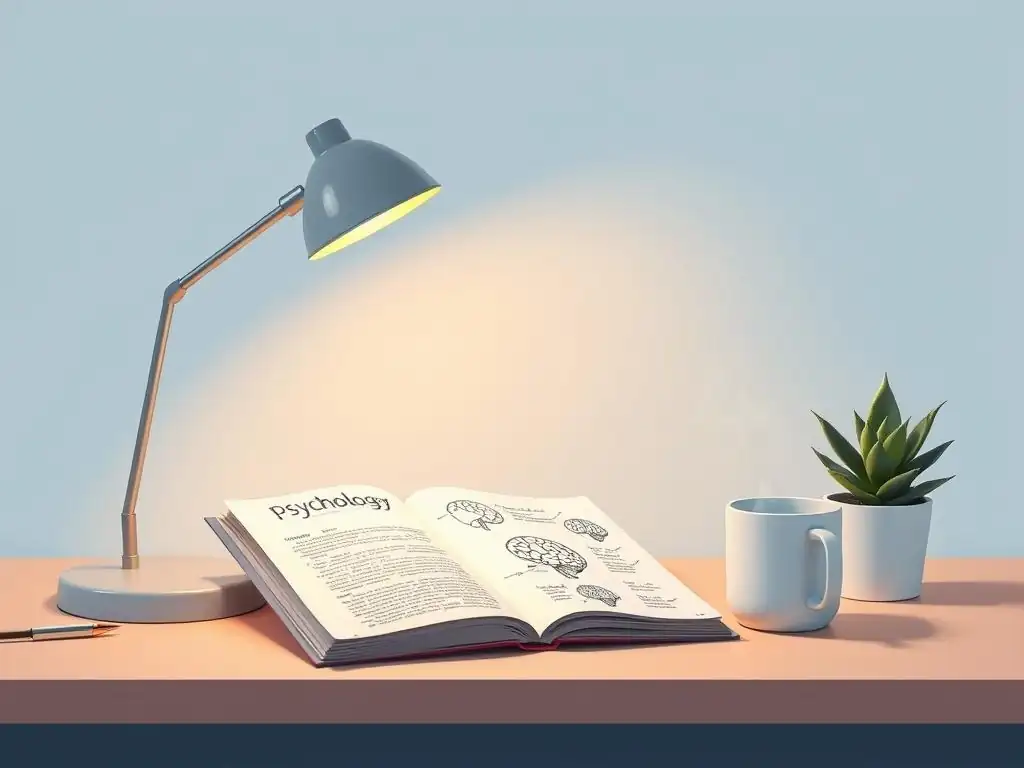
Creating a thriving learning environment at home for a student focused on studying psychology requires more than just a quiet workspace. A supportive emotional climate is crucial for success, fostering motivation, resilience, and a genuine love for the subject. The home should become a haven where intellectual exploration is not only encouraged but celebrated. This section delves into building that supportive emotional foundation.
Encouraging Open Communication and Active Listening
Effective communication is the bedrock of any supportive relationship, and this is especially true within a family where a child is intensely engaged in academic pursuits, like studying psychology. Open communication goes beyond simply asking, "How was school today?". It requires actively listening without judgment, creating a safe space for the student to express their experiences, both positive and negative. This means actively turning off distractions like phones and giving the student your undivided attention. Use nonverbal cues like nodding, maintaining eye contact (appropriately), and mirroring their emotions to show you’re truly engaged.
Creating a Safe Space to Discuss Challenges and Frustrations
The complexities of psychology can be challenging. Students might encounter difficult concepts, demanding assignments, or even feelings of inadequacy. Creating a safe space to discuss these challenges and frustrations is paramount. This means validating their feelings, even if you don't fully understand the academic nuances. Phrases like, "That sounds really frustrating," or "I can see why you're feeling overwhelmed," can go a long way.
Avoid minimizing their struggles or offering unsolicited advice. Instead, focus on empathetic listening and helping them identify potential solutions. Remember, the goal is to help them develop coping mechanisms and problem-solving skills, not to solve every problem for them. This fosters independence and resilience, vital skills for success in any field, including psychology. Consider establishing a regular time for these discussions, perhaps during dinner or a specific evening chat, to create a routine and expectation of open dialogue.
Promoting a Growth Mindset and Resilience
A growth mindset, the belief that abilities and intelligence can be developed through dedication and hard work, is crucial for success in psychology, a field demanding critical thinking and continuous learning. Instead of praising intelligence ("You're so smart! "), focus on praising effort and process ("I'm so impressed with how hard you worked on that assignment"). This subtly shifts the focus from innate ability to the value of perseverance and learning from mistakes.
Focusing on Effort and Learning Progress
Highlighting effort and progress, rather than solely focusing on grades, is key to cultivating a growth mindset. Celebrate small victories and acknowledge the challenges overcome. This could involve displaying their work proudly, celebrating milestones with a small treat, or simply taking time to discuss their learning process.
For example, instead of saying, "You got a B+ on your exam," try, "I noticed you really put in a lot of effort studying for that exam, and your improvement in understanding [specific concept] is fantastic!" This type of positive reinforcement encourages continued effort and resilience when faced with setbacks. Regularly review their study habits and offer constructive feedback, focusing on strategies for improvement rather than criticizing shortcomings.
This approach fosters self-reflection and empowers the student to take ownership of their learning journey. Consider using a visual tracker to monitor progress, highlighting achievements and areas for improvement, making learning a collaborative and positive experience. This approach not only supports their academic journey but also builds their confidence and self-esteem, crucial components for a successful future in psychology.
Strategies for Motivating and Encouraging Self-Directed Learning
Encouraging self-directed learning in psychology, a subject often perceived as challenging, requires a nuanced approach. It's not simply about pushing your child to study; it's about fostering intrinsic motivation—a desire to learn for the sake of learning. This involves understanding their learning style and adapting your strategies accordingly. Some students thrive with structured schedules and clear goals, while others prefer a more flexible, exploratory approach.
The key is to collaborate with your child to identify their preferences and create a learning plan that resonates with them. Regular check-ins, devoid of judgment, are crucial. Instead of focusing solely on grades, emphasize the process of learning and the satisfaction derived from mastering new concepts. Celebrate small victories and acknowledge their efforts, even if the results aren't perfect.
This fosters a growth mindset, where challenges are viewed as opportunities for learning and improvement, rather than indicators of failure. Remember, the goal is to cultivate a love for learning, not just to achieve high grades. This long-term perspective is vital for sustaining motivation throughout their academic journey in psychology. Open communication is also key; create a safe space where your child feels comfortable discussing their struggles and celebrating their successes without fear of criticism.
Using Positive Reinforcement and Rewards
Positive reinforcement is a powerful tool for motivating self-directed learning. Instead of focusing on punishments for poor performance, reward effort and progress. These rewards don't need to be expensive; they could be extra screen time, a family outing, or simply spending quality time together doing something your child enjoys. The key is to make the rewards relevant and appealing to your child. For example, if your child enjoys reading, reward their consistent study time with a new psychology-related book or a trip to a bookstore.
The connection between effort and reward should be clear and consistent. Avoid using rewards as bribes; instead, frame them as positive reinforcement for their hard work and dedication. It's also important to tailor rewards to individual preferences. What motivates one child might not motivate another.
Regularly check in with your child to ensure the rewards remain effective and adjust them accordingly. Remember that intrinsic motivation—the internal drive to learn—is the ultimate goal. Rewards can be a helpful stepping stone, but they shouldn't replace the inherent satisfaction of mastering a new concept or solving a complex problem. Over-reliance on extrinsic rewards can actually hinder the development of intrinsic motivation.
The Role of Parents in Supporting Academic Success
Parents play a pivotal role in shaping their children's academic success, particularly in a demanding field like psychology. Beyond providing a conducive study environment, parents act as crucial support systems, offering emotional encouragement and practical assistance. This involves actively participating in their child's educational journey, not just passively providing resources. Regular communication is key; inquire about their progress, challenges, and areas where they need support.
This doesn't mean constantly checking up on them; instead, create opportunities for open conversations where they feel comfortable sharing their experiences. Active listening is paramount; truly listen to their concerns and validate their feelings without judgment. Offer practical help where needed, such as organizing their study materials, providing access to necessary resources, or helping them develop effective study strategies. However, avoid over-involvement; the goal is to empower them to become independent learners, not to do the work for them.
Remember, your role is to support and guide, not to control their learning process. Striking the balance between providing support and fostering independence is crucial for their long-term academic success and self-reliance. This support extends beyond academics; a stable and loving home environment is essential for a child's overall well-being and academic performance.
Modeling Positive Study Habits and Attitudes
Children often learn by observing their parents. Modeling positive study habits and attitudes is therefore crucial in fostering a supportive learning environment. This means demonstrating a love for learning, showing dedication to personal growth, and actively engaging in intellectual pursuits.
If your child sees you consistently reading, pursuing hobbies that require learning new skills, or managing your own work effectively, they are more likely to adopt similar behaviors. Discuss your own learning experiences, both successes and failures, to show them that learning is a continuous process involving challenges and perseverance. Make learning a family activity; engage in discussions about interesting topics, visit museums or libraries, and participate in activities that stimulate intellectual curiosity.
By demonstrating a positive attitude towards learning and showing your own commitment to lifelong learning, you create a powerful and positive influence on your child's approach to their studies in psychology or any other field. Remember, your actions speak louder than words; your consistent modeling of positive study habits will have a far greater impact than simply telling your child what to do. Lead by example and inspire a love of learning within your family.
Using Technology to Enhance the Study Psychology Home Environment

Technology offers incredible tools for creating a supportive learning environment for psychology students at home. Gone are the days of solely relying on textbooks and lectures; now, a wealth of digital resources can supplement and even enhance traditional learning methods. Effectively integrating technology requires a strategic approach, focusing on maximizing its benefits while mitigating potential drawbacks. This section will explore how to leverage technology to foster a productive and enriching study atmosphere.
Leveraging Educational Apps and Online Resources
The digital realm provides a plethora of apps and online platforms specifically designed to aid learning. These resources cater to diverse learning styles and preferences, offering interactive exercises, engaging multimedia content, and personalized feedback. The key is to carefully select resources that align with the student's learning goals and individual needs. A well-curated selection of digital tools can significantly improve comprehension, retention, and overall academic success. The effective use of technology for studying psychology at home is crucial for success in this field.
Examples: [Anki] for spaced repetition and [Coursera] for in-depth courses
Spaced repetition systems (SRS), like Anki, are incredibly effective for memorizing complex psychological terms and concepts. Anki utilizes algorithms to schedule reviews at optimal intervals, maximizing retention. By creating flashcards with key definitions, theories, and case studies, students can actively reinforce their learning. The ability to personalize flashcards to one's specific needs further enhances this approach. This method has proven particularly effective for mastering the vast terminology often associated with psychology.
In contrast, platforms like Coursera provide access to in-depth courses taught by leading professors from top universities worldwide. These courses often include video lectures, interactive quizzes, assignments, and peer discussions, fostering a dynamic and engaging learning experience. The structured nature of these courses helps maintain focus and provides a sense of community, even while studying independently at home. Choosing courses relevant to specific areas of interest within psychology can further personalize the learning journey. Students can tailor their learning path by selecting courses that delve into specific psychological theories, research methodologies, or clinical applications.
Setting Boundaries and Managing Screen Time
While technology offers significant advantages, it's crucial to establish clear boundaries and manage screen time effectively. Excessive screen time can lead to digital eye strain, sleep disturbances, and decreased focus, counteracting the very benefits technology aims to provide. A balanced approach is essential to harness technology's power without compromising well-being. The key is to create a structured learning environment where technology serves as a tool, not a distraction.
Implementing a Balanced Approach to Technology Use
Implementing a balanced approach requires careful planning and self-discipline. This might involve setting specific time blocks for online learning, interspersed with breaks for physical activity or other non-screen-based activities. Utilizing timer apps can help enforce these boundaries. Creating a dedicated study space, free from distractions like social media notifications and other entertainment, is also crucial. This dedicated space should be comfortable and conducive to concentration, reinforcing the importance of focused study.
Regular breaks help maintain concentration and prevent burnout, which is especially important when studying demanding subjects like psychology. The optimal balance will vary depending on individual needs and learning styles, but the importance of mindful technology use cannot be overstated. Regularly evaluating the effectiveness of your technology use and adjusting your approach as needed is also recommended. This continuous assessment ensures that the technology enhances, rather than hinders, your study psychology home environment.
Maintaining a Positive and Effective Study Psychology Home Environment Long-Term
Creating a supportive learning environment for studying psychology at home isn't a one-time fix; it's an ongoing process requiring consistent effort and adaptation. Think of it as cultivating a garden – you need to regularly tend to it to ensure healthy growth. Successfully navigating the complexities of psychology requires a conducive atmosphere, and maintaining this atmosphere over the long term is crucial for sustained academic success and overall well-being.
This section focuses on the strategies you can employ to ensure your home remains a productive and positive space for learning psychology. This is vital for establishing a successful "Study psychology home environment".
Regularly Reviewing and Adjusting the Study Space and Routine
The ideal study space isn't static; it evolves with your needs and learning style. Regularly reviewing and adjusting your study space and routine is paramount. Consider these points:
- Ergonomics: Is your chair comfortable and supportive? Is your desk at the correct height? Poor posture can lead to discomfort and reduced concentration. Adjust your setup to minimize physical strain.
- Organization: Clutter can be a significant distraction. Dedicate time each week to decluttering your study area. A tidy space promotes a clear mind. Utilize organizers, file systems, and digital tools to manage your notes and resources effectively.
- Lighting: Ensure adequate lighting to minimize eye strain. Natural light is ideal, but a good quality desk lamp is essential for evening study sessions.
- Noise Levels: Identify your optimal noise level for concentration. Some students thrive in complete silence, while others benefit from background music or white noise. Experiment to find what works best for you.
- Schedule Flexibility: Your study routine should be adaptable. Life happens! Build in flexibility to accommodate unexpected events without derailing your entire schedule. A rigid schedule can lead to burnout. Instead, aim for a flexible structure that allows for adjustments based on your energy levels and academic demands.
- Breaks: Regular breaks are crucial for maintaining focus and preventing burnout. The Pomodoro Technique (25 minutes of focused work followed by a 5-minute break) is a popular method. Experiment with different break lengths and frequencies to find what optimizes your productivity.
Celebrating Successes and Learning from Setbacks
Studying psychology can be challenging. It's essential to acknowledge and celebrate your achievements, no matter how small. This positive reinforcement is crucial for maintaining motivation and building confidence. Consider these strategies:
- Reward System: Establish a reward system for completing tasks or reaching milestones. This could involve something as simple as watching an episode of your favorite show or enjoying a special treat.
- Self-Compassion: Be kind to yourself when facing setbacks. Everyone makes mistakes; learning from them is key. Analyze what went wrong, adjust your approach, and move forward. Avoid self-criticism, which can be detrimental to your progress.
- Positive Self-Talk: Replace negative self-talk with positive affirmations. Instead of saying "I'm not good at this," try "I'm learning and improving every day." This shift in perspective can significantly impact your motivation and resilience.
- Journaling: Keep a study journal to track your progress, note challenges, and reflect on your learning experiences. This provides a valuable record of your journey and allows you to identify patterns and areas for improvement. This can help you understand your study patterns better and improve your "Study psychology home environment".
Seeking Professional Guidance When Needed
Even with the best-laid plans, you may encounter challenges that require professional support. Recognizing when you need help is a sign of strength, not weakness.
Example: Consulting an educational psychologist or academic coach
An educational psychologist can provide personalized strategies for improving your learning techniques, time management skills, and overall academic performance. An academic coach can offer support with organization, goal setting, and study skills. Don't hesitate to seek professional help if you're struggling to create or maintain a supportive study environment. Early intervention can prevent small problems from escalating into significant academic or emotional difficulties. Remember, seeking help is a sign of proactive self-care and commitment to your success in studying psychology. 🧑🎓
Frequently Asked Questions
How can I create a dedicated study space at home for psychology?
A dedicated study space is crucial. Find a quiet, well-lit area free from distractions. Organize your materials efficiently to minimize frustration.
What strategies can help me stay focused while studying psychology at home?
Employ time management techniques like the Pomodoro method. Minimize distractions by turning off notifications and using website blockers. Regular breaks are essential to prevent burnout.
Are there any specific resources I can use to study psychology effectively at home?
Yes! Utilize online resources like reputable psychology websites and open educational resources (OER). Textbooks, of course, are key, but consider supplemental materials like videos and podcasts.
How can I overcome procrastination when studying psychology at home?
Break down large tasks into smaller, manageable chunks. Set realistic goals and reward yourself for accomplishing them. Accountability partners can also be incredibly helpful.
How can I create a positive and supportive learning environment at home to reduce stress while studying psychology?
Prioritize self-care through exercise, healthy eating, and sufficient sleep. Create a relaxing atmosphere with calming music or ambient sounds. Don't hesitate to reach out to friends and family for support.
Final Reflection: Cultivating Minds, Building Futures
The quest for effective learning transcends the classroom; it thrives in the nurturing embrace of a supportive home environment. The impact of a thoughtfully designed home learning space resonates far beyond academic achievement, shaping a child's self-esteem, resilience, and overall well-being. This is not merely about better grades; it's about fostering a lifelong love of learning.
The influence of the home environment on a child's academic success is undeniable, a powerful current shaping their cognitive development and emotional landscape. It's a truth echoed across generations and cultures. The mind is not a vessel to be filled, but a fire to be kindled.
This quote, often attributed to Plutarch, perfectly encapsulates the shift from passive learning to active engagement that a supportive home environment facilitates. My own experiences, witnessing the transformative power of a dedicated learning space within my family, underscore the profound impact of this concept. It's not just about desks and bookshelves; it's about creating a sanctuary of learning, a place where curiosity flourishes and challenges are embraced.
Now, consider your own home. What adjustments, however small, could you make to cultivate a more supportive learning environment for yourself or your loved ones? Perhaps it's a designated study area, free from distractions, or a commitment to regular family time dedicated to learning and exploration. Perhaps it's simply fostering a culture of open communication and mutual respect, where questions are encouraged and mistakes are seen as opportunities for growth. Take a moment to reflect on this, and let the insights from this article guide you in creating a space where minds can flourish and futures can be built.
**Embrace Change: Transform Your Home into a Learning Oasis! **
Thank you for reading our article on creating a supportive learning environment at home! This is a significant step towards enriching your child's education. Let's put these ideas into practice and transform your home into a nurturing space that encourages curiosity and growth.
Here are three simple yet effective actions you can take today:
- **Designate a specific area** of your home as a dedicated study zone. Begin by decluttering this space; a clean and organized environment promotes focus and creativity.
- **Establish regular family learning time. ** Schedule a few hours each week for shared reading, knowledge exchange, or collaborative exploration of new subjects.
- **Share your experiences! ** Connect with other parents and educators online or in your community to exchange ideas and advice on building a supportive learning environment.
What creative approaches will you use to make your home a haven for learning? We'd love to hear your ideas in the comments below!