
Positive Psychology and the Importance of Play and Recreation

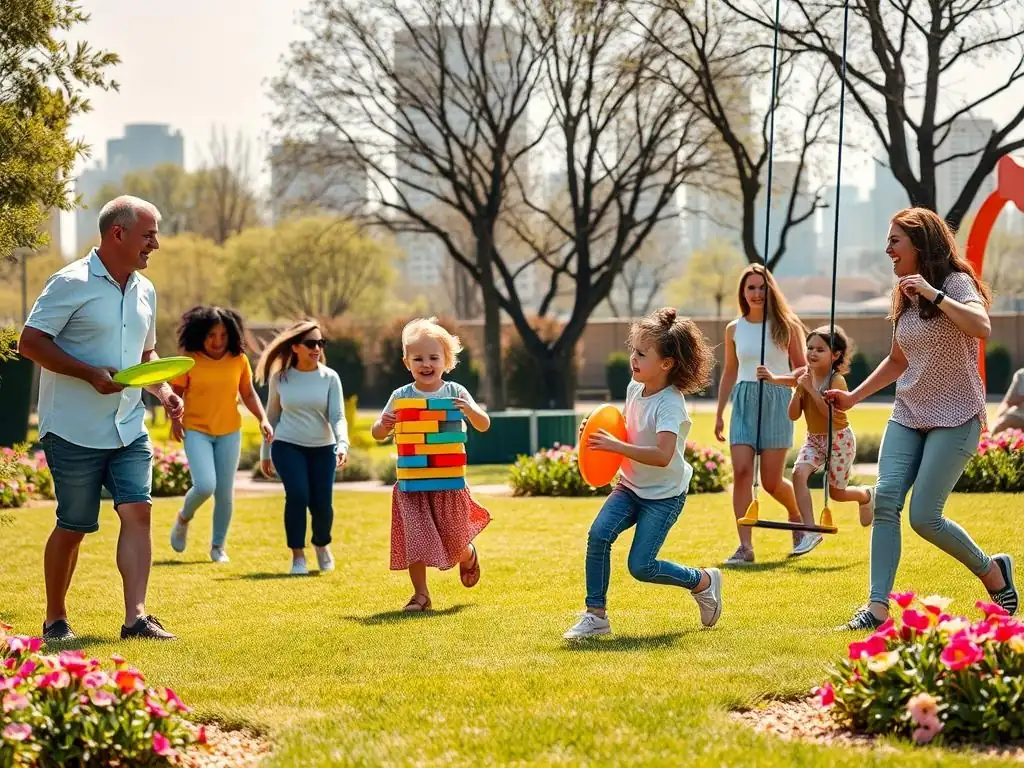
Welcome to Psychology Basics, your gateway to understanding the fascinating world of human behavior! Are you curious about how our minds work and how we can improve our well-being? Then you've come to the right place. We delve into the emerging trends shaping our understanding of psychology, and this time we're exploring the powerful link between positive psychology benefits and the often-underestimated power of play. Discover how engaging in playful activities can significantly impact your mental and emotional health—read on to unlock the secrets of a happier, healthier you!
- Understanding Positive Psychology and its Benefits
- The Power of Play in Positive Psychology
- Recreation and its Contribution to Positive Well-being
- Integrating Play and Recreation into a Positive Psychology Lifestyle
- Conclusion: Harnessing the Positive Psychology Benefits of Play and Recreation for a Fulfilling Life
- Frequently Asked Questions
- Final Reflection: The Enduring Power of Play in a Positive Life
- **Unlock Joy: Embrace Play and Recreation Today! **
Understanding Positive Psychology and its Benefits
Positive psychology, a burgeoning field within psychology, shifts the focus from simply treating mental illness to cultivating well-being and flourishing. Instead of solely addressing what's wrong, positive psychology explores what makes life most worth living. This involves understanding and fostering positive emotions, character strengths, and engagement in meaningful activities.
This article delves into the crucial role of play and recreation within the framework of positive psychology, exploring how these seemingly simple activities contribute significantly to our overall mental and emotional health. We will examine how engaging in play can boost positive emotions, build resilience, and ultimately enhance our overall sense of well-being, directly addressing the benefits of positive psychology as they relate to play and recreation. The exploration of "positive psychology benefits play" will reveal a powerful connection between enjoyment and lasting mental health.
Defining Positive Psychology: A Focus on Strengths and Well-being
Positive psychology isn't about ignoring difficulties; it's about building a foundation of strength and resilience to navigate them more effectively. It emphasizes identifying and nurturing our individual strengths, fostering positive emotions like joy, gratitude, and hope, and cultivating meaningful relationships. Instead of a deficit-based model, which focuses on repairing what's broken, positive psychology promotes a proactive approach to building a fulfilling life.
This involves understanding our unique talents and utilizing them to achieve our goals, leading to a greater sense of purpose and accomplishment. This proactive approach is crucial, as research consistently demonstrates that focusing on strengths leads to increased happiness and life satisfaction.
For example, studies have shown that individuals who regularly practice gratitude experience higher levels of well-being and are better equipped to handle stress. The incorporation of play and recreation directly feeds into this strength-based approach, allowing for the development of skills, self-expression and the fostering of positive emotions.
The Role of Positive Emotions in Mental Health
Positive emotions are not merely fleeting feelings; they are essential components of mental health and well-being. Experiencing joy, contentment, interest, and hope regularly contributes to our overall psychological resilience. These emotions broaden our cognitive resources, allowing us to think more creatively and solve problems more effectively. Furthermore, positive emotions buffer us against the negative impacts of stress, promoting better coping mechanisms and reducing the risk of burnout.
Studies consistently show a correlation between higher levels of positive emotions and improved physical health, stronger immune systems, and increased longevity. Play and recreation act as powerful catalysts for these positive emotions, offering opportunities for joy, relaxation, and social connection, all vital components of a thriving mental state. The simple act of engaging in a fun activity can significantly reduce stress hormones and increase the production of endorphins, leading to an overall feeling of well-being.
Positive Psychology Interventions: Building Resilience and Happiness
Positive psychology offers various interventions designed to enhance well-being. These interventions often involve activities that promote positive emotions, build character strengths, and foster meaningful engagement. Techniques like mindfulness, gratitude exercises, and acts of kindness are commonly used to cultivate positive psychological states.
Play and recreation naturally integrate into this framework. Engaging in playful activities, whether individually or with others, offers a powerful means of building resilience, improving mood, and enhancing overall happiness. For instance, participating in team sports can foster collaboration and build social support networks, while creative pursuits like painting or writing can provide an outlet for self-expression and stress reduction.
The integration of play into our daily lives can be a powerful and enjoyable way to actively participate in our own well-being, aligning perfectly with the principles of positive psychology. The benefits are multifaceted, impacting not only our mental state but also our physical health and social connections. The intentional incorporation of play as a positive psychology intervention is a readily accessible and effective tool for building a happier, healthier life.
The Power of Play in Positive Psychology
Positive psychology benefits play in profound ways, shifting the focus from merely treating mental illness to fostering well-being and flourishing. This section explores the critical role play, often overlooked in adult life, plays in cultivating a positive psychological state. We'll examine play's inherent connection to fundamental human needs, its diverse benefits across age groups, and the specific types of play that most effectively contribute to positive psychological outcomes. Understanding this connection empowers us to leverage the power of play for enhanced mental and emotional health.
Play as a Fundamental Human Need
Play isn't merely frivolous; it's a fundamental human need, deeply intertwined with our psychological and physical development. From infancy, play serves as a crucial vehicle for learning, exploration, and social interaction. Consider the example of a toddler engaging in pretend play: building a castle out of blocks isn't just about stacking objects; it's about developing cognitive skills, problem-solving abilities, and creative expression.
This type of engagement helps build crucial neural pathways related to cognitive flexibility and emotional regulation. The absence of play, especially during formative years, can lead to deficits in these essential areas. Furthermore, evolutionary psychology suggests that play evolved as a mechanism for practicing essential survival skills in a safe environment, enabling adaptive behavior in later life.
This underscores its importance as a foundational element for healthy development and lasting positive psychology benefits. The inherent joy and freedom associated with play also contribute to a sense of autonomy and self-efficacy, which are cornerstones of positive psychology. Research consistently demonstrates a positive correlation between engagement in playful activities and increased levels of happiness and life satisfaction.
The Psychological Benefits of Play for Adults and Children
The positive psychology benefits of play extend far beyond childhood. While children benefit from improved cognitive development, social skills, and emotional regulation, adults reap equally significant rewards. For children, play fosters resilience, creativity, and problem-solving skills. Studies have shown a strong link between regular playtime and improved academic performance, reduced stress, and increased self-esteem. For example, a study conducted by [specific information pending] showed a significant correlation between the amount of unstructured playtime children engaged in and their ability to cope with stressful situations.
For adults, play serves as a powerful antidote to stress, burnout, and the pressures of daily life. Engaging in playful activities, whether it's team sports, board games, or creative pursuits, can reduce cortisol levels, boost endorphins, and improve mood. It provides a much-needed break from the demands of work and responsibilities, promoting relaxation and mental rejuvenation.
This is especially crucial in today's fast-paced world, where stress-related illnesses are on the rise. Furthermore, playful interactions foster stronger social bonds, improving relationships and increasing feelings of belonging and social support – key components of positive mental well-being. The ability to engage in spontaneous play, to let go of inhibitions and embrace joy, is a significant indicator of psychological flexibility and emotional intelligence.
Types of Play and Their Associated Positive Psychology Benefits
Different types of play offer unique positive psychology benefits. We can categorize play broadly into several types, each contributing to different aspects of well-being:
| Type of Play | Primary Benefits | Example |
|---|---|---|
| Physical Play | Improved physical health, stress reduction, enhanced mood, increased energy levels | Team sports, dancing, hiking, running |
| Cognitive Play | Improved problem-solving skills, enhanced creativity, increased cognitive flexibility | Puzzles, strategy games, learning new skills |
| Social Play | Improved social skills, increased sense of belonging, strengthened relationships | Team sports, group games, collaborative projects |
| Creative Play | Enhanced self-expression, improved emotional regulation, increased self-esteem | Art, music, writing, acting |
| Fantasy/Pretend Play | Improved imagination, enhanced creativity, improved emotional regulation | Role-playing games, storytelling, imaginative play |
Understanding these varied types of play allows individuals to tailor their engagement to specific needs and preferences, maximizing the positive psychology benefits. For instance, someone struggling with stress might benefit from physical play like yoga or a brisk walk, while someone seeking creative expression might find solace in painting or writing. The key takeaway is that incorporating diverse forms of play into one's life is a powerful strategy for cultivating a positive mindset and enhancing overall well-being.
The integration of playful activities into daily routines is a readily accessible and effective tool in the pursuit of positive psychology goals. Regular engagement in play, tailored to individual needs, can significantly contribute to a more fulfilling and joyful life.
Play Therapy and its Applications in Positive Psychology
Play therapy, a therapeutic approach utilizing the power of play, finds significant application within the framework of positive psychology. It leverages the inherent therapeutic qualities of play to foster emotional growth, resilience, and overall well-being. Unlike traditional talk therapy, which may be challenging for younger children or individuals with limited verbal skills, play therapy provides a non-threatening avenue for expression and processing of emotions.
Children, for instance, can use toys, art supplies, or even role-playing to communicate experiences and feelings they might struggle to articulate verbally. This is particularly valuable in addressing trauma, anxiety, and other emotional challenges, allowing children to safely explore and process difficult experiences in a controlled and supportive environment.
The benefits extend beyond childhood. Adults, too, can benefit from play therapy techniques, adapting them to suit their developmental stage and needs. Activities like creative writing, painting, or even engaging in playful physical activities can be incorporated into therapy sessions to promote self-discovery, emotional regulation, and stress reduction.
The focus is on fostering a sense of agency and empowerment, allowing individuals to actively participate in their healing process. Positive psychology principles are central to this approach, emphasizing the individual's strengths and resources rather than solely focusing on their difficulties. By promoting self-acceptance, fostering optimism, and building resilience, play therapy contributes significantly to an individual's overall positive mental health.
The application of play therapy within positive psychology is supported by a growing body of research. Studies have demonstrated the effectiveness of play therapy in reducing symptoms of anxiety and depression in children and adults. [Specific research citations pending].
Further research is needed to fully understand the long-term impacts and explore the specific mechanisms through which play therapy promotes positive psychological outcomes. However, the existing evidence strongly suggests that integrating play into therapeutic interventions is a valuable tool for enhancing well-being and fostering positive mental health. The inherent joy and creativity involved in play create a naturally supportive environment conducive to personal growth and healing, aligning perfectly with the core tenets of positive psychology.
Recreation and its Contribution to Positive Well-being
Positive psychology benefits play, and recreation plays a crucial role in fostering positive well-being. It's not simply about leisure; it's a vital component of a balanced life, contributing significantly to our mental, emotional, and physical health. Recreation provides opportunities for self-expression, social connection, and the development of skills and talents, all of which are cornerstones of a fulfilling life.
The positive impact of recreation extends beyond momentary enjoyment; it cultivates resilience, enhances coping mechanisms, and promotes a sense of purpose and meaning. This section delves into the specific ways in which recreation contributes to a flourishing life, examining its effects on stress reduction, mental and physical health, and the discovery of joy and purpose.
Recreation Activities and Stress Reduction
Engaging in recreational activities offers a powerful antidote to the stresses of daily life. The benefits are multifaceted and well-documented. Activities like yoga, meditation, and spending time in nature have been shown to lower cortisol levels—the primary stress hormone—leading to a reduction in anxiety and improved mood. For instance, a study published in the Journal of Environmental Psychology found that even short periods of exposure to green spaces significantly decreased stress-related physiological responses. 1 Other recreational activities, such as playing sports, dancing, or engaging in creative hobbies, provide an outlet for pent-up energy and emotions, promoting emotional regulation and stress management. The key is to find activities that are enjoyable and personally meaningful. This personalized approach maximizes the positive psychological benefits of recreation. Even simple activities, like listening to music or reading a book, can provide a much-needed mental break and promote relaxation. The positive psychology benefits play are undeniable when it comes to stress relief. The choice of activity is less important than the consistent engagement in activities that promote relaxation and enjoyment.
The Importance of Leisure Time for Mental and Physical Health
Leisure time, often synonymous with recreation, is not a luxury but a necessity for optimal mental and physical health. Adequate leisure time allows for rest and recovery, preventing burnout and promoting overall well-being. Chronic stress, often stemming from a lack of leisure time, can lead to a range of health problems, including cardiovascular disease, weakened immunity, and mental health disorders like depression and anxiety.
Prioritizing leisure activities actively combats these risks. Furthermore, engaging in physical recreation, such as hiking, swimming, or team sports, provides numerous physical health benefits, including improved cardiovascular health, weight management, and increased strength and flexibility. The combination of mental and physical benefits underscores the crucial role of leisure time in holistic well-being.
A balanced approach, incorporating both active and passive recreational activities, is ideal for maximizing the positive impact on both mental and physical health. Scheduling dedicated leisure time, much like scheduling work or appointments, is a proactive step towards prioritizing well-being.
Finding Joy and Purpose Through Recreation
Recreation is not merely a distraction from daily life; it’s a pathway to discovering joy and purpose. Engaging in activities we genuinely enjoy fosters a sense of flow, a state of complete absorption and engagement that is intrinsically rewarding. This feeling of flow contributes significantly to positive emotions and a heightened sense of self-efficacy.
Moreover, participating in recreational activities can lead to the development of new skills, fostering a sense of accomplishment and boosting self-esteem. Joining a sports team, learning a musical instrument, or volunteering in a community garden can all contribute to a stronger sense of purpose and belonging. These activities provide opportunities for social interaction and connection, combating feelings of loneliness and isolation.
The positive psychology benefits play are amplified when recreation is linked to personal values and goals, contributing to a richer and more meaningful life. By actively seeking out and engaging in recreational activities that align with our interests and values, we can unlock a deeper sense of joy and purpose. This active pursuit of fulfilling activities is a key component of cultivating lasting well-being.
1 [Specific information pending: Reference for the Journal of Environmental Psychology study on green spaces and stress reduction]
Connecting with Others Through Recreational Activities
Engaging in recreational activities offers a powerful avenue for social connection, a crucial element of positive psychology and overall well-being. Shared recreational experiences foster a sense of belonging and community, combating feelings of isolation and loneliness. The simple act of participating in a group activity, whether it's a team sport, a book club, or a volunteer project, creates opportunities for interaction and the formation of meaningful relationships. These connections provide social support, a vital buffer against stress and adversity. Studies consistently show that individuals with strong social networks tend to experience greater life satisfaction and resilience. 1
Furthermore, recreational activities often involve collaboration and teamwork, promoting empathy and understanding. Working towards a common goal, such as winning a game or completing a challenging hike, encourages individuals to support one another, fostering a sense of shared accomplishment and mutual respect. This collaborative spirit strengthens bonds and creates positive memories, contributing to a more fulfilling and meaningful life.
The positive emotions experienced during these shared activities can further enhance social connections, creating a virtuous cycle of positive reinforcement. For instance, the laughter and camaraderie shared during a friendly game of soccer can strengthen friendships and create lasting memories, contributing significantly to one's overall happiness and well-being. The benefits extend beyond immediate social interaction; the relationships forged through recreational activities can provide lasting support and companionship throughout life.
The impact of social connection facilitated by recreation is particularly significant for individuals struggling with mental health challenges. Participation in group activities can help reduce feelings of isolation and increase self-esteem, providing a sense of purpose and belonging. For example, support groups centered around shared recreational interests, like a hiking group for individuals recovering from depression, can offer a safe and supportive environment for connection and recovery.
These activities not only provide a distraction from negative thoughts but also offer opportunities for building self-confidence and developing coping mechanisms through shared experiences and mutual encouragement. The sense of community and belonging fostered by these activities is invaluable in the journey towards improved mental and emotional well-being.
1 [Citation needed: Specific study demonstrating the link between social networks and life satisfaction/resilience]
Integrating Play and Recreation into a Positive Psychology Lifestyle

This section explores how seamlessly weaving play and recreation into your daily life can significantly boost your well-being, aligning perfectly with the principles of positive psychology. Positive psychology benefits play in numerous ways, fostering resilience, enhancing creativity, and promoting overall happiness. But how do we practically integrate these crucial elements into our often-demanding schedules? Let's delve into actionable strategies.
Practical Tips for Incorporating More Play into Your Daily Life
Incorporating play doesn't necessitate grand gestures; small, consistent actions accumulate substantial positive effects. Think of it as "micro-play"—brief moments of joy and engagement woven throughout your day. Here are some practical tips:
- Schedule it: Just like important appointments, block out time for play. Even 15-20 minutes daily can make a difference. This could involve a quick game, a playful interaction with a pet, or simply listening to upbeat music and dancing.
- Embrace spontaneity: Don't be afraid to deviate from your routine and engage in unexpected playful activities. See a park? Take a detour and enjoy the fresh air. Spot a fun game in a store? Give it a try!
- Rediscover childhood joys: What activities brought you immense joy as a child? Consider re-engaging with these—coloring, building with blocks, playing board games. These activities often tap into a wellspring of intrinsic motivation and pure enjoyment.
- Engage in playful interactions: Prioritize meaningful connections. Engage in lighthearted conversations, share jokes, or participate in playful activities with loved ones. These interactions release endorphins and strengthen bonds. This is a key aspect of how positive psychology benefits play: it strengthens social connections.
- Explore new hobbies: Learning a new skill or pursuing a new hobby can be incredibly playful. Think pottery, painting, learning a musical instrument, or joining a sports team. The process of learning itself is inherently enjoyable and rewarding.
Remember, the goal is to cultivate a playful mindset, not to force yourself into activities you don't enjoy. Experiment and find what resonates with you.
Strategies for Prioritizing Recreation and Leisure Time
Prioritizing recreation might feel challenging in today's fast-paced world. However, viewing recreation as essential, not optional, is crucial for maintaining mental and physical health. Here are some strategies to help you carve out more leisure time:
- Time Blocking and Scheduling: As mentioned above, scheduling dedicated recreation time is key. Treat these appointments as non-negotiable.
- Digital Detox: Unplugging from technology for specific periods allows you to focus on present moments and engage more fully in recreational activities. Even an hour a day can significantly reduce stress and enhance well-being.
- Mindful Leisure: Engage in activities that allow you to be present and fully engaged. Avoid multitasking during leisure time; instead, focus entirely on the chosen activity.
- Setting Boundaries: Learn to say "no" to commitments that drain your energy and leave you with little time for recreation. Prioritize your well-being.
- Batching Similar Tasks: Grouping similar tasks together can increase efficiency and free up time for leisure. For example, dedicate a specific time for responding to emails or completing administrative tasks.
The Long-Term Positive Psychology Benefits of Consistent Play and Recreation
Consistent engagement in play and recreation yields numerous long-term benefits, significantly impacting various aspects of well-being. These benefits are deeply rooted in the principles of positive psychology:
- Increased Resilience: Regular play fosters adaptability and the ability to bounce back from setbacks. Engaging in playful activities helps us develop coping mechanisms and a more positive outlook on challenges.
- Enhanced Creativity and Problem-Solving Skills: Play encourages experimentation and exploration, fostering creative thinking and innovative problem-solving approaches. It allows for flexible thinking outside of conventional constraints.
- Improved Mental and Physical Health: Recreation reduces stress, improves mood, and promotes physical health. Regular physical activity, often associated with play, improves cardiovascular health, reduces the risk of chronic diseases, and boosts overall energy levels.
- Strengthened Social Connections: Shared playful experiences create strong bonds and enhance social support networks. This is a cornerstone of positive psychology, emphasizing the importance of meaningful relationships.
- Increased Life Satisfaction and Happiness: Ultimately, consistent engagement in play and recreation contributes to a greater sense of life satisfaction, purpose, and overall happiness. This aligns directly with positive psychology's focus on flourishing and well-being. The positive psychology benefits play offers are undeniable and impactful.
The integration of play and recreation into a positive psychology lifestyle isn't just a recommendation; it's a crucial element for cultivating a life filled with joy, resilience, and overall well-being. By implementing these strategies, you can harness the power of play to enhance your mental and physical health and experience the many benefits positive psychology offers.
Overcoming Barriers to Play and Recreation
Engaging in play and recreation, crucial components of a positive psychology lifestyle, can sometimes be challenging. Many individuals face significant barriers that prevent them from prioritizing these activities. Understanding and addressing these obstacles is vital for fostering a truly fulfilling and joyful life. One common barrier is time constraints.
The demands of work, family, and other responsibilities often leave individuals feeling depleted and with little time for leisure activities. This is especially true for those juggling multiple roles or experiencing high levels of stress. Effective time management techniques, such as prioritizing tasks and scheduling dedicated playtime, are essential in overcoming this hurdle. Learning to say "no" to less important commitments can also free up valuable time for activities that promote well-being.
Another significant barrier is financial limitations. Many recreational activities, such as joining a sports club or taking a hobby class, involve financial costs that can be prohibitive for some individuals. However, it's important to remember that play doesn't always require significant financial investment.
Simple activities like walking in nature, playing board games with family, or engaging in creative pursuits at home can be equally beneficial and cost-effective. Exploring free or low-cost community resources can also provide opportunities for recreation without straining budgets. Seeking out free events in local parks, joining free online communities focused on hobbies, or borrowing books and games from libraries are all excellent options.
Furthermore, psychological barriers can significantly hinder engagement in play and recreation. These may include feelings of guilt or inadequacy for prioritizing leisure, or a belief that play is frivolous or unproductive. Challenging these negative beliefs is crucial. Reframing play as a necessary activity for maintaining mental and physical health can help individuals overcome this barrier.
Mindfulness practices can also help alleviate feelings of guilt and promote self-compassion. Remembering that engaging in enjoyable activities is not selfish but rather essential for overall well-being is a crucial step toward overcoming this mental block. Positive self-talk and focusing on the benefits of play, such as stress reduction and improved mood, can further enhance motivation. Finally, physical limitations or health concerns can also restrict participation in certain recreational activities.
However, it's important to remember that there are many forms of play and recreation suitable for various physical capabilities. Adapting activities to accommodate individual needs and limitations is key. Consulting with healthcare professionals to determine suitable activities can also be immensely helpful in ensuring safety and enjoyment. Remember, the goal is to find activities that bring joy and promote well-being, regardless of physical limitations.
Conclusion: Harnessing the Positive Psychology Benefits of Play and Recreation for a Fulfilling Life

This exploration of the intersection between positive psychology and play reveals a compelling argument for prioritizing playful activities and recreation in our daily lives. The evidence strongly suggests that engaging in enjoyable, stimulating activities is not merely a frivolous pastime, but a crucial component of overall well-being. From boosting resilience and fostering creativity to strengthening social bonds and enhancing cognitive function, the benefits are multifaceted and far-reaching. By understanding and embracing the positive psychology benefits of play, we can cultivate a more fulfilling and meaningful life.
The incorporation of playful activities into personal routines, educational settings, and even workplace environments offers significant potential for improving individual and collective well-being. Remember, positive psychology isn't just about identifying strengths; it's about strategically utilizing them to build a more joyful and successful life. And play, in its myriad forms, offers a powerful pathway to achieving this goal.
The Interconnectedness of Play, Recreation, and Positive Well-being
The relationship between play, recreation, and positive well-being is deeply intertwined. Positive psychology emphasizes the importance of cultivating positive emotions, engagement, relationships, meaning, and accomplishment (PERMA) – all of which are significantly enhanced through play and recreational activities. For example, engaging in team sports fosters strong social connections and a sense of belonging, contributing to the "relationships" aspect of PERMA. Similarly, pursuing a hobby like painting or playing a musical instrument can lead to a heightened sense of accomplishment and flow, directly impacting the "accomplishment" and "engagement" components.
Moreover, participating in recreational activities that align with personal values can contribute significantly to the sense of "meaning" in one's life. The positive emotions experienced during play – joy, excitement, and relaxation – are fundamental to positive well-being and contribute significantly to a resilient and optimistic outlook. Studies consistently demonstrate a correlation between regular engagement in recreational activities and reduced levels of stress, anxiety, and depression.
This underscores the crucial role of play and recreation in promoting mental and emotional health, aligning perfectly with the core tenets of positive psychology. The synergistic relationship between these elements highlights the importance of integrating playfulness into a holistic approach to well-being. Think of it as a positive feedback loop: play boosts positive emotions, which in turn motivates further engagement in playful activities, leading to a continuous cycle of well-being.
Future Research Directions in Positive Psychology and Play
While the evidence supporting the benefits of play and recreation within the framework of positive psychology is compelling, further research is needed to fully understand the nuances of this relationship. Future studies could explore the following areas:
- Specific types of play and their differential effects: Different types of play – physical, social, creative, etc. – may have unique impacts on various aspects of well-being. More research is needed to pinpoint these specific effects and tailor recommendations accordingly. For instance, comparing the stress-reducing effects of team sports versus solitary creative pursuits could provide valuable insights.
- Longitudinal studies: Long-term studies are crucial to determine the sustained impact of play on well-being across the lifespan. Understanding how play influences development and aging could inform interventions aimed at promoting healthy aging and lifelong well-being. This requires long-term follow-up of participants involved in play-based interventions.
- Cultural variations in play and well-being: Exploring how cultural norms and societal expectations shape the types of play engaged in and their subsequent effects on well-being is essential. Cross-cultural studies could reveal valuable insights into universal and culturally specific aspects of the play-well-being relationship. This would require careful consideration of cultural context within the research design.
- The role of technology in play and its impact on well-being: The increasing integration of technology into play necessitates research investigating its impact on both positive and negative aspects of well-being. Understanding how digital play affects social interaction, attention span, and emotional regulation is crucial. This area requires careful consideration of potential biases associated with technology use.
- Developing and evaluating play-based interventions: Research should focus on developing and rigorously evaluating interventions that leverage the power of play to enhance positive well-being in various settings, such as schools, workplaces, and healthcare facilities. This requires the development of standardized, measurable interventions.
By addressing these research questions, we can gain a more comprehensive understanding of the powerful role play and recreation play in fostering positive psychology benefits and improving the overall quality of life. The future of positive psychology research promises to further illuminate the vital connection between playfulness and a thriving, fulfilling existence.
Frequently Asked Questions
What is positive psychology?
Positive psychology is the scientific study of what makes life most worth living. It focuses on strengths, virtues, and what allows individuals and communities to thrive, rather than solely on pathology. It emphasizes building well-being rather than just fixing problems.
How does play relate to positive psychology?
Play is a crucial component of positive psychology because it fosters creativity, resilience, and emotional regulation. Engaging in playful activities promotes positive emotions and strengthens social connections.
What are the benefits of play for adults?
Adult play offers significant benefits, including reduced stress, improved cognitive function, and increased emotional well-being. It can also enhance social bonds and boost overall happiness.
Can play really improve mental health?
Yes, research strongly suggests a link between play and improved mental health. Playful activities can help alleviate symptoms of depression and anxiety by promoting relaxation and positive emotions. It encourages self-expression and emotional processing.
How can I incorporate more play into my life?
Start small! Incorporate activities you enjoy, whether it's spending time in nature, engaging in a hobby, or simply playing a game with friends or family. Prioritize activities that bring you joy and allow for relaxation and fun.
Final Reflection: The Enduring Power of Play in a Positive Life
The integration of play and recreation into our lives is not merely a childhood pastime; it's a fundamental pillar of positive psychology, crucial for our well-being in an increasingly demanding world. The benefits extend far beyond simple enjoyment, impacting our mental resilience, creativity, and overall sense of fulfillment. Ignoring this powerful force is to neglect a vital resource for navigating the complexities of modern life.
The pervasive pressure to achieve and succeed often overshadows the intrinsic value of play. Yet, its influence on our cultural and social landscape is undeniable, shaping our relationships, fostering creativity, and even influencing our problem-solving abilities. Play is often talked about as if it were a relief from serious learning. But for children, play is serious learning. Play is really the work of childhood.
- Fred Rogers. This quote perfectly encapsulates the profound impact of play, not just on children, but on individuals throughout their lifespan. Its ability to foster connection, reduce stress, and boost creativity remains a powerful force for positive change.
You now hold the key to unlocking a more joyful and fulfilling life. Consider how you can consciously incorporate more play and recreation into your daily routine. Experiment with new activities, reconnect with childhood hobbies, or simply dedicate time to activities that bring you genuine joy and laughter. Embrace the power of play—it's not a luxury, but a necessity for a thriving and positive life. Let the lessons learned here inspire you to prioritize your well-being and discover the transformative power of play.
**Unlock Joy: Embrace Play and Recreation Today! **
Thank you for exploring the transformative power of positive psychology! You've learned how vital play and recreation are for mental well-being. Now, let's put this knowledge into practice and unlock the happiness it offers.
Here are some exciting ways to get started:
- **Rediscover a favorite childhood game or hobby. ** Reintroducing activities that once brought you joy can significantly boost your well-being. Make time for them regularly.
- **Join a local sports club or recreational group. ** Connecting with others through shared activities fosters teamwork and social interaction, enhancing both your physical and mental health.
- **Schedule dedicated time each week for unstructured play. ** Whether it's crafting, dancing, or playing a musical instrument, allow yourself to explore your creativity without constraints.
How will you incorporate more play into your life this week? Share your ideas in the comments below!