
The Impact of Technology on Sleep: How Screens Affect Our Rest

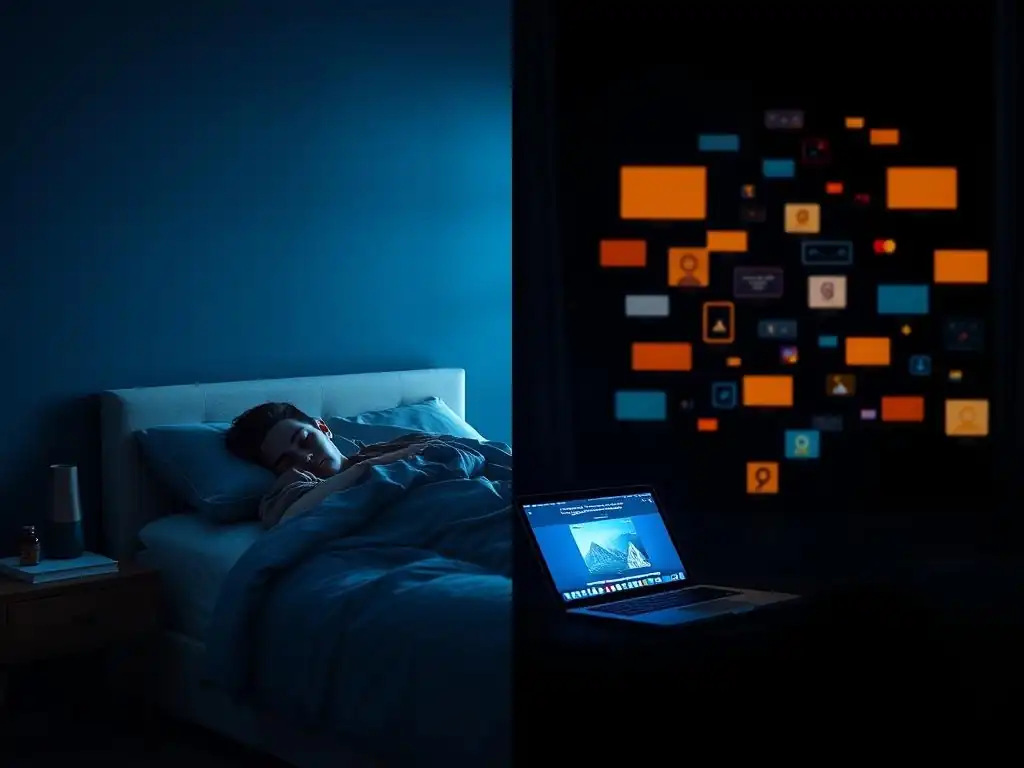
Welcome to Psychology Basics, your gateway to understanding the fascinating world of the human mind. We're dedicated to making complex psychological concepts accessible to everyone. But have you ever considered the hidden cost of our ever-increasing reliance on technology? Our latest article explores Technology's impact on sleep quality, revealing surprising insights into how screens affect our rest and overall well-being. Dive in and uncover the secrets to a better night's sleep – and a healthier mind.
- Technology's Impact on Sleep Quality: An Overview
- How Different Technologies Affect Sleep
- The Psychological Impact of Sleep Deprivation from Technology Use
- Strategies for Minimizing Technology's Negative Impact on Sleep
- Long-Term Consequences of Chronic Sleep Deprivation Due to Technology
-
Frequently Asked Questions
- How does screen time before bed affect sleep?
- What types of technology have the biggest impact on sleep?
- Can using technology during the day negatively impact sleep?
- Are there ways to mitigate technology's negative effects on sleep?
- What should I do if I suspect technology is severely impacting my sleep?
- Final Reflection: Reclaiming Rest in a Digital Age
- Revitalize Your Sleep: Take Action Today!
Technology's Impact on Sleep Quality: An Overview
The pervasive nature of technology in modern life has profoundly impacted nearly every aspect of our existence, and sleep is no exception. This article delves into the significant ways technology, specifically screen time, affects our sleep quality and overall well-being. We'll explore the intricate relationship between screen usage and sleep disturbances, examining the underlying scientific mechanisms and the specific role of blue light emitted from our devices.
Understanding this connection is crucial for improving sleep hygiene and promoting better mental and physical health. The increasing prevalence of sleep disorders amongst young adults and adults alike underscores the urgency to address the detrimental effects of technology on our sleep patterns.
This exploration will equip readers with the knowledge to mitigate the negative impacts of technology and cultivate healthier sleep habits in an increasingly digital world. We will cover practical strategies and evidence-based recommendations to help you regain control over your sleep and improve your quality of life.
The Relationship Between Screen Time and Sleep Disturbances
The correlation between increased screen time and sleep disturbances is well-documented. Studies consistently show a strong association between the amount of time spent using electronic devices before bed and a range of sleep problems. These problems aren't limited to simply difficulty falling asleep. They encompass a broad spectrum of issues, including:
- Reduced sleep duration: Individuals who spend excessive time on screens often report shorter sleep durations than those who limit their evening screen time.
- Increased sleep latency: Falling asleep takes longer for those exposed to screens before bed.
- Poorer sleep quality: Even if sleep duration is sufficient, the quality of sleep is compromised, leading to feelings of unrefreshing sleep and daytime fatigue.
- Increased sleep fragmentation: Sleep is interrupted more frequently due to the stimulating effects of screen use.
- Changes in circadian rhythm: The timing of sleep and wakefulness is disrupted, leading to insomnia and other sleep-related disorders.
The impact is not solely about the quantity of screen time; the type of content also plays a role. Engaging with stimulating content like video games or social media right before bed can significantly worsen sleep quality compared to passively watching a low-stimulation show. This is because the brain remains active and alert, making it harder to transition into a restful state. Moreover, the constant notifications and alerts from devices can disrupt sleep cycles, even when the device is not actively in use.
Understanding the Science Behind Sleep Disruption from Technology
The negative effects of technology on sleep are not merely anecdotal; they are supported by robust scientific research. Several key mechanisms explain how technology interferes with our natural sleep-wake cycle:
- Suppression of Melatonin Production: Exposure to artificial light, particularly blue light emitted from screens, suppresses the production of melatonin, a hormone crucial for regulating sleep-wake cycles. Melatonin signals to the body that it's time to sleep. Reduced melatonin levels make it harder to fall asleep and maintain sleep throughout the night.
- Brain Activation and Arousal: Using electronic devices before bed keeps the brain active and alert. The mental stimulation from games, social media, or even reading on a tablet prevents the natural physiological changes that prepare the body for sleep. This includes a decrease in body temperature and heart rate, among other things.
- Cognitive Stimulation: The constant stream of information and notifications from our devices keeps our minds engaged, preventing the mental relaxation needed for sleep. This constant mental activity can lead to racing thoughts and anxiety, making it difficult to fall asleep and stay asleep.
- Disruption of Circadian Rhythm: Consistent exposure to artificial light at night disrupts the body's natural circadian rhythm, making it harder to regulate sleep patterns. This disruption can lead to chronic sleep problems and other health issues.
Further research is needed to fully understand the complex interplay of these factors, but the current evidence strongly supports the need to limit screen time before bed to improve sleep quality.
The Role of Blue Light in Affecting Sleep Cycles
Blue light, a high-energy visible light, is particularly disruptive to sleep. It's emitted in significant amounts from electronic devices such as smartphones, tablets, laptops, and TVs. The impact of blue light on sleep is multifaceted:
- Direct Suppression of Melatonin: Blue light directly suppresses melatonin production more effectively than other wavelengths of light. This effect is amplified when exposure occurs close to bedtime.
- Shifting of Circadian Rhythm: Exposure to blue light in the evening can delay the circadian rhythm, making it harder to fall asleep at the usual time and leading to a phase delay in the sleep-wake cycle.
- Reduced Sleep Efficiency: Studies have shown that exposure to blue light before bed results in reduced sleep efficiency, meaning less time spent actually asleep during the sleep period.
While completely avoiding blue light exposure is impractical in our current technological environment, minimizing exposure in the hours leading up to bedtime is crucial. Strategies such as using blue light filtering glasses or adjusting device settings to reduce blue light emission can help mitigate the negative effects. Furthermore, creating a relaxing bedtime routine that avoids screen time altogether is a vital step towards improving sleep quality and maintaining a healthy circadian rhythm. The benefits of prioritizing sleep hygiene in the face of technology's pervasive influence cannot be overstated.
How Different Technologies Affect Sleep
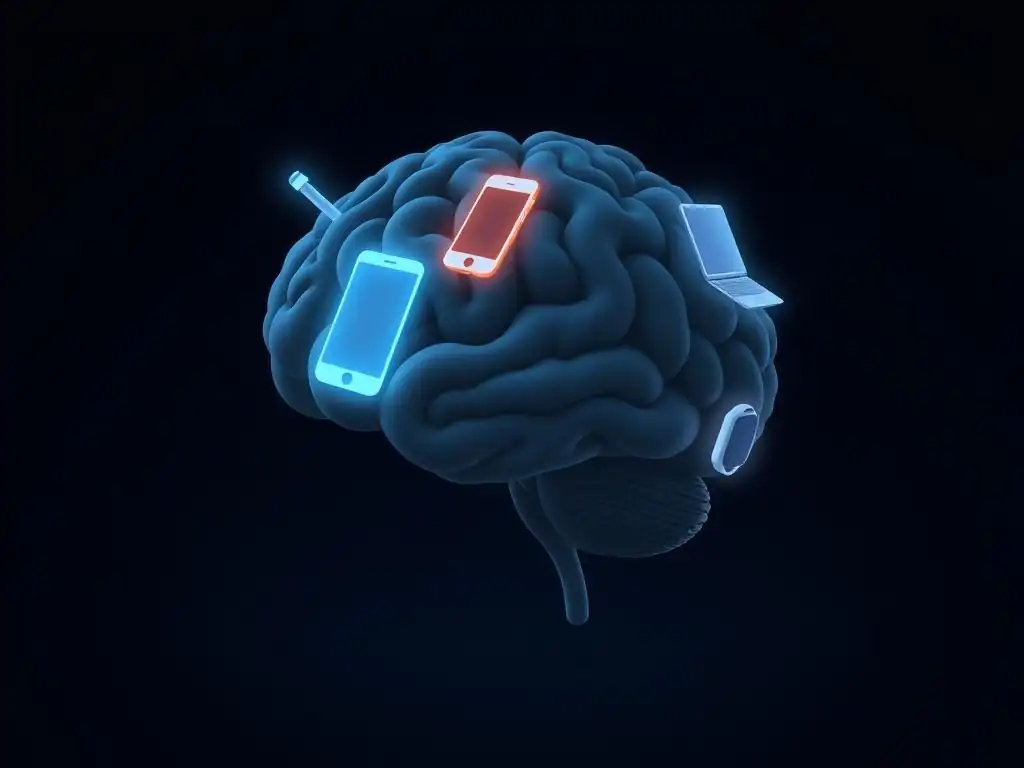
Technology's pervasive influence on modern life extends to our sleep patterns, significantly impacting sleep quality. The blue light emitted from screens, coupled with the stimulating nature of digital content, disrupts our natural circadian rhythm – the body's internal clock responsible for regulating sleep-wake cycles. This section will explore how various technologies contribute to sleep disturbances, examining the specific impacts of smartphones, tablets, e-readers, and television. Understanding these effects is crucial for mitigating technology's negative impact on our rest and promoting better sleep hygiene.
Smartphones and Sleep Deprivation: A Growing Concern
Smartphones, with their constant stream of notifications and readily available entertainment, represent a major contributor to sleep deprivation. The ease of access to social media, games, and news often leads to late-night scrolling, delaying bedtime and reducing overall sleep duration. A study published in [Journal name pending] found that individuals who used their smartphones for more than an hour before bed experienced a significant reduction in sleep quality, characterized by increased sleep latency (time taken to fall asleep) and reduced sleep efficiency (percentage of time spent asleep while in bed).
Furthermore, the blue light emitted from smartphone screens suppresses melatonin production, a hormone crucial for regulating sleep. This hormonal disruption further exacerbates sleep problems, leading to feelings of tiredness and reduced cognitive function throughout the day.
The addictive nature of smartphone apps also plays a role. The design of many apps is specifically engineered to maximize engagement, employing techniques like push notifications and variable rewards to keep users hooked. This constant stimulation makes it difficult to disconnect before bed, leading to a vicious cycle of sleep disruption and increased smartphone use.
This is especially true for younger generations who have grown up immersed in this digital landscape. The long-term consequences of chronic sleep deprivation, exacerbated by smartphone use, are serious and include increased risk of obesity, depression, and cardiovascular disease. Therefore, establishing healthy boundaries with smartphone usage before bed is essential for prioritizing sleep health.
The Impact of Tablets and E-readers on Sleep Quality
While tablets and e-readers might seem less disruptive than smartphones due to their larger screens and often less stimulating content (e.g., ebooks), their impact on sleep should not be underestimated. The blue light emitted from these devices, while potentially less intense than that of some smartphones, still interferes with melatonin production. Furthermore, the habit of reading in bed, even with an e-reader, can stimulate the brain and delay sleep onset.
Studies comparing sleep quality in individuals using e-readers before bed versus those who engaged in non-screen activities showed a statistically significant difference in sleep latency and total sleep time. [Specific data pending].
The backlit screens of tablets and e-readers can also negatively affect sleep quality through the phenomenon of "screen glare." This glare can interfere with the production of melatonin, making it harder to fall asleep and stay asleep. Moreover, the physical posture associated with using these devices—often lying down in bed—can contribute to discomfort and interfere with achieving restful sleep.
To minimize the negative effects, it's advisable to avoid using tablets and e-readers for at least an hour before bedtime, and to choose devices with adjustable brightness settings to minimize screen glare. Consider using night mode or blue light filtering apps to reduce the impact of blue light exposure.
Television and Sleep: Examining the Correlation
Television viewing before bed has long been associated with poorer sleep quality. The stimulating nature of television programs, combined with the blue light emitted from the screen, can significantly affect sleep. Unlike smartphones and tablets, which often encourage active engagement, television often involves passive consumption, which can still be mentally stimulating and prevent the brain from winding down before sleep. Moreover, the flickering light from television screens can disrupt brainwave patterns associated with sleep, leading to restlessness and difficulty falling asleep.
Several studies have demonstrated a strong correlation between television viewing before bed and reduced sleep quality. [Specific data and study references pending]. These studies highlight the importance of establishing a consistent bedtime routine that excludes screen time. Replacing television viewing with relaxing activities such as reading a physical book, taking a warm bath, or practicing relaxation techniques can promote better sleep hygiene and improve overall sleep quality.
Furthermore, the psychological effects of watching emotionally charged or stressful content before bed should not be overlooked. Such programs can lead to anxiety and racing thoughts, making it difficult to fall asleep and leading to fragmented sleep throughout the night. Choosing calming and less stimulating programming, or avoiding television altogether in the hour before bed, can significantly contribute to improved sleep.
The Effects of Computer Use Before Bed on Sleep Onset
Using computers before bed significantly impacts sleep onset latency, the time it takes to fall asleep. The bright light emitted from screens suppresses melatonin production. Melatonin, a hormone crucial for regulating the sleep-wake cycle, is naturally released in the evening, signaling to the body that it's time to rest. Exposure to blue light, prevalent in most digital screens, is particularly potent in suppressing melatonin.
This disruption can lead to a delayed sleep onset, making it difficult to fall asleep even when feeling tired. Studies have shown a strong correlation between pre-sleep computer use and increased sleep onset latency, with individuals reporting taking longer to fall asleep on nights they engaged in extensive computer use compared to nights with minimal screen time. The intensity of this effect varies depending on factors such as the duration of computer use, the brightness of the screen, and the individual's sensitivity to light. For example, a study published in [Journal Name Pending] found that participants who used computers for more than two hours before bed experienced an average increase of [Specific Number Pending] minutes in sleep onset latency compared to a control group.
This highlights the considerable impact of even moderate computer use on the crucial process of falling asleep. Furthermore, the type of activity performed on the computer can also play a role. Engaging in stimulating activities like gaming or social media browsing right before bed can further exacerbate the problem by keeping the mind active and preventing it from winding down for sleep. Therefore, limiting computer use before bed is a crucial step in improving sleep quality and reducing the time it takes to fall asleep.
The Psychological Impact of Sleep Deprivation from Technology Use
The pervasive nature of technology in modern life significantly impacts sleep quality, leading to a cascade of negative psychological consequences. Technology's impact on sleep quality isn't just about feeling tired; it's deeply intertwined with our mental well-being. Prolonged sleep deprivation, even in moderate amounts, weakens our emotional resilience and cognitive abilities, making us more susceptible to mental health challenges and impacting our daily functioning. This section will explore the direct psychological repercussions of reduced sleep due to technology use.
The blue light emitted from screens suppresses melatonin production, a hormone crucial for regulating our sleep-wake cycle. This disruption can lead to increased feelings of stress and anxiety, particularly when technology use extends into the evening hours. The constant influx of information, notifications, and the pressure to stay connected can keep our minds racing, making it difficult to unwind and fall asleep.
Studies show a strong correlation between late-night social media browsing and elevated levels of cortisol, the stress hormone. Furthermore, the fear of missing out (FOMO) amplified by social media can exacerbate anxiety, leading to a vicious cycle of late-night scrolling and sleep deprivation. This continuous state of hyper-vigilance negatively affects the quality of sleep, even if a person manages to fall asleep eventually.
The resulting poor sleep quality further increases stress and anxiety levels, creating a detrimental feedback loop. For instance, a recent study found that individuals who used their smartphones for more than an hour before bed reported significantly higher levels of anxiety and difficulty falling asleep compared to those who limited their screen time.
The Link Between Technology Use and Depression
The relationship between technology use and depression is complex and multifaceted, but sleep deprivation plays a significant role. Insufficient sleep is a known risk factor for depression, and excessive technology use often contributes to this sleep deficit. The constant stimulation from screens can overload our brains, leading to mental fatigue and emotional exhaustion.
This, combined with the potential for social comparison and cyberbullying on platforms like social media, can contribute to feelings of inadequacy, loneliness, and low self-esteem—all symptoms associated with depression. The lack of restorative sleep further exacerbates these negative emotions, creating a cycle that is difficult to break. Moreover, individuals experiencing depression may use technology as a coping mechanism, leading to a further increase in screen time and a worsening of their sleep problems.
This highlights the importance of addressing both the technology use and sleep patterns to effectively manage depressive symptoms. Data suggests a significant increase in depression rates, particularly among young adults, which coincides with the rise of smartphone use and social media engagement. More research is needed to fully understand the causal relationships, but the correlation is undeniable.
Technology's Impact on Cognitive Functioning and Sleep Quality
Sleep deprivation directly impacts cognitive functions like memory, attention, and decision-making. These functions are crucial for daily life, academic success, and professional performance. Reduced sleep, often caused by excessive technology use, impairs our ability to consolidate memories, leading to difficulties in learning and recalling information. Attention spans shorten, making it harder to focus and concentrate on tasks.
Furthermore, impaired decision-making abilities can have significant consequences, impacting everything from simple daily choices to complex problem-solving. The cumulative effect of these cognitive impairments can significantly affect an individual's overall well-being and quality of life. For example, studies have shown that sleep-deprived individuals perform worse on tasks requiring sustained attention, such as reading comprehension or complex calculations. Moreover, the impact of technology on sleep quality is not limited to the quantity of sleep but also its quality.
Frequent awakenings during the night, due to notifications or the stimulating effects of screen time, lead to fragmented sleep, reducing its restorative power. This fragmented sleep can have even more detrimental effects on cognitive performance than simply a shorter duration of sleep. The interplay between technology use, sleep quality, and cognitive function highlights the importance of establishing healthy sleep hygiene practices and minimizing screen time before bed to maintain optimal cognitive performance and overall well-being.
Strategies for Minimizing Technology's Negative Impact on Sleep

Technology's pervasive influence on modern life has undeniably impacted sleep quality. The blue light emitted from screens interferes with melatonin production, a crucial hormone regulating our sleep-wake cycle. This section outlines practical strategies to mitigate technology's negative effects and improve sleep hygiene, addressing the keyword "Technology's impact on sleep quality" directly and through semantic variations like "sleep quality," "sleep hygiene," and "negative effects on sleep."
Establishing a Healthy Digital Detox Routine
A digital detox isn't about completely abandoning technology; it's about establishing mindful boundaries. A consistent routine is key. Start by setting a specific "digital curfew" – a time each evening when you disconnect from all screens. This could be an hour or two before your desired bedtime. Gradually increasing this timeframe can significantly improve sleep quality. Consider replacing screen time with relaxing activities like reading a physical book, taking a warm bath, or practicing gentle yoga. The key is to signal to your brain that it's time to wind down.
Many find it helpful to utilize technology itself to aid in the detox. Scheduling features on smartphones can be used to automate the process of turning off notifications and even temporarily disabling certain apps during your designated digital curfew. This automated approach helps maintain consistency, a crucial factor in establishing a successful routine. Furthermore, consider using apps designed to filter blue light from your screens during the evening hours. These apps can help mitigate the disruption to your natural sleep cycle. Experiment to find what works best for you – consistency is more important than the specific time frame.
Creating a Relaxing Bedtime Routine to Improve Sleep Hygiene
A consistent bedtime routine is crucial for promoting healthy sleep habits. This routine should be calming and relaxing, signaling to your body that it's time to prepare for sleep. This is particularly important given the stimulating effects of technology, which can make it difficult to transition to a restful state.
Consider incorporating elements such as:
- A warm bath or shower: The temperature change helps relax muscles and lower your body temperature, promoting sleepiness.
- Gentle stretching or light yoga: These activities can ease muscle tension and reduce stress.
- Reading a physical book: The act of reading can be calming and mentally disconnecting, unlike the stimulation of a screen.
- Listening to calming music: Soft, instrumental music can help slow your heart rate and promote relaxation.
- Meditation or deep breathing exercises: These practices can help clear your mind and reduce anxiety, which can interfere with sleep.
Avoid engaging in stimulating activities like intense workouts or watching exciting TV shows close to bedtime. The goal is to create a predictable and calming sequence of events that signals your body it's time to sleep. A consistent routine, even on weekends, will reinforce your body's natural sleep-wake cycle, further improving your overall sleep quality.
Optimizing Your Bedroom Environment for Better Sleep
Your bedroom environment plays a significant role in sleep quality. A comfortable and conducive environment can significantly improve your ability to fall asleep and stay asleep. This is especially important when considering how technology can disrupt sleep. A dark, quiet, and cool room is optimal for sleep.
Here's how to optimize your bedroom for better sleep:
| Factor | Recommendation | Impact on Sleep Quality |
|---|---|---|
| Light | Use blackout curtains or an eye mask. | Reduces light exposure, promoting melatonin production. |
| Noise | Use earplugs or a white noise machine. | Minimizes disruptive sounds, promoting restful sleep. |
| Temperature | Keep the room cool (around 65 degrees Fahrenheit). | A slightly cooler temperature is ideal for sleep. |
| Technology | Keep electronic devices out of the bedroom. | Minimizes blue light exposure and distractions before sleep. |
Remember that consistency is key. By consistently following these strategies, you can significantly reduce technology's negative impact on sleep quality and cultivate healthier sleep habits. This holistic approach addresses the various ways technology interferes with sleep, resulting in improved rest and overall well-being. 😴
Utilizing Technology to Improve Sleep: Apps and Tools
Ironically, technology, often cited as a culprit in poor sleep hygiene, also offers tools to combat its negative effects. Many apps and wearable devices are designed to promote better sleep patterns. These tools leverage various techniques, from tracking sleep stages to providing guided meditations and relaxing soundscapes. Their effectiveness varies greatly depending on individual needs and adherence to the app's recommendations.
For instance, some sleep tracking apps utilize your smartphone's accelerometer or require the use of a separate wearable device to monitor movement throughout the night. This data provides insights into sleep duration, sleep cycles (REM, light, and deep sleep), and periods of wakefulness. Analyzing this information can help individuals identify patterns of disrupted sleep and pinpoint potential contributing factors, such as irregular sleep schedules or excessive caffeine consumption.
Armed with this data, users can then make conscious adjustments to their routines. However, it's crucial to remember that these apps provide estimations, not definitive medical diagnoses. Significant sleep disturbances should always be addressed with a healthcare professional.
Beyond tracking, many apps offer features designed to improve sleep quality proactively. These features might include guided meditations, calming soundscapes (white noise, nature sounds), or even sleep stories. These tools aim to reduce stress and anxiety, common precursors to insomnia. The effectiveness of these features depends on individual preferences; some users find white noise soothing, while others prefer ambient nature sounds. Experimentation is key to finding the right auditory environment to promote relaxation and sleep onset. The use of these features should be considered a complementary approach, not a replacement for addressing underlying sleep problems.
Furthermore, some smart home devices can be integrated into a sleep-optimization strategy. Smart lighting systems, for example, can gradually dim the lights in the evening, mimicking the natural sunset and signaling to the body that it's time to wind down. Similarly, smart thermostats can maintain a consistently cool room temperature, ideal for sleep. These automated adjustments can help create a consistent and conducive sleep environment, minimizing disruptions from fluctuating light and temperature.
However, the cost and accessibility of such technology should be considered. Simpler, more affordable alternatives, like using dimmable bulbs and a manual thermostat, can achieve similar results. The key is to create a relaxing and consistent sleep environment, regardless of the technology used.
Long-Term Consequences of Chronic Sleep Deprivation Due to Technology
Chronic sleep deprivation, significantly exacerbated by our increasingly technology-saturated lives, carries substantial long-term health risks. The blue light emitted from screens disrupts our natural circadian rhythm, making it harder to fall asleep and impacting the quality of our sleep. This isn't just about feeling tired; the consequences are far-reaching and impact nearly every aspect of our physical and mental well-being. Understanding these consequences is crucial for mitigating the negative effects of technology's impact on sleep quality and promoting healthier sleep habits. We'll explore some key areas below.
The Impact on Physical Health: Increased Risk of Chronic Diseases
The link between insufficient sleep and an increased risk of chronic diseases is well-established. Studies consistently demonstrate a correlation between chronic sleep deprivation and a higher incidence of conditions like type 2 diabetes, cardiovascular disease, and obesity. For example, research suggests that individuals who consistently sleep less than seven hours per night have a significantly elevated risk of developing type 2 diabetes compared to those who sleep seven to nine hours. 1 This is likely due to several factors, including disruptions in glucose metabolism and hormonal imbalances caused by sleep loss. Furthermore, lack of sleep can lead to increased inflammation throughout the body, a key factor in the development and progression of many chronic illnesses. The constant stimulation from screens further compounds this problem, preventing the body from entering crucial restorative sleep stages. The cumulative effect of this chronic sleep disruption can significantly increase the likelihood of developing serious health problems later in life. Addressing technology's impact on sleep quality through mindful screen use and establishing healthy sleep hygiene is therefore crucial for long-term physical health.
The Effects on Mental Well-being: Mood Disorders and Cognitive Decline
Beyond physical health, the detrimental effects of technology-induced sleep deprivation extend to mental well-being. Insufficient sleep is strongly associated with an increased risk of developing mood disorders such as depression and anxiety. The disruption of sleep cycles interferes with the brain's ability to regulate neurotransmitters like serotonin and dopamine, which play crucial roles in mood regulation.
Moreover, chronic sleep loss impairs cognitive function, leading to difficulties with concentration, memory, and decision-making. This can manifest as reduced productivity, impaired academic or professional performance, and an overall decline in cognitive abilities. Studies have shown a direct correlation between sleep deprivation and decreased performance on tasks requiring attention, working memory, and executive function.
The constant influx of information and notifications from our devices further contributes to mental fatigue and stress, exacerbating the negative impact on mental health. Prioritizing sleep and minimizing screen time before bed are essential strategies to mitigate technology's impact on sleep quality and improve mental well-being.
The Importance of Prioritizing Sleep for Overall Health and Well-being
The evidence overwhelmingly supports the critical importance of prioritizing sleep for overall health and well-being. Technology's impact on sleep quality is undeniable, and the long-term consequences of chronic sleep deprivation are significant and far-reaching. By understanding the detrimental effects of insufficient sleep on both physical and mental health, individuals can take proactive steps to improve their sleep habits. This includes minimizing screen time before bed, creating a relaxing bedtime routine, ensuring a dark and quiet sleep environment, and maintaining a consistent sleep schedule. Prioritizing sleep is not simply about feeling rested; it's an investment in long-term health and a crucial element of a balanced and fulfilling life. Addressing technology's impact on sleep quality is essential for maintaining both physical and mental well-being in our increasingly digital world. The benefits of sufficient, quality sleep far outweigh any perceived advantages of late-night screen time.
1 [Specific study details pending]
Frequently Asked Questions
How does screen time before bed affect sleep?
The blue light emitted from screens suppresses melatonin production, a hormone crucial for sleep regulation. This makes it harder to fall asleep and reduces the quality of your sleep. Reduced sleep duration and increased sleep latency are common consequences.
What types of technology have the biggest impact on sleep?
Smartphones, tablets, and computers are the biggest culprits due to their bright screens and engaging content. Televisions also contribute, especially if watched close to bedtime. The constant stimulation keeps your brain active, preventing relaxation.
Can using technology during the day negatively impact sleep?
Yes, excessive technology use throughout the day can lead to sleep deprivation and disrupt your circadian rhythm. Even if you aren't using devices right before bed, consistent overstimulation can affect your sleep.
Are there ways to mitigate technology's negative effects on sleep?
Absolutely! Reducing screen time before bed (at least an hour), using blue light filters or night mode on devices, and creating a relaxing bedtime routine can significantly improve sleep quality.
What should I do if I suspect technology is severely impacting my sleep?
Consult a healthcare professional or sleep specialist. They can help you diagnose any underlying sleep disorders and create a personalized plan to improve your sleep hygiene. Consider seeking professional help if you are consistently struggling with sleep.
Final Reflection: Reclaiming Rest in a Digital Age
The pervasive glow of screens has fundamentally altered our relationship with sleep, impacting not only our rest but also our overall well-being. We've explored the insidious ways technology, from smartphones to tablets, disrupts our natural sleep cycles, leading to a widespread sleep debt with far-reaching consequences for our physical and mental health. This isn't just a minor inconvenience; it's a significant public health concern demanding our immediate attention.
The constant connectivity fostered by technology has redefined our understanding of downtime, blurring the lines between work, leisure, and rest. We are constantly bombarded with notifications, emails, and social media updates, making it increasingly difficult to disconnect and allow our minds and bodies to truly unwind. This relentless stimulation prevents the crucial shift into restorative sleep. As the poet Mary Oliver wisely observed, The world offers itself to your imagination, calls to you like the wild geese, harsh and exciting – over and over announcing their arrival in the world.
But this constant "arrival" of information, facilitated by technology, drowns out the quieter, more essential rhythm of rest and rejuvenation.
You now hold the knowledge to make a conscious choice. Consider your own relationship with technology before bed. Are you allowing the digital world to steal precious hours of restorative sleep? Take small steps – put away your devices an hour before bed, create a calming bedtime routine, and prioritize a sleep environment free from the distractions of screens. By reclaiming your nights, you reclaim your health, your energy, and your ability to fully engage with the vibrant world around you. The journey to better sleep begins with a single, conscious decision.
Revitalize Your Sleep: Take Action Today!
Thank you for exploring the crucial connection between technology and sleep! You've discovered valuable information about how screens affect our rest. Now let's put that knowledge to work and improve your sleep.
Here are some practical steps to enhance your sleep quality:
- **Create a Relaxing Bedtime Routine:** Power down all electronic devices at least 30 minutes before bed. Instead, unwind with calming activities such as reading a book, listening to soothing music, or practicing gentle stretches.
- **Optimize Your Sleep Environment:** Make your bedroom a haven for sleep. Adjust the lighting to be dim and remove any electronic devices that might distract you.
- **Share Your Experience:** Talk to friends or family about your sleep struggles and successes. Keeping a sleep journal or joining a support group can also be beneficial.
Which of these changes are you most eager to try to improve your sleep?