
Cultural Differences in the Perception of Mental Illness: A CrossCultural View

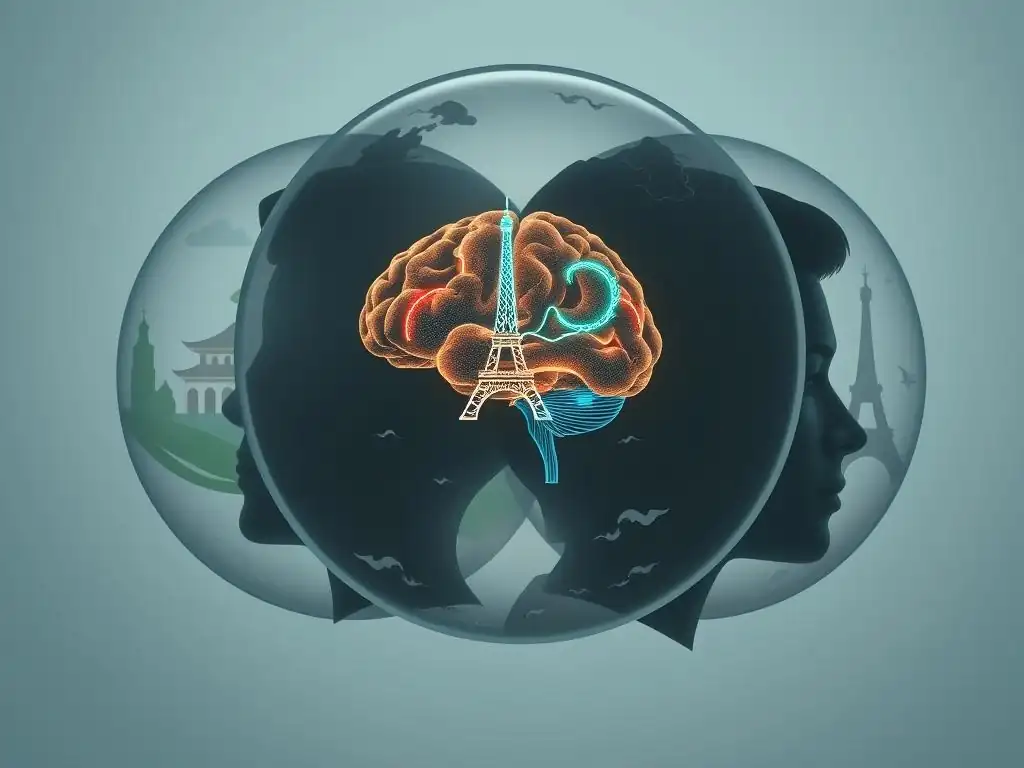
Uncover the fascinating interplay between culture and the human mind. Psychology Basics welcomes you to a world where understanding the complexities of mental health is paramount. Our exploration begins with a deep dive into the cultural impact on mental illness perception, revealing surprising cross-cultural variations in how we understand and address mental well-being. Prepare to challenge your assumptions and broaden your perspective—your journey into the captivating field of cultural psychology starts now.
- Understanding the Cultural Impact on Mental Illness Perception
- Cross-Cultural Perspectives on Mental Illness: Case Studies
- Cultural Influences on Help-Seeking Behaviors for Mental Illness
- Implications for Mental Health Professionals: Culturally Competent Care
- Future Directions in Cross-Cultural Mental Health Research
-
Frequently Asked Questions
- How does culture influence the perception of mental illness?
- What are some examples of cultural differences in mental illness perception?
- Does cultural stigma affect the treatment of mental illness?
- How can cultural sensitivity improve mental health care?
- What role do family and community play in the cultural perception of mental illness?
- Final Reflection: Bridging the Gap in Understanding Mental Illness
- Embrace Diversity: Take Action for Mental Wellness!
Understanding the Cultural Impact on Mental Illness Perception
The way we understand and experience mental illness is profoundly shaped by our cultural context. This isn't simply about differing diagnostic criteria; it encompasses a complex interplay of factors including how symptoms are perceived, expressed, and ultimately, treated. Understanding the cultural impact on mental illness perception is crucial for effective global mental health initiatives and for fostering a more inclusive and empathetic approach to mental wellbeing.
This article explores the significant variations in how different cultures perceive and respond to mental illness, highlighting the need for culturally sensitive approaches to diagnosis, treatment, and support. We will delve into the role of culture in defining mental illness itself, examine how cultural variations influence symptom presentation, and finally, analyze the impact of cultural stigma and social attitudes on individuals struggling with mental health challenges.
Ignoring these cultural nuances can lead to misdiagnosis, ineffective treatment, and increased suffering for those already vulnerable. By appreciating the diverse ways in which mental illness manifests across cultures, we can pave the way for more equitable and effective mental health care for all.
The Role of Culture in Defining Mental Illness
Culture plays a pivotal role in shaping our very understanding of what constitutes "mental illness." What might be considered a diagnosable disorder in one culture could be viewed as a normal variation of human experience in another. For example, certain symptoms might be attributed to spiritual causes, family dynamics, or even environmental factors, rather than being interpreted through a purely biomedical lens. This difference in explanatory models significantly influences how individuals seek help, the types of treatment they receive, and ultimately, their prognosis. Consider the concept of ataque de nervios, a culturally bound syndrome prevalent in Latin American communities. Its symptoms, while overlapping with some anxiety disorders, are understood within a specific sociocultural context and often treated with culturally appropriate interventions. The absence of a direct equivalent in the DSM-5 1 highlights the limitations of imposing a universal diagnostic framework without acknowledging cultural variations. Further research is needed to understand how these cultural variations influence the prevalence and reporting of mental illness across diverse populations, particularly in regions with limited access to mental healthcare. This necessitates the development of culturally adapted assessment tools and intervention strategies to ensure equitable and effective care.
Cultural Variations in Symptom Presentation and Expression
Even when similar diagnoses are applied across cultures, the way symptoms manifest can differ significantly. Somatic symptoms, for example, are frequently reported in cultures where emotional expression is less openly encouraged. Individuals may present with physical complaints like headaches, stomach aches, or fatigue, rather than explicitly verbalizing feelings of anxiety or depression. This can lead to misdiagnosis if clinicians are not aware of these cultural variations in symptom presentation.
Furthermore, the expression of emotions varies considerably across cultures. While open displays of sadness or grief might be accepted in some societies, others may emphasize stoicism and emotional restraint. These cultural norms can influence how individuals cope with mental distress and impact their willingness to seek professional help.
A detailed understanding of these nuances is crucial for accurate assessment and effective treatment planning. For instance, culturally sensitive psychotherapy approaches may need to adapt their techniques to accommodate different communication styles and preferred modes of emotional expression. The collection of thorough cultural background information is therefore essential for improving the accuracy of diagnosis and the effectiveness of treatment.
Stigma surrounding mental illness is a global phenomenon, but its intensity and manifestation vary significantly across cultures. In some societies, mental illness carries a strong social stigma, leading to discrimination, isolation, and a reluctance to seek help. This stigma can be rooted in religious beliefs, traditional practices, or societal attitudes.
The impact of this stigma can be devastating, hindering recovery and exacerbating the suffering of individuals and their families. Conversely, some cultures demonstrate greater acceptance and understanding of mental health challenges, fostering more supportive environments for those seeking help. These variations in social attitudes directly impact help-seeking behaviors, access to care, and the overall well-being of individuals with mental health conditions.
Addressing the pervasive stigma surrounding mental illness requires culturally tailored interventions that challenge negative stereotypes, promote mental health literacy, and encourage open dialogue about mental wellbeing. This requires collaborative efforts between healthcare professionals, community leaders, and policymakers to create culturally sensitive initiatives that combat stigma and promote acceptance.
1 Diagnostic and Statistical Manual of Mental Disorders
Cross-Cultural Perspectives on Mental Illness: Case Studies
This section delves into specific examples illustrating the profound influence of culture on the perception and treatment of mental illness. Understanding these cultural nuances is crucial for effective global mental healthcare. We will examine case studies from Japan and Nigeria, highlighting the diverse ways in which mental illness is understood, experienced, and addressed across different societies. This analysis directly addresses the cultural impact mental illness perception.
Case Study 1: Japan and its Approach to Depression
The cultural impact mental illness perception is particularly striking when considering depression in Japan. While depression is a global concern, its manifestation and treatment differ significantly across cultures.
Prevalence and Presentation of Depression in Japan
While precise prevalence rates vary depending on the diagnostic criteria and methodology used, studies suggest that depression affects a significant portion of the Japanese population. However, compared to Western countries, the presentation of depression in Japan may differ. Individuals may be less likely to overtly express feelings of sadness or hopelessness, instead exhibiting somatic symptoms like fatigue, sleep disturbances, and digestive problems.
This is often attributed to the cultural emphasis on amae (dependence) and gaman (endurance), which can lead individuals to internalize their distress and avoid openly discussing emotional difficulties. The stigma associated with mental illness further contributes to underreporting. This highlights the critical need for culturally sensitive diagnostic tools and approaches to accurately assess the cultural impact mental illness perception.
Cultural Beliefs and Practices Related to Depression
Japanese culture places a high value on social harmony and maintaining a positive public image. This can lead individuals experiencing depression to feel intense shame and guilt, fearing social rejection or burdening their families. Traditional Japanese practices, such as meditation and mindfulness techniques, may be incorporated into treatment plans, leveraging existing cultural resources to promote well-being. However, these practices alone may not be sufficient to address the complex biological and psychological aspects of depression. The intertwining of cultural beliefs and the experience of depression significantly shapes the cultural impact mental illness perception.
Treatment Approaches and Outcomes in Japan
Treatment approaches in Japan often integrate Western biomedical approaches with traditional methods. Pharmacotherapy is commonly used, alongside psychotherapy, which may be adapted to align with cultural values and preferences. Family involvement is often crucial, reflecting the collectivist nature of Japanese society.
The effectiveness of treatment can be influenced by factors such as the level of social support, the individual's willingness to seek help, and the degree to which treatment is culturally tailored. Further research is needed to fully understand the long-term outcomes of various treatment approaches and the specific influence of cultural impact mental illness perception on treatment adherence and success.
Case Study 2: Nigeria and its Understanding of Schizophrenia
Nigeria, with its diverse ethnic and cultural groups, provides a rich context to study the cultural impact mental illness perception of schizophrenia. The understanding and treatment of schizophrenia vary across different communities within Nigeria, reflecting a complex interplay of traditional beliefs, modern medicine, and socio-economic factors.
Prevalence and Presentation of Schizophrenia in Nigeria
The prevalence of schizophrenia in Nigeria is estimated to be similar to global rates, although variations exist across regions. The presentation of schizophrenia may differ from Western descriptions. For example, auditory hallucinations may be attributed to spiritual influences or ancestral communication, while delusional beliefs may be integrated into existing cultural frameworks. This highlights the importance of considering cultural context when diagnosing and treating schizophrenia, and how it impacts the cultural impact mental illness perception.
Cultural Beliefs and Practices Related to Schizophrenia
Many communities in Nigeria hold traditional beliefs about the causes and treatments of schizophrenia. These beliefs often involve spiritual explanations, attributing the illness to witchcraft, ancestral spirits, or supernatural forces. Traditional healers may play a significant role in managing the illness, employing herbal remedies, rituals, and spiritual interventions. The integration of traditional and biomedical approaches is common, although the relative weighting of each approach can vary depending on individual and community preferences. This complex interplay shapes the cultural impact mental illness perception.
Treatment Approaches and Outcomes in Nigeria
Treatment approaches for schizophrenia in Nigeria often involve a combination of biomedical interventions (such as antipsychotic medications) and traditional practices. The effectiveness of these combined approaches is an area requiring further research. Challenges include limited access to mental healthcare services, stigma associated with mental illness, and a lack of culturally appropriate treatment options.
Addressing these challenges is crucial for improving the outcomes for individuals with schizophrenia in Nigeria, and understanding the nuances of cultural impact mental illness perception is paramount for successful intervention. Further studies are needed to understand the long-term effects of different treatment strategies and the influence of cultural factors on treatment adherence and recovery.
Cultural Influences on Help-Seeking Behaviors for Mental Illness
The cultural impact on mental illness perception significantly influences help-seeking behaviors. Individuals from diverse cultural backgrounds often navigate the mental health system differently, shaped by their unique societal norms, beliefs, and available resources. Understanding these variations is crucial for effective intervention and reducing disparities in mental health care access. This section will explore the multifaceted ways culture impacts the decision to seek professional help for mental health concerns.
Barriers to Seeking Mental Health Care in Different Cultures
Numerous barriers prevent individuals from diverse cultural backgrounds from seeking mental health care. These obstacles are often interwoven, creating complex challenges. For instance, stigma surrounding mental illness remains a pervasive barrier globally. In some cultures, mental illness is viewed as a personal weakness, a spiritual imbalance, or even a shameful family secret. This stigma can lead to individuals suffering in silence, fearing judgment or social isolation. The fear of ostracism is a powerful deterrent, particularly within close-knit communities where reputation holds significant weight.
Furthermore, cultural beliefs about appropriate help-seeking behaviors play a crucial role. In some cultures, seeking professional help for emotional distress might be considered unnecessary or even taboo. Instead, individuals may rely on informal support networks, such as family, friends, or religious leaders, for emotional support. While these informal support systems can be beneficial, they may not always provide adequate or appropriate interventions for severe mental health conditions. This reliance on informal support can delay or prevent individuals from accessing professional mental health services, potentially worsening their condition.
Access to culturally competent mental health services is another major barrier. A lack of culturally sensitive providers, language barriers, and geographical limitations can create significant hurdles for individuals from minority groups. For example, individuals from immigrant communities may face difficulties navigating a new healthcare system while grappling with language barriers and cultural differences in the therapeutic approach. These challenges can lead to feelings of frustration, mistrust, and ultimately, a reluctance to seek professional help. The availability of culturally appropriate mental health resources significantly impacts help-seeking behaviors, highlighting the need for increased investment in culturally sensitive programs and services.
The Impact of Cultural Norms on Help-Seeking Decisions
Cultural norms powerfully shape decisions regarding help-seeking for mental illness. For example, collectivistic cultures, which prioritize the needs of the group over the individual, may discourage individuals from seeking help that might bring shame upon their family. Conversely, individualistic cultures, which emphasize personal autonomy and self-reliance, may encourage individuals to seek help more readily. However, even within individualistic societies, stigma can still significantly influence help-seeking behaviors. The perceived social cost of seeking help, such as potential job loss or social stigma, often outweighs the perceived benefits, even in cultures that generally encourage self-care.
Furthermore, cultural beliefs about the nature of mental illness influence help-seeking behaviors. In some cultures, mental illness may be attributed to supernatural causes, leading individuals to seek help from spiritual healers or religious leaders rather than mental health professionals. This is not necessarily a negative approach, as spiritual support can be beneficial, but it's crucial to understand that this approach might not address underlying mental health conditions effectively.
The interplay between cultural beliefs and help-seeking behaviors necessitates a nuanced understanding of the individual's cultural context and beliefs. This understanding is essential for providing culturally appropriate and effective mental health services.
Exploring Cultural Sensitivity in Mental Health Treatment
Cultural sensitivity is paramount in providing effective mental health treatment. Understanding the cultural context of an individual's experiences and beliefs is critical to building a therapeutic alliance and designing effective interventions. Clinicians must be aware of potential biases and stereotypes and actively work to avoid imposing their own cultural values onto their clients. This requires ongoing education and training in cultural competency, including understanding the cultural expressions of mental illness and the nuances of communication styles across diverse cultures.
The use of culturally appropriate assessment tools and treatment modalities is also crucial. Standard diagnostic criteria may not always accurately capture the diverse presentations of mental illness across cultures. Therefore, clinicians need to be adept at adapting their assessment methods and treatment strategies to be culturally sensitive and relevant.
For example, incorporating traditional healing practices into treatment plans, where appropriate, can foster trust and enhance treatment outcomes. Moreover, employing interpreters and bilingual staff can ensure that individuals from diverse linguistic backgrounds have access to equitable and effective care.
The development of culturally adapted interventions and the training of culturally competent clinicians are essential steps in reducing disparities in mental health care and improving overall mental health outcomes for individuals from diverse cultural backgrounds. The ultimate goal is to create a system that is truly inclusive and equitable, recognizing and valuing the rich tapestry of cultural experiences that shape our understanding and experience of mental illness.
Implications for Mental Health Professionals: Culturally Competent Care

Understanding the profound impact of culture on the perception and experience of mental illness is paramount for mental health professionals. Failure to consider cultural factors can lead to misdiagnosis, ineffective treatment, and ultimately, poorer patient outcomes. The keyword phrase "cultural impact mental illness perception" highlights the core issue: cultural beliefs, values, and practices significantly shape how individuals understand, express, and cope with mental distress. This section explores crucial steps professionals can take to deliver culturally competent care.
Developing Culturally Sensitive Assessment Tools
Traditional diagnostic tools often lack the nuance to accurately assess individuals from diverse cultural backgrounds. For example, a symptom like auditory hallucinations, considered a hallmark of schizophrenia in Western diagnostic frameworks, might be interpreted differently within certain cultural contexts as spiritual experiences or communication with ancestors. Therefore, developing culturally sensitive assessment tools is crucial. This involves:
- Utilizing culturally relevant language and concepts: Assessment materials should be translated accurately and adapted to reflect the cultural idioms of the target population. This goes beyond simple translation; it requires understanding the nuances of language and how mental health concepts are expressed within a specific culture.
- Incorporating culturally appropriate methods of assessment: Some cultures may be more comfortable with narrative-based assessments, while others might prefer more structured, quantitative approaches. A flexible approach that accommodates diverse preferences is necessary.
- Considering the impact of cultural stigma: Many cultures harbor significant stigma surrounding mental illness, leading individuals to conceal symptoms or avoid seeking help. Assessment tools should be designed to minimize the risk of exacerbating this stigma. For example, incorporating questions about help-seeking behaviors in a sensitive and non-judgmental manner is vital.
- Employing culturally diverse assessment teams: Having professionals from various cultural backgrounds involved in the development and administration of assessment tools ensures greater validity and cultural sensitivity. This diversity of perspectives can identify potential biases and ensure inclusivity.
For instance, research indicates that certain cultural groups may express depression differently than those in Western societies, focusing more on somatic symptoms rather than emotional ones. A culturally sensitive assessment would account for this variation, avoiding misinterpretations. This requires ongoing research and collaboration with communities to ensure the development of accurate and equitable tools.
Adapting Therapeutic Interventions for Diverse Populations
Effective therapy requires tailoring interventions to resonate with the specific cultural context of the patient. A treatment approach that works well for one cultural group may be entirely ineffective or even harmful for another. This necessitates:
- Understanding cultural beliefs about mental health treatment: Some cultures may favor traditional healing practices, while others may be more receptive to Western-style therapies. A culturally competent therapist integrates an understanding of these beliefs into the treatment plan, respecting patient preferences and integrating appropriate modalities when possible.
- Adapting therapeutic techniques: Certain therapeutic techniques may need modification to align with cultural values and communication styles. For example, in collectivist cultures, family involvement may be a crucial element of treatment, whereas individualistic cultures may prioritize individual autonomy.
- Addressing cultural barriers to treatment: These barriers can range from language differences and financial constraints to issues of trust and accessibility. Overcoming these obstacles is essential for ensuring equitable access to mental health services.
- Considering the role of family and community: In many cultures, family and community play a pivotal role in an individual's well-being. Engaging these support systems can enhance treatment effectiveness and promote recovery.
For example, incorporating traditional healing practices, such as meditation or herbal remedies, into a treatment plan might be beneficial for patients who value these approaches. This requires ongoing training and education for mental health professionals to expand their knowledge base and skillset.
The Importance of Cultural Humility in Mental Health Practice
Cultural competence is not a static endpoint but rather an ongoing process of learning and self-reflection. Cultural humility emphasizes the importance of acknowledging one's own cultural biases, recognizing the limitations of one's knowledge, and approaching each patient with a posture of respectful inquiry. This involves:
- Lifelong learning and self-reflection: Continuously seeking knowledge about different cultures and reflecting on one's own biases is crucial for developing cultural humility. This requires active engagement in cultural sensitivity training and ongoing professional development.
- Respectful engagement with patients: Approaching each patient with genuine curiosity and respect, actively listening to their experiences and perspectives, is fundamental to culturally humble practice.
- Avoiding assumptions and stereotypes: Recognizing the vast diversity within any cultural group and avoiding generalizations is essential. Each individual is unique, and their experience of mental illness is shaped by a multitude of factors beyond their cultural background.
- Empowering patients: Collaborating with patients to develop treatment plans that are consistent with their values and preferences, empowering them to take an active role in their care, is a hallmark of culturally humble practice.
Ultimately, achieving true cultural competence requires a commitment to ongoing learning, self-reflection, and a genuine desire to understand and respect the diverse experiences of individuals seeking mental health support. The impact of culture on mental illness perception is undeniable, and embracing cultural humility is crucial for providing ethical and effective care.
Future Directions in Cross-Cultural Mental Health Research
The field of cross-cultural mental health research is constantly evolving, and several key areas require further investigation to improve our understanding of the cultural impact on mental illness perception and treatment. This section outlines some crucial future directions, focusing on the interplay between globalization, health disparities, and collaborative research efforts. Understanding these nuances is paramount to developing culturally sensitive and effective mental health interventions worldwide.
Investigating the Influence of Globalization on Mental Health Perceptions
Globalization's impact on mental health perceptions is a complex and largely unexplored area. While increased interconnectedness offers opportunities for cultural exchange and understanding, it also presents challenges. The rapid spread of information, including mental health information, through the internet and social media, can lead to both increased awareness and the potential for misinterpretations and the spread of misinformation.
For example, the Westernized conceptualization of mental illness, often dominant in online resources, may not resonate with or accurately reflect the experiences and understandings within non-Western cultures. Furthermore, the increasing migration of individuals across borders necessitates a deeper understanding of how acculturation processes influence the perception and experience of mental illness. Future research should investigate:
- The role of social media and online platforms in shaping mental health perceptions across cultures. Are certain platforms more influential than others? What types of information are most readily absorbed and how are they interpreted?
- The impact of globalization on the stigma associated with mental illness in different cultural contexts. Does globalization reduce or exacerbate stigma? Are there specific cultural factors that moderate this effect?
- The mental health experiences of immigrant and refugee populations, considering the interplay between their cultural background and the host culture. How do these individuals navigate differing healthcare systems and cultural understandings of mental illness?
- The influence of globalization on the development and dissemination of culturally adapted mental health interventions. Are these interventions effective in diverse settings? What factors contribute to their success or failure?
Significant health disparities exist in access to and utilization of mental health services across different cultural groups. These disparities are often rooted in cultural beliefs, societal stigma, and systemic barriers within healthcare systems. For example, certain cultures may prioritize somatic symptoms over psychological distress, leading to delayed or inadequate treatment. Others may face significant language barriers or a lack of culturally competent healthcare providers. Addressing these disparities requires a multifaceted approach that encompasses:
- Developing culturally sensitive diagnostic tools and assessment measures that accurately capture the diverse presentations of mental illness across different cultures.
- Training healthcare professionals in culturally competent care, emphasizing the importance of understanding cultural beliefs, values, and communication styles.
- Implementing culturally tailored interventions that are designed to be accessible and acceptable to diverse populations. This might involve adapting existing treatments or developing entirely new ones.
- Addressing systemic barriers to access, such as language barriers, transportation difficulties, and financial constraints. This requires collaboration between healthcare providers, policymakers, and community organizations.
- Conducting longitudinal studies to track the long-term impact of cultural factors on mental health outcomes and access to care. This will help identify areas needing urgent attention and evaluate the effectiveness of implemented strategies.
Promoting Cross-Cultural Collaboration in Mental Health Research and Practice
Effective cross-cultural mental health research and practice require robust collaboration among researchers, clinicians, and community members from diverse cultural backgrounds. This collaborative approach ensures that research is relevant, culturally sensitive, and ethically sound. Key aspects of promoting such collaboration include:
- Establishing networks and partnerships between researchers and clinicians from different countries and cultural groups. This promotes the sharing of knowledge and resources.
- Involving community members in all stages of the research process, from the design and implementation of studies to the dissemination of findings. This ensures that research is relevant to the needs and experiences of the community.
- Utilizing participatory research methods that empower community members and promote their active engagement in the research process.
- Developing culturally sensitive training programs for healthcare professionals that emphasize cultural humility and respect for diverse perspectives.
- Supporting the development of culturally adapted mental health interventions through rigorous evaluation and dissemination strategies. This ensures that effective treatments are available to all populations.
By focusing on these future directions, the field of cross-cultural mental health research can make significant strides in improving the mental well-being of individuals worldwide and reducing the considerable disparities in access to and quality of mental healthcare based on cultural background. This will require a sustained commitment to interdisciplinary collaboration, culturally sensitive research methods, and a deep understanding of the complex interplay between culture and mental health.
Frequently Asked Questions
How does culture influence the perception of mental illness?
Culture significantly impacts how mental illness is understood, experienced, and treated. Different cultures have varying beliefs about the causes, symptoms, and appropriate responses to mental health challenges. This leads to diverse help-seeking behaviors and treatment outcomes.
What are some examples of cultural differences in mental illness perception?
Some cultures may attribute mental illness to spiritual or supernatural causes, while others may focus on biological or psychological factors. For instance, expressing sadness openly might be acceptable in one culture but considered shameful in another, influencing help-seeking behaviors.
Does cultural stigma affect the treatment of mental illness?
Yes, cultural stigma surrounding mental illness creates significant barriers to accessing treatment. Fear of judgment, discrimination, and social isolation prevents many individuals from seeking professional help or disclosing their struggles.
How can cultural sensitivity improve mental health care?
Culturally sensitive care involves understanding and respecting the unique beliefs, values, and practices of different cultural groups. This includes tailoring treatment approaches to meet the specific needs and preferences of individuals from diverse backgrounds.
What role do family and community play in the cultural perception of mental illness?
Family and community play a crucial role. In some cultures, families are the primary source of support and may have strong traditional healing practices. In others, community attitudes may contribute to stigma or acceptance of mental illness.
Final Reflection: Bridging the Gap in Understanding Mental Illness
The stigmatization of mental illness remains a pervasive global challenge, profoundly impacting access to care and the overall well-being of millions. This cross-cultural exploration has revealed the stark disparities in how different societies perceive, understand, and address mental health struggles. The variations we've examined highlight the urgent need for culturally sensitive approaches to treatment and prevention.
The impact of cultural beliefs on mental health is undeniable, shaping not only how individuals experience their own struggles but also how they seek (or avoid) help. This journey through diverse perspectives has underscored the importance of empathy and understanding. The greatest barrier to mental health is the silence.
This simple statement encapsulates the power of open dialogue and the vital role of education in dismantling harmful stereotypes and fostering a more inclusive and supportive environment for those facing mental health challenges. The ongoing evolution of our understanding, fueled by research and cross-cultural dialogue, offers hope for a future where mental health is prioritized universally.
You, the reader, now hold a deeper understanding of the complex interplay between culture and mental health. Consider how your own cultural background shapes your perceptions, and reflect on the ways you can contribute to a more compassionate and informed society. Challenge your own biases, actively listen to diverse perspectives, and advocate for policies and practices that promote mental well-being for all, regardless of cultural background. Let this exploration serve as a catalyst for meaningful change, both within yourself and within your community.
Embrace Diversity: Take Action for Mental Wellness!
Thank you for exploring the crucial topic of how cultural differences shape our understanding of mental illness. You've gained valuable insights into this complex area. Now, let's translate that knowledge into meaningful action.
- **Join a local mental health awareness group** to connect with others and foster understanding within your community. Actively participating in these groups can make a real difference.
- **Share this information with friends and family** to encourage open conversations about mental health and cultural perspectives. Starting these conversations can help break down stigma and promote understanding.
- Consider **volunteering** with organizations that support mental health initiatives, especially those focused on diverse communities. Your time and skills can be invaluable in supporting those who need it most.
Building a more inclusive dialogue about mental health requires collective effort. How will you contribute to fostering a more supportive and understanding environment in your community?