
Cultural Competence and the Digital Age: Virtual Interactions

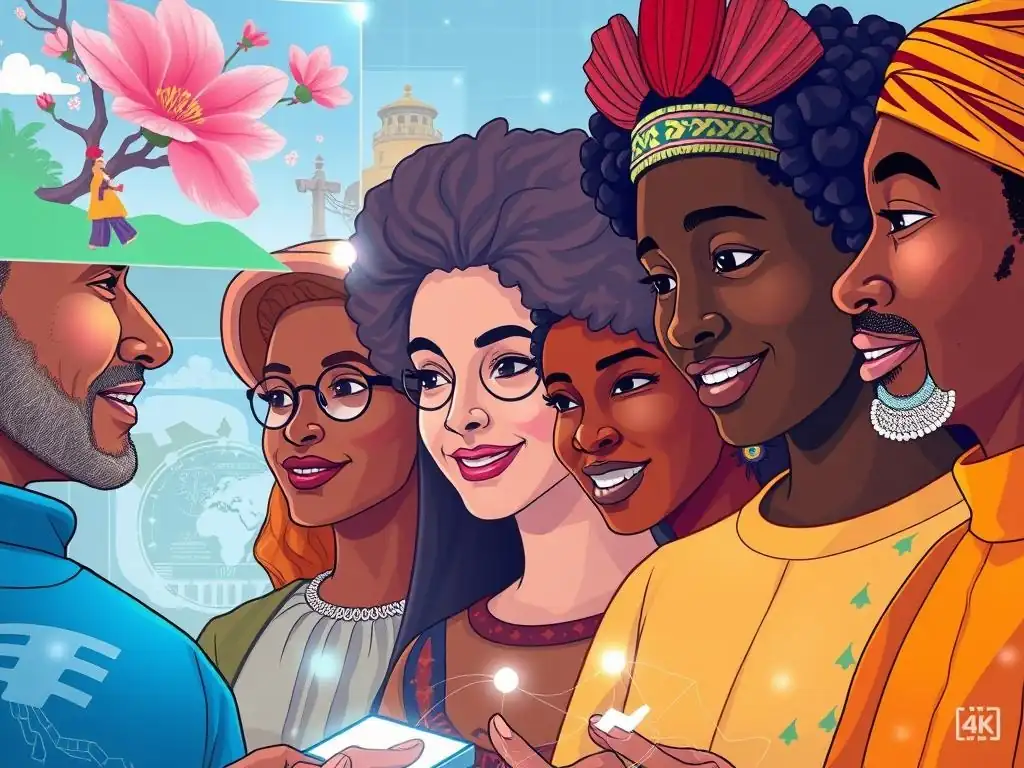
Welcome to Psychology Basics, your gateway to understanding the fascinating world of the human mind. Are you curious about how our cultural backgrounds shape our experiences, especially in the increasingly digital landscape? Then delve into our exploration of Cultural competence digital psychology, where we uncover the intricate relationship between cultural understanding and our interactions in the virtual world. Discover how cultural competence influences online communication and behavior in our insightful article, "Cultural Competence and the Digital Age: Virtual Interactions," and unlock a deeper understanding of human psychology in the digital age. Prepare to be intrigued!
- Defining Cultural Competence in the Digital Age
- The Impact of Digital Communication on Cultural Understanding
- Strategies for Cultivating Cultural Competence in Digital Psychology
- Case Studies: Cultural Competence in Digital Interventions
- Future Directions: Cultural Competence and the Evolving Digital Landscape
-
Frequently Asked Questions
- What is cultural competence in the context of digital psychology?
- How does the digital age impact cultural interactions?
- Why is cultural competence important in virtual interactions?
- What are some strategies for developing cultural competence in digital psychology?
- How can digital platforms promote culturally competent interactions?
- Final Reflection: Bridging Cultures in the Digital World
- Embrace Cultural Competence: Shape Our Digital World!
Defining Cultural Competence in the Digital Age
Cultural competence, the ability to understand, appreciate, and interact effectively with people from cultures different from one's own, is increasingly crucial in our digitally interconnected world. This article explores the unique challenges and opportunities presented by the digital age in cultivating and applying cultural competence. We will examine how traditional understandings of cultural competence translate to online interactions, the specific hurdles encountered in virtual settings, and strategies for fostering a more inclusive and culturally sensitive digital environment.
The rise of online communication, social media, and virtual collaboration has significantly broadened our exposure to diverse cultures, yet simultaneously introduced new complexities in navigating intercultural relationships. Understanding the nuances of cultural competence in the digital realm is paramount for psychologists, educators, healthcare professionals, and anyone seeking to build meaningful connections in our increasingly virtual world.
This is especially pertinent given the growing importance of digital psychology, where understanding cultural contexts within online interactions is vital for effective practice and positive outcomes. We will delve into practical applications and strategies to help navigate the complexities of cultural competence in the digital age, utilizing real-world examples and addressing the keyword "Cultural competence digital psychology" to provide a comprehensive understanding of this evolving field.
Understanding Cultural Competence in Traditional Settings
Before exploring the digital landscape, it's vital to establish a foundational understanding of cultural competence in traditional, face-to-face interactions. Cultural competence involves self-awareness of one's own biases and assumptions, a deep respect for cultural differences, and the ability to adapt communication styles and approaches to effectively engage with individuals from diverse backgrounds. This often includes understanding the impact of cultural factors on behavior, communication patterns, and worldviews.
Effective communication in traditional settings relies heavily on nonverbal cues, contextual understanding, and shared physical space. For example, a simple handshake, considered a standard greeting in many Western cultures, might be inappropriate or even offensive in other cultural contexts. Similarly, personal space preferences vary significantly across cultures, impacting the dynamics of interpersonal interactions.
A thorough understanding of these nuances is fundamental to building rapport and trust in traditional settings. The development of cultural competence typically involves ongoing education, self-reflection, and experiential learning. This might include cultural sensitivity training, immersion experiences, and engaging with diverse communities.
Expanding Cultural Competence to Online Interactions
The digital age presents both opportunities and challenges to traditional notions of cultural competence. While online platforms offer unprecedented access to diverse cultures and perspectives, they also introduce unique complexities. Nonverbal cues, crucial in face-to-face interactions, are often limited or absent in online communication.
Emojis and other digital expressions attempt to compensate, but their interpretation can be highly subjective and culturally dependent. Furthermore, the lack of physical presence can make it difficult to gauge emotional tone and context, leading to misunderstandings and misinterpretations. For instance, sarcasm or humor might be easily misconstrued in text-based communication, resulting in offense or conflict.
Moreover, online anonymity can embolden prejudice and discrimination, creating environments where cultural insensitivity thrives. Therefore, expanding cultural competence to online interactions requires an acute awareness of these limitations and a proactive approach to fostering understanding and empathy in virtual spaces. This includes learning to decipher subtle cues in online communication, being mindful of language barriers, and utilizing inclusive language that avoids perpetuating stereotypes or biases.
Challenges of Assessing Cultural Competence Online
Assessing cultural competence in online environments presents significant methodological challenges. Traditional methods, such as observation of interactions or in-depth interviews, are difficult to replicate in virtual settings. The limitations of online communication, the potential for misrepresentation, and the lack of access to contextual information create difficulties in accurately evaluating cultural sensitivity.
For example, analyzing online posts or social media interactions to determine an individual's level of cultural competence can be misleading, as the context and intent behind messages can be easily misinterpreted. The development of reliable and valid assessment tools specifically designed for online environments is crucial. These tools should account for the unique characteristics of digital communication, such as the limitations of nonverbal cues and the potential for miscommunication.
Moreover, ethical considerations surrounding data privacy and informed consent must be carefully addressed when assessing cultural competence online. Further research is needed to explore innovative approaches to assessing cultural competence in the digital age, ensuring that assessments are both accurate and ethically sound. This includes exploring the use of digital ethnography, analyzing online discourse, and developing virtual simulations to assess intercultural communication skills.
The Impact of Digital Communication on Cultural Understanding

Digital communication has revolutionized how we interact, transcending geographical boundaries and connecting individuals from diverse cultural backgrounds. However, this increased connectivity presents unique challenges to achieving cultural competence. The absence of traditional face-to-face interaction, crucial for nuanced understanding, necessitates a deeper awareness of the subtle ways cultural differences manifest in online environments. The very tools designed to bridge gaps can inadvertently amplify misunderstandings if not approached with sensitivity and cultural awareness. This section will explore how digital communication affects our understanding of different cultures, highlighting both the opportunities and the pitfalls. We will examine how nonverbal cues are often misinterpreted, language barriers create misunderstandings, and digital media itself shapes cultural perceptions. Mastering cultural competence in this digital age requires a proactive and nuanced approach to virtual interactions. This is especially relevant for those in fields like digital psychology, where understanding the complexities of online communication is paramount for effective practice.
Nonverbal Cues and Misinterpretations in Virtual Communication
Nonverbal communication, a cornerstone of face-to-face interaction, is significantly altered in digital environments. Subtle cues like body language, facial expressions, and tone of voice – often crucial for interpreting meaning and intent – are either absent or easily misinterpreted in text-based or even video-based communication. For example, sarcasm, easily conveyed through tone and facial expressions in person, can be easily misunderstood in a text message, leading to conflict.
Emojis and other digital expressions attempt to compensate, but their interpretation is itself culturally influenced. What might be considered a friendly wink in one culture could be perceived as flirtatious or even offensive in another. Furthermore, the lack of visual cues can make it difficult to accurately gauge emotional states, potentially leading to misinterpretations and strained relationships.
A simple statement might be perceived as aggressive or dismissive in the absence of reassuring nonverbal cues, highlighting the importance of explicit communication in virtual settings. Studies have shown a significant increase in miscommunication and conflict in online interactions due to the lack of nonverbal cues, underlining the need for careful consideration of communication style in diverse digital spaces.
Language Barriers and Cultural Nuances in Online Interactions
The internet connects people speaking countless languages, yet language barriers remain a significant hurdle to effective intercultural communication. Direct translation, while helpful, often fails to capture the nuances and subtleties of language, leading to misinterpretations. Idiomatic expressions, cultural references, and even the tone of a sentence can easily be lost in translation, potentially causing offense or misunderstanding.
Furthermore, the informal nature of many online interactions can mask underlying cultural expectations around formality and respect. What might be considered acceptable informality in one culture could be deemed disrespectful in another. For example, using first names in professional online communication might be acceptable in some cultures but considered inappropriate in others.
This highlights the need for cultural sensitivity training, particularly in fields that involve cross-cultural digital interaction. Understanding the cultural context of language use is crucial for fostering positive and productive virtual interactions. Developing a deep understanding of linguistic diversity and cultural nuances is vital for effective communication in the digital age.
The Role of Digital Media in Shaping Cultural Perceptions
Digital media plays a powerful role in shaping and disseminating cultural perceptions, both positive and negative. Algorithms curate content, often reinforcing existing biases and limiting exposure to diverse perspectives. This can lead to the creation of echo chambers, where individuals are primarily exposed to information confirming their pre-existing beliefs, further exacerbating cultural misunderstandings and reinforcing stereotypes.
Furthermore, the speed and reach of digital media can quickly spread misinformation and harmful stereotypes, impacting cultural perceptions on a global scale. The representation of different cultures in online media – whether in news articles, social media posts, or entertainment – significantly influences how individuals perceive and understand those cultures. Consequently, fostering media literacy and critical thinking skills is crucial in navigating the complex landscape of digital media and promoting accurate and respectful representations of diverse cultures.
The development of culturally sensitive digital content is becoming increasingly important for mitigating the potential for negative impacts of digital media on cultural understanding. Promoting diverse voices and perspectives in online spaces is critical for fostering inclusivity and combating harmful stereotypes.
Strategies for Cultivating Cultural Competence in Digital Psychology
This section explores practical strategies for cultivating cultural competence within the digital realm, focusing on the unique challenges and opportunities presented by online interactions. Effective cultural competence in digital psychology requires a nuanced understanding of how cultural differences manifest in virtual spaces and the adaptation of traditional therapeutic techniques to this new context.
We will examine key approaches that foster inclusivity and understanding in online interactions, ultimately enhancing the quality of care provided in digital spaces. The goal is to equip practitioners with the tools necessary to navigate the complexities of cultural diversity within the expanding field of digital psychology.
Active Listening and Empathetic Communication Online
Active listening, a cornerstone of effective therapy, takes on new dimensions in the digital age. The absence of nonverbal cues like body language and tone of voice necessitates a heightened awareness of written communication. Misinterpretations can easily arise due to linguistic nuances, cultural idioms, and differing communication styles. For example, what might be considered a direct approach in one culture could be perceived as rude or aggressive in another. Practitioners must be acutely attuned to these subtleties.
To mitigate these risks, several strategies are crucial:
- Slowing down the pace of communication: Allowing ample time for responses and clarifying questions minimizes misunderstandings. Rushing the interaction can lead to misinterpretations and frustration.
- Employing diverse communication methods: Offering various communication options, such as text, video calls, or even drawing tools, caters to individual preferences and communication styles. This allows clients to choose the method that makes them most comfortable.
- Utilizing emojis and emoticons judiciously: While emojis can aid in conveying emotion, overuse can be distracting or even inappropriate depending on the cultural context. Practitioners must exercise careful judgement.
- Regularly checking for understanding: Explicitly asking clients to summarize key points or paraphrase instructions ensures mutual understanding and prevents assumptions. This active verification is paramount for effective communication.
Practicing active listening online demands more conscious effort than in face-to-face interactions. The lack of immediate feedback requires a more deliberate approach to understanding the client's perspective. This necessitates patience, empathy, and a commitment to clear, concise communication.
Utilizing Technology to Bridge Cultural Gaps
Technology itself can be a powerful tool for bridging cultural gaps in digital psychology. Leveraging technology to create inclusive and accessible services is essential for reaching diverse populations. For instance, translation tools can facilitate communication across language barriers, while culturally adapted digital resources can provide relevant information and support.
The effective use of technology includes:
- Utilizing translation software and multilingual resources: Offering services in multiple languages ensures accessibility for a wider range of clients. However, it's crucial to be aware of the limitations of automated translation and consider the need for human oversight.
- Creating culturally adapted digital materials: Developing resources that reflect the cultural backgrounds and experiences of diverse client populations enhances engagement and trust. This might include using culturally relevant imagery, examples, and case studies.
- Employing culturally sensitive virtual platforms: Choosing platforms that are designed with accessibility and inclusivity in mind minimizes potential barriers to access. Consider platforms with features such as closed captioning or screen reader compatibility.
- Providing culturally appropriate virtual waiting rooms: The virtual waiting room experience should be designed to be welcoming and respectful of different cultural norms. Consider how background music, imagery, and waiting time could impact different cultures.
Developing Culturally Sensitive Online Resources
Developing culturally sensitive online resources is paramount for fostering cultural competence in digital psychology. These resources should not only provide accurate information but also address the unique needs and experiences of diverse populations. This includes adapting existing materials and creating new ones that reflect cultural diversity.
Key aspects of creating culturally sensitive resources include:
- Ensuring representation and inclusion: The resources should represent a broad range of cultural backgrounds and perspectives, avoiding stereotypical depictions or generalizations.
- Using inclusive language: Choosing language that is sensitive to cultural differences and avoids potentially offensive terminology is crucial. This includes avoiding jargon and using plain language.
- Considering accessibility needs: Resources should be designed to be accessible to individuals with disabilities, including those with visual or auditory impairments. This may involve using alternative text for images or providing transcripts for videos.
- Providing culturally relevant examples: Using examples and case studies that are relevant to the cultural experiences of the target audience enhances engagement and understanding. This makes the information more relatable and meaningful.
By thoughtfully developing and utilizing these resources, practitioners can significantly enhance the accessibility, efficacy, and cultural sensitivity of their online services, thereby promoting equitable access to mental health care in the digital age. This commitment to cultural competence is not merely a best practice; it is essential for ethical and effective digital psychology.
Recognizing and Addressing Implicit Bias in Virtual Interactions
Implicit bias, the unconscious attitudes or stereotypes that affect our understanding, actions, and decisions, significantly impacts virtual interactions. Unlike face-to-face encounters where nonverbal cues might offer some insight into potential biases, online communication often lacks these subtleties, making implicit bias harder to detect but no less impactful. This lack of visual cues can even exacerbate existing biases, as individuals may feel more comfortable expressing prejudiced views behind a screen.
For example, a therapist conducting online sessions might unintentionally show less patience or empathy towards a client from a different cultural background than their own, simply because the lack of direct visual contact reduces the immediate impact of their words. This subtle bias can significantly hinder the therapeutic process and the client's overall experience.
The digital realm presents unique challenges in identifying implicit bias. Anonymity, for instance, can embolden individuals to express discriminatory views that they wouldn't voice in person. Online forums and social media platforms often become breeding grounds for hateful and biased comments, targeting individuals based on their race, ethnicity, gender, sexual orientation, or other aspects of their identity.
The ease of sharing information online means that harmful stereotypes can spread rapidly, creating an echo chamber that reinforces prejudice and limits exposure to diverse perspectives. Furthermore, algorithms used by social media platforms can inadvertently contribute to the problem by creating filter bubbles that only expose users to information aligning with their pre-existing beliefs, thus further entrenching biases.
Addressing implicit bias in virtual interactions requires a multifaceted approach. Firstly, self-reflection is crucial. Professionals, especially those working in digital psychology, must actively engage in introspection, examining their own biases and prejudices. This might involve taking implicit association tests (IATs) or engaging in discussions with colleagues and mentors about their own experiences and observations. Secondly, empathy training is vital.
Understanding and appreciating diverse cultural perspectives is essential for mitigating biases. This can be achieved through online courses, workshops, or by actively seeking out opportunities to interact with and learn from individuals from diverse backgrounds. Thirdly, promoting diverse representation in online spaces is critical. By creating inclusive online environments that showcase a wide range of cultural perspectives, we can challenge stereotypes and promote understanding. This includes actively seeking out and amplifying voices from marginalized communities.
Finally, developing culturally sensitive communication skills is paramount. This involves learning to use language that is inclusive and respectful of diverse cultural backgrounds, avoiding jargon or slang that might be unfamiliar or offensive to others. Careful consideration should be given to the potential impact of online communication, ensuring messages are clear, concise, and avoid any potential for misinterpretation.
Regular training and professional development are key to maintaining awareness and implementing strategies to combat implicit bias in the digital age. The increasing prevalence of virtual interactions demands a proactive and ongoing commitment to addressing implicit bias to ensure ethical and effective practice in digital psychology.
Case Studies: Cultural Competence in Digital Interventions
This section delves into real-world examples illustrating the practical application of cultural competence within digital psychology interventions. We will examine how understanding and respecting cultural differences is crucial for effective communication and positive outcomes in various online settings. The digital age presents unique challenges and opportunities for fostering cultural sensitivity, and these case studies highlight both the successes and areas needing further development in the field of cultural competence digital psychology.
Online Therapy and Cross-Cultural Communication
Effective online therapy necessitates a deep understanding of cultural nuances in communication styles and therapeutic approaches. For instance, consider the differences between individualistic cultures (e.g., the United States) which prioritize direct communication and assertive self-expression, and collectivistic cultures (e.g., Japan) where indirect communication and harmony are valued. A therapist practicing cultural competence digital psychology must adapt their approach. Direct confrontation, common in some therapeutic modalities, might be perceived as rude or disrespectful in a collectivistic context. Conversely, a client from an individualistic culture might find a more indirect approach frustrating or ineffective.
Successful online therapy across cultures requires therapists to:
- Employ culturally sensitive assessment tools: Standardized assessments may not accurately capture the experiences of individuals from diverse cultural backgrounds. Therapists need tools that account for cultural variations in symptom presentation and help-seeking behaviors.
- Utilize culturally adapted interventions: Therapeutic techniques should be adjusted to align with the client's cultural values and beliefs. This might involve incorporating traditional healing practices or adapting communication styles to better resonate with the client's cultural background.
- Actively manage potential communication barriers: Language barriers, differing communication styles, and technological limitations can hinder effective online therapy. Therapists need strategies to overcome these barriers, such as utilizing interpreters or employing alternative communication methods.
Data from a recent study [specific information pending] showed a significant improvement in therapeutic outcomes when therapists actively incorporated culturally adapted strategies in their online sessions with clients from diverse backgrounds. This underscores the critical role of cultural competence digital psychology in achieving positive results.
Cultural Sensitivity in Digital Health Campaigns
The design and implementation of digital health campaigns must prioritize cultural sensitivity to ensure effectiveness and avoid perpetuating health disparities. Consider a public health campaign aimed at promoting vaccination. Imagery, language, and messaging must resonate with the target audience's cultural values and beliefs. A campaign that uses imagery or language unfamiliar or offensive to a particular cultural group may be ineffective, and may even lead to distrust and resistance.
Successful culturally sensitive campaigns require:
- Community engagement in the design process: Involving members of the target community in the planning and development stages ensures that the campaign's message is relevant and culturally appropriate.
- Use of culturally appropriate channels and mediums: The choice of communication channels (e.g., social media platforms, websites, mobile apps) must consider the target audience's preferred methods of information access.
- Tailoring messaging to address cultural beliefs and concerns: Addressing common misconceptions and providing culturally relevant information can significantly improve campaign effectiveness. For example, addressing concerns about vaccine safety within the context of specific cultural beliefs is crucial.
A meta-analysis of digital health campaigns [specific information pending] highlighted a strong correlation between culturally sensitive messaging and increased participation rates among diverse populations. This emphasizes the importance of incorporating cultural competence digital psychology principles into the development and delivery of digital health interventions. Ignoring cultural factors can lead to wasted resources and missed opportunities to improve health outcomes.
Addressing Cultural Differences in Online Education
The rise of online education presents both opportunities and challenges for addressing cultural differences. Students from diverse backgrounds may have varying learning styles, communication preferences, and expectations regarding instructor-student interactions. Effective online education requires instructors to be aware of and adapt to these differences.
Strategies for fostering cultural competence in online education include:
- Providing culturally responsive teaching materials: Course content should be inclusive and representative of diverse perspectives. Examples include utilizing case studies and examples that reflect diverse cultural backgrounds and avoiding culturally biased language or materials.
- Creating a supportive and inclusive online learning environment: Instructors should foster a classroom climate where all students feel respected, valued, and comfortable participating. This includes establishing clear communication guidelines and providing opportunities for students to share their perspectives and experiences.
- Utilizing technology to bridge cultural gaps: Technology can be used to facilitate communication and collaboration across cultural boundaries. For example, translation tools and multilingual support can help overcome language barriers, while online discussion forums can provide opportunities for students to interact and learn from one another.
A study examining the impact of culturally responsive teaching in online education [specific information pending] demonstrated improved student engagement, performance, and satisfaction among students from diverse backgrounds. This demonstrates the positive impact of integrating cultural competence digital psychology principles into online pedagogy. Ignoring cultural differences can lead to decreased student success and increased feelings of alienation and marginalization.
Future Directions: Cultural Competence and the Evolving Digital Landscape
The intersection of cultural competence and the digital landscape is rapidly evolving, presenting both exciting opportunities and significant challenges for psychologists and researchers alike. Understanding and addressing these developments is crucial for ensuring ethical and effective practice in the digital age. This section explores key future directions, focusing on the ethical implications of AI, the need for culturally adapted digital tools, and the essential role of ongoing training and education. The field of "Cultural competence digital psychology" is still nascent, but its importance is undeniable.
The Ethical Implications of AI and Cultural Sensitivity
Artificial intelligence (AI) is increasingly integrated into various aspects of mental health care, from chatbots providing initial assessments to algorithms assisting in diagnosis. However, the application of AI in this context raises significant ethical concerns related to cultural sensitivity. Biases embedded within AI algorithms, often reflecting the biases present in the data used to train them, can lead to misdiagnosis, inaccurate treatment recommendations, and even discriminatory outcomes for individuals from diverse cultural backgrounds.
For instance, an AI system trained primarily on data from a dominant cultural group might misinterpret the communication styles or emotional expressions of individuals from minority cultures, potentially leading to flawed assessments and inappropriate interventions. This underscores the critical need for rigorous testing and validation of AI systems across diverse populations, ensuring fairness and equity in their application. Furthermore, ongoing monitoring and auditing of AI systems are essential to identify and mitigate biases that may emerge over time.
The development of culturally sensitive algorithms requires careful consideration of linguistic nuances, cultural values, and the potential for algorithmic bias to perpetuate existing societal inequalities. This necessitates a collaborative approach involving psychologists, AI developers, ethicists, and members of diverse communities.
The Need for Culturally Adapted Digital Tools and Platforms
The digital tools and platforms used for mental health services must be designed with cultural competence at their core. A "one-size-fits-all" approach is insufficient and can exacerbate existing disparities in access to care. Culturally adapted digital tools should account for linguistic diversity, incorporating translation and interpretation services, as well as culturally relevant imagery and content. Furthermore, they should be designed to be accessible and usable across a range of technological literacy levels and digital divides.
Consider the example of online therapy platforms. These platforms should offer options for different communication styles, accommodating diverse cultural preferences for direct versus indirect communication, verbal versus nonverbal cues, and individualistic versus collectivistic approaches to problem-solving. The design should also reflect an understanding of the cultural context in which the user exists, including considerations of family structures, social support networks, and stigma surrounding mental health.
The development of such tools requires close collaboration with members of diverse communities to ensure that the tools are truly relevant and accessible. This necessitates a shift from a deficit-based approach, focusing on what users lack, to a strengths-based approach that acknowledges and builds upon the cultural resources and resilience within communities. Failure to do so risks perpetuating digital inequities and undermining the potential benefits of technology in promoting mental well-being.
Training and Education for Cultural Competence in Digital Psychology
Providing comprehensive training and education on cultural competence in digital psychology is paramount. Existing training programs for psychologists and other mental health professionals need to be updated to incorporate the unique challenges and opportunities presented by the digital landscape. This includes instruction on:
- Identifying and mitigating biases in digital tools and platforms.
- Utilizing technology ethically and responsibly in cross-cultural contexts.
- Developing culturally sensitive communication strategies in virtual settings.
- Understanding the impact of technology on mental health across diverse populations.
- Addressing the digital divide and ensuring equitable access to digital mental health services.
Furthermore, ongoing professional development opportunities are crucial to keep pace with the rapid advancements in technology and the evolving understanding of cultural factors influencing mental health. This necessitates the creation of new curricula, training materials, and continuing education programs specifically focused on cultural competence in digital psychology. The integration of cultural humility – a lifelong commitment to self-reflection and learning – is vital in this context.
By embracing a continuous learning approach, professionals can adapt their practice to meet the evolving needs of diverse populations in the digital age, fostering a more equitable and effective mental health system. The future of "Cultural competence digital psychology" hinges on this commitment to ongoing education and professional development.
Frequently Asked Questions
What is cultural competence in the context of digital psychology?
Cultural competence in digital psychology refers to the ability to understand and appreciate the diverse cultural backgrounds of individuals interacting online. This includes recognizing how culture shapes online behavior, communication styles, and perceptions of technology. It's crucial for effective and ethical practice.
How does the digital age impact cultural interactions?
The digital age significantly expands the scope of cultural interaction, connecting individuals from diverse backgrounds in unprecedented ways. However, this also presents challenges, as misunderstandings can easily arise due to differences in online communication norms and cultural interpretations.
Why is cultural competence important in virtual interactions?
Cultural competence is vital in virtual interactions to ensure equitable and respectful communication. Failing to acknowledge cultural differences can lead to misinterpretations, conflict, and ultimately, ineffective or harmful interventions. Building trust and rapport is key.
What are some strategies for developing cultural competence in digital psychology?
Strategies include self-reflection on personal biases, seeking out diverse perspectives, engaging in cultural sensitivity training, and utilizing culturally appropriate digital tools and communication methods. Continuous learning is essential.
How can digital platforms promote culturally competent interactions?
Digital platforms can promote culturally competent interactions by incorporating features that support multilingualism, offer culturally sensitive content, and provide tools to facilitate understanding across cultural differences. Accessibility and inclusivity should be central considerations.
Final Reflection: Bridging Cultures in the Digital World
The rise of digital interaction has fundamentally reshaped how we communicate and connect, making cultural competence not just a desirable skill, but a critical necessity for navigating our increasingly interconnected world. Failure to understand and appreciate cultural nuances online can lead to misunderstandings, conflict, and even the perpetuation of harmful stereotypes. The digital space, while offering incredible opportunities for connection, also presents unique challenges to fostering genuine cross-cultural understanding.
The impact of digital technology on cultural exchange is profound and multifaceted. It has democratized access to information and perspectives from around the globe, yet simultaneously amplified the potential for misinterpretations and biases. The internet is a powerful tool, but it's a tool that can be used for good or for ill. It's up to us to ensure that we use it to build bridges, not walls.
This quote highlights the responsibility we all share in shaping the digital landscape into a more inclusive and understanding space. We must actively cultivate empathy and awareness to mitigate the risks of online miscommunication and promote meaningful cross-cultural dialogue.
Consider how your own digital interactions reflect your understanding of cultural competence. Are you actively seeking to understand different perspectives? Do you challenge your own biases and assumptions when encountering diverse viewpoints online? Take a moment to reflect on your own digital footprint and how you can contribute to a more culturally sensitive and respectful online environment. Let us all strive to use the power of the digital age to foster understanding, empathy, and genuine connection across cultures.
Embrace Cultural Competence: Shape Our Digital World!
Thank you for exploring the vital topic of cultural competence in our increasingly digital world. Understanding diverse perspectives is crucial for effective communication and collaboration. Let's put this knowledge into action!
Here are some powerful steps you can take:
- **Participate in a cultural awareness workshop** to expand your knowledge and skills. Many online options are available.
- Engage with online communities that celebrate diversity; learning from others' experiences broadens your perspective.
- **Share this article** with friends and colleagues to help them enhance their cultural competence in digital spaces.
As you strive for greater cultural understanding, consider how your unique background can promote inclusivity in your online interactions. **What contributions can you make to foster a more welcoming and respectful digital environment? **